Artwork
Road to Eaux-Chaudes, Pyrenees (recto)
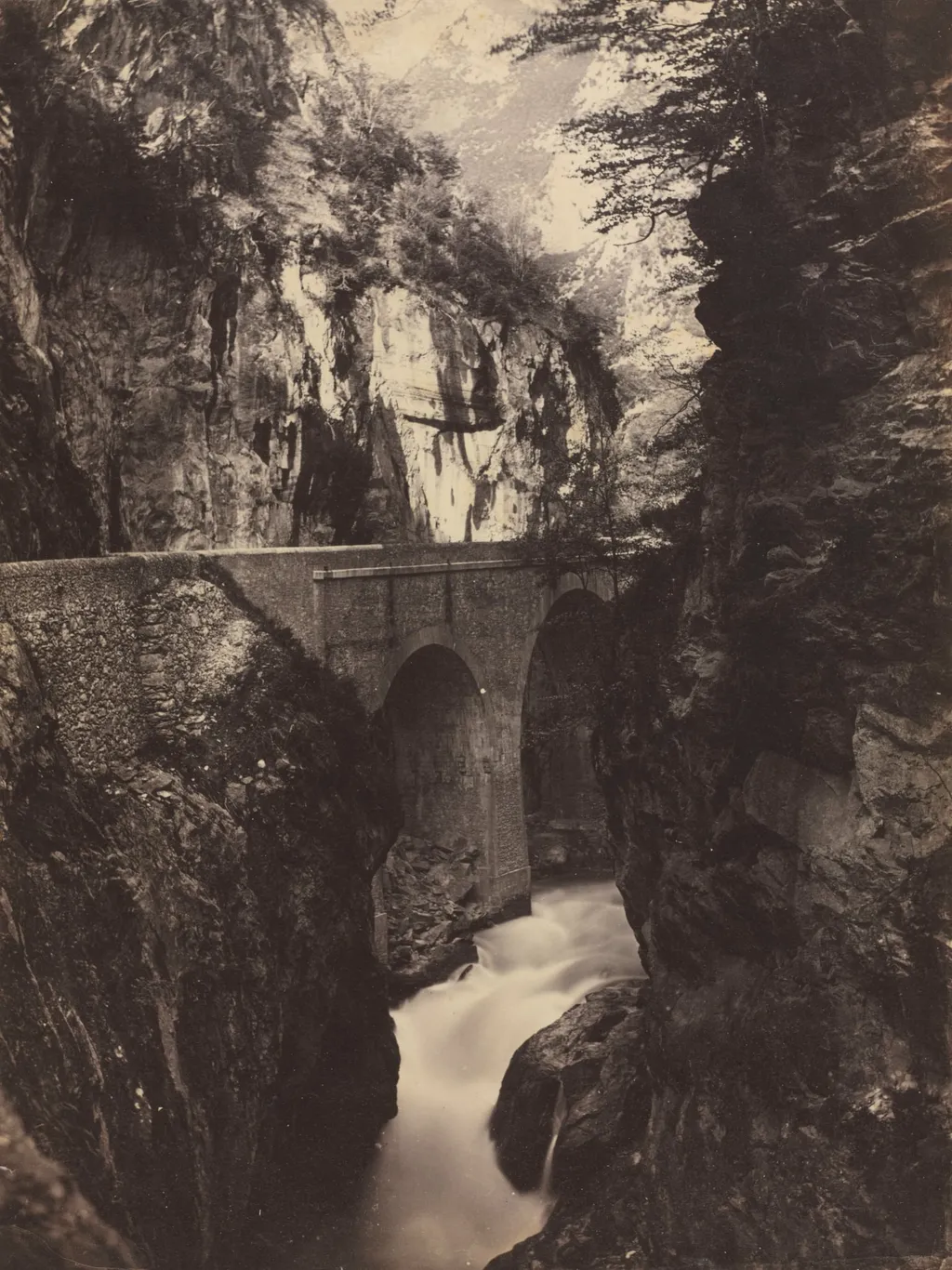
Road to Eaux-Chaudes, Pyrenees (recto) is a photography by the Impressionist artist Farnham Maxwell Lyte. It dates from 1855 and is held in the collection of the Cleveland Museum of Art.
- Accession no.
- 1995.180.a
- Credit line
- Gift of Paula and Robert Hershkowitz in memory of Sam Wagstaff
About this work
Overview
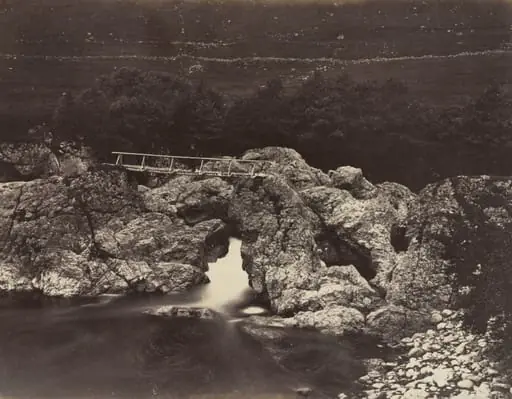
Road to Eaux-Chaudes, Pyrenees (recto) is a photograph depicting a mountain road in the Pyrenees.
Subject & Meaning
The image shows a recently constructed road, completed in 1849, that winds through a rocky gorge to the village of Eaux-Chaudes, known for its hot springs. The scene is characterized by a serene atmosphere, with trees and shrubs lining the road and a stream running alongside it.
Technique & Style
The photograph captures the natural beauty of the scene, with a range of tones conveying the textures of the landscape, from the foliage to the rocky terrain and distant mountains.
History & Provenance
The photograph was taken by Farnham Maxwell Lyte, a resident of Pau, a town in the Pyrenees foothills that was a popular destination for British tourists and a hub for photography in 1850s France.
Artist & collection

Artist
Farnham Maxwell-Lyte FRSC was an English chemist and the pioneer of a number of techniques in photographic processing. As a photographer he is known for his views of the French Pyrenees.

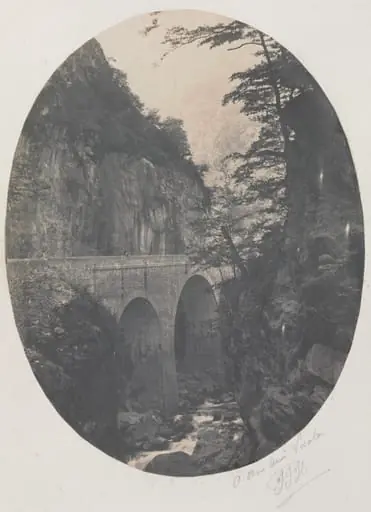 Gorge at Eaux Chaudes, Pyrenees
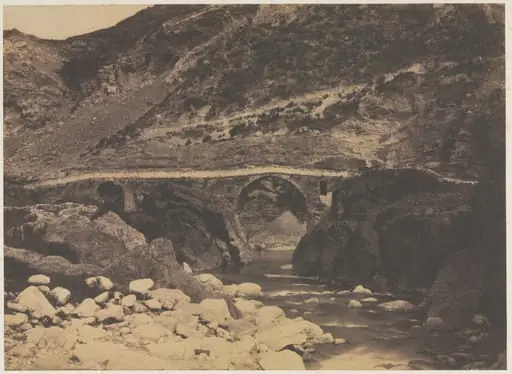 The Bridge of Palalda (near Amelieles-Bains)
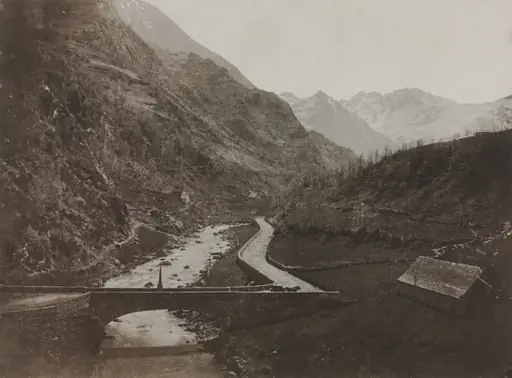 View Along the Route to Luz, Portugal
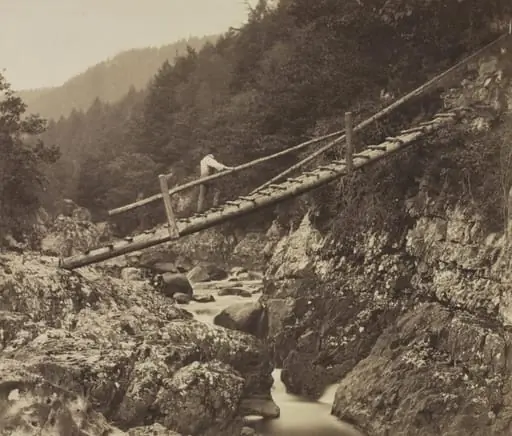 The Miners' Bridge, on the Llugwy, North Wales
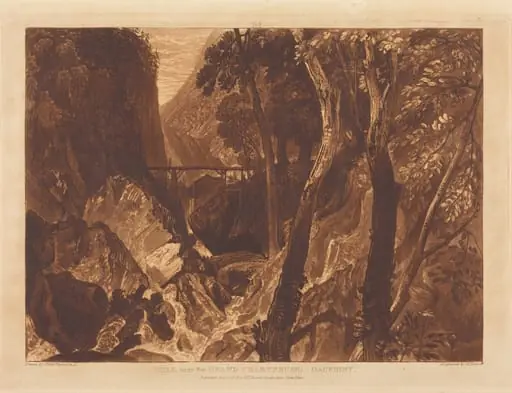 Mill near the Grand Chartreuse
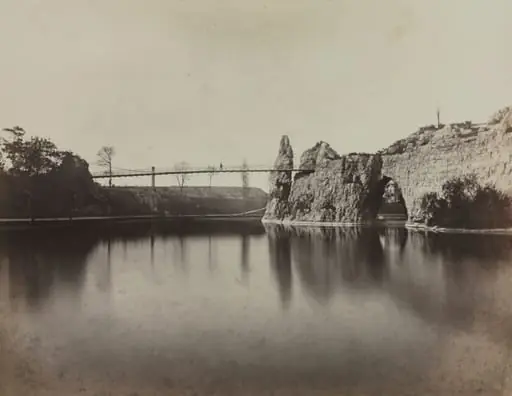 Buttes Chaumont, Paris
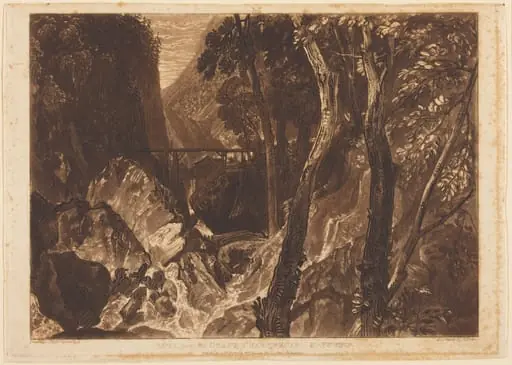 Mill near the Grand Chartreuse
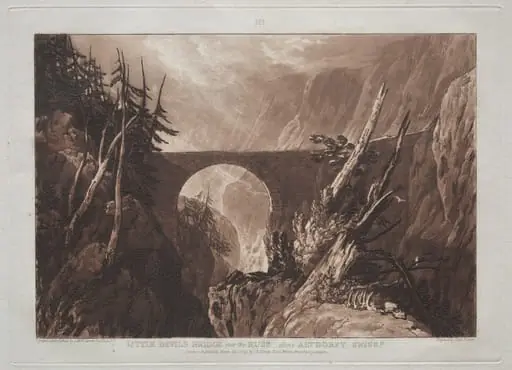 Liber Studiorum: Little Devil's Bridge over the Russ, above Altdorft, Swiss
 Shepherd's Bridge near Forest Lodge