Artwork
Simon Pease
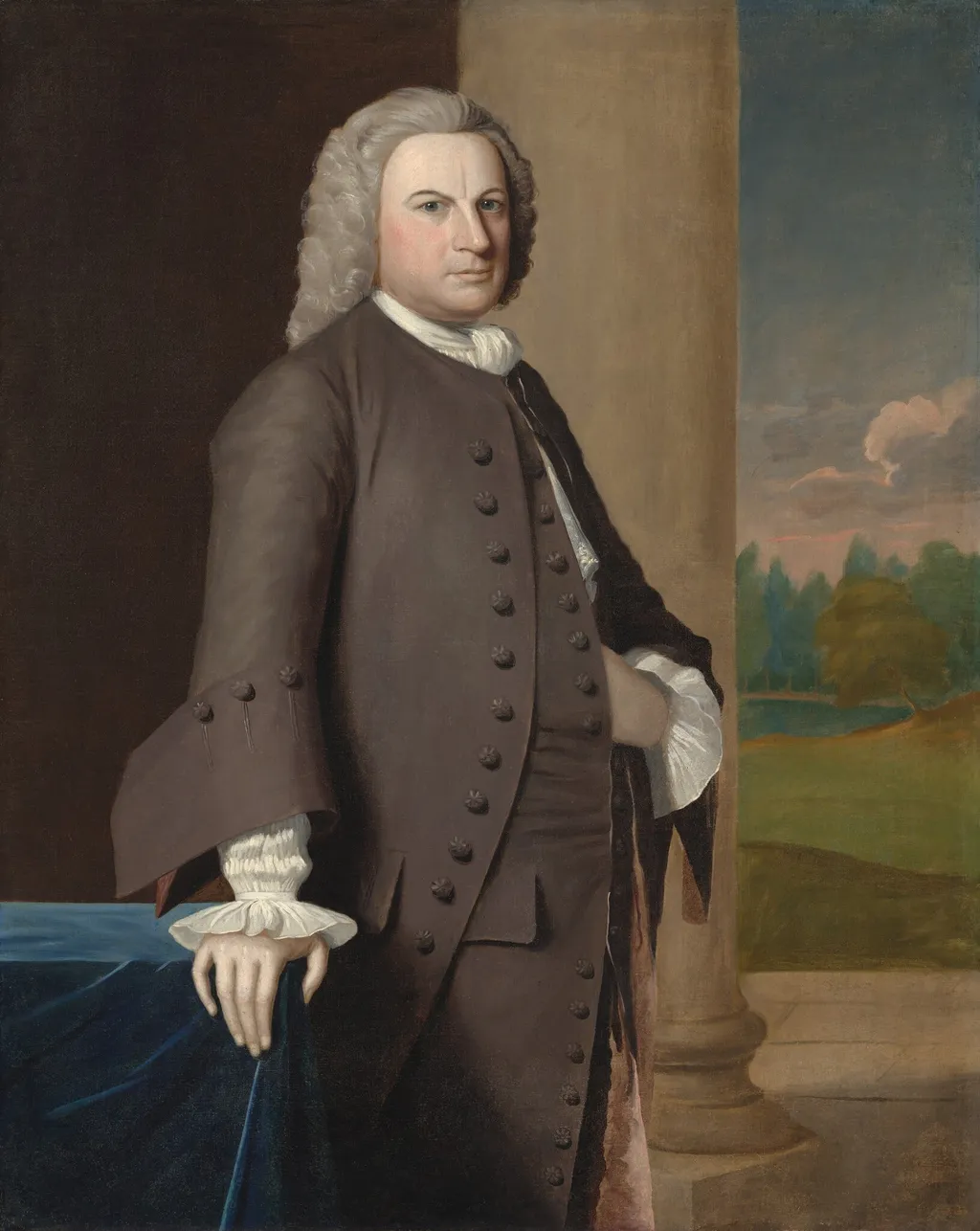
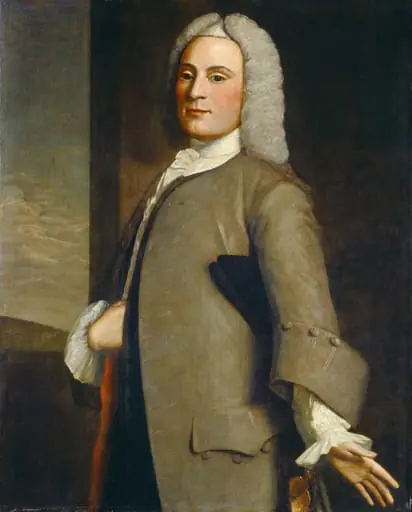
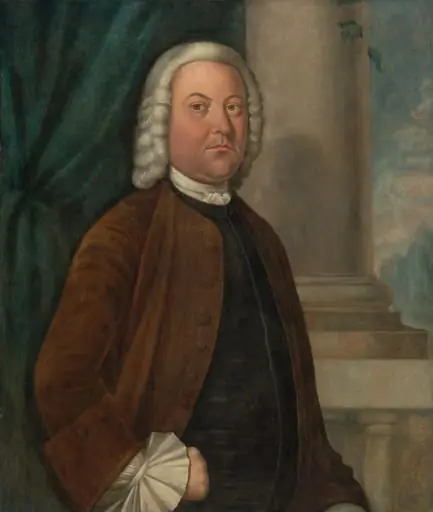
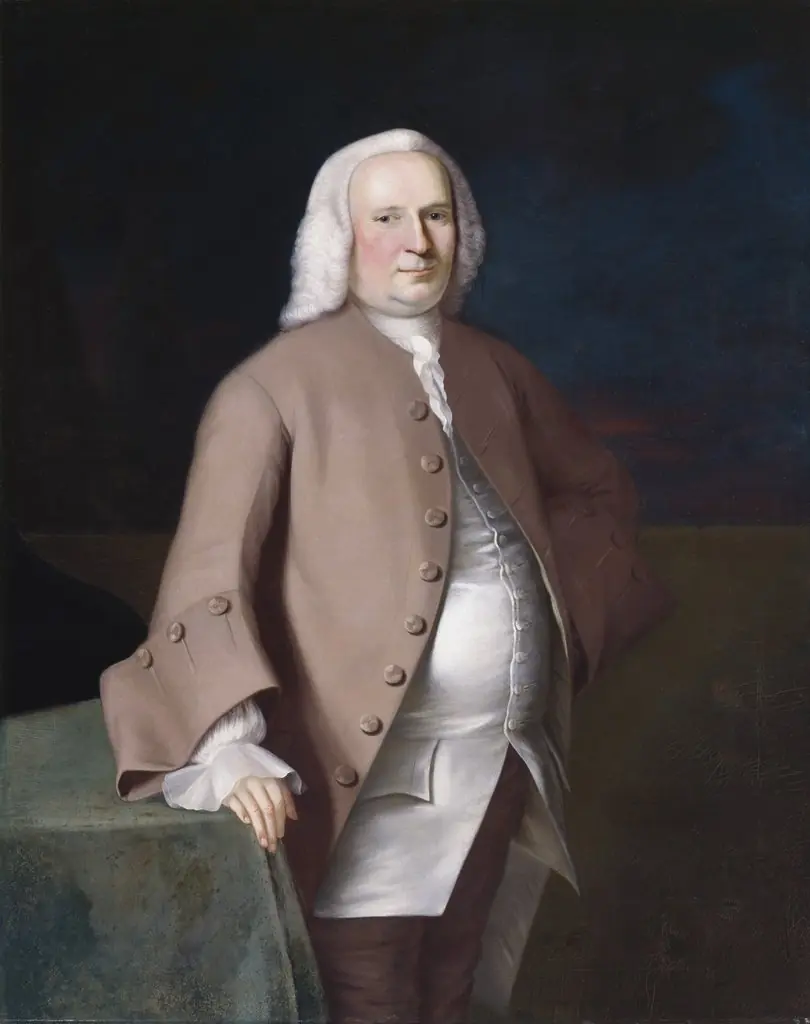
Simon Pease is an oil painting by the American Impressionist artist Robert Feke. It dates from 1749 and is held in the collection of the National Gallery of Art.
About this work
Technique & Style
The composition focuses on the likeness of the sitter, Simon Pease, adhering to the conventional stylistic traits of mid-eighteenth-century portraiture.
Executed in 1749, this portrait utilizes oil paint applied to a canvas support. The work is classified as a painting within the portrait genre, reflecting the standard materials and formal approach employed by Robert Feke during his active period in the American colonies. The composition focuses on the likeness of the sitter, Simon Pease, adhering to the conventional stylistic traits of mid-eighteenth-century portraiture.
History & Provenance
Created in 1749 by Robert Feke, this oil-on-canvas portrait was commissioned by the sitter, Simon Pease (1695–1769), of Newport. Following the sitter's death, the work remained in his family, passing to his son Simon Pease Jr., then to his widow Catherine Winslow Pease Malbone. Ownership subsequently transferred through a series of relatives, including Robert William Stoddard, Hannah Stoddard Thompson, and the Lewis family in Stratford, Connecticut, as documented in a 1937 deposition.
The painting was sold to art dealer Albert Duveen in 1938 and acquired by Myron Charles Taylor the following year. After Taylor's estate sale at Parke-Bernet Galleries in November 1960, the work was purchased by dealers Hirschl and Adler and M. Knoedler and Co. It entered the Corcoran Gallery of Art on October 18, 1965, before being acquired by the National Gallery of Art in 2014.
The portrait is held by the National Gallery of Art, Washington, DC, accessioned as 2014.136.1. It entered the collection via transfer from the Corcoran Gallery of Art in 2014 after the latter’s dissolution and consolidation with the National Gallery of Art. The painting was previously in the Corcoran’s holdings from its purchase in 1965 and had been jointly acquired by Hirschl & Adler and M. Knoedler in 1960 from the Parke-Bernet estate sale of Myron C. Taylor, where it was lot 296.
Overview
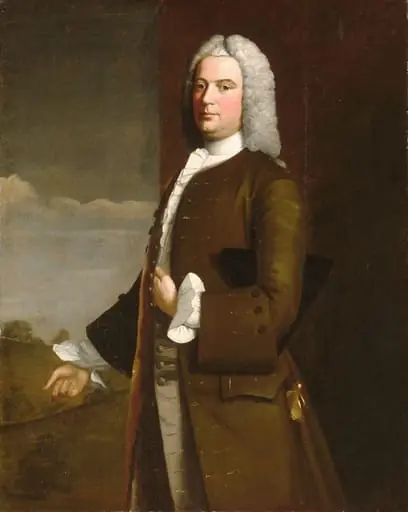
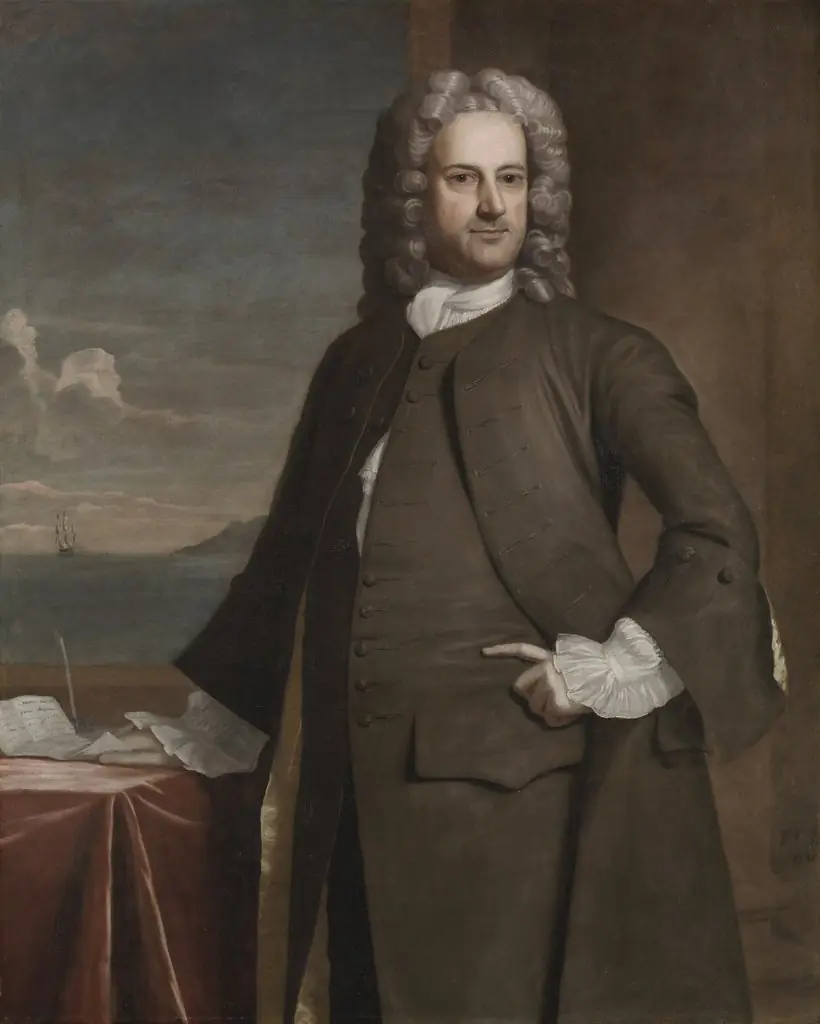
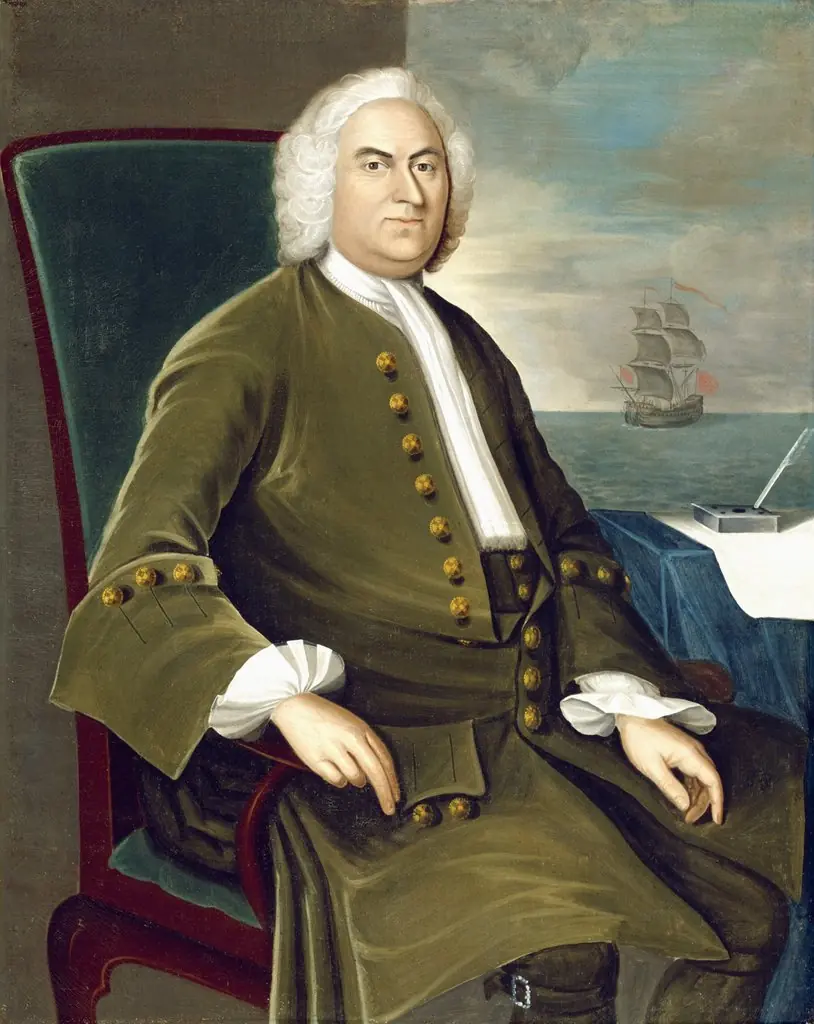
Robert Feke's 'Simon Pease,' painted in 1749, is a half-length oil-on-canvas portrait of the Connecticut merchant. The sitter is depicted facing slightly to the viewer's left, his gaze directed forward with a composed and serious expression. Feke renders Pease in contemporary mid-18th-century attire, featuring a dark coat, a white cravat, and a wig, set against a neutral, dark background that isolates the figure.
The composition emphasizes the subject's status and character through the meticulous modeling of the face and the careful attention to the textures of the fabric. Created during the height of Feke's career in Newport and Connecticut, this work exemplifies the artist's mature style, which blends the formal conventions of British portraiture with a distinct American directness and psychological presence. The painting stands as a significant example of colonial American portraiture, demonstrating Feke's ability to capture both the physical likeness and the social standing of his patrons with clarity and restraint.
Subject & Meaning
The painting presents Simon Pease, whose identity beyond his name is not detailed in the source. He is depicted in formal, period-appropriate clothing, suggesting his social standing. His serious expression, combined with the direct gaze, creates a sense of gravitas and presence.
The portrait's primary function would have been to record Pease's likeness, serving as a visual testament to his individual identity and status within his community.
Own this work as a print
Artist & collection
Artist
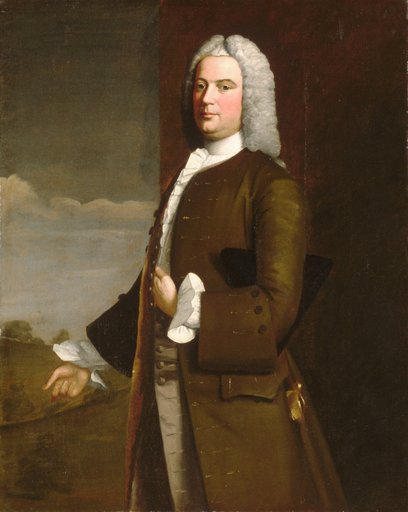
Robert Feke (c. 1705 – c. 1752) was an American portrait painter born in Oyster Bay, New York. According to art historian Richard Saunders, "Feke's impact on the development of Colonial painting was substantial, and his…