Artwork
Captain Alexander Graydon
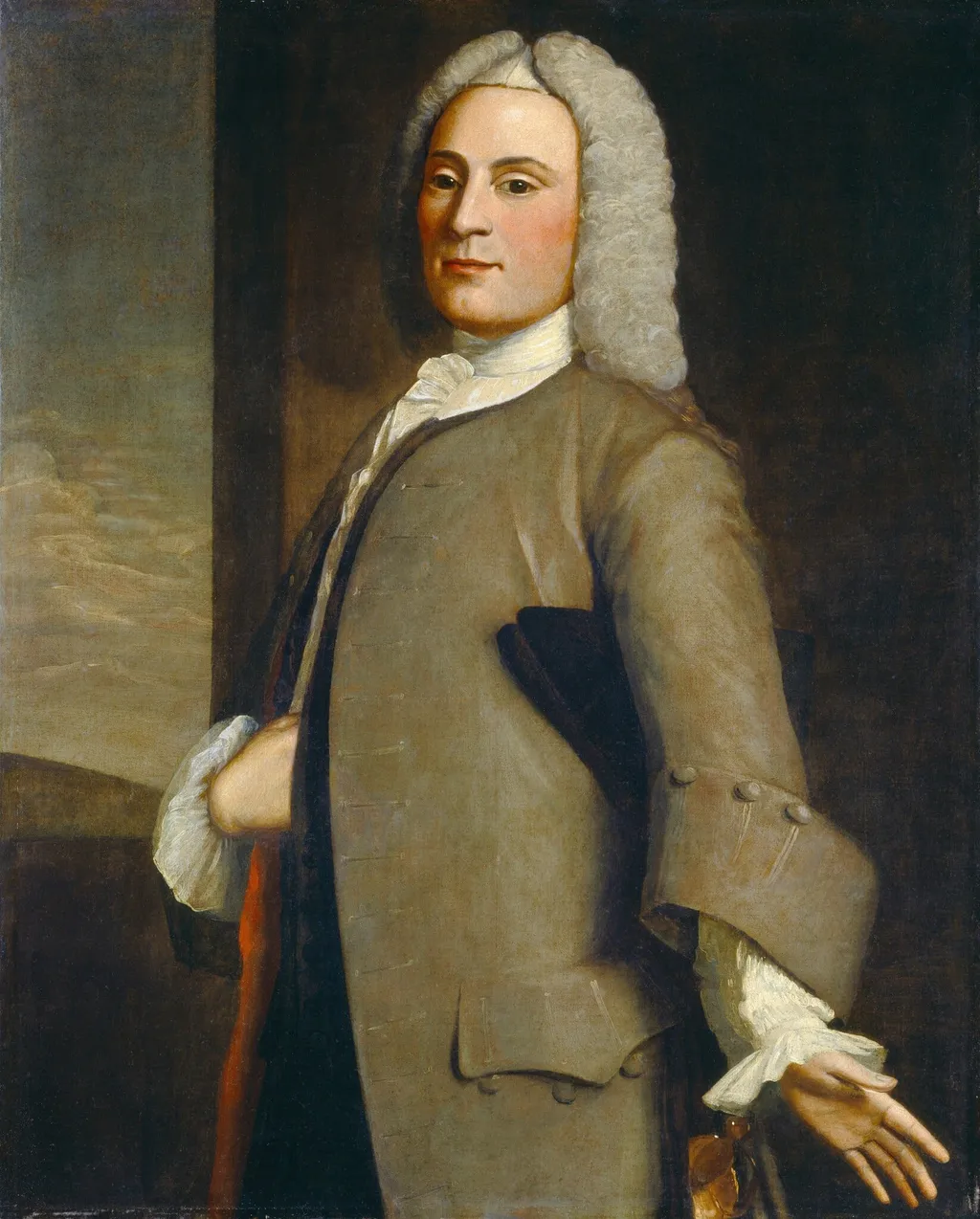
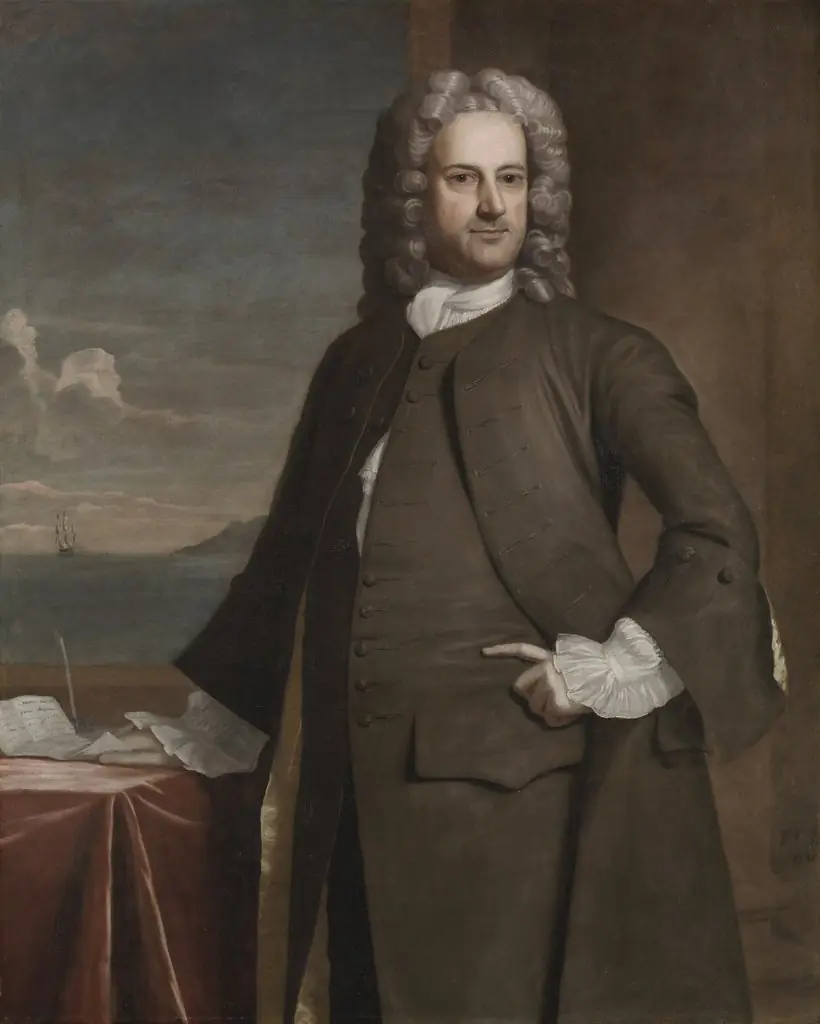
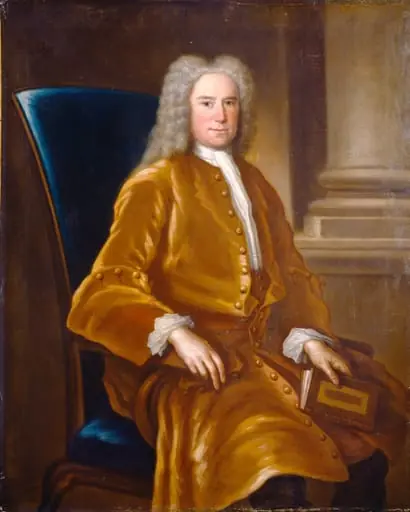
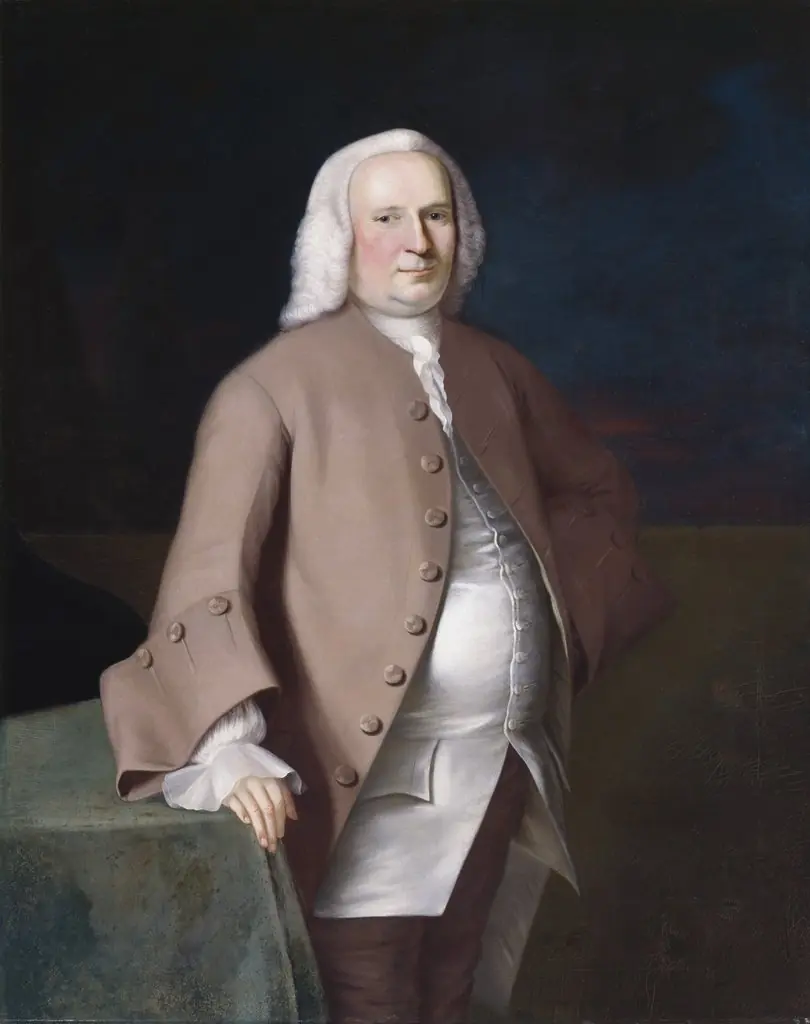
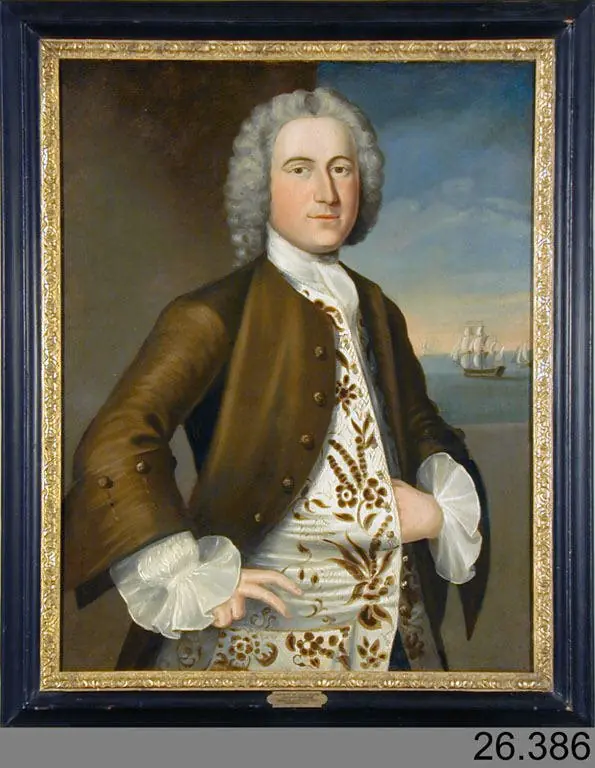
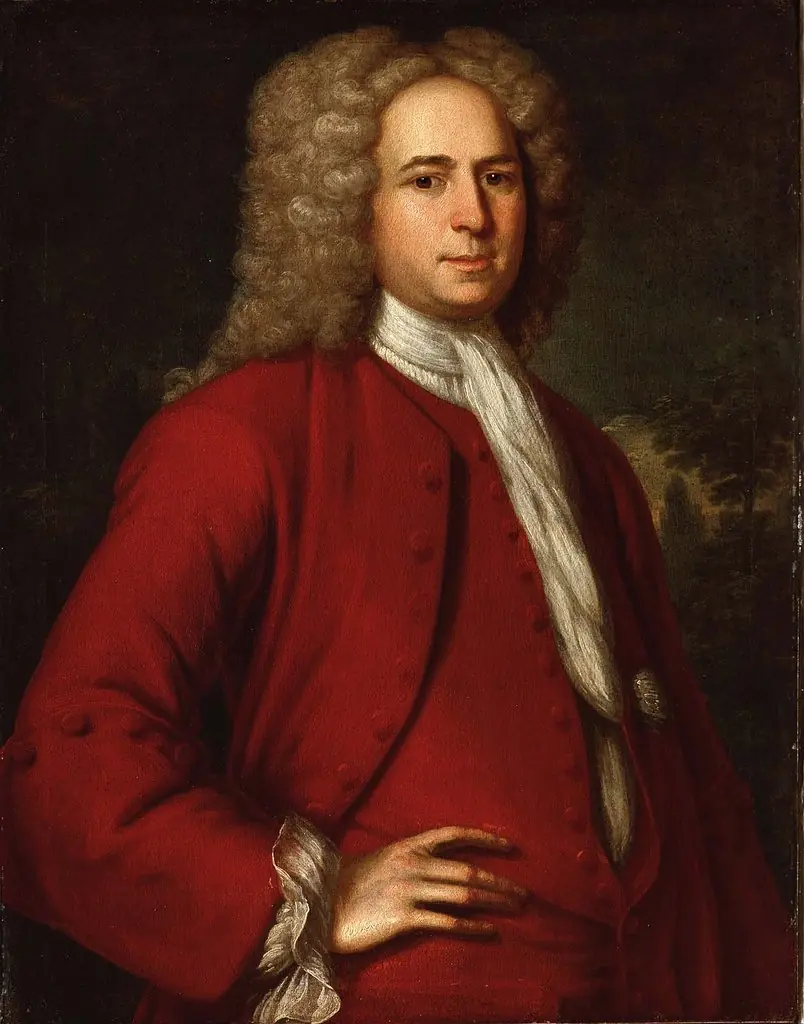
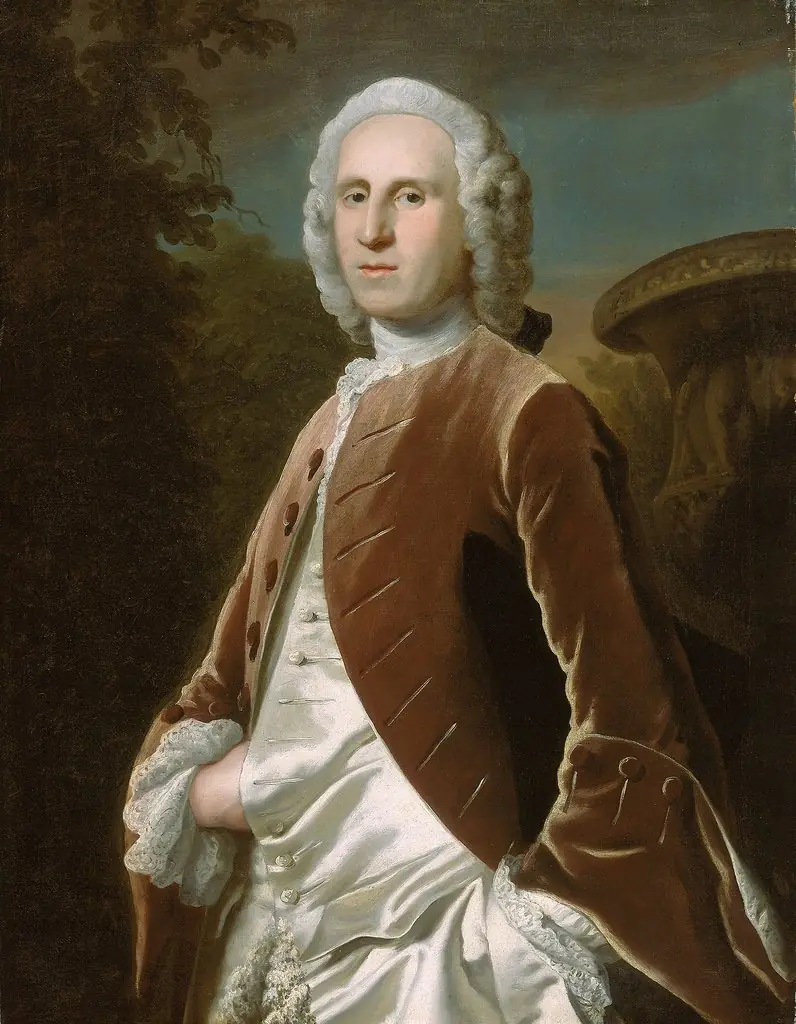
Captain Alexander Graydon is an oil painting by the American Folk Art artist Robert Feke. It dates from 1746 and is held in the collection of the National Gallery of Art.
About this work
Robert Feke shows Alexander Graydon seated, serious and formal in the dress of his day. Feke's close attention to face and clothing fixes a sense of the period. Oil on canvas, 1746.
History & Provenance
(1752–1818), his brother William Graydon (1759–1840) of Harrisburg, and later descendants Henry Murray Graydon and Julia Graydon.
The portrait of Captain Alexander Graydon was painted in 1746 by Robert Feke using oil on canvas. It remained in the Graydon family, passing from the sitter (c. 1708–1761) of Bristol, Pennsylvania, to his wife Rachel Marks Graydon in Philadelphia, then to their son Alexander Graydon, Jr. (1752–1818), his brother William Graydon (1759–1840) of Harrisburg, and later descendants Henry Murray Graydon and Julia Graydon. Following Julia Graydon's death, the painting was sold at her Harrisburg residence on 28 October 1954, purchased by Edgar H. Sittig of Shawnee-on-Delaware, Pennsylvania, and resold on 8 November 1954 to Colonel Edgar William and Bernice Chrysler Garbisch, who gifted it to the National Gallery of Art, Washington, D.C., in 1966, where it has remained since.
Overview
Robert Feke's 1746 oil on canvas portrait depicts Captain Alexander Graydon seated in a three-quarter view, facing slightly to the viewer's left. The subject is dressed in a dark coat with silver buttons, a white cravat, and a tricorn hat resting on his knee, signifying his status as a maritime officer. Feke renders the captain's face with a direct, steady gaze and a composed expression, characteristic of the artist's mature style during his Philadelphia period.
The composition places the figure against a neutral, dark background, which isolates the sitter and emphasizes the texture of his clothing and the subtle modeling of his features. Executed in 1746, this work represents a high point in Feke's career, demonstrating his ability to blend the formal conventions of British portraiture with a distinct American directness and psychological presence. The painting serves as a significant document of colonial elite identity, capturing the dignity and authority associated with naval command in mid-18th-century America.
Subject & Meaning
The painting presents Alexander Graydon seated, dressed in period attire that reflects the fashion of the mid-1700s. His formal posture and serious expression convey a sense of gravitas and social standing. Feke's meticulous rendering of Graydon's features and clothing provides a detailed record of the individual, while also offering a glimpse into the sartorial and social conventions of the era for a man of his position.
Technique & Style
Executed in oil on canvas, Feke's technique in Captain Alexander Graydon emphasizes precise observation. The artist demonstrates careful attention to the nuances of Graydon's facial characteristics and the intricate textures of his garments. This detailed approach not only creates a lifelike representation but also highlights the skill typical of portrait painters working in the American colonies during this period, focusing on realism and formal presentation.
Own this work as a print
Artist & collection
Artist
Robert Feke (c. 1705 – c. 1752) was an American portrait painter born in Oyster Bay, New York. According to art historian Richard Saunders, "Feke's impact on the development of Colonial painting was substantial, and his…