Artwork
Charles Apthorp
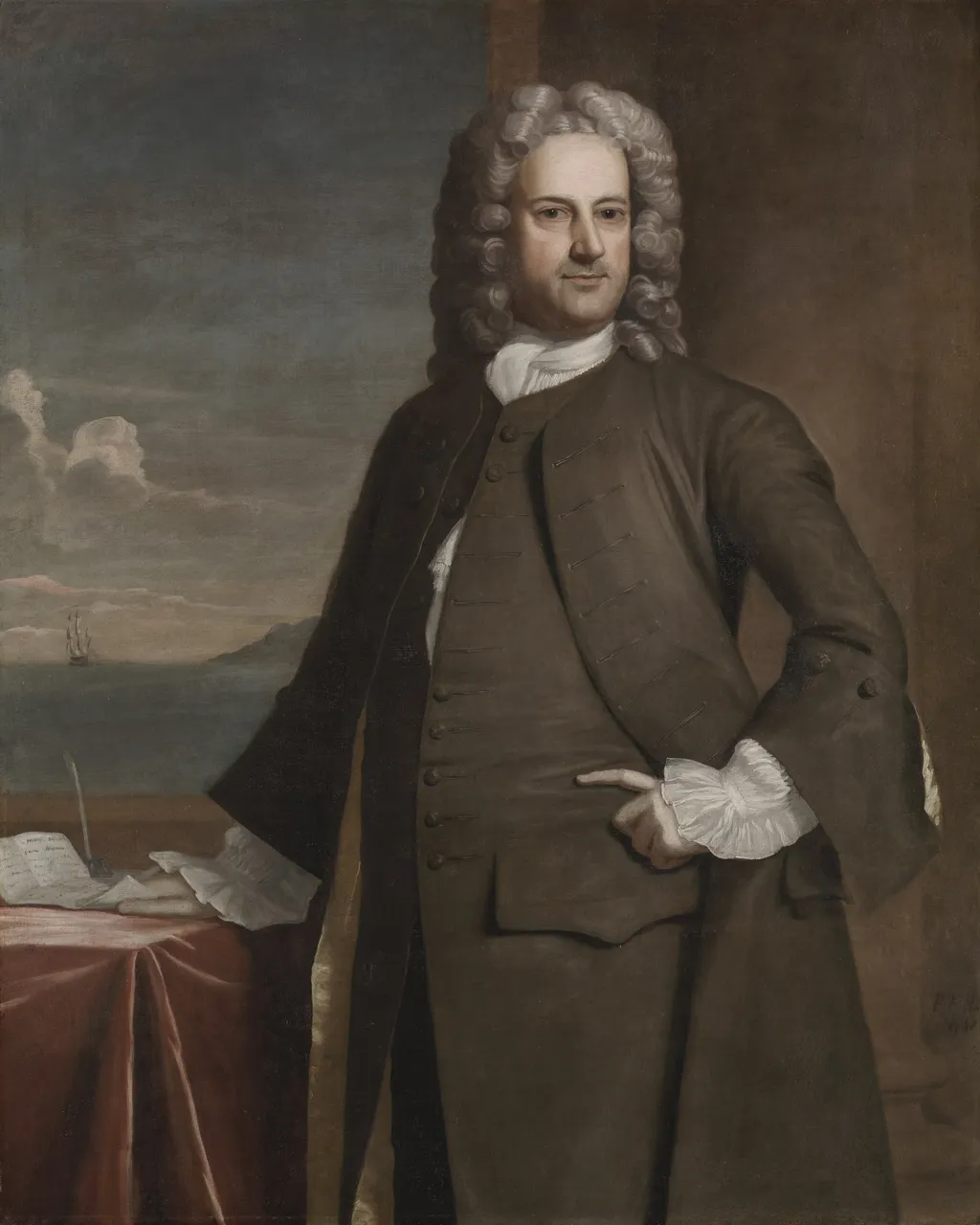
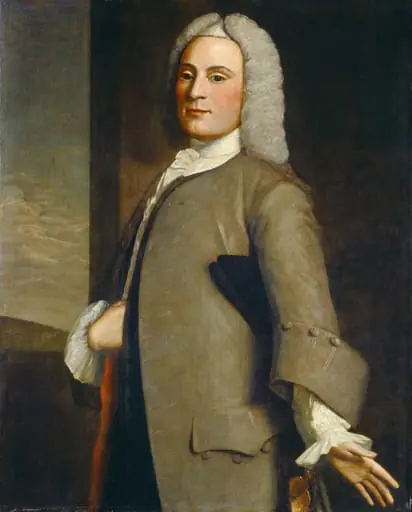
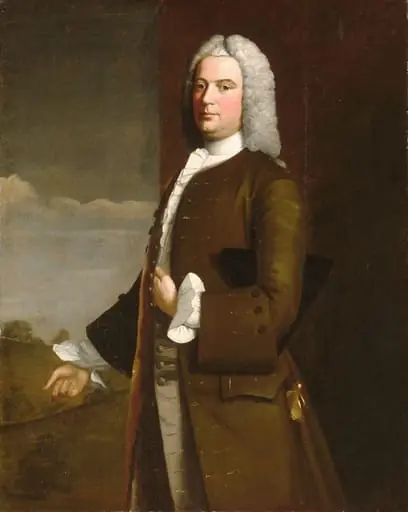
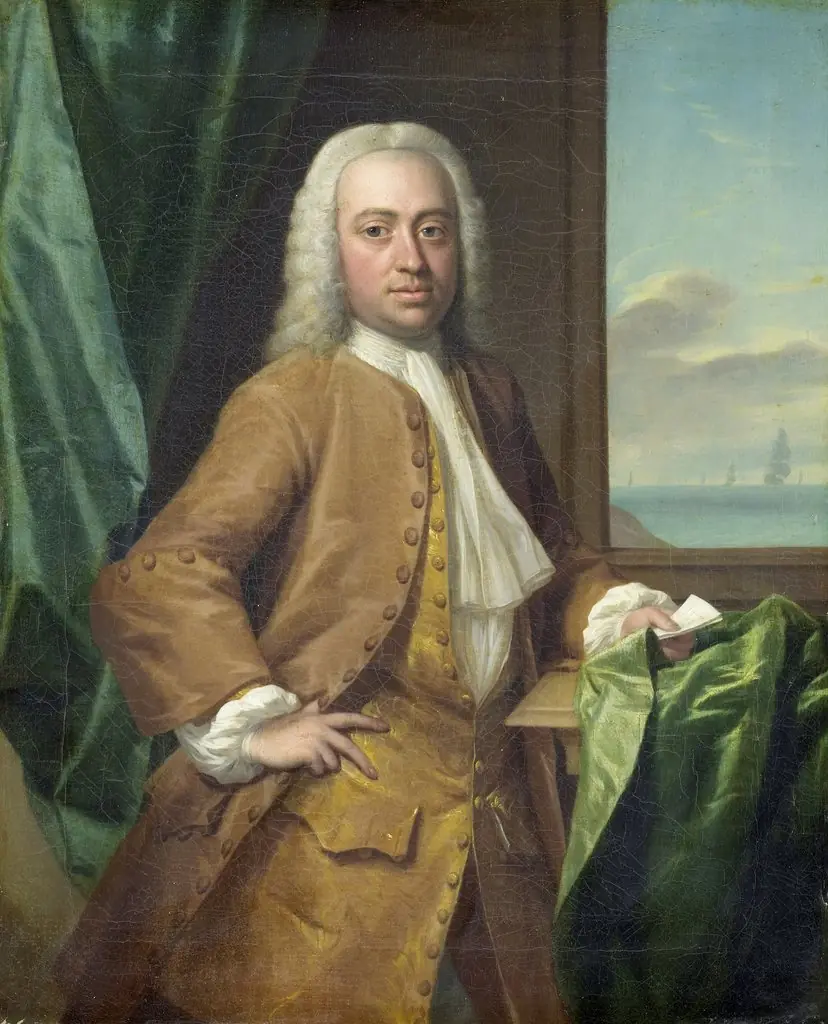
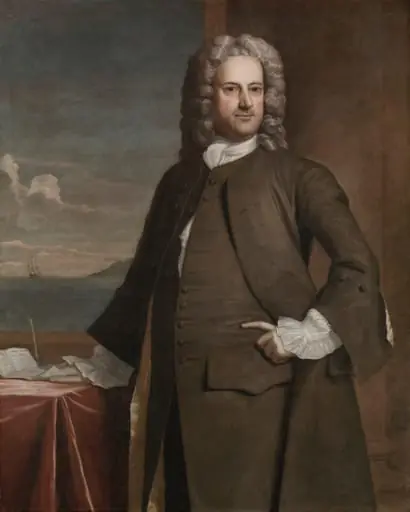
Charles Apthorp is an oil painting by the Rococo painting artist Robert Feke. It dates from 1748 and is held in the collection of the Cleveland Museum of Art.
About this work
Technique & Style
The composition adheres to the formal conventions of the genre, emphasizing symmetry and controlled lighting to convey the subject’s social status and probity.
The portrait of Charles Apthorp by Robert Feke (1748) is an oil painting executed on a canvas support, measuring 127.0 cm in height and 101.5 cm in width. Feke employed a refined, smooth handling of oil paint, characteristic of mid-18th-century American portraiture, to render the sitter’s features with clarity and dignity. The composition adheres to the formal conventions of the genre, emphasizing symmetry and controlled lighting to convey the subject’s social status and probity.
The restrained palette, dominated by muted earth tones and deep blacks, underscores the gravitas of the figure, while the delicate detailing of the costume and facial expression reflects Feke’s training in the British portrait tradition.
History & Provenance
The portrait of Charles Apthorp was created in 1748 by the American artist Robert Feke. Executed in oil on canvas, the work depicts its titular subject and originates from the United States. The painting is currently held in the collection of the Cleveland Museum of Art, where it is cataloged under the accession number 1919.1006.
While the specific details regarding the original commission or the immediate chain of ownership prior to its museum acquisition are not detailed in the provided records, the work's inception is firmly dated to 1748. The physical dimensions of the canvas measure approximately 127.0 cm in height and 101.5 cm in width. This piece stands as a significant example of Feke's portraiture from the mid-18th century, capturing the likeness of Charles Apthorp during that specific year.
The portrait of Charles Apthorp by Robert Feke is held in the collection of the Cleveland Museum of Art, where it bears the accession number 1919.1006. The work is catalogued as an oil on canvas painting dated 1748 and classified as a portrait. The provided sources do not record any exhibition history for this painting; neither the internal catalog entry nor the Wikidata entry mentions past displays or loans.
Overview
Robert Feke's 1748 oil painting, Charles Apthorp, is a notable example of mid-18th-century American portraiture. Depicting its namesake, the work reflects the Rococo aesthetic prevalent at the time. Feke, an American artist, played a significant role in enhancing the quality of painting in the colonies. This portrait is held in the collection of The Cleveland Museum of Art.
Subject & Meaning
The portrait features Charles Apthorp dressed in a dark brown coat with prominent white cuffs and a white cravat, complemented by a neatly styled gray wig. He holds a folded piece of paper, suggesting an aspect of his professional life. A window in the background reveals a cloudy sky and a ship sailing near land, possibly alluding to his maritime or commercial connections.
Context
Born around 1705 in Oyster Bay, New York, Robert Feke was an influential American portrait painter during the mid-18th century. He is recognized for his contributions to elevating the artistic standards within the American colonies. Among his approximately sixty surviving paintings, twelve are both signed and dated, offering valuable documentation of his practice and the era's artistic landscape.
Own this work as a print
Artist & collection
Artist
Robert Feke (c. 1705 – c. 1752) was an American portrait painter born in Oyster Bay, New York. According to art historian Richard Saunders, "Feke's impact on the development of Colonial painting was substantial, and his…