Artwork
Portrait of a man
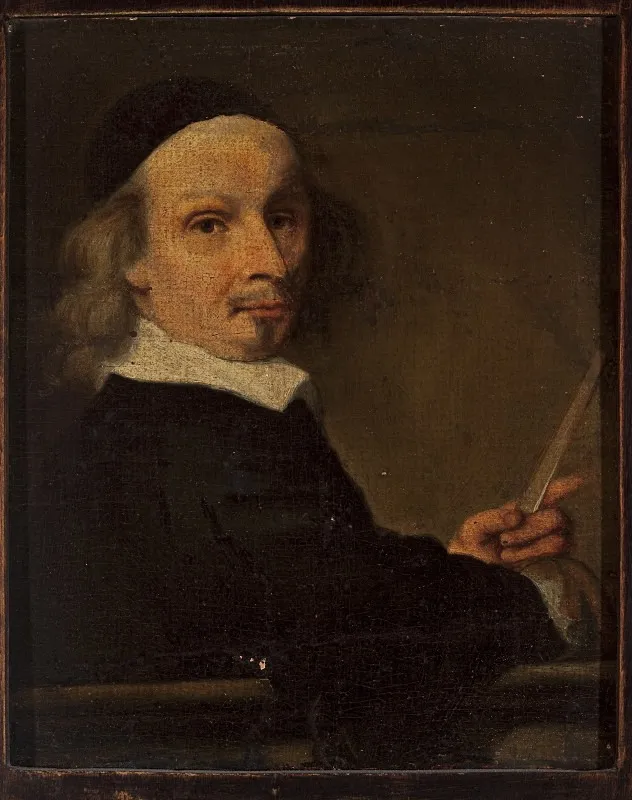
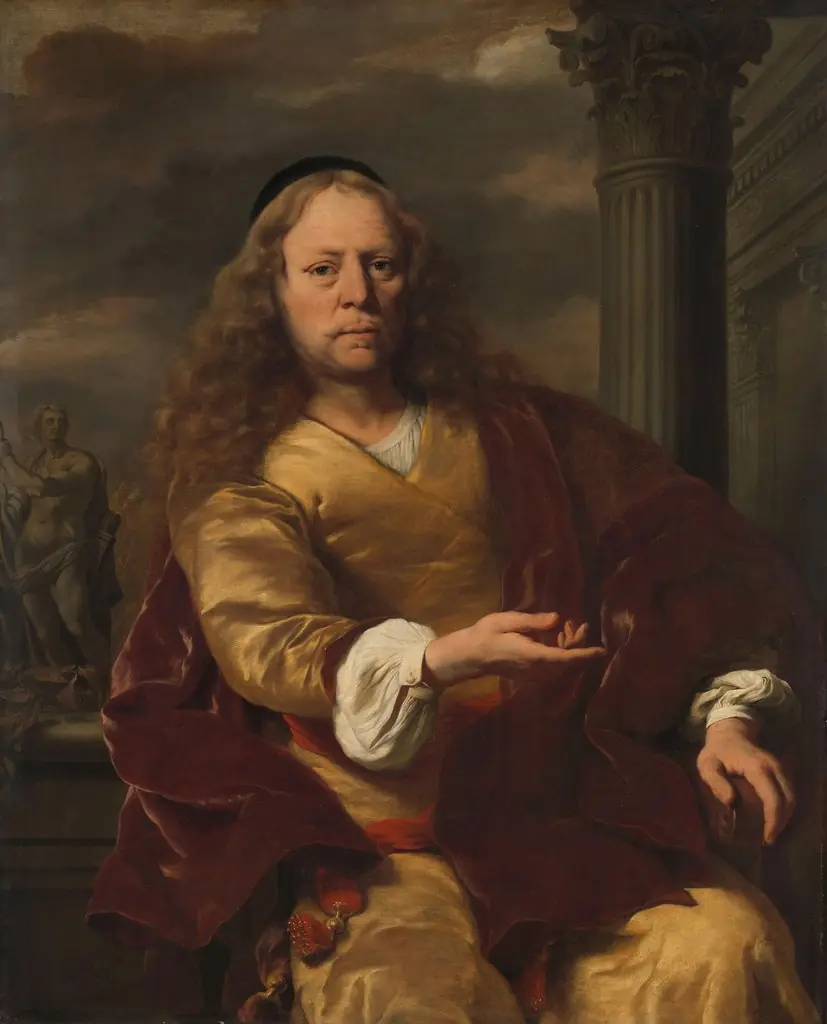
Portrait of a man is an oil painting by the Dutch Golden Age artist Ferdinand Bol. It dates from 1658 and is held in the collection of the National Museum in Warsaw.
About this work
Overview
Measuring 124 cm by 100 cm (49 by 39 inches), the work is executed in oil on canvas and is held in the collection of the Rijksmuseum in Amsterdam.
The Portrait of a Man is an oil painting by the Dutch Golden Age artist Ferdinand Bol, executed in 1663. Measuring 124 cm by 100 cm (49 by 39 inches), the work is executed in oil on canvas and is held in the collection of the Rijksmuseum in Amsterdam. The painting represents a significant example of Bol's mature portraiture, produced during his established career in Amsterdam after his training in Rembrandt's studio. It has been the subject of sustained scholarly interest regarding the identity of its sitter, with several prominent figures of Dutch classicism proposed as possible subjects.
Subject & Meaning
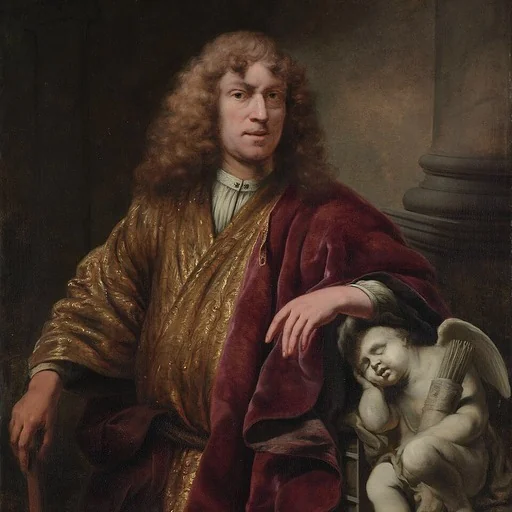
The portrait depicts a man with long blonde hair, dressed in a banyan, a loose-fitting robe that suggests informal or domestic circumstances rather than formal public presentation. The sitter is positioned against a background of architectural columns with a statue of Apollo, classical elements that evoke the ideals of Dutch classicism and associate the subject with cultural refinement and intellectual pursuits. The identity of the sitter remains unknown, though scholarship has proposed three prominent candidates: Jacob van Campen, the leading proponent of Dutch classicism and architect of the Amsterdam stadhuis; Artus Quellinus, a sculptor who executed works for buildings designed by Van Campen; and Louis Trip, who with his brother Hendrick designed the Trippenhuis, for which Bol painted several works. The inclusion of the Apollo statue and architectural setting may allude to the sitter's connection to the arts, specifically sculpture or architecture, or may simply reflect the fashionable classical taste of Amsterdam's elite during the 1660s.
Technique & Style
The painting is executed in oil on canvas, a support that allowed Bol the flexibility to work at a substantial scale of 124 by 100 cm. The composition employs a formal presentation with classical architectural elements that demonstrate Bol's departure from the more intimate, dramatically lit portraits of his early career. The handling of paint in the mature work reflects Bol's synthesis of Rembrandtesque chiaroscuro with the clearer, more structured compositions demanded by Amsterdam's patrician clientele. The banyan worn by the sitter and the classical backdrop indicate Bol's engagement with international portrait conventions, while the directness of presentation maintains a distinctly Dutch character. The surface condition and specific paint handling of the Rijksmuseum canvas are not documented in the available sources, though Bol's general practice involved smooth blending in flesh tones with more textured application in fabrics and backgrounds.
History & Provenance
The painting was created in 1663, by which time Bol had established himself as one of Amsterdam's leading portraitists, having left Rembrandt's studio around 1642培养的 and worked independently for over two decades. The work entered the Rijksmuseum collection, where it has been catalogued under inventory number SK-A-43. Its provenance prior to museum acquisition is not detailed in the available sources, though early catalogues from 1830 and 1839 identified it as a portrait of Jacob van Campen, while later 20th-century catalogues suggested Artus Quellinus. The painting was featured in the Rijksmuseum's 1984 exhibition Praise the Frame, which examined 17th-century painting frames. It was discovered that the work bore an inauthentic 17th-century Italian frame, and a replica Dutch Golden Age frame was subsequently commissioned from sculptor and restorer Maarten Robert, completed around 1995. This replica was modelled after the frame of Jan de Baen's portrait of Johan de Witt in the Dordrechts Museum, featuring intersecting olive branches with a recess for a family coat of arms. The painting was displayed in the museum's gallery of honour for approximately ten years before touring in 2005 during the Rijksmuseum renovation. It has since been included in several major international exhibitions, including The Golden Age: Highlights from the Rijksmuseum at the National Gallery of Victoria, Melbourne, and Hyogo Prefectural Museum of Art, Kobe, in 2005-2006; Rembrandt and the Golden Age at the Shanghai Museum in 2007-2008; Vermeer, Rembrandt and the Golden Age of Dutch Painting at the Vancouver Art Gallery in 2009; and L'âge d'or hollandais at the Pinacothèque de Paris in 2009-2010.
Context
Ferdinand Bol entered Rembrandt's studio around 1636-1637 and remained until approximately 1642, when he began working independently in Amsterdam for the rest of his career. His early painted portraits closely resembled Rembrandt's commissioned works from the late 1630s and early 1640s, successfully incorporating aspects of the transparent chiaroscuro that the older master developed during these years. By 1663, however, Bol had evolved a more refined and internationally oriented style, responding to the tastes of Amsterdam's wealthy bourgeoisie and mercantile elite. The Portrait of a Man exemplifies this mature phase, combining Rembrandtesque roots with classical elements that aligned with the cultural ambitions of the Dutch Republic. The proposed identifications of the sitter, all connected to major architectural projects in Amsterdam, suggest the painting's function within networks of patronage and professional prestige. The shifting attributions of the sitter in museum catalogues, from Van Campen in the 19th century to Quellinus in the early 20th, reflect the ongoing challenges of identifying anonymous portraits from the Dutch Golden Age and the tendency to associate such works with the most prominent available names.
Legacy
The Portrait of a Man occupies a significant place in the Rijksmuseum's presentation of Dutch Golden Age painting, having been displayed in the gallery of honour for an extended period and selected for major international touring exhibitions. The 1984 Praise the Frame exhibition and subsequent reframing initiative highlight the painting's role in museum discourse about historical presentation and authenticity. The work exemplifies how Bol's reputation has been shaped by his proximity to Rembrandt and his success as an independent master, with scholarly interest focusing on his evolution from Rembrandtesque manner to a more individualized classical style. The painting's inclusion in exhibitions across Asia, North America, and Europe demonstrates its function as a representative work of the Dutch Golden Age in global museum programming. The unresolved question of the sitter's identity continues to generate scholarly discussion, reflecting broader methodological challenges in Dutch portrait studies and the social function of anonymity in Golden Age portraiture.
Artist & collection
Artist
Ferdinand Bol (24 June 1616 - 24 August 1680) was a Dutch painter, etcher and draftsman.

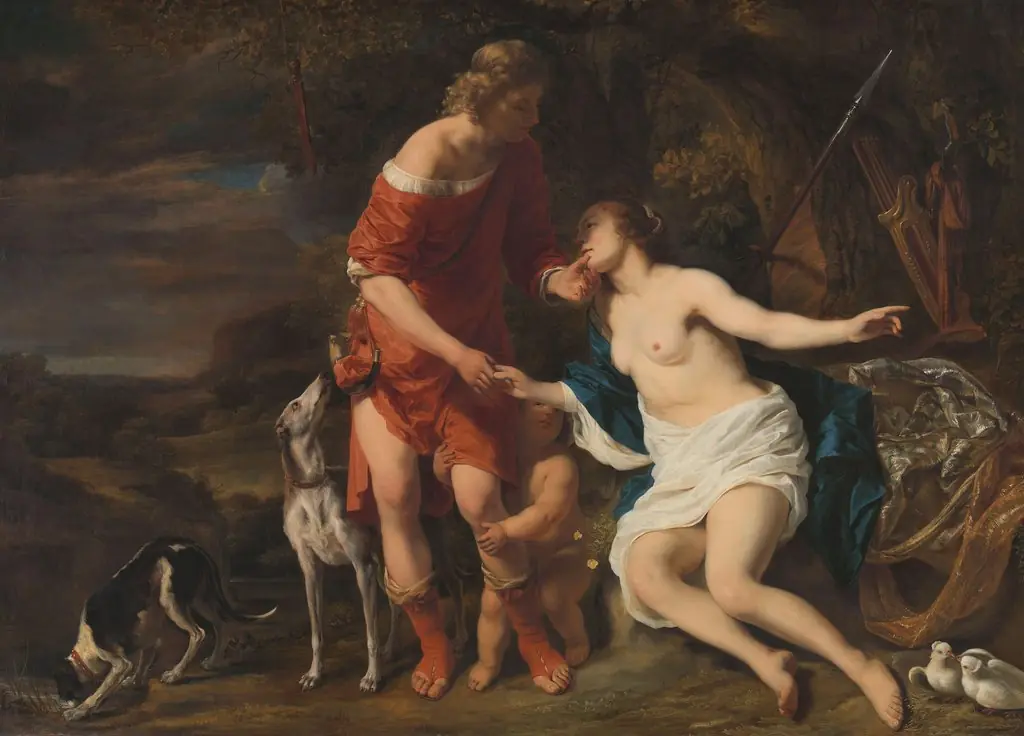 Venus and Adonis
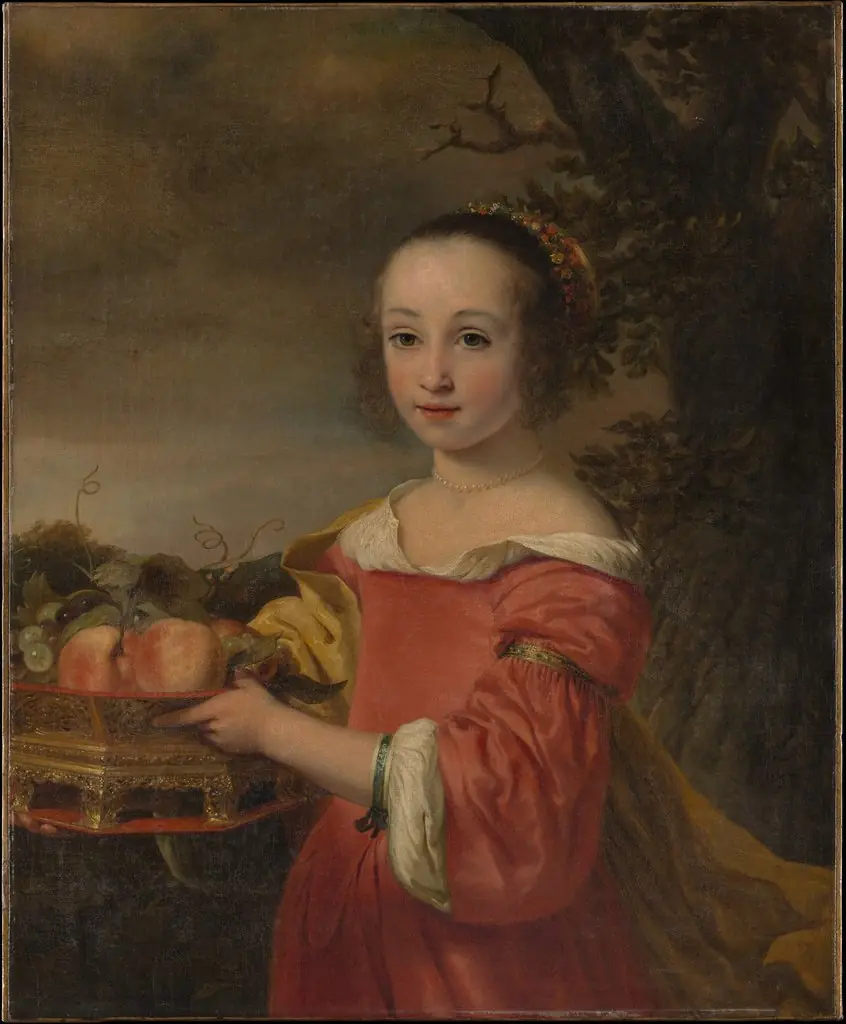 Petronella Elias (1648–1667) with a Basket of Fruit
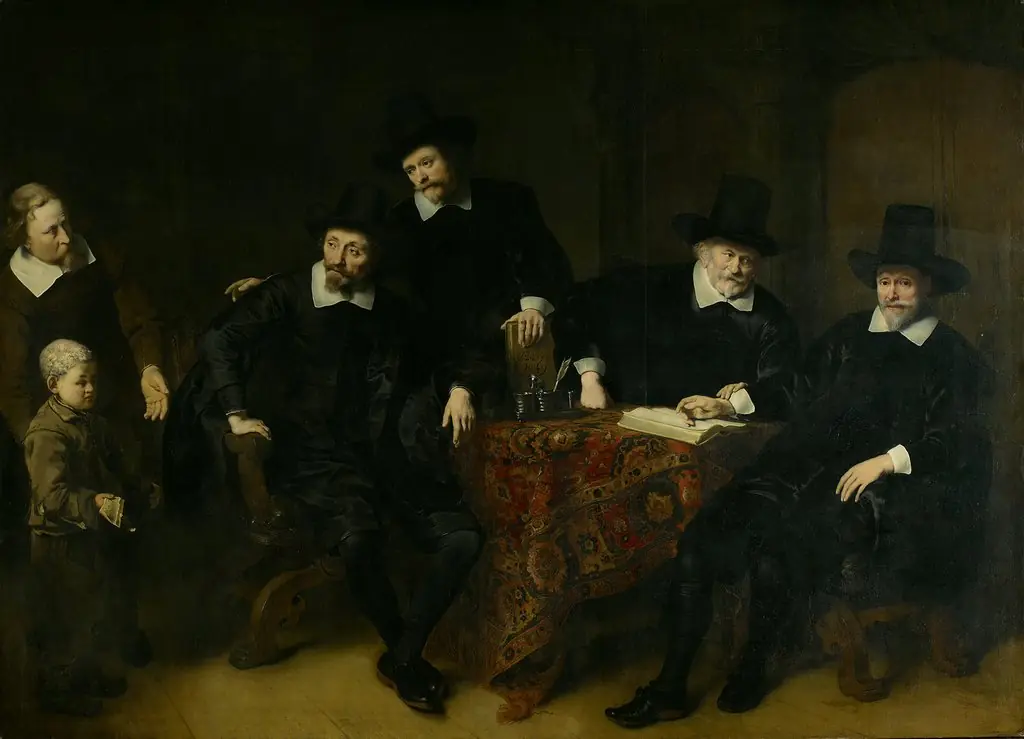 The Regents of the Leper's house in Amsterdam in 1649
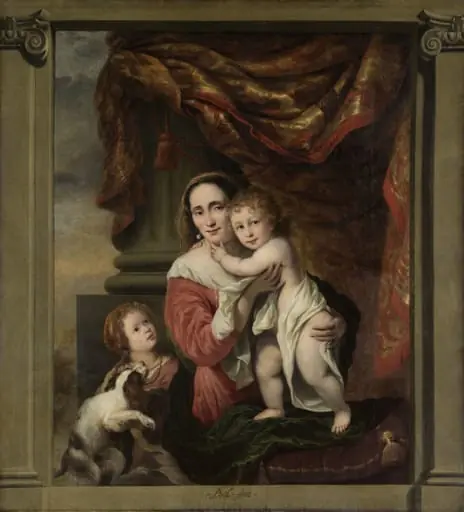 Caritas: Joanna de Geer (1629-1691) with her Children Cecilia Trip (1660-1728) and Laurens Trip (b. 1662)
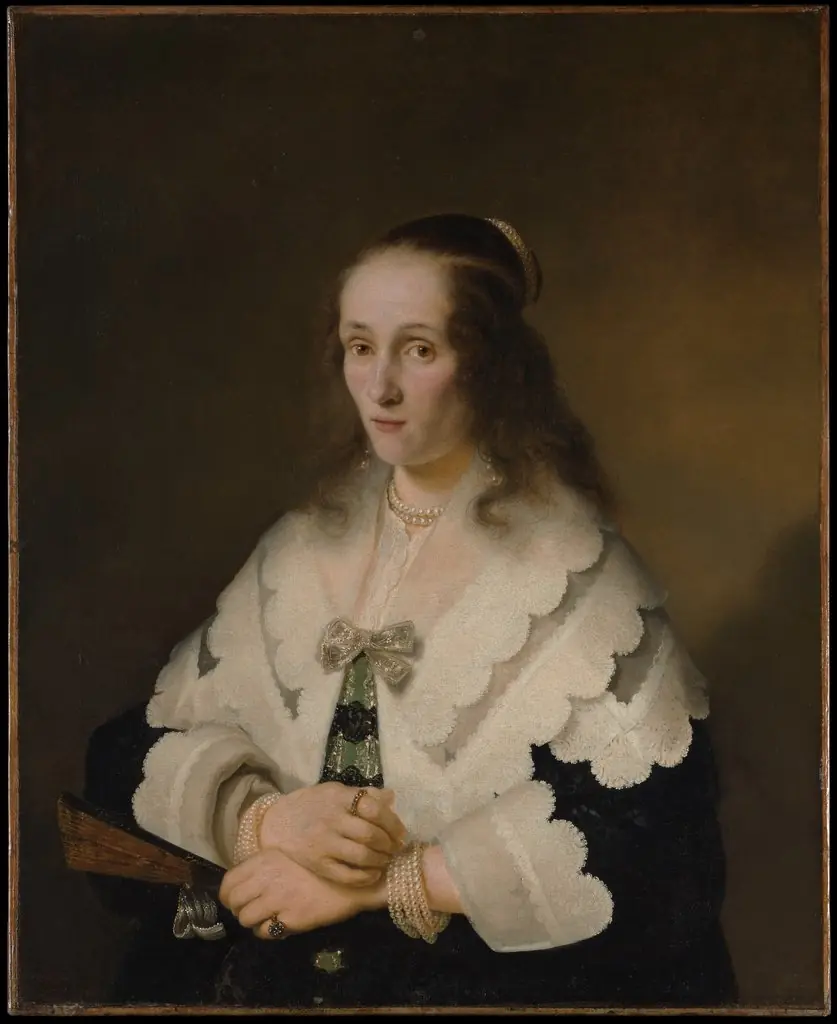 Portrait of a Woman
 Bacchus and Ariadne
 Portrait of a man
 Portrait of an Old Lady, Possibly Elisabeth Bas
- Portrait of a Man
 Portrait of a mathematician
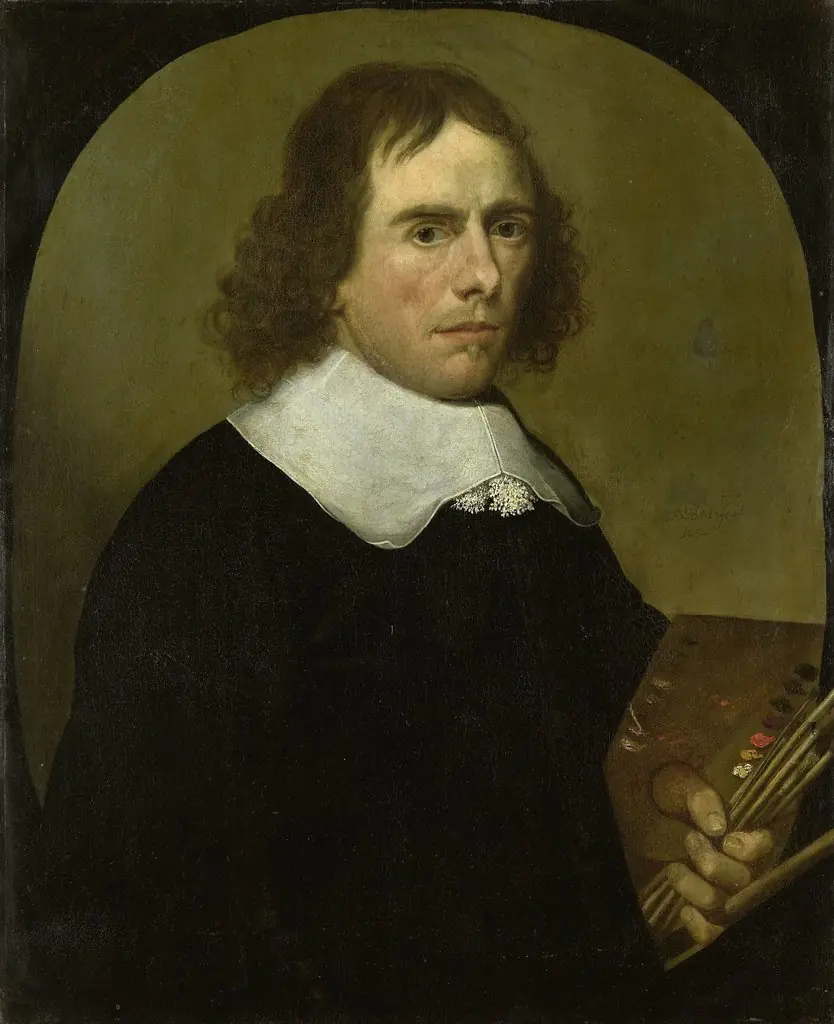 Self portrait
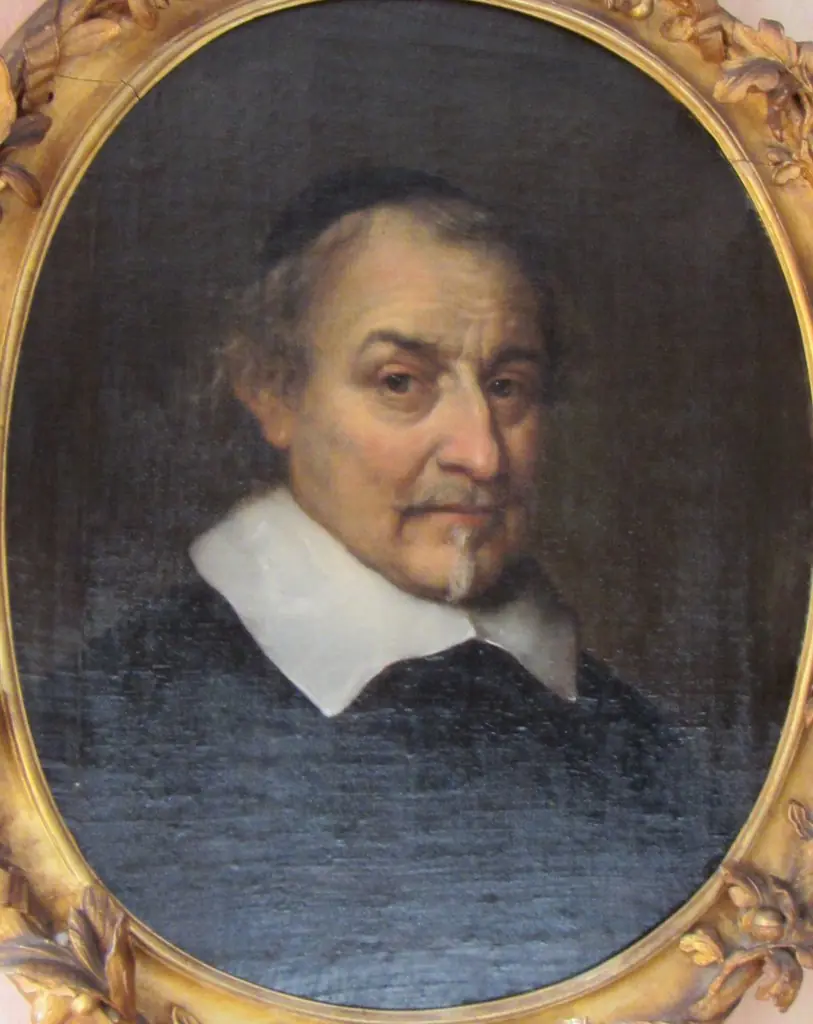 Portrait of Joost van den Vondel
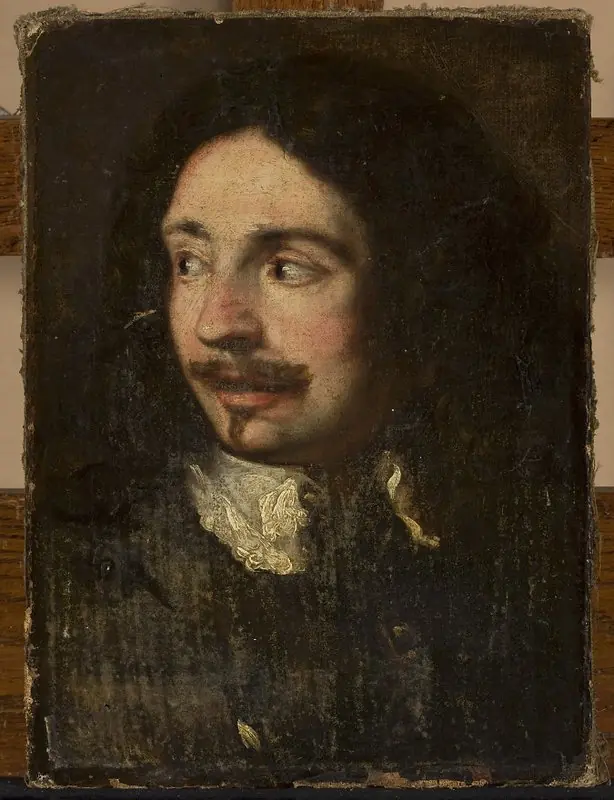 Study for a portrait of a man
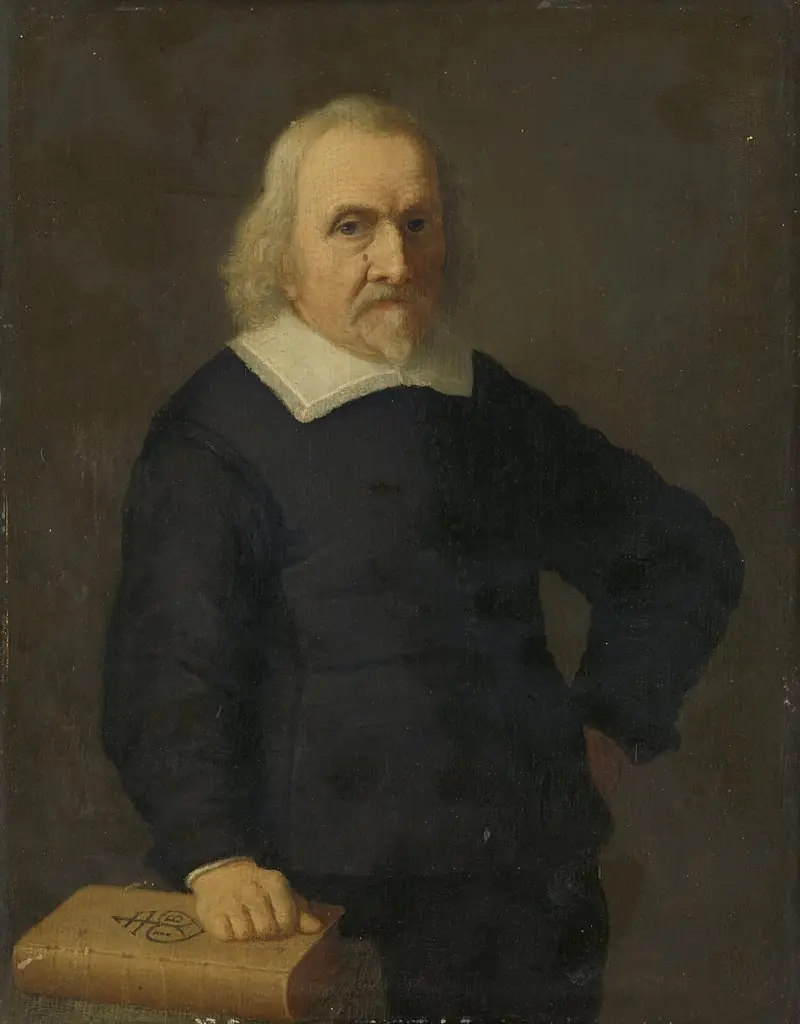 Portrait of a Man
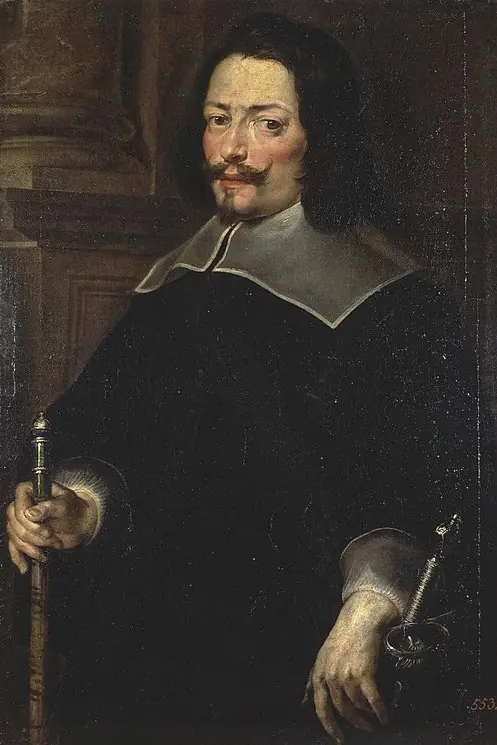 Portrait of a Man
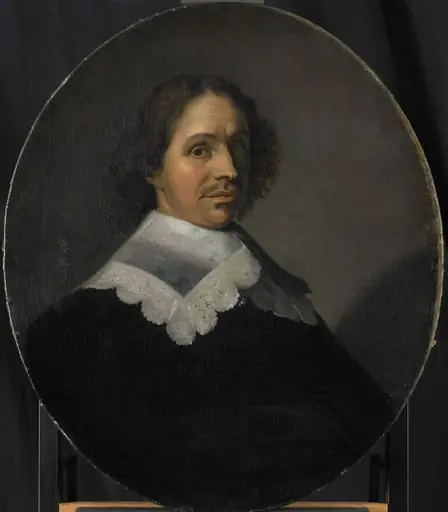 Portrait of Paulus Verschuur, Served seven terms as Burgomaster of Rotterdam and also Director of the Rotterdam Chamber of the East India Company, elected 1651
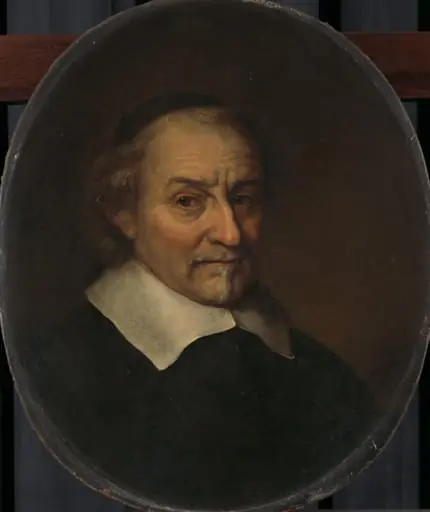 Joost van den Vondel (1587-1679), Poet
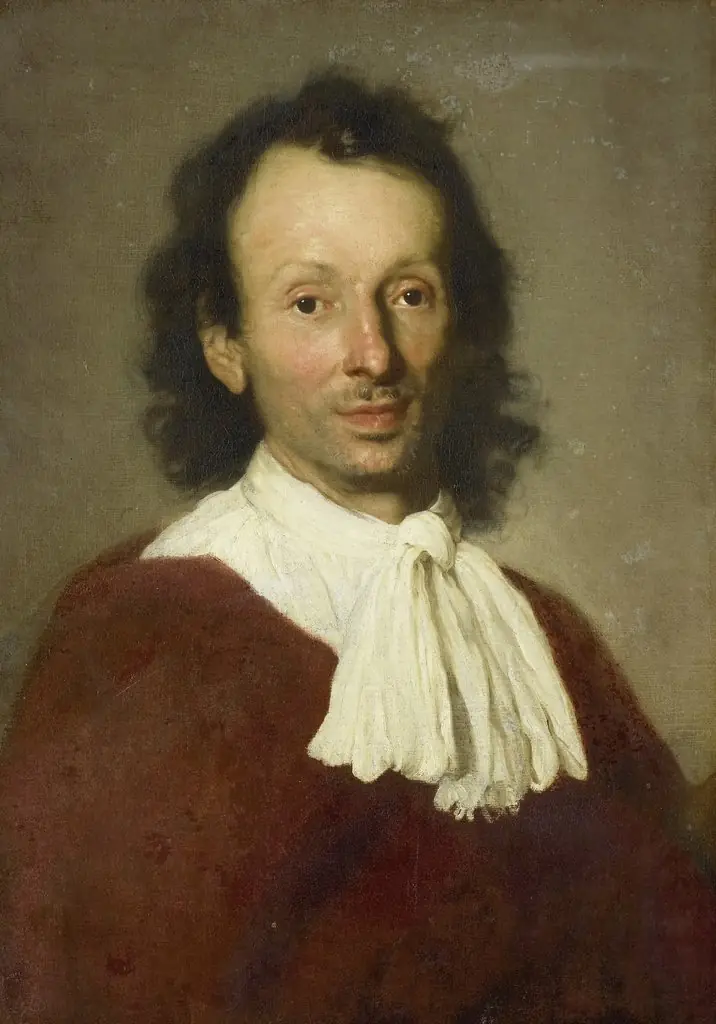 Portrait of a Man
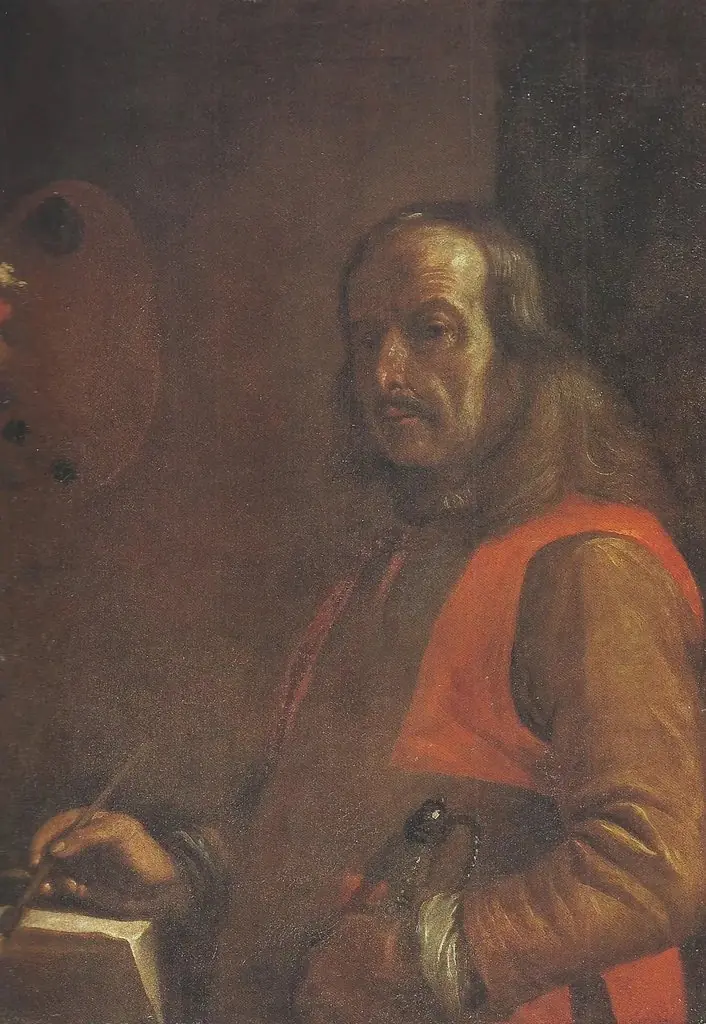 Self-portrait
![Portrait of a Gentleman [possibly Jacob van Campen], by Thomas de Keyser](https://artifactworldgallery.com/img/thomas-de-keyser--portrait-of-a-gentleman-possibly-jacob-van-campen--d0c829ca95efaf31-w320.webp) Portrait of a Gentleman [possibly Jacob van Campen]
Portrait of a Gentleman [possibly Jacob van Campen]