Artwork
The holy Women at the Sepulchre
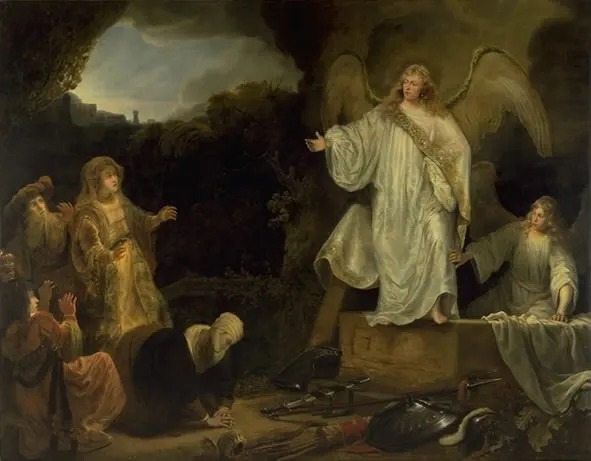
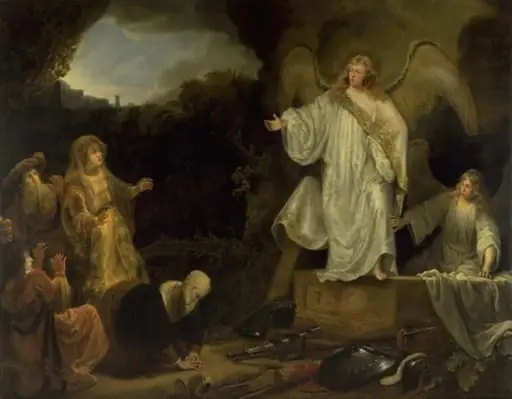
The holy Women at the Sepulchre is an oil painting by the Dutch Golden Age artist Ferdinand Bol. It dates from 1644 and is held in the collection of the Statens Museum for Kunst.
About this work
Subject & Meaning
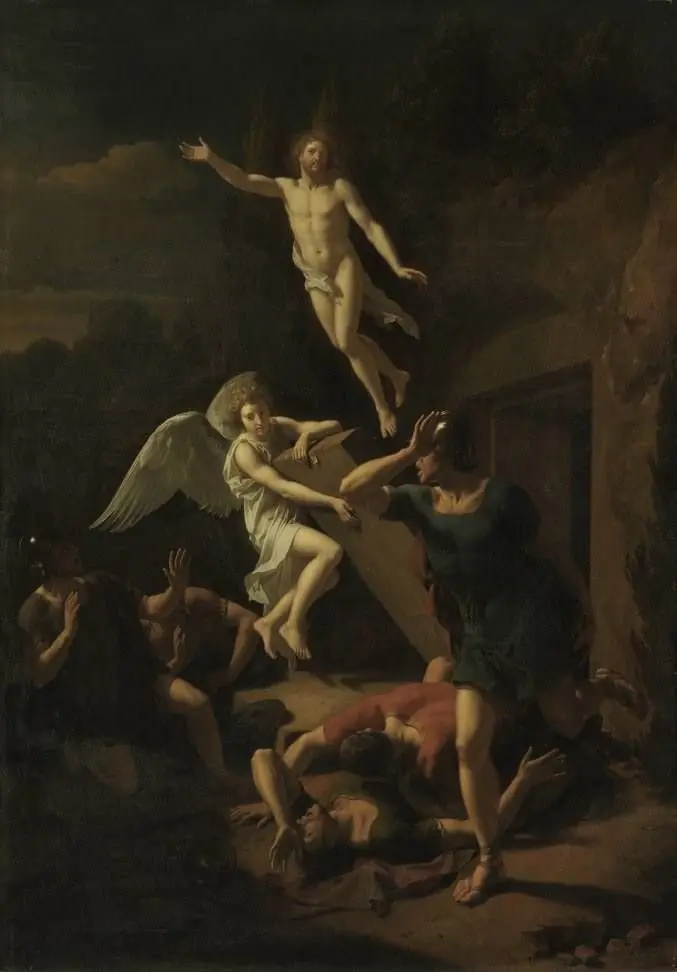
These figures represent the women who visited the tomb of Jesus to anoint his body, a central event in Christian narrative following the crucifixion.
Ferdinand Bol's 1644 oil painting, The Holy Women at the Sepulchre, is a religious work that depicts the myrrhbearers. These figures represent the women who visited the tomb of Jesus to anoint his body, a central event in Christian narrative following the crucifixion. The subject focuses on the moment these women encounter the empty sepulchre, embodying the themes of mourning, discovery, and the resurrection.
As a genre of religious art, the composition visualizes this scriptural account, highlighting the emotional and spiritual significance of the women's witness to the empty tomb.
Technique & Style
The painting is executed in oil on canvas, a medium typical of mid-seventeenth-century Dutch cabinet pictures. Measuring 28.0 cm in height by 35.8 cm in width, the work presents a compact composition centered on the myrrh-bearing women at Christ’s empty tomb, rendered with delicate handling of light and translucent glazes to articulate drapery and flesh. The palette favors cool, silvery tones modulated through refined chiaroscuro, while the figures are posed in restrained contrapposto to convey quiet reverence rather than dramatic agitation.
Brushwork remains precise in details such as jewelry and textiles, yet dissolves into softer transitions in shadowed areas, indicating Bol’s training under Rembrandt and his adaptation of a restrained, tonal approach to narrative scenes.
History & Provenance
Ferdinand Bol created the oil-on-canvas painting The Holy Women at the Sepulchre in 1644. This religious work, which depicts the myrrhbearers, measures 28.0 cm in height and 35.8 cm in width. The painting is currently held in the collection of the Statens Museum for Kunst.
The painting is housed in the collection of the Statens Museum for Kunst. Its inventory number is not specified in the available sources. The work has been part of the museum's holdings since at least 1644, as recorded in its accession details. It has not been documented in any major exhibition history within the provided sources.
Context
Ferdinand Bol's 1644 oil painting The holy Women at the Sepulchre depicts the myrrhbearing women at Christ's tomb, housed in the Statens Museum for Kunst. This religious work exemplifies Dutch Golden Age biblical narrative painting, reflecting Caravaggisti influence through dramatic chiaroscuro and emotional immediacy while maintaining classical compositional balance. Scholarship emphasizes its role within Bol's oeuvre as a bridge between Rembrandt's narrative realism and later Dutch classicism, particularly noting the artist's specialization in devotional subjects during his mature period.
The painting's provenance at the Copenhagen museum since acquisition underscores its significance in collections of Northern European religious art.
Overview
Ferdinand Bol’s 1644 oil painting The Holy Women at the Sepulchre portrays a biblical episode from the Dutch Golden Age. Executed in the mature style of a former Rembrandt pupil, the work is part of the Statens Museum for Kunst’s collection and reflects the period’s interest in dramatic religious narratives.
Artist & collection
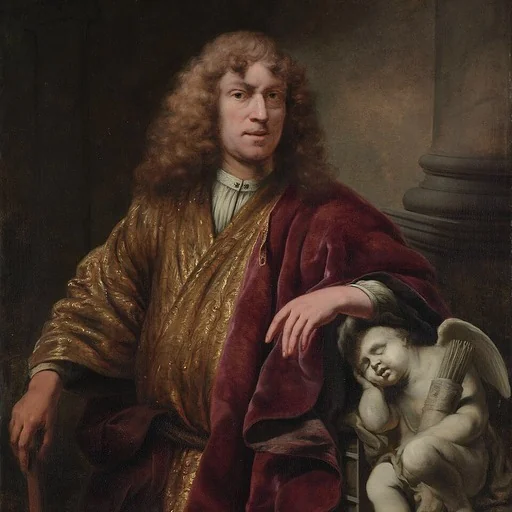
Artist
Ferdinand Bol (24 June 1616 - 24 August 1680) was a Dutch painter, etcher and draftsman.

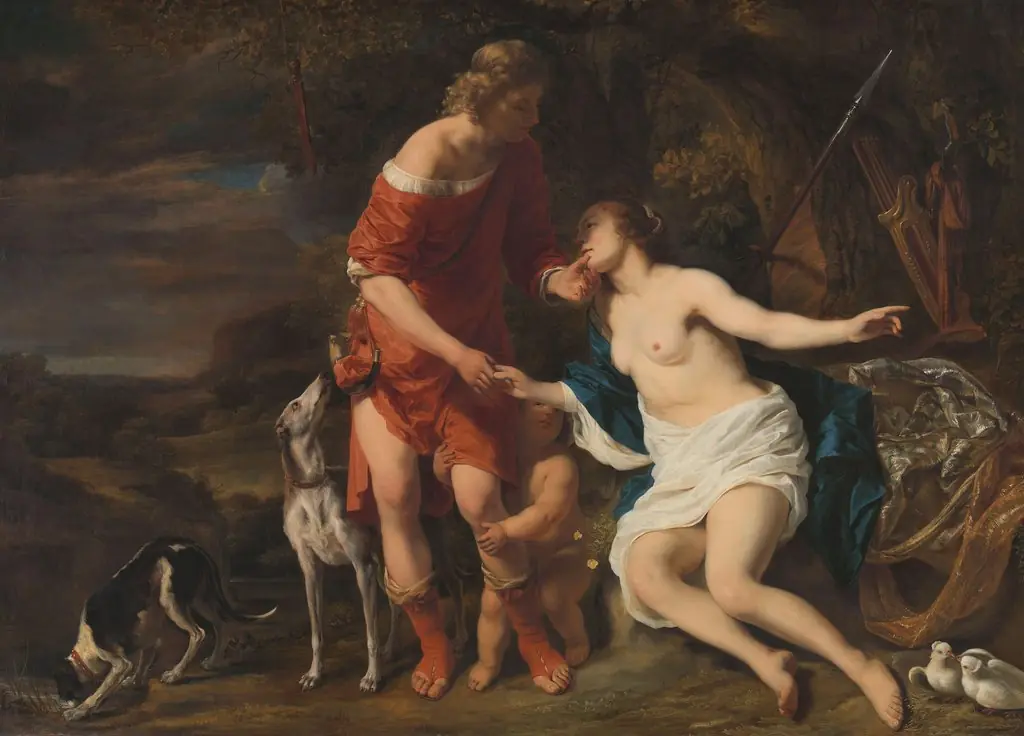 Venus and Adonis
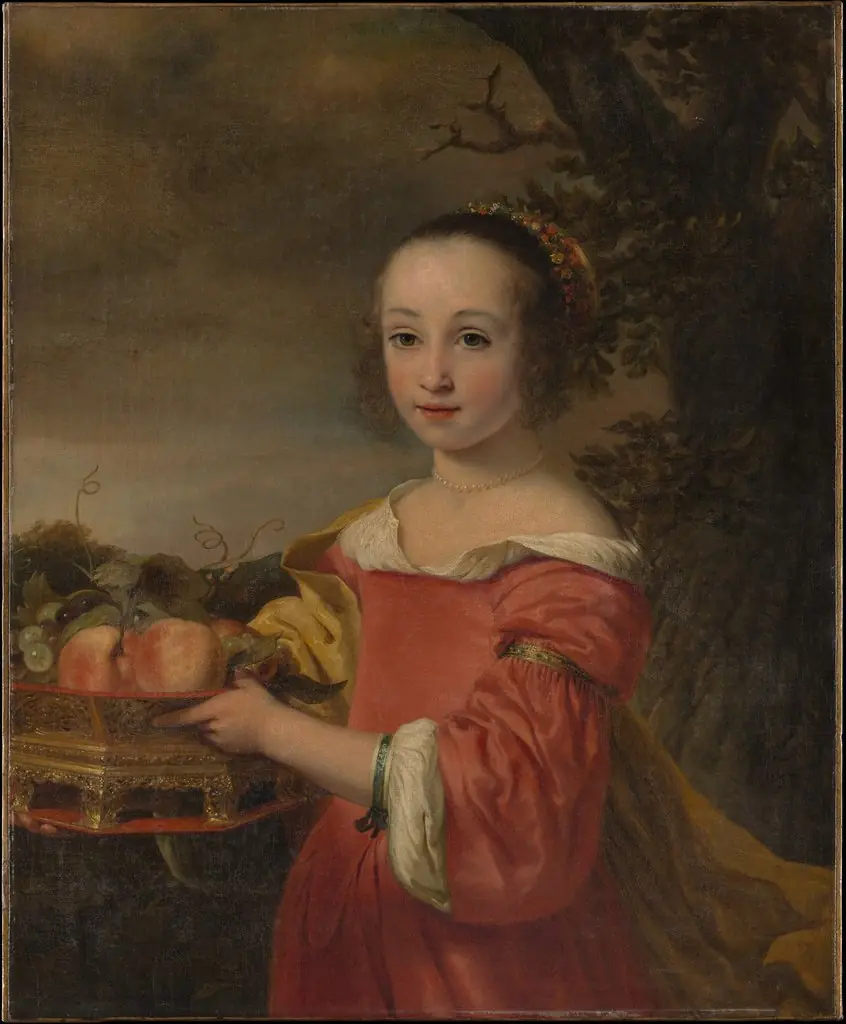 Petronella Elias (1648–1667) with a Basket of Fruit
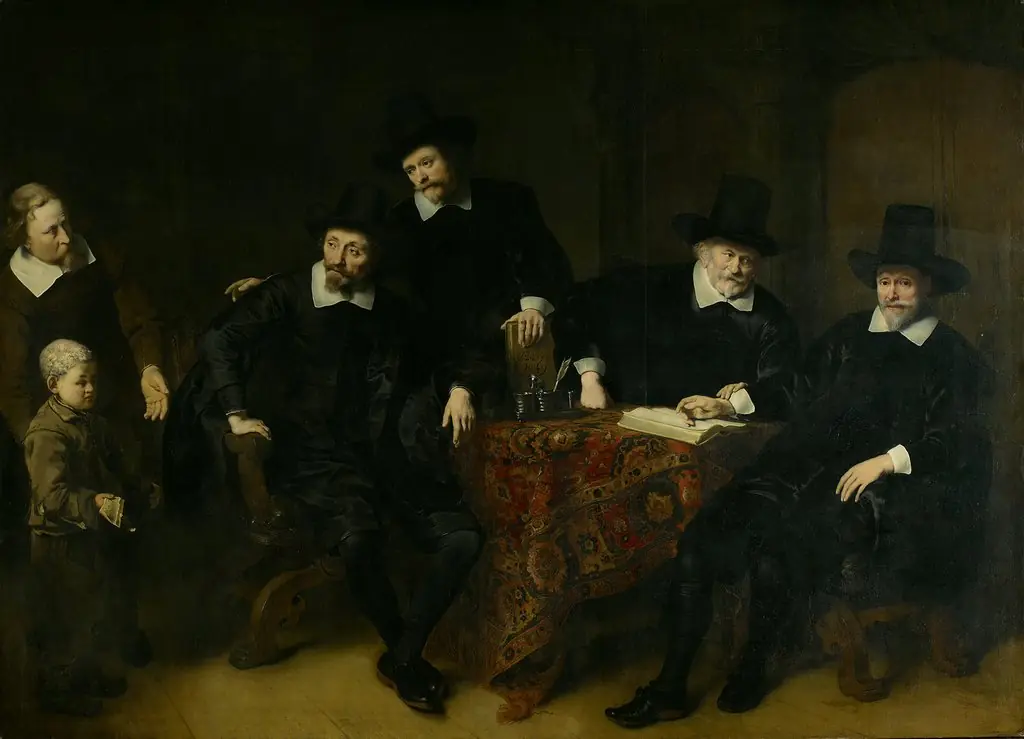 The Regents of the Leper's house in Amsterdam in 1649
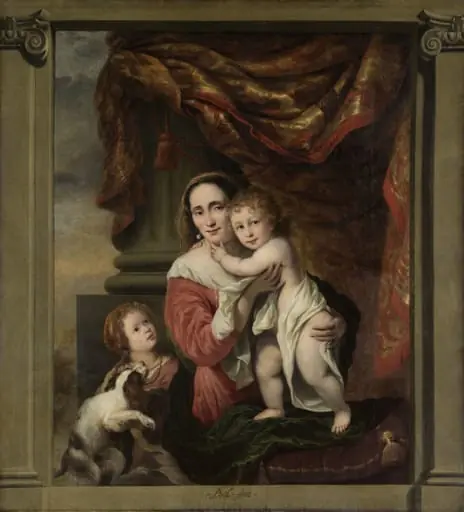 Caritas: Joanna de Geer (1629-1691) with her Children Cecilia Trip (1660-1728) and Laurens Trip (b. 1662)
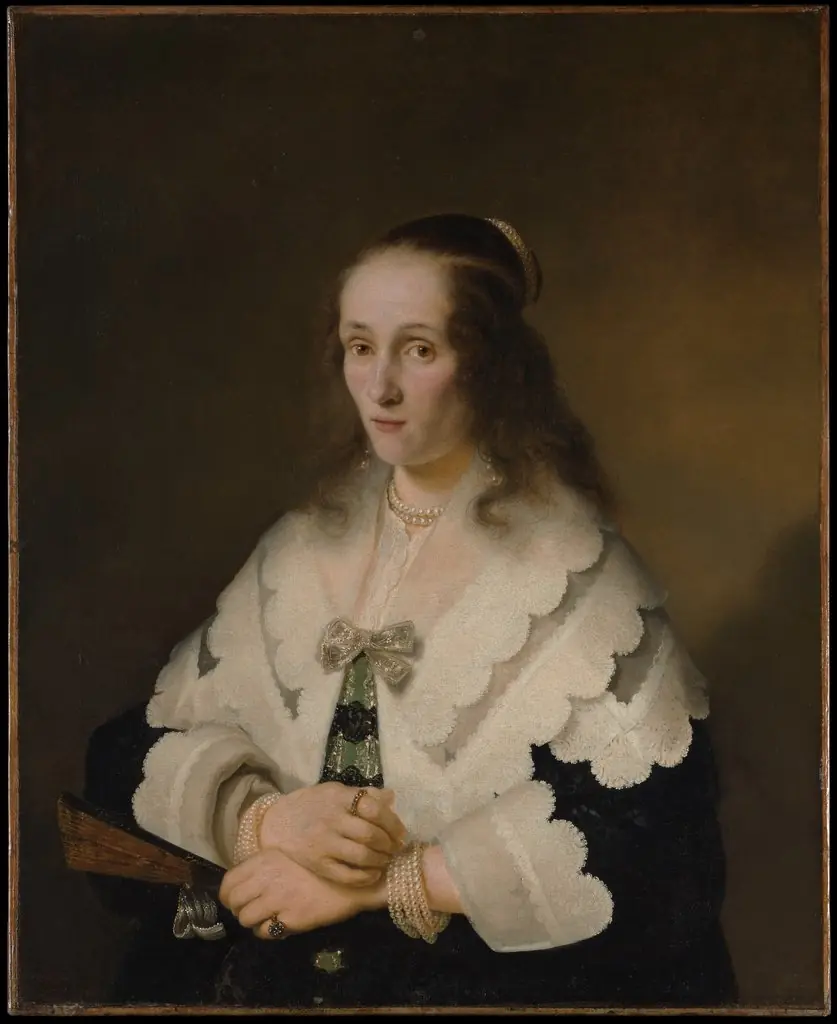 Portrait of a Woman
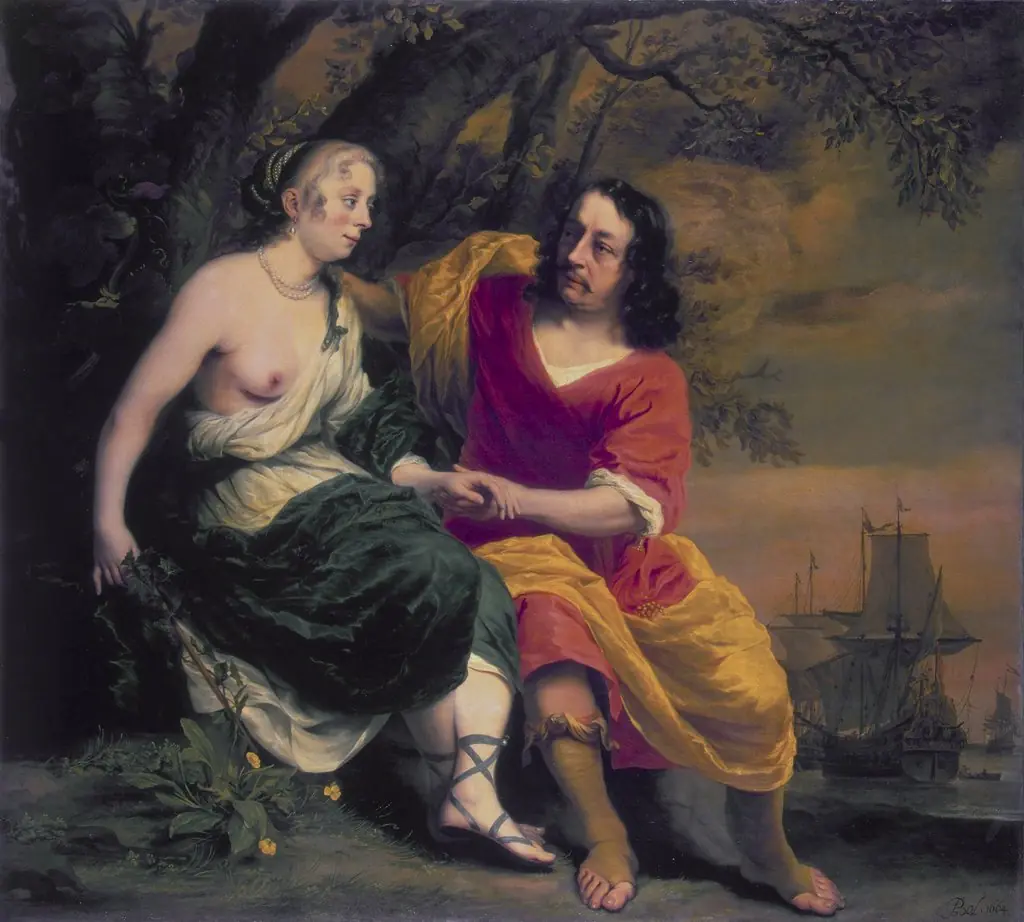 Bacchus and Ariadne
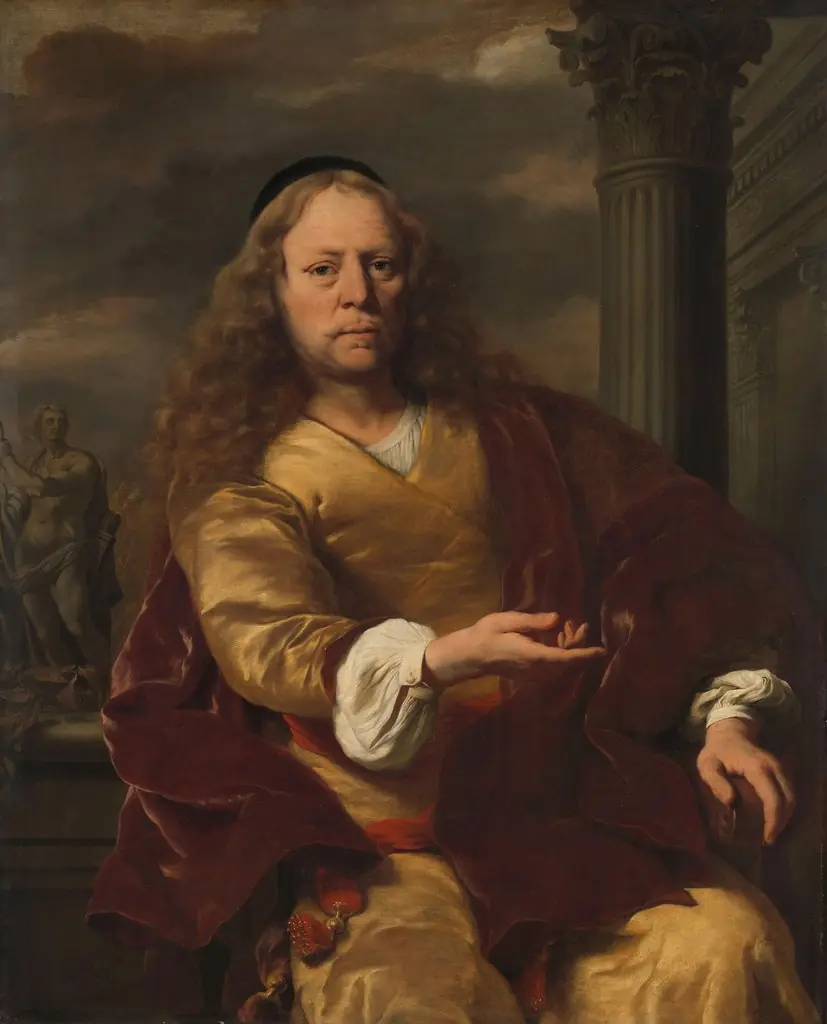 Portrait of a man
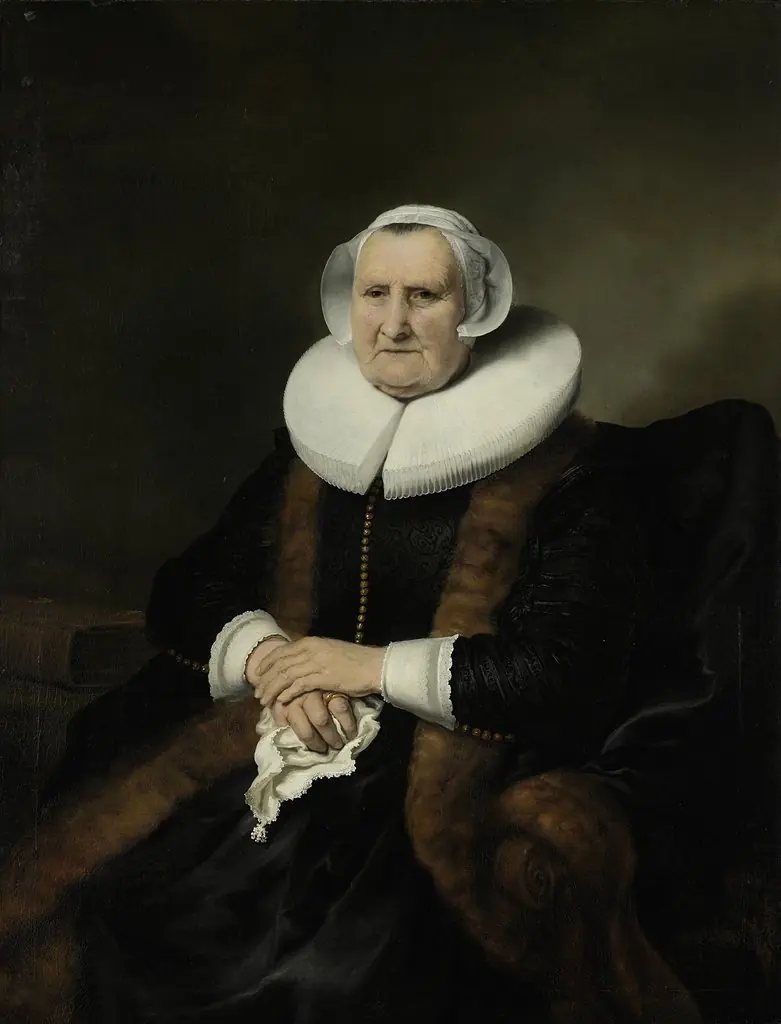 Portrait of an Old Lady, Possibly Elisabeth Bas