Movement
Caravaggisti
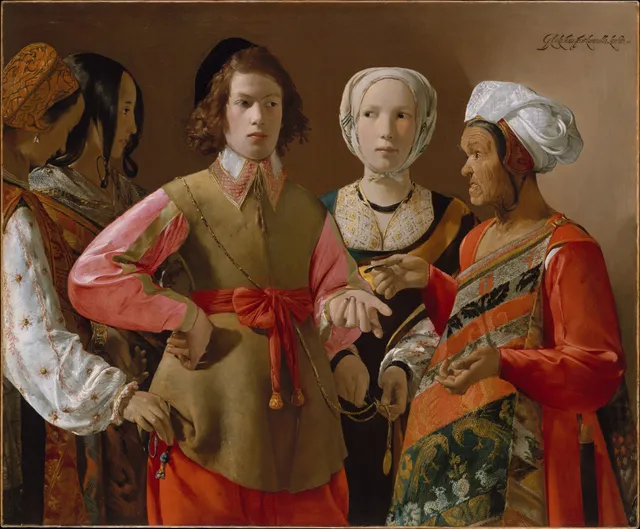
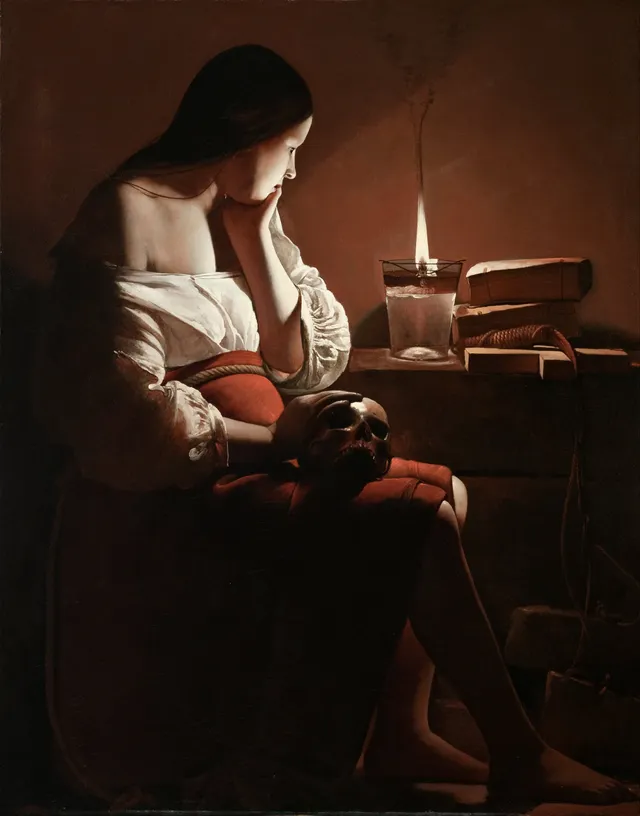
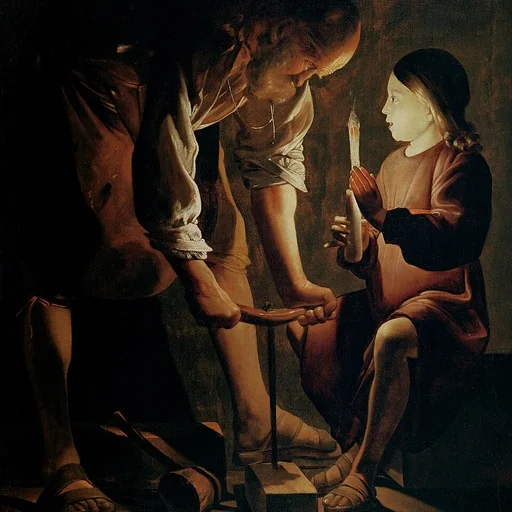
Caravaggisti is an art movement of the 1590–1650 period. The gallery holds 75 works in this movement, including works by Georges de La Tour, Philippe de Champaigne and Hendrick ter Brugghen. Browse Caravaggisti paintings, portraits, pictures and artworks from the world's public-domain museum collections.
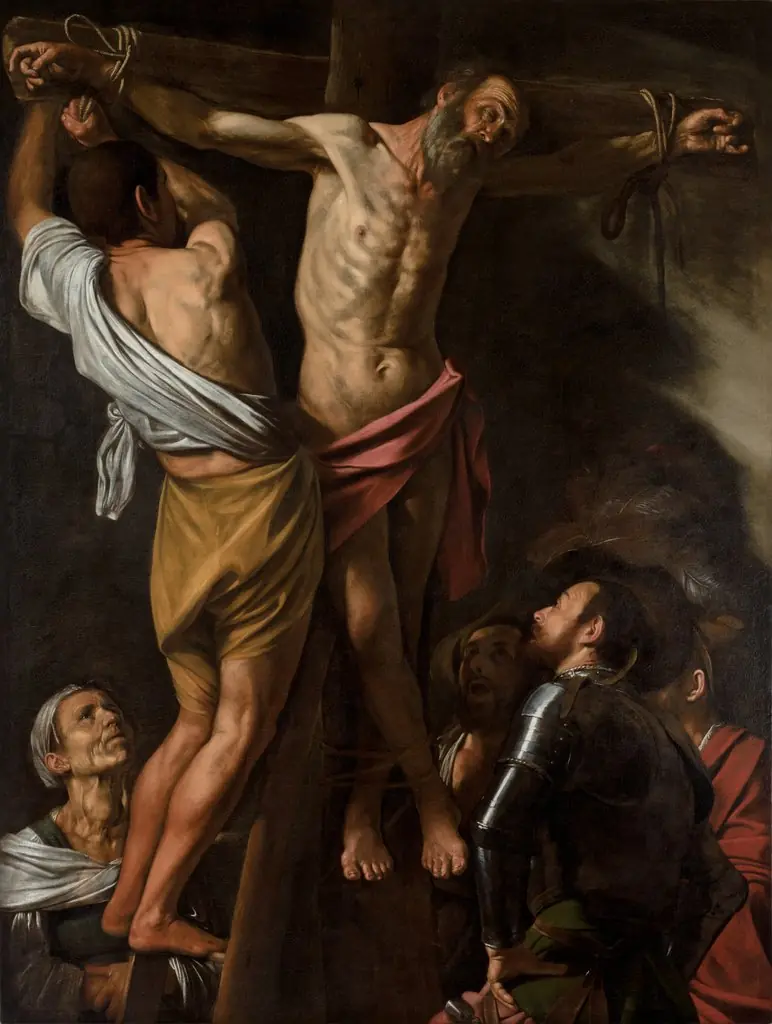
The Caravaggisti were the painters across Europe who, in the first decades of the seventeenth century, absorbed the revolutionary manner of Michelangelo Merisi da Caravaggio (1571–1610). The movement crystallised in Rome after Caravaggio's public commissions of around 1600—above all the Saint Matthew canvases in San Luigi dei Francesi—stunned the city with their unidealised realism and theatrical light. Young artists drawn to Rome from across Italy, France, the Netherlands and Spain copied his works, studied his methods, and carried the style home, making Caravaggism the most international visual language of the early Baroque even as the Roman establishment debated its propriety.
What unites the Caravaggisti is tenebrism: figures wrenched out of deep, near-black shadow by a single raking light, often a candle, lantern, or unseen window. They favoured ordinary, weathered models—calloused hands, dirty soles, lined faces—painted directly from life (dal naturale) without elaborate preparatory drawing, and pressed close, half-length compositions against the picture plane. Bartolomeo Manfredi was decisive in codifying the so-called Manfrediana methodus, the secular genre repertoire of cardsharps, fortune-tellers, drinkers, soldiers and musicians that became the movement's stock-in-trade alongside dramatically lit religious scenes.
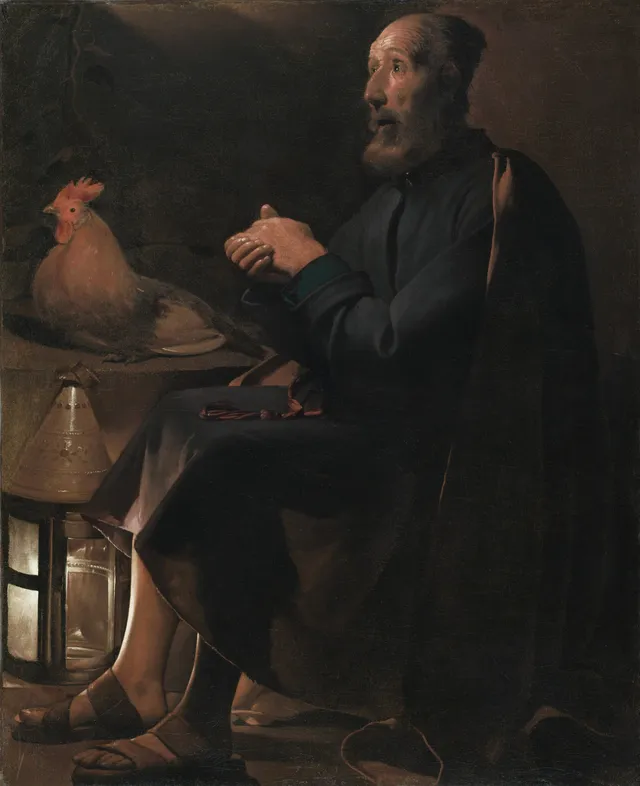
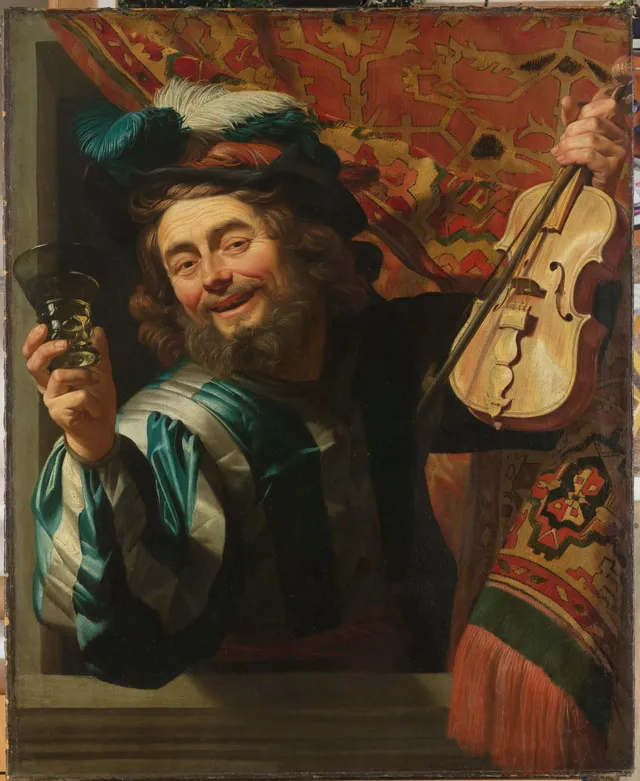
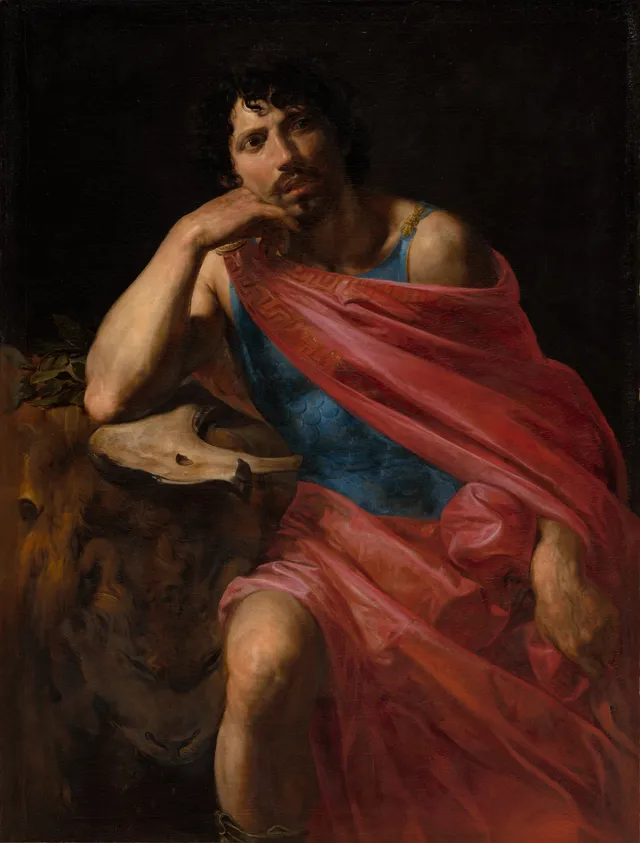
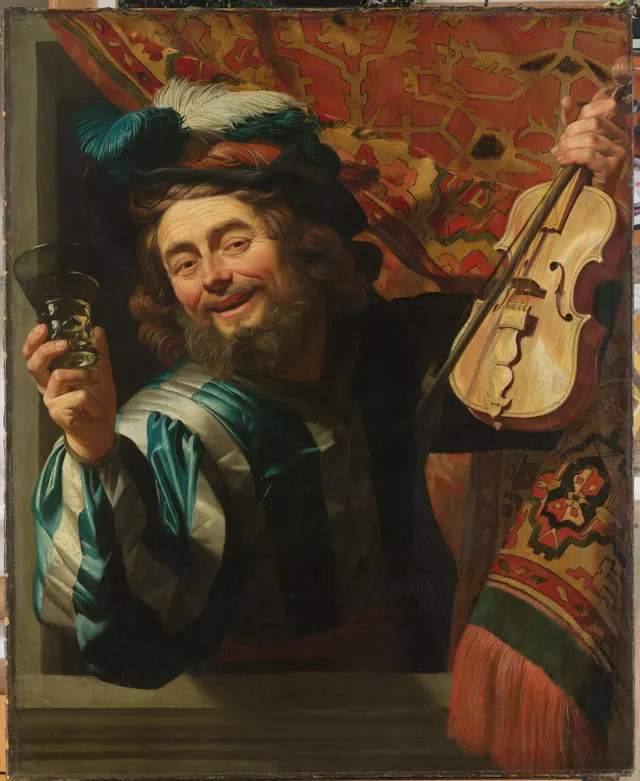
The canon is broad and genuinely international. In Italy, Orazio Gentileschi and his formidable daughter Artemisia were among the earliest converts, while Manfredi shaped a generation of foreigners. The French contingent—Simon Vouet and the gifted, short-lived Valentin de Boulogne (whose Samson we hold)—worked in Rome itself; the catalogue's Valentin Fortune Teller belongs squarely to the Manfredi tradition. Georges de La Tour later distilled the style into hushed, candlelit nocturnes (the Magdalen with the Smoking Flame, Saint Peter Repentant). The Utrecht Caravaggisti—Hendrick ter Brugghen, Gerrit van Honthorst (nicknamed Gherardo delle Notti for his night scenes, here the Merry Fiddler), and Dirck van Baburen—returned from Rome around 1620 to plant the manner in the Dutch Republic, where Judith Leyster and Peter Wtewael (The Denial of Peter) took it up. In Naples, Jusepe de Ribera fused it with Spanish gravity.
Caravaggism as a coherent movement faded by the 1630s, eclipsed in Rome by Bolognese classicism and the soaring High Baroque. Yet its influence proved long: the Utrecht painters' luminism fed into the Dutch Golden Age and, indirectly, the young Rembrandt and Vermeer, while Ribera's intensity nourished the Spanish Baroque tenebrists Zurbarán and Velázquez. The Caravaggisti remain the conduit through which Caravaggio's shock of darkness and truth reshaped European painting.
Key artists
Works
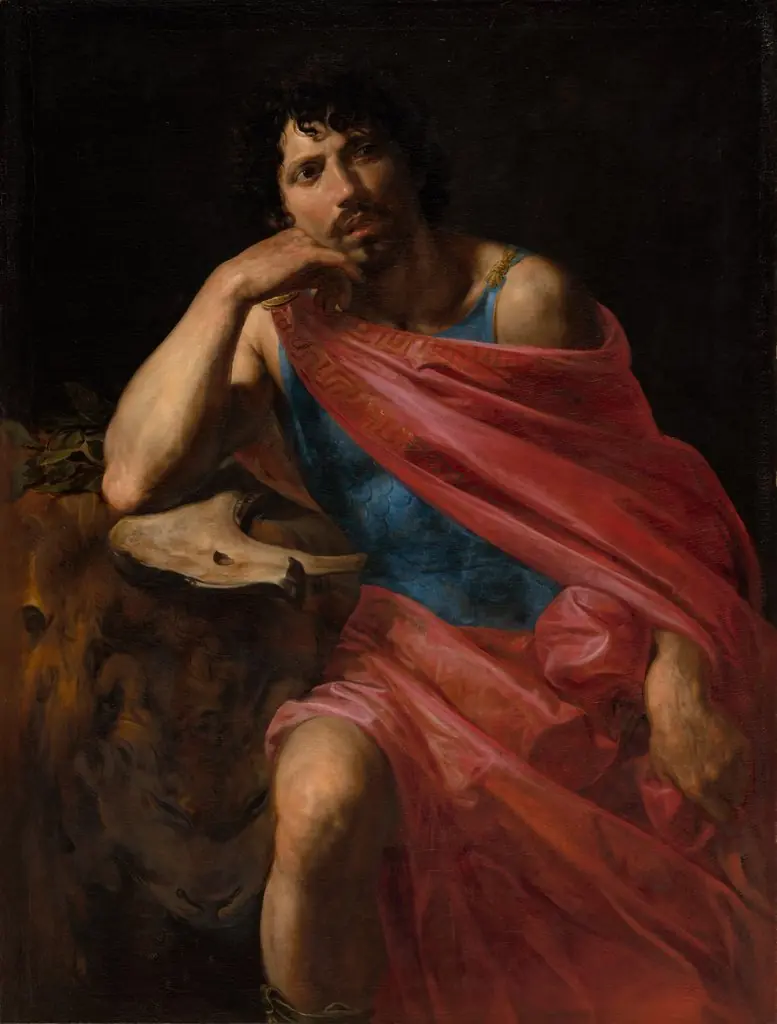 Samson
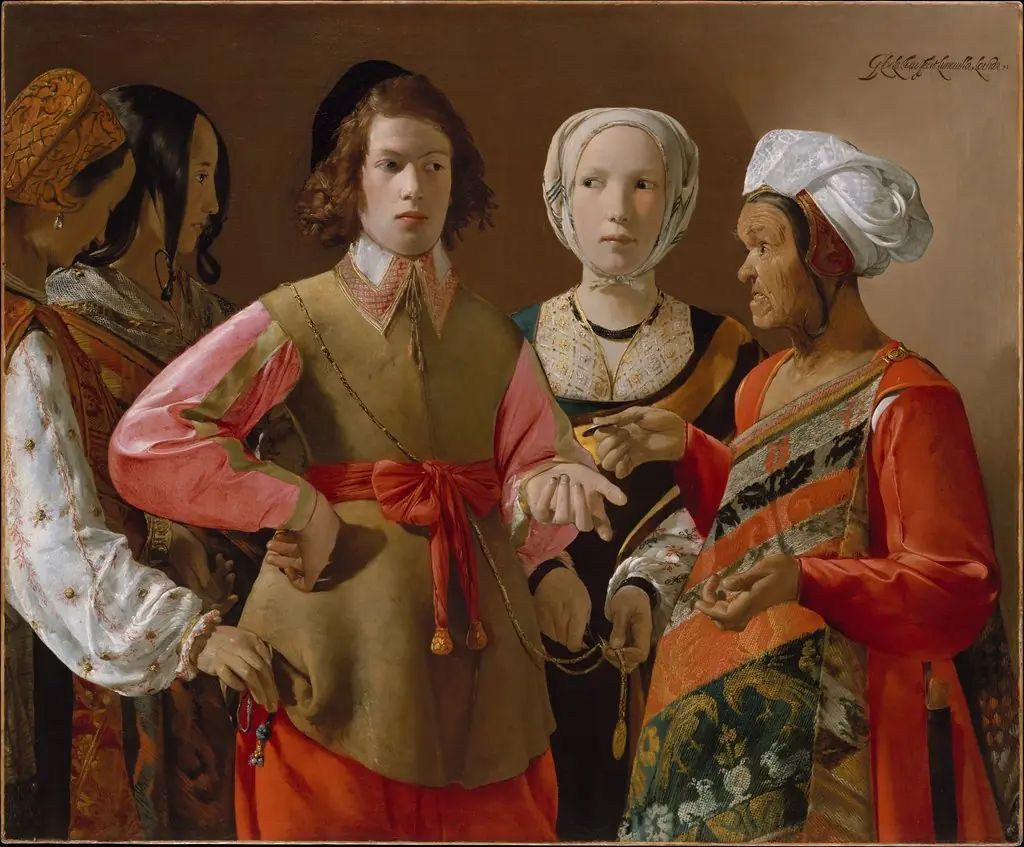 The Fortune Teller
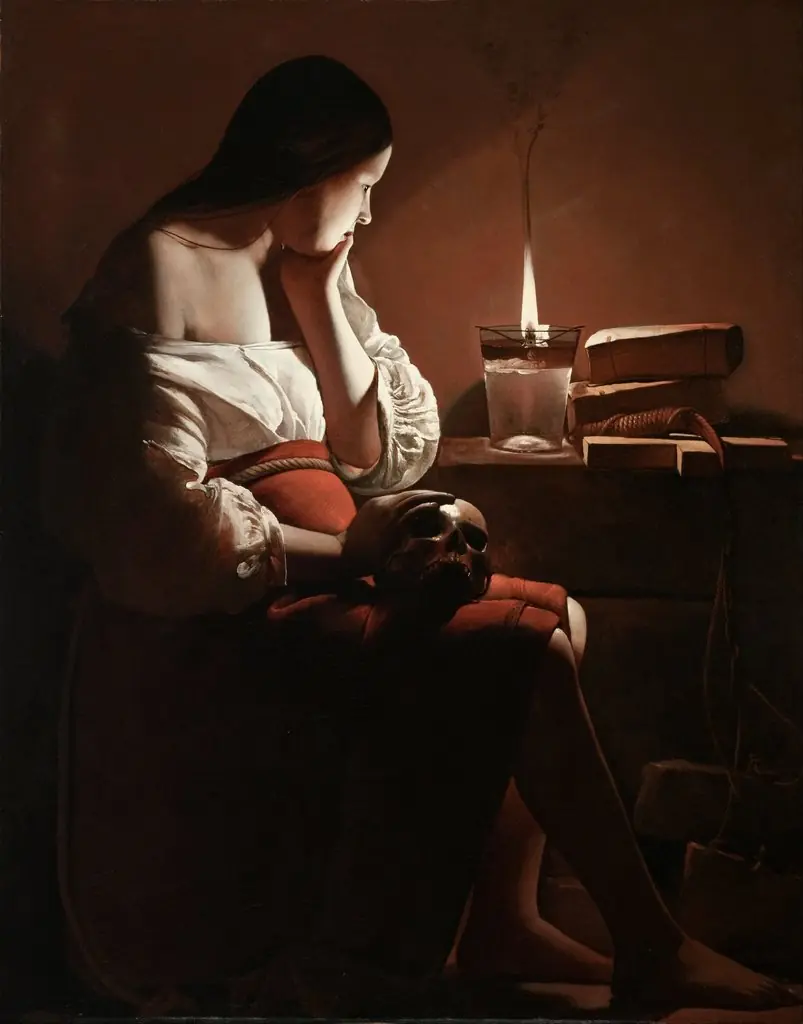 Magdalen with the Smoking Flame
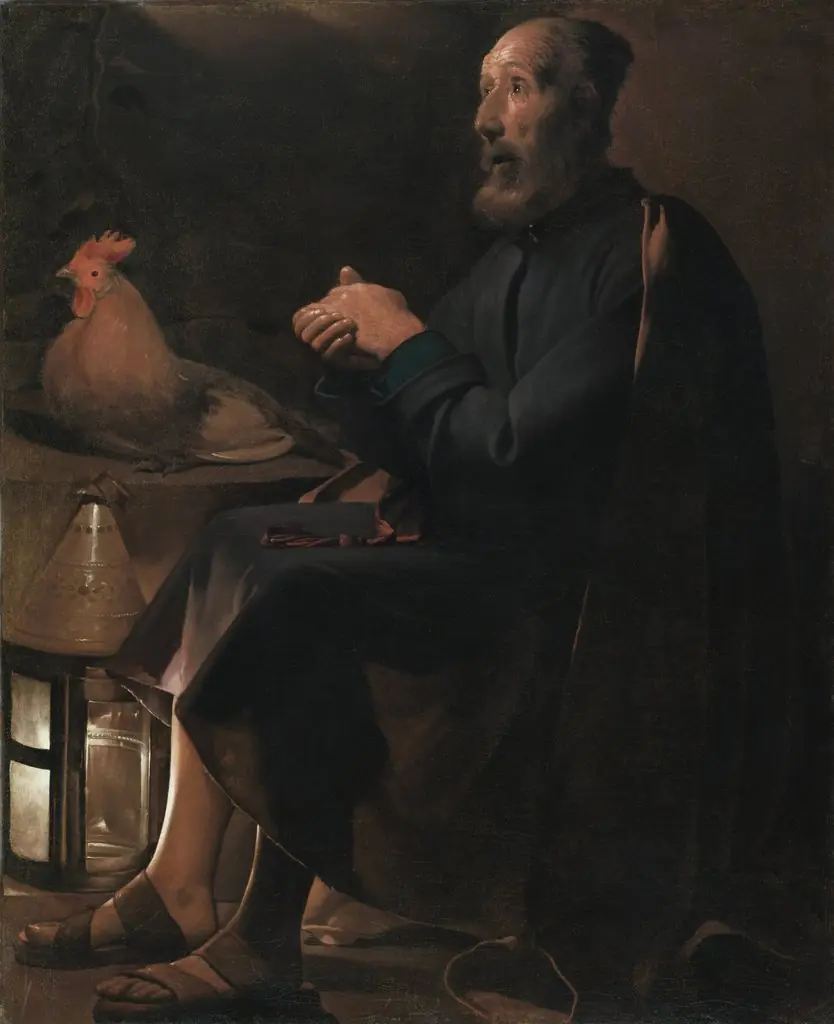 Saint Peter Repentant
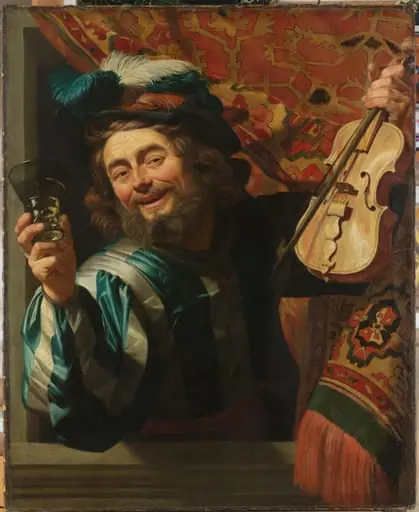 Een vrolijke vioolspeler
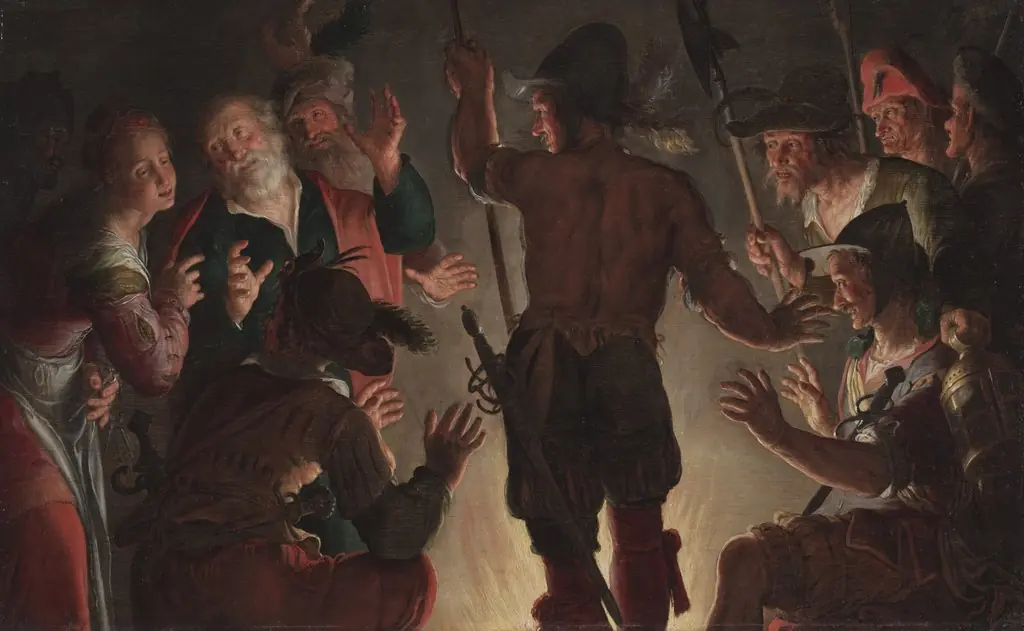 The Denial of Peter
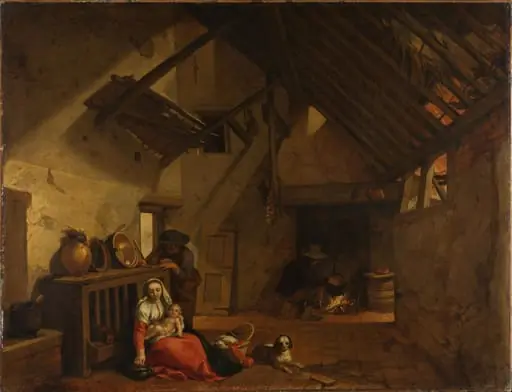 The Rest on the Flight into Egypt
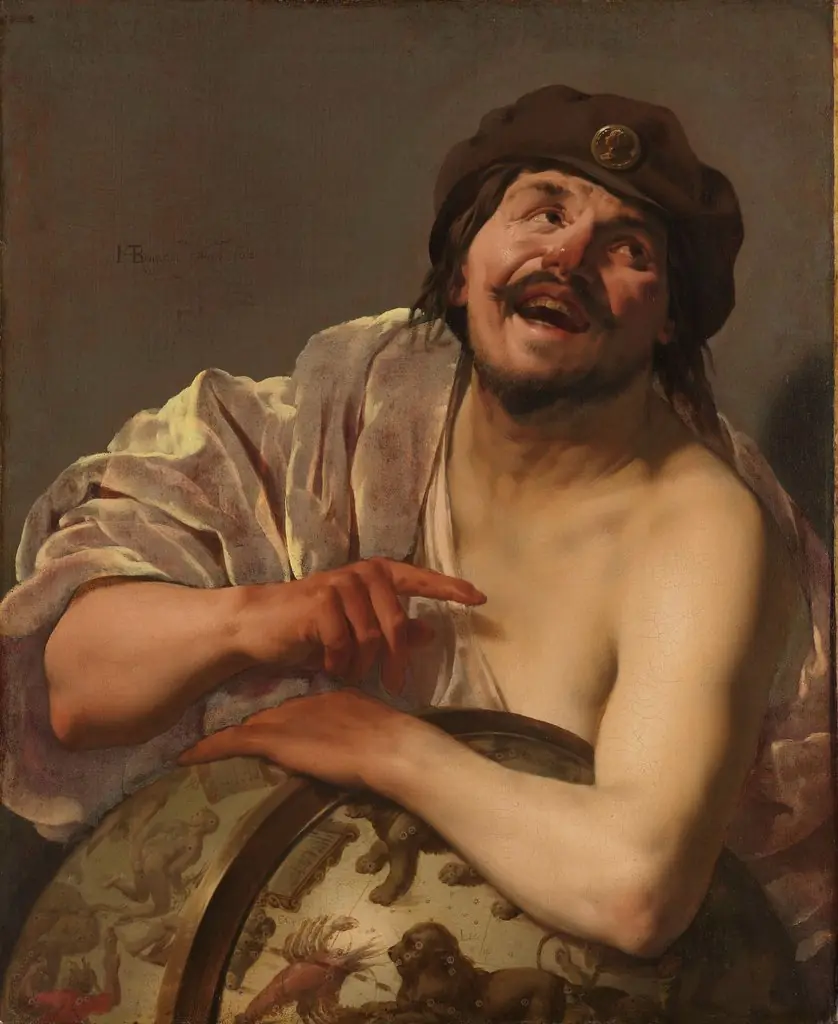 Democritus
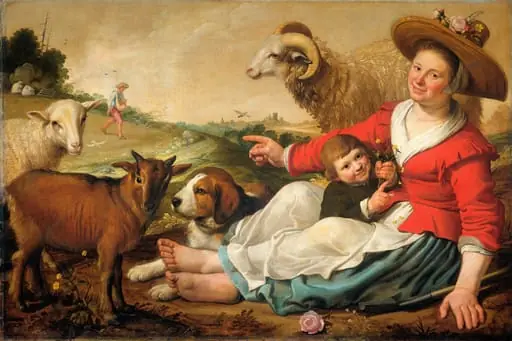 Untitled
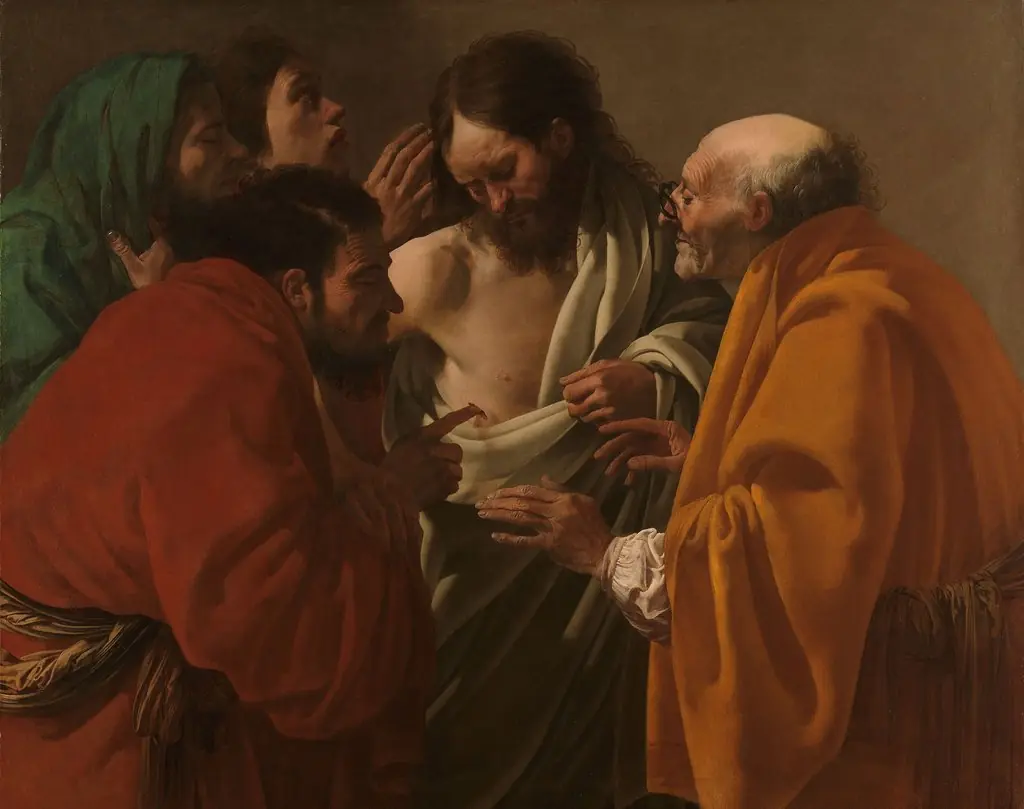 The Incredulity of Thomas
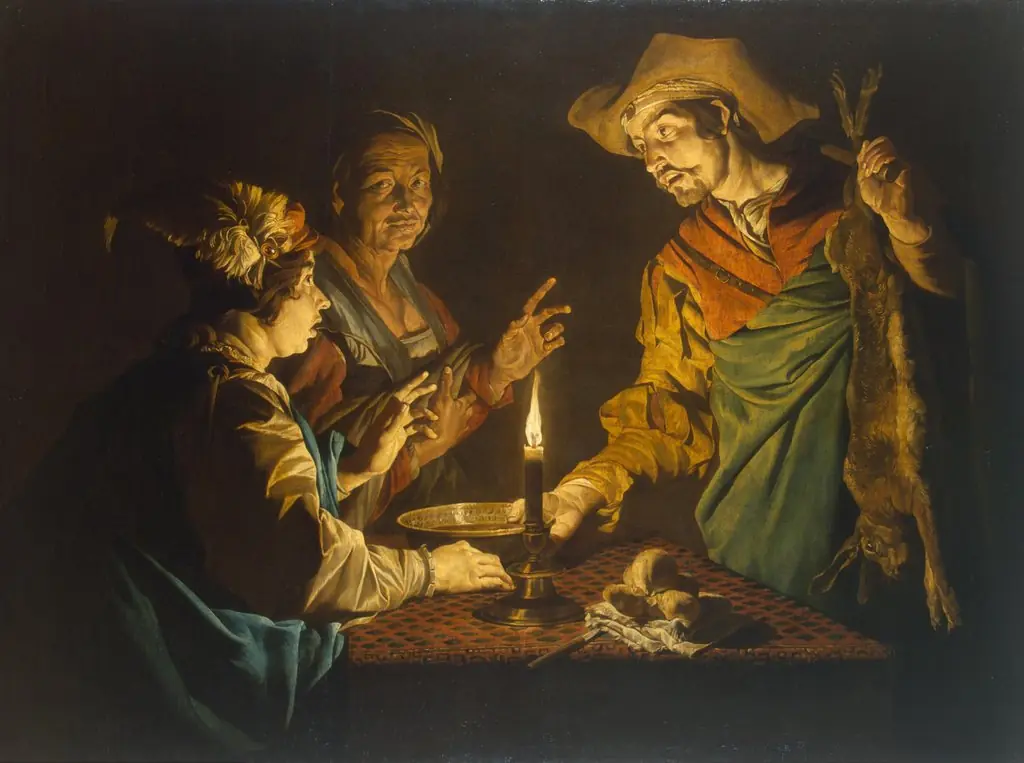 Esau and Jacob
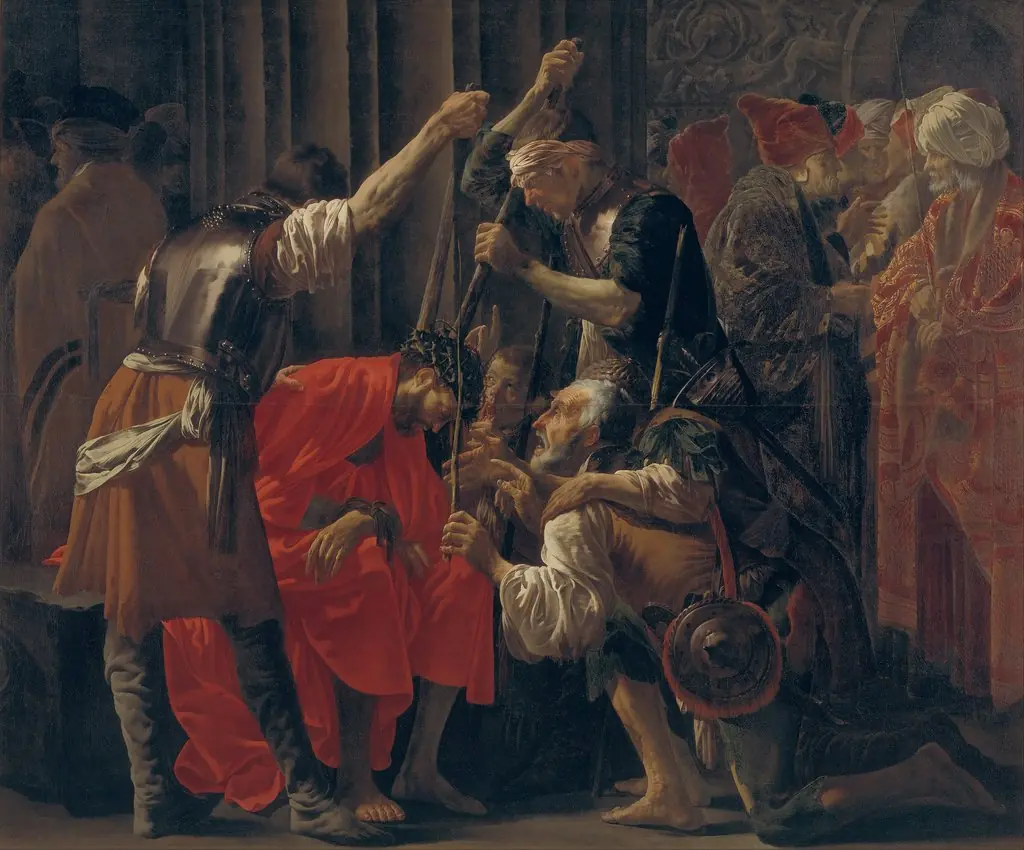 Christ Crowned with Thorns
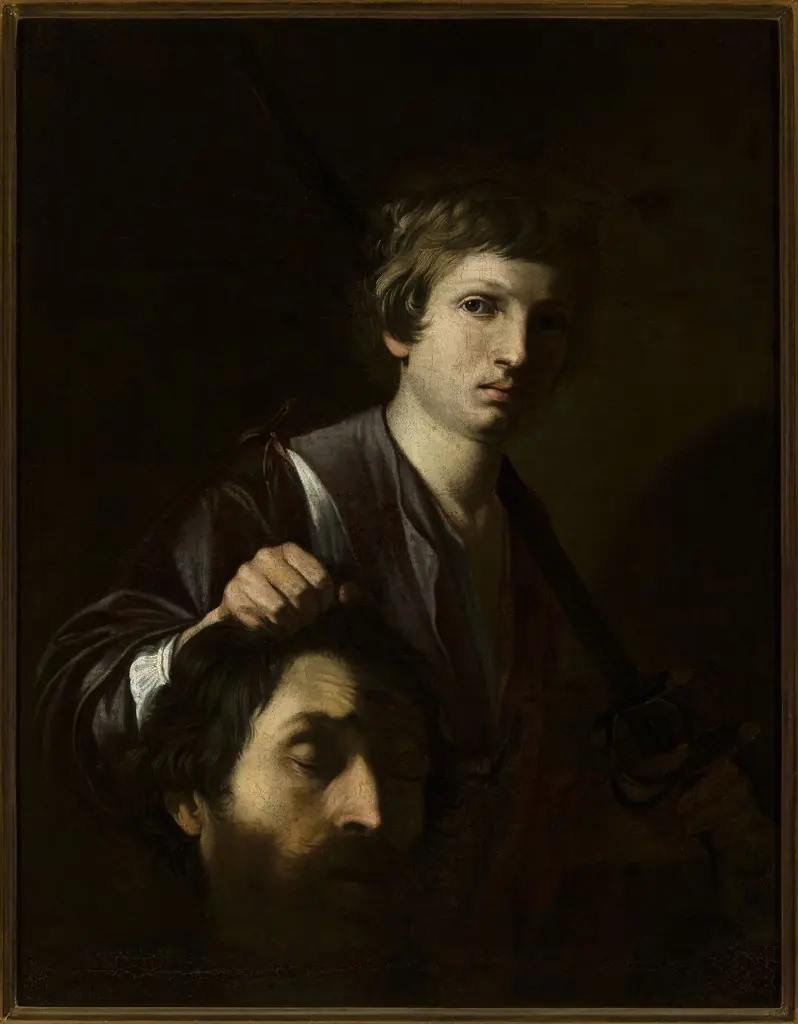 David with Goliath’s head
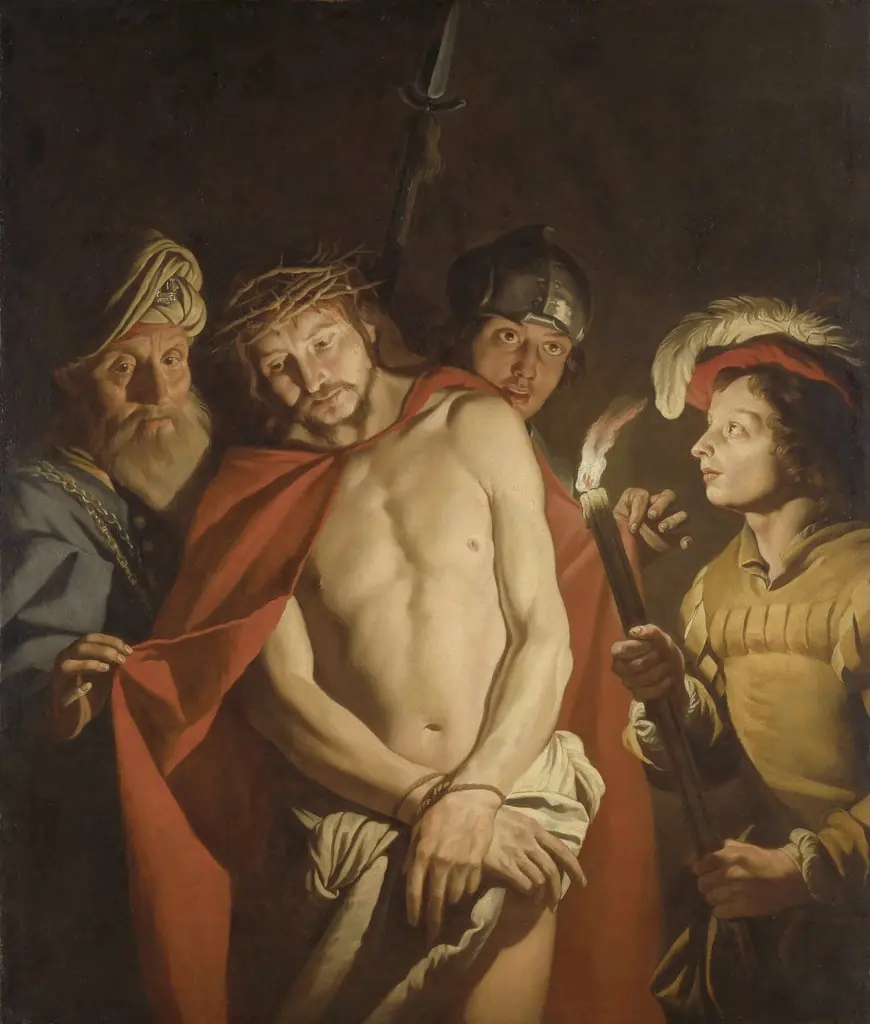 Ecce Homo
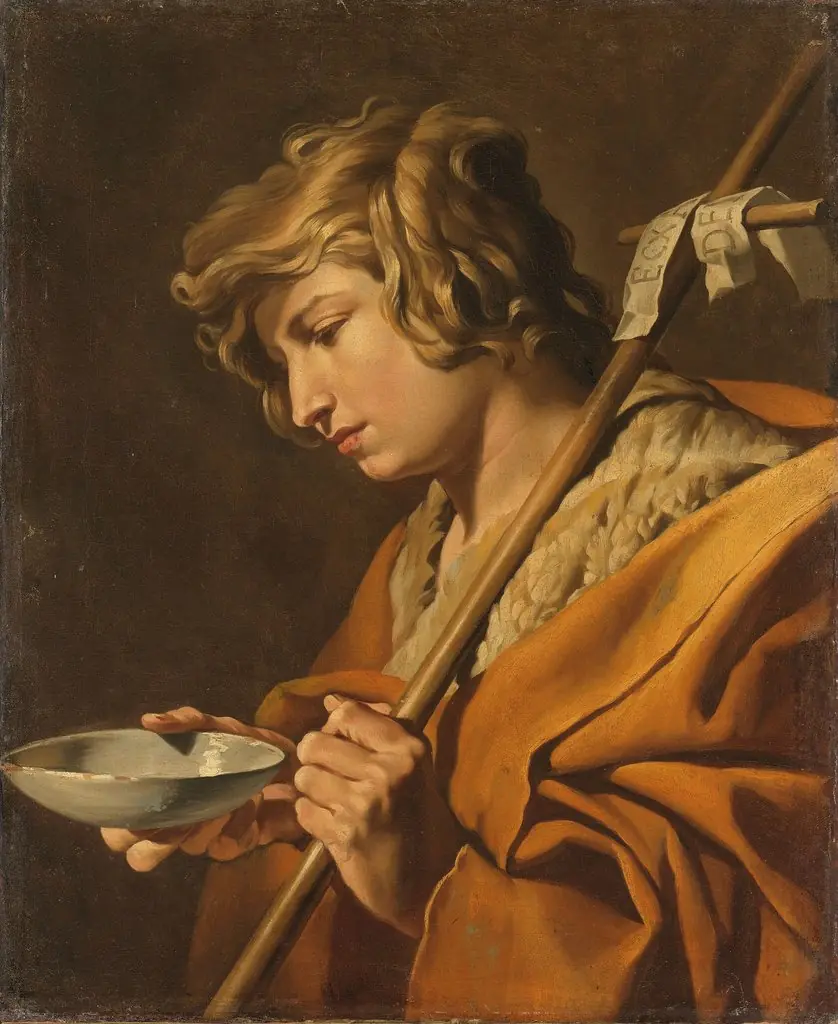 St John the Baptist
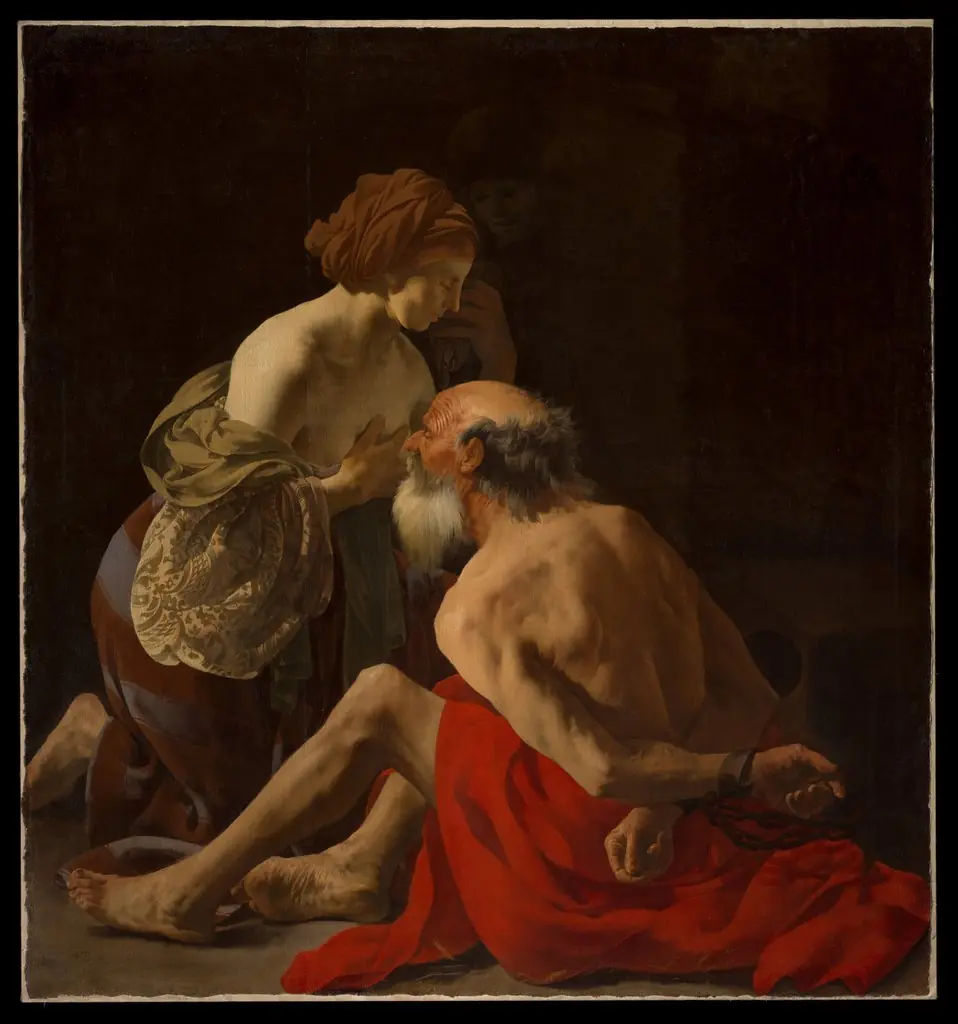 Roman Charity
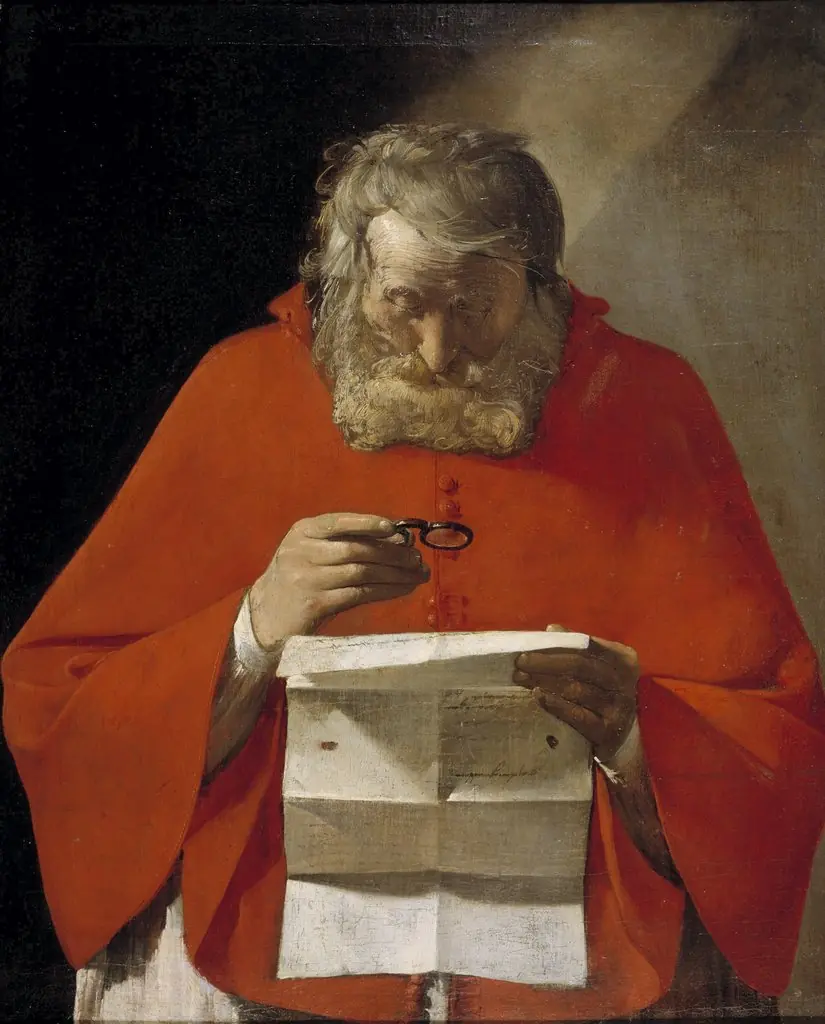 Saint Jerome reading a letter
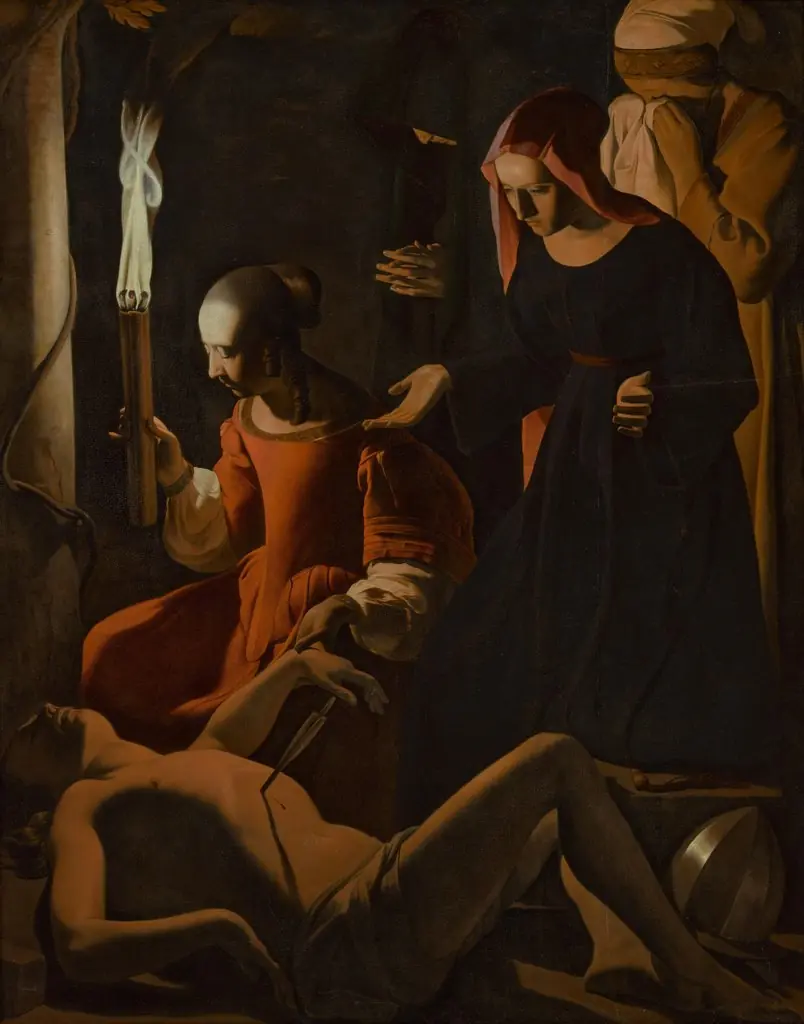 Saint Sebastian tended by Saint Irene
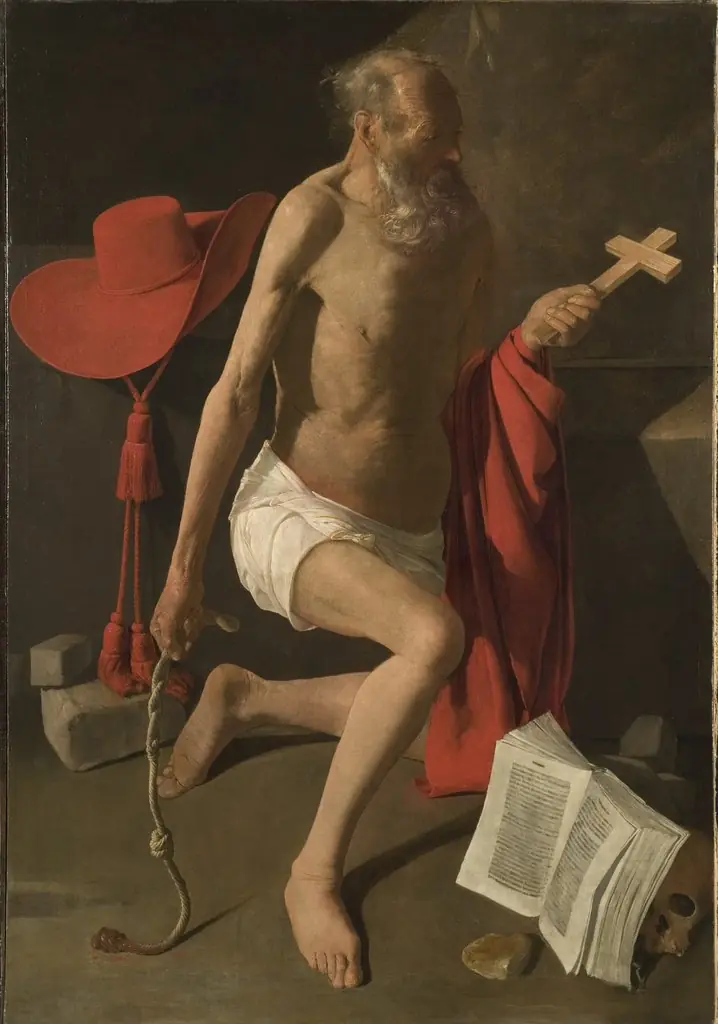 The Penitent St Jerome
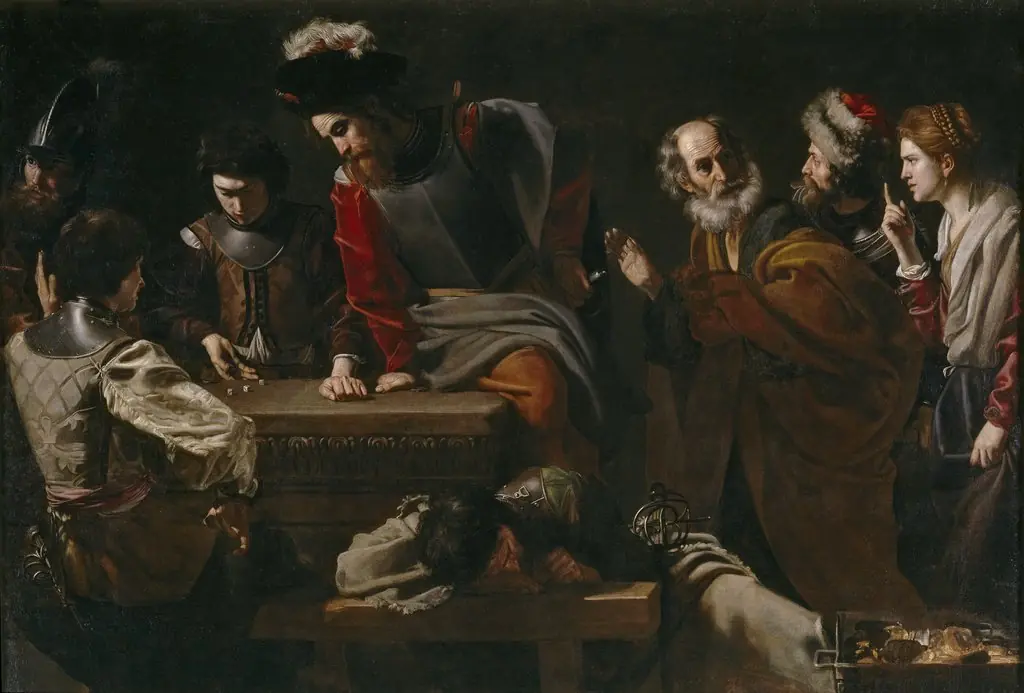 The Denial of Saint Peter
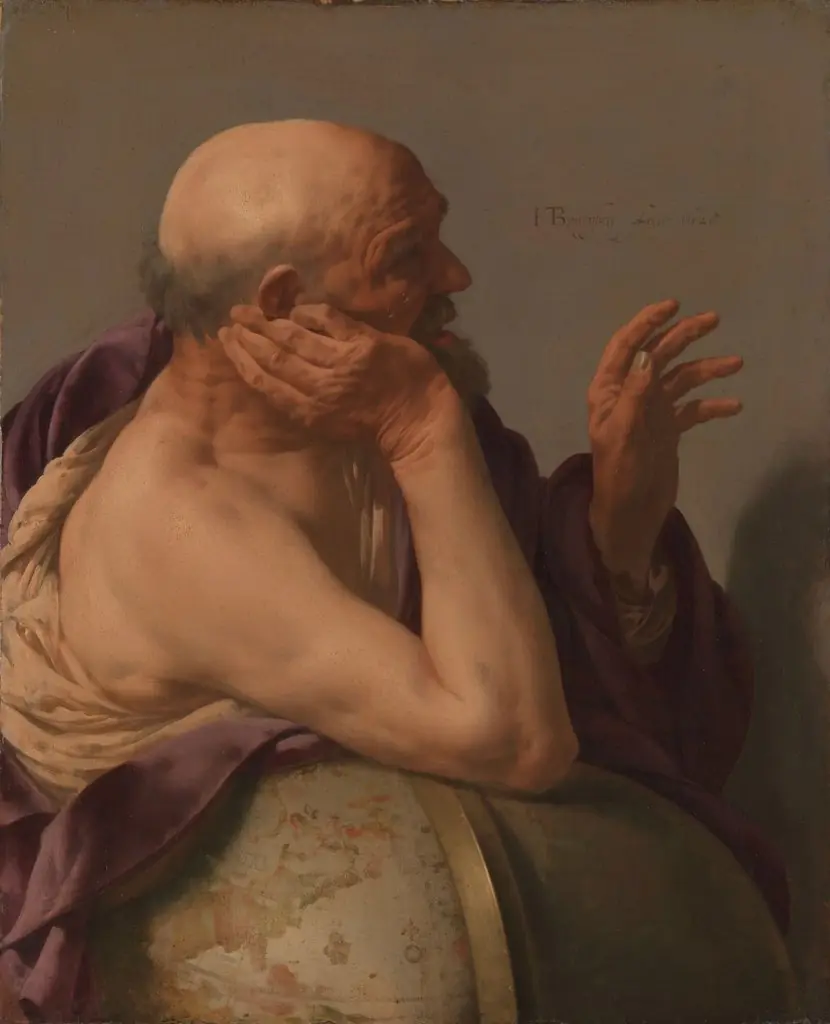 Heraclitus
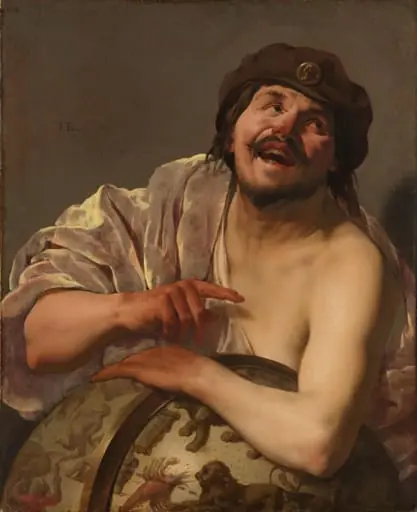 Democritus
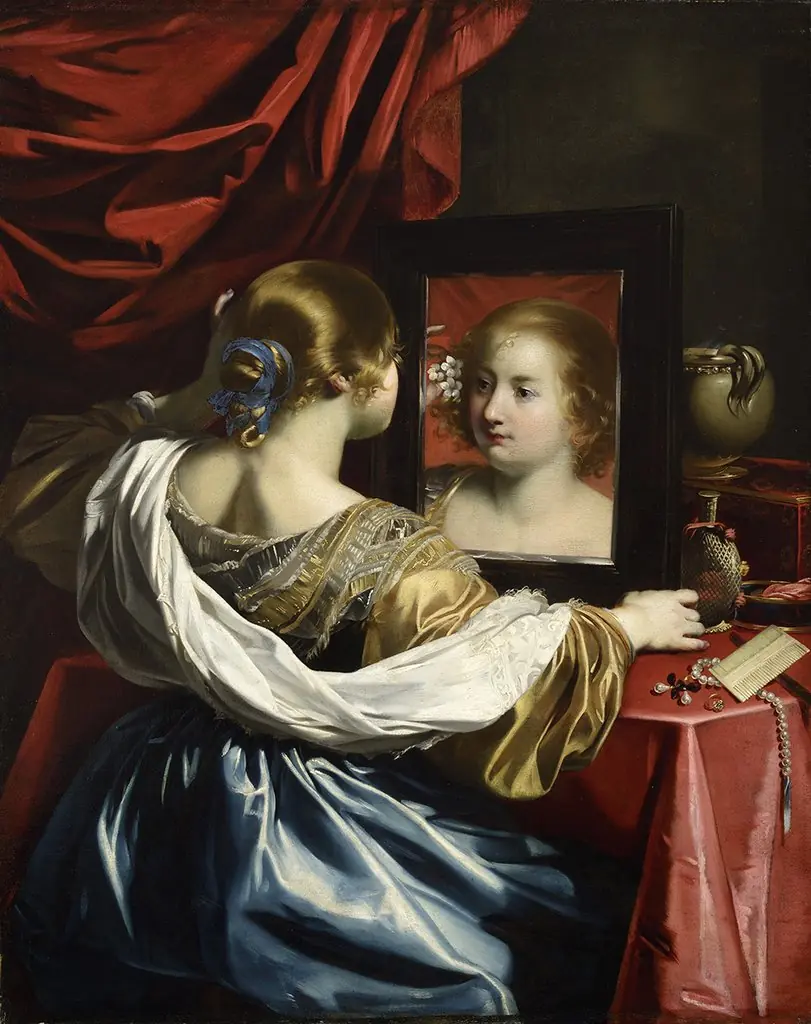 Vanity
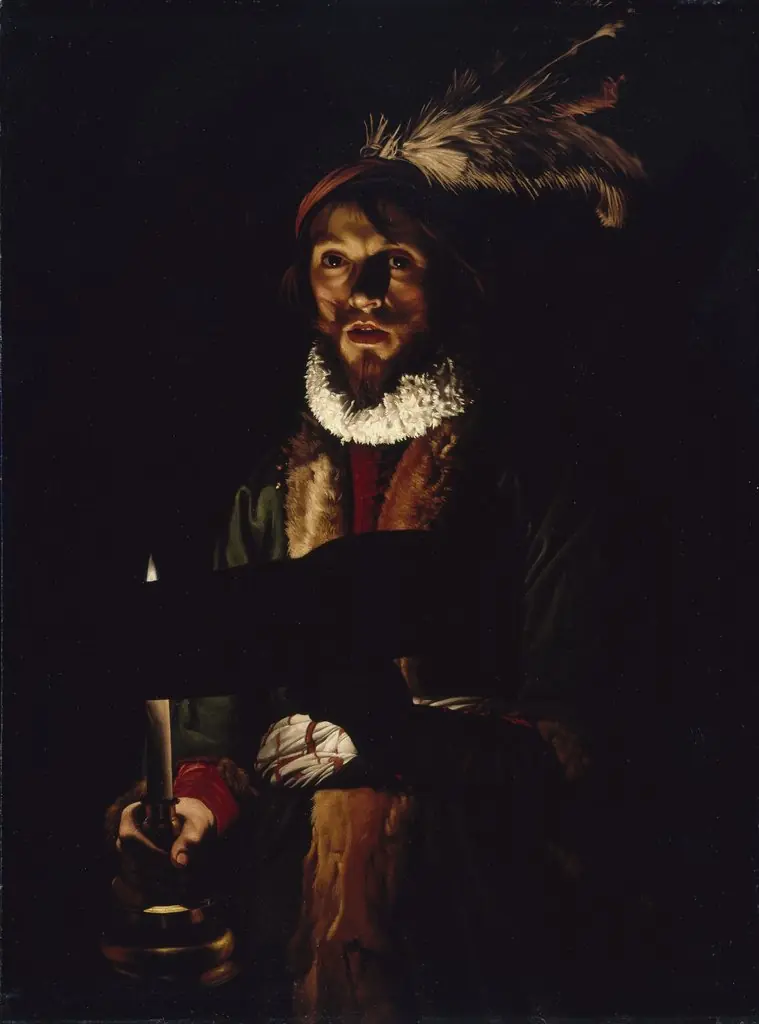 A Man Singing by Candlelight
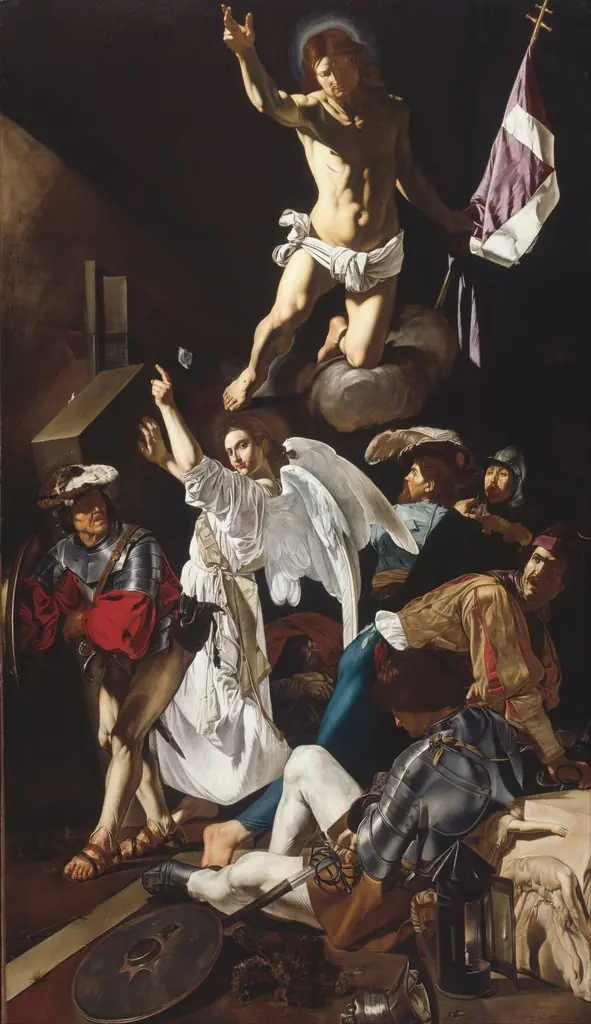 The Resurrection
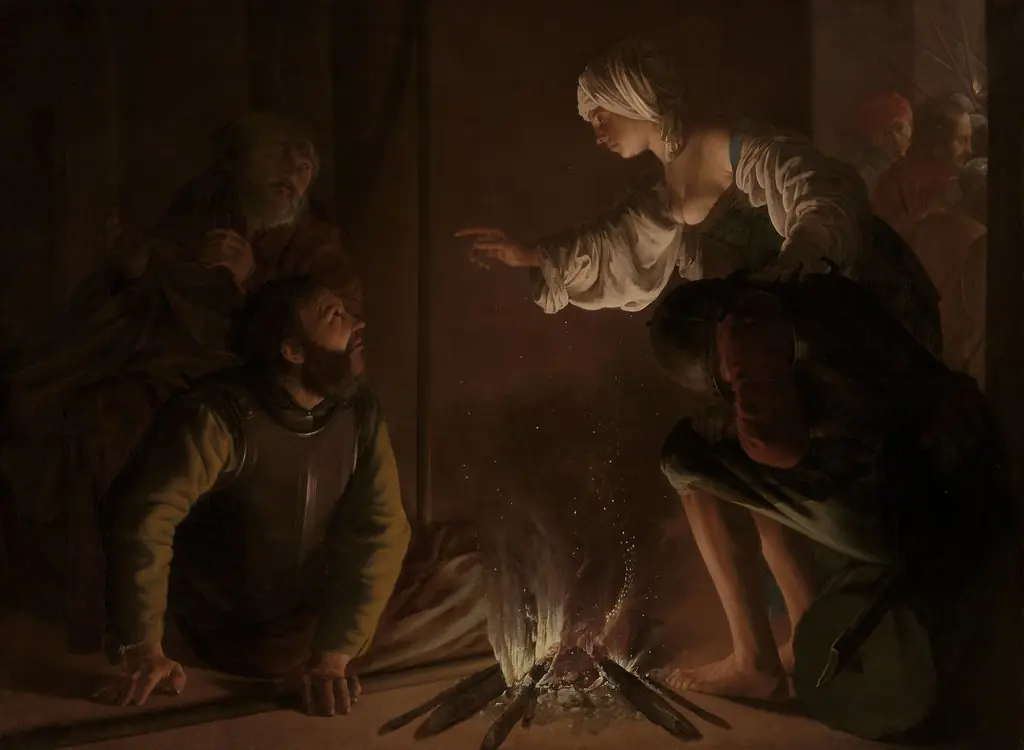 The Denial of Saint Peter
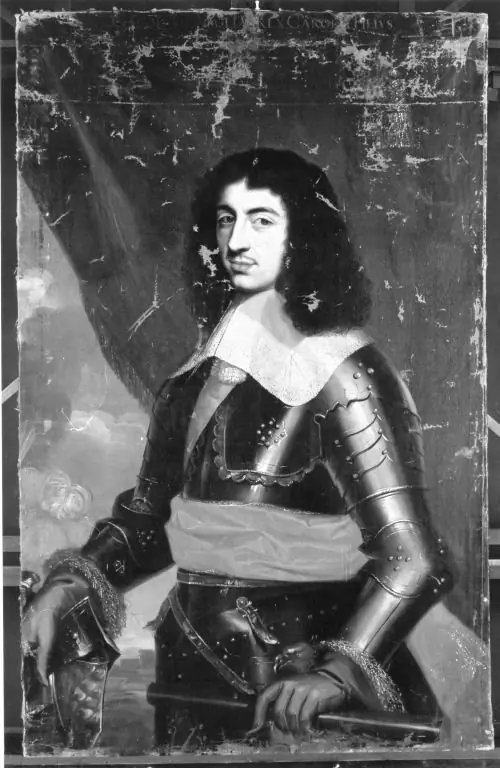 König Karl II. von England (1630-1685) (Kopie nach)
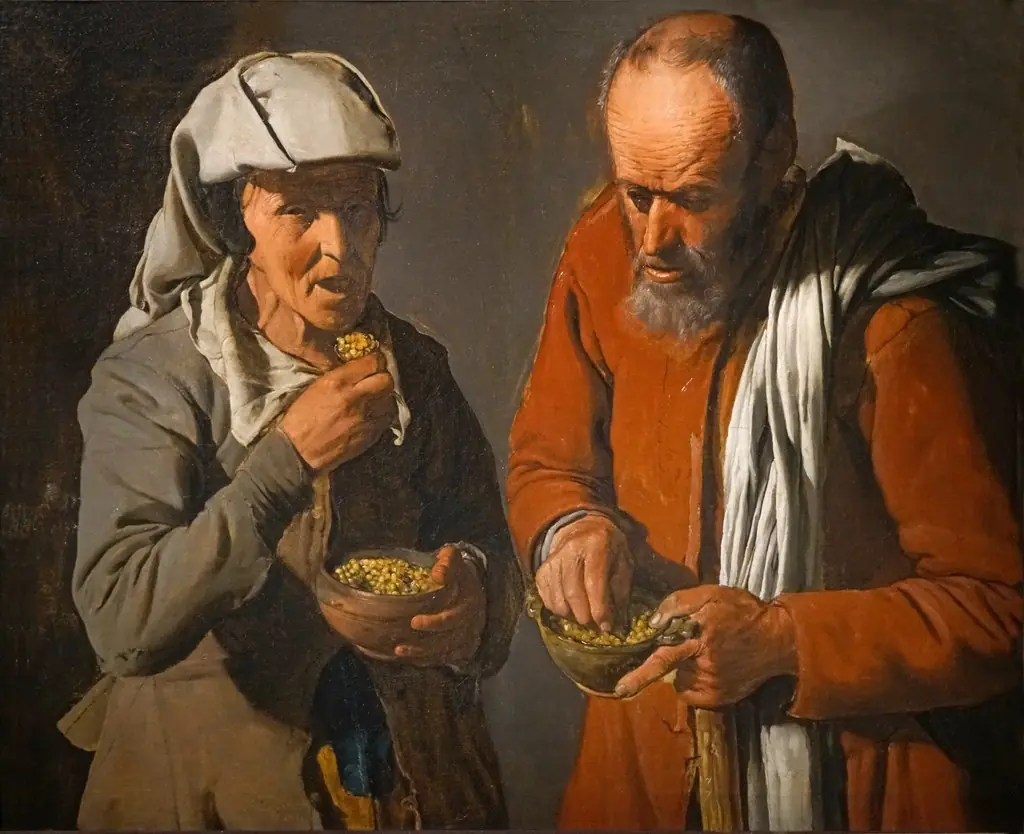 Peasant couple eating peas
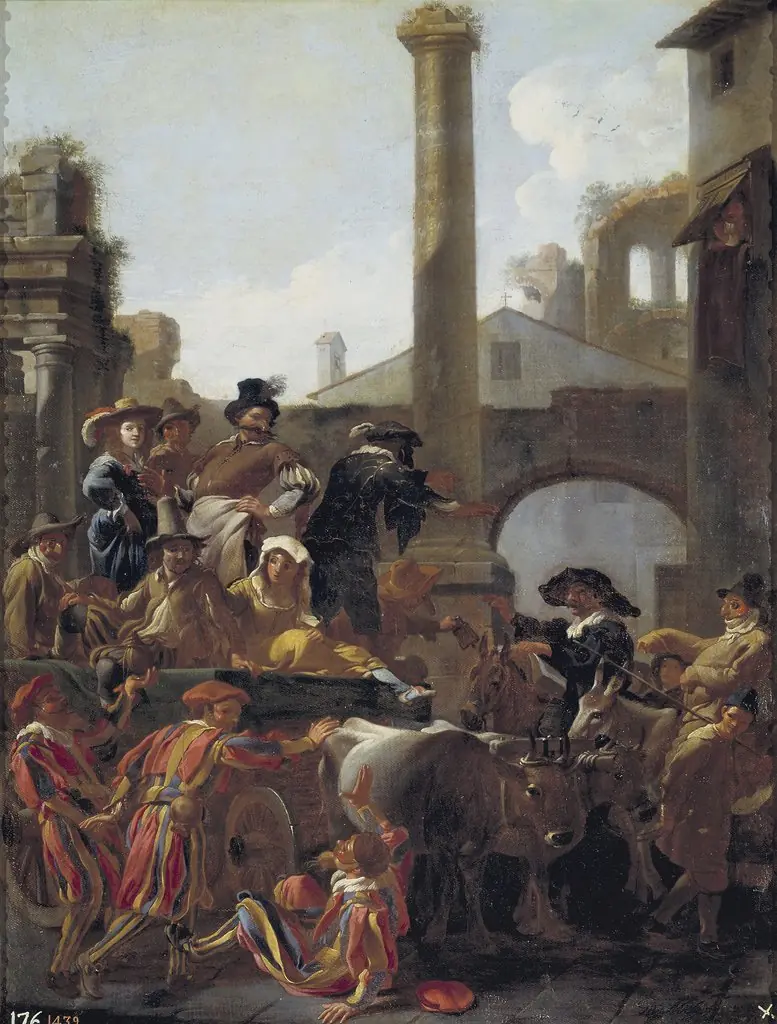 Carnival in Rome
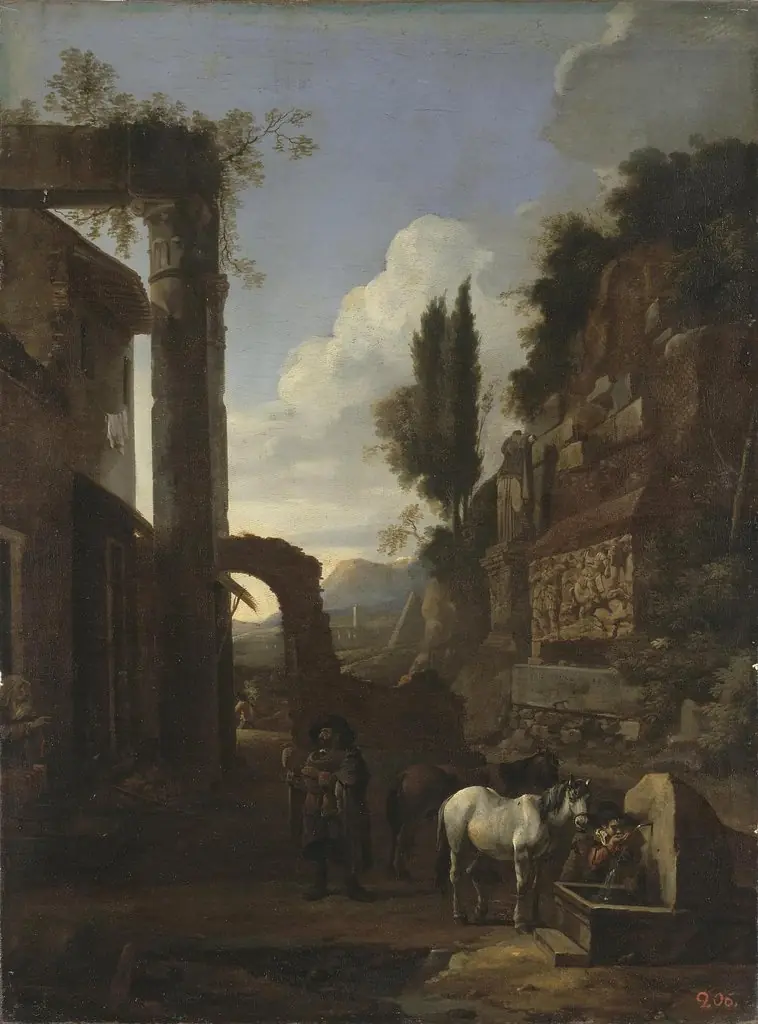 Road in the Roman Campagna
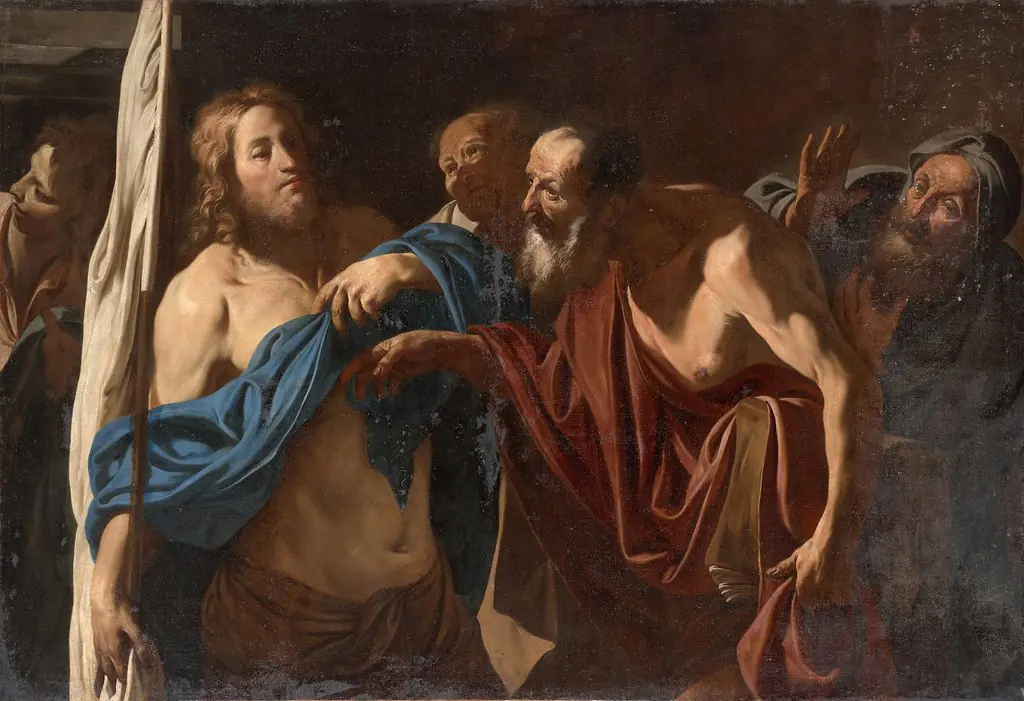 Doubting Thomas
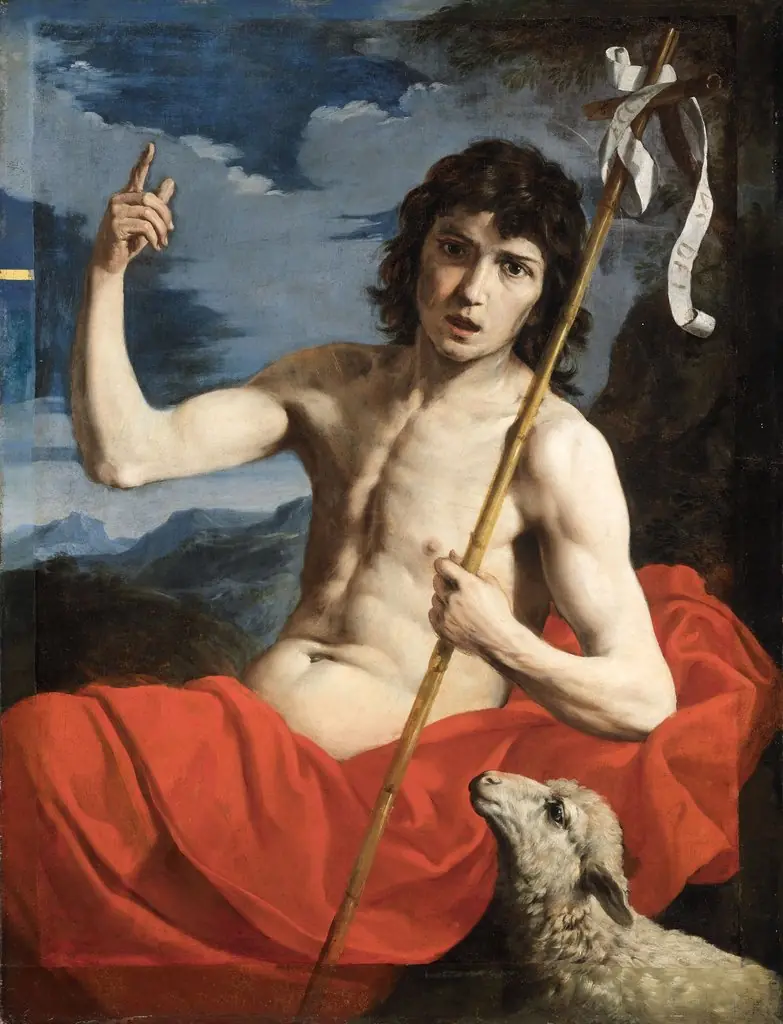 Saint John the Baptist in the Wilderness
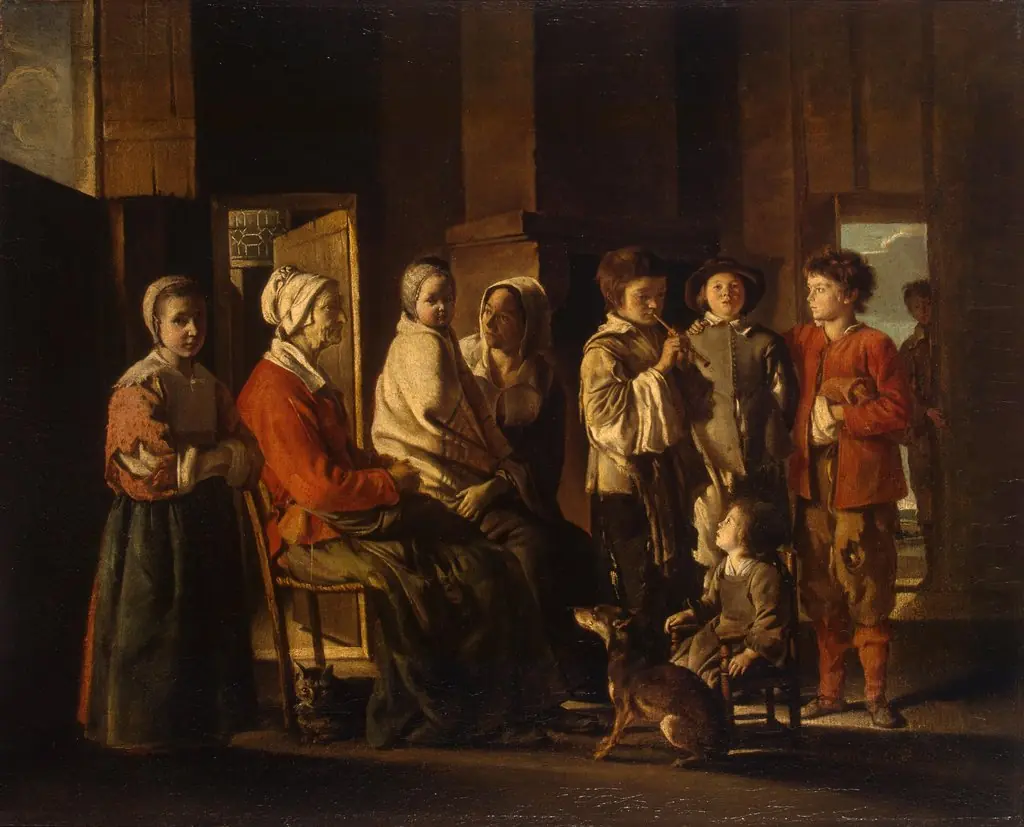 Visit to Grandmother
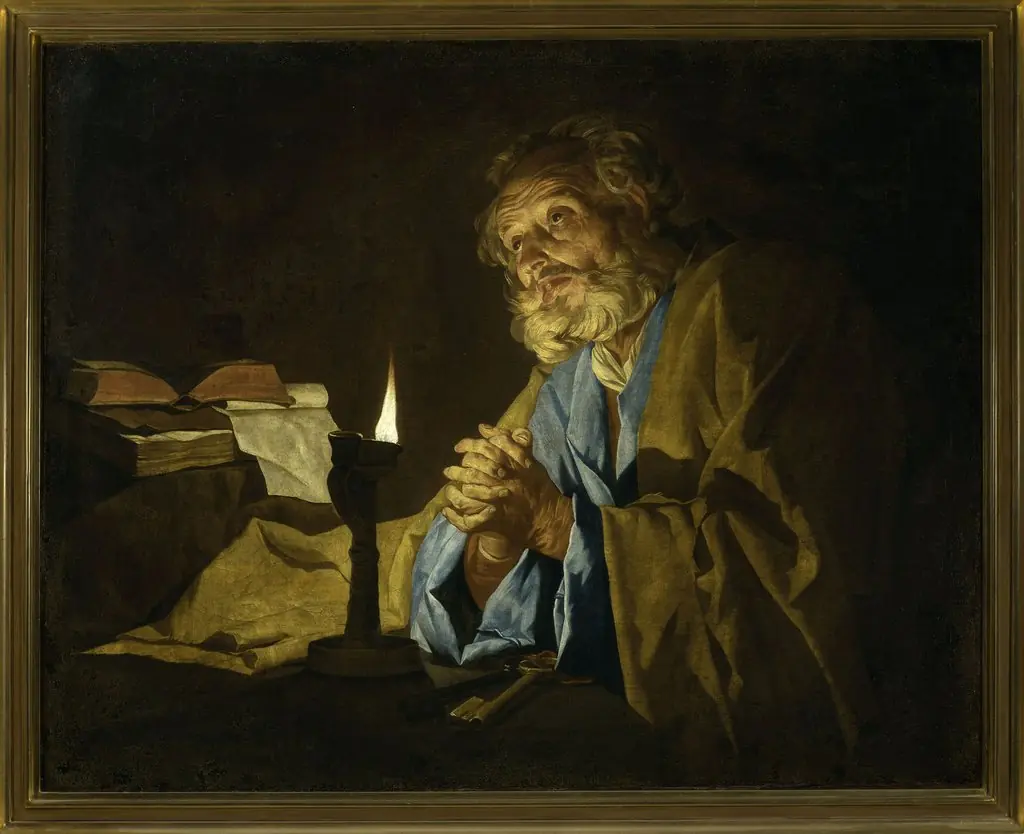 Saint Peter in prayer
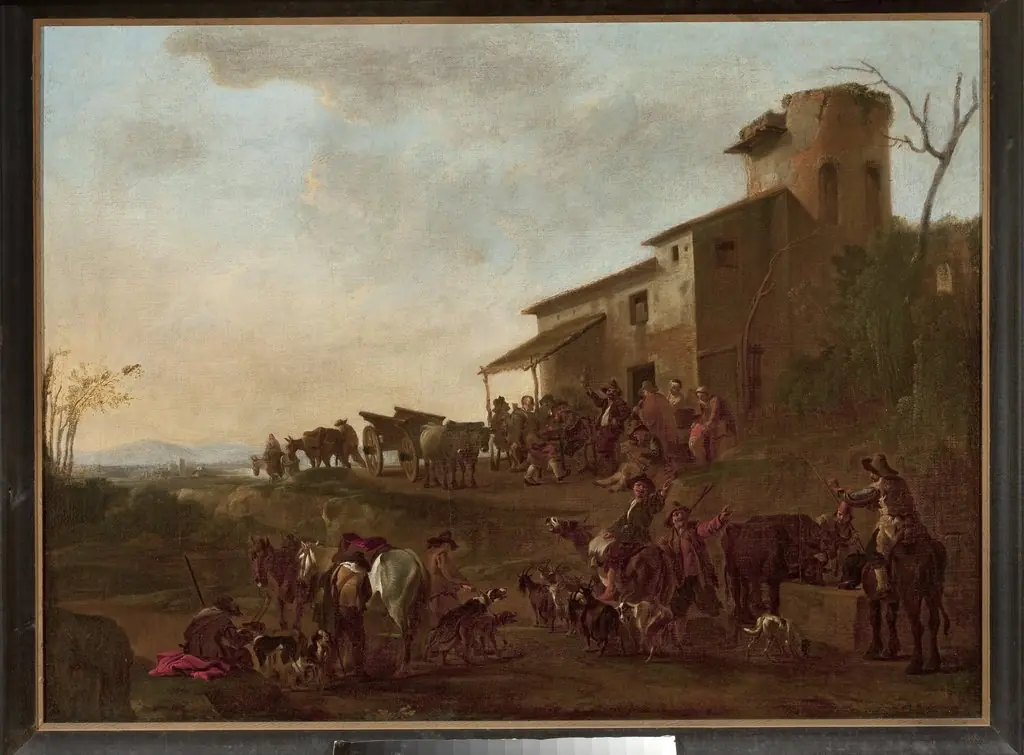 Scene in front of a tavern
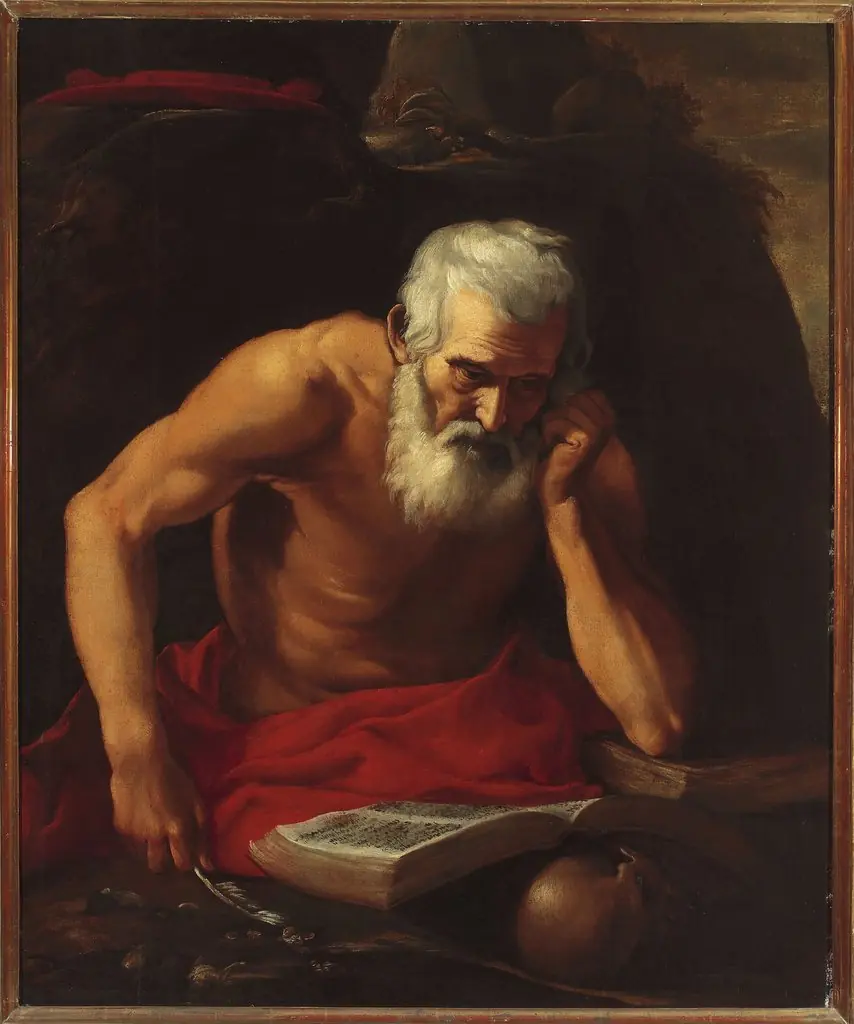 St. Jerome
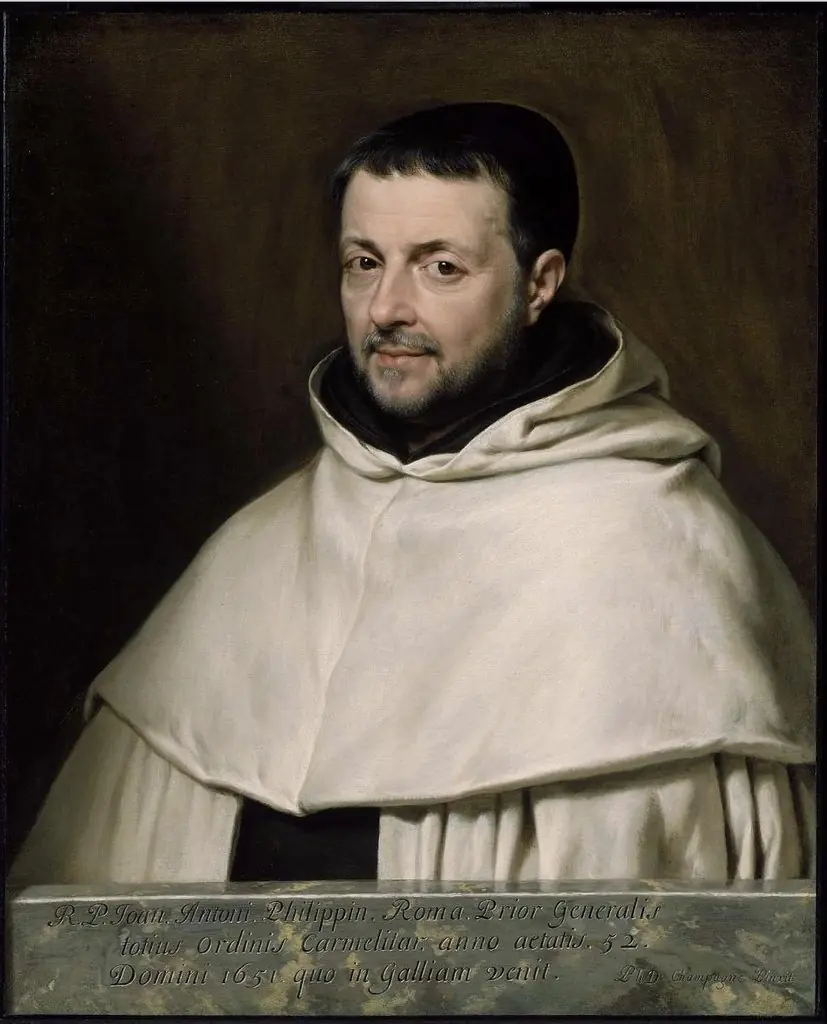 Reverend Father Giovanni Antonio Philippini
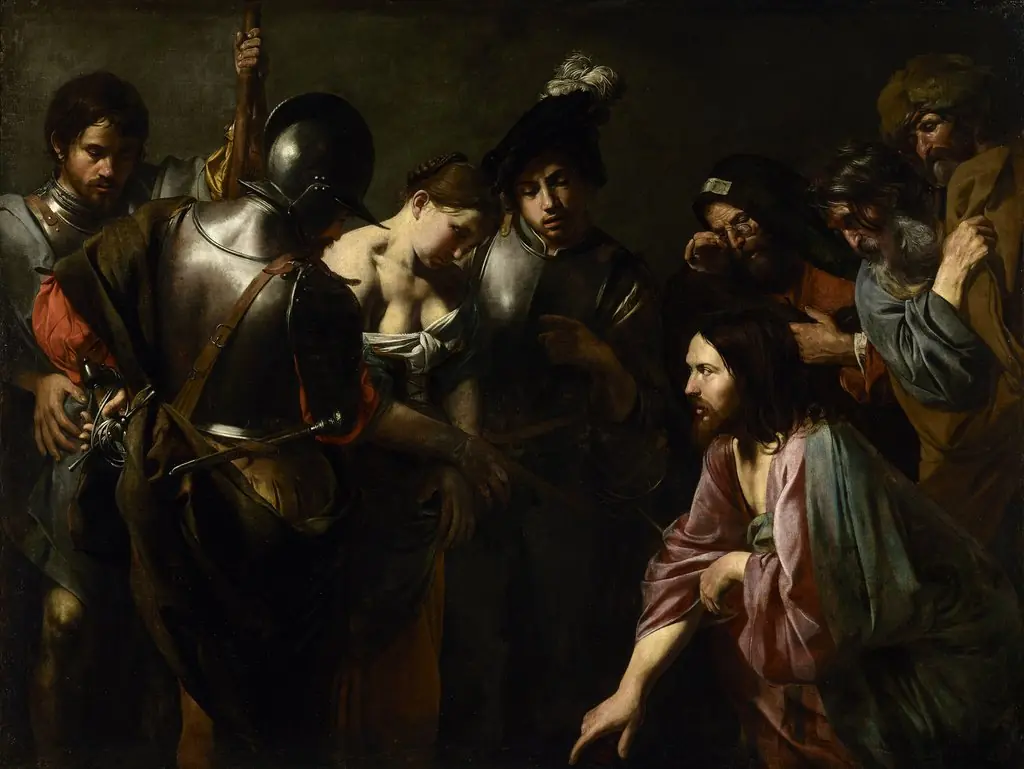 Christ and the Adulteress
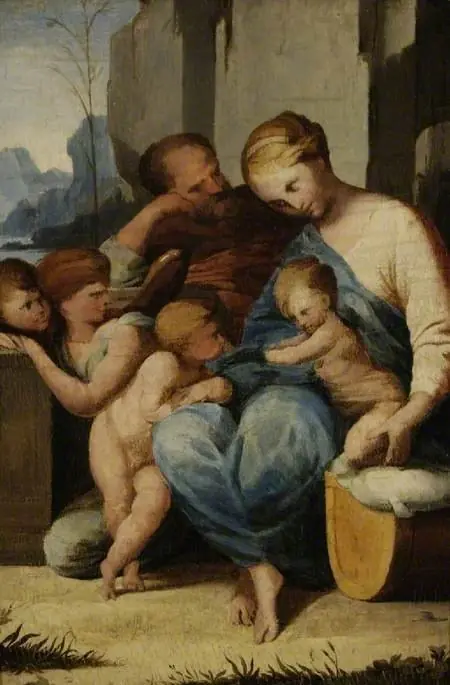 The Holy Family with the infant St John the Baptist and angels
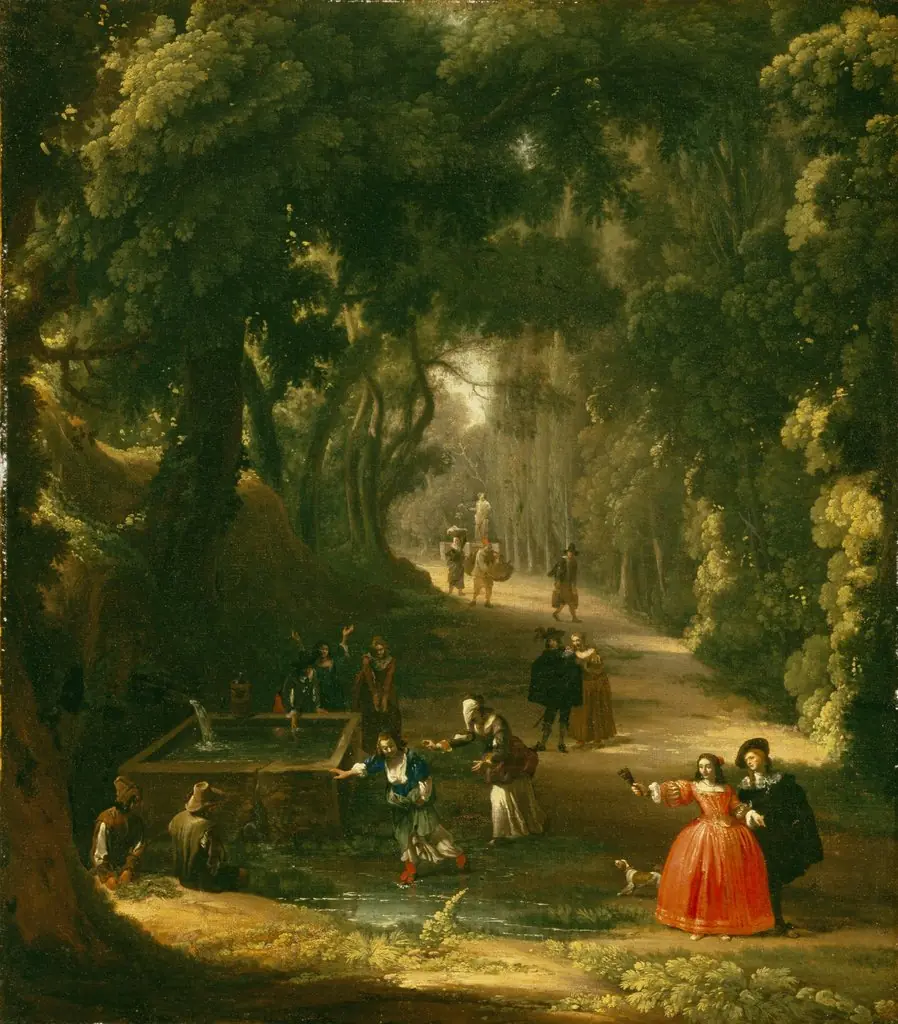 Blindman's Buff
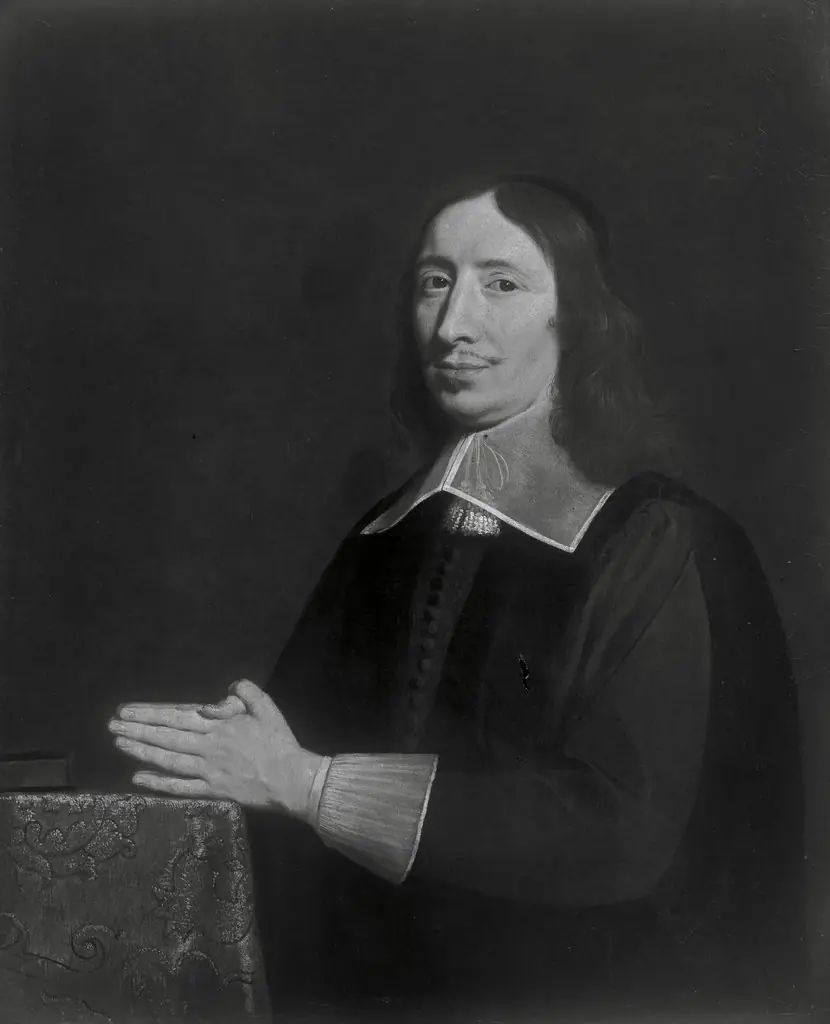 Portrait of a man
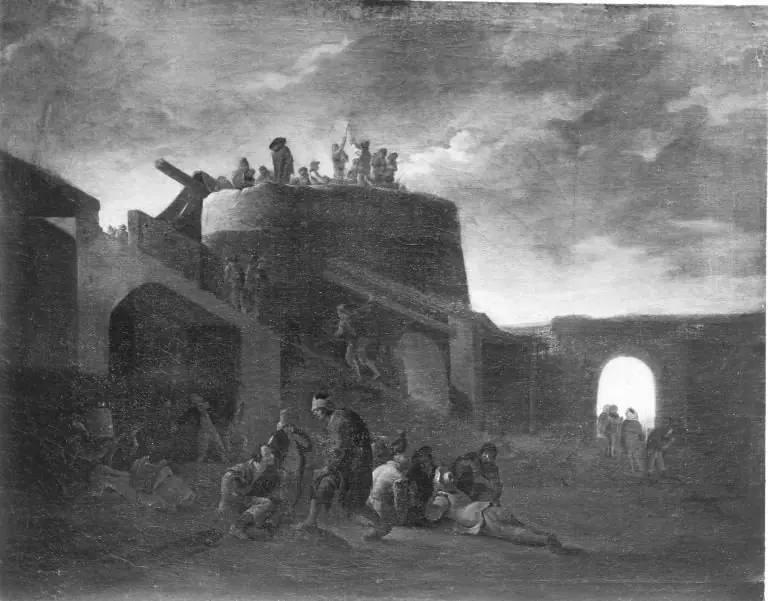 Szene um einen römischen Kalkofen (zugeschrieben)
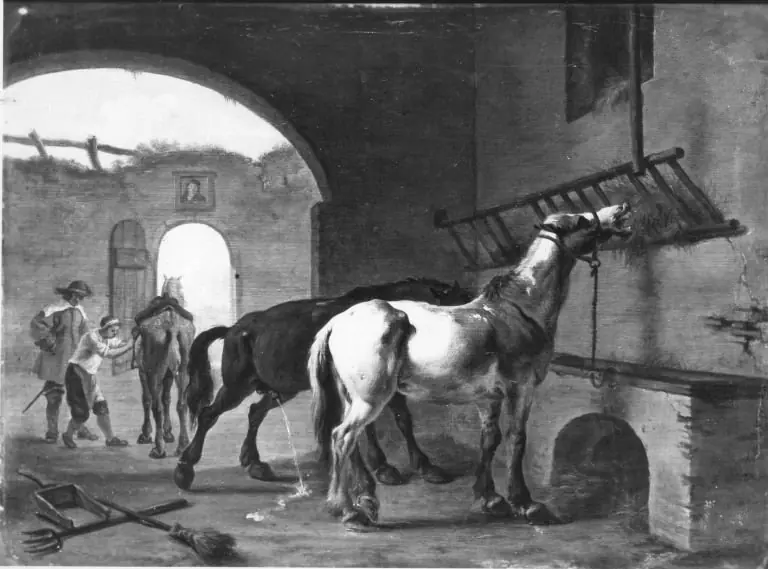 Zwei Pferde im Stall (?)
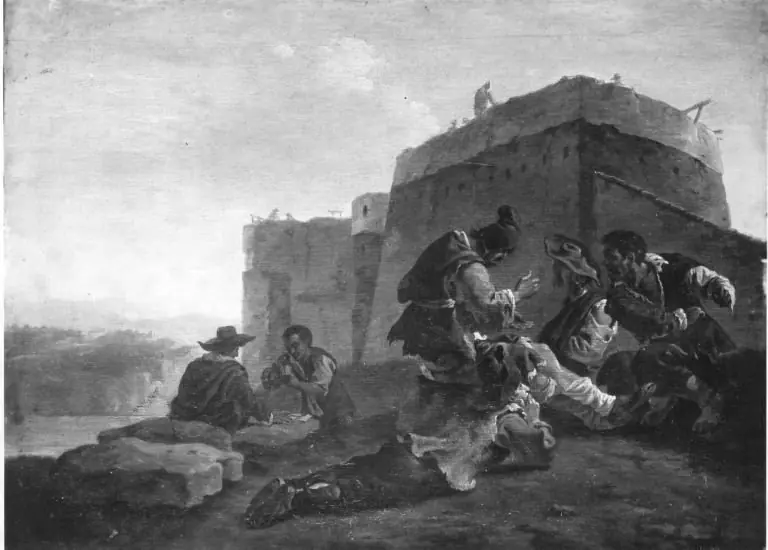 Spielende Facchini
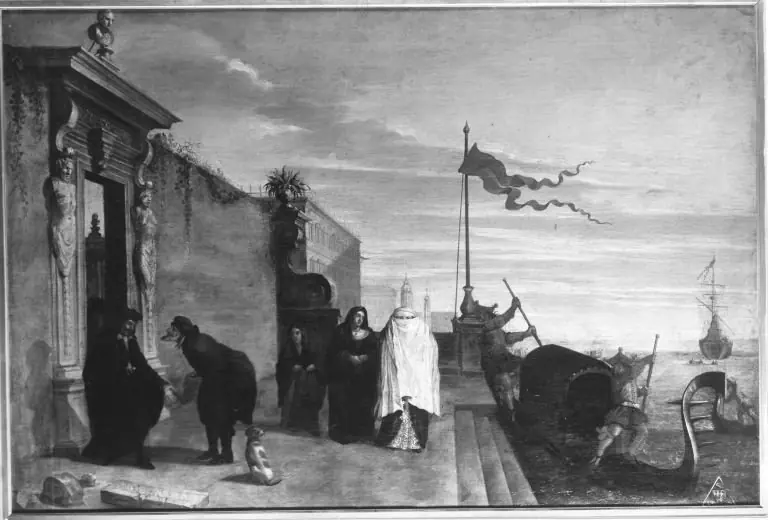 Gondel an venezianischer Steintreppe (?)
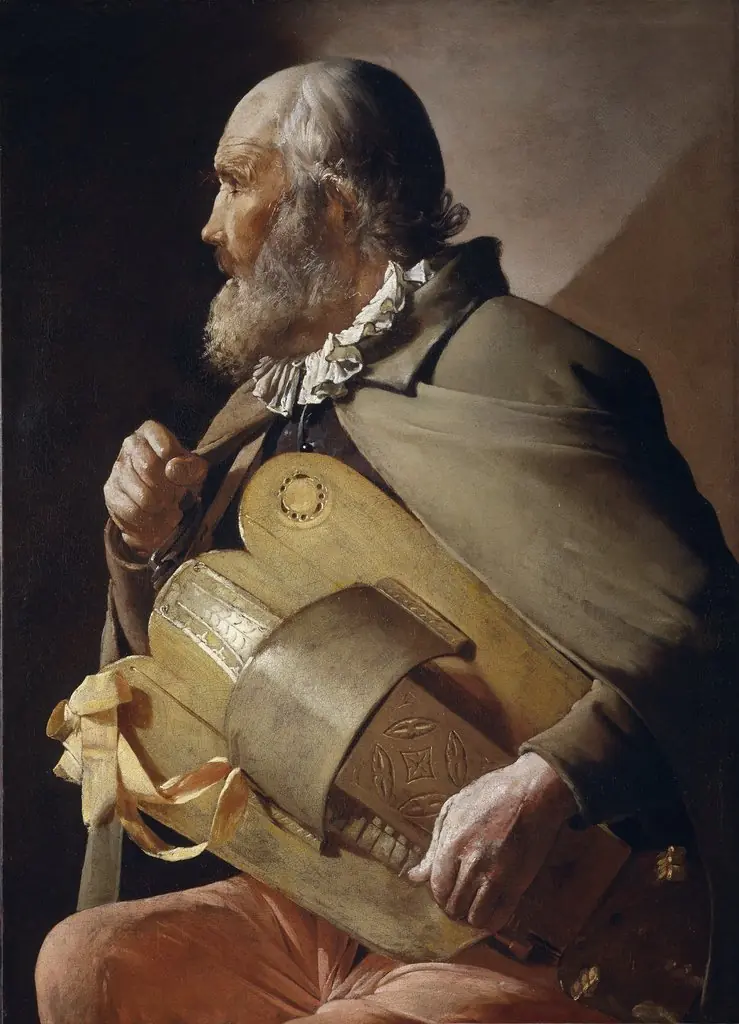 The Blind Hurdy-Gurdy Player
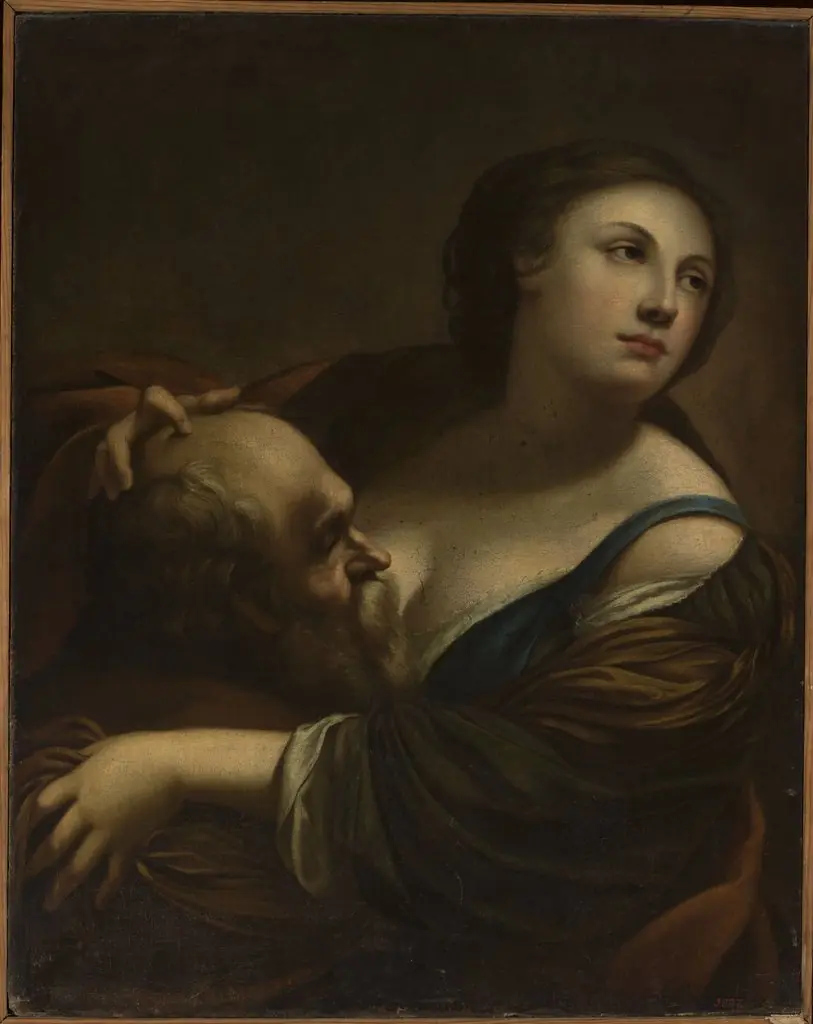 Caritas Romana
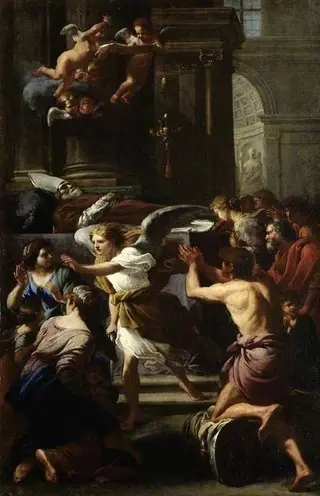 The Veneration of St. Lambert
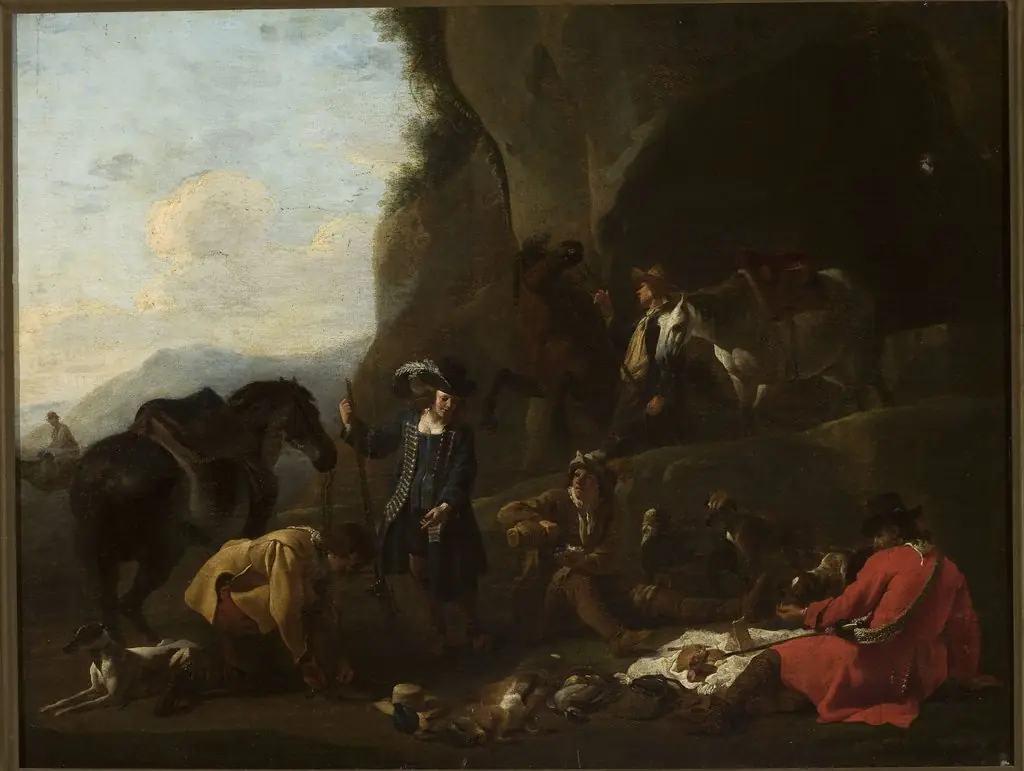 Rest during the hunt
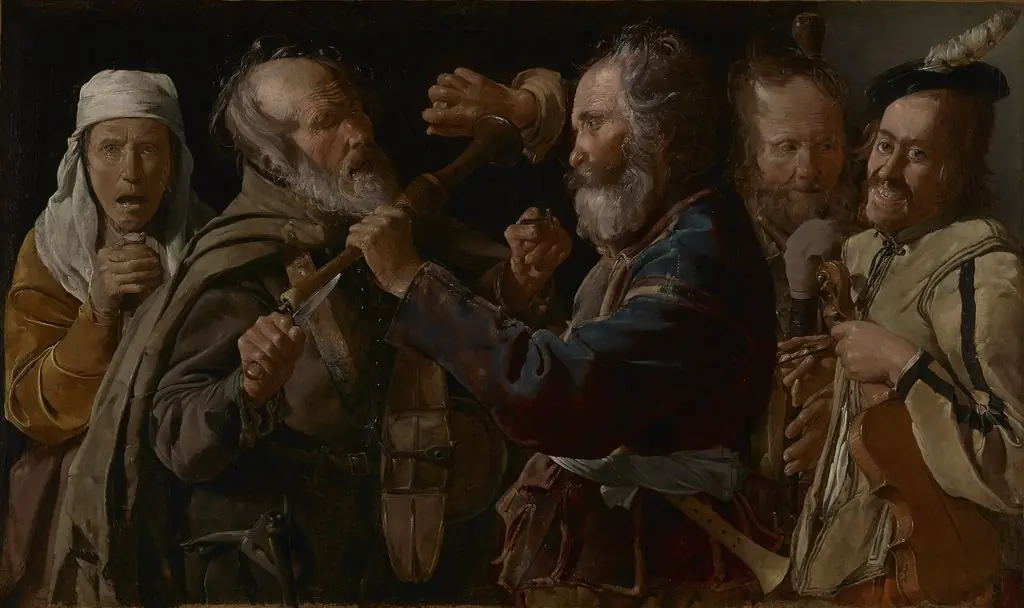 The Musicians' Brawl
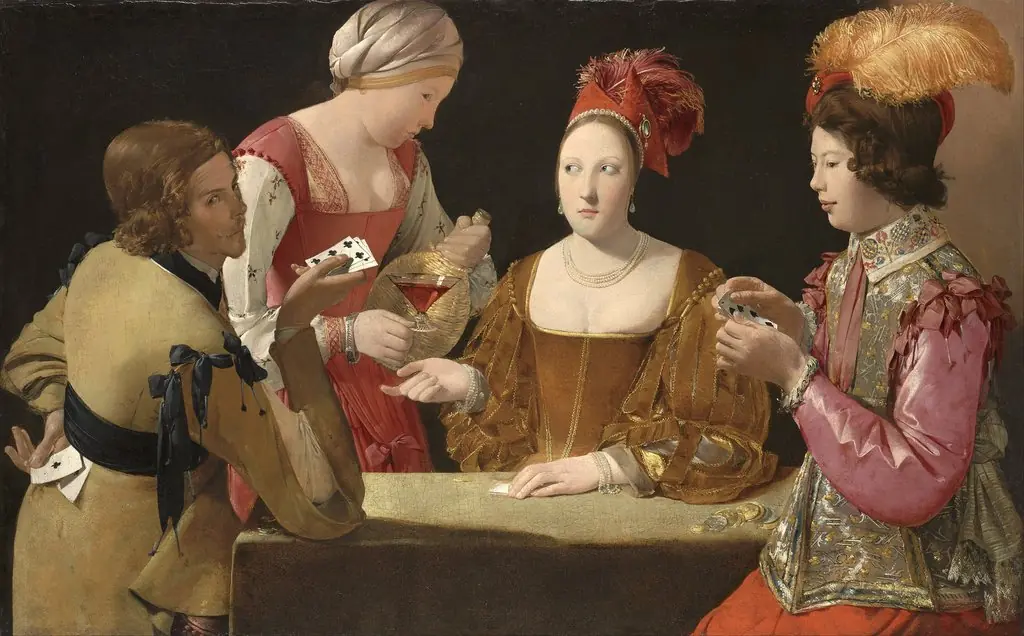 The Cheat with the Ace of Clubs
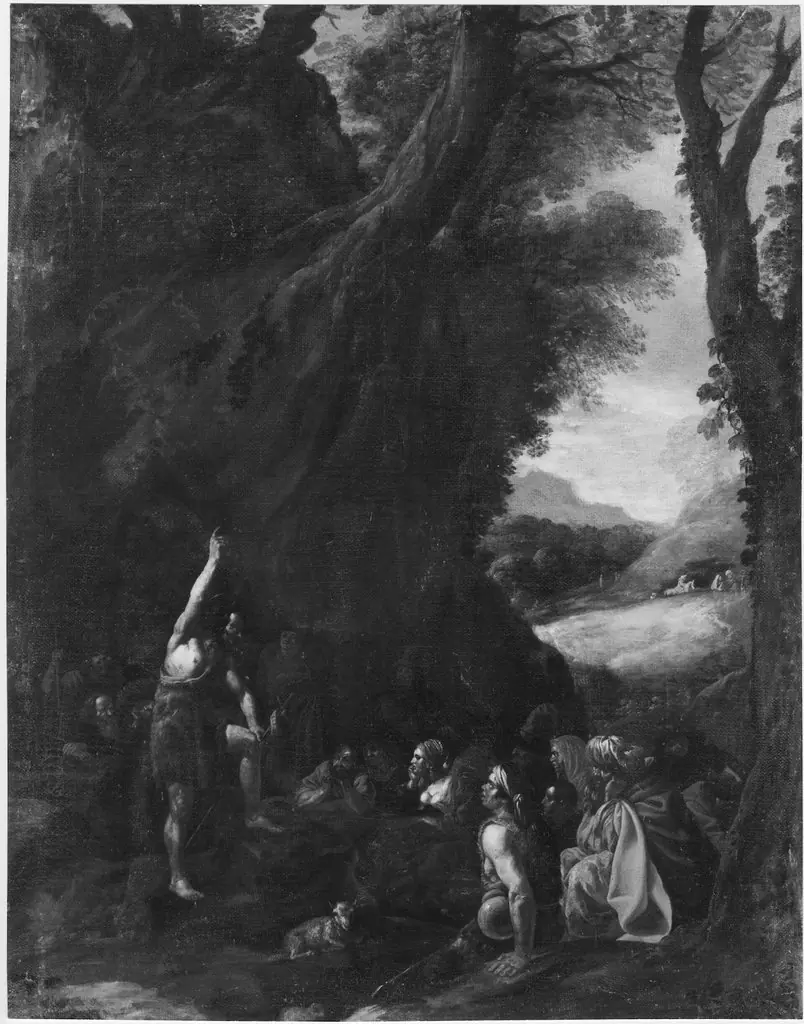 St John the Baptist Preaching in the Desert
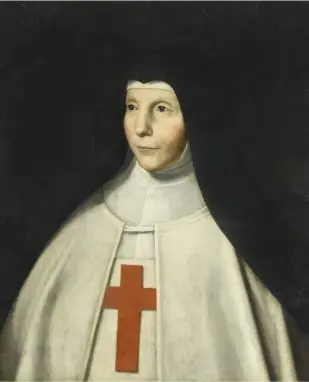 Portrait de la Mère des Anges Suireau
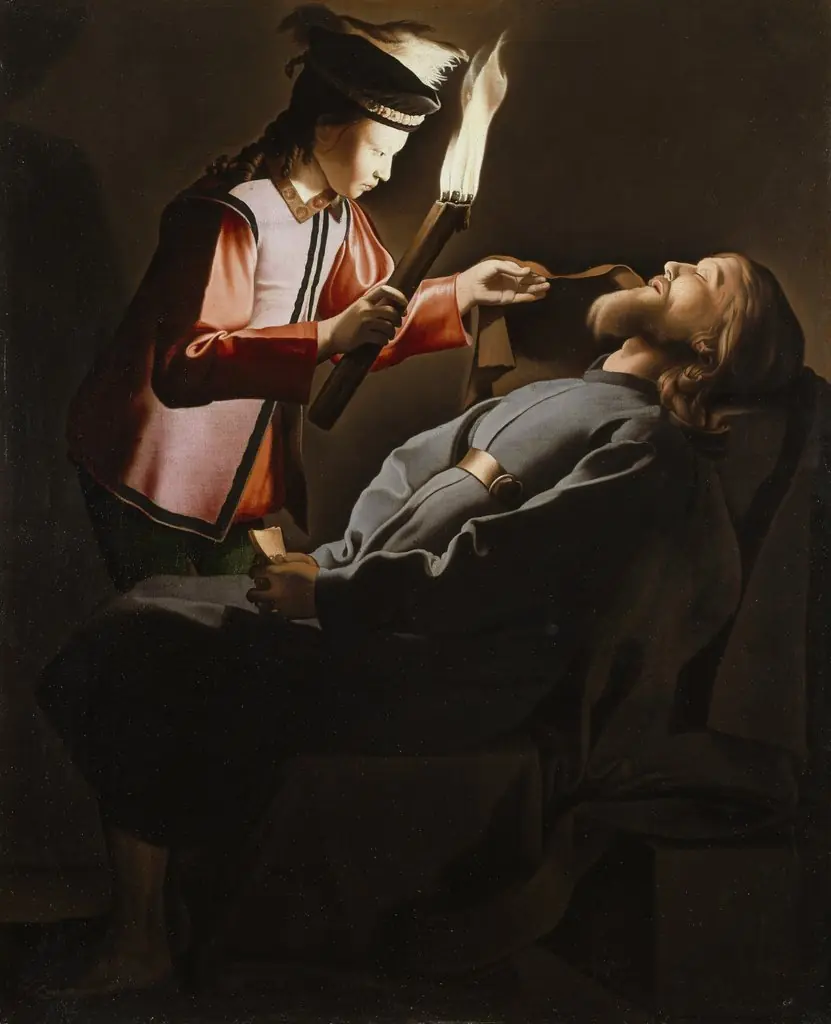 The Image of Saint Alexis
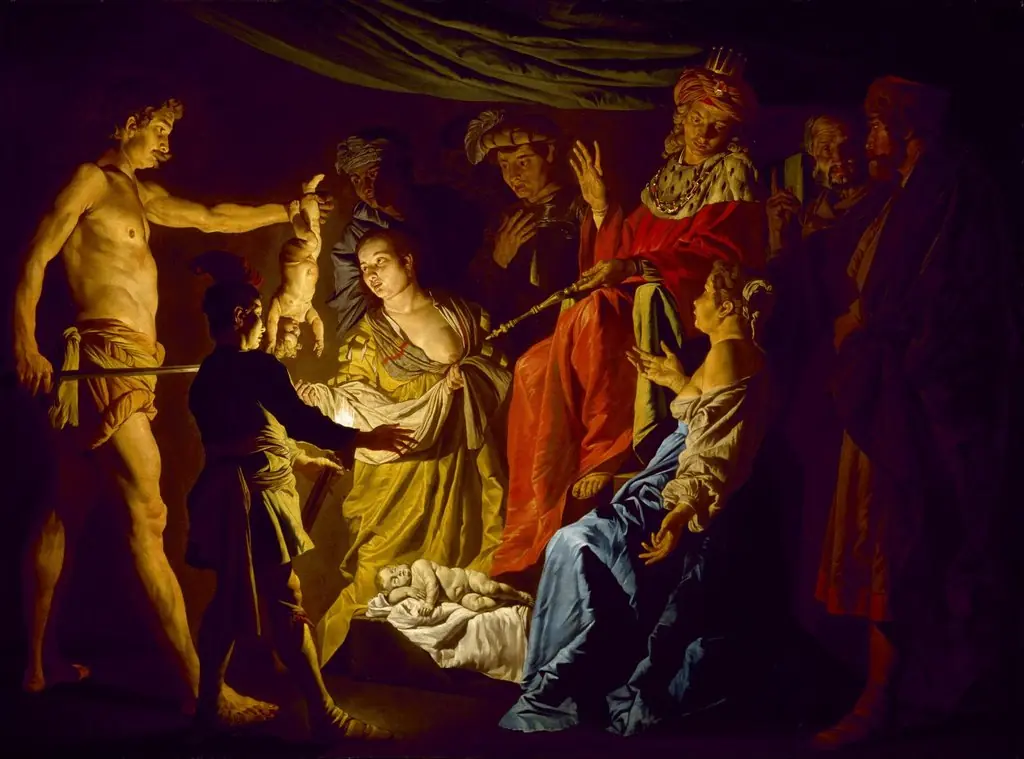 The Judgment of Solomon
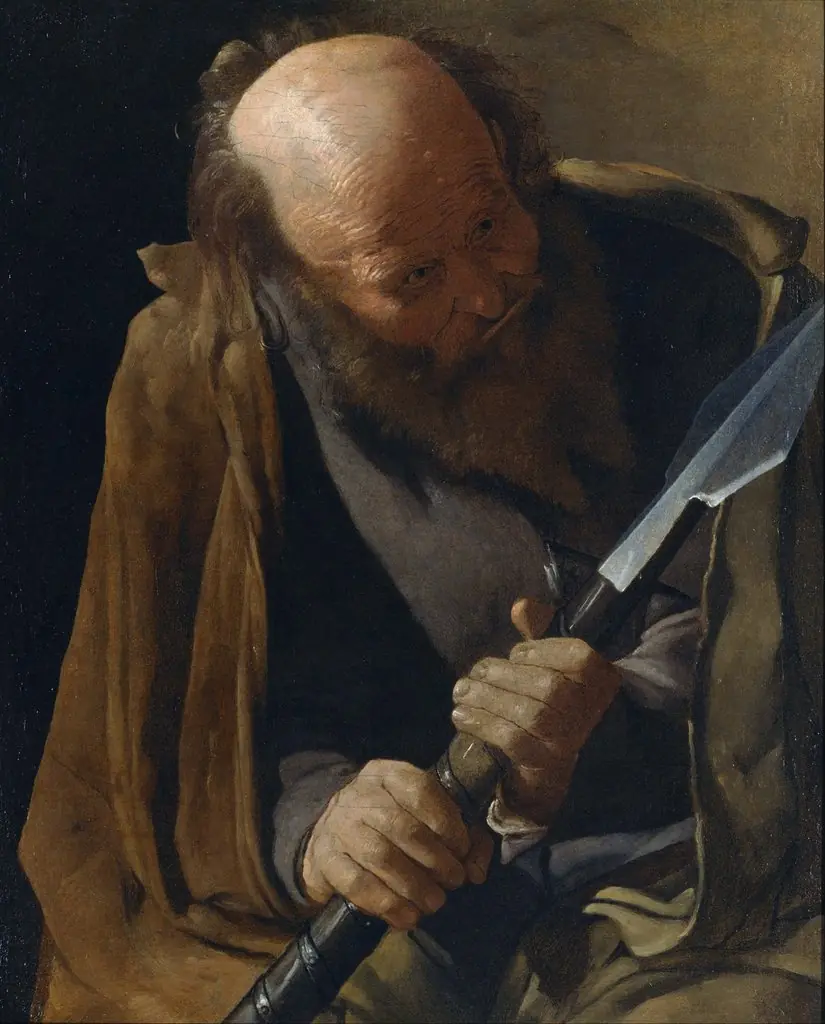 St. Thomas
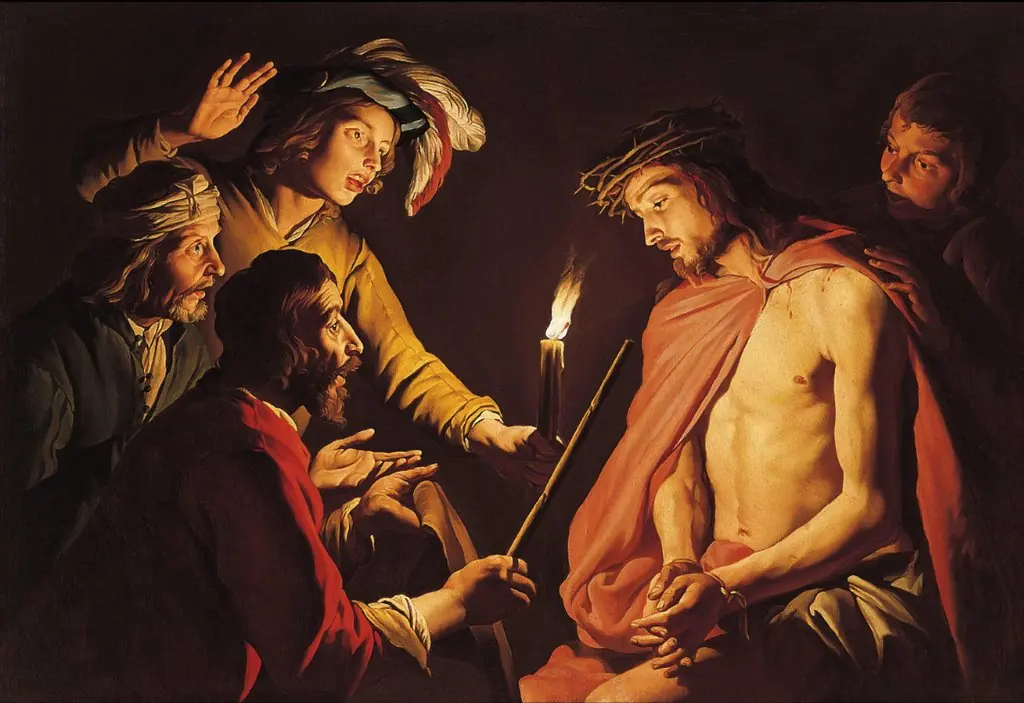 Christ Crowned with Thorns
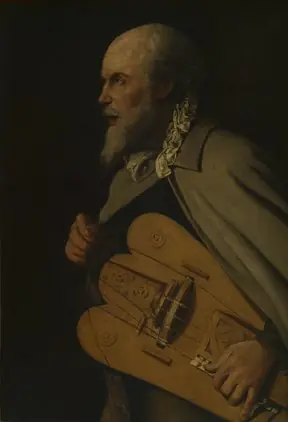 The hurdy-gurdy player
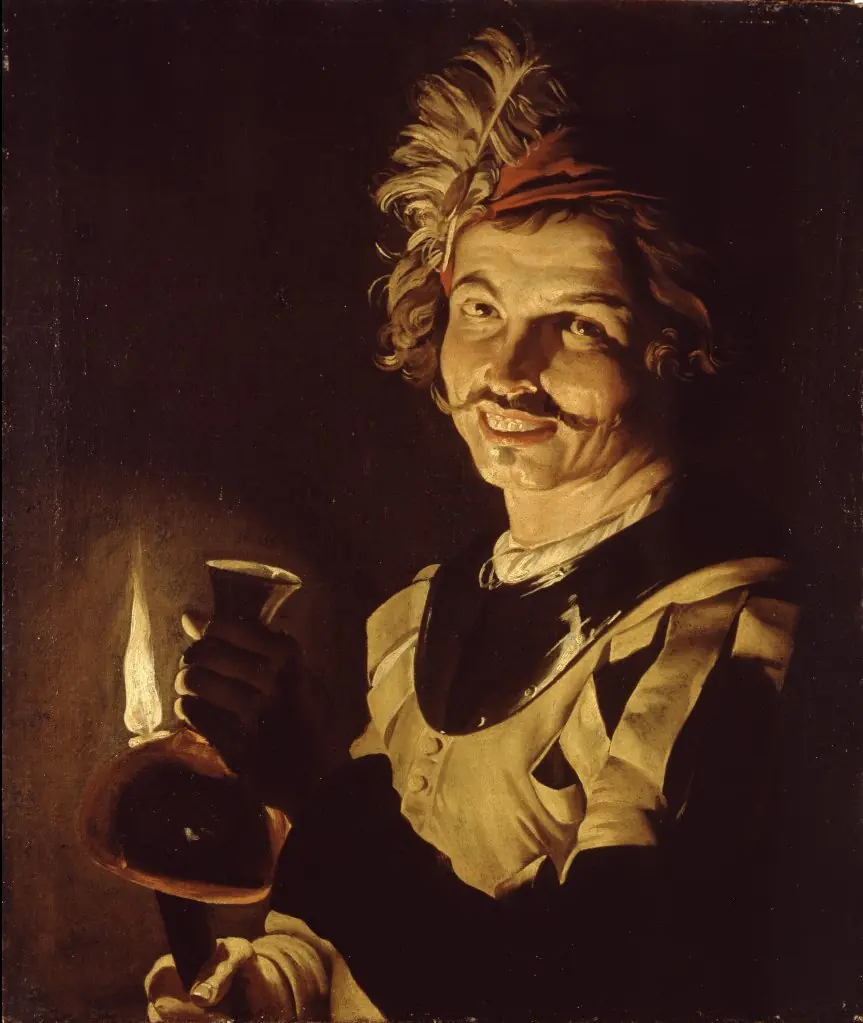 Young man with a decanter by candlelight
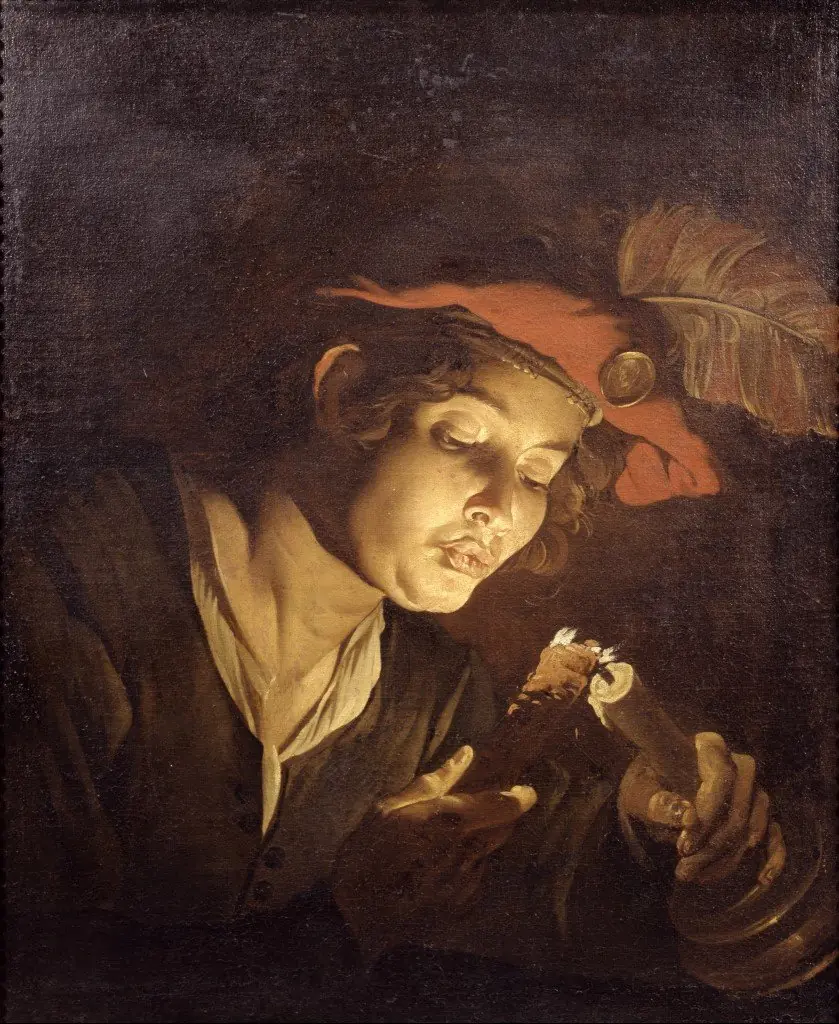 Boy lighting a candle from a wick
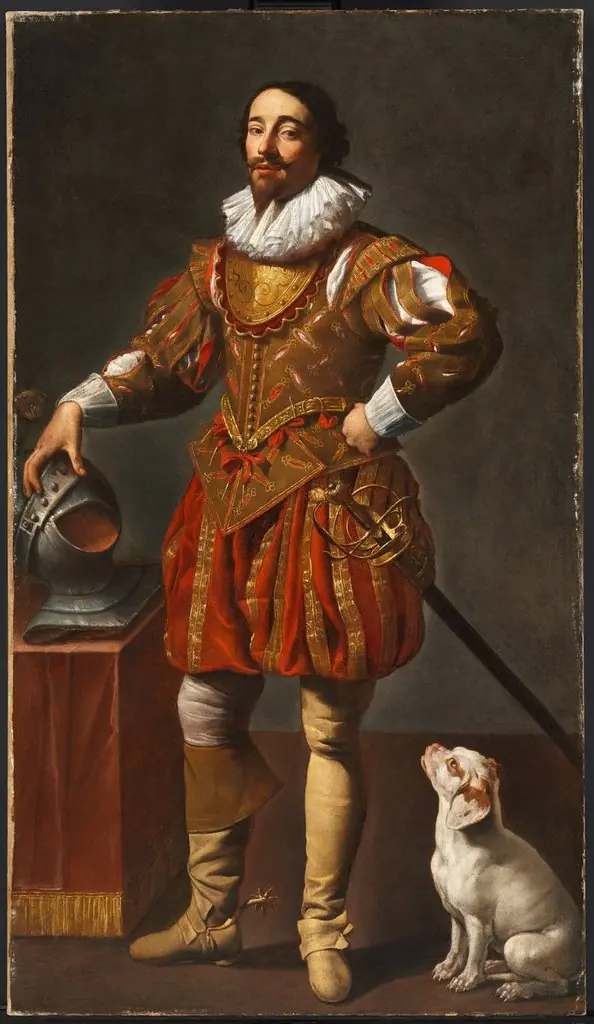 Portrait of a Man with his Dog
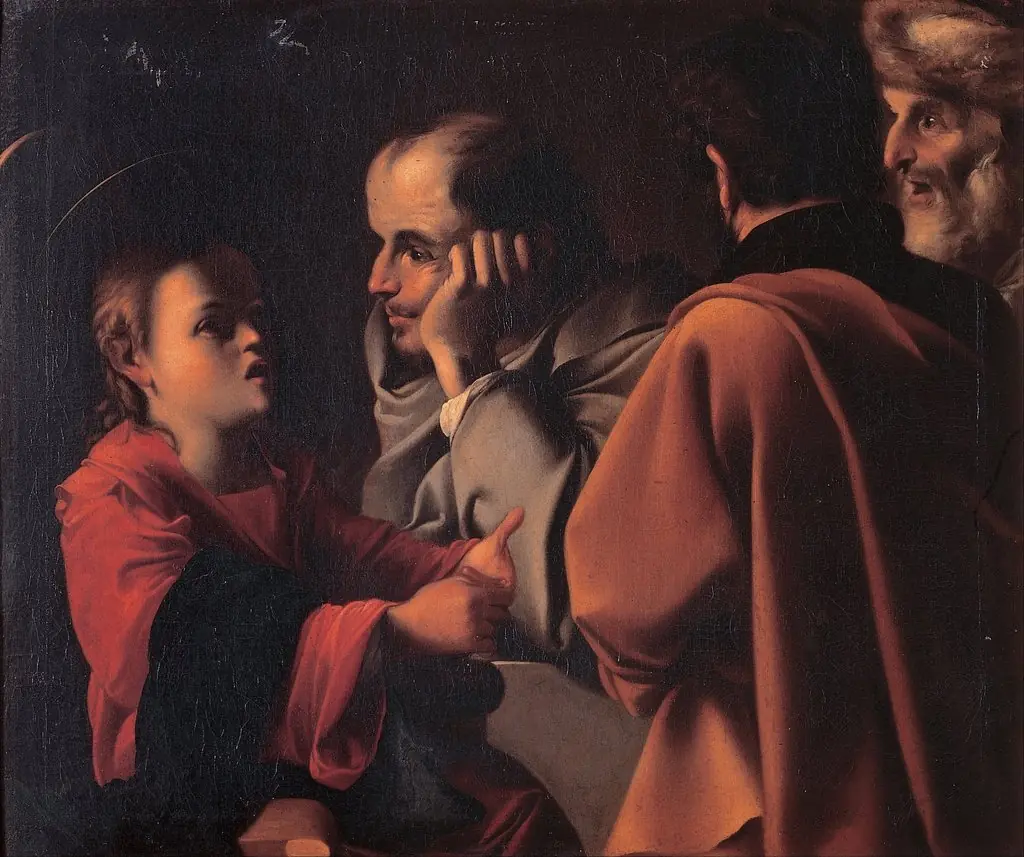 Christ among the doctors
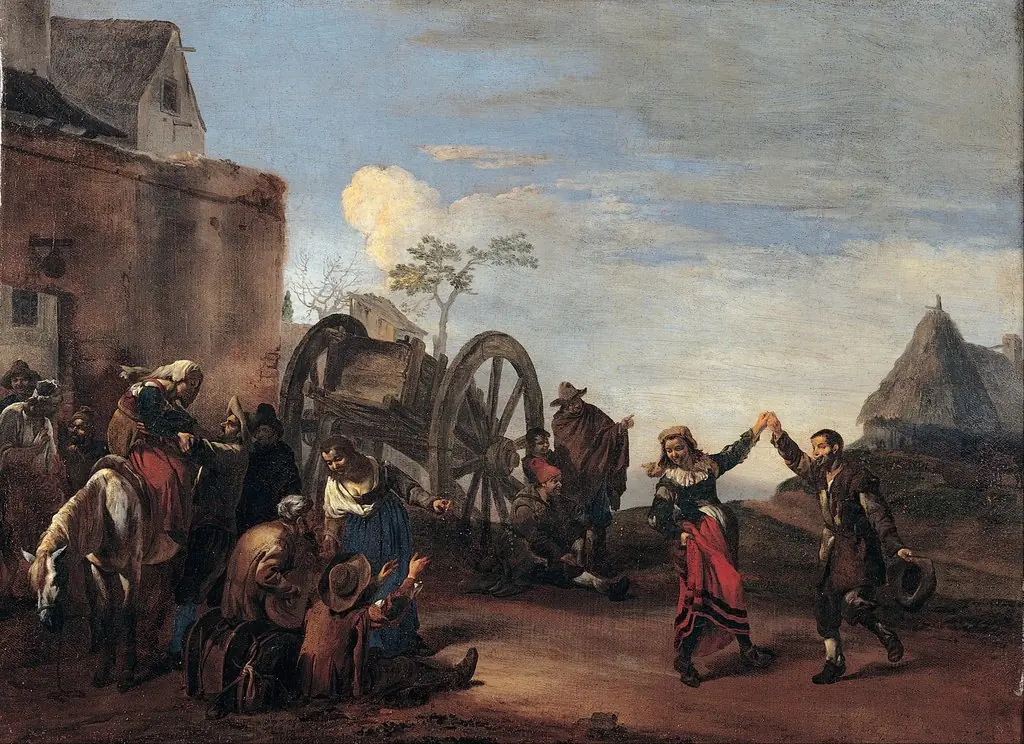 Bambocciata (Childishness)
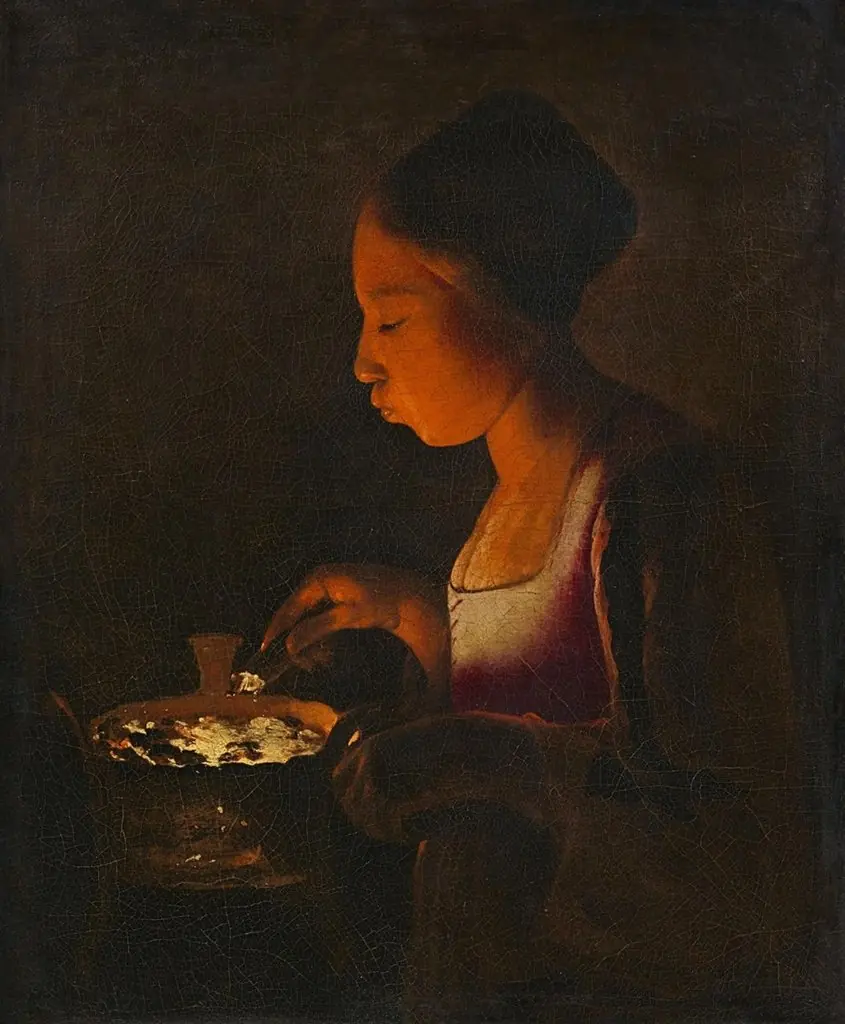 A Girl Blowing on a Brazier
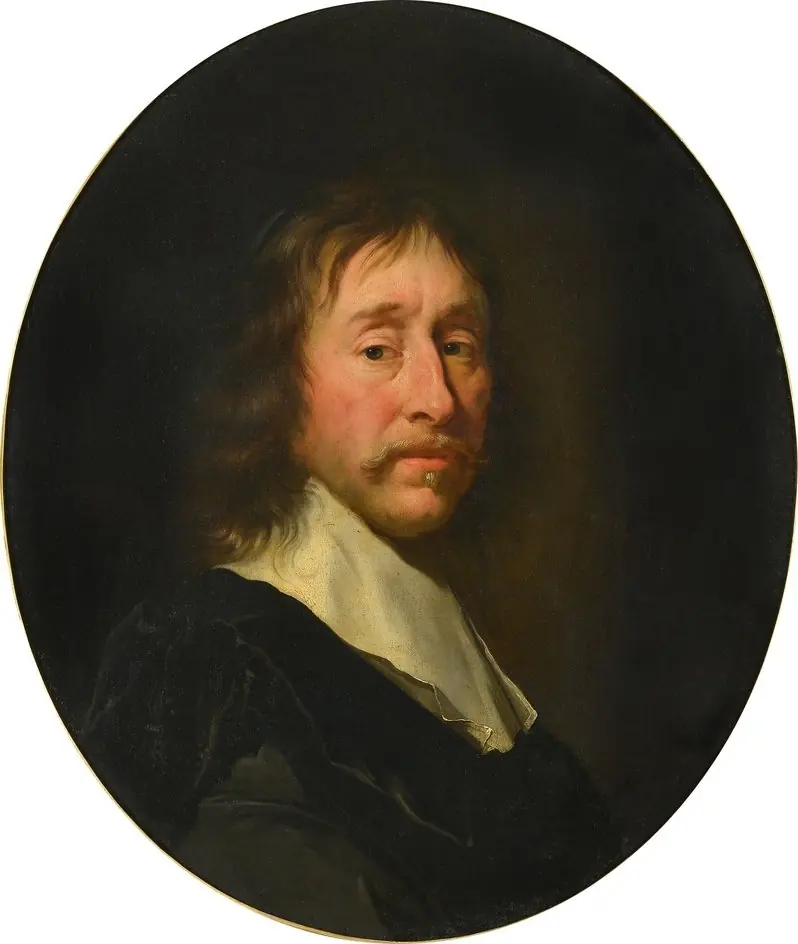 Portrait of a Man
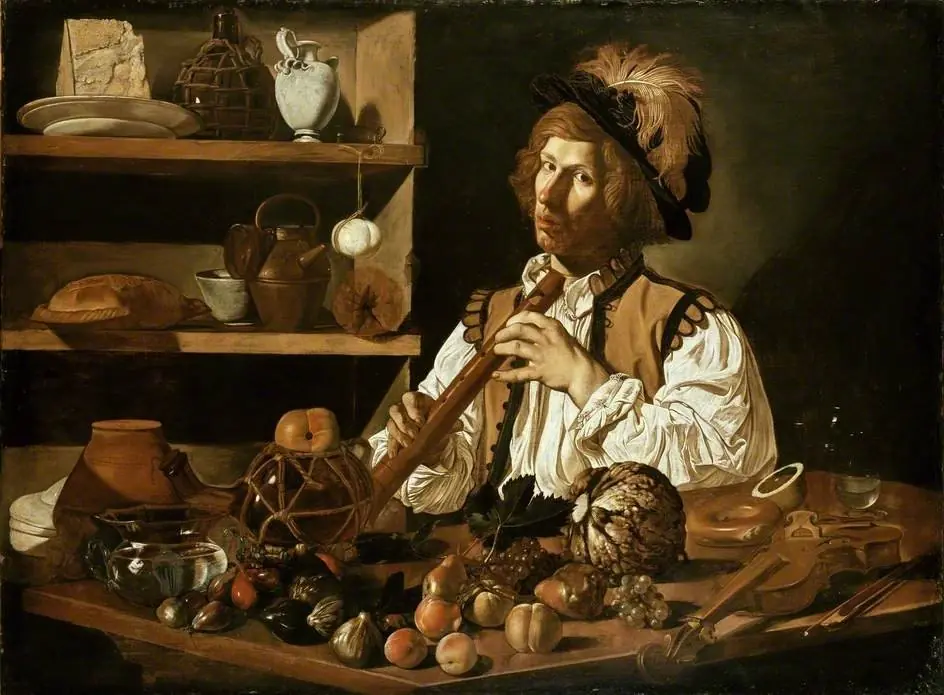 Interior with a young Man holding a Recorder
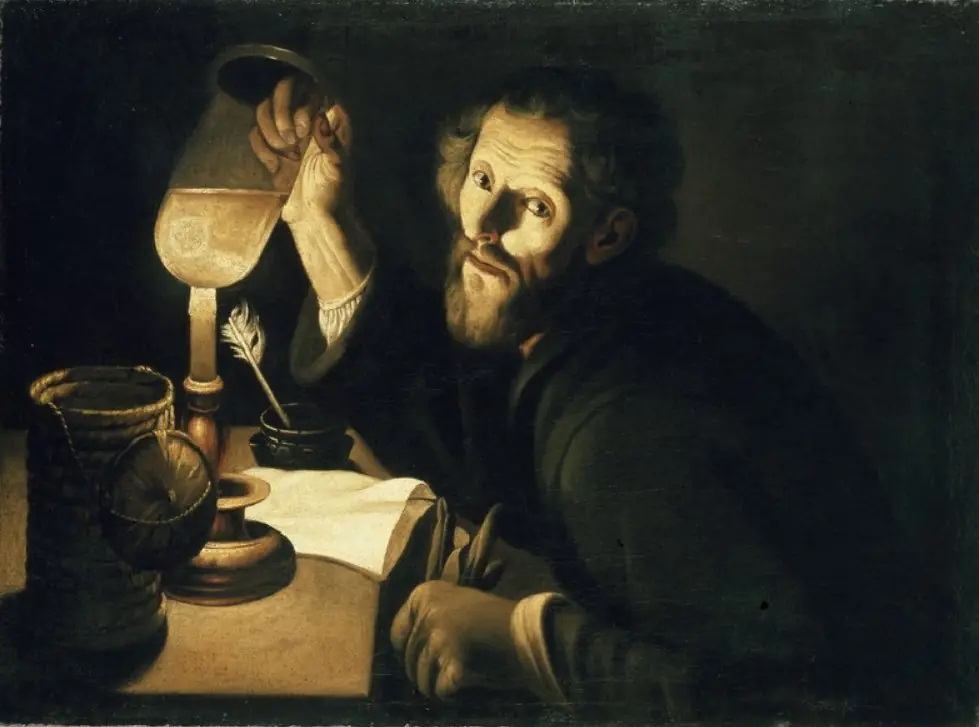 A Physician with a Urine Sample
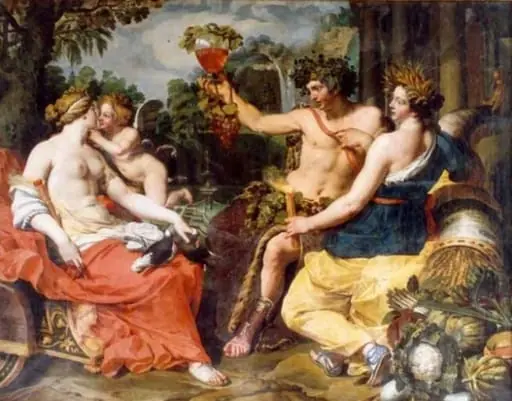 Ceres, Bachus și Venus
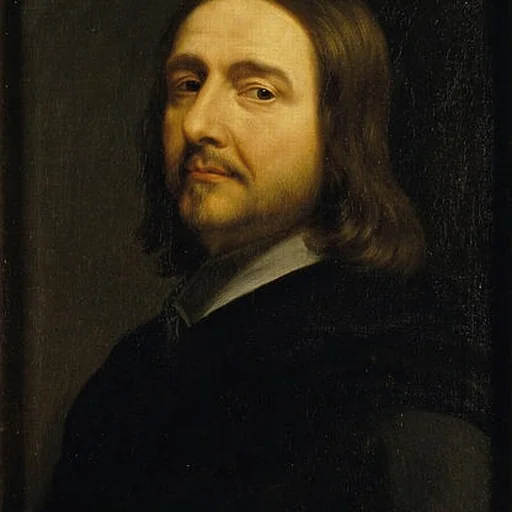
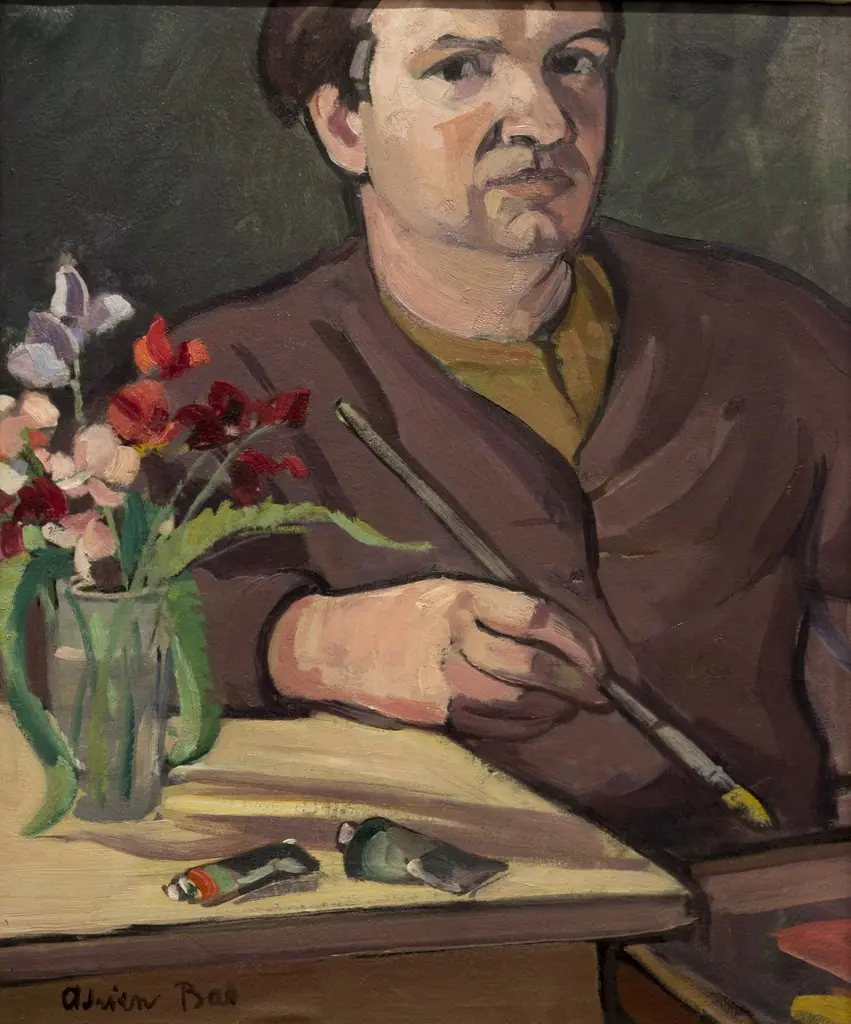 Portrait de l’artiste
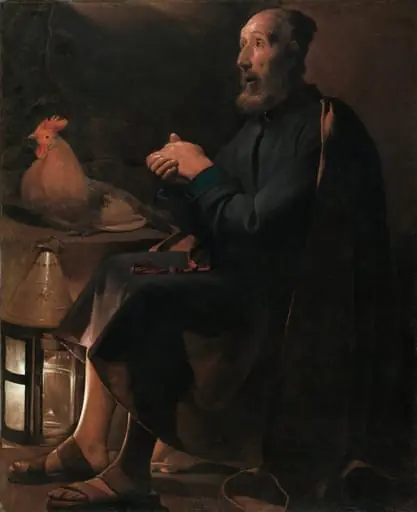 Saint Peter Repentant
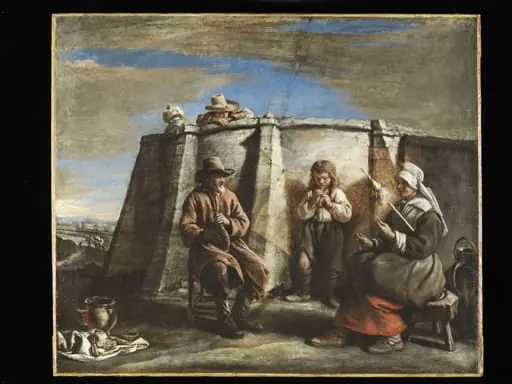 The Flageolet Player
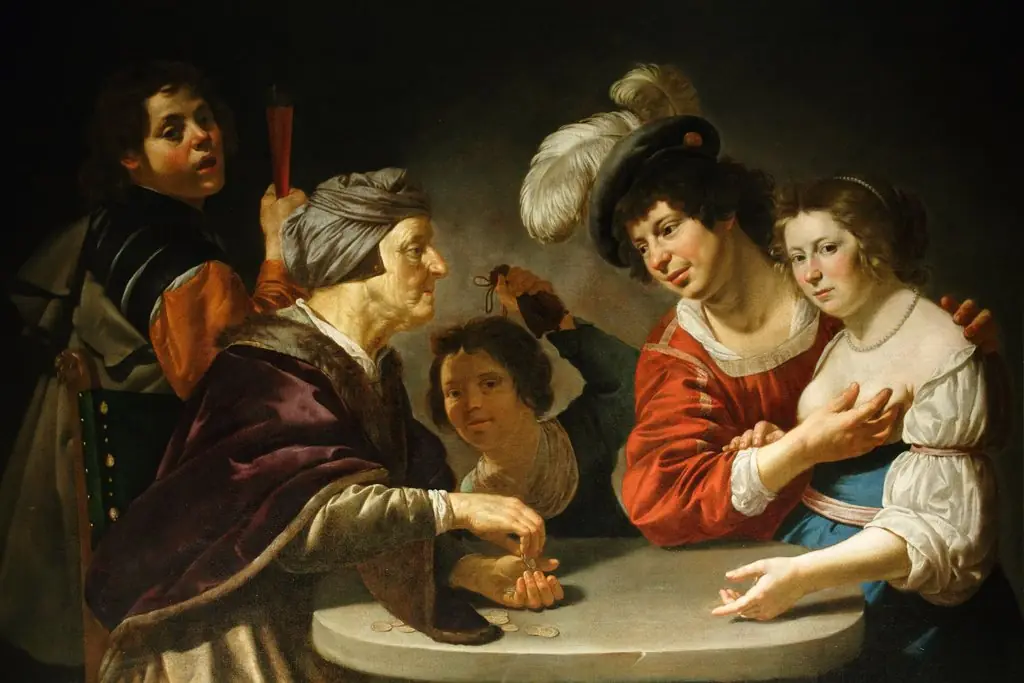 The procruress
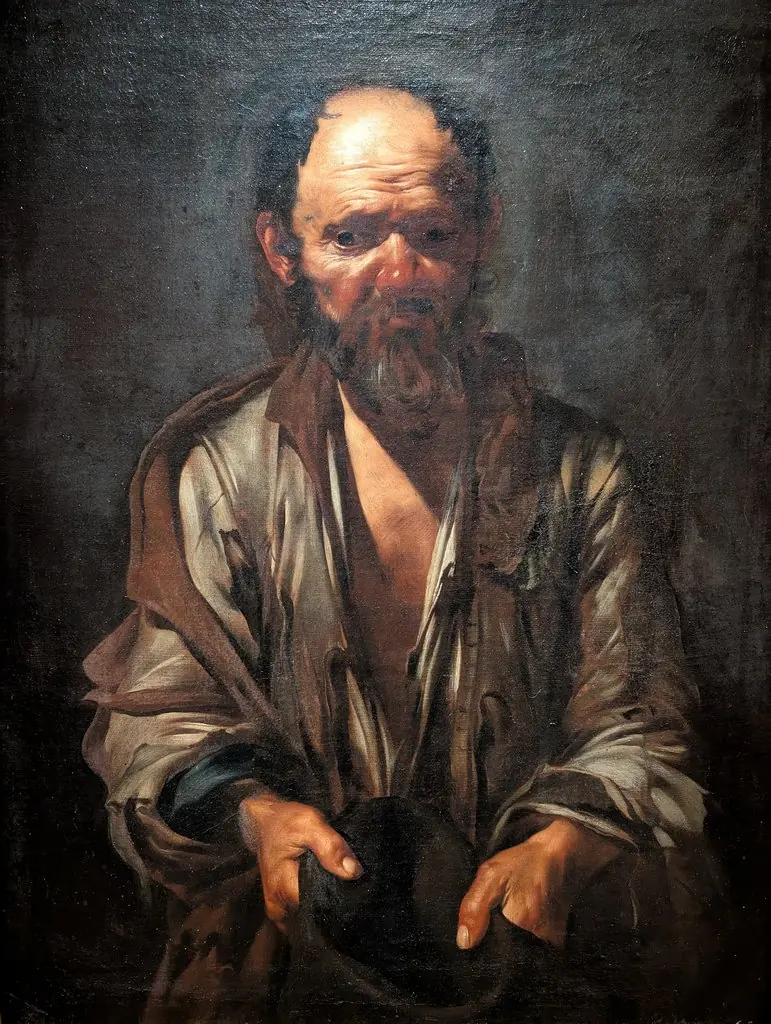 A Beggar
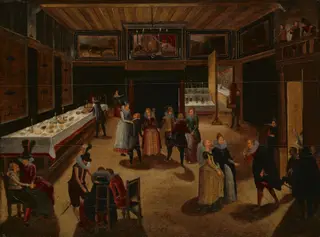 Evening Party
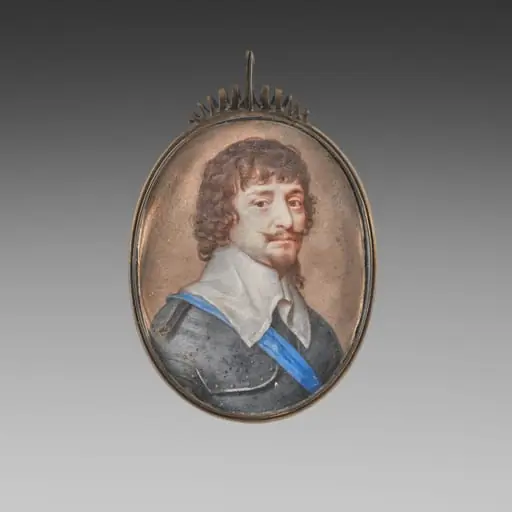 Portrait of Frederick V, Elector Palatine, King of Bohemia
Groups & collectives
Learn this movement
Frequently asked questions
What is Caravaggisti?
Caravaggisti is an art movement. The international wave of followers inspired by Caravaggio's radical naturalism and tenebrism in the early 17th century.
How many Caravaggisti works does Artifact World Gallery have?
Artifact World Gallery holds 75 public-domain Caravaggisti works, all free to view and download.
Who are the key Caravaggisti artists?
Key Caravaggisti artists in the collection include Georges de La Tour, Philippe de Champaigne and Hendrick ter Brugghen.
When did Caravaggisti take place?
Caravaggisti dates from 1590–1650.
Where can I see Caravaggisti works?
Caravaggisti works in the collection are held by Rijksmuseum, National Museum in Warsaw and Bavarian State Painting Collections.