Artwork
View of Pantheon
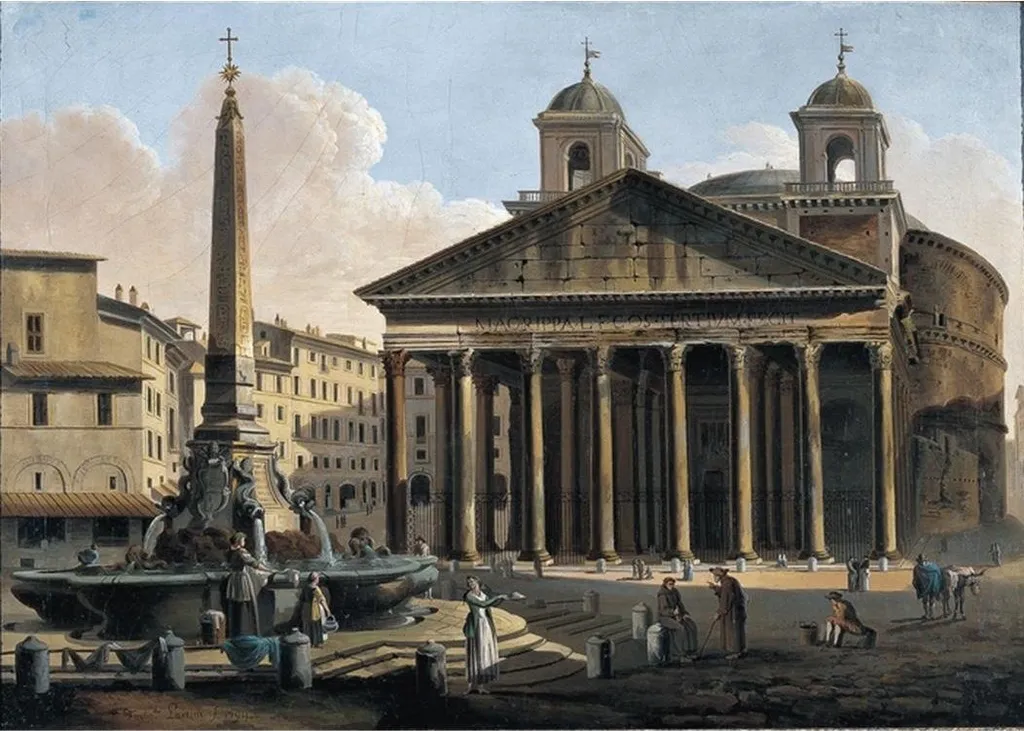
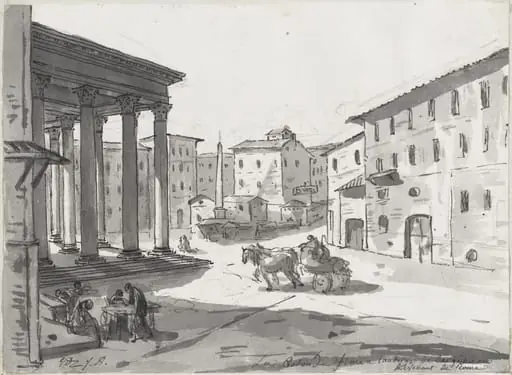
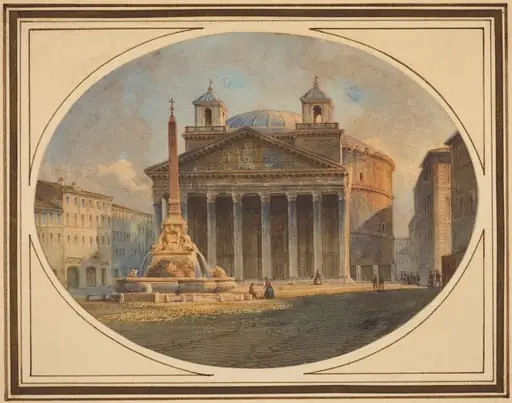
View of Pantheon is an oil painting by the Neoclassicist artist Ferdinando Partini. It dates from 1798 and is held in the collection of the Metropolitan Museum of Art.
About this work
Subject & Meaning
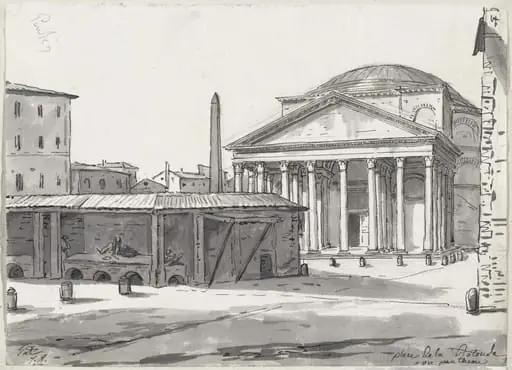
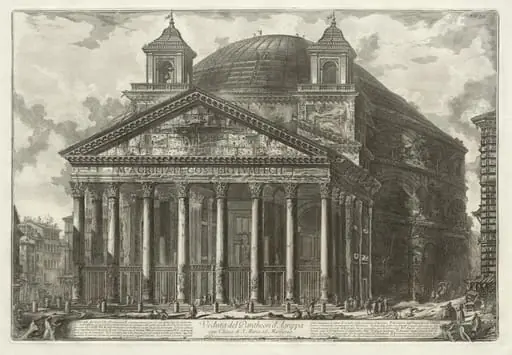
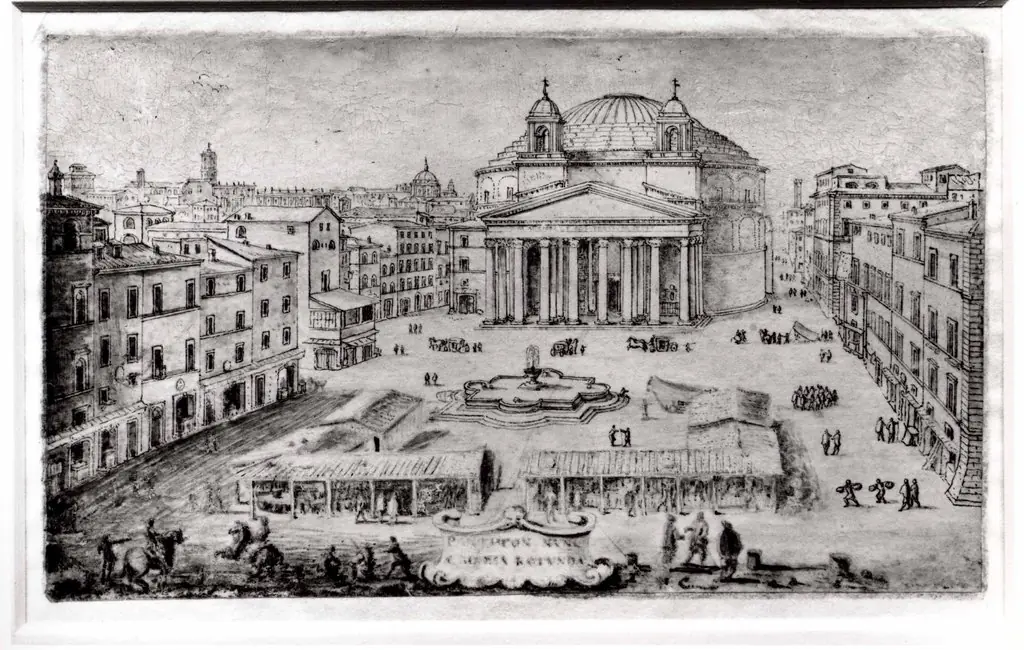
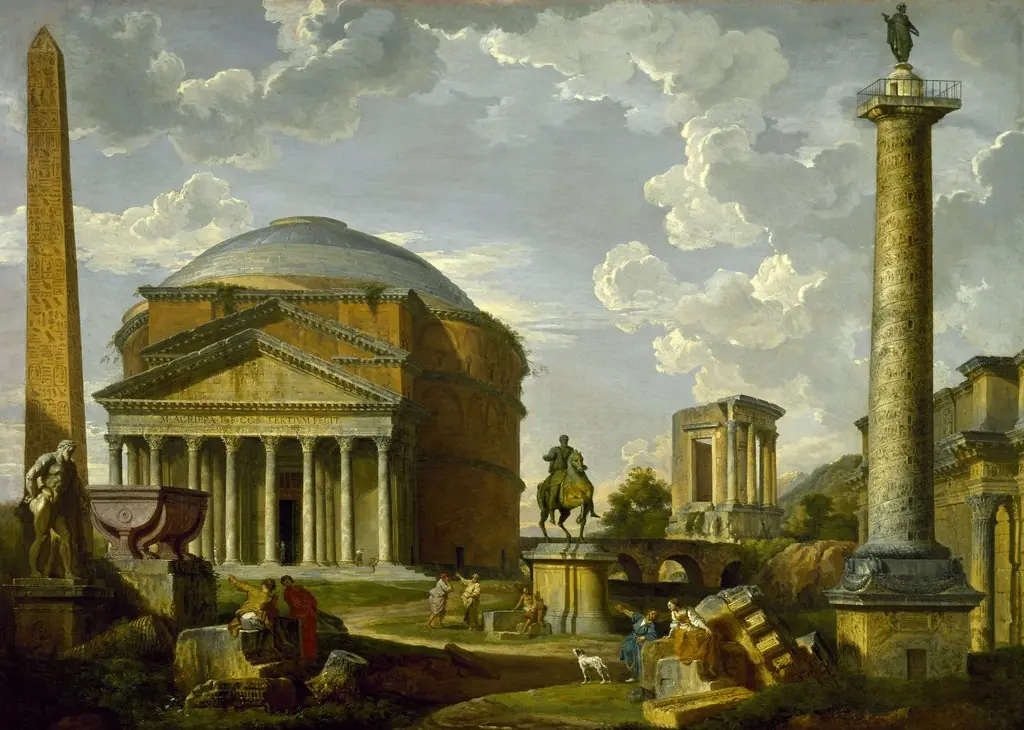
Ferdinando Partini's 1794 oil painting, View of Pantheon, depicts the exterior of the ancient Roman Pantheon situated within the Piazza della Rotonda.
Ferdinando Partini's 1794 oil painting, View of Pantheon, depicts the exterior of the ancient Roman Pantheon situated within the Piazza della Rotonda. The composition specifically includes the adjacent Fountain of the Pantheon, framing the architectural subject within its active urban context. As a veduta, the work functions as a topographical record of the site as it appeared in the late eighteenth century.
The imagery captures the enduring presence of the classical monument alongside contemporary civic life, emphasizing the relationship between the historic structure and the public square that surrounds it. The inclusion of the fountain and the piazza grounds the ancient temple in its living environment rather than isolating it as a ruin or abstract form.
History & Provenance
The painting View of Pantheon by Ferdinando Partini is dated to 1794, aligning with the artist’s known period of activity during the late eighteenth century. The work entered the collection of the Metropolitan Museum of Art, where it is currently held. Its creation follows the tradition of vedute painting, capturing the architectural and urban landscape of Rome’s Pantheon and its surrounding Piazza della Rotonda.
The commissioning context remains undocumented, but the painting reflects the period’s interest in documenting classical Roman landmarks through a topographical lens.
View of Pantheon, an oil painting on canvas by Ferdinando Partini dated 1794, is held in the collection of the Metropolitan Museum of Art. According to Wikidata records, the work is located at the Metropolitan Museum of Art, where it forms part of the institution's holdings. The painting depicts the Pantheon, the Piazza della Rotonda, and the Fountain of the Pantheon. No specific accession number or detailed exhibition history is documented in the available sources.
Context
Ferdinando Partini’s 1794 oil on canvas, View of the Pantheon, exemplifies late‑18th‑century Roman vedute that combine precise architectural rendering with atmospheric detail. The work, documented in the Metropolitan Museum of Art collection, reflects Partini’s focus on antiquarian subjects and his participation in the neoclassical discourse surrounding the study of ancient monuments. Its depiction of the Pantheon within the Piazza della Rotonda and the adjacent fountain illustrates both the enduring visual appeal of the monument and the period’s interest in documenting urban vistas.
Scholars have positioned the painting as a significant example of Partini’s contribution to the visual record of Rome’s classical heritage.
Overview
Ferdinando Partini's View of Pantheon, an oil painting from 1798, captures a well-known Roman landmark. This work exemplifies the neoclassical style prevalent at the time, showcasing the ancient Pantheon and its surrounding piazza. Partini, an Italian artist recognized for his detailed cityscapes, rendered this scene with careful attention to both architectural grandeur and the daily life unfolding within the urban space.
Technique & Style
Executed in oil paint, Partini's View of Pantheon reflects the neoclassical aesthetic through its precise rendering of architectural forms and balanced composition. The artist's skill in vedute (view paintings) is evident in the meticulous details, from the Pantheon's three large doors to the individual figures and animals populating the scene. The subtle play of light across the sky and buildings further enhances the realistic portrayal of the Roman setting.
Artist & collection
Artist
Ferdinando Partini was an Italian painter who was active in the 1790s. He is best known for his vedute of ancient buildings. His 1794 oil painting View of the Pantheon was featured in the exhibition Art of the Royal…