Subject
Fountain
Fountain is a subject in art. The gallery holds 145 works in this subject in art, including works by Titian, Thomas Cole and Seymour Joseph Guy.
A fountain—from the Latin *fons* (genitive *fontis*), "source" or "spring"—is at once a practical waterwork and one of the most enduring decorative forms in Western art. In ancient Rome fountains marked the terminus of the great aqueducts, dispensing water to the public while standing as civic emblems of abundance and imperial prosperity; the more ambitious took the form of the *nymphaeum*, a grotto-like shrine where engineering edged toward spectacle. The medieval centuries built few new fountains, largely maintaining surviving Roman infrastructure, but the Italian Renaissance inaugurated a deliberate revival in which sculpture became central. A characteristic type emerged—a vertical support rising through a sequence of circular or polygonal basins, crowned by a figure from which water spouted—refined by architects such as Giacomo della Porta, who balanced classical restraint against inventive hydraulic effects.
The Baroque transformed the fountain into theatre. Italian designers embraced *giochi d'acqua*, "water games," choreographing jets, cascades and reflective pools alongside dynamic marble. Gian Lorenzo Bernini's Fountain of the Four Rivers (Fontana dei Quattro Fiumi, 1648–51) in Rome's Piazza Navona personified the Nile, Danube, Ganges and Río de la Plata around an Egyptian obelisk, the supreme statement of the genre. The era culminated in the Trevi Fountain, begun by Nicola Salvi in 1732 and completed in 1762, one of the largest Baroque fountains in the world at roughly 26 metres high.
France answered with the gardens of Versailles, where from 1666 André Le Nôtre orchestrated waterworks as instruments of royal propaganda. The Latona Fountain (sculpted by the Marsy brothers, 1670) and the gilded Apollo Fountain (Jean-Baptiste Tuby after designs by Charles Le Brun, 1671) cast Louis XIV as the Sun King, Apollo reborn, ordering the cosmos through water.
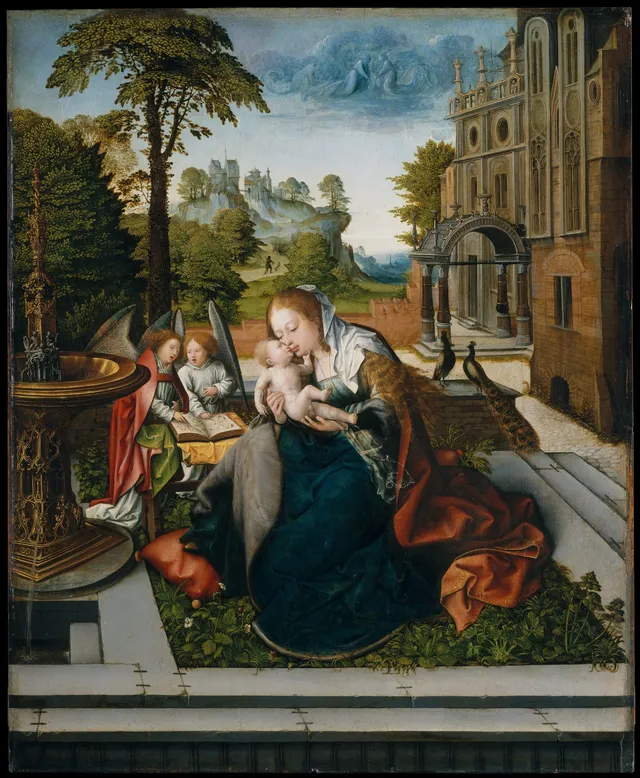
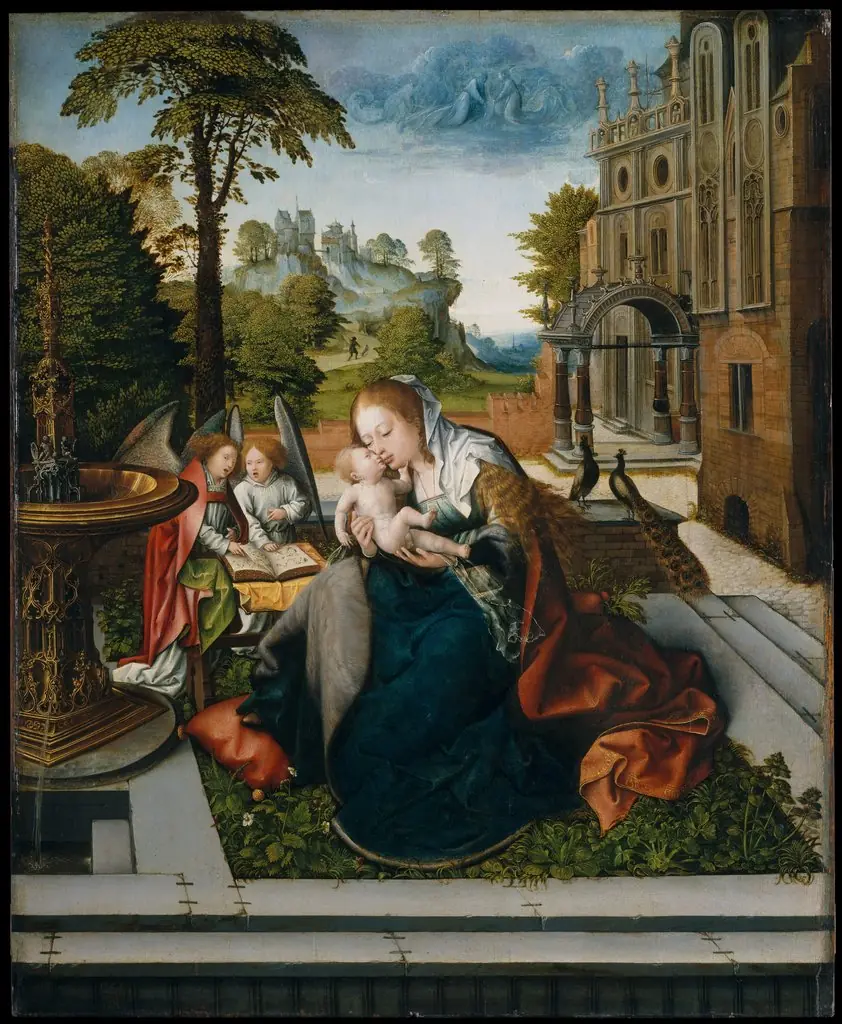
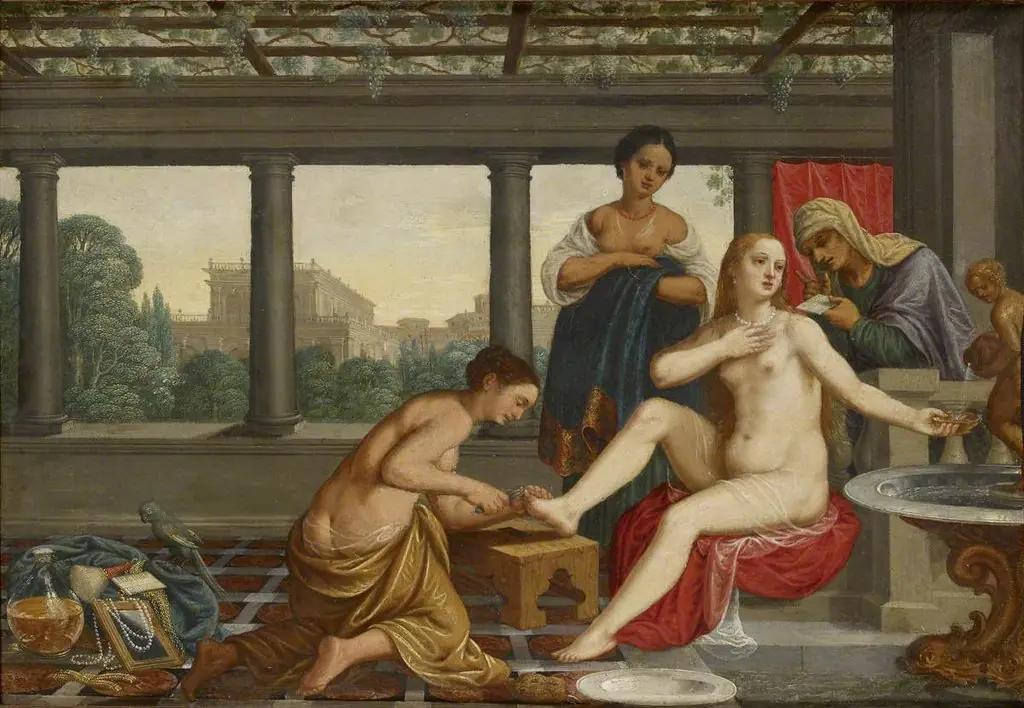
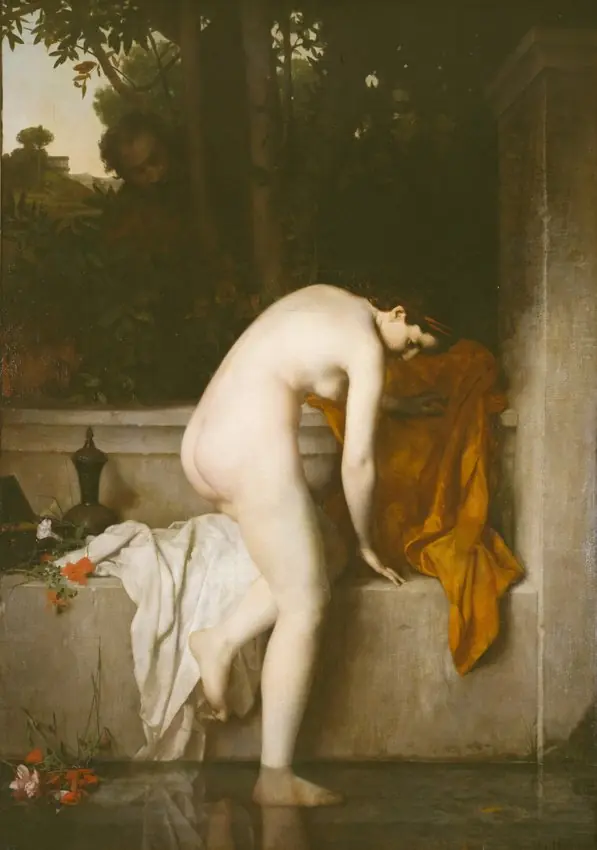
Beyond freestanding monuments, the fountain became a charged pictorial motif. As the "fountain of life" and the sealed *hortus conclusus*, it signified purity and paradise; in the Garden of Love tradition, exemplified by Peter Paul Rubens, it spoke of fertility and desire. It recurs throughout this collection—in bathing narratives such as *Susanna and the Elders* and *Landscape with Bathsheba*, in the mythological idyll of Titian's *Venus and Music*, and, more obliquely, in Thomas Cole's *The Titan's Goblet*, a colossal vessel brimming like a reservoir suspended above the world.
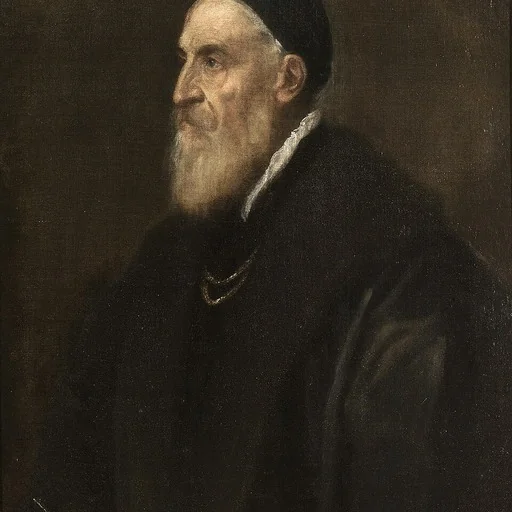
Key artists


Overview
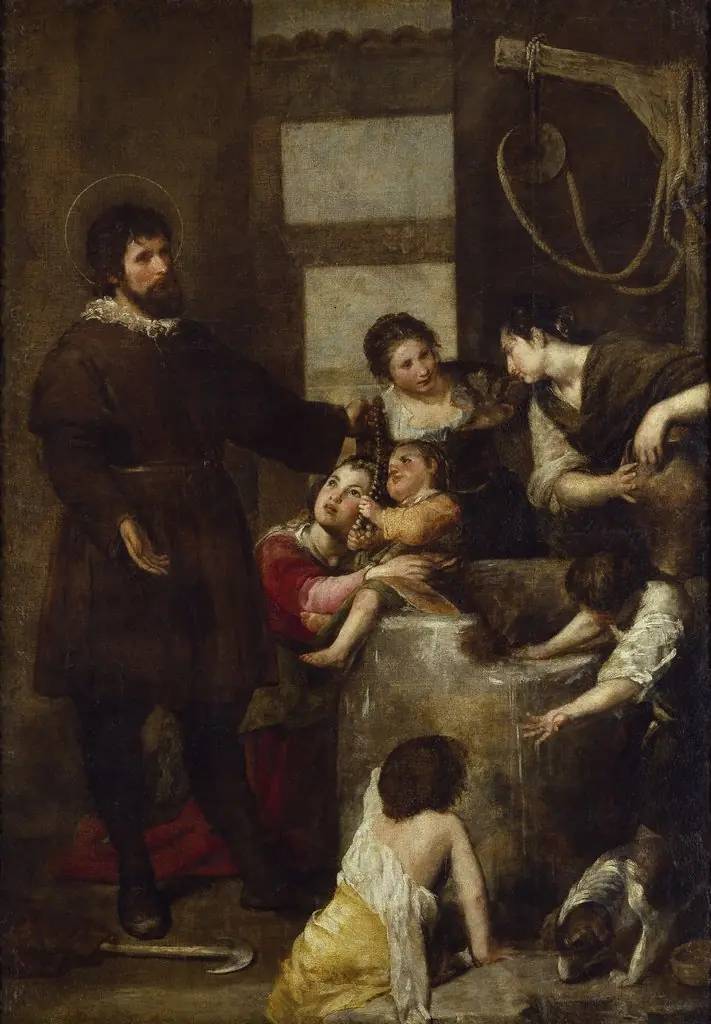
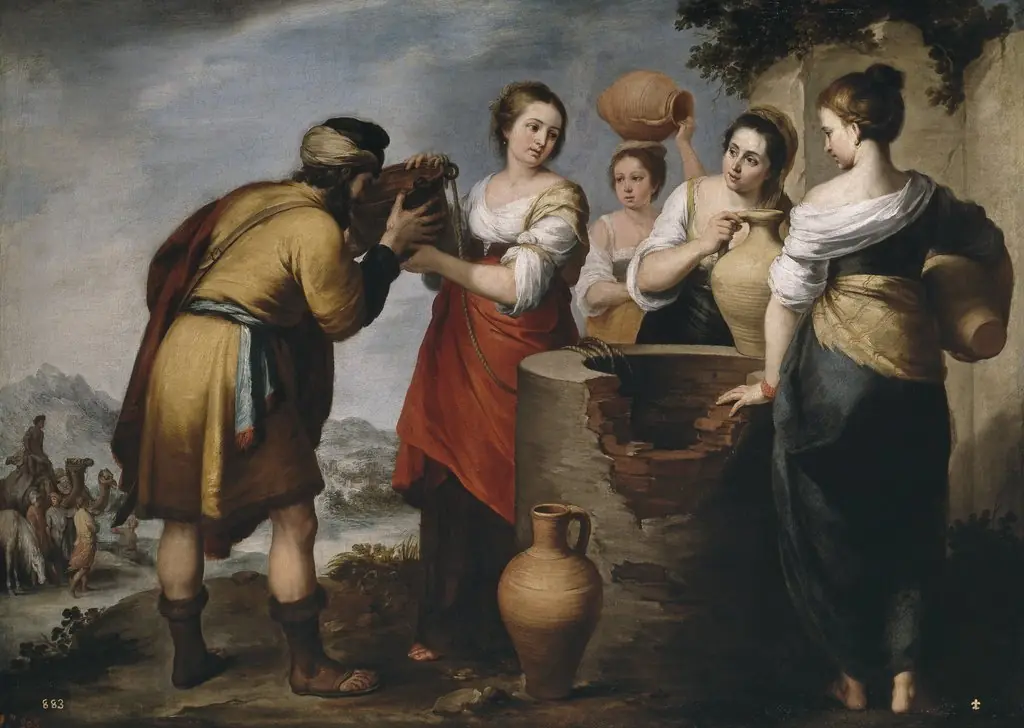
A fountain, from the Latin "fons" (genitive "fontis"), meaning source or spring, is a decorative reservoir used for discharging water, or a structure that jets water into the air for decorative or dramatic effect in landscapes. The motif appears in 162 works in this collection, ranging from mythological and biblical scenes to landscapes and devotional images. Fountains were originally purely functional, connected to springs or aqueducts to provide drinking water and water for bathing and washing. Over time, they became powerful symbols of wealth, engineering prowess, and political authority, while also serving as settings for narrative drama in art.
Iconography & meaning
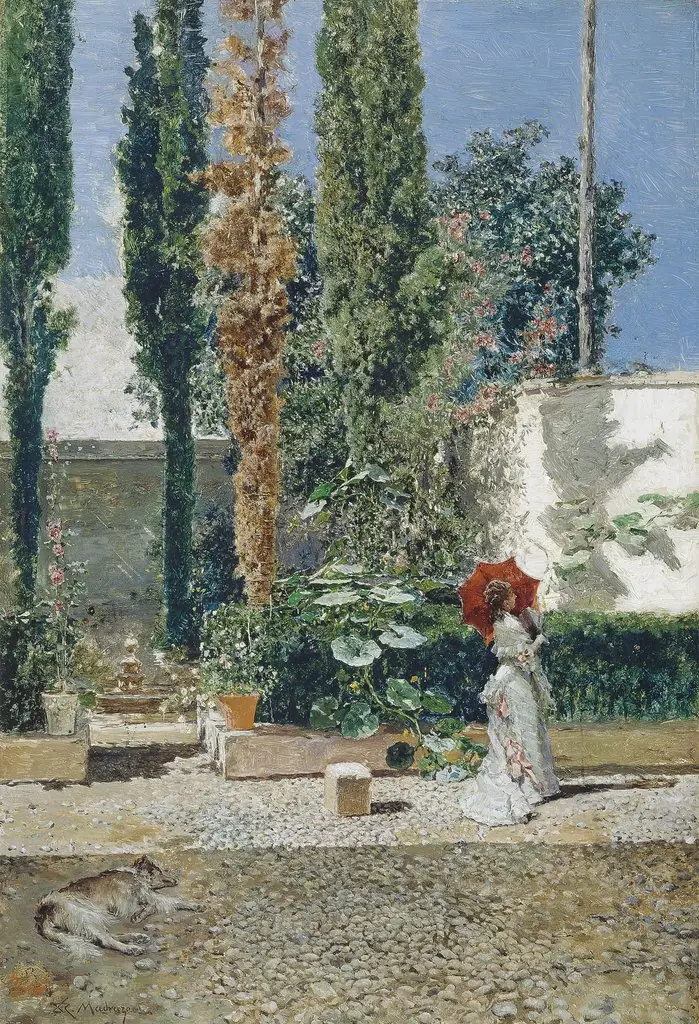
The fountain carries layered meanings across art history. As a natural or architectural source of water, it evokes life, purity, and renewal. The mythic fountain of youth represents eternal rejuvenation. In religious contexts, fountains appear in scenes of bathing and purification, notably in depictions of Bathsheba and Susanna, where the private fountain setting creates narrative tension between vulnerability and voyeurism. In garden imagery, fountains evoke paradise, particularly in Islamic and medieval Christian traditions where water features represented the gardens of Eden. Baroque fountains became demonstrations of absolute power over nature, with rulers like Louis XIV using hydraulic spectacle to embody political dominance. The fountain also functions as a social marker: in Roman art it signaled civic prosperity and imperial largesse, while in later European art it denoted aristocratic refinement and the cultivated landscape.
Across movements & periods
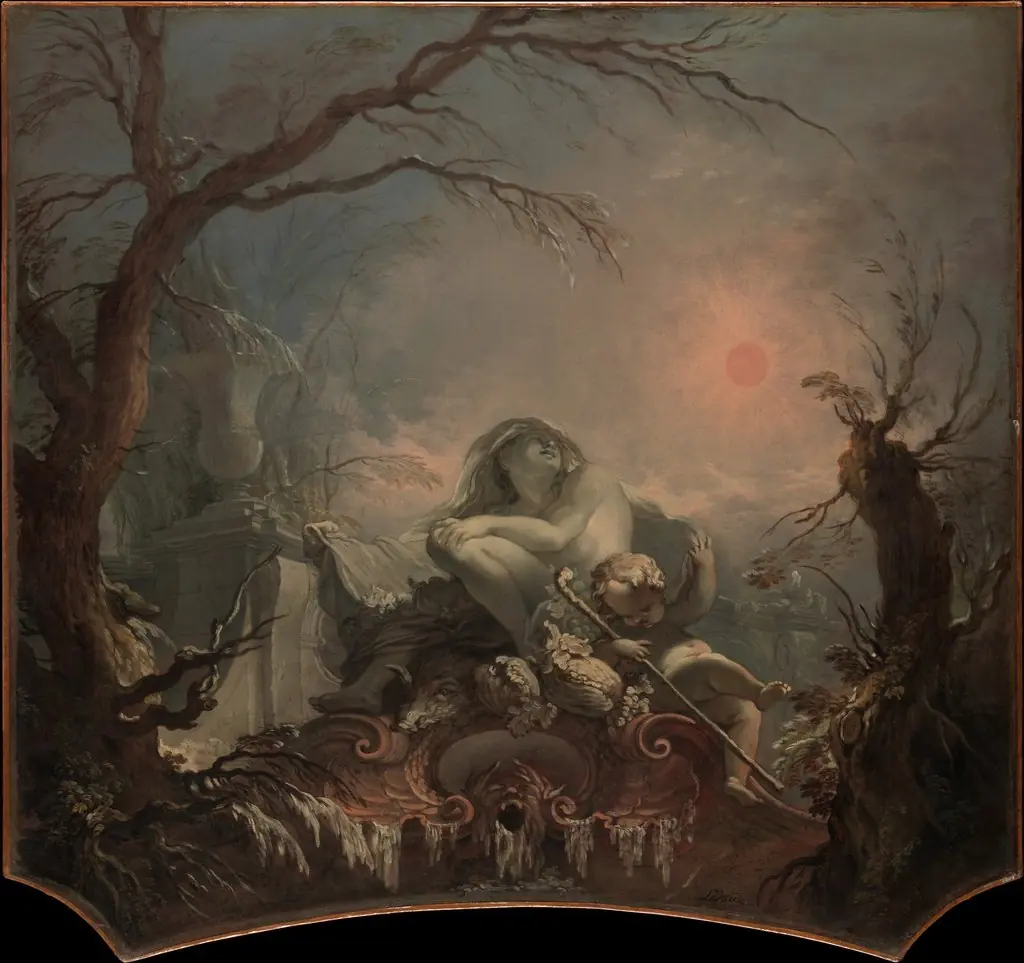
The treatment of fountains in art evolved significantly across periods. In antiquity, Greek fountains terminated aqueducts with sculpted animal masks through which water flowed, while Roman engineers achieved pressurized jets and elaborate civic monuments. Frontinus recorded 39 monumental fountains and 591 public basins in ancient Rome. Medieval fountains, often in monastic cloisters, were more modest and frequently carried biblical or moralizing imagery, such as the Fontana Maggiore in Perugia with its allegorical and historical reliefs. Islamic garden designers created miniature paradises with delicate water features, exemplified by the Fin Garden in Iran and the Alhambra's Court of the Lions. Renaissance Italy revived and surpassed antique hydraulic engineering, with the Villa d'Este at Tivoli representing the culmination of fountain design. The Baroque period saw fountains become instruments of absolutist spectacle, most famously at Versailles, where Louis XIV's fountain master François Francine coordinated displays using lead and cast-iron piping, whistle signals between fountain attendants, and reservoirs pumped by horse- or wind-driven mechanisms. The gardens at Hanover's Herrenhausen attempted to surpass Versailles with a 35-meter jet. In the classical period, the English landscape garden largely displaced formal fountain complexes in favor of naturalistic water features, though Italian gardens retained more elaborate examples.
Legacy
The fountain's legacy in art extends from functional infrastructure to pure symbol. By the end of the 19th century, as indoor plumbing replaced public fountains for water supply, urban fountains became purely decorative, with mechanical pumps enabling ever more spectacular effects. The Jet d'Eau in Geneva (1951) reaches 140 meters; King Fahd's Fountain in Jeddah achieves 260 meters. Contemporary fountains incorporate computer-controlled music, colored lights, and interactive elements. In art historical terms, the fountain remains a potent motif for examining relationships between nature and culture, public and private, and power and spectacle. The collection's diverse holdings demonstrate how artists across periods have exploited the fountain's narrative possibilities, from intimate biblical drama to expansive landscape fantasy, while the motif's persistence attests to its enduring capacity to signify abundance, refinement, and the controlled natural world.
Works
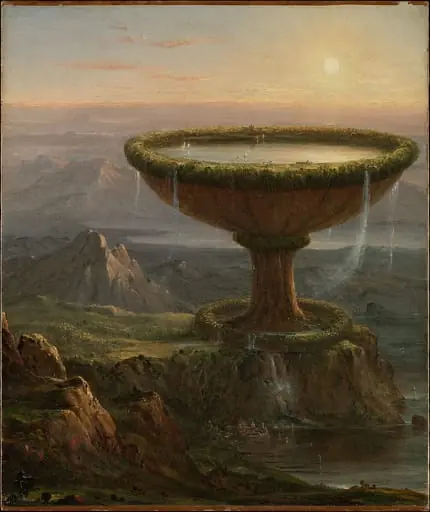 The Titan's Goblet
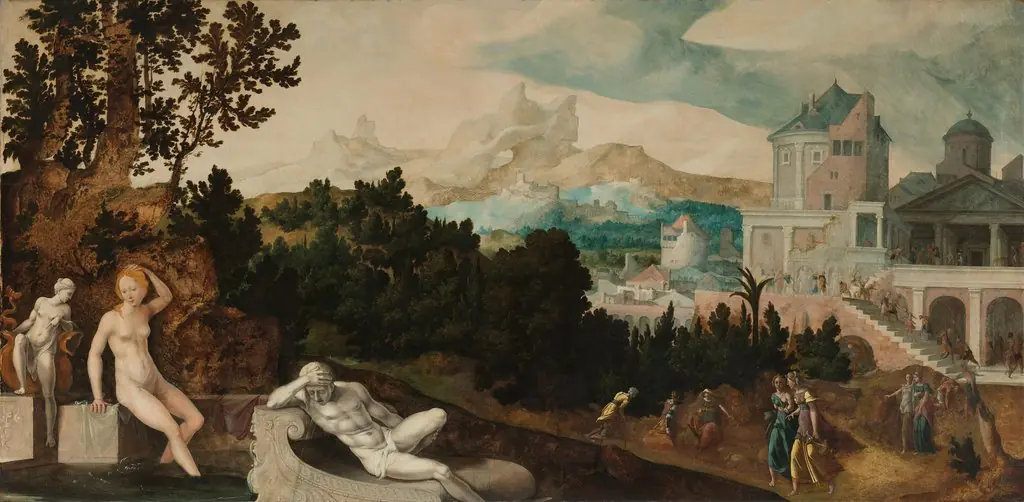 Landscape with Bathsheba
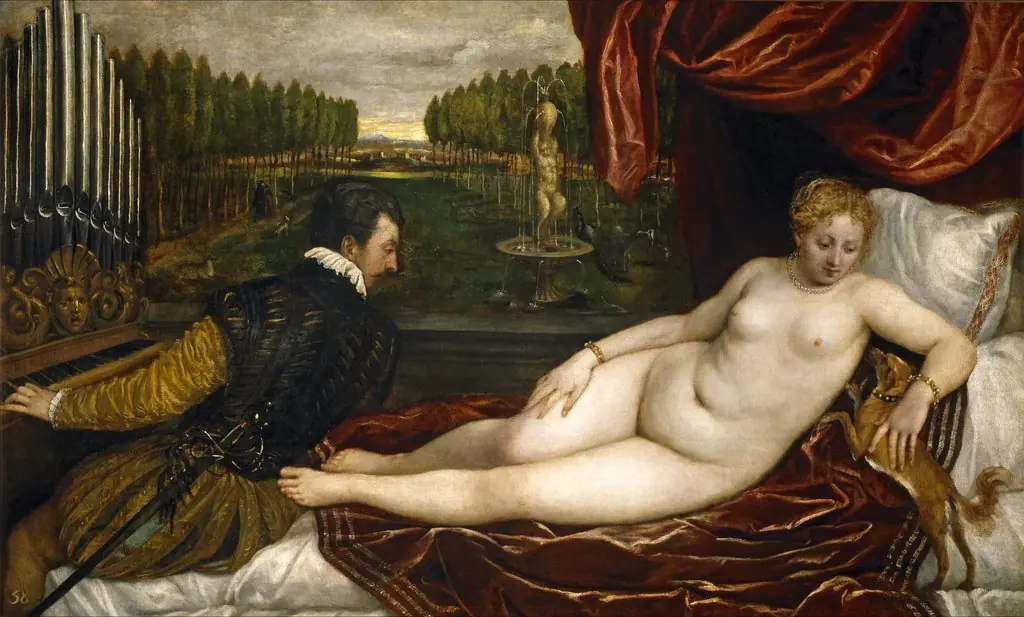 Venus and Music
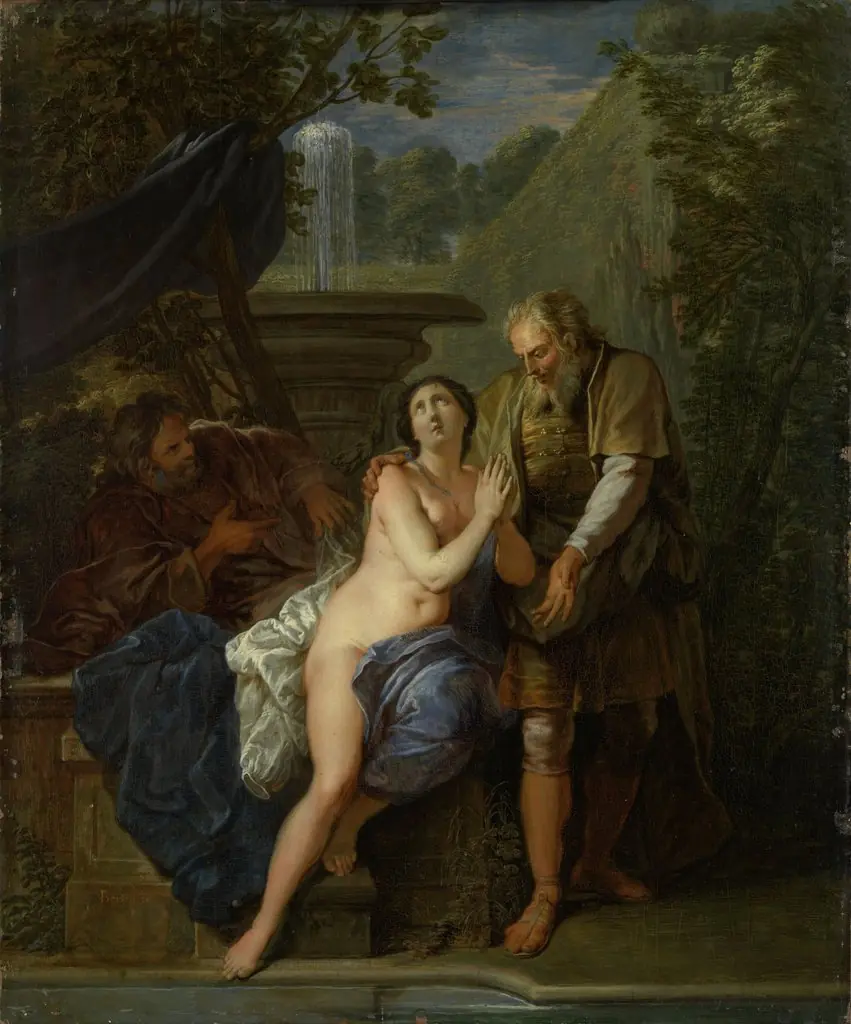 Susanna and the Elders
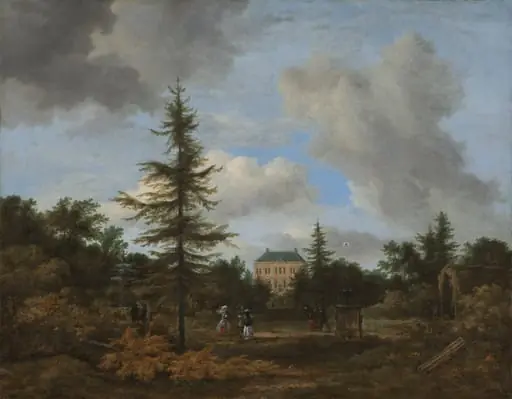 Country House in a Park
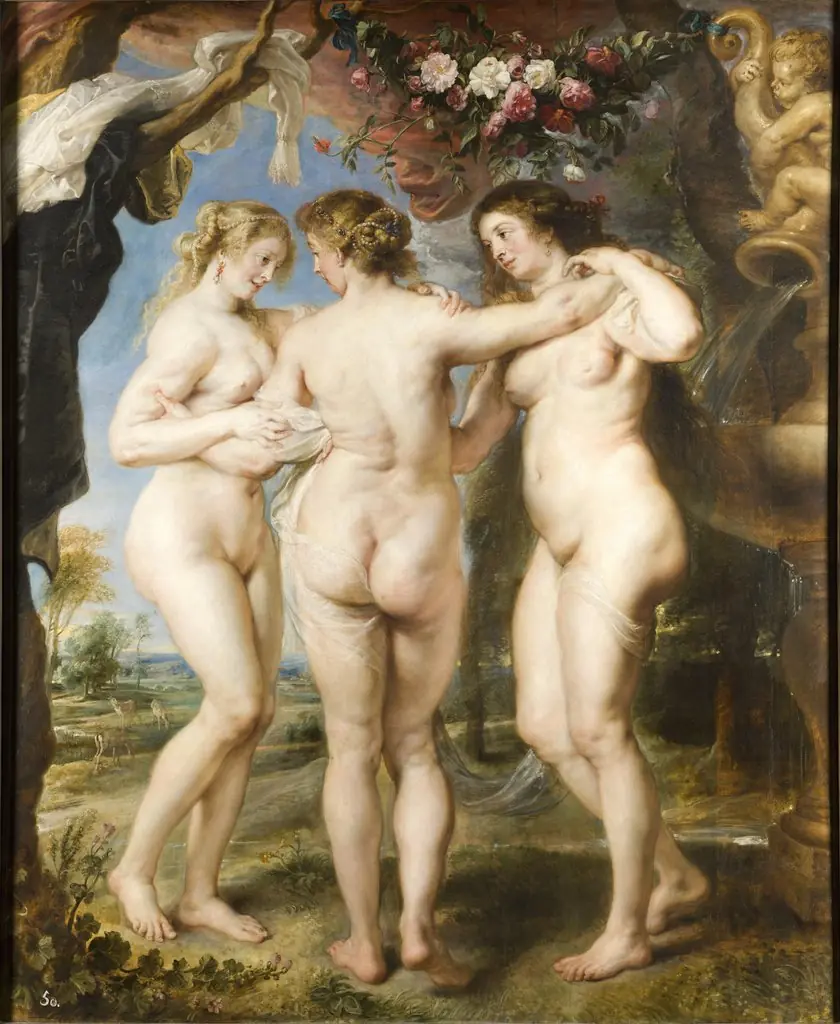 The Three Graces
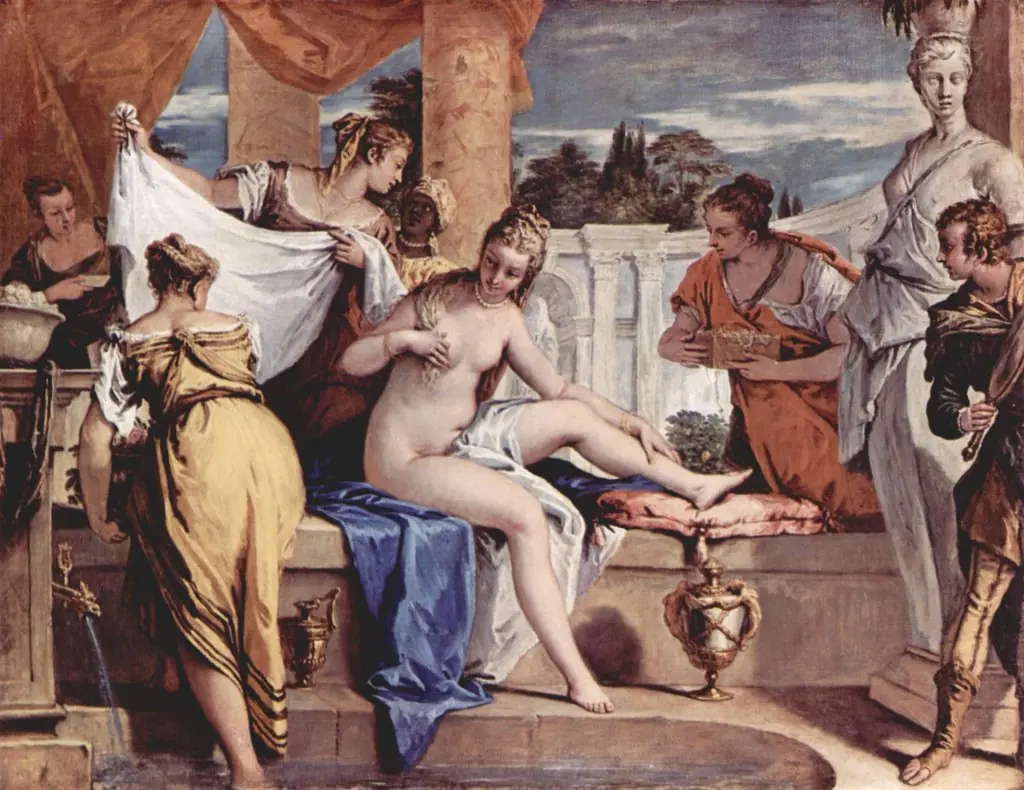 Bathsheba at her bath
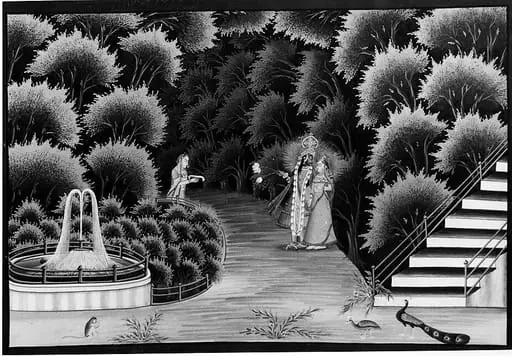 Untitled
 Virgin and Child with Angels
 Untitled
 Allegory of Winter
 Bathsheba's Bath
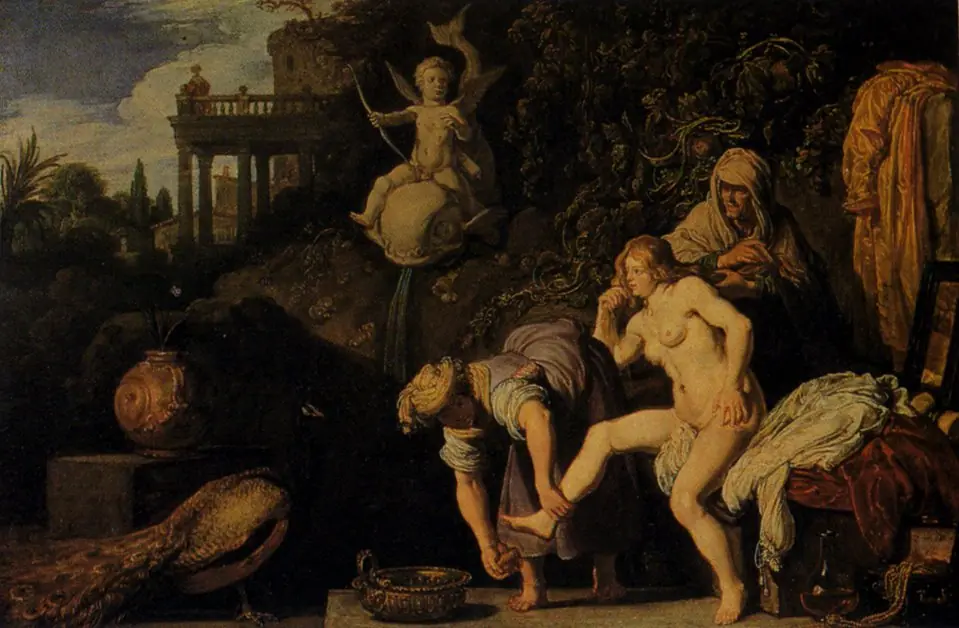 Bathsheba at her Toilette
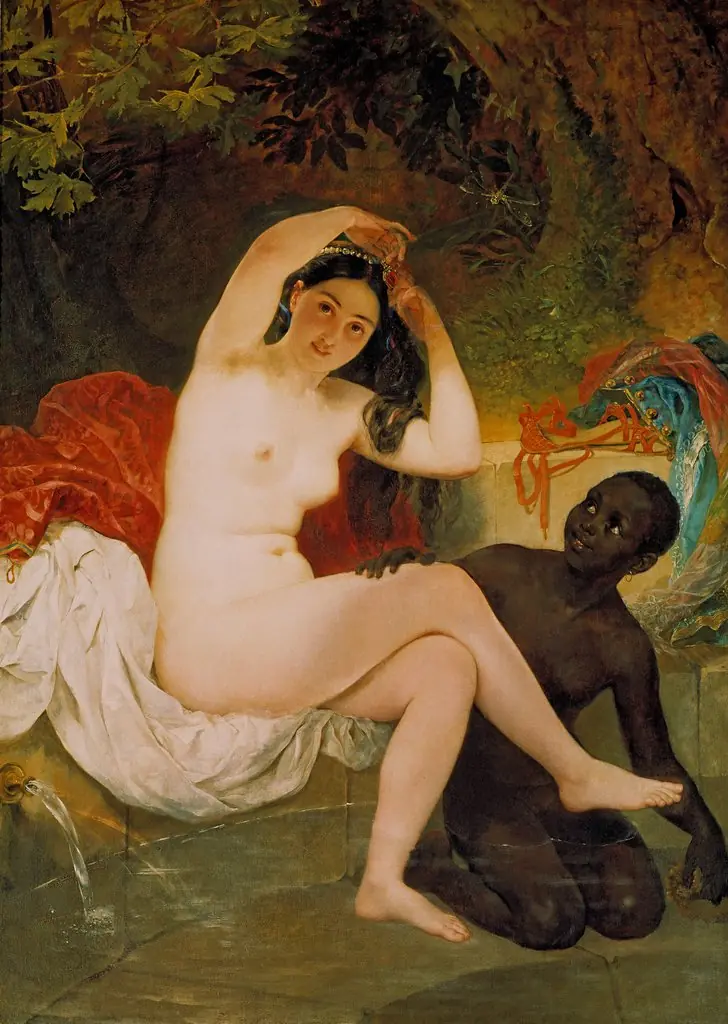 Bathsheba
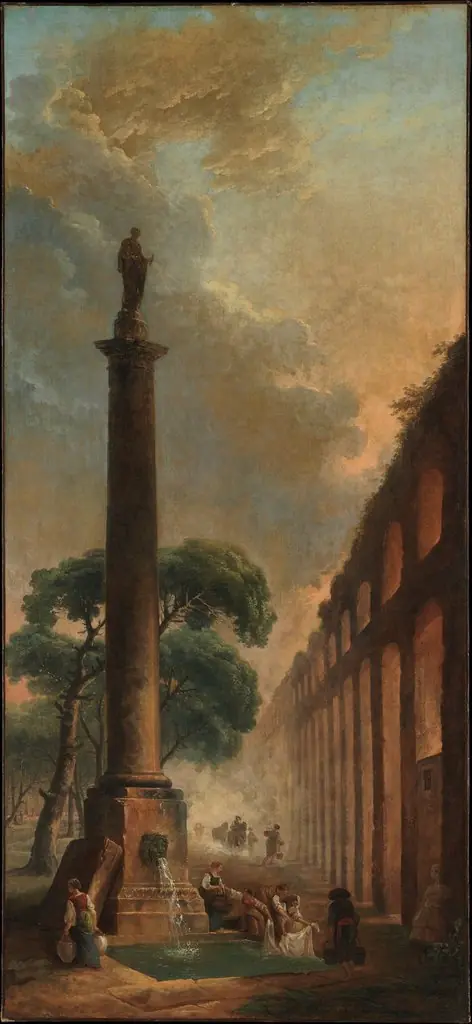 The Fountain
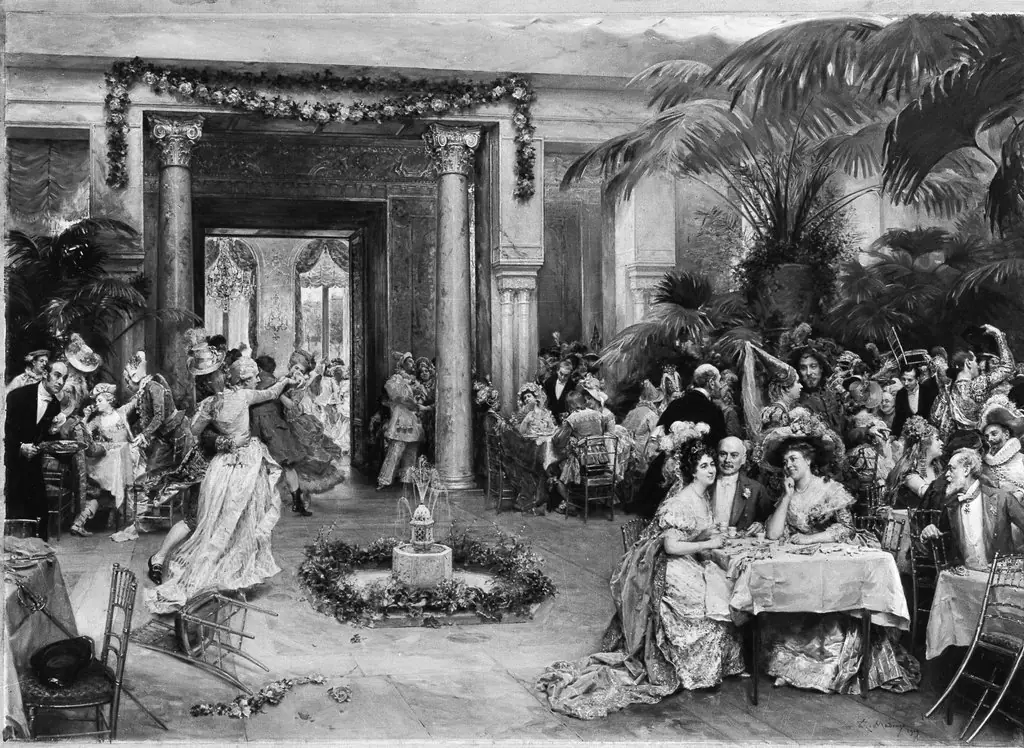 Masquerade Ball at the Ritz Hotel, Paris
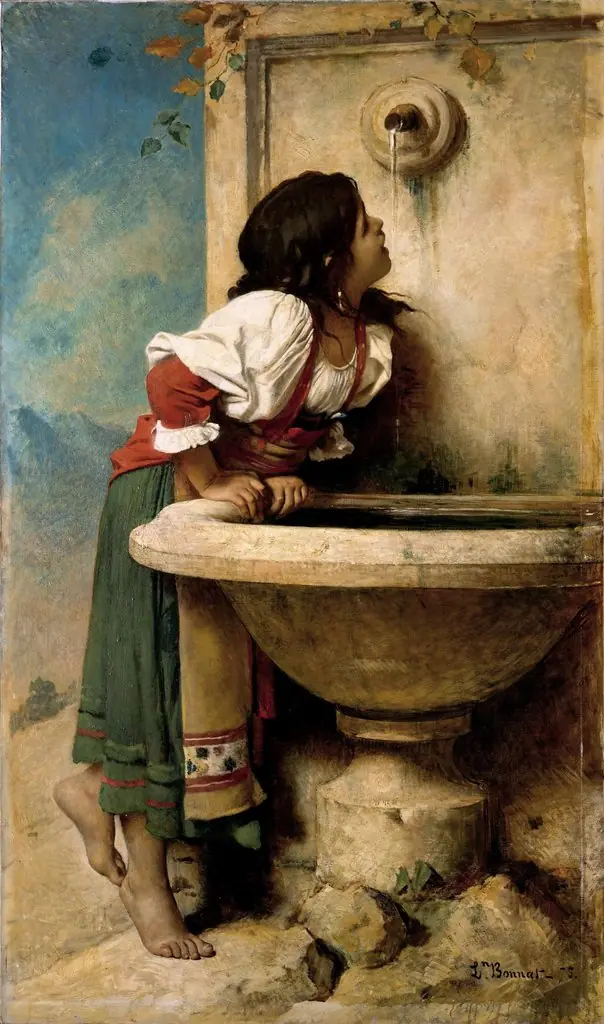 Roman Girl at a Fountain
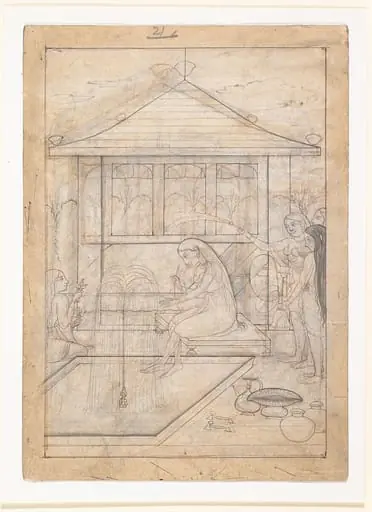 Untitled
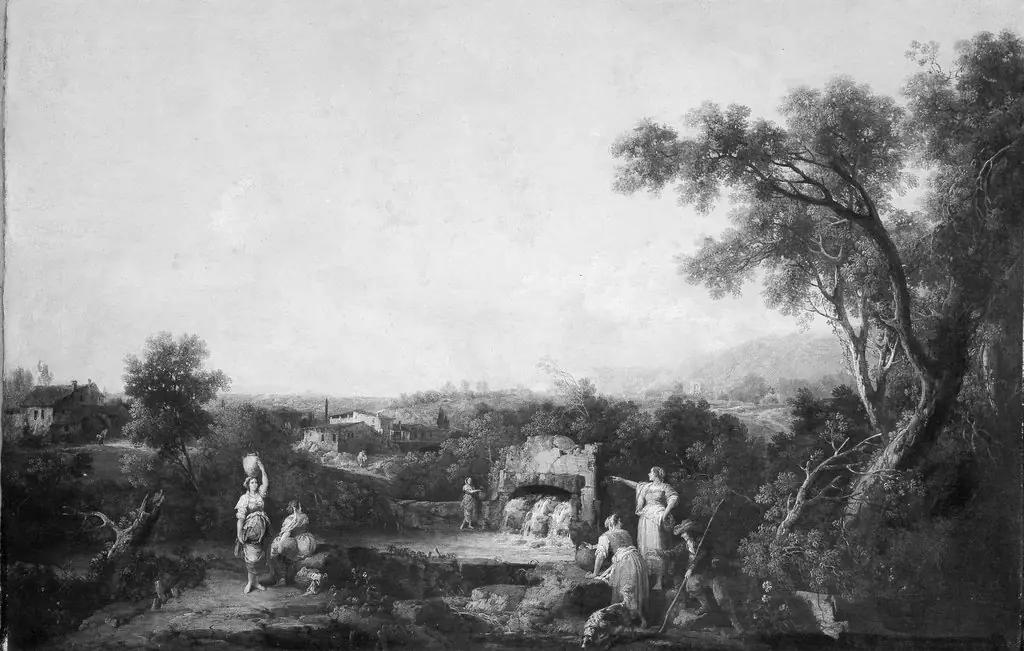 Landscape with Peasants at a Fountain
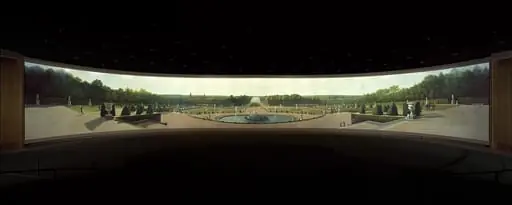 Panoramic View of the Palace and Gardens of Versailles
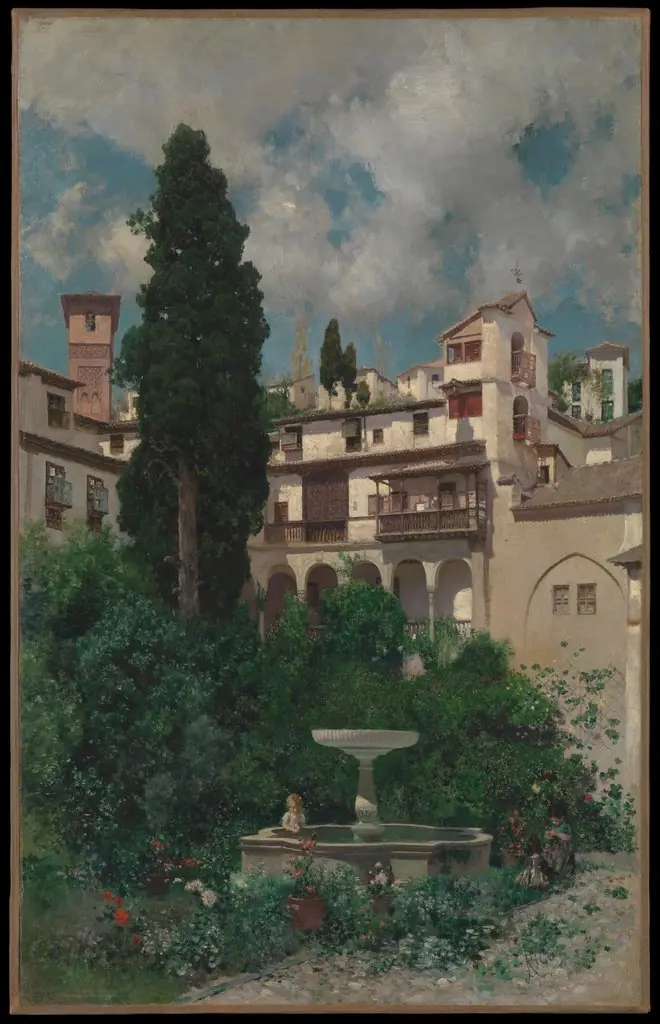 A Spanish Garden
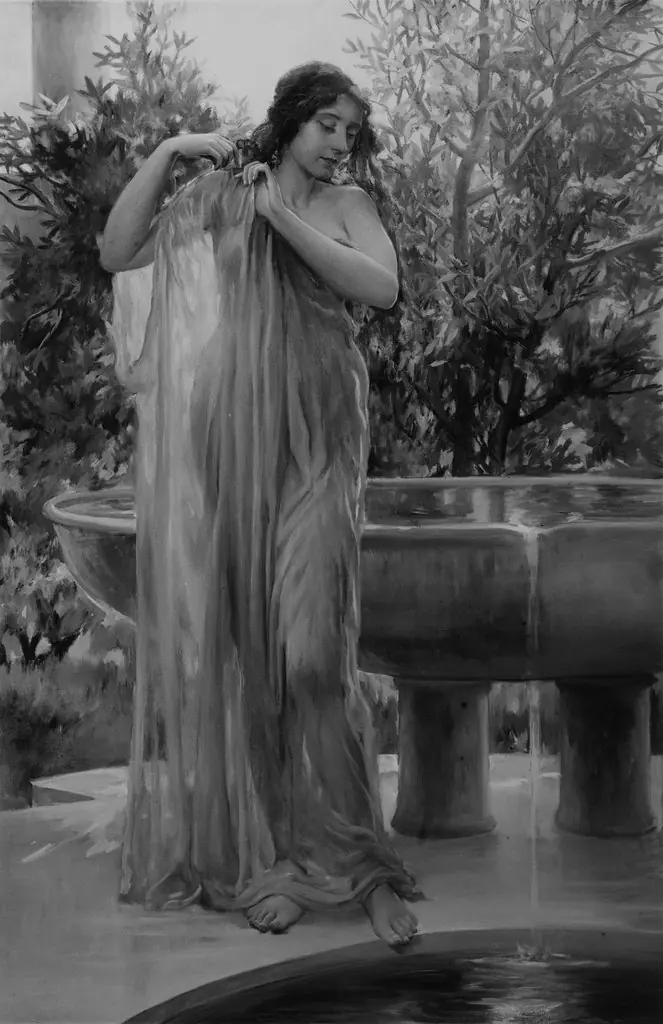 Aurora
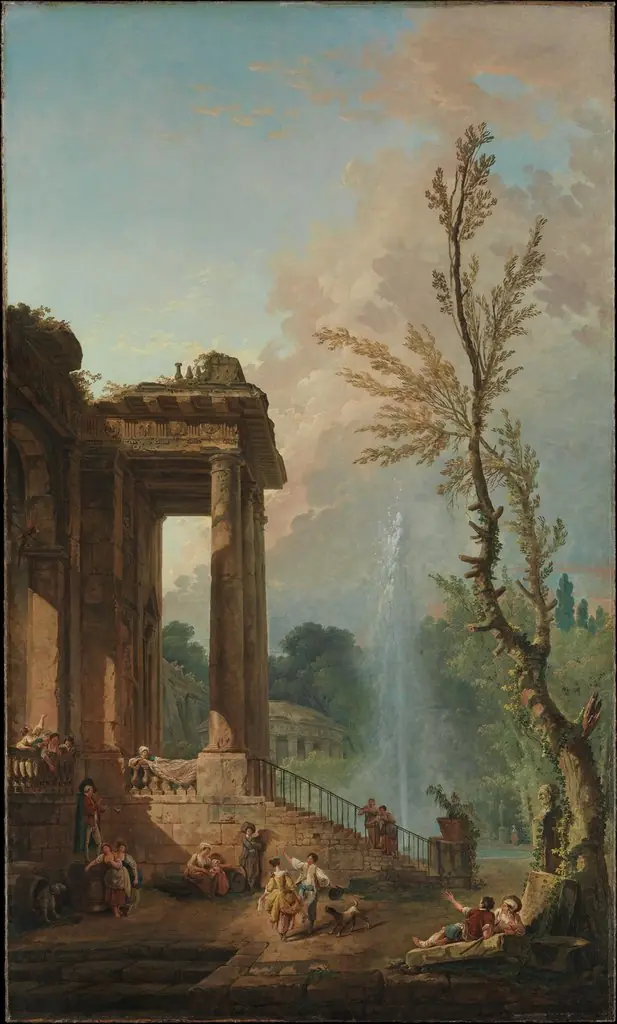 The Portico of a Country Mansion
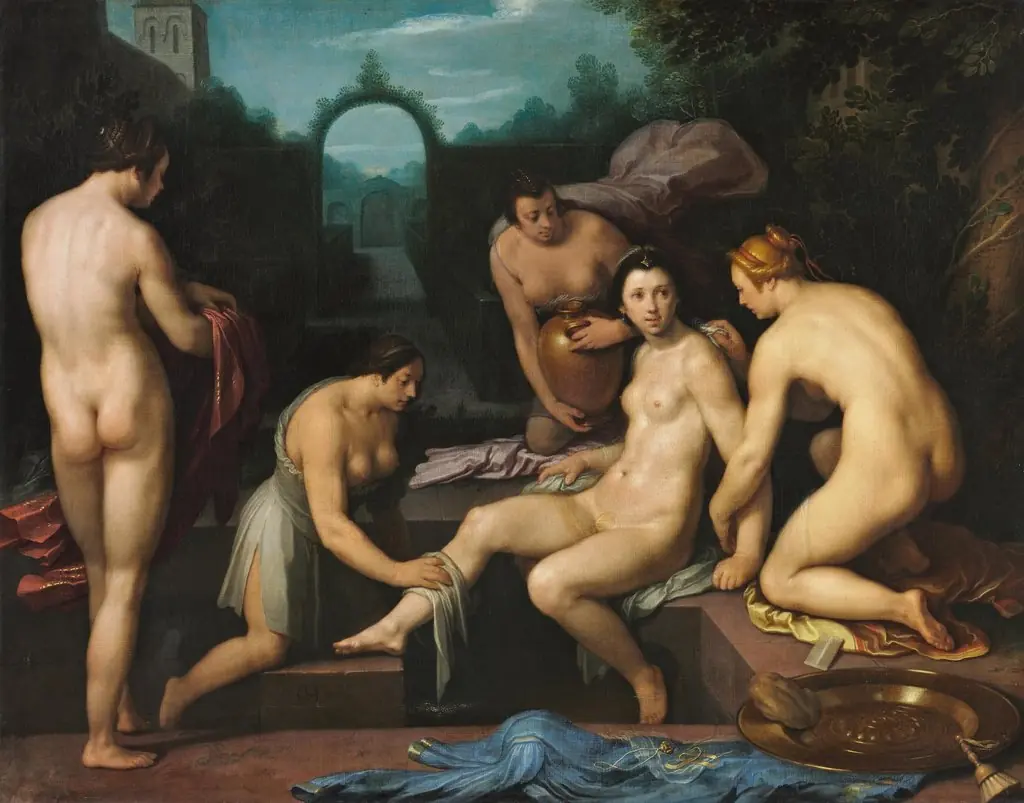 Bathsheba at her toilet
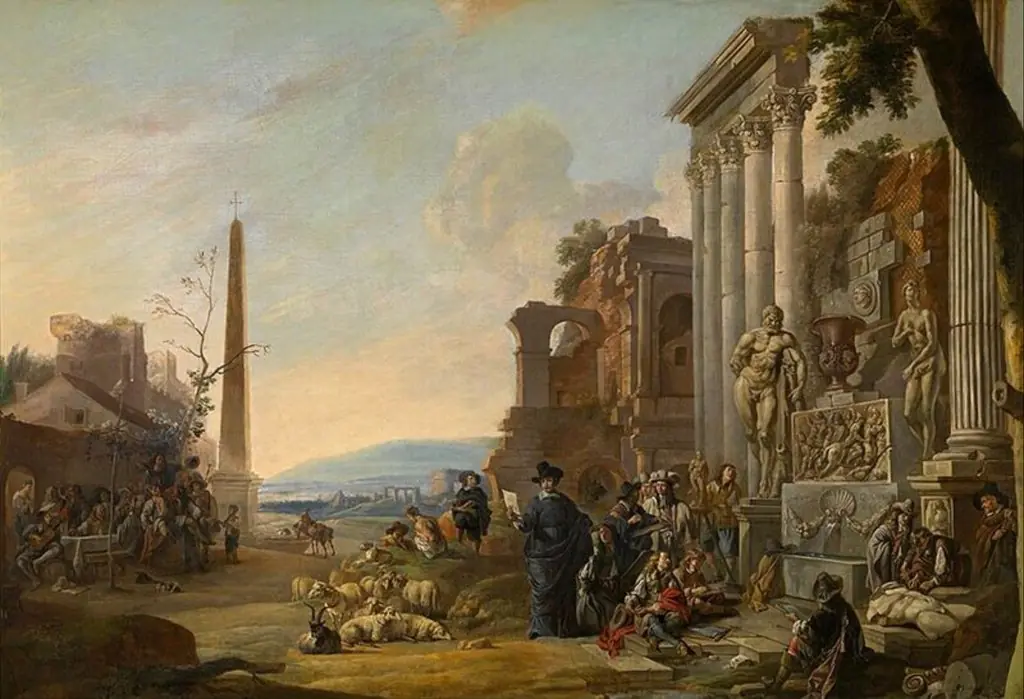 The Study of Art in Rome
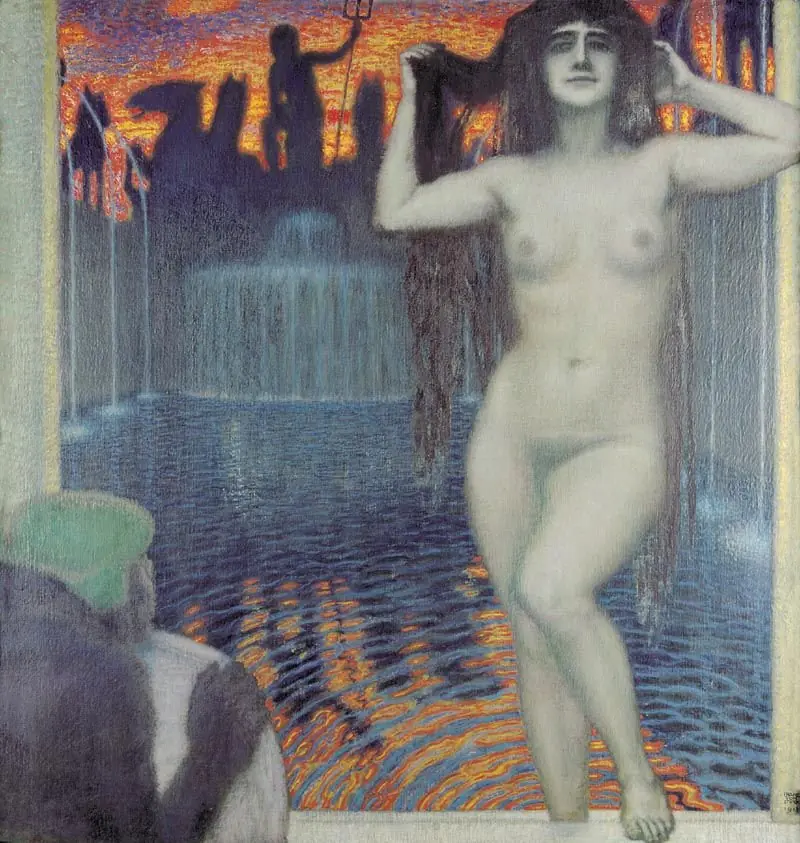 Bathsheba
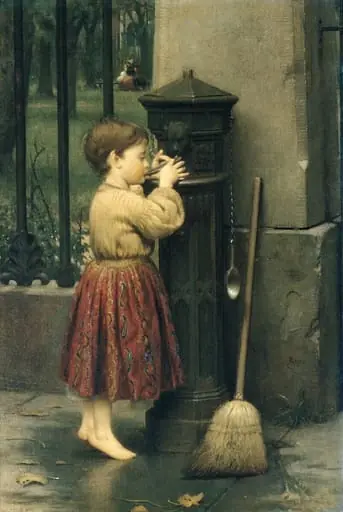 The Crossing Sweeper
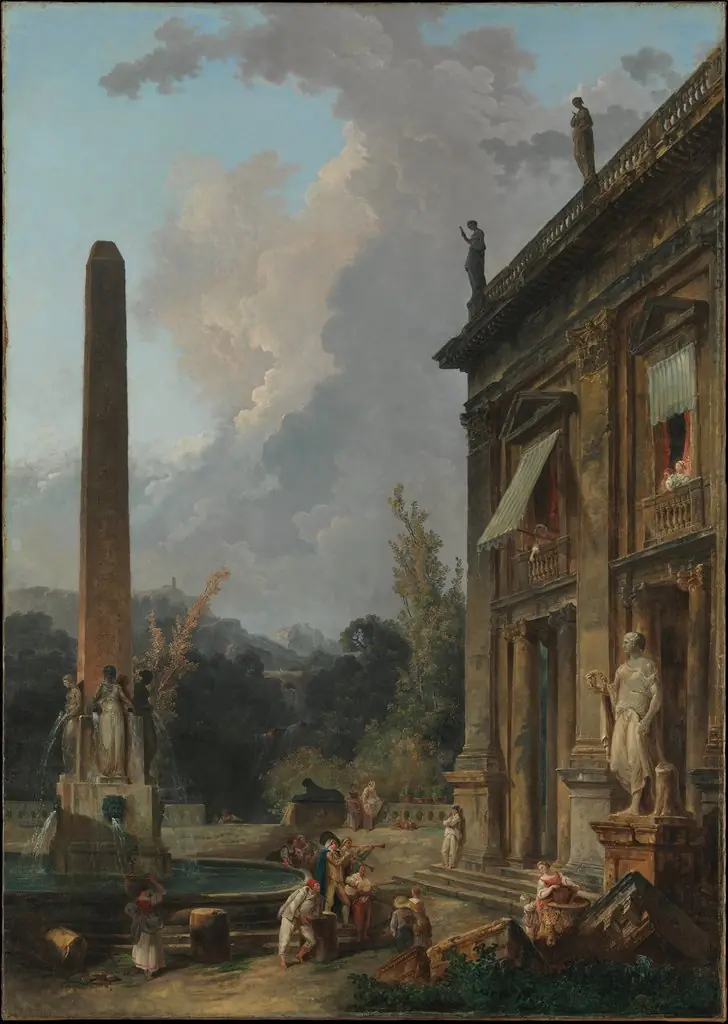 Wandering Minstrels
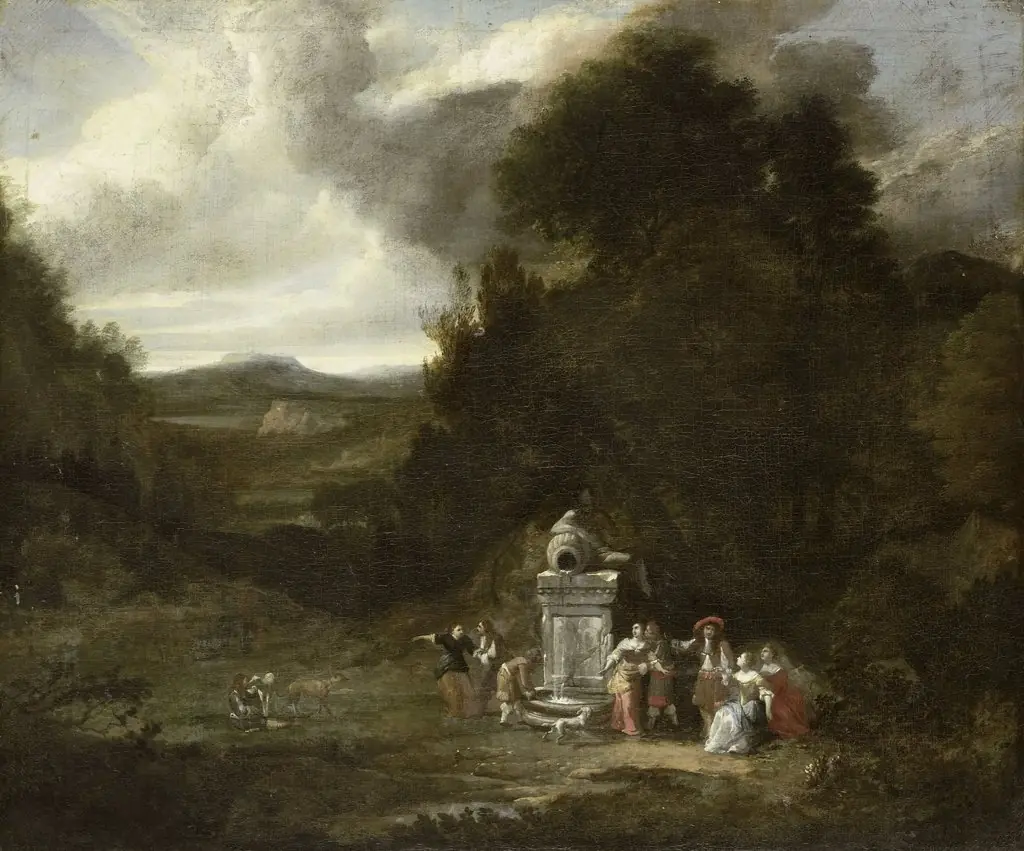 Company in a wooded landscape
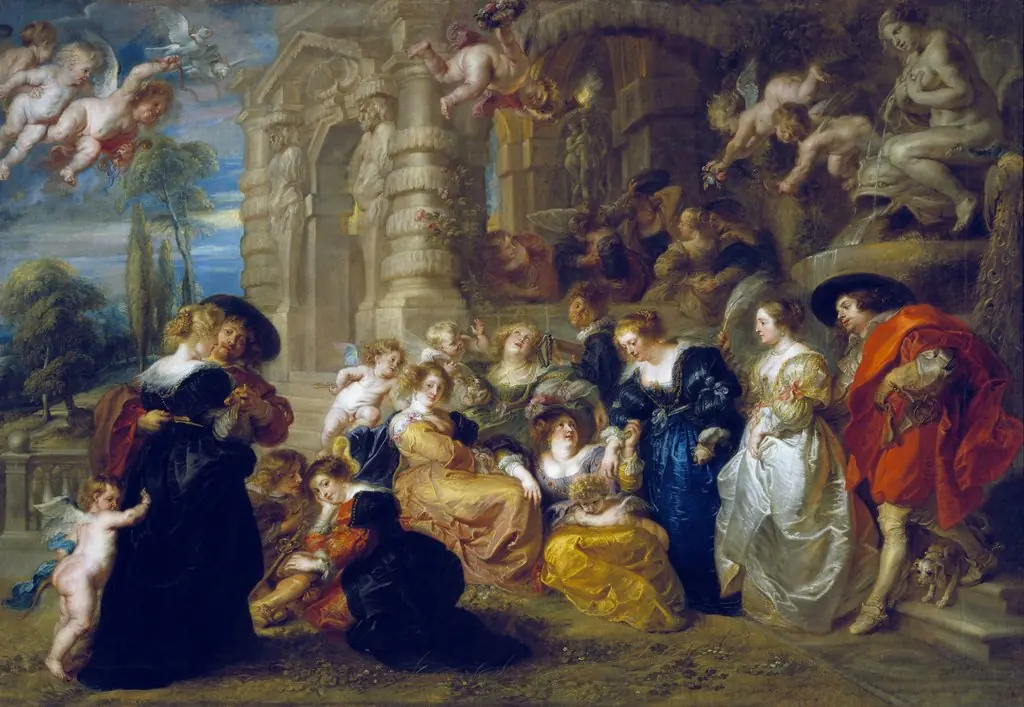 The Garden of Love
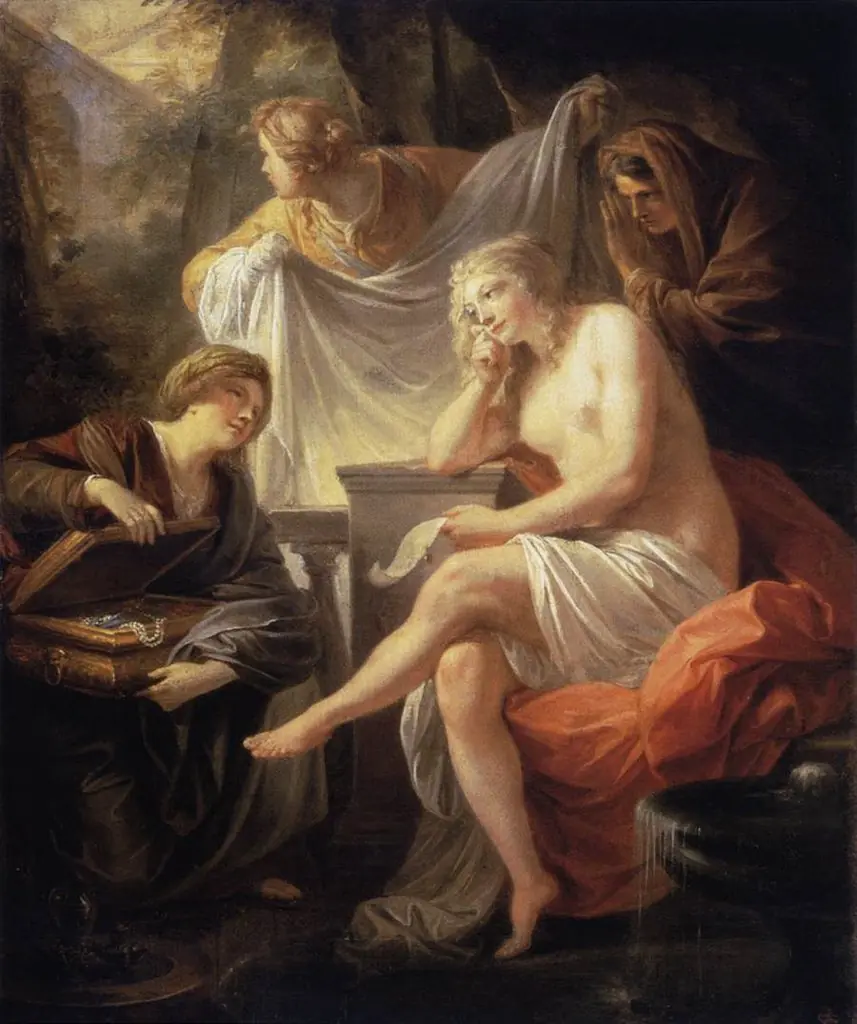 Bathsheba at her bath
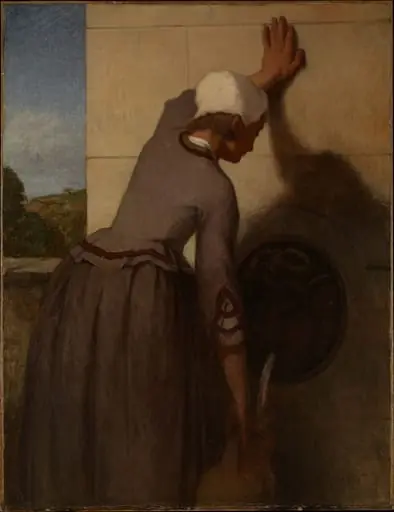 Girl at the Fountain
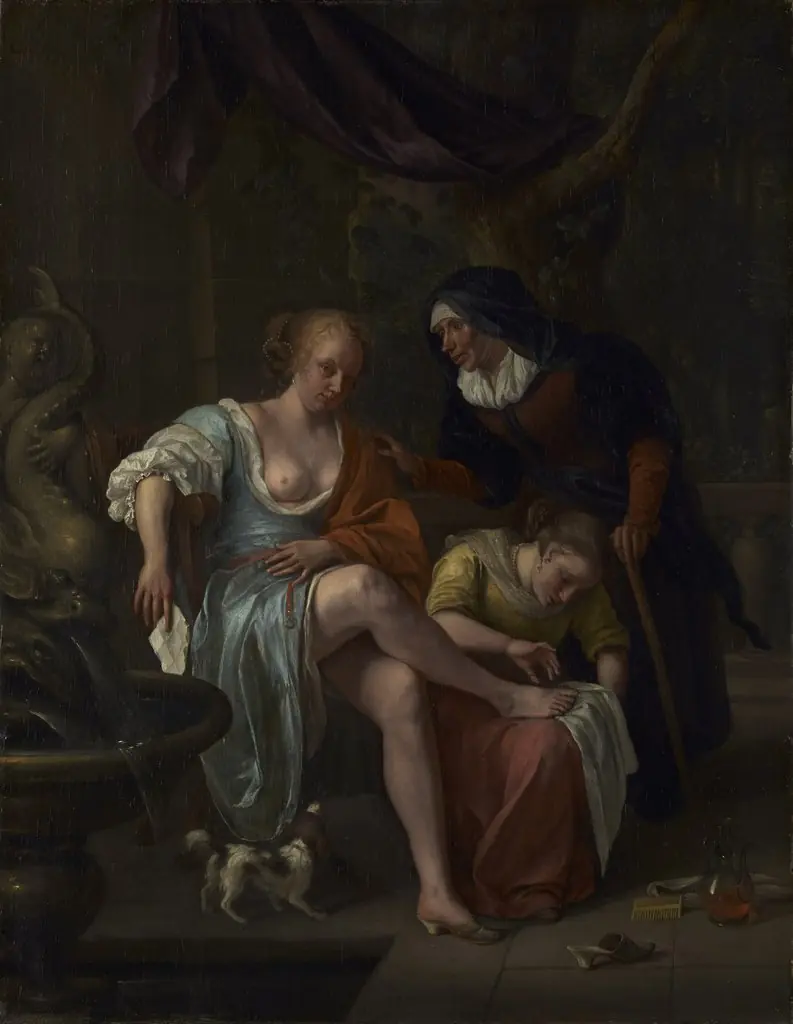 Bathsheba after the Bath
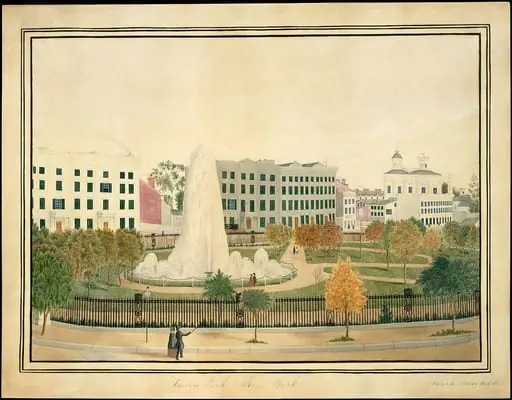 Union Park, New York
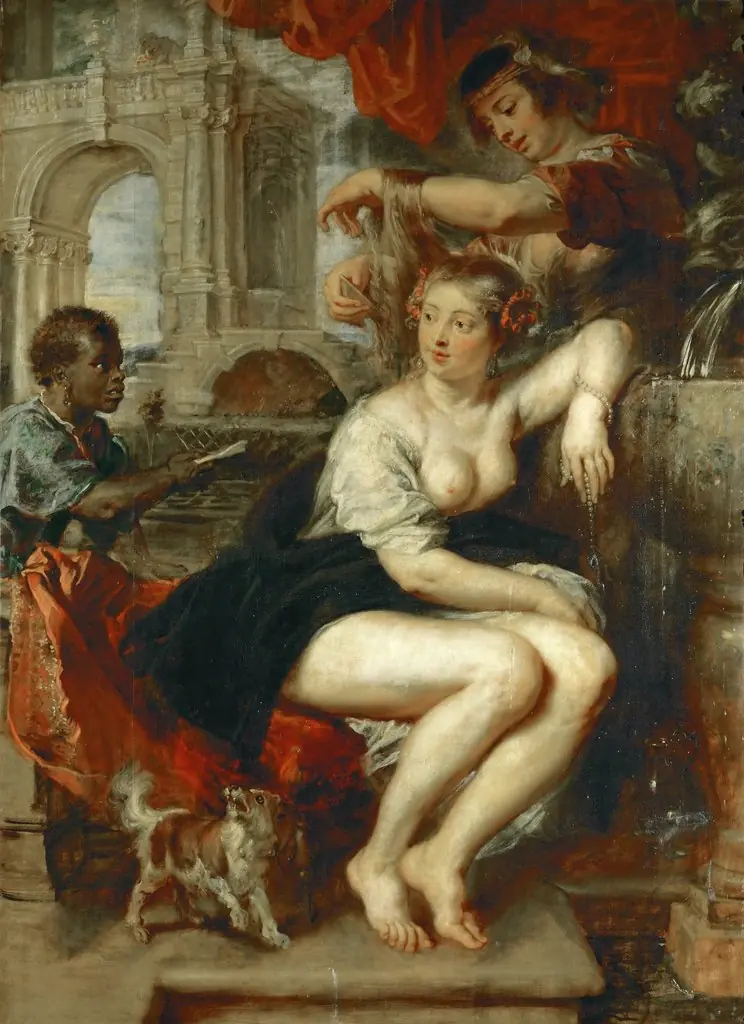 Bathsheba at Her Toilet
 A Larder
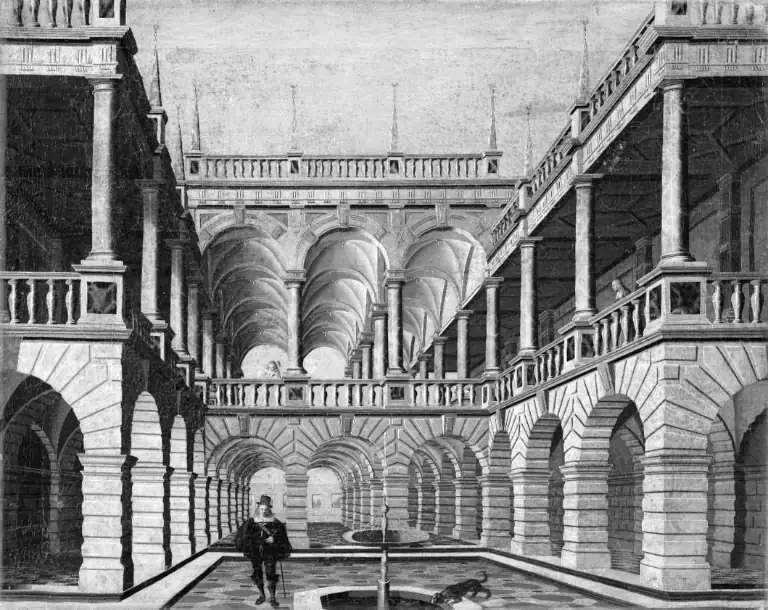 Coutyard with Arcades
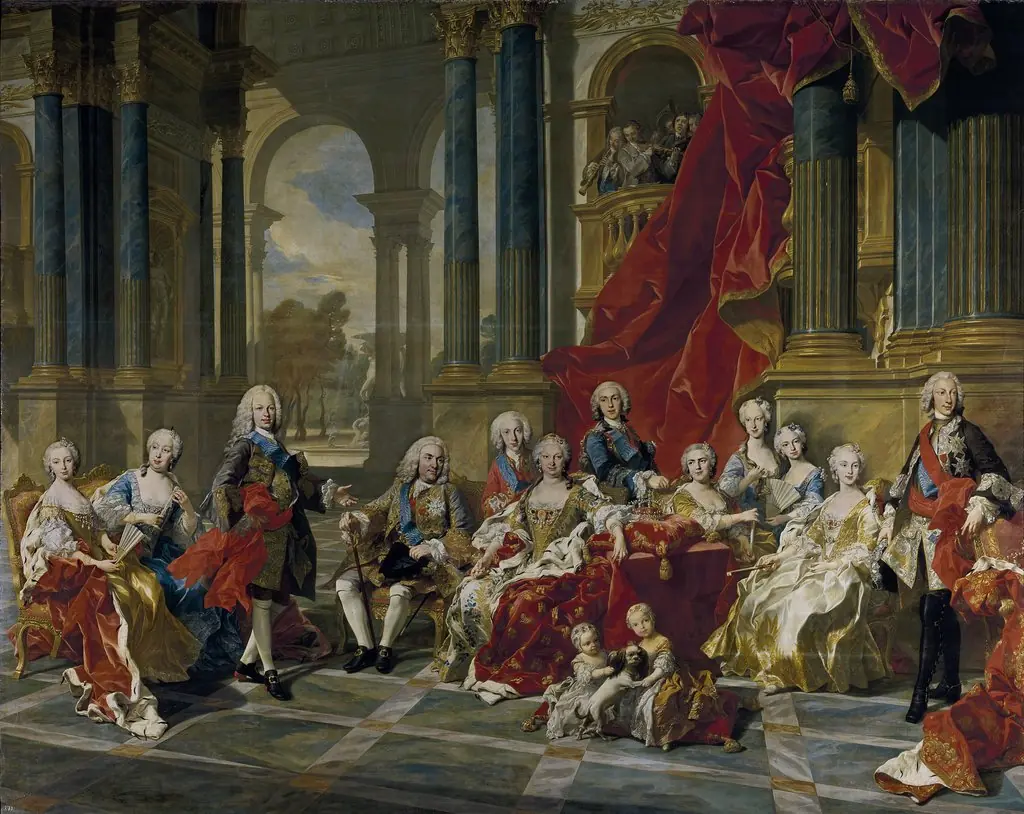 The Family of Philip V
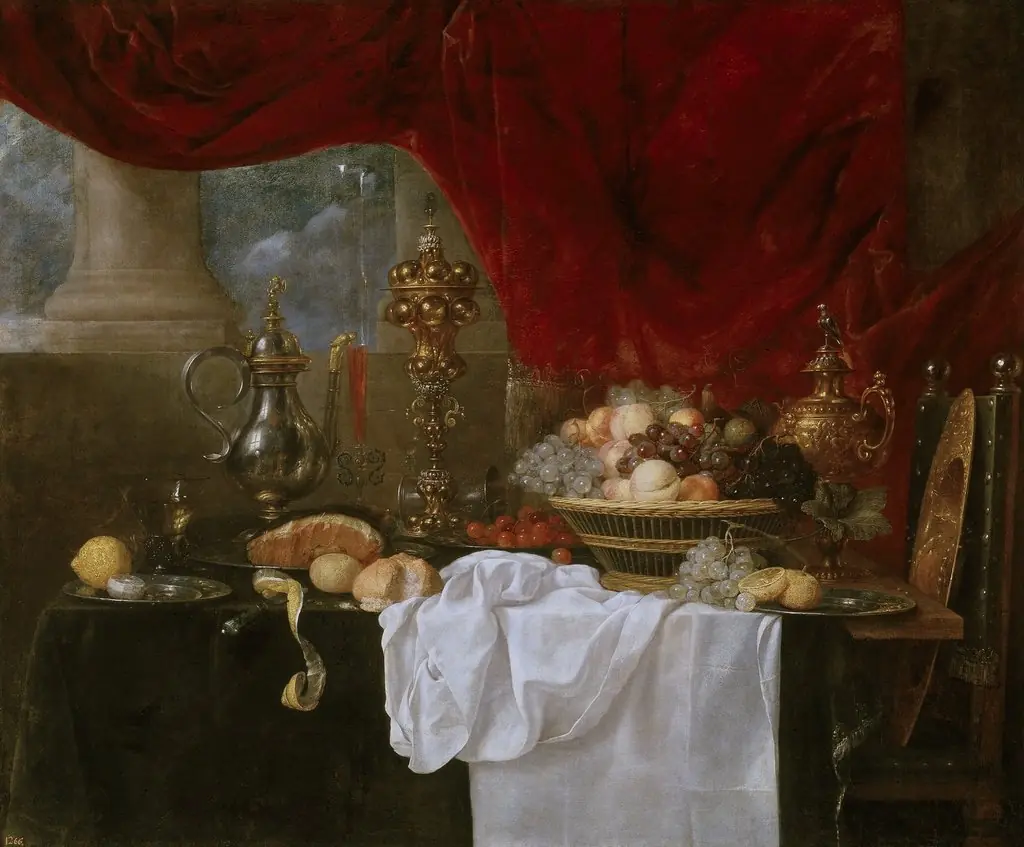 Table
Table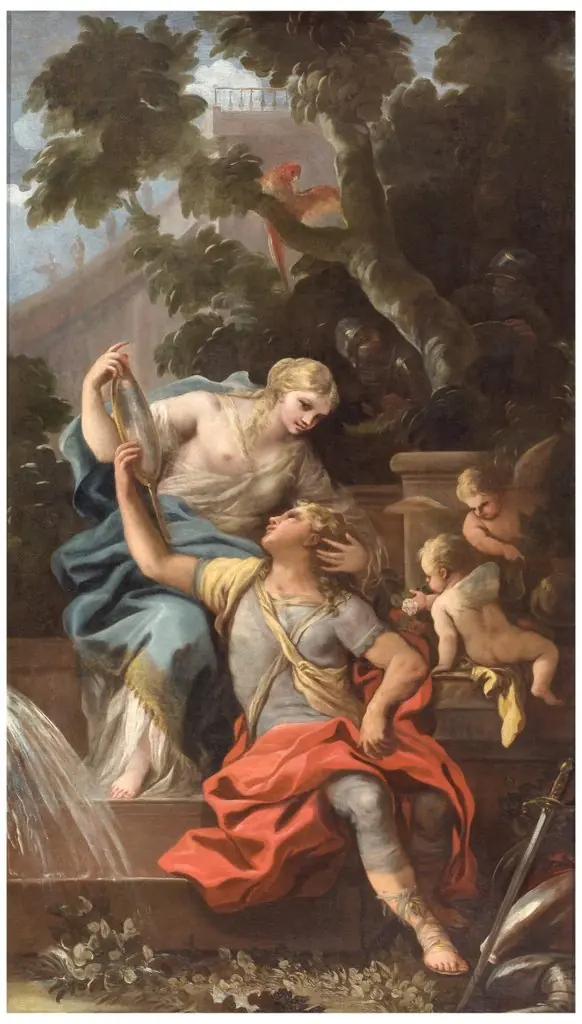 Armida and Rinaldo
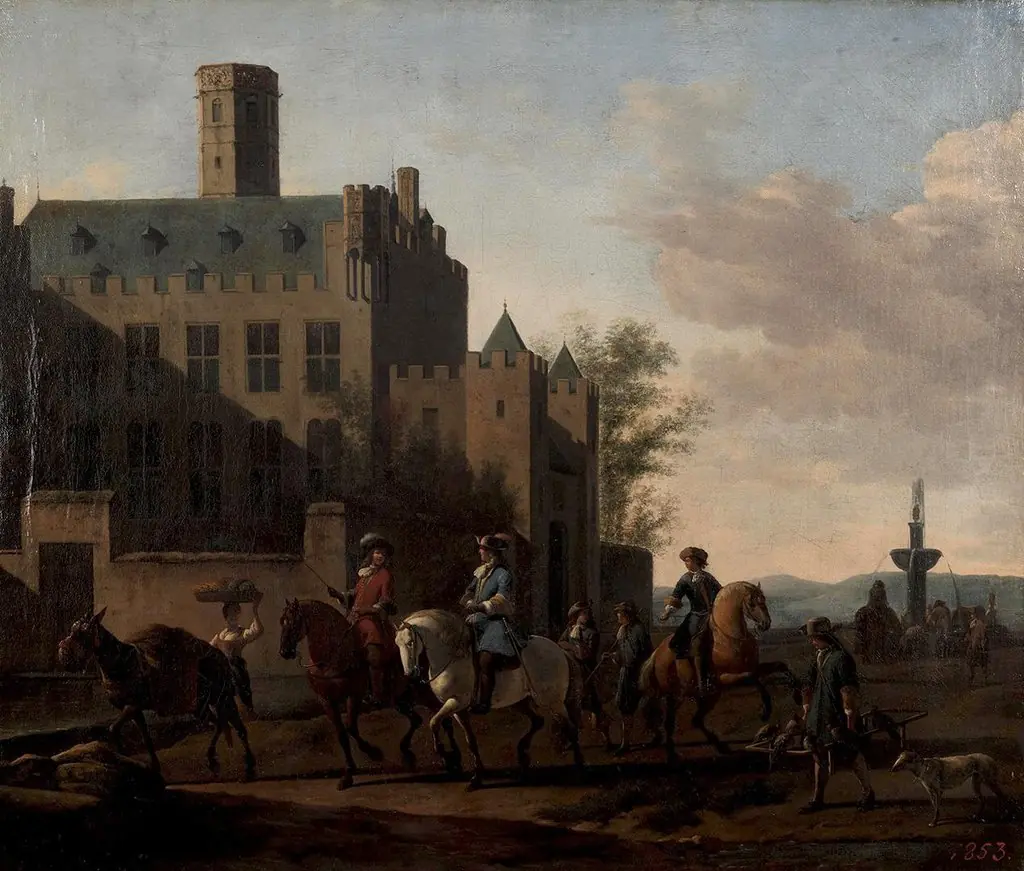 Leaving for the Hunt
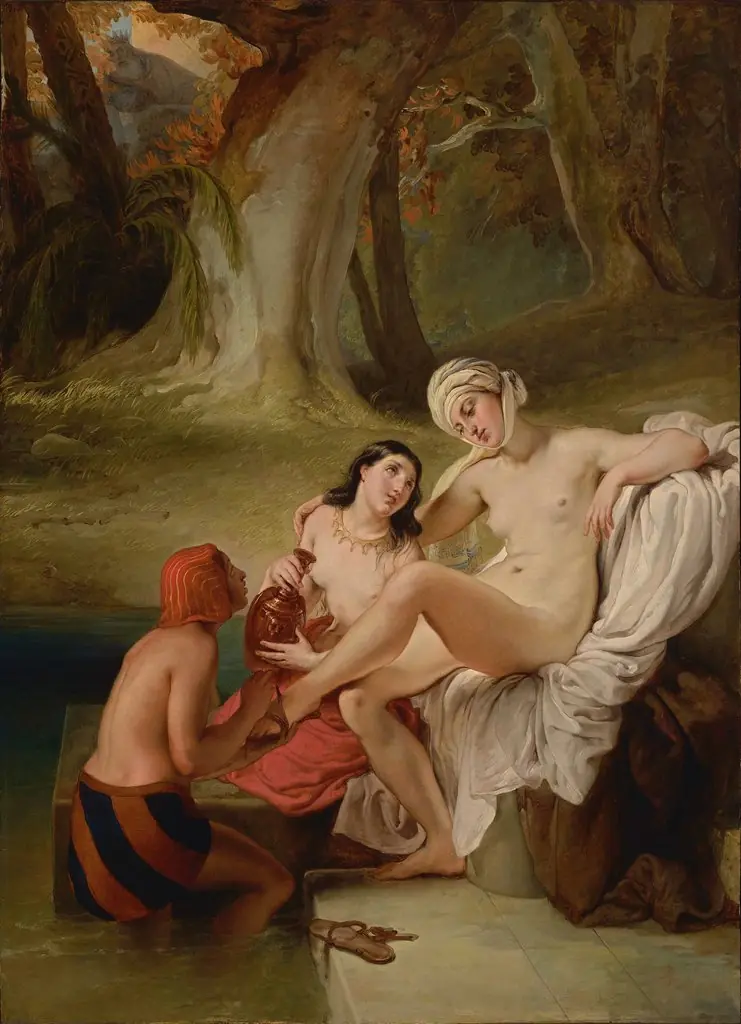 Bathsheba Bathing
 Hawking party resting by a fountain
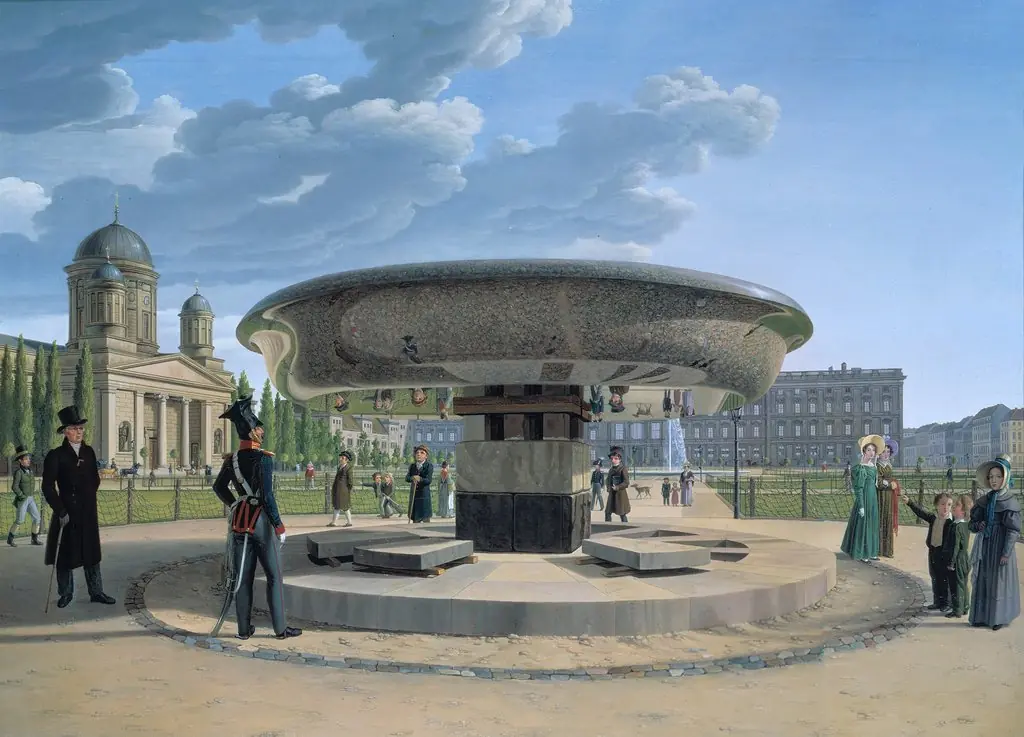 The Granite Bowl at the Lustgarten, Berlin
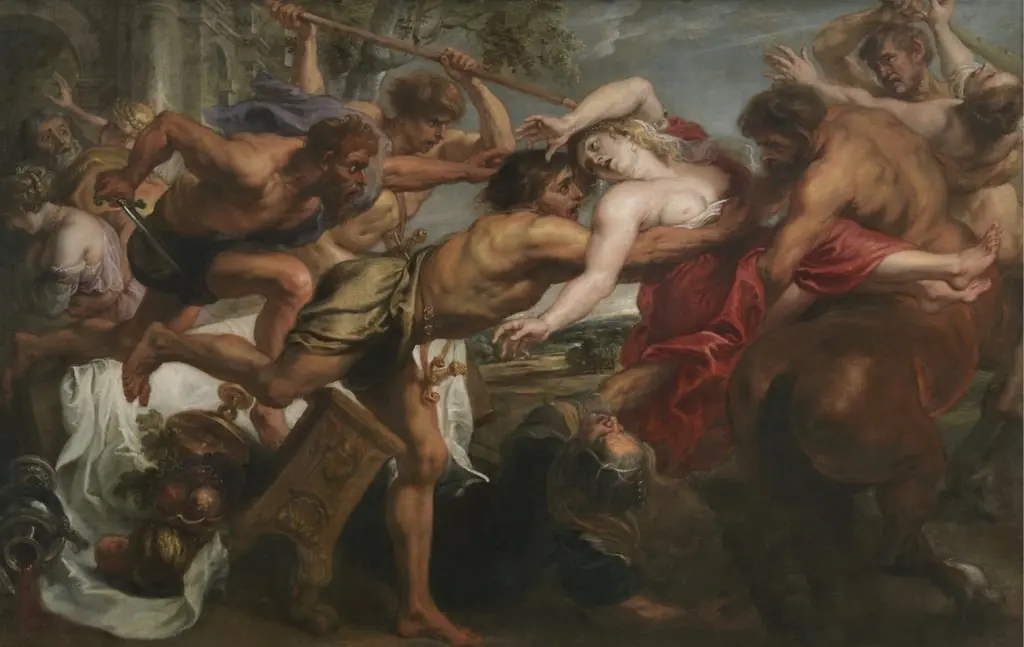 Rape of Hippodamia
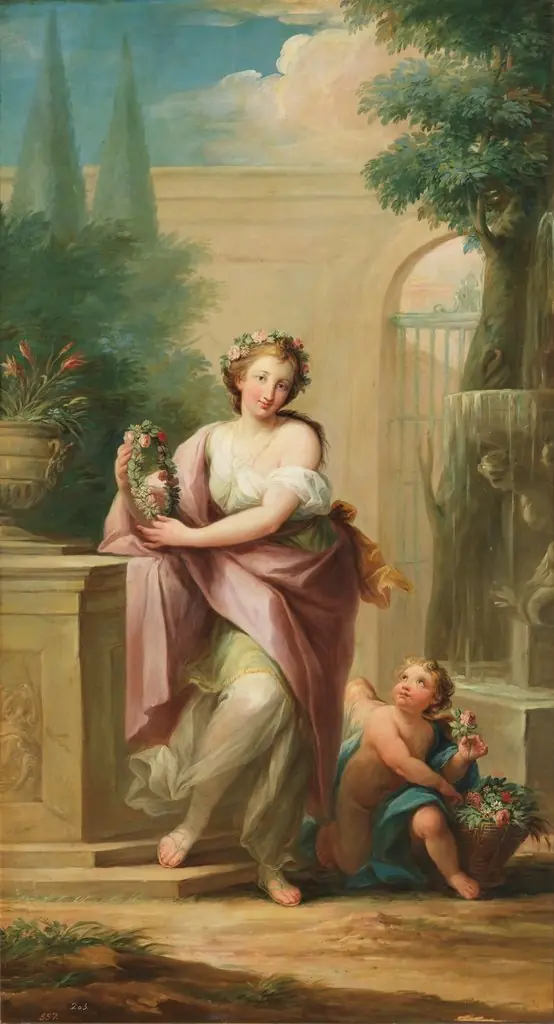 Spring
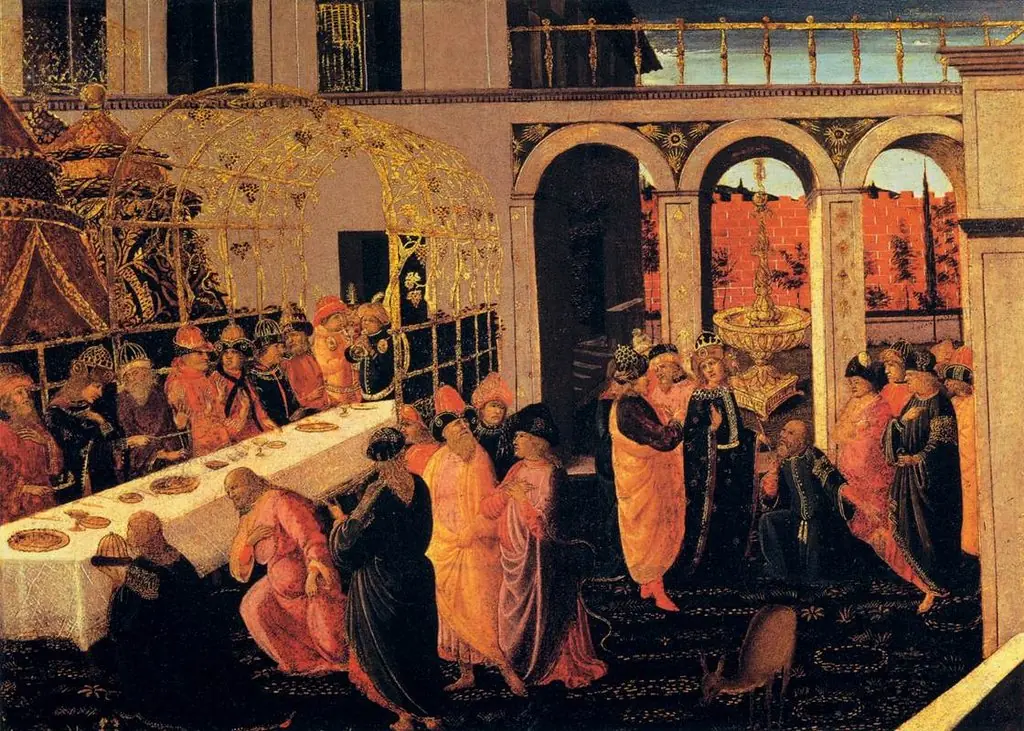 The Banquet of Ahasuerus
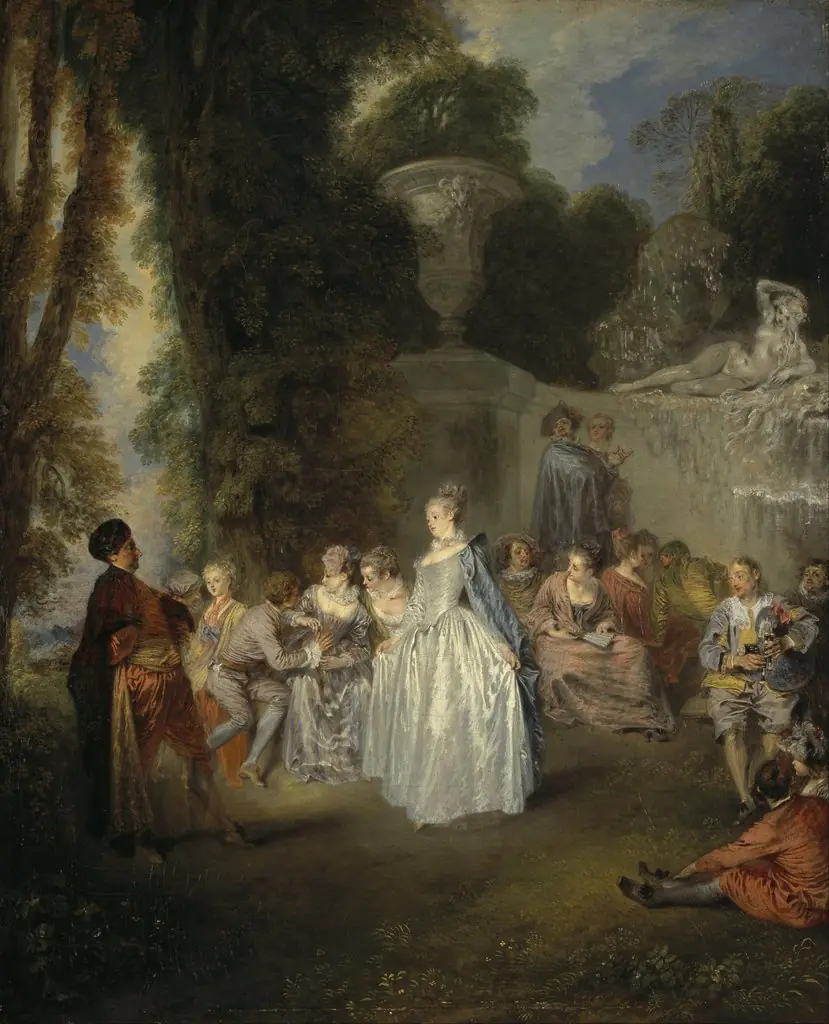 Fêtes Vénitiennes
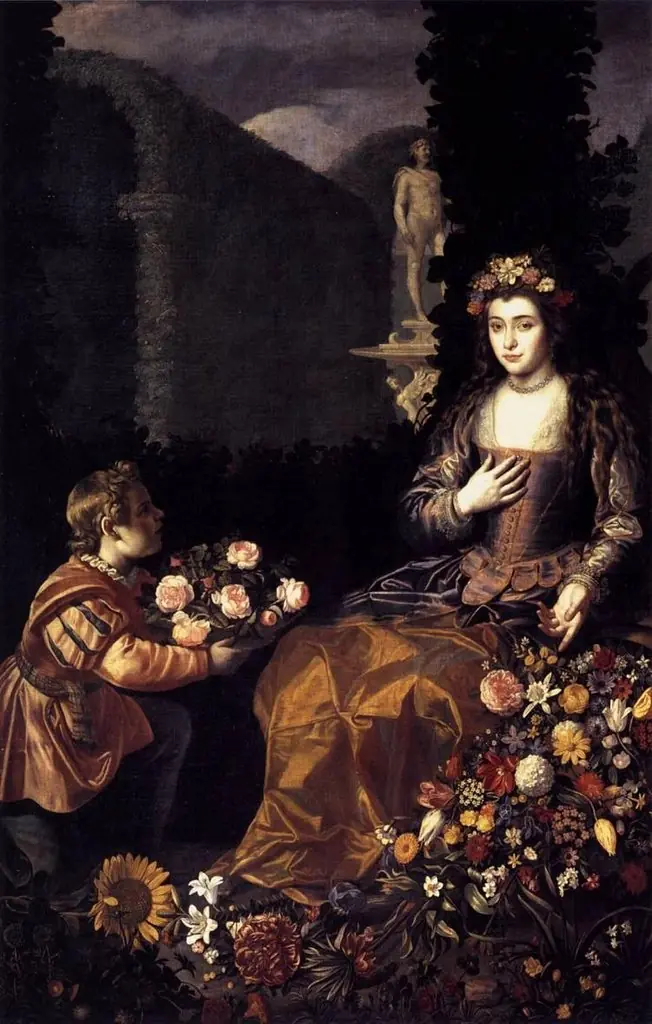 An Offering to Flora
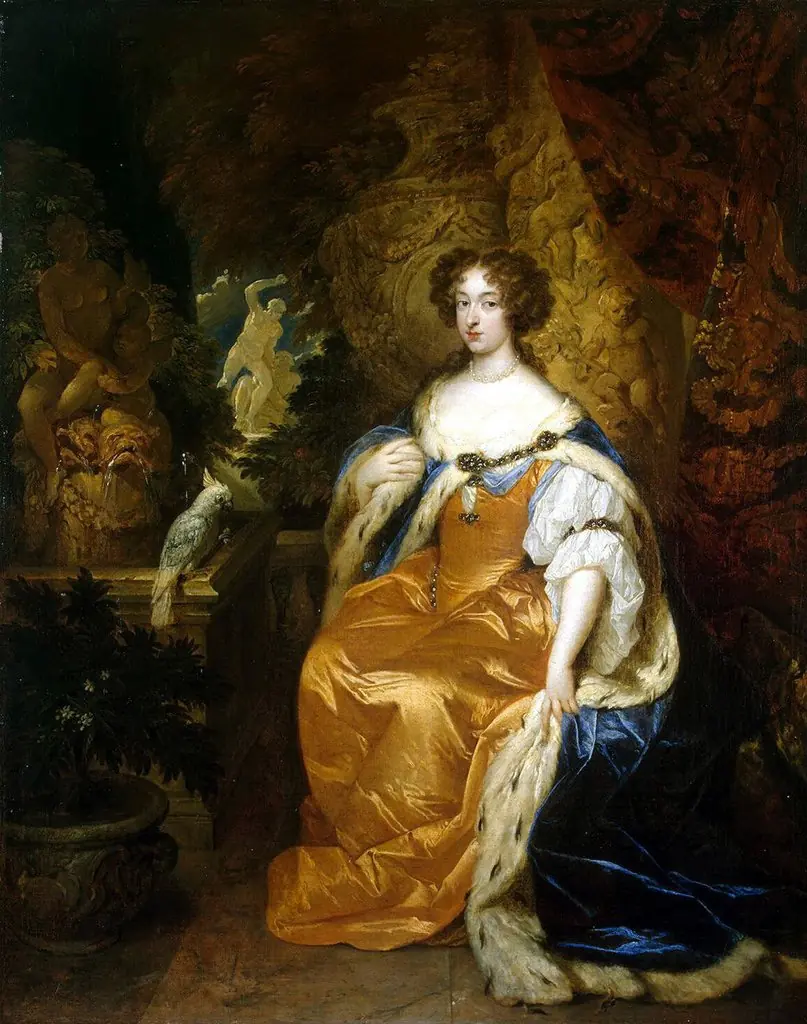 Portrait of Mary Stuart II
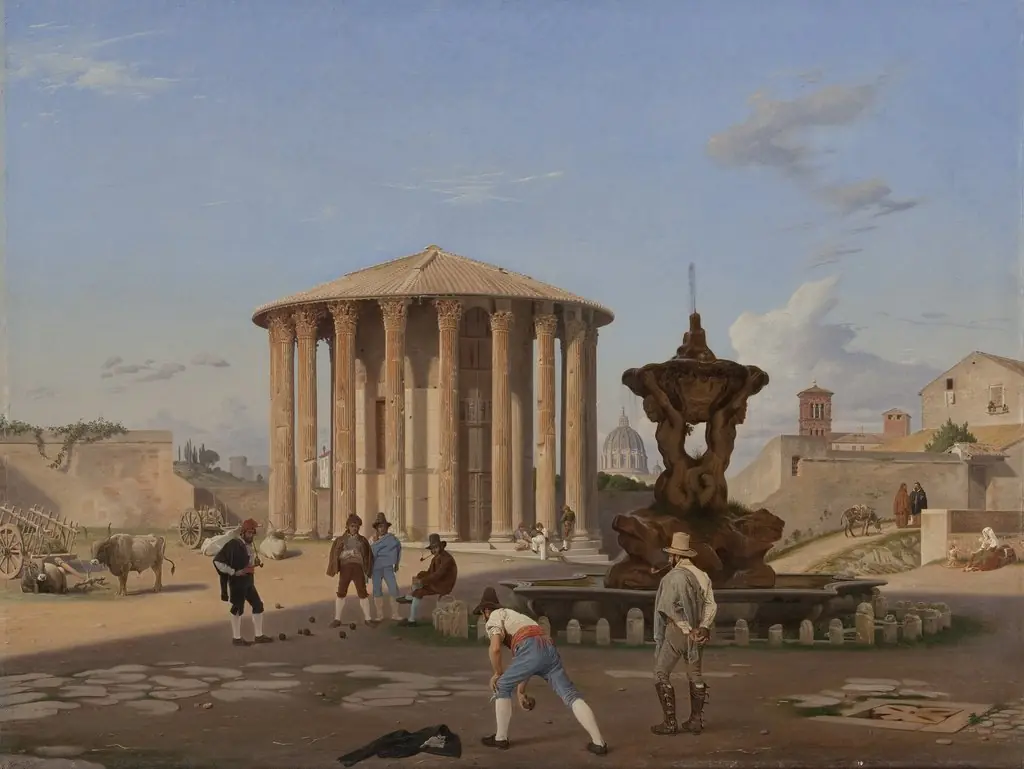 Vestatemplet med dets omgivelser
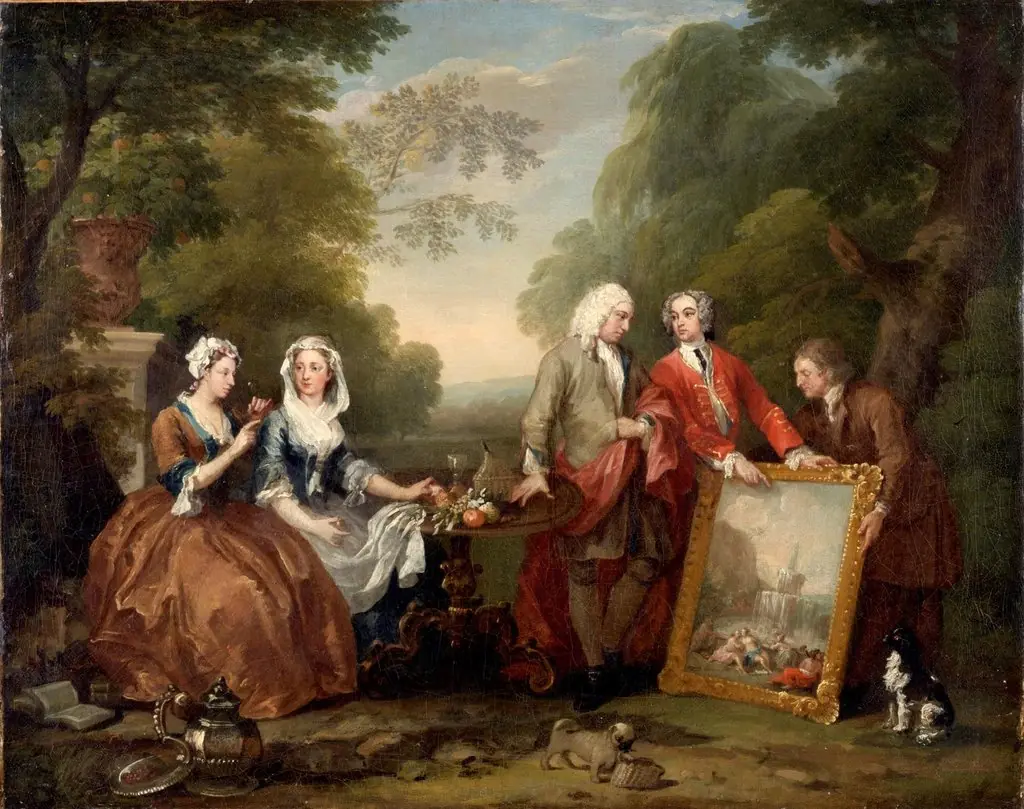 Conversation Piece (Portrait of Sir Andrew Fountaine with Other Men and Women)
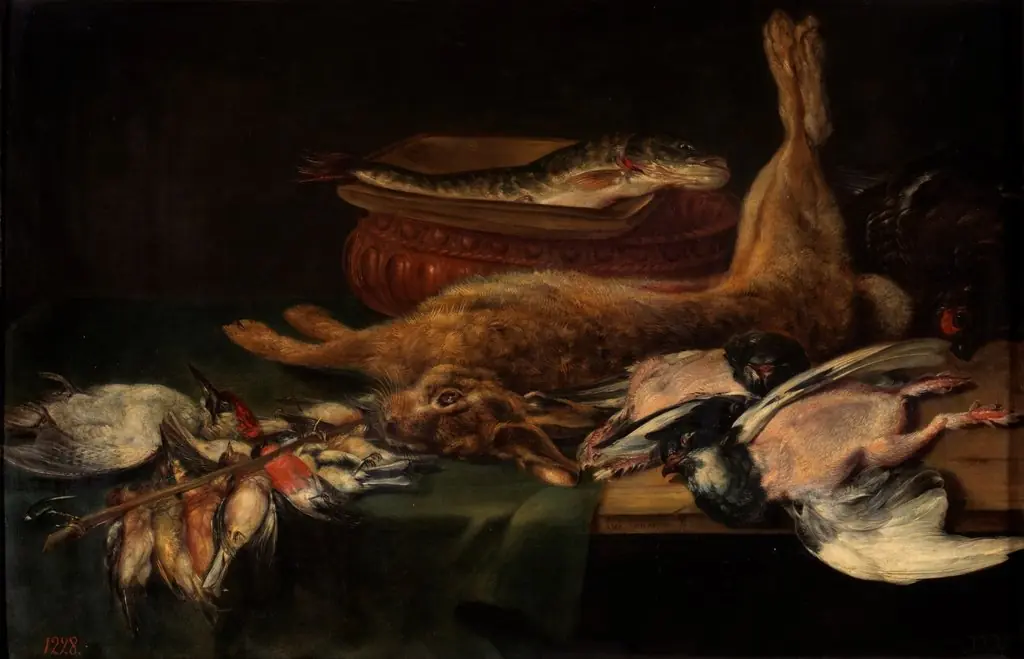 Still life with a hare, dead birds and fish
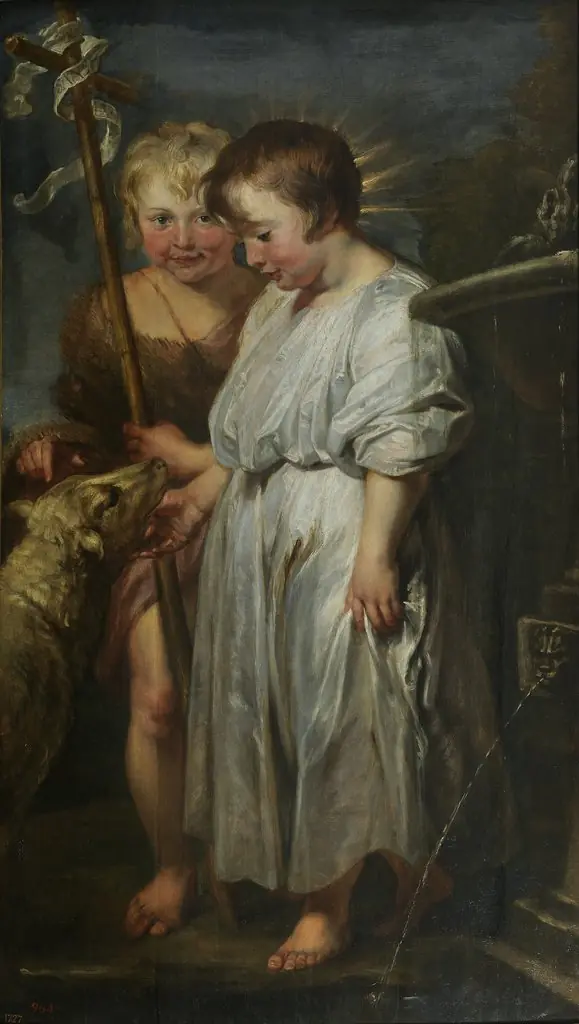 The Christ Child, Saint John and the Lamb
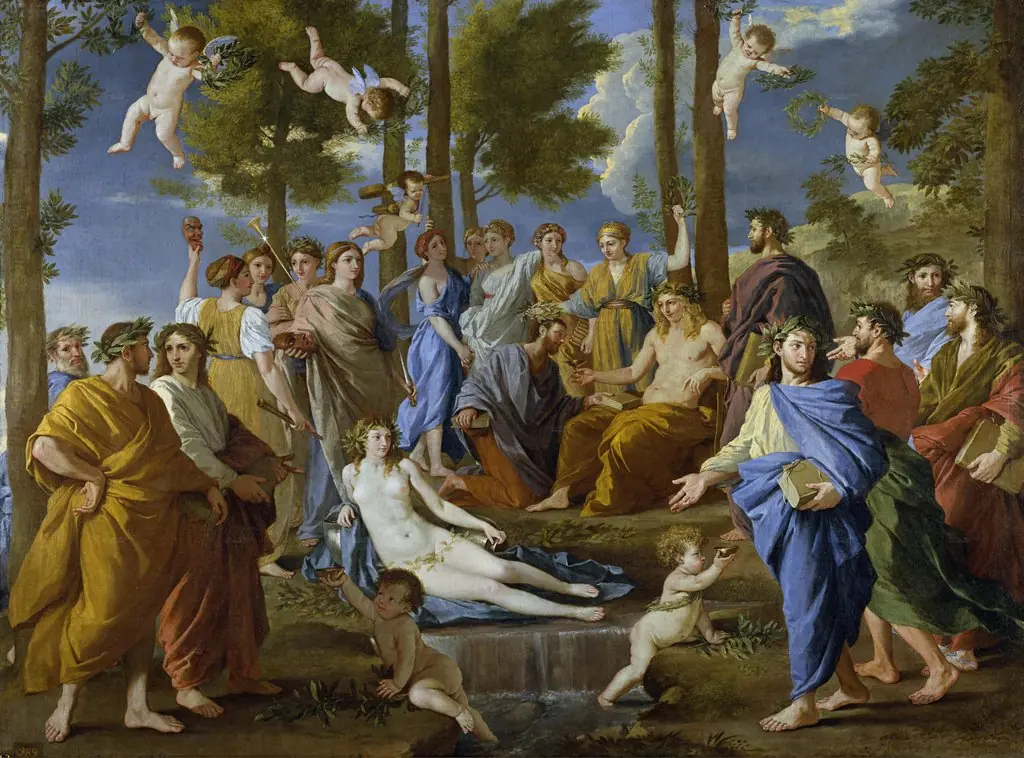 Parnassus
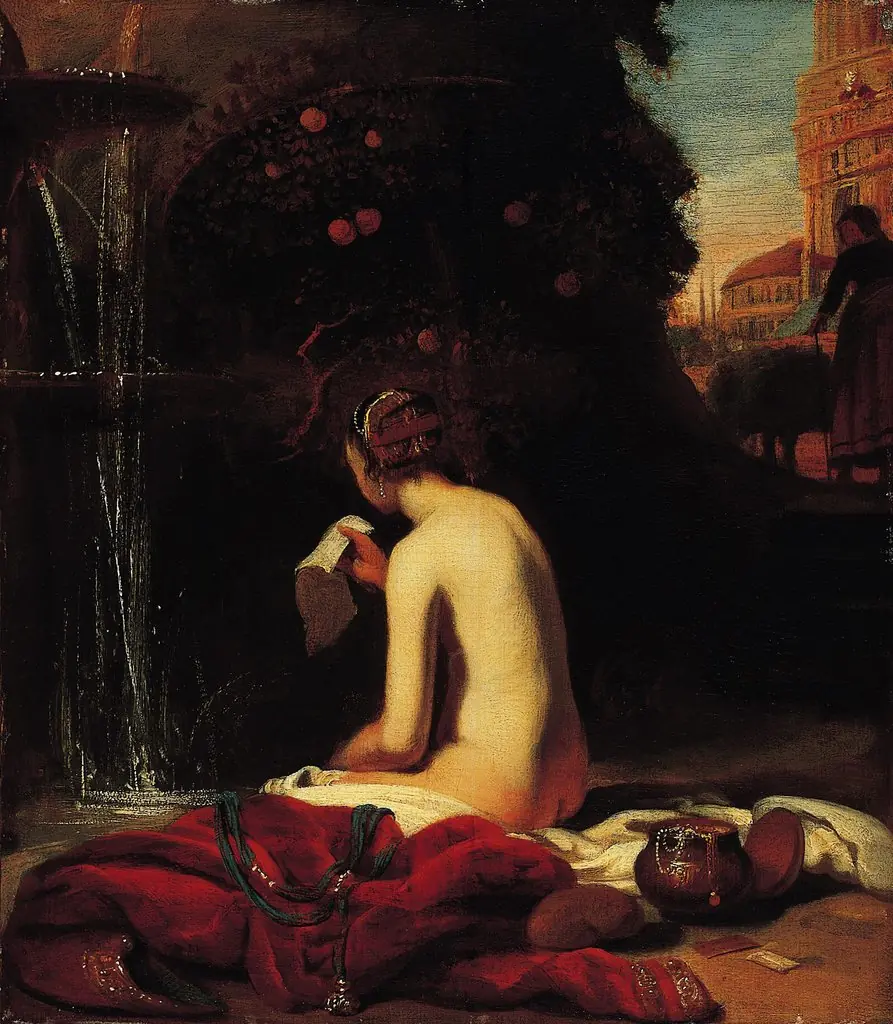 Bathsheba
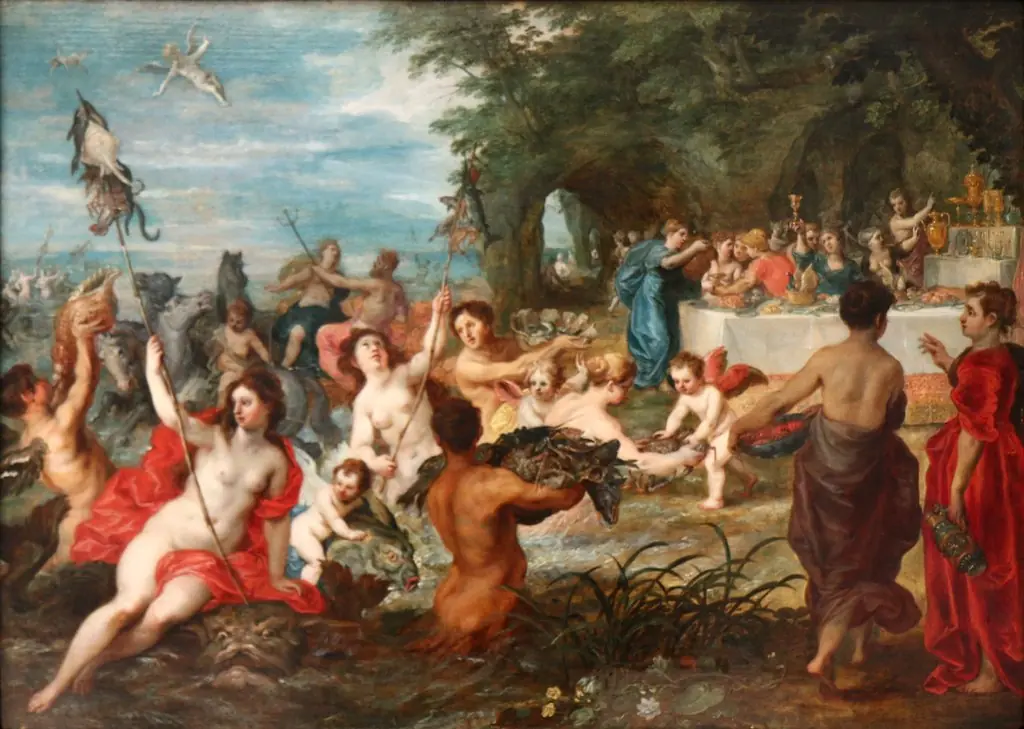 The wedding of Thetis and Peleus
 The Chaste Susannah
 The Miracle at the Well
 Rebecca and Eliezer
 The Garden of the Fortuny Residence
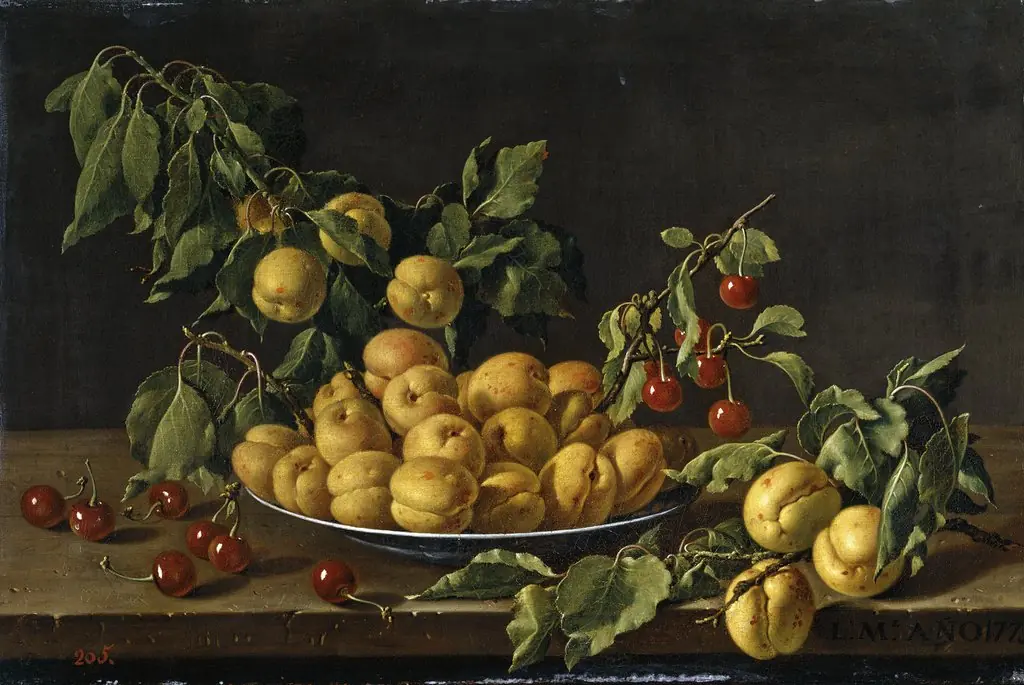 Still Life with Plate of Apricots and Morello Cherries
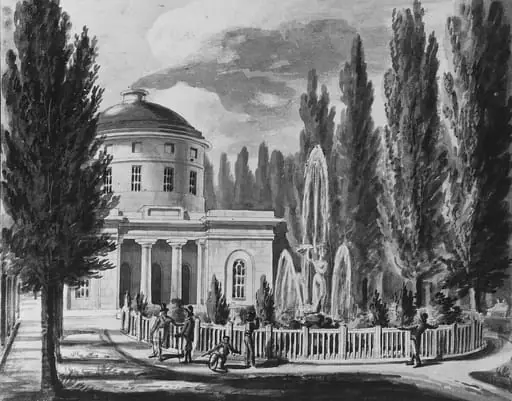 Centre Square and the Marble Water Works, Philadelphia
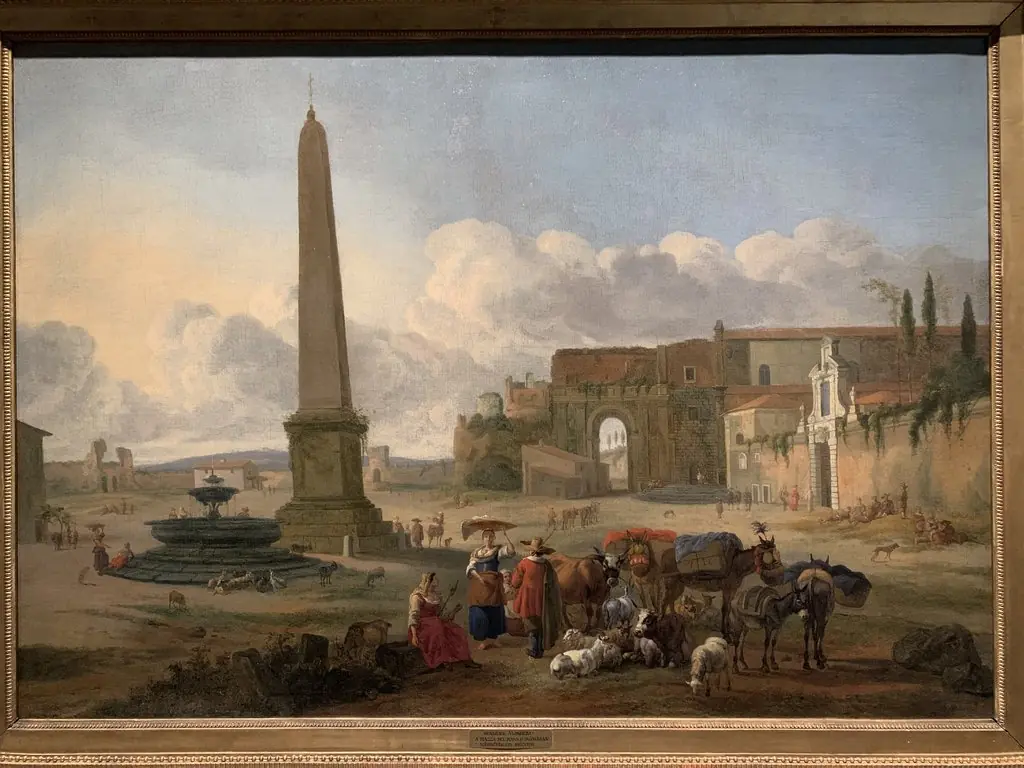 Roman populace in the Piazza del Popolo in Rome
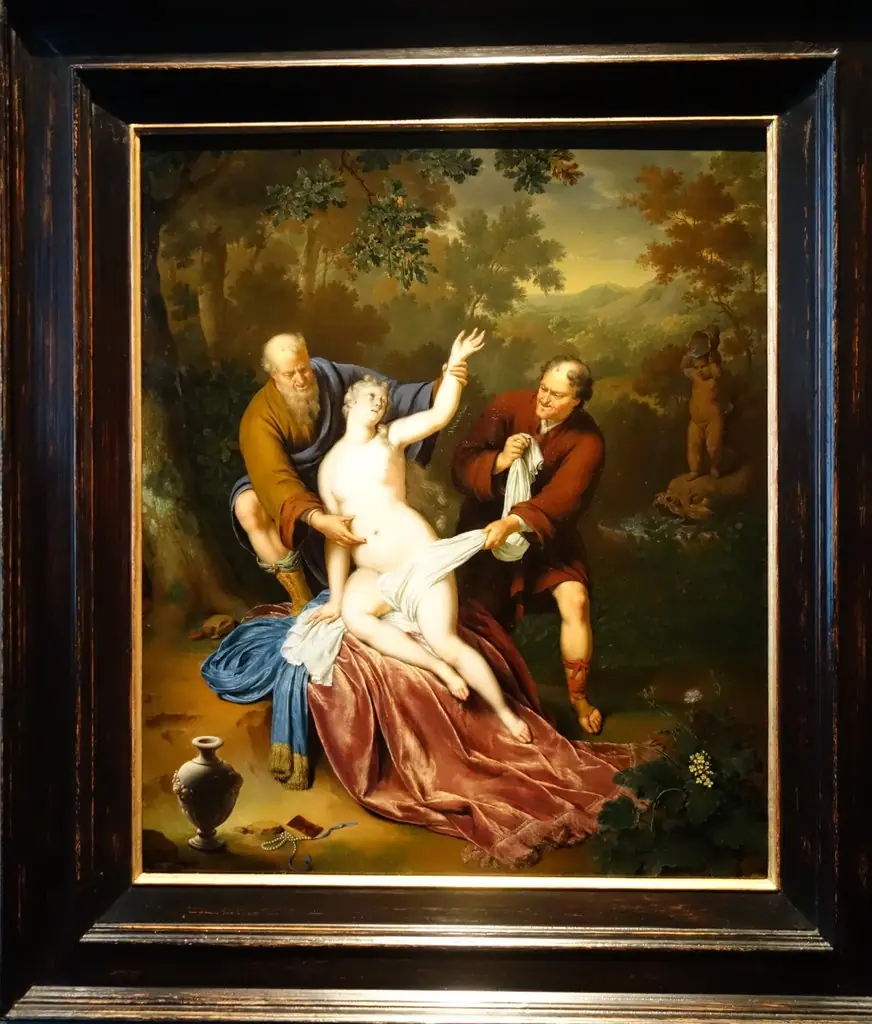 Suzanna and the Elders
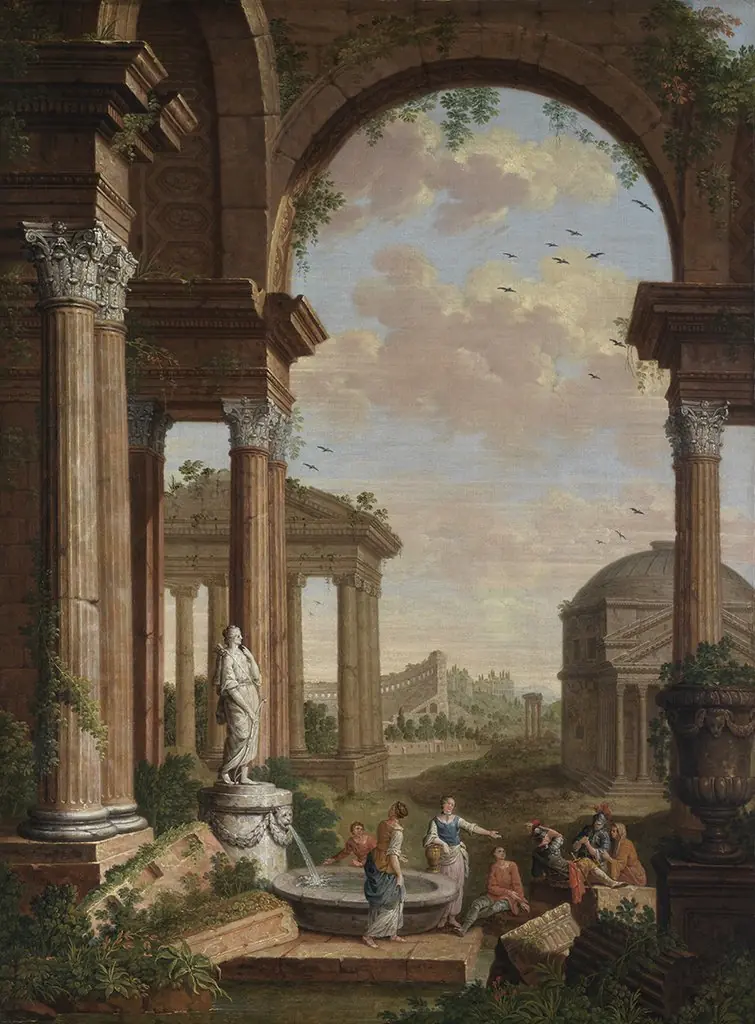 Landscape with Roman Ruins
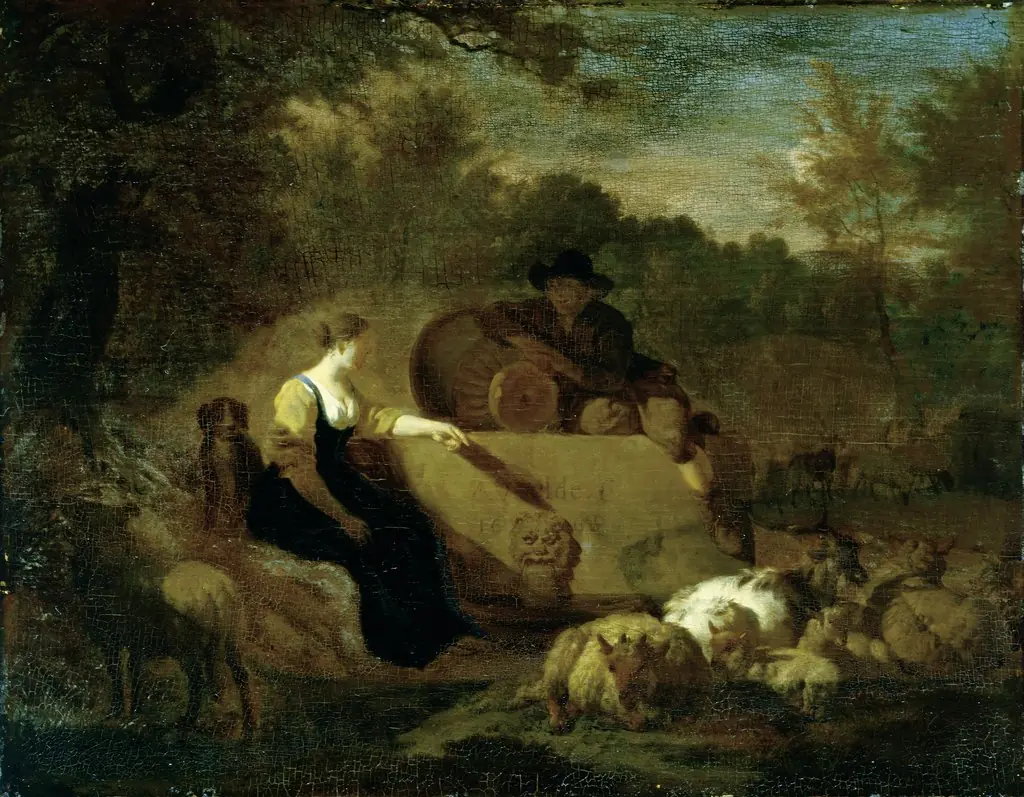 Shepherd's couple with their herd in a wooded landscape
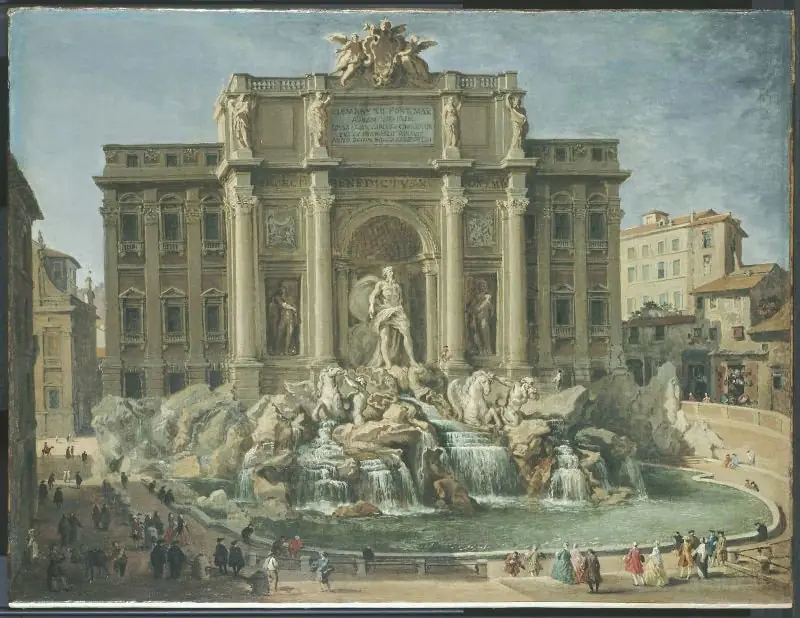 Fountain of Trevi, Rome
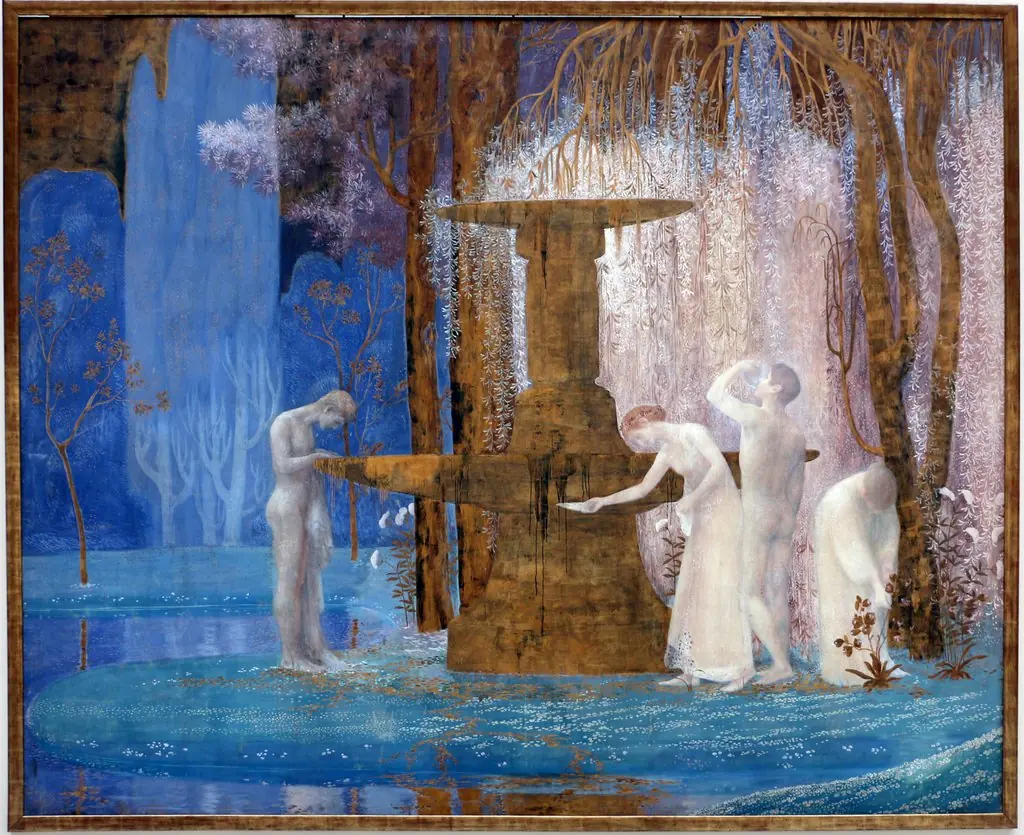 Fountain of Inspiration
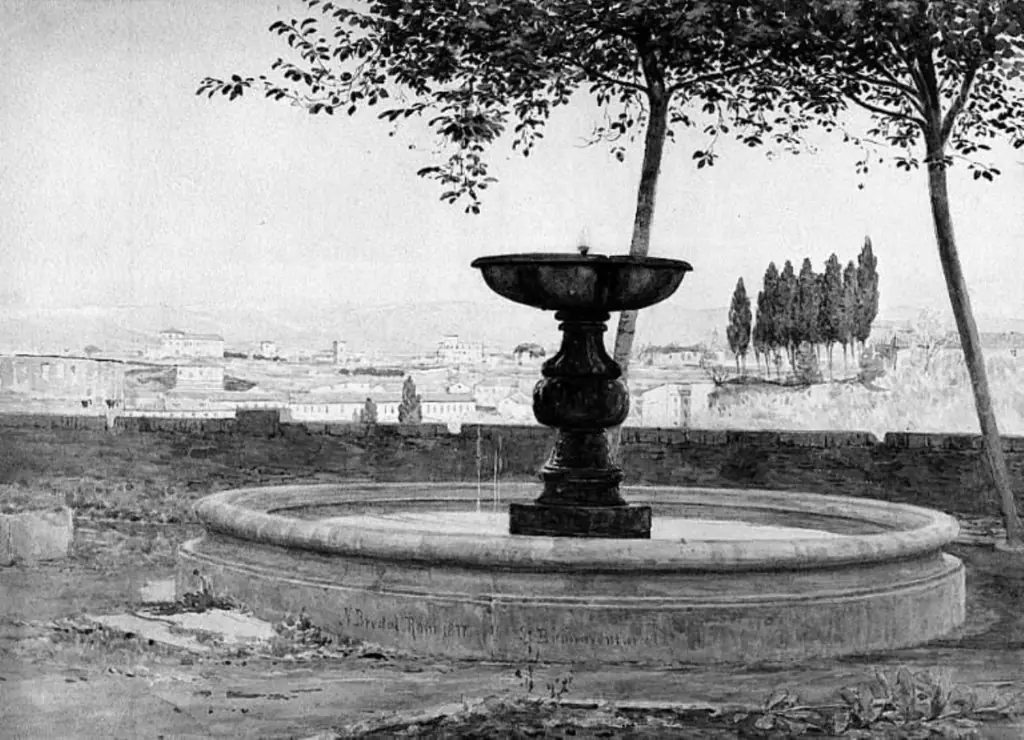 A View from S. Onofrio on Monte Gianicolo, Rome
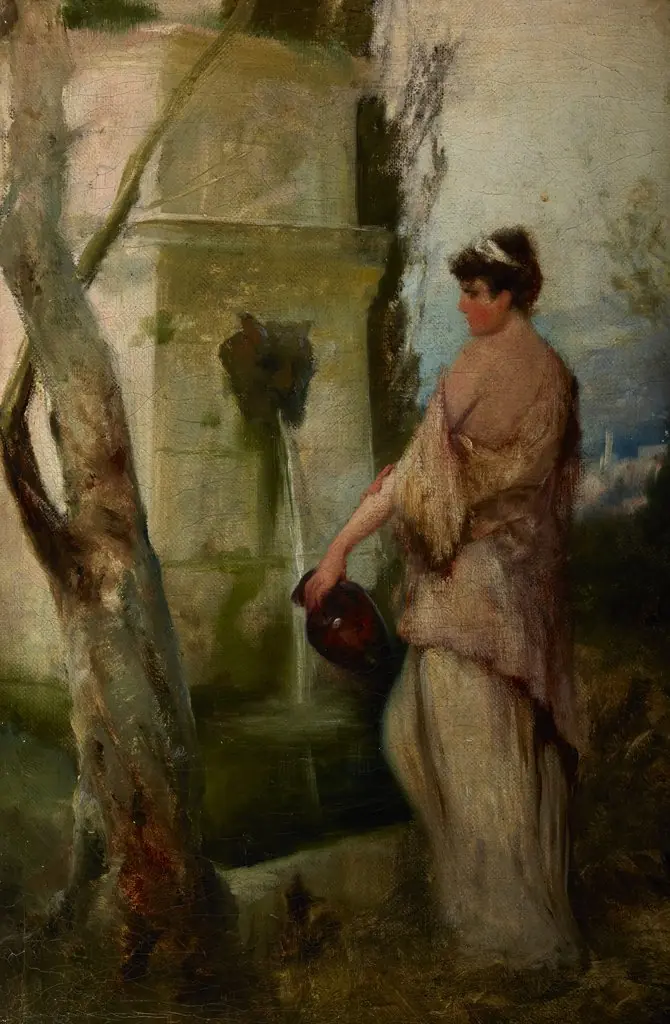 Girl at the Well
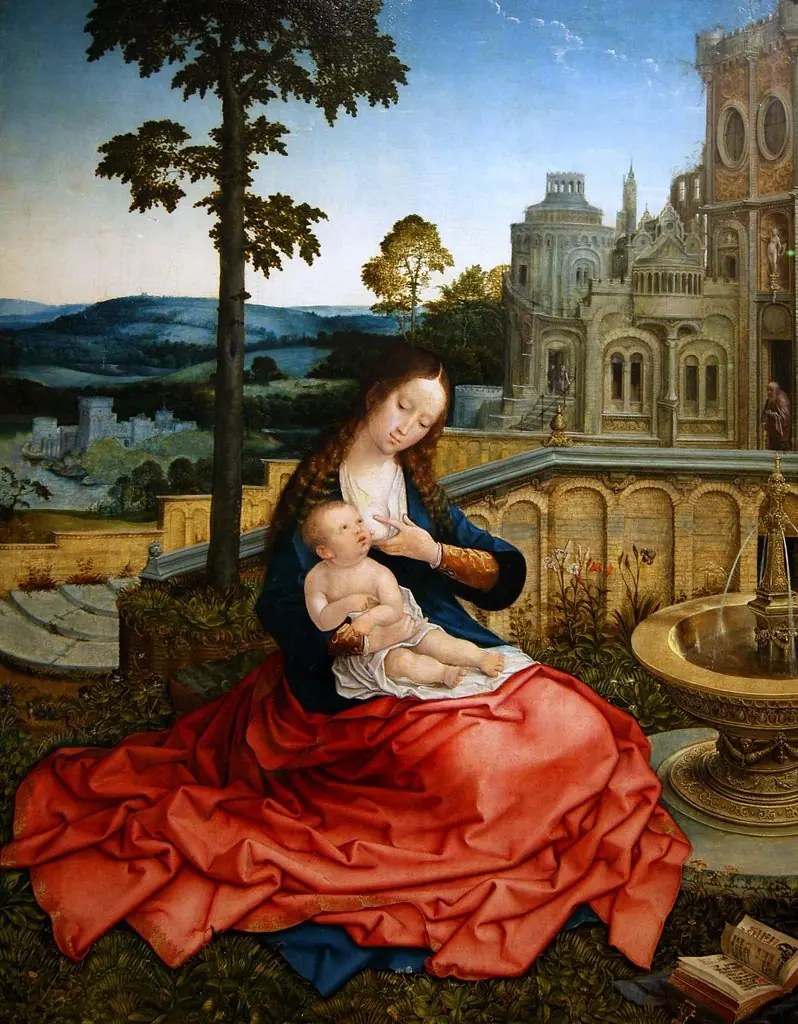 Virgin and Child near a Fountain
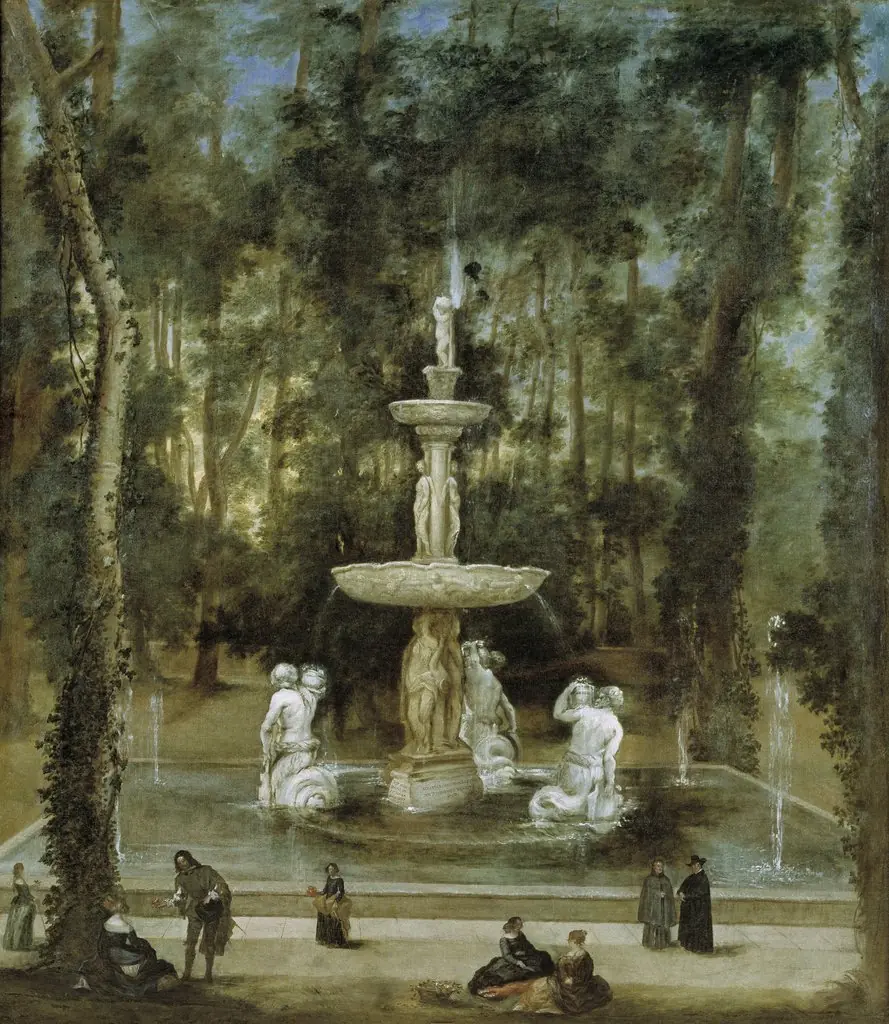 The Fountain of the Tritons in the Island Garden, Aranjuez
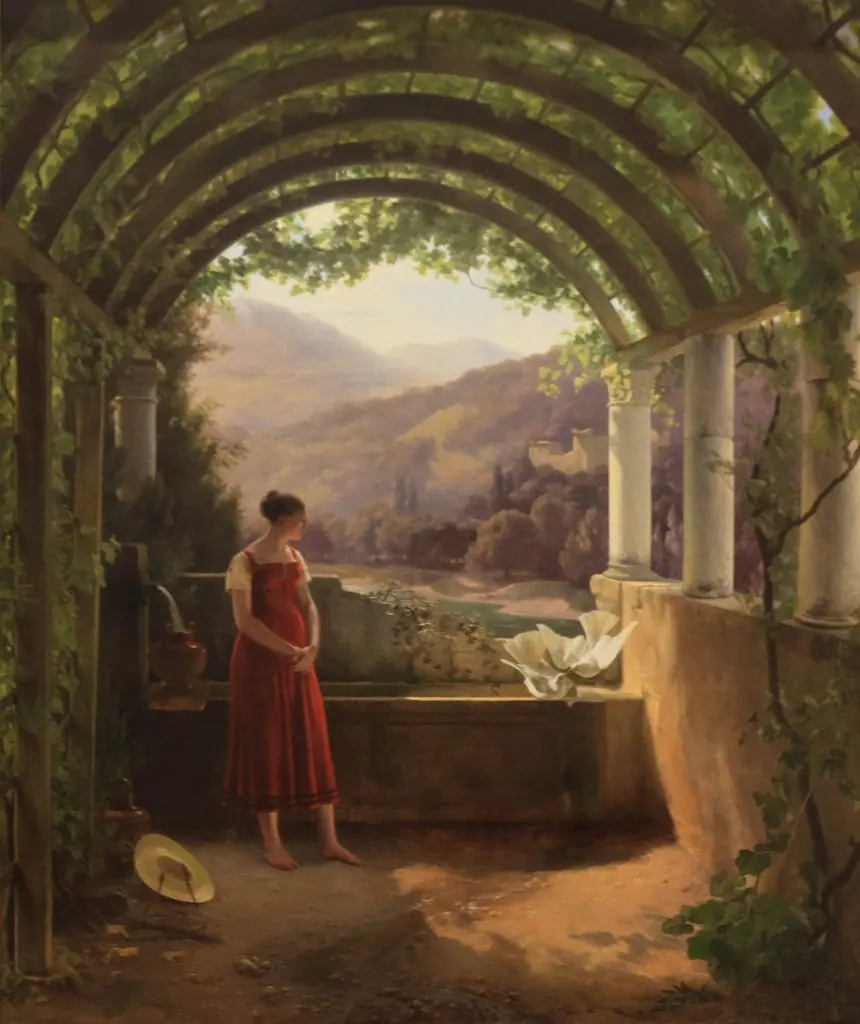 Young Woman at a Fountain
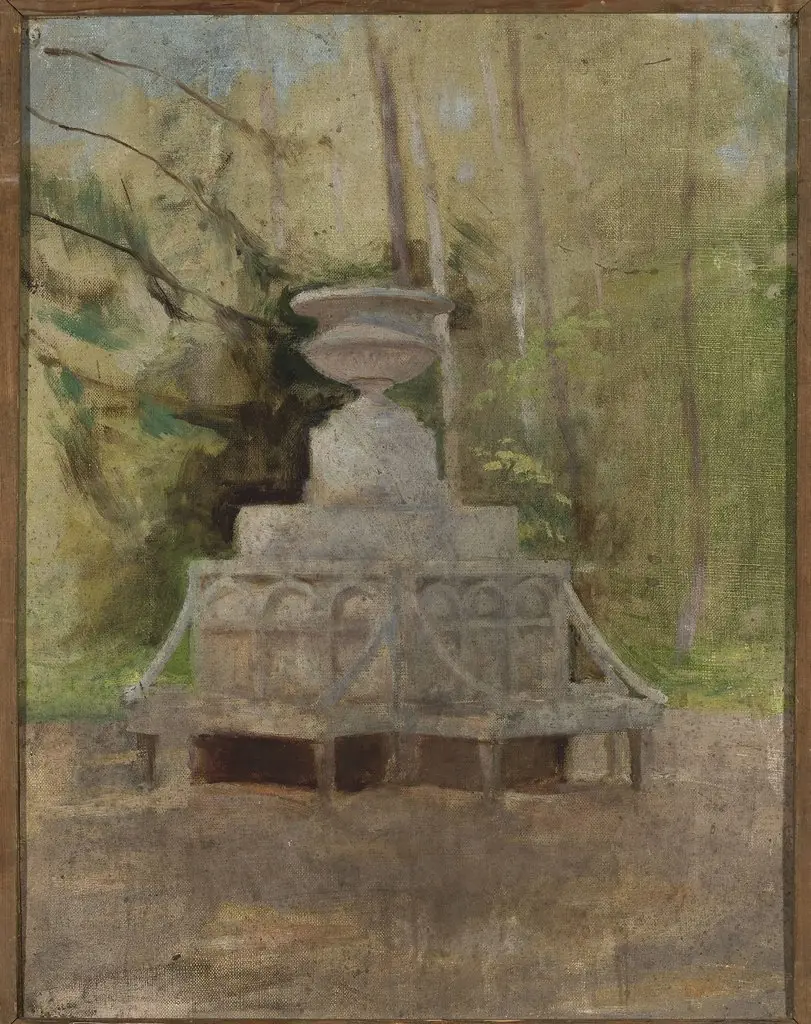 Park motif from Talashkino
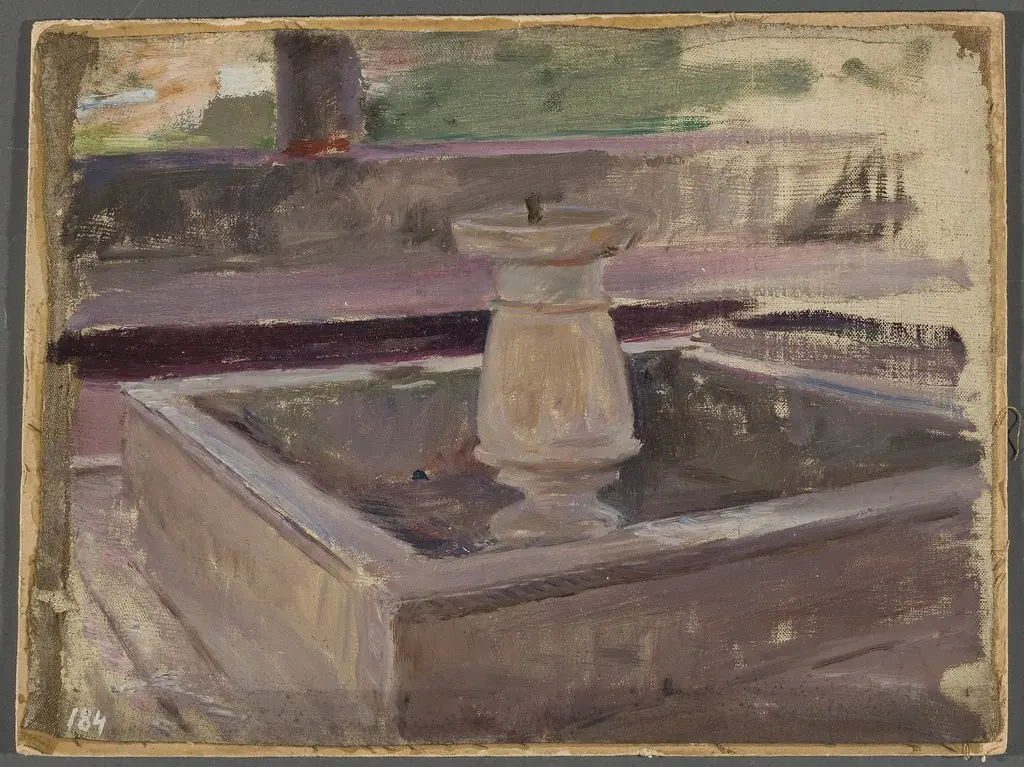 Fountain in the khan’s palace in Bakhchisaray. From the journey to Crimea
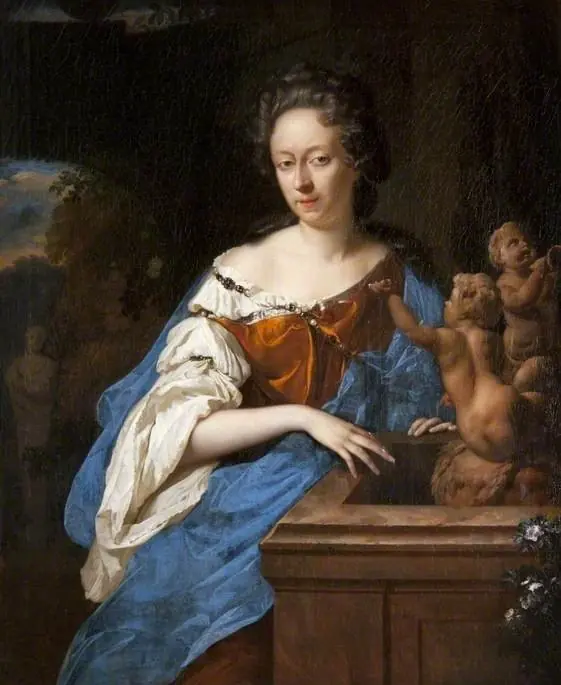 Portrait of a Lady by a Fountain
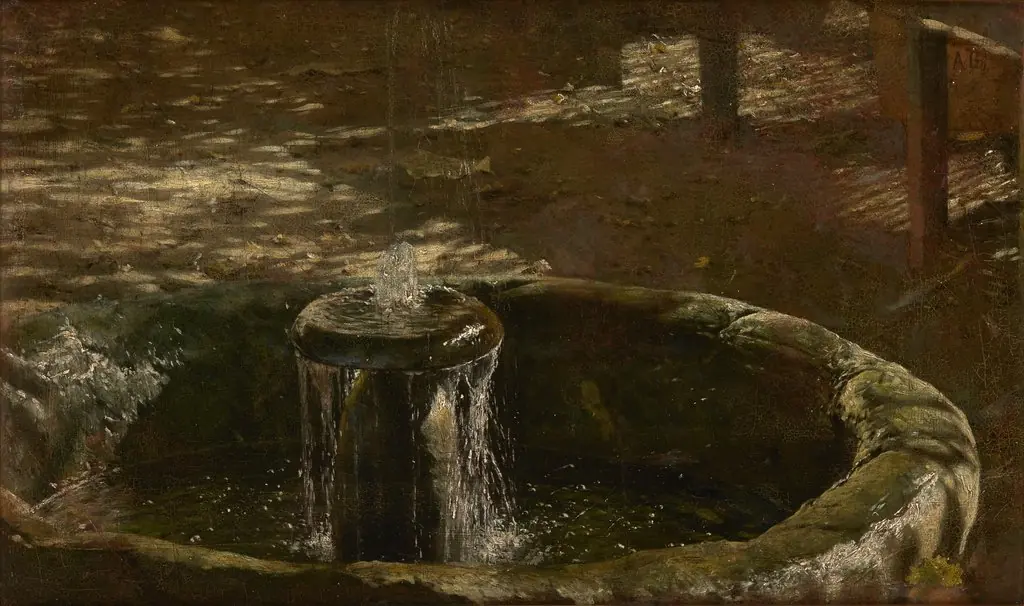 Fountain
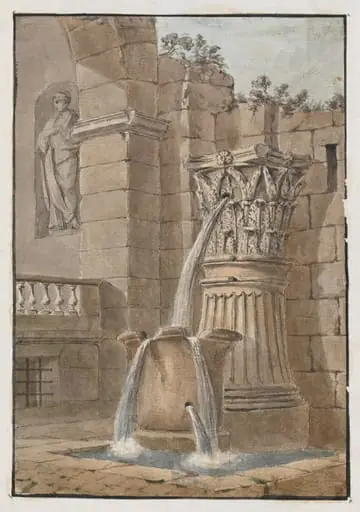 Fountain in a Courtyard
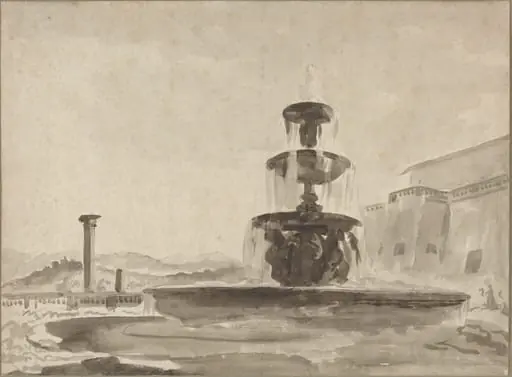 The Fountain
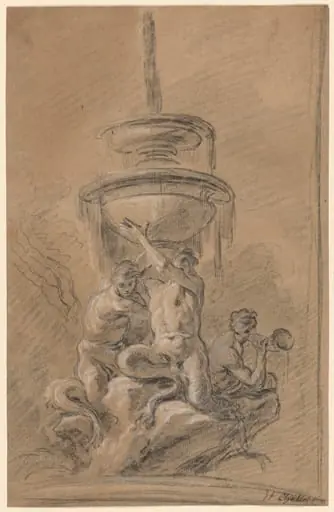 A Fountain with Three Tritons
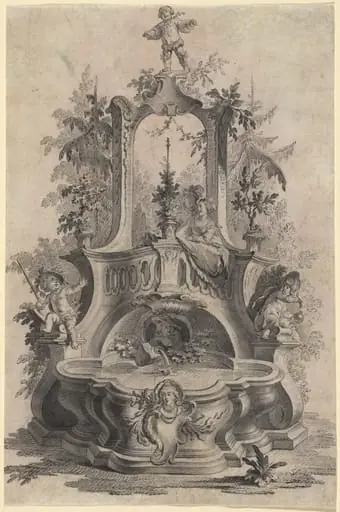 Rococo Fountain with Lovers and the Four Elements
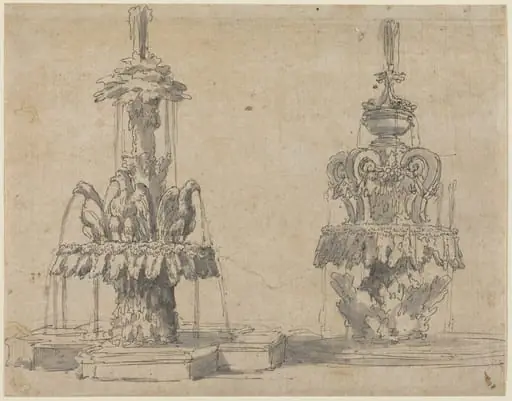 Two Fountains
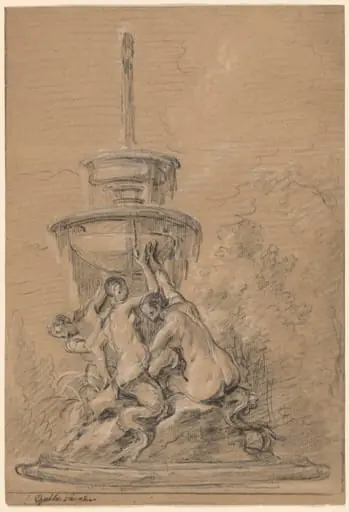 A Fountain with Three Nereids
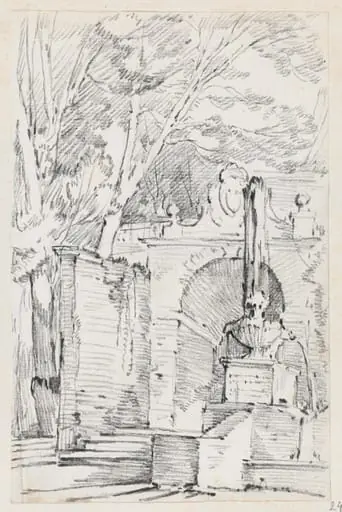 Fountain of Pomona in the Gardens of the Villa d'Este, Tivoli
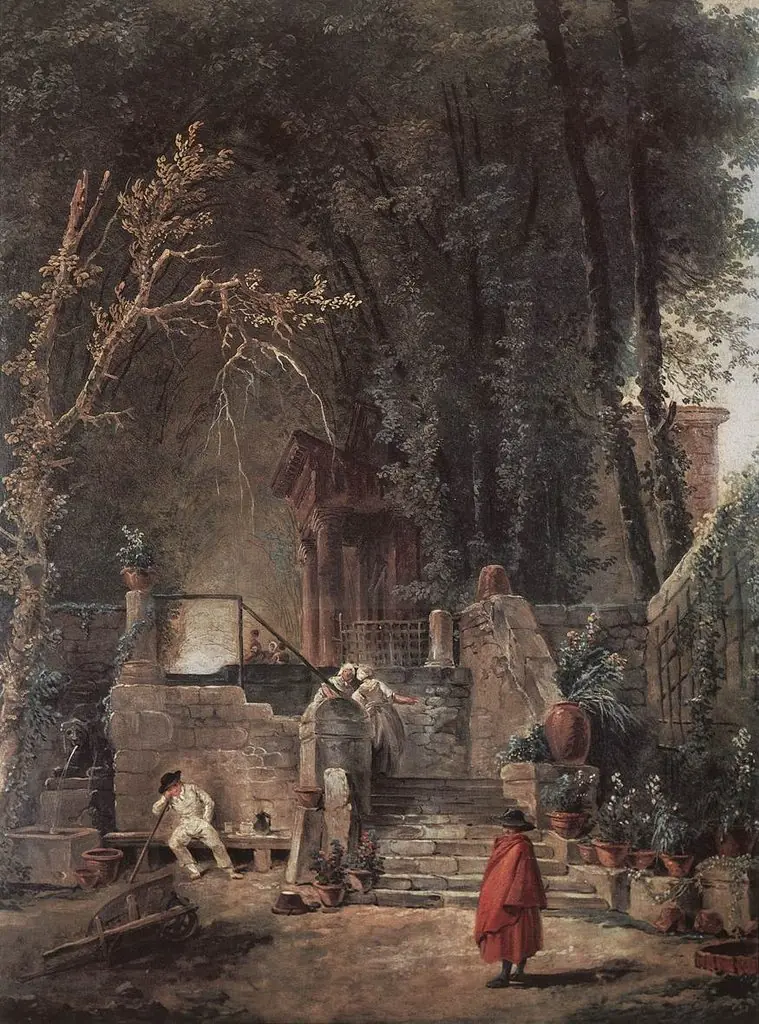 Italian Park
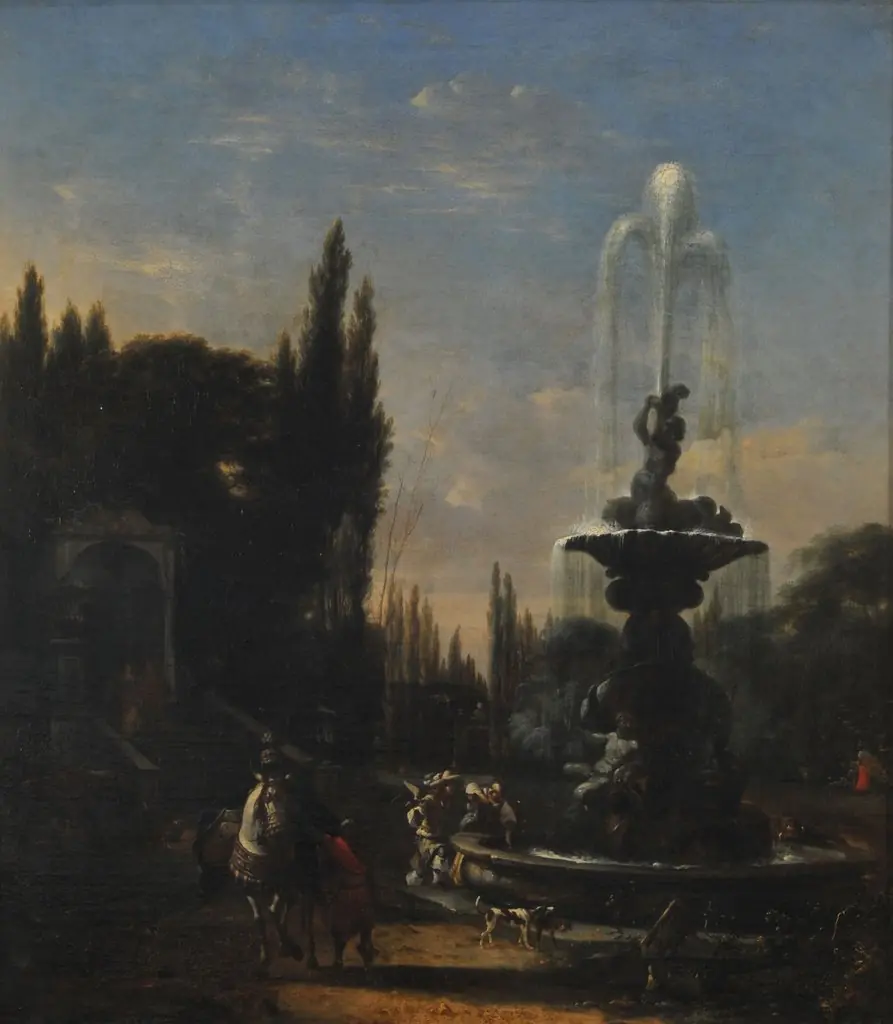 Hunting game
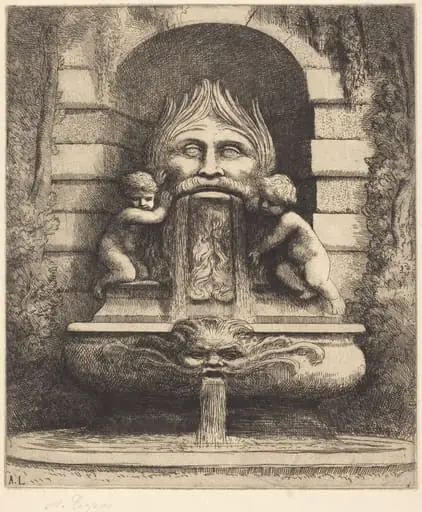 Fountain: Grotesque, Children and Basin (Une fountaine: Masque, enfants et bassin)
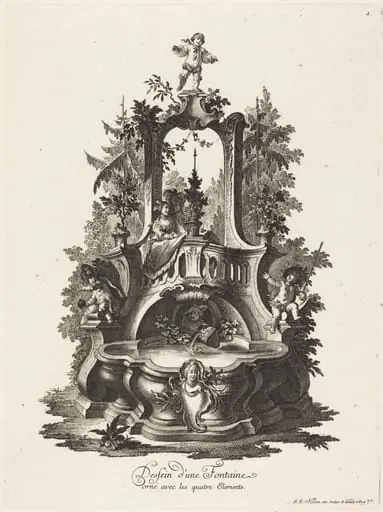 Dessein d'une Fontaine orné avec les quatre Elements (Design for a Fountain Decorated with the Four Elements)
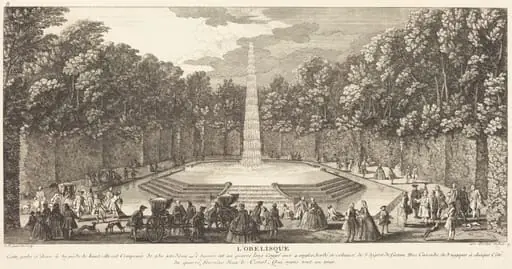 L'Obelisque
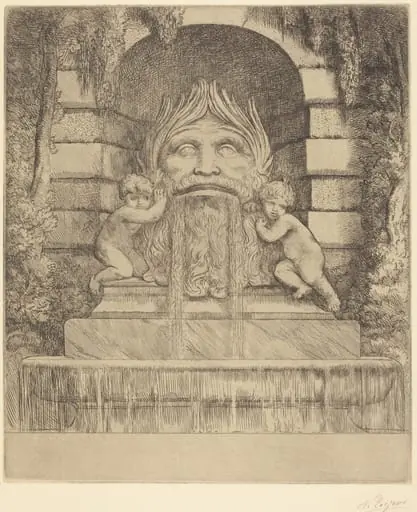 Fountain: Grotesque, Children and Basin (Une fountaine: Masque, enfants et bassin)
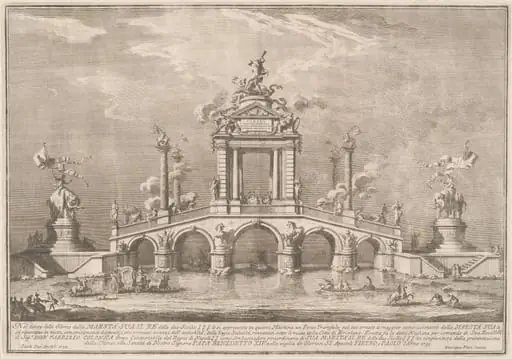 The Prima Macchina for the Chinea of 1755: A Triumphal Bridge with Antiquities from Herculaneum
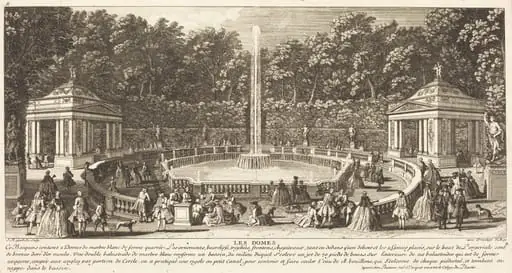 Les Domes
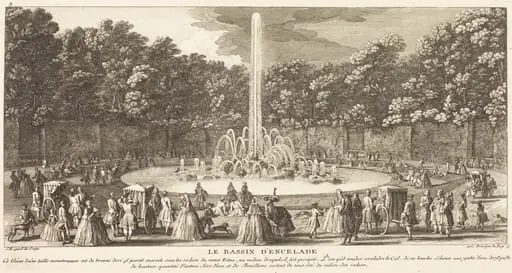 Le Bassin d'Encelade
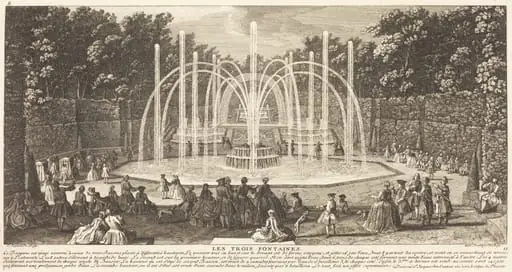 Les Trois Fontaines
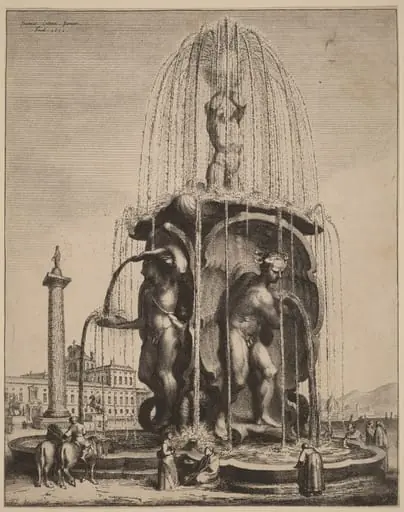 The Fountain and the Column of Trajan in Rome
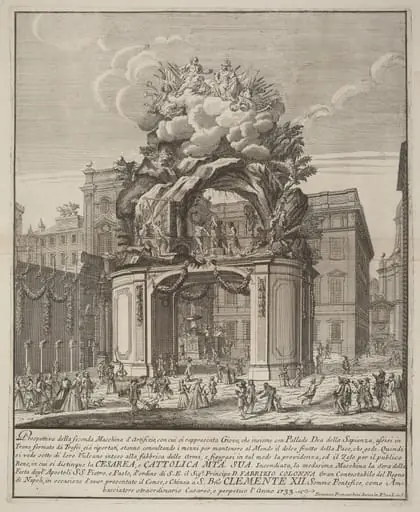 The Seconda Macchina for the Chinea of 1733: Jupiter and Minerva and the Forge of Vulcan
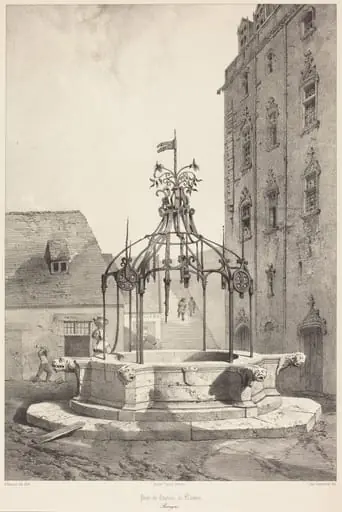 Puits du Chateau de Nantes, Bretagne
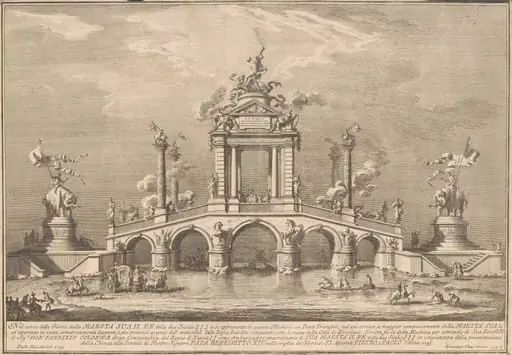 The Prima Macchina for the Chinea of 1755: A Triumphal Bridge with Antiquities from Herculaneum
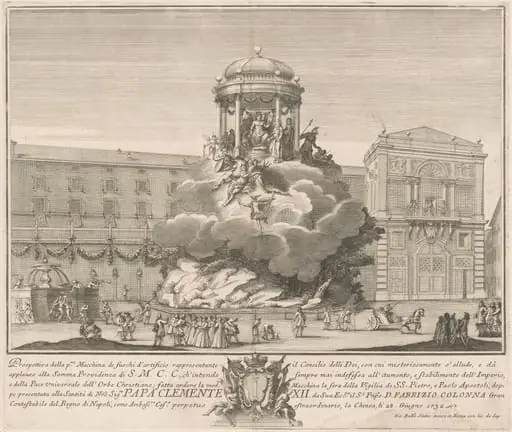 The Prima Macchina for the Chinea of 1732: The Council of the Gods
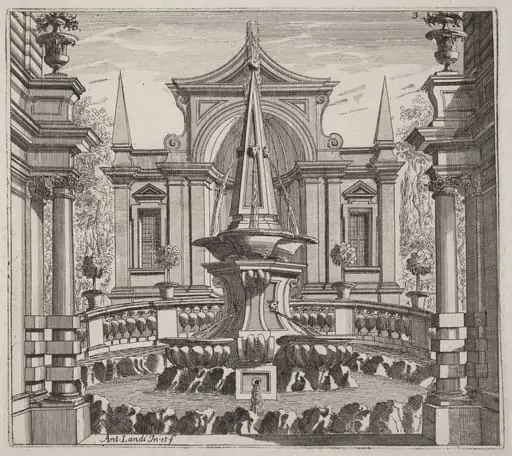 Fantastic Garden with a Fountain and a Garden Pavilion
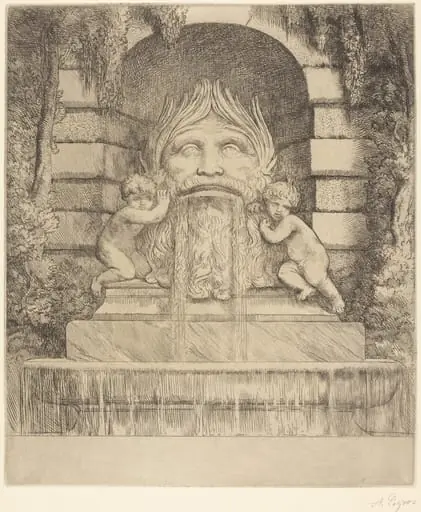 Fountain: Grotesque, Children and Basin (Une fountaine: Masque, enfants et bassin)
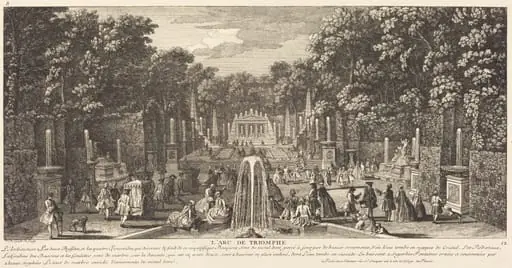 L'Arc de Triomphe
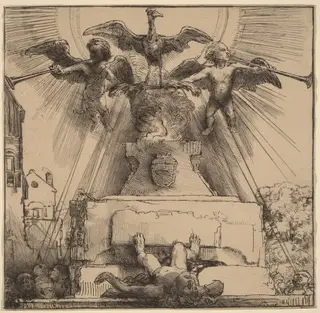 The Phoenix or the Statue Overthrown
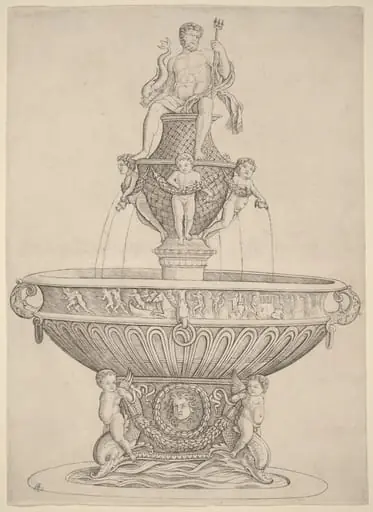 Fountain with Statue of Neptune
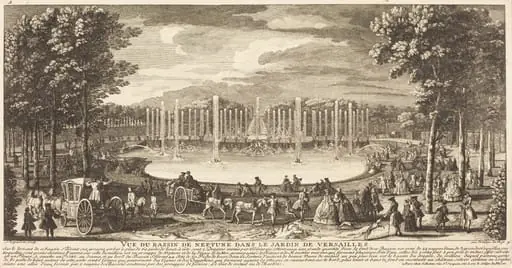 Vue du Bassin de Neptune dans le Jardin de Versailles
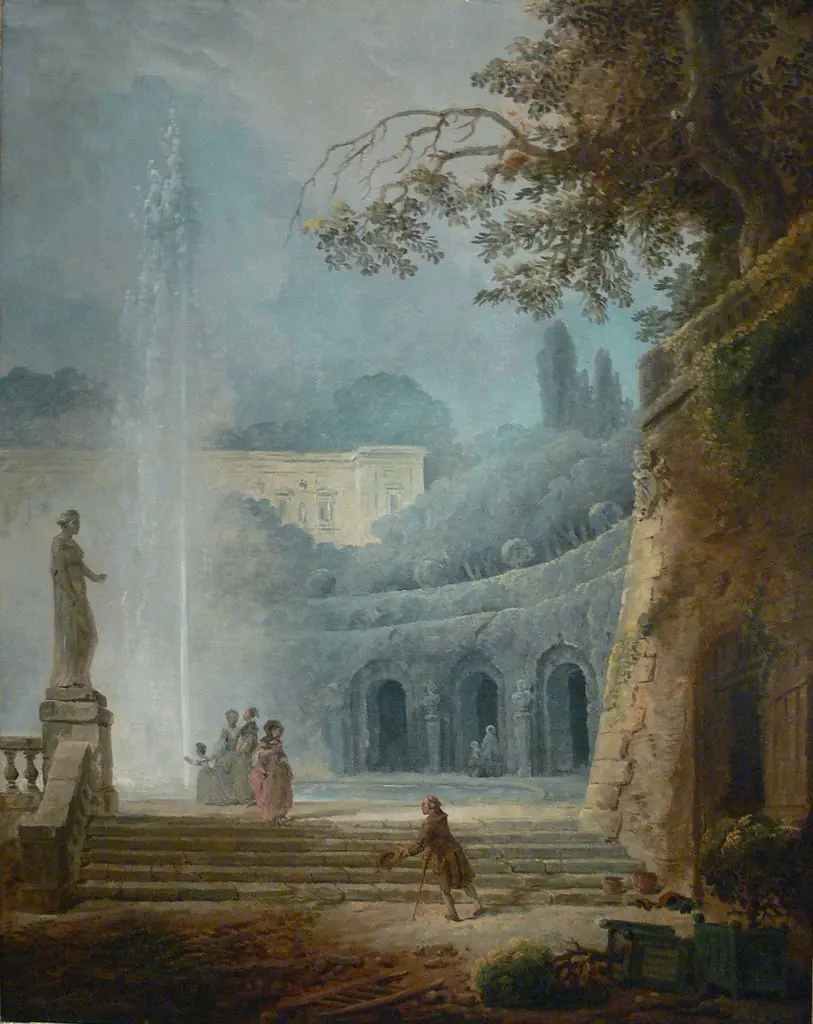 The Fountain
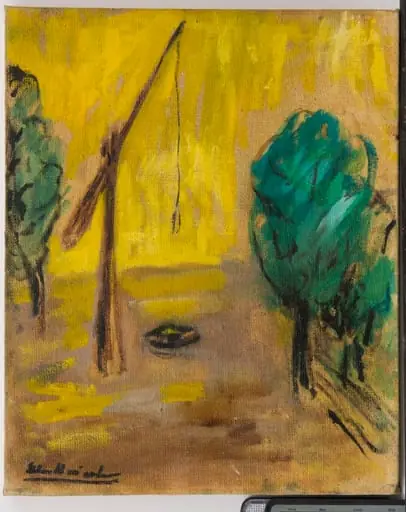 Fântână cu cumpănă din Muzeul Satului
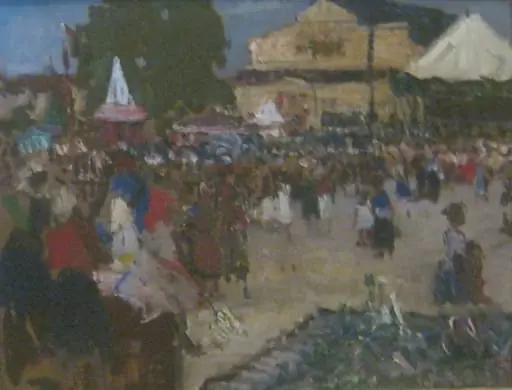 La Obor
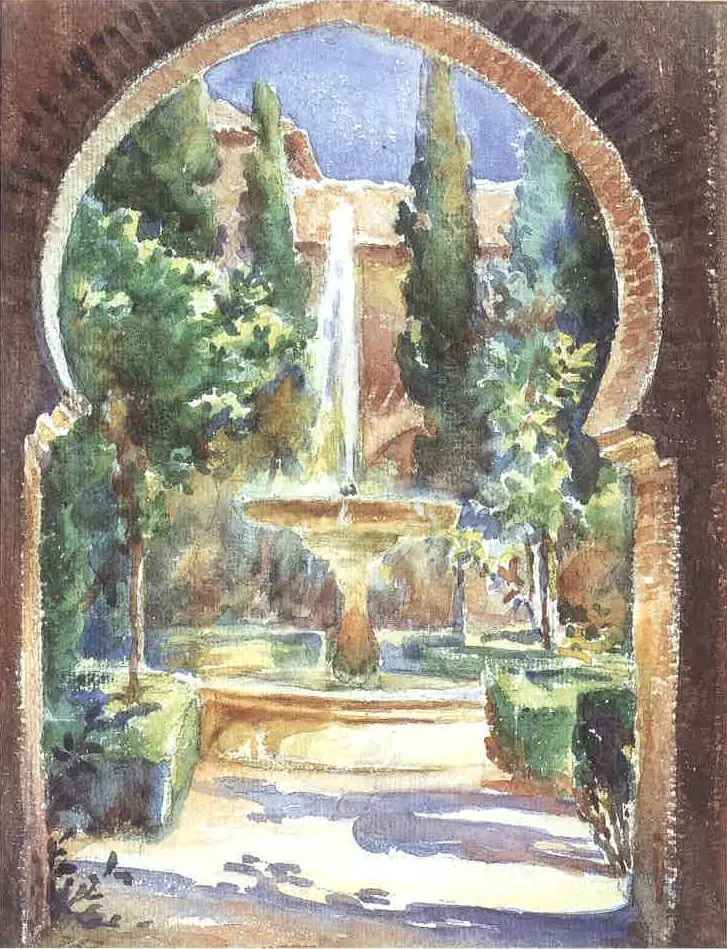 Granada. A View of Generalife
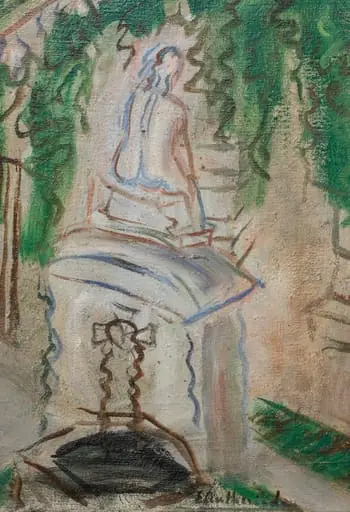 CORTILE DI CA' PESARO
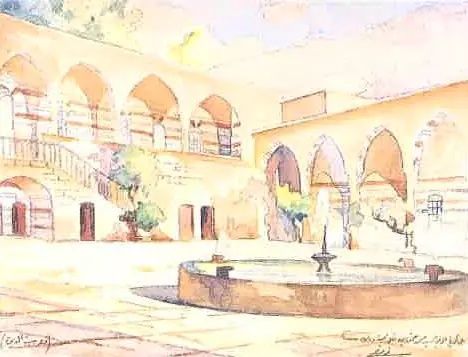 Beiteddine Palace
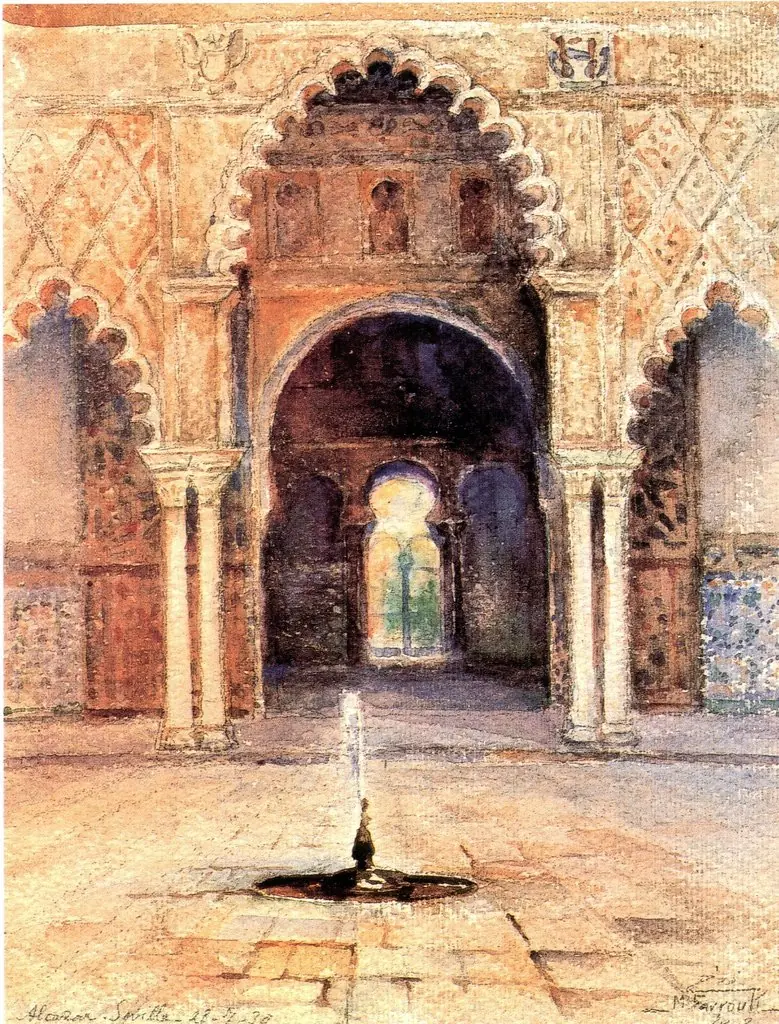 Seville, Alcázar
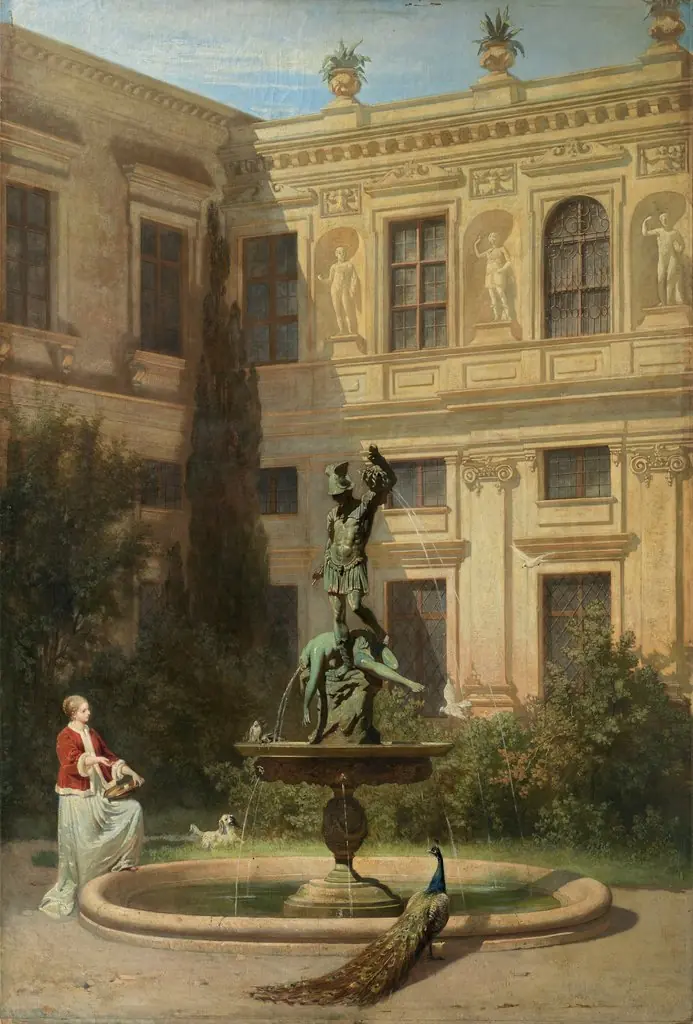 Courtyard with the Grotto in the Munich Royal Residence
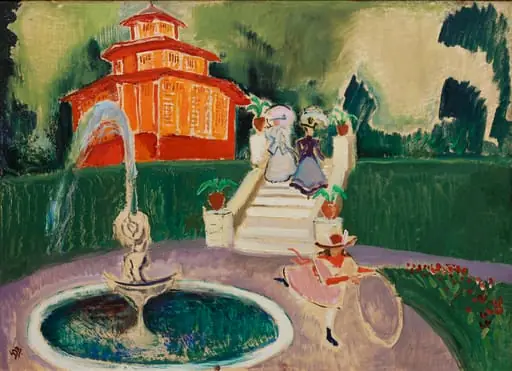 Pavilionul chinezesc la Giurgiu
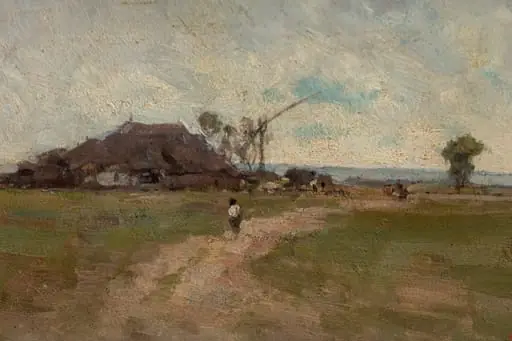 Casă țărănească în câmp (Pe valea Moldovei)
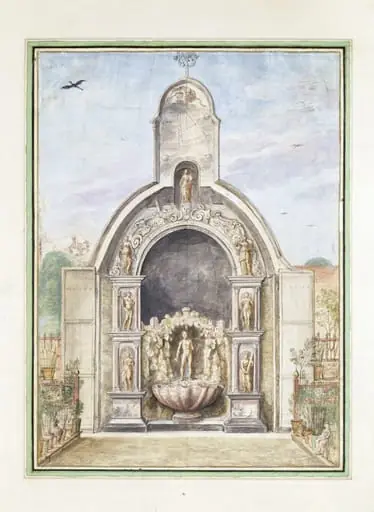 Red Peppers, Capiscum
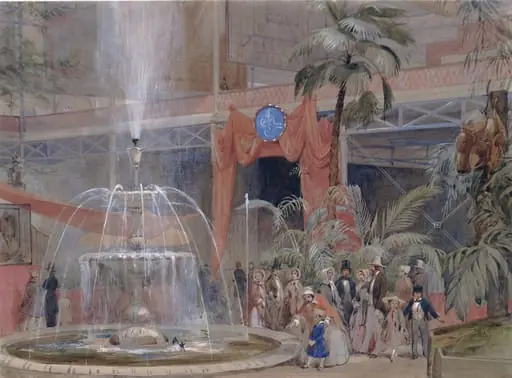 View of the North Transept, the Entrance to the Tukish Pavilion
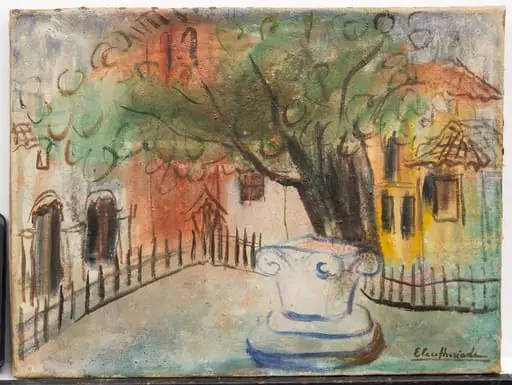 Campo San Zaccaria (Piață din Veneția)
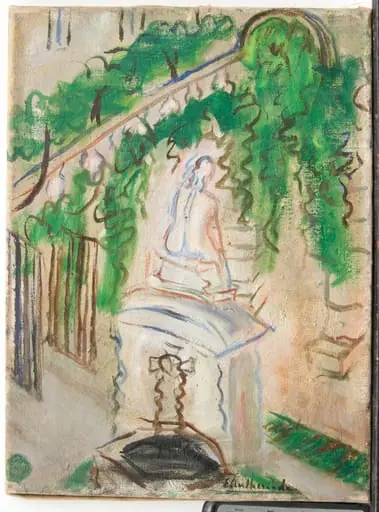 Cortile di Ca' Pesaro - Veneția
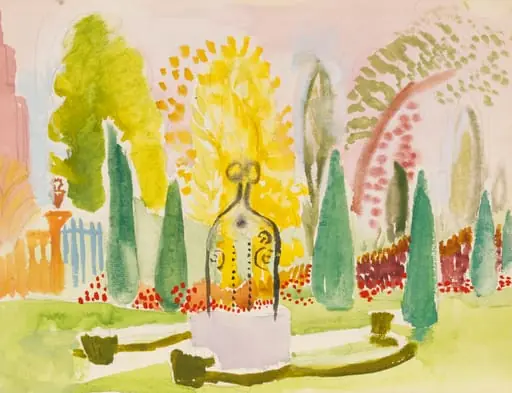 Peisaj
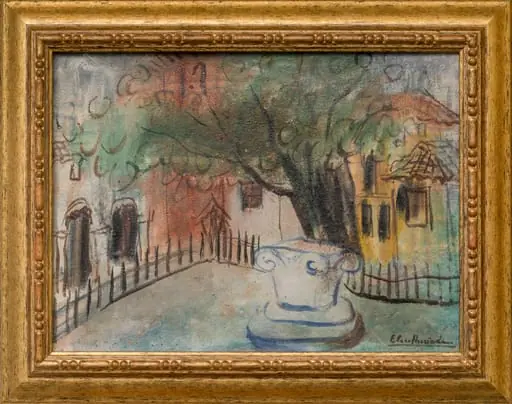 CAMPO ZACCARIA
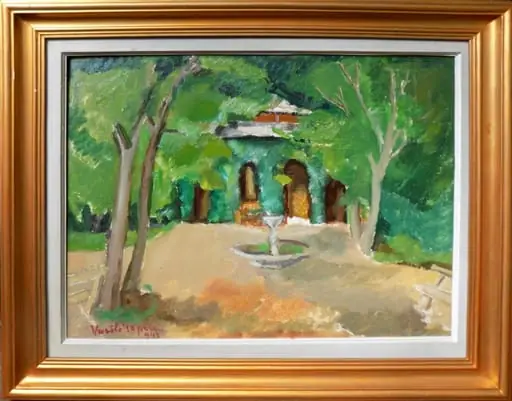 Peisaj din Buziaș
 Nuntă la Deleni
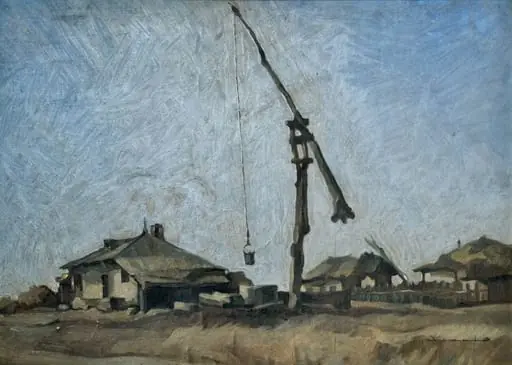 Peisaj cu cumpănă
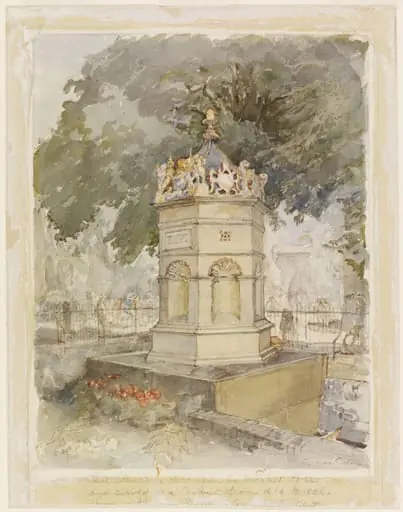 Hobson's Conduit, Cambridge
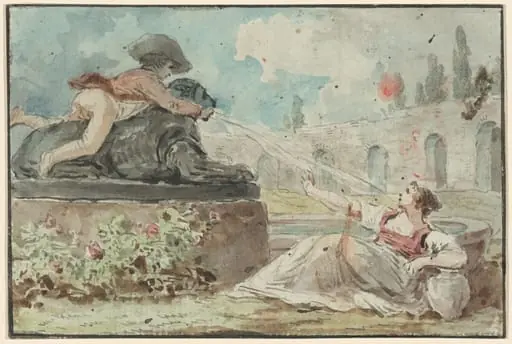 Couple by a Fountain
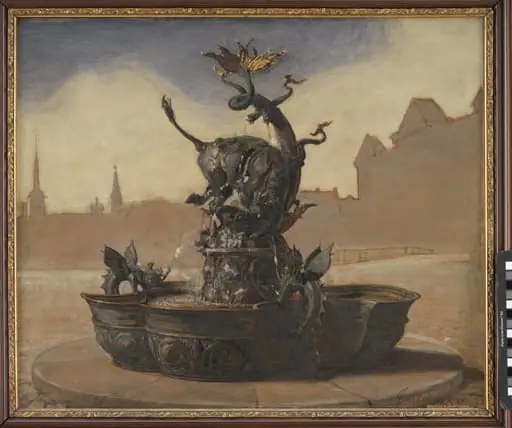 Sketch for Dragespringvandet (the Dragon Fountain)
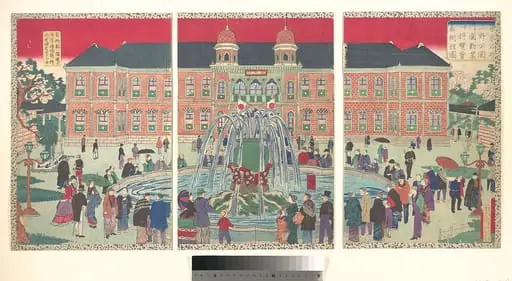 東京名所 上野公園内国勧業第二博覧会美術館図|Illustration of the Museum at the Second National Industrial Exhibition in Ueno, from the series Famous Places in Tokyo (Tokyo meisho-Ueno kōen naikoku kangyō daini hakurankai bijutsukan zu)
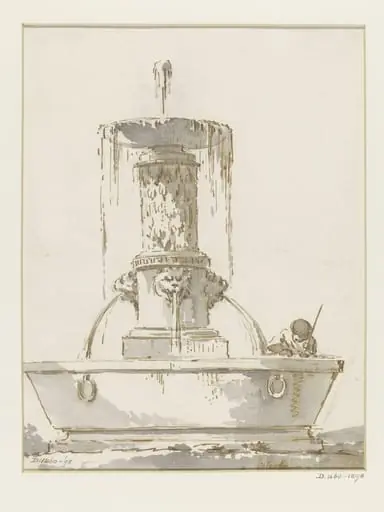 Drawing of fountain
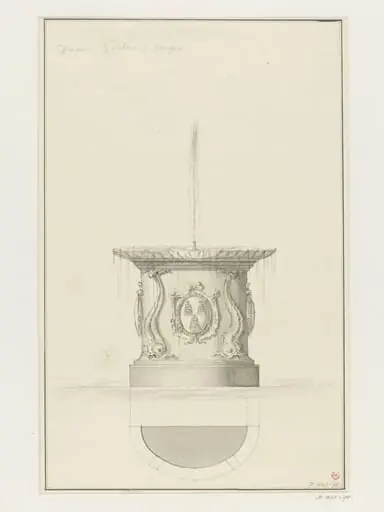 Drawing of fountain in Draper's Gardens
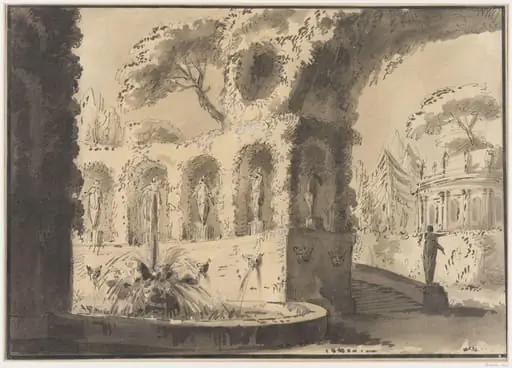 Landscape
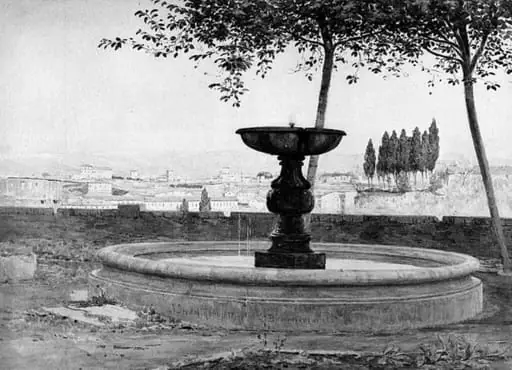 A View from S. Onofrio on Monte Gianicolo, Rome
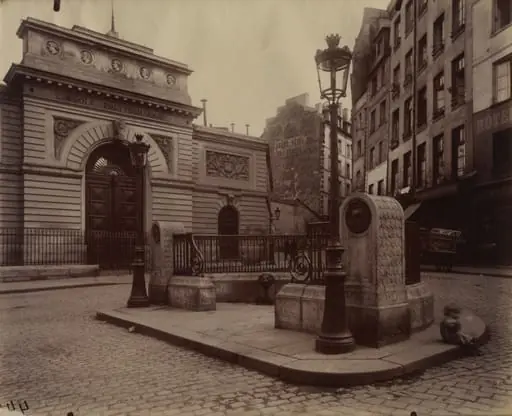 Fountain of the L'École Polytechnique
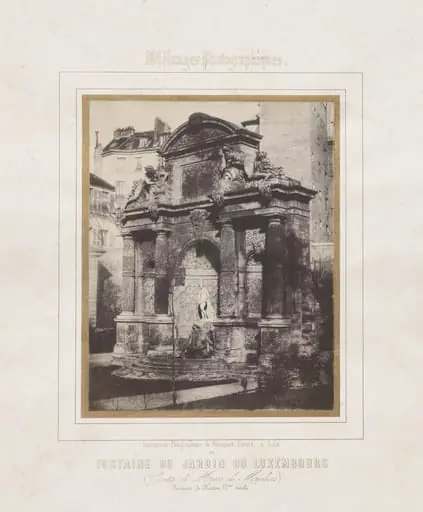 Fontaine du Jardin du Luxembourg (grotte de Marie de Médécis)
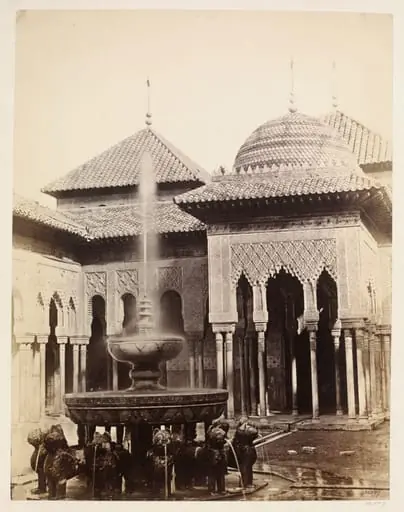 The Alhambra. Fountain and the pavilion of the Court of the Lions
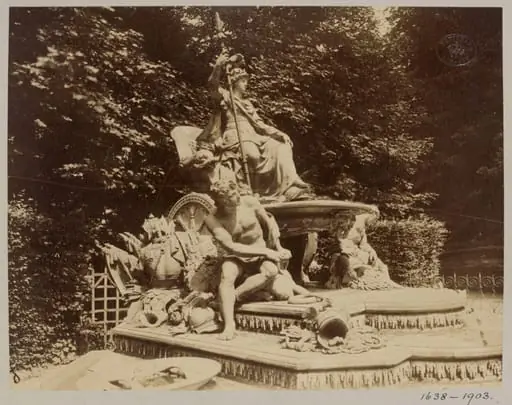 "France Triumphant", Versailles, France
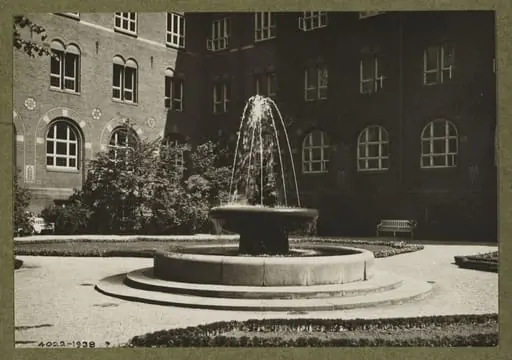 Untitled
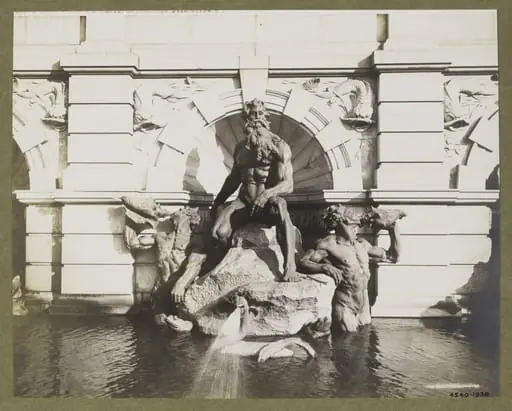 Untitled
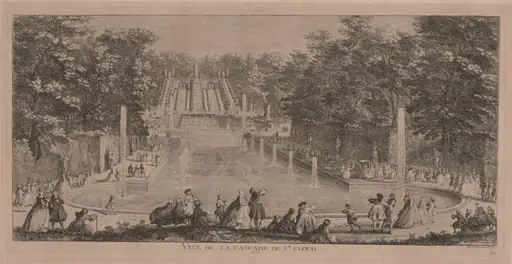 The Cascades of St. Cloud
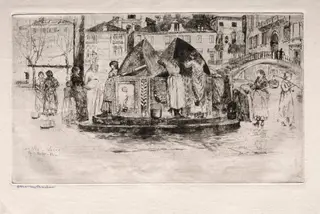 Etchings of Venice: Pozzo San Vio
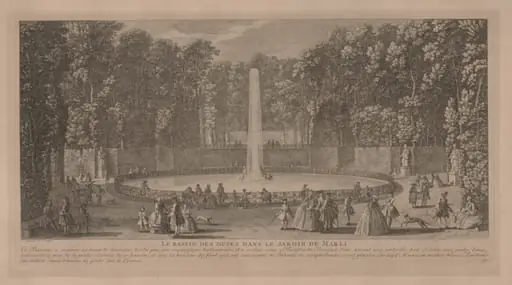 Pool of the Muses at Marli
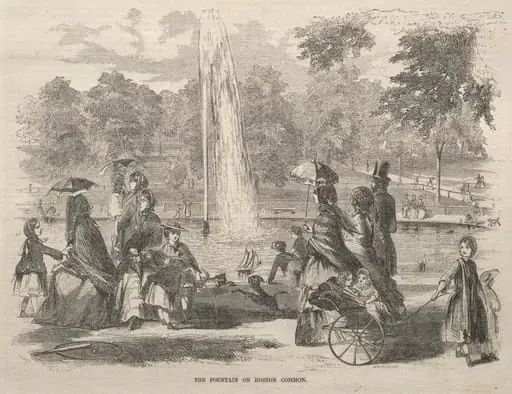 The Fountain at Boston Common
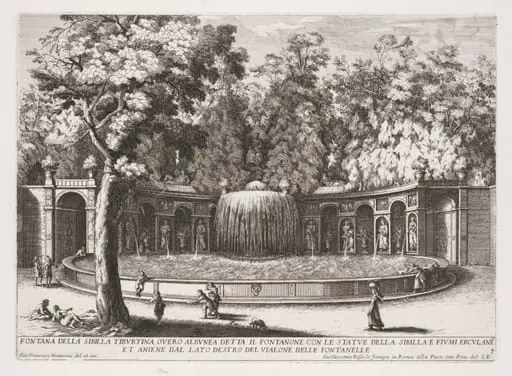 The Fountains of Rome (Le fontane di Roma), Book IV, plate 7: Fountain of the Tiburtine Sibyl (Fontana della Sibilla Tiburtina)
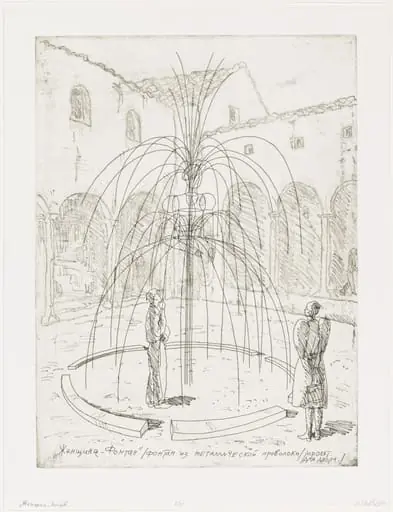 Untitled
Frequently asked questions
What is Fountain?
Fountain is a subject in art. A fountain, from the Latin "fons" (genitive "fontis"), meaning source or spring, is a decorative reservoir used for discharging water.
How many Fountain works does Artifact World Gallery have?
Artifact World Gallery holds 145 public-domain Fountain works, all free to view and download.
Who are the key Fountain artists?
Key Fountain artists in the collection include Titian, Thomas Cole and Seymour Joseph Guy.
Where can I see Fountain works?
Fountain works in the collection are held by National Gallery of Art, Metropolitan Museum of Art and Museo del Prado.