Artwork
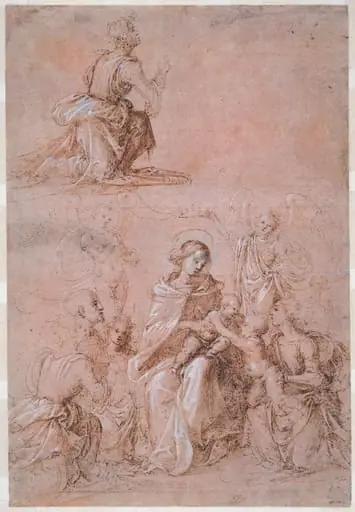
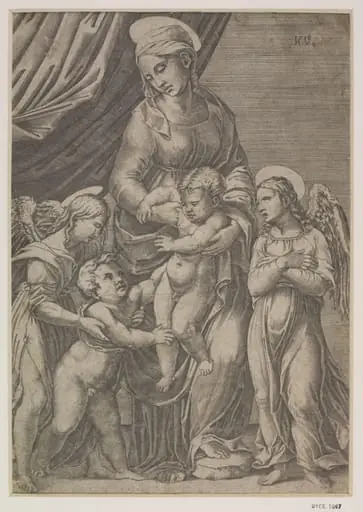
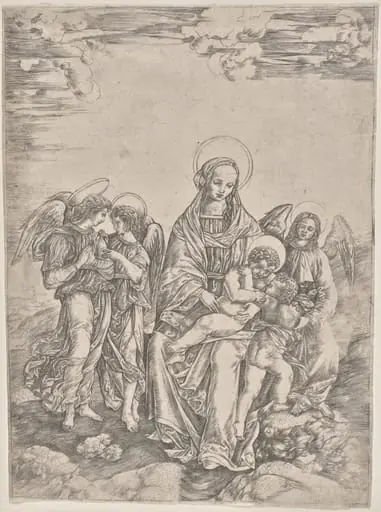
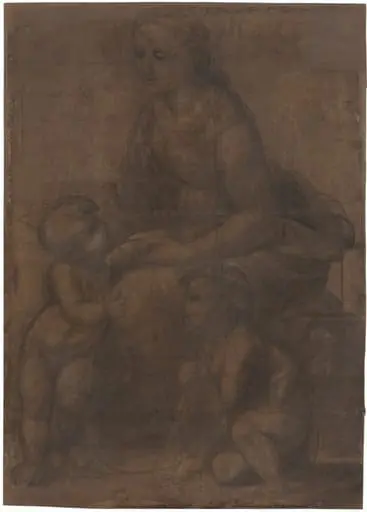
Madonna and Child with the Infant Saint John the Baptist and Two Putti (recto); Madonna and Child with the Infant Saint John the Baptist and a Putto (verso)
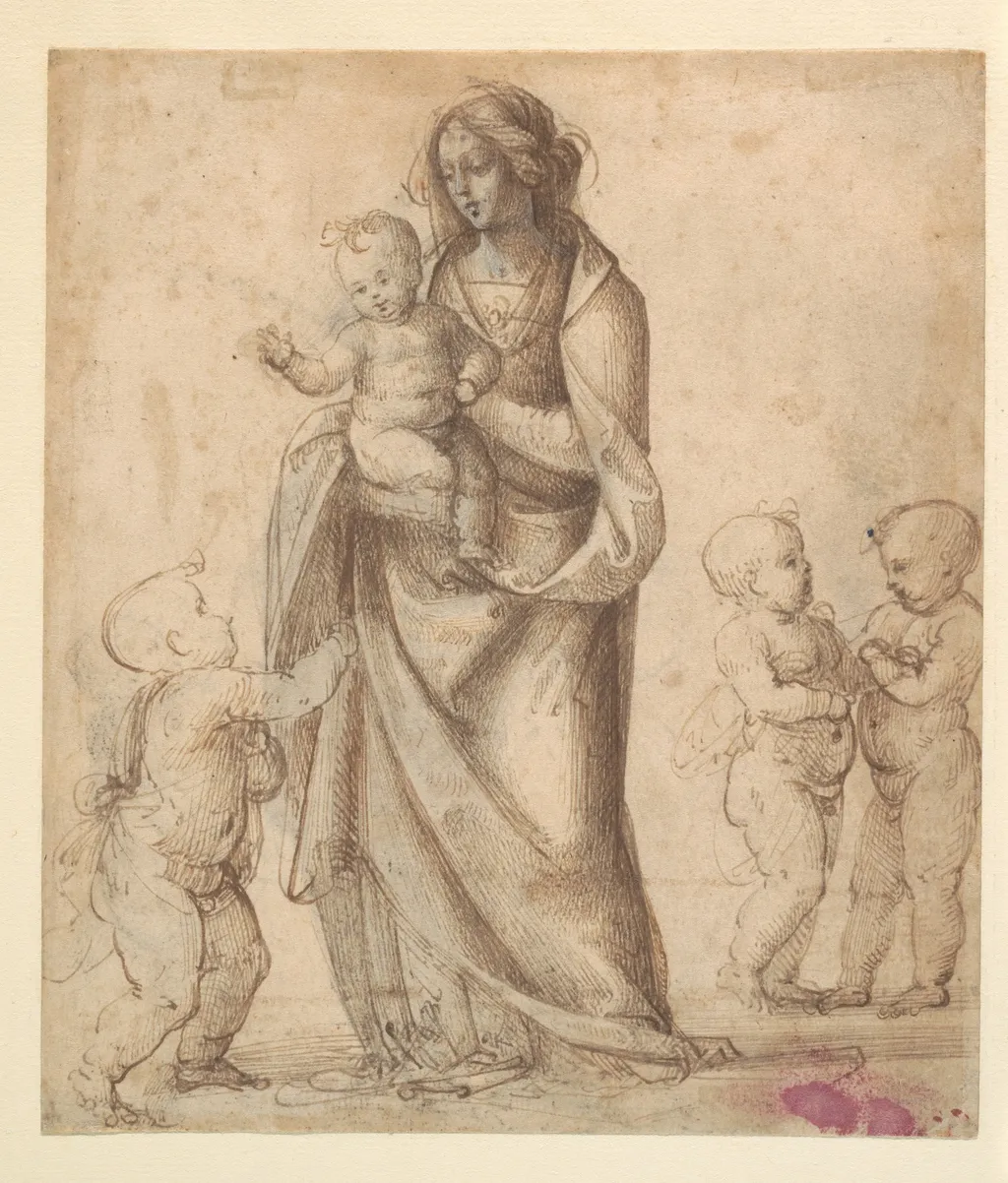
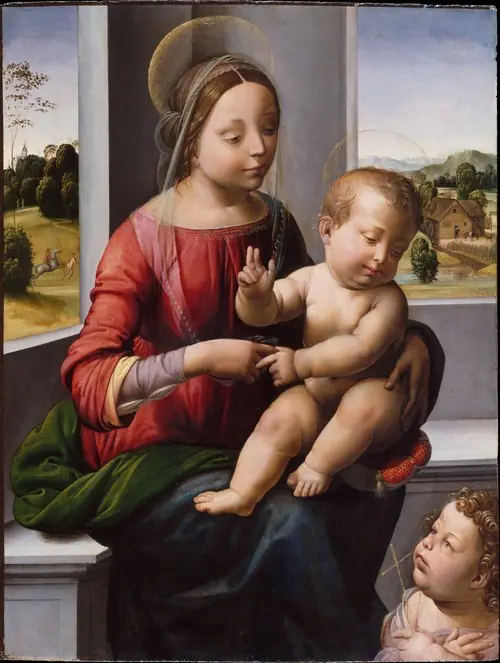
Madonna and Child with the Infant Saint John the Baptist and Two Putti (recto); Madonna and Child with the Infant Saint John the Baptist and a Putto (verso) is an unspecified painting by the High Renaissance artist Fra Bartolomeo. It dates from 1505 and is held in the collection of the Metropolitan Museum of Art.
About this work
Subject & Meaning
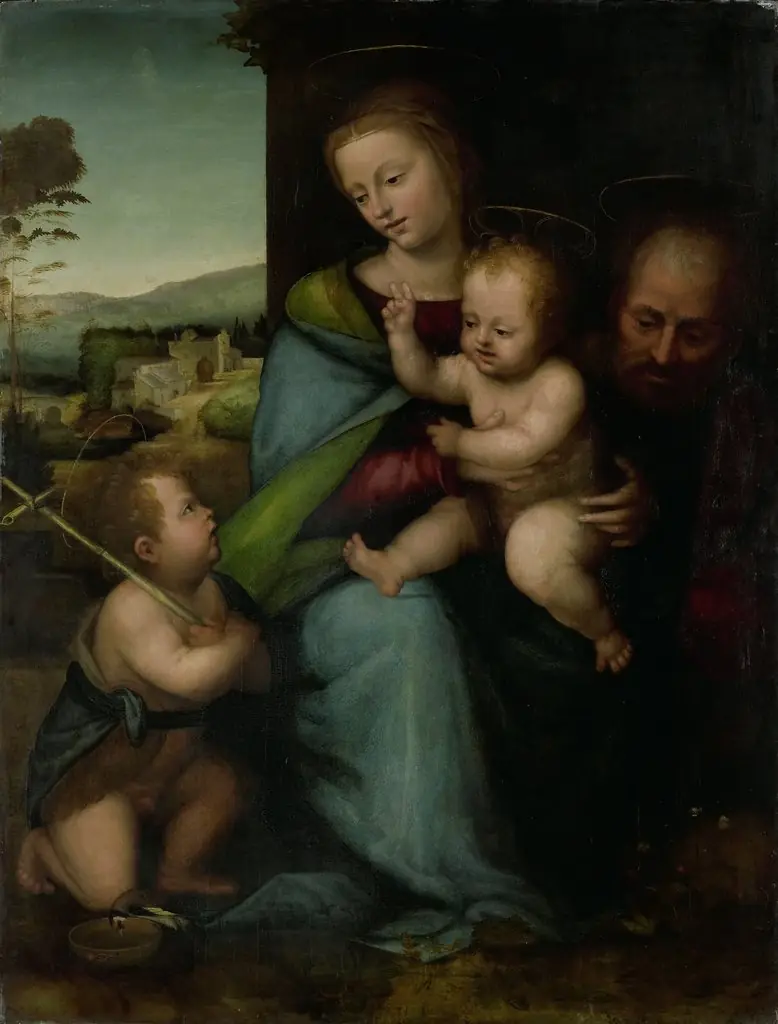
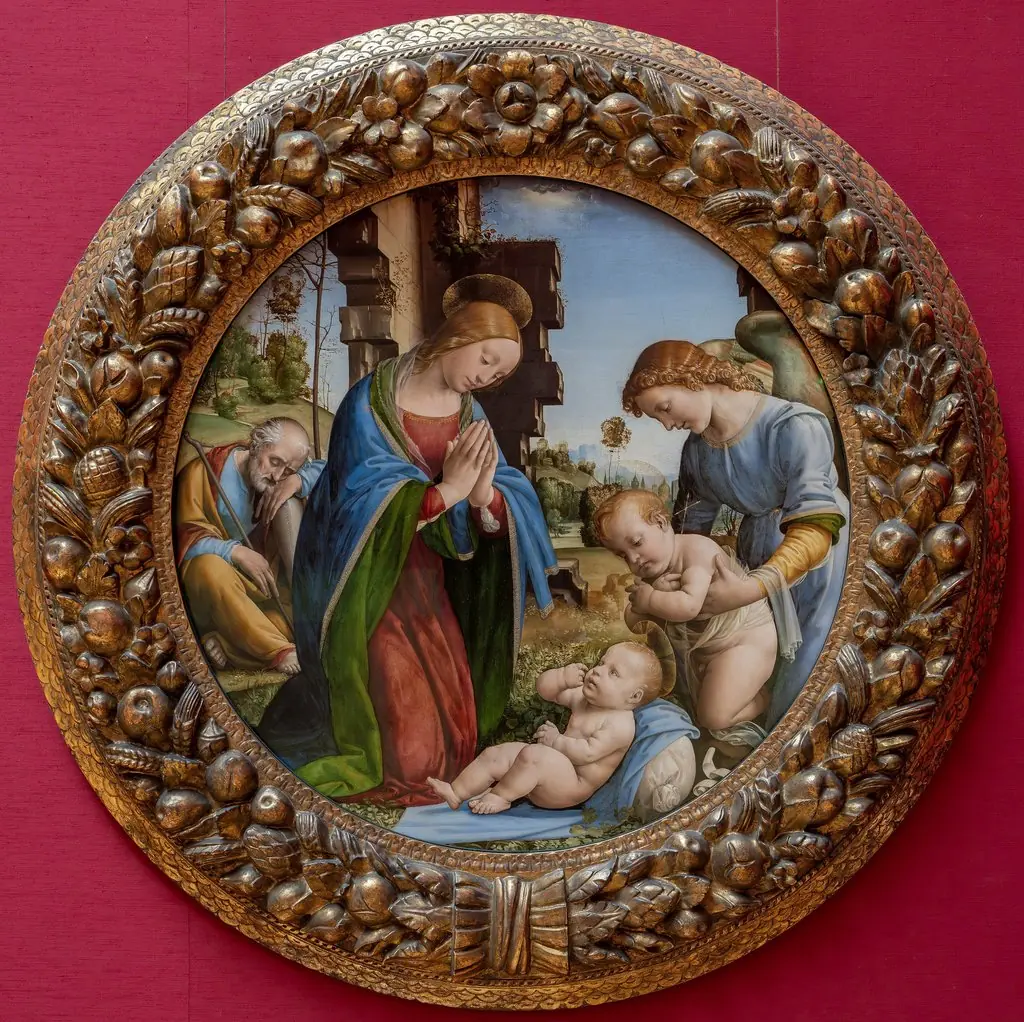
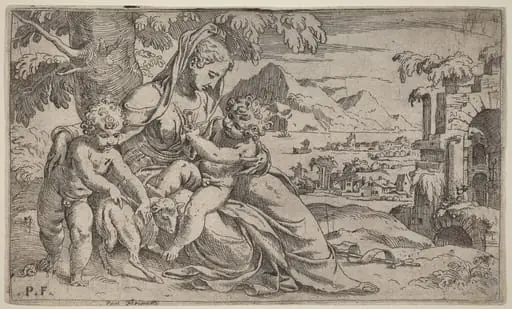
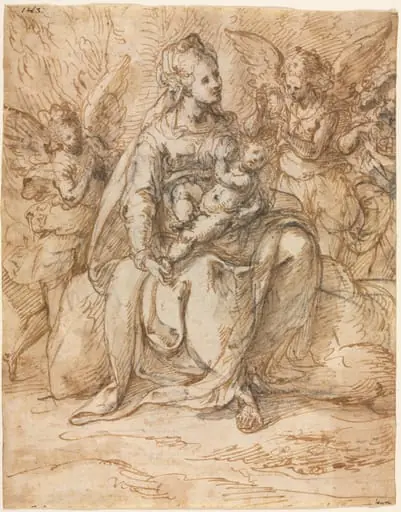
The work portrays the Virgin cradling the infant Christ alongside the infant Saint John the Baptist and one or two cherubic putti, a composition that combines the traditional Holy Family motif with symbols of divine foreknowledge and heavenly guardianship. The infant John, identified by his later attribute of a lamb, signifies his prophetic role as the precursor of Christ, while the putti function as symbolic angels, emphasizing the sacred and celestial context of the scene. Executed in 1505 by Fra Bartolomeo, the painting reflects Renaissance devotional practices that highlighted the intimate relationship among the Holy Family, John the Baptist, and the heavenly realm, reinforcing theological concepts of incarnation and redemption.
History & Provenance
No early commission details or patron are recorded, and no exhibition history is cited in the available sources.
Created by Fra Bartolomeo (Bartolomeo di Paolo del Fattorino) in 1505, this double-sided religious work depicts the Madonna and Child with the Infant Saint John the Baptist and putti on both recto and verso. The piece measures 18.7 by 16.3 centimeters. Its documented ownership history traces to Robert Lehman, and it is now part of the Robert Lehman Collection at the Metropolitan Museum of Art, New York, which forms a distinct segment of the museum's holdings.
The work is classified as a religious painting. No early commission details or patron are recorded, and no exhibition history is cited in the available sources.
Overview
Fra Bartolomeo, a Dominican friar and Italian Renaissance painter, completed Madonna and Child with the Infant Saint John the Baptist and Two Putti in 1505. This High Renaissance painting depicts a traditional religious scene, featuring the Virgin Mary, the Christ Child, and the young Saint John the Baptist, accompanied by cherubic figures. The work is currently housed within the collection of The Metropolitan Museum of Art.
Context
Fra Bartolomeo's artistic career unfolded primarily in Florence, though he also undertook commissions in other cities like Rome. His early training occurred under Cosimo Rosselli. A significant turning point in his life was the influence of Girolamo Savonarola's teachings, which led him to join the Dominican order in 1500, deeply shaping his approach to religious art.
Technique & Style
Executed during the High Renaissance, the painting exhibits a realistic rendering of its subjects. The figures are presented with a sense of quiet dignity, particularly the Virgin's long, flowing robe and the simple attire of the children. The background remains understated, allowing the viewer's focus to remain on the intimate interaction of the holy figures, characteristic of devotional works from this period.
Own this work as a print
Artist & collection
Artist
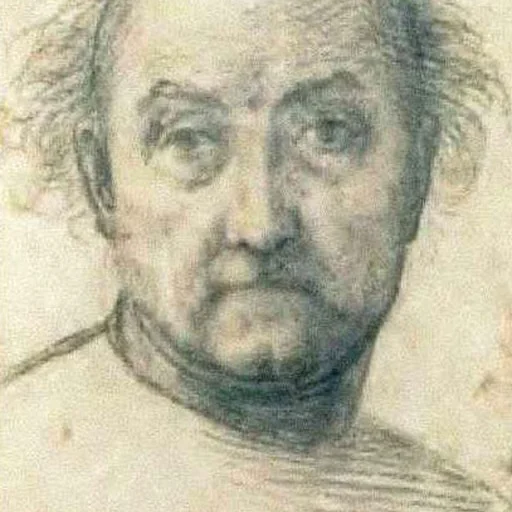
Fra Bartolomeo or Bartolommeo (UK: US: Italian:; 28 March 1472 – 31 October 1517), also known as Bartolommeo di Pagholo, Bartolommeo di San Marco, Bartolomeo di Paolo di Jacopo del Fattorino, and his original nickname…