Artwork
Ascension of Christ
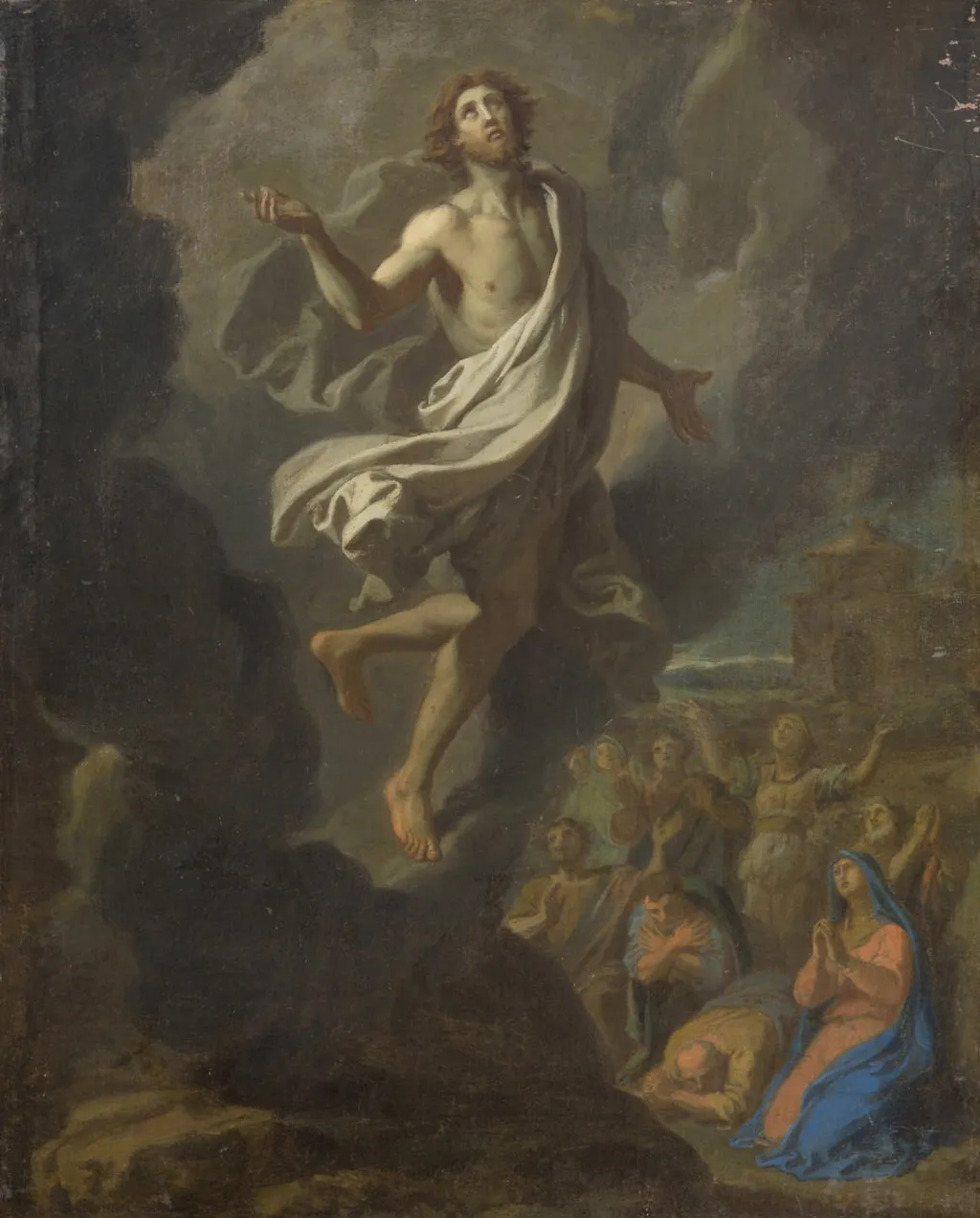
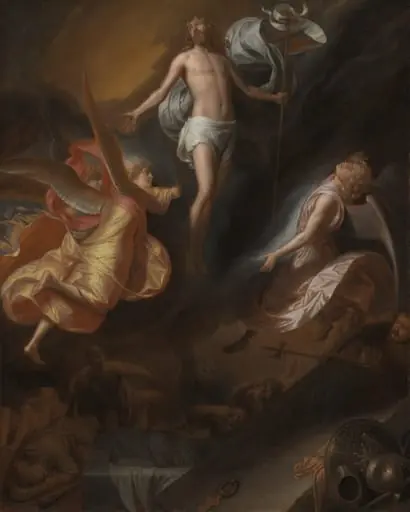
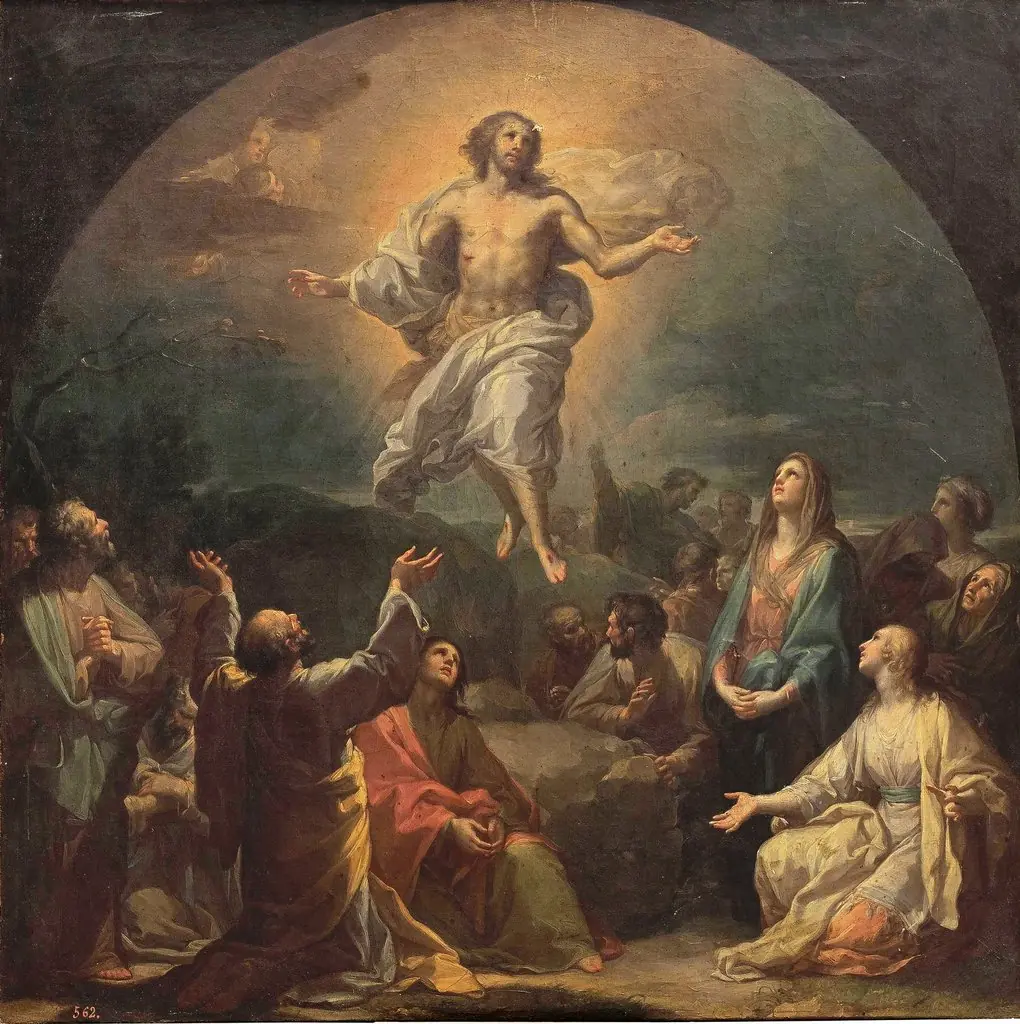
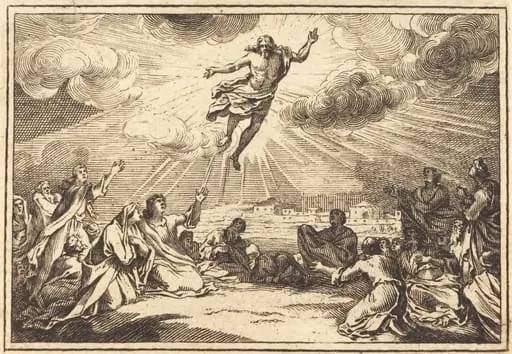
Ascension of Christ is an unspecified painting by the Rococo painting artist François-Alexandre Verdier. It dates from 1700 and is held in the collection of the Kunsthistorisches Museum.
About this work
Subject & Meaning
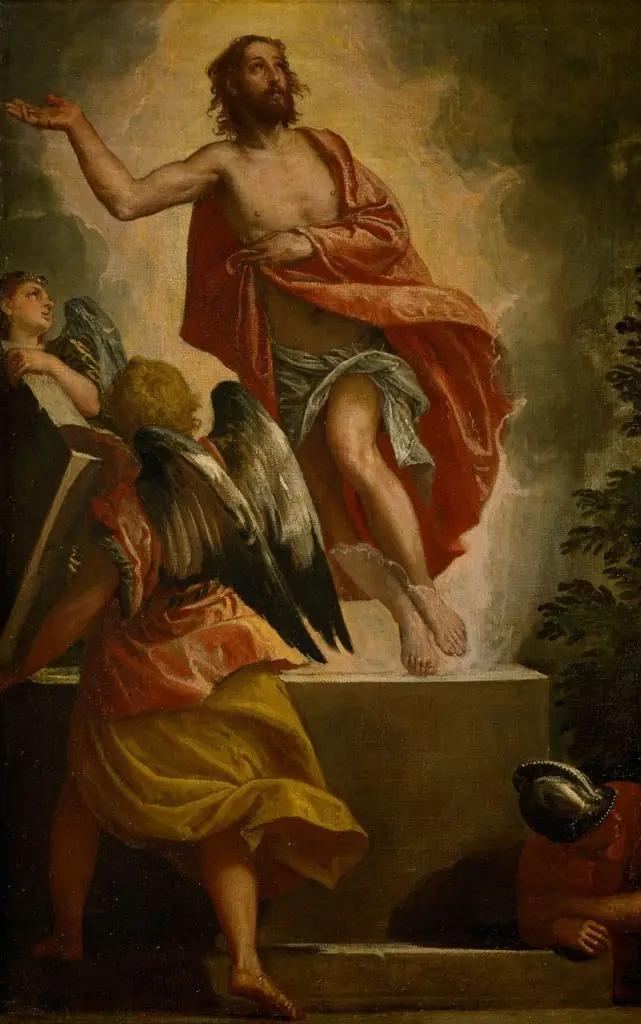
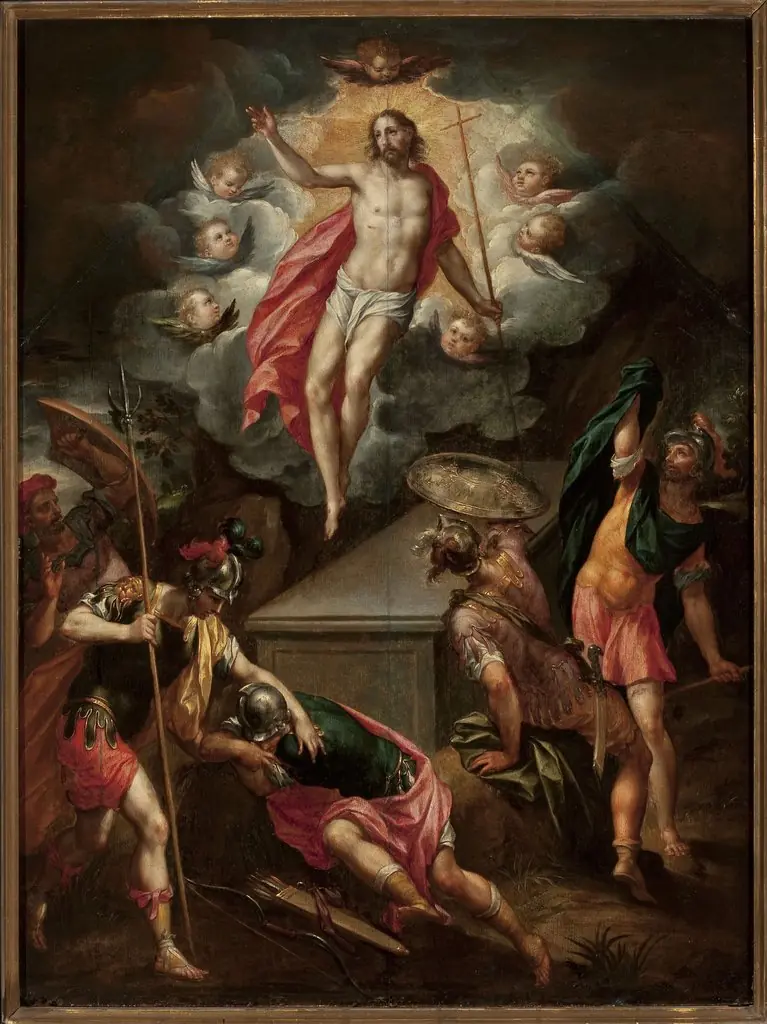
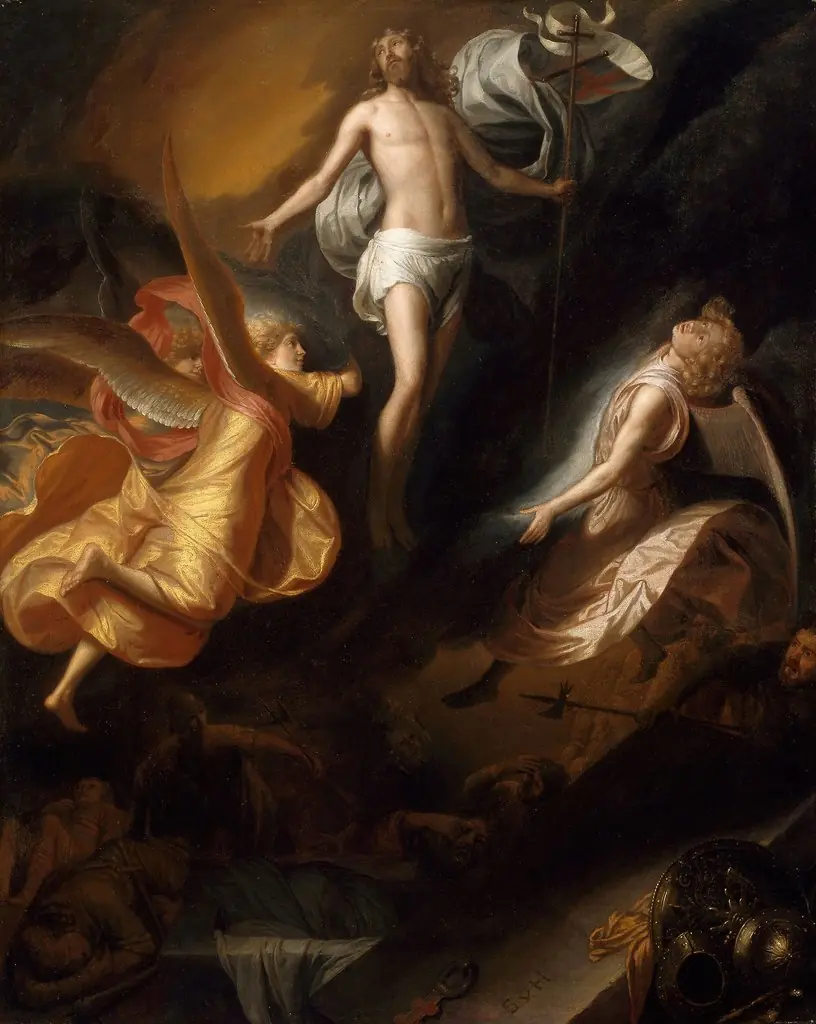
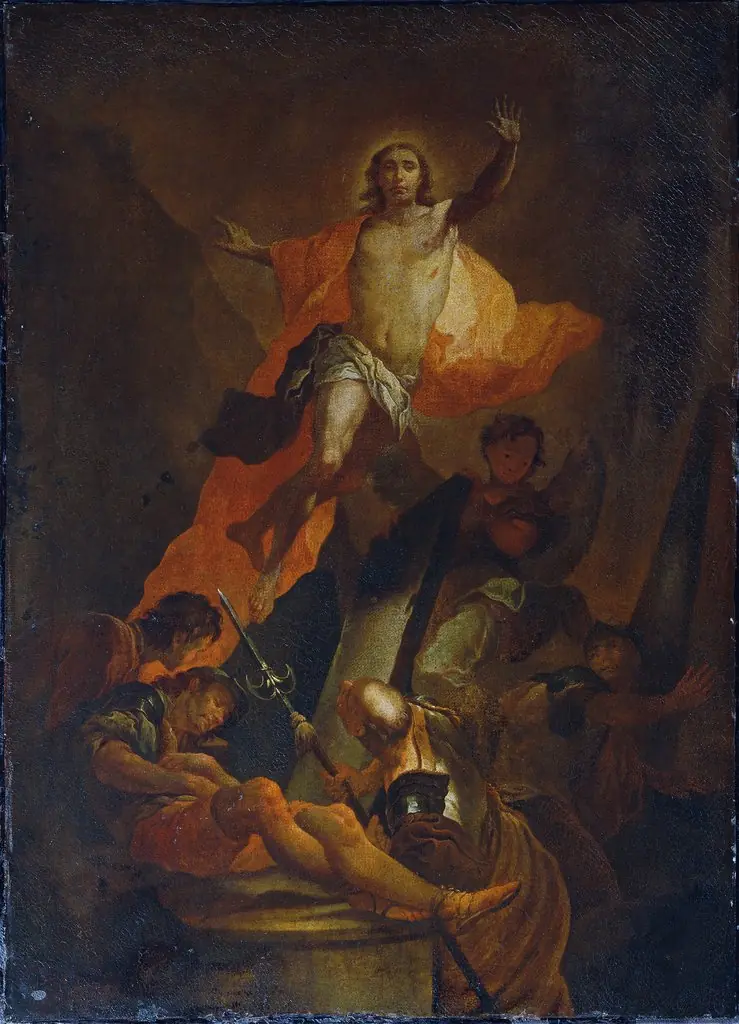
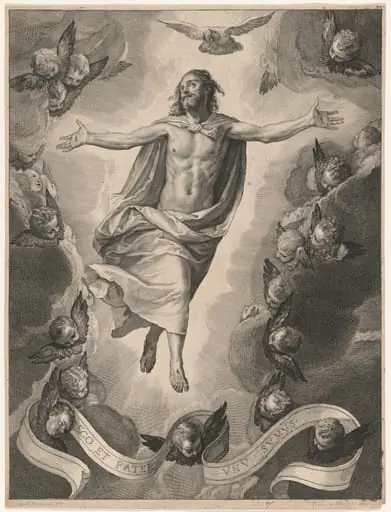
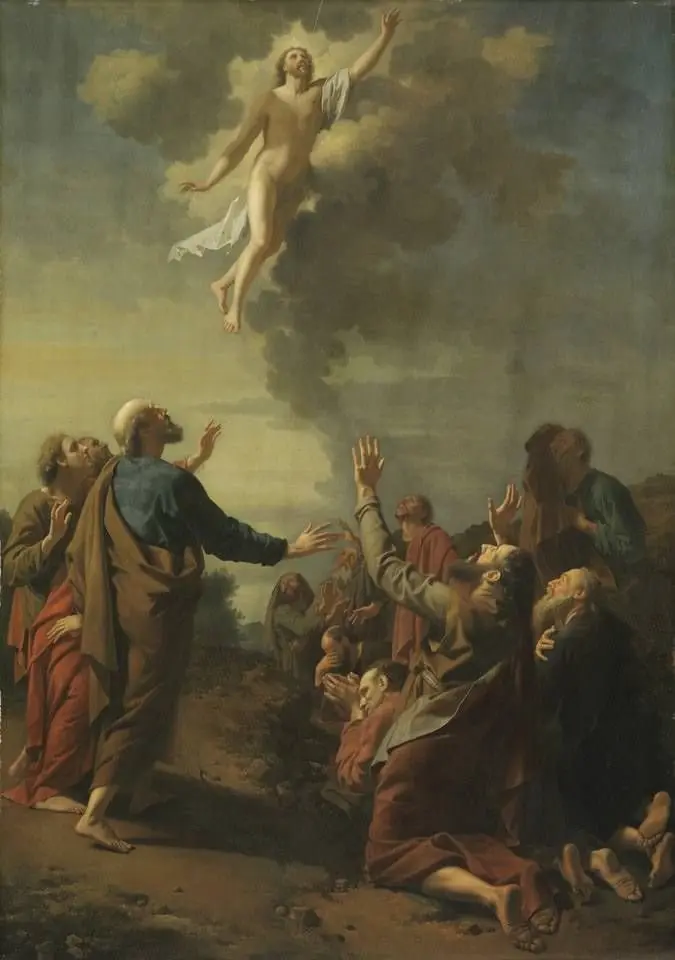
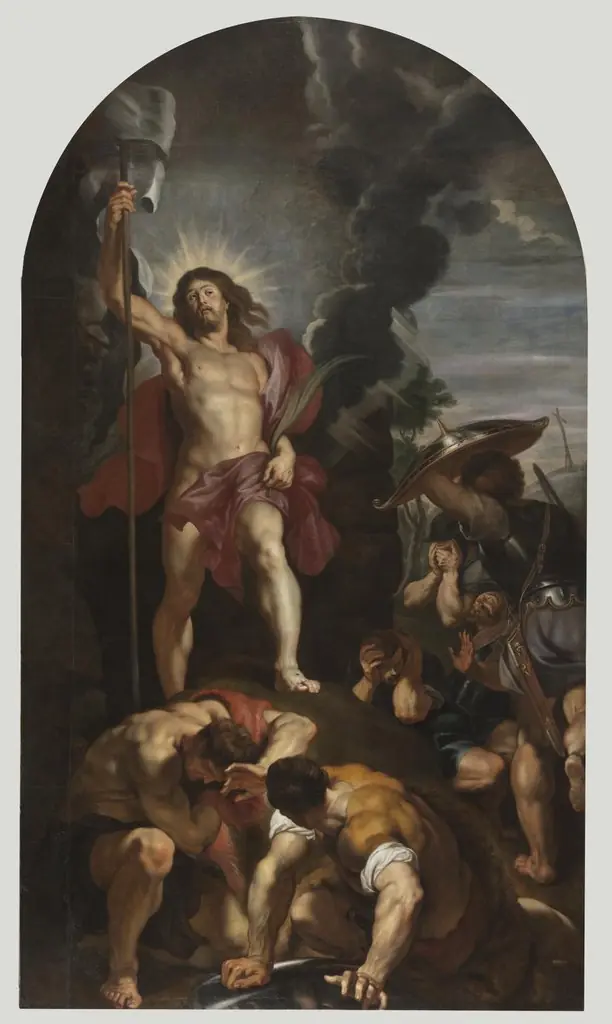
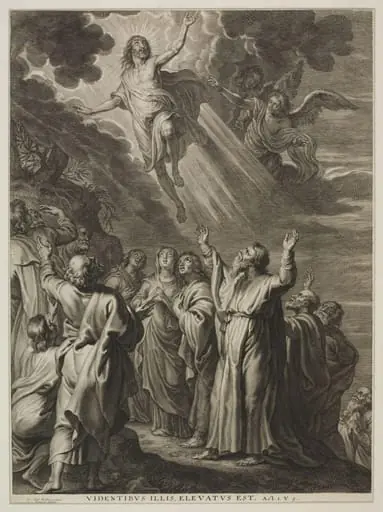
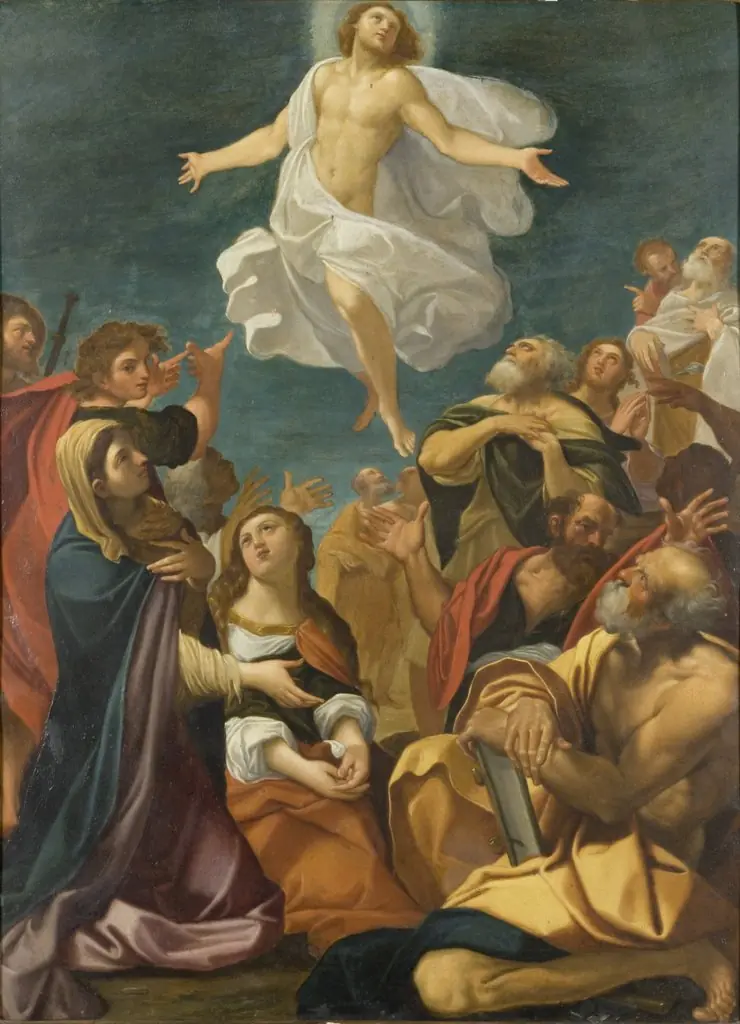
François-Alexandre Verdier's 1700 painting depicts the Ascension of Jesus, a central event in Christian theology where Christ rises bodily into heaven.
François-Alexandre Verdier's 1700 painting depicts the Ascension of Jesus, a central event in Christian theology where Christ rises bodily into heaven. As a work of religious art, the piece focuses exclusively on the figure of Jesus Christ as the primary subject. The composition serves as a visual representation of this specific biblical narrative, adhering to the traditional iconography of the Ascension genre.
By capturing this moment of divine transition, the artwork functions as a devotional image intended to illustrate the glorification of Christ following his resurrection.
History & Provenance
Ascension of Christ is held in the collection of the Kunsthistorisches Museum, where it bears the inventory number 2001.0001. The work has been exhibited in the museum's permanent display of Baroque religious paintings and featured in the 2015 exhibition "Baroque Masterpieces of the 18th Century" at the Kunsthistorisches Museum.
The painting measures 40 cm by 33 cm and dates to 1700.
Legacy
The Ascension of Christ by François-Alexandre Verdier, painted in 1700, contributed to religious art discourse in the early 18th century. Its depiction of Jesus Christ's ascension is part of the religious art genre and was created for the Kunsthistorisches Museum, where it remains in the collection. The work is recognized as an example of religious painting from this period, reflecting theological themes through its composition and subject matter.
The painting's legacy is tied to its continued presence in museum holdings and scholarly interest in Verdier's religious works. It is categorized under religious art and remains a reference point for studies on religious representation in European painting.
The artwork's influence is noted in art historical records as part of the broader corpus of religious paintings from the 1700s, though specific later receptions are not detailed in available sources.
Overview
François‑Alexandre Verdier, a French artist trained by Charles Le Brun, completed the painting Ascension of Christ in 1700. Executed in a Rococo idiom, the canvas portrays the biblical moment when Jesus rises to heaven and is presently part of the Kunsthistorisches Museum’s collection.
Technique & Style
Verdier employs chiaroscuro, contrasting a bright, upward‑directed light on the ascending figure with a darker surrounding landscape. This illumination accentuates the flesh and garment, while the soft glow of surrounding clouds enhances the ethereal atmosphere typical of Rococo’s graceful lightness.
Artist & collection
Artist
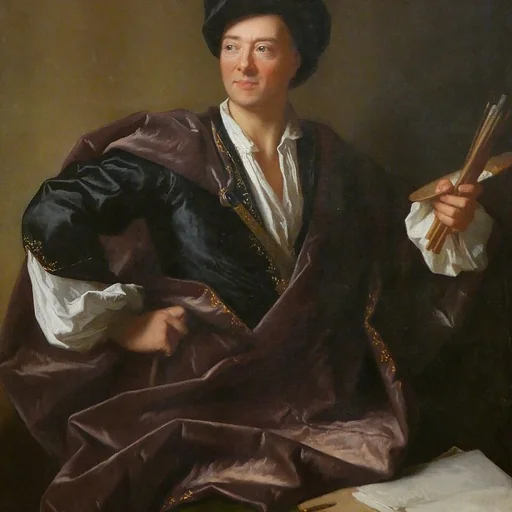
François-Alexandre Verdier (c. 1651–1730) was a French painter, draftsman and engraver. He was a student and assistant of Charles Le Brun.