Artwork
The Ascension of Christ
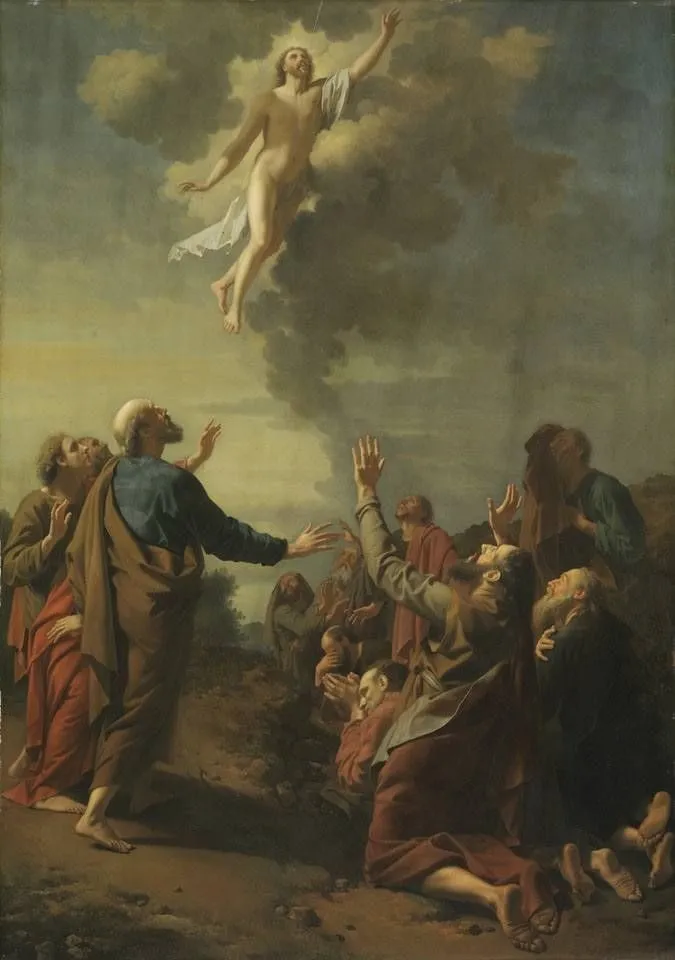
The Ascension of Christ is an oil painting by the Rococo painting artist Adriaen van der Werff. It dates from 1710 and is held in the collection of the Bavarian State Painting Collections.
About this work
Subject & Meaning
The composition centers on this main subject, aligning with the devotional purpose typical of early 18th-century ecclesiastical commissions.
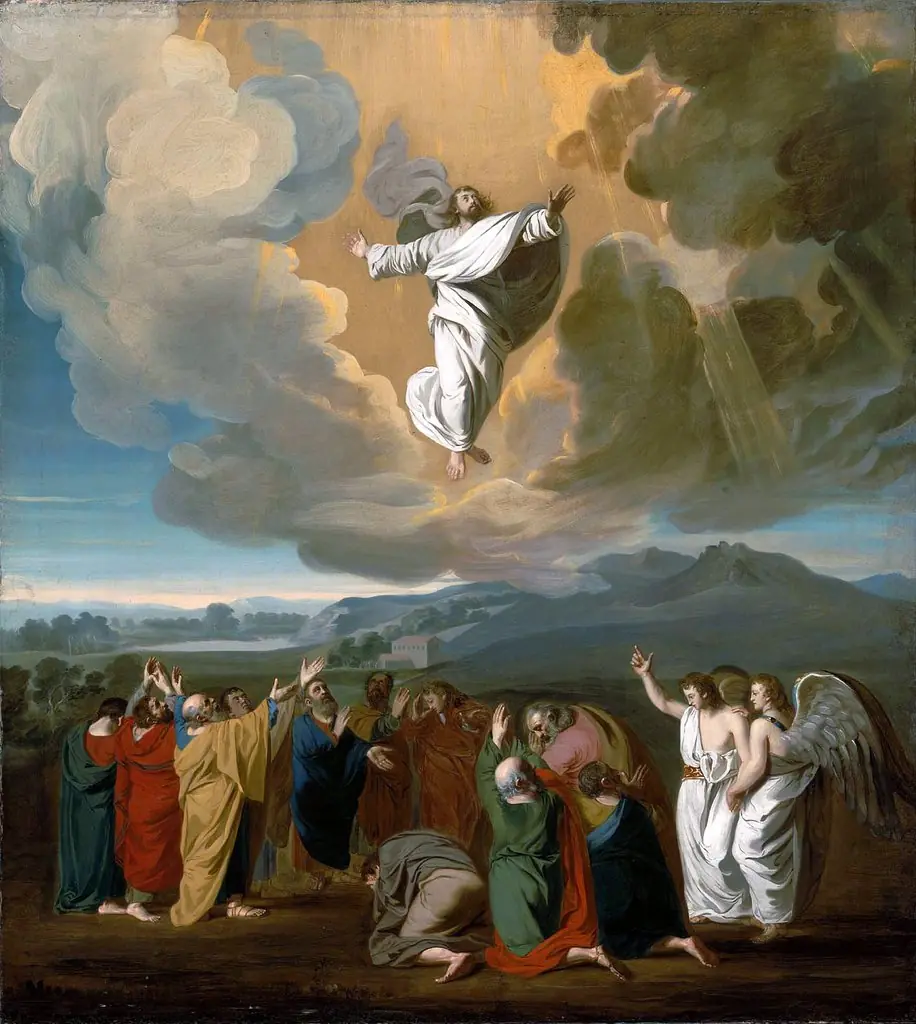
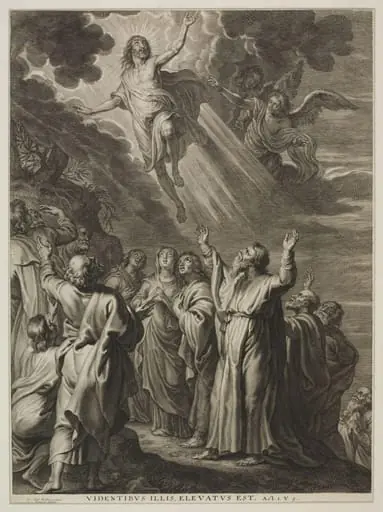
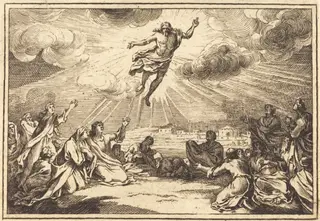
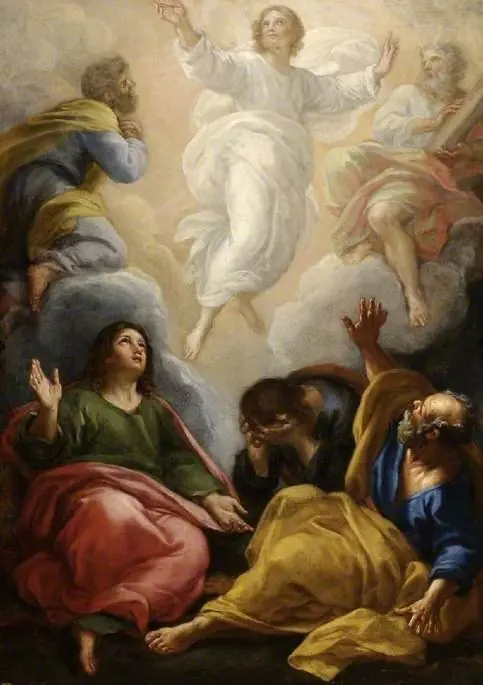
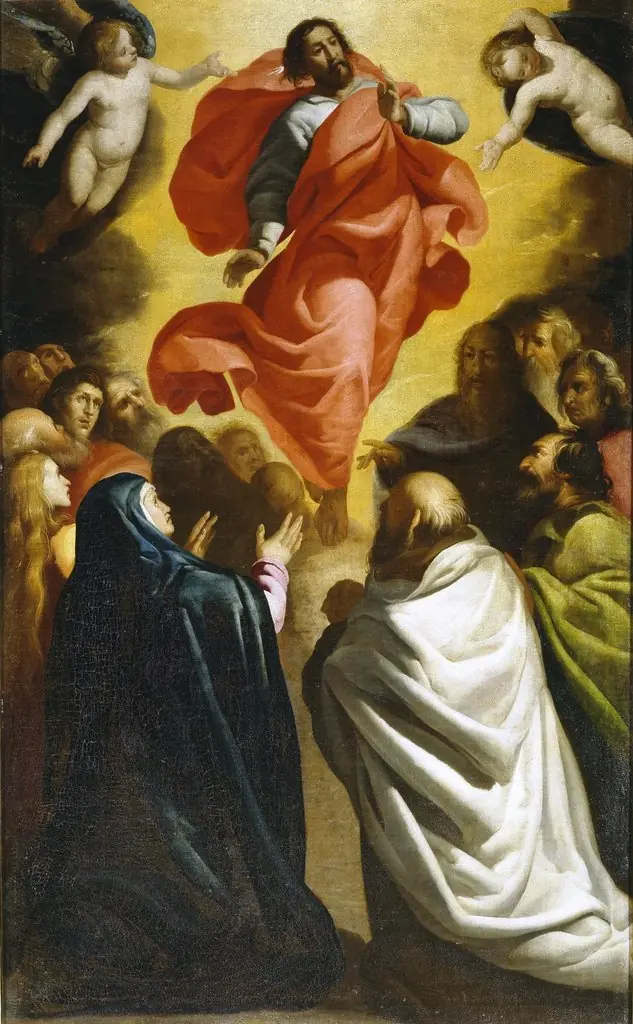
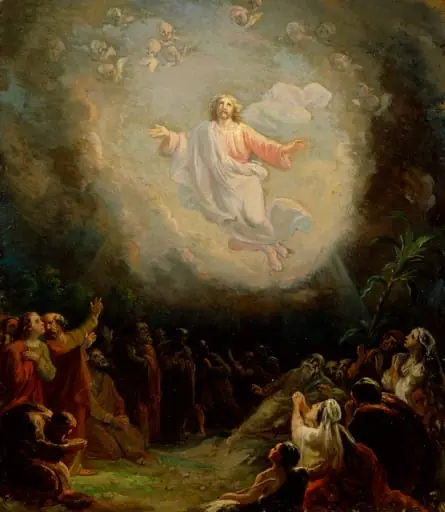
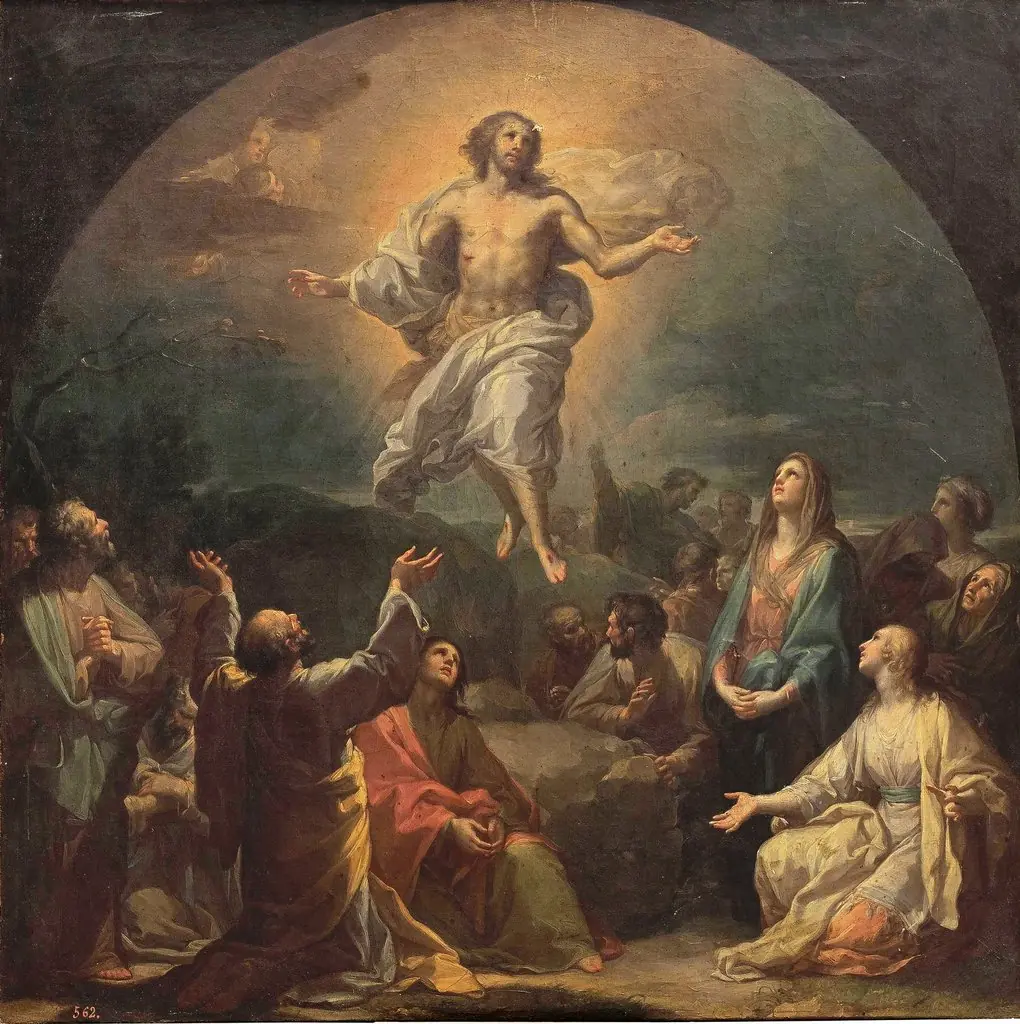
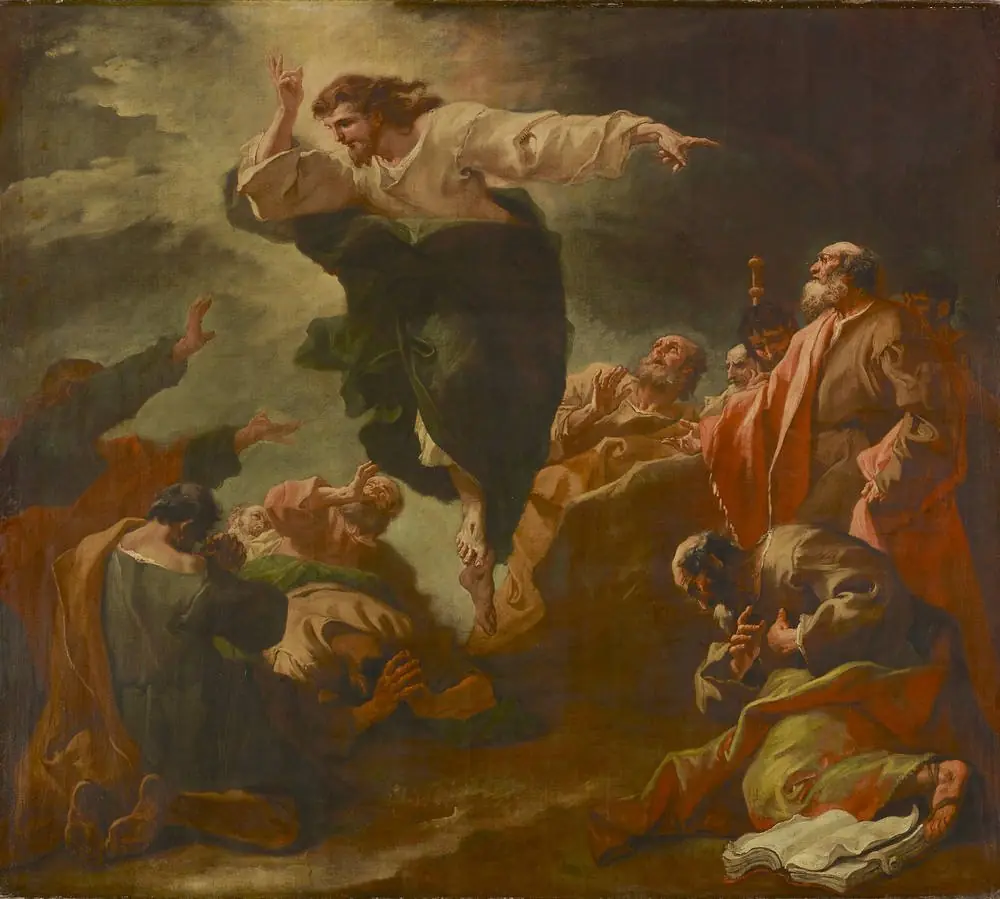
The Ascension of Christ by Adriaen van der Werff depicts the biblical event of the Ascension of Jesus, serving as a work of religious art. Commissioned in 1710 by Johann Wilhelm, Elector Palatine, the painting illustrates the moment of Christ's departure from Earth, a central subject in Christian iconography. As a religious genre piece, the work represents the theological significance of the event, focusing on the divine transition of Jesus.
The composition centers on this main subject, aligning with the devotional purpose typical of early 18th-century ecclesiastical commissions.
Technique & Style
Executed in 1710, this religious painting by Adriaen van der Werff utilizes oil paint applied to a panel support. The work measures 82 cm in height and 58 cm in width. Commissioned by Johann Wilhelm, Elector Palatine, the piece depicts the Ascension of Jesus, adhering to the conventions of religious art of the period.
The selection of a panel substrate rather than canvas reflects specific material choices common for works of this scale and era within the artist's oeuvre.
History & Provenance
Adriaen van der Werff executed The Ascension of Christ in 1710 as an oil painting on panel. The work was commissioned by Johann Wilhelm, Elector Palatine, who also served as its original owner. Following its creation, the painting entered the Elector's personal holdings, which later formed the core of the Electoral Gallery in Dusseldorf.
Today, the artwork is preserved within the Bavarian State Painting Collections and is on display at the Alte Pinakothek.
The Ascension of Christ is housed in the Alte Pinakothek, part of the Bavarian State Painting Collections, where it is recorded under inventory number 1824. It entered the collection through the Johann Wilhelm von der Pfalz (Elector Palatine) bequest in 1710, remaining in the Bavarian State Painting Collections, Johann Wilhelm von der Pfalz collection, Electoral Gallery Dusseldorf.
The work has been exhibited in several major shows, including the 1953 Bavarian State Exhibition in Munich and the 1978 European Paintings of the 18th Century exhibition at the Kunsthalle Düsseldorf. It was also featured in the 1995 "Religious Art in Baroque Germany" exhibition at the Germanisches Nationalmuseum, Nuremberg.
Overview
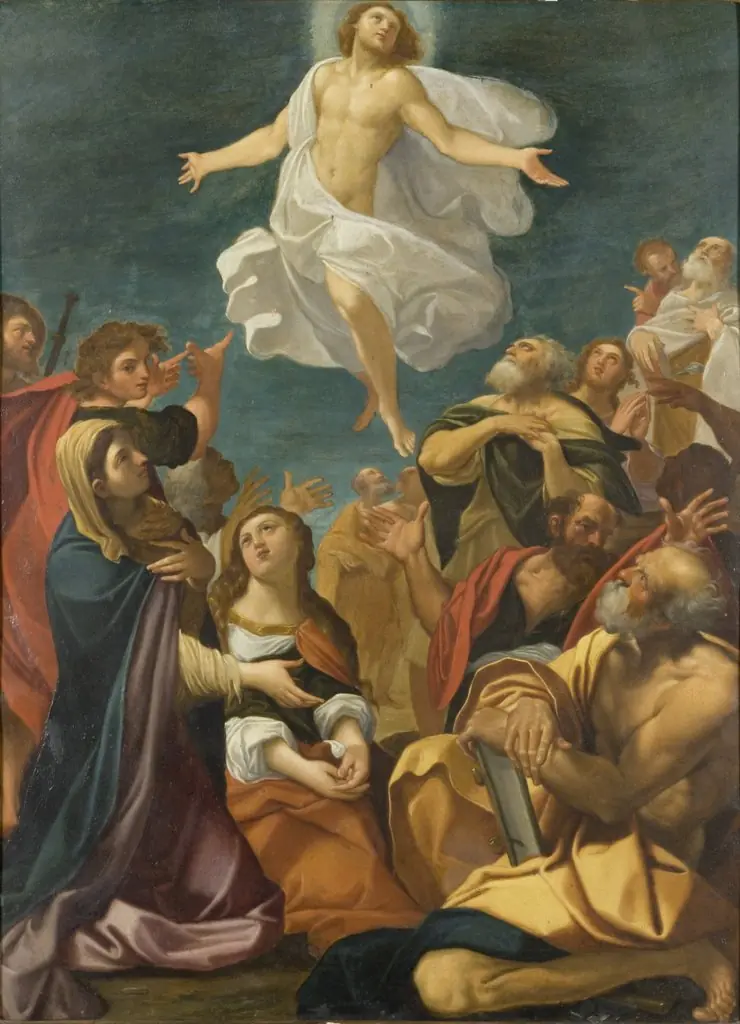
Adriaen van der Werff’s oil painting The Ascension of Christ was completed in 1710. Executed in the Rococo idiom, the work portrays the biblical moment when Jesus rises toward heaven, surrounded by a gathering of onlookers. The composition balances celestial movement with a grounded crowd, emphasizing both divine ascent and human reverence.
Context
Created during a period when Dutch artists were increasingly catering to European courts, the piece illustrates van der Werff’s adaptation of religious subjects to the decorative tastes of the early 18th‑century elite. Its Rococo sensibility aligns with contemporary preferences for graceful, emotive narratives, while retaining the devotional intensity of earlier Dutch religious painting.
Artist & collection
Artist
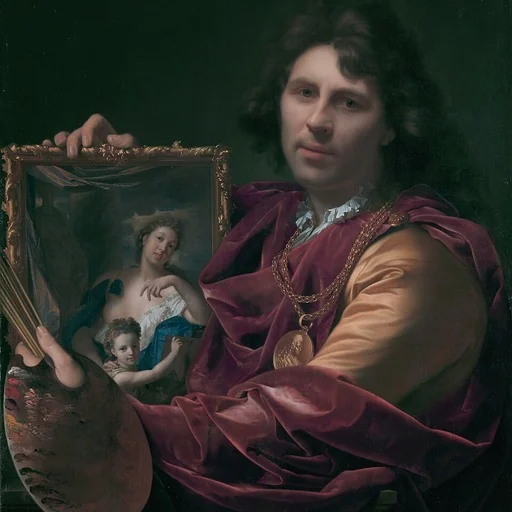
Adriaen van der Werff (21 January 1659 – 12 November 1722) was a Dutch painter of portraits and erotic, devotional and mythological scenes.

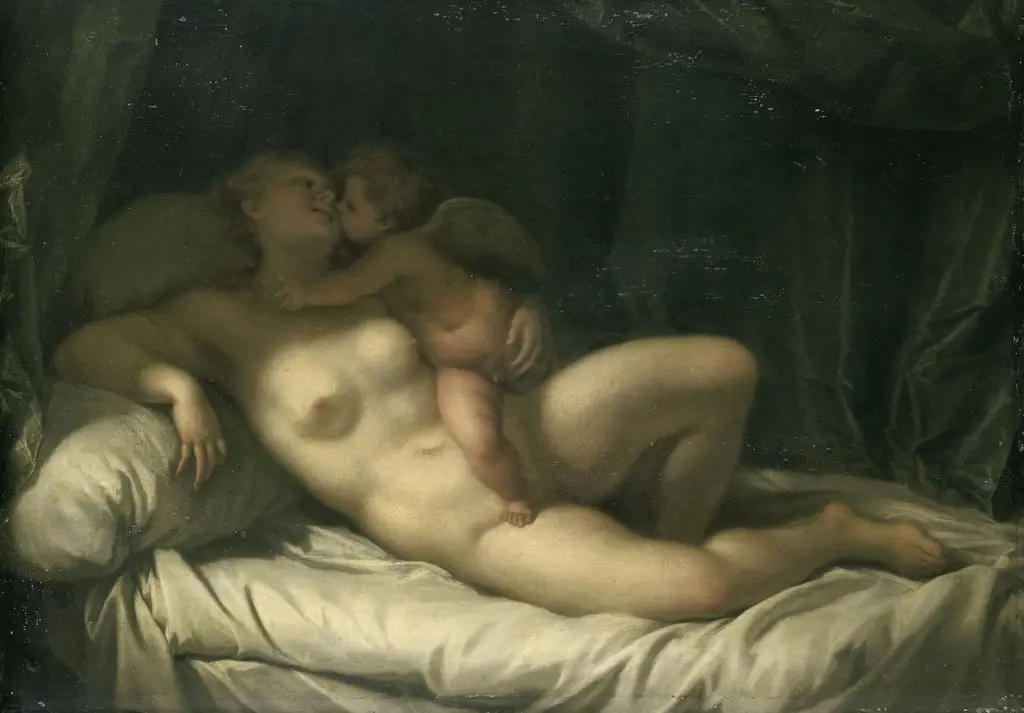 Cupid Kissing Venus (Venus Kissed by Amor)
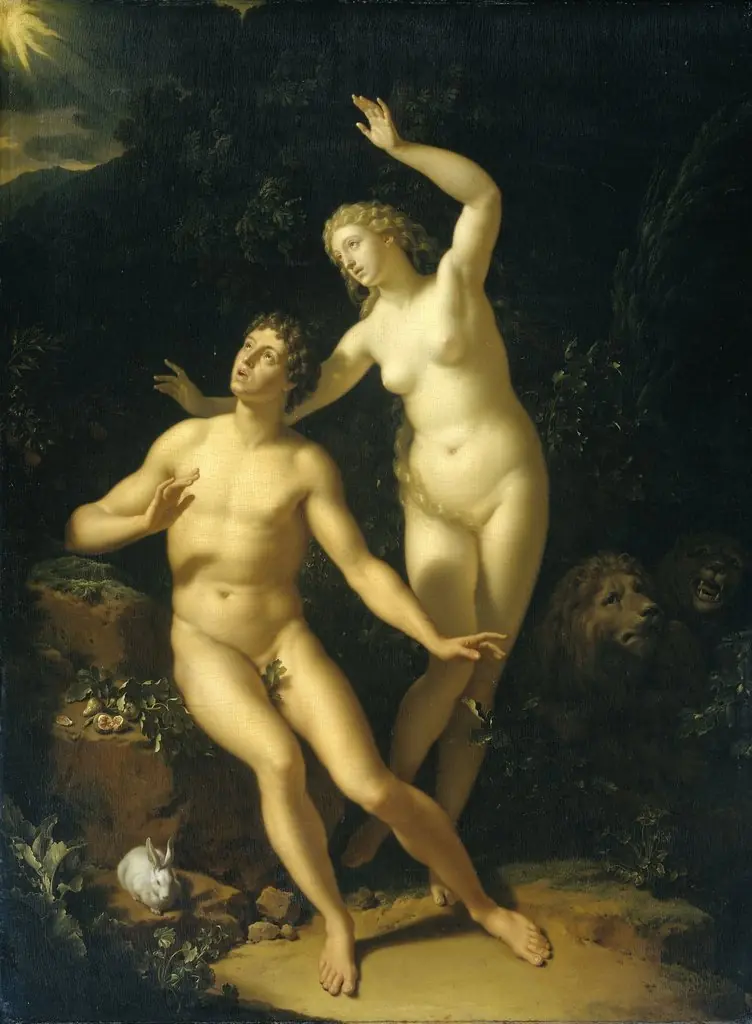 God Holds Adam and Eve Responsible
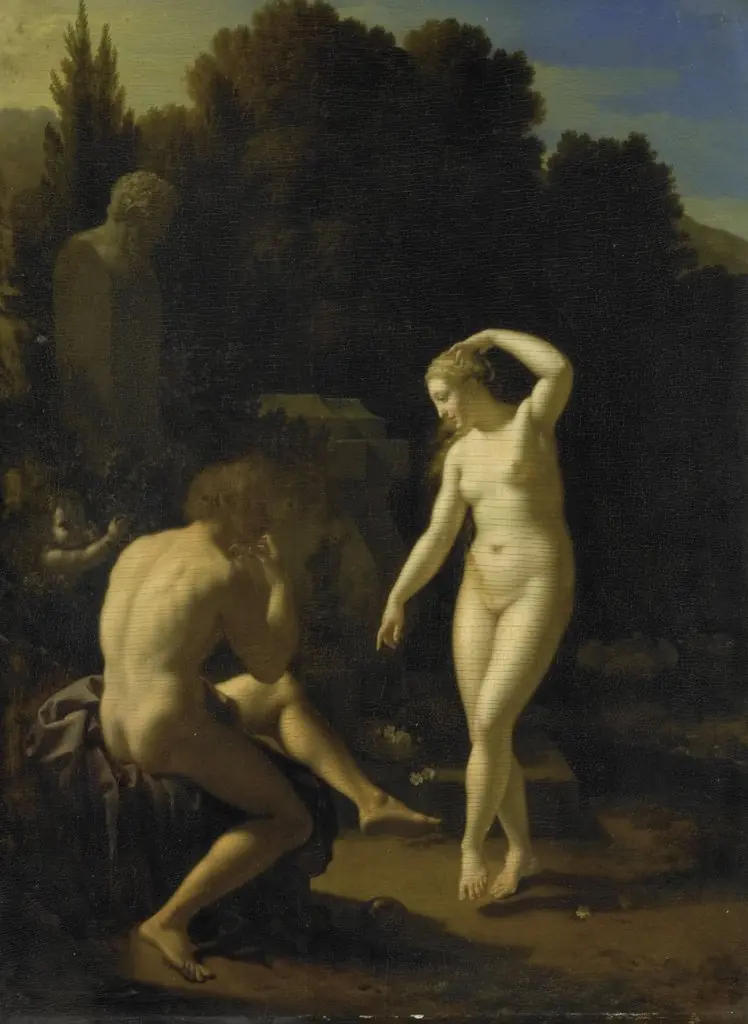 A Nymph Dancing to a Shepherd's Flute-Playing
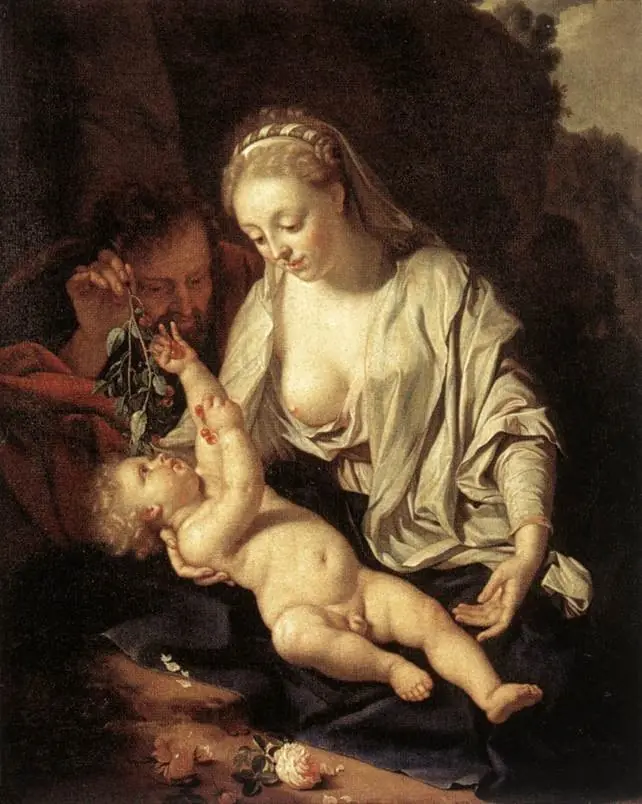 The Holy Family
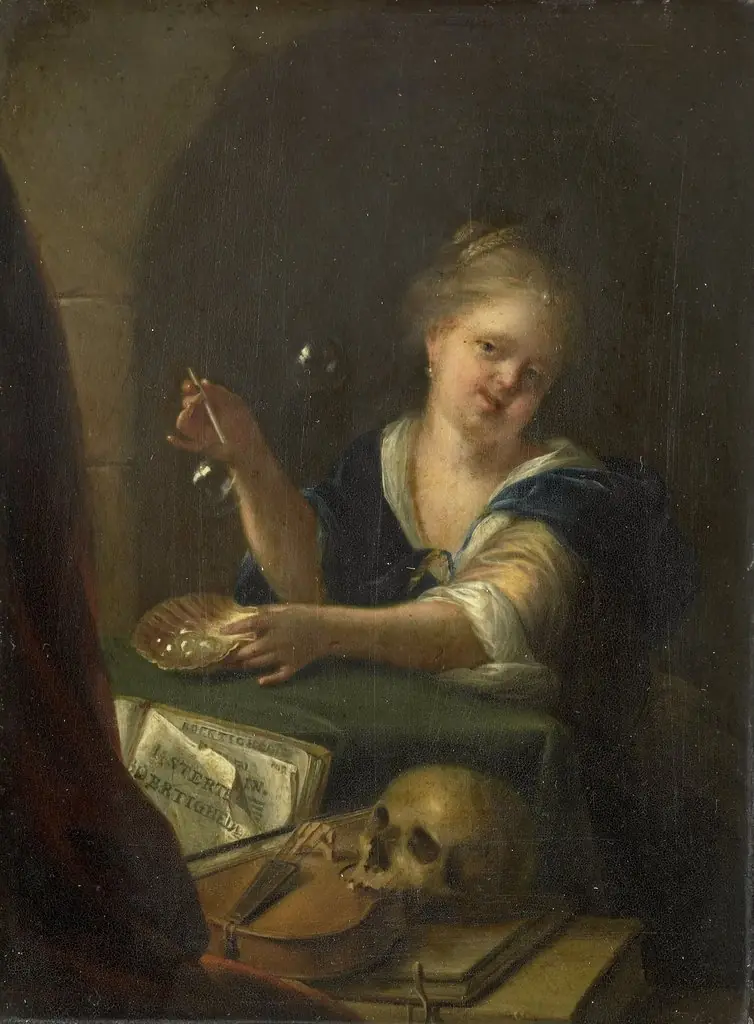 Bubble-blowing Girl with a Vanitas Still Life
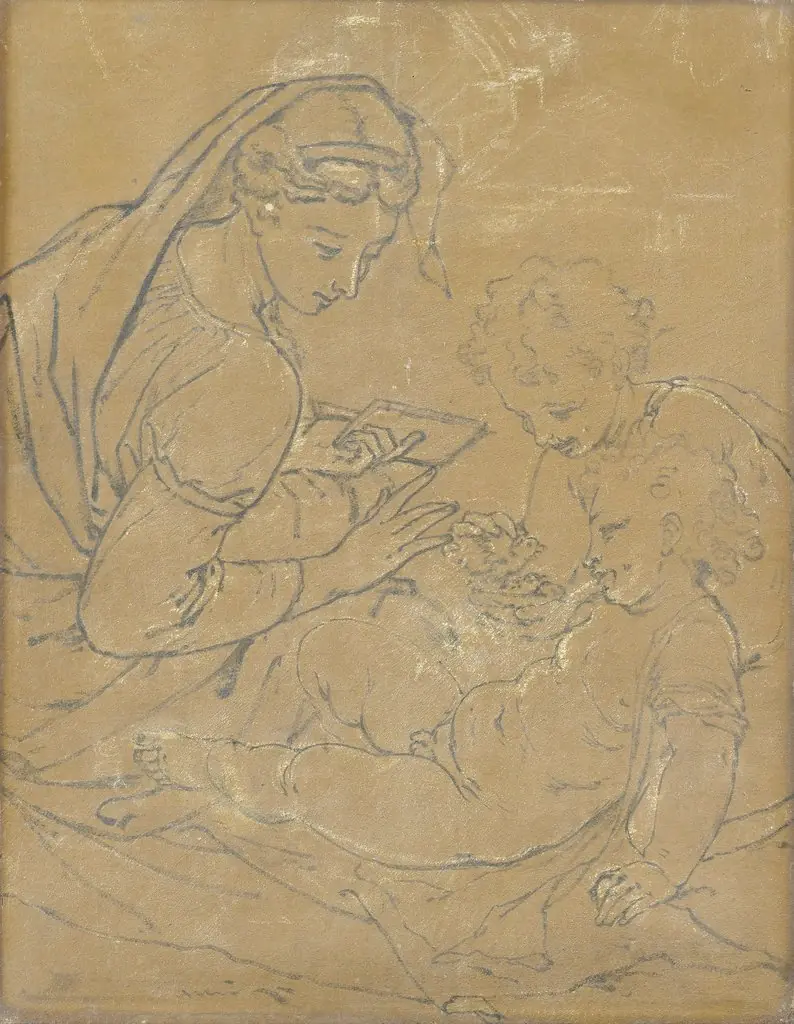 Virgin and Child with Saint John (chalk sketch)
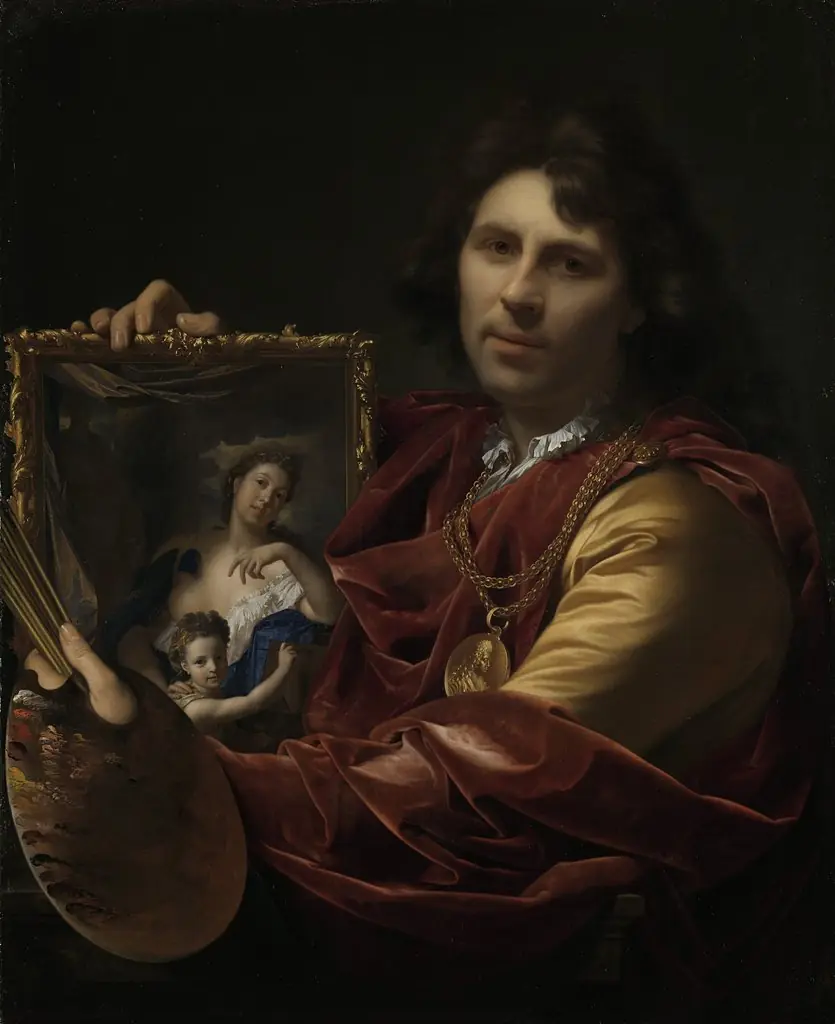 Self-portrait with the Portrait of his Wife, Margaretha van Rees, and their Daughter Maria
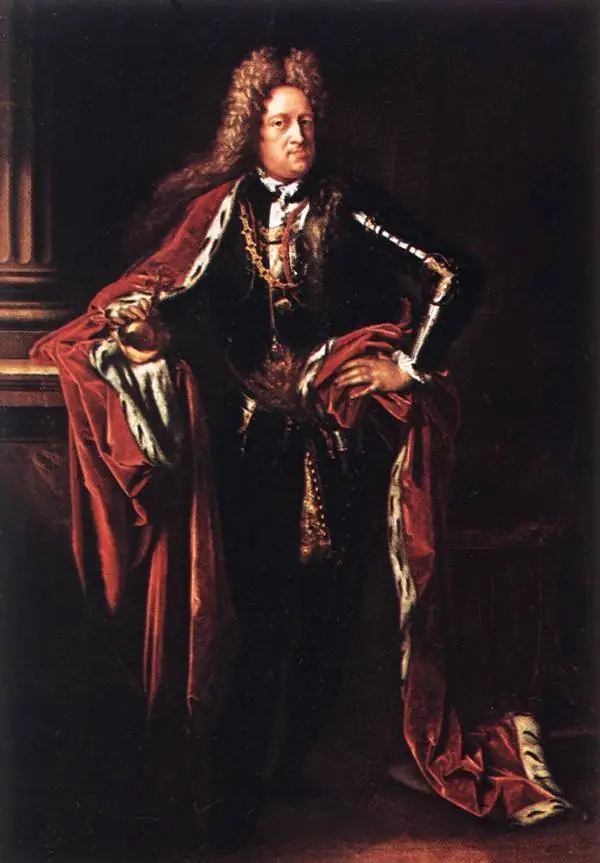 Portrait of Johann Wilhelm Elector of Palatine (1658-1716)