Artwork
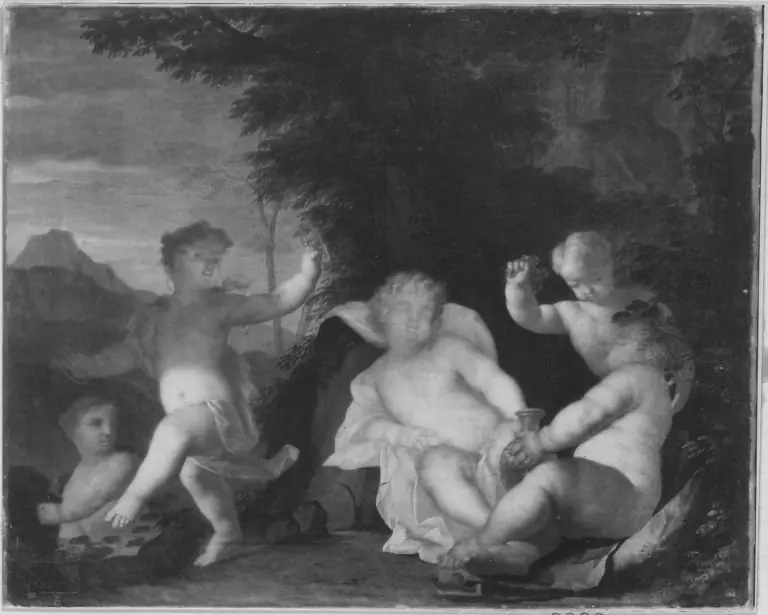
Putta playing in the grain field (L'amour moissonneur)
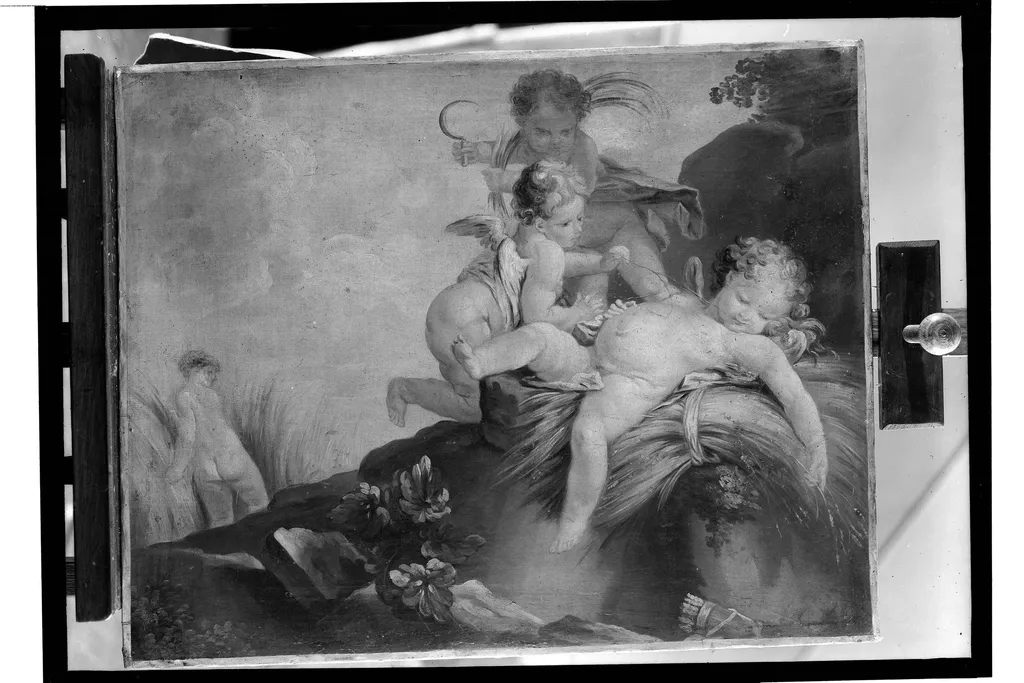
Putta playing in the grain field (L'amour moissonneur) is an oil painting by the Rococo painting artist François Boucher. It dates from 1746 and is held in the collection of the National Museum in Warsaw.
About this work
Overview
The painting demonstrates his skill in depicting flesh tones and fabric textures with a delicate, decorative touch typical of mid-18th-century French art.
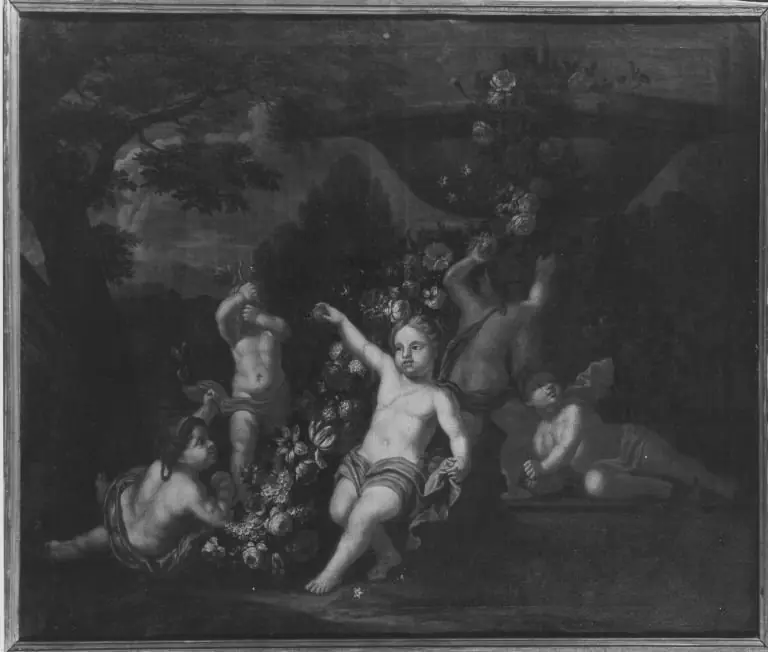
Painted in 1746, François Boucher's 'Putta playing in the grain field' (also known as 'L'amour moissonneur') exemplifies the artist's mastery of the Rococo style during the height of his career. The composition features a group of putti, or cherubs, engaged in playful activity within a golden grain field. Boucher arranges the figures in varied poses, some seated, others standing or reclining, creating a dynamic yet harmonious rhythm across the canvas.
The children interact with sheaves of wheat and scattered flowers, transforming the agricultural setting into a pastoral idyll. Rendered in oil paint, the work is characterized by soft, hazy backgrounds and a palette dominated by warm, golden tones that enhance the luminous quality of the scene. This piece reflects Boucher's frequent exploration of mythological and allegorical themes, where divine or semi-divine figures are placed in idealized natural environments.
The painting demonstrates his skill in depicting flesh tones and fabric textures with a delicate, decorative touch typical of mid-18th-century French art. It stands as a representative example of Boucher's ability to blend classical subject matter with the lighthearted elegance favored by the French court and aristocracy of the period.
Subject & Meaning
The composition centers on a group of putti engaged in lighthearted activity among stalks of grain and scattered blossoms. Their varied postures, some reclining, others perched or standing, convey a sense of carefree play, evoking themes of youthful love and the abundance of the harvest season.
Technique & Style
Boucher employs a warm, golden palette for the figures, contrasting with a softly diffused background that recedes into atmospheric haze. Delicate modeling of light and shadow gives the cherubs a three‑dimensional presence, while the loose brushwork in the foliage suggests a fleeting, almost lyrical quality.
History & Provenance
Created in the mid‑18th century, the painting entered the holdings of Warsaw’s National Museum at an unspecified date, where it remains on display. Its attribution to Boucher aligns with his prolific output of mythological and pastoral scenes during the Rococo period.
Own this work as a print
Artist & collection
Artist
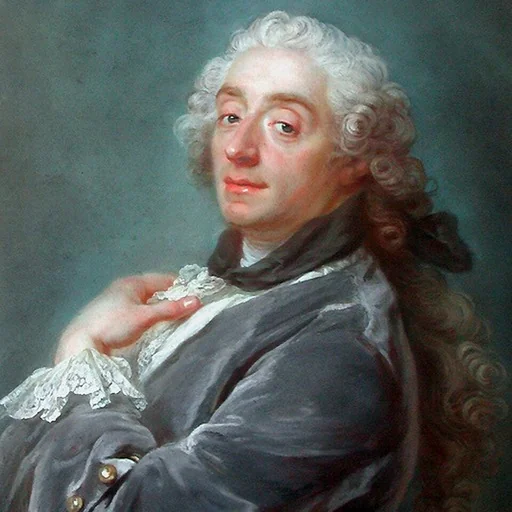
François Boucher was a French painter, draughtsman and etcher, who worked in the Rococo style.