Artwork
Alegoría de la Iglesia
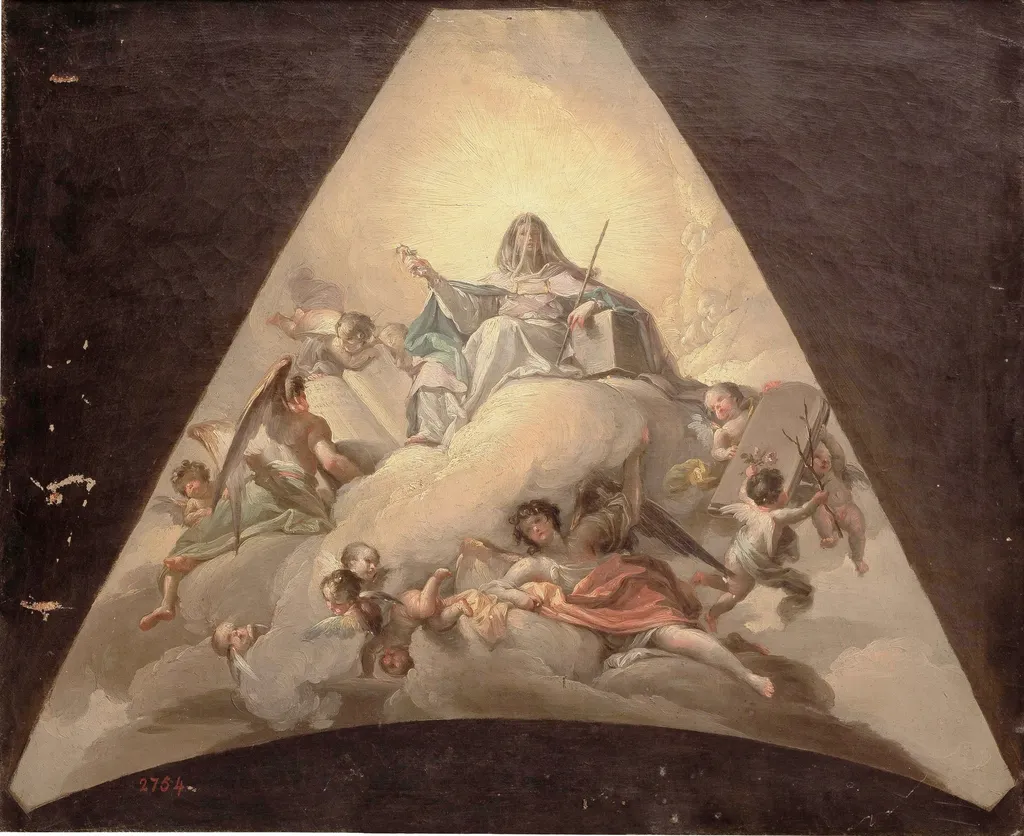
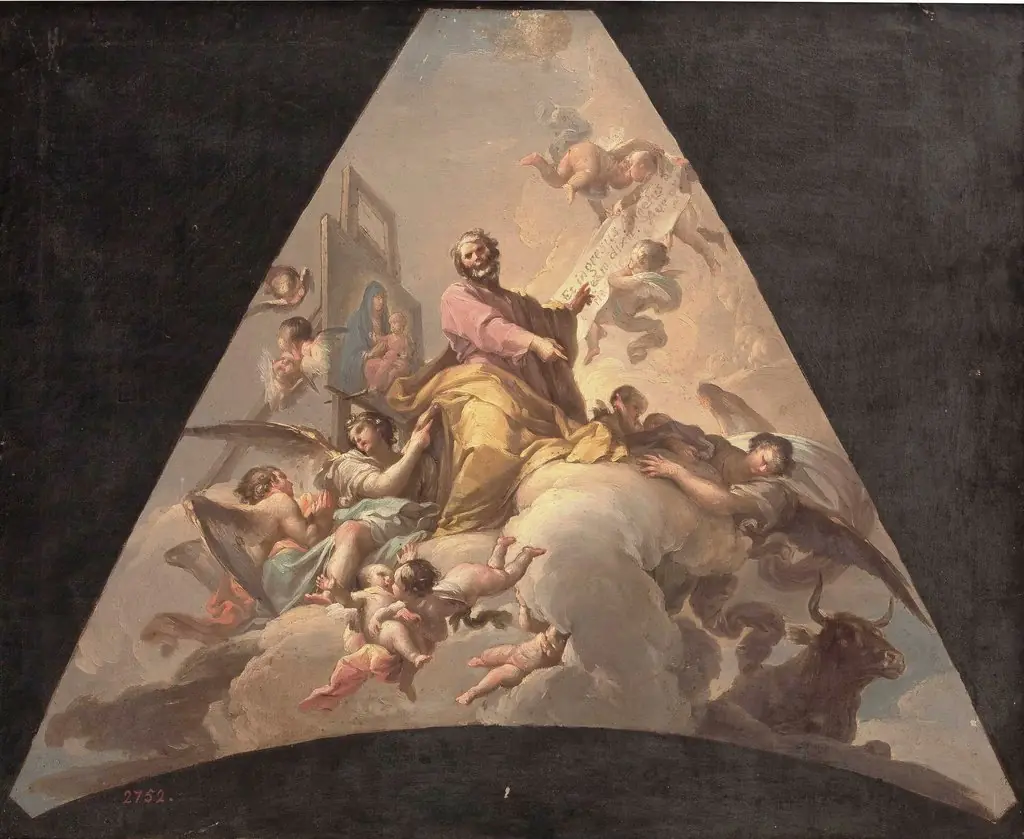
Alegoría de la Iglesia is an oil painting by the Rococo painting artist Francisco Bayeu. It dates from 1790 and is held in the collection of the Museo del Prado.
About this work
Subject & Meaning
The work's iconography centers on the depiction of a book, which serves as the primary visual element to convey its religious subject matter.
Created in 1778 by Francisco Bayeu, this oil painting functions as an allegory of the Church. The work's iconography centers on the depiction of a book, which serves as the primary visual element to convey its religious subject matter. As an allegorical piece, the image uses this specific object to symbolize the institution of the Church, likely referencing scripture or doctrine as its foundation.
The composition relies on this singular, focused representation rather than a complex array of figures to communicate its meaning.
Technique & Style
Created in 1778, Alegoría de la Iglesia is an allegorical painting executed in oil paint on a canvas support. The work measures 46 cm in height and 57 cm in width. As an allegory, the composition depicts symbolic elements, including a book, consistent with the genre's focus on abstract concepts rendered through visual metaphors. The piece is currently held in the collection of the Museo del Prado.
History & Provenance
The allegorical painting Alegoría de la Iglesia was created by the Spanish artist Francisco Bayeu in 1778. Executed in oil on canvas, the work measures 46 cm in height and 57 cm in width. The piece is currently held in the collection of the Museo del Prado, where it remains part of the institution's holdings.
No further details regarding specific commissions, previous owners, or a detailed chain of custody prior to its museum acquisition are provided in the available records.
Overview
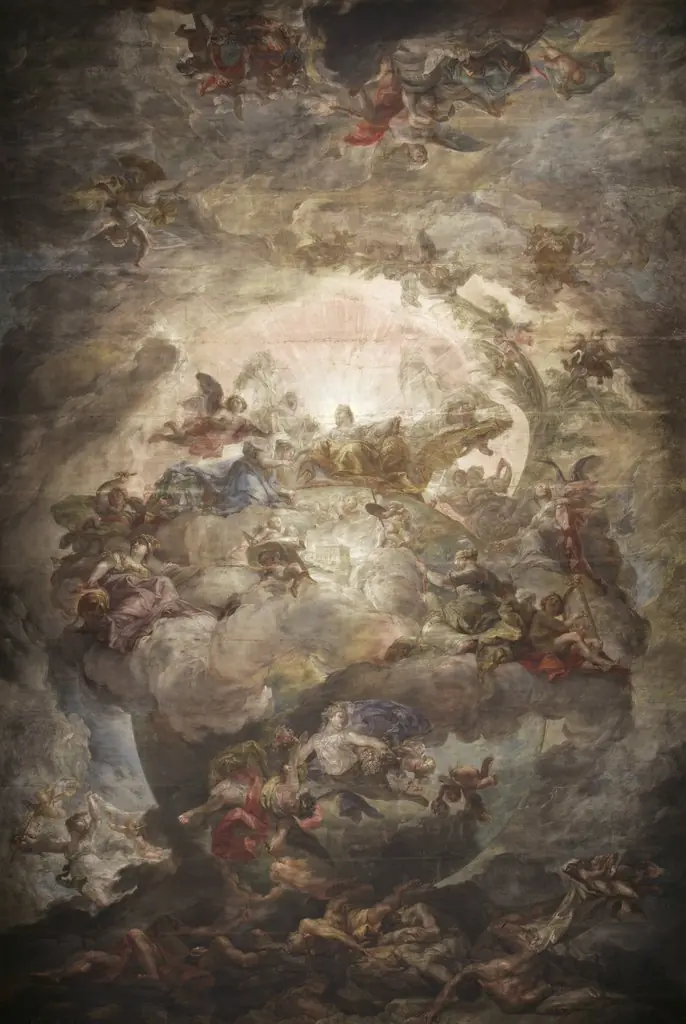
Francisco Bayeu’s Alegoría de la Iglesia is an oil painting executed in 1790. The work is part of the Prado Museum’s collection and presents an allegorical vision of the Church through a group of figures suspended on luminous clouds. The central, robed figure holds an open book and a spear, surrounded by smaller, winged beings.
Context
Bayeu, a contemporary of Goya, was active in the late eighteenth‑century Spanish court, producing frescoes and canvases that blended religious narrative with emerging Enlightenment aesthetics. Alegoría de la Iglesia exemplifies his ability to integrate allegorical content within the decorative sensibilities of the Rococo movement.
Own this work as a print
Artist & collection
Artist
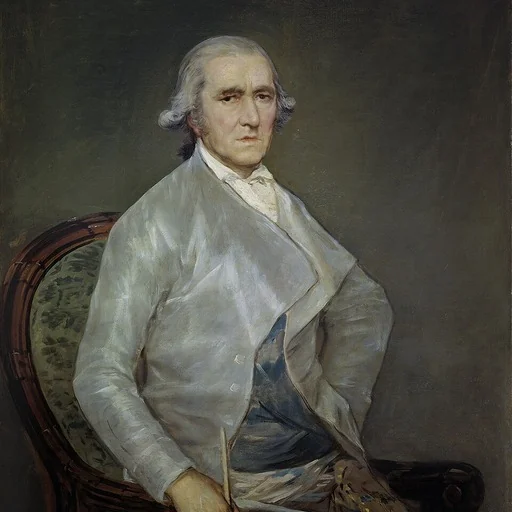
Francisco Bayeu y Subías (9 March 1734 – 4 August 1795) was a Spanish painter who painted in the Neoclassic style and specialised in religious and historical themes.


 Allegory of the donation of the Casino to Queen María Isabel de Braganza by the Municipality of Madrid
 The Assumption of the Virgin
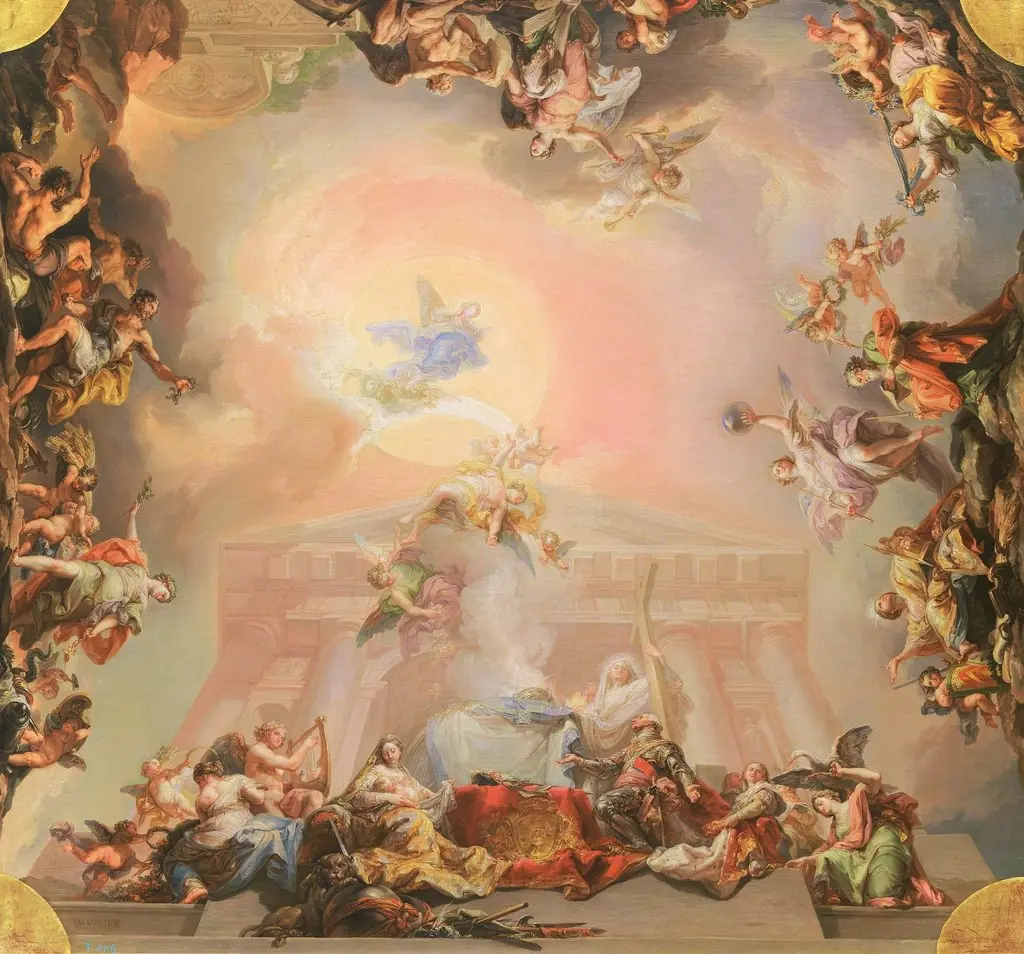 Sketch for Allegory of the Institution of the Order of Charles III
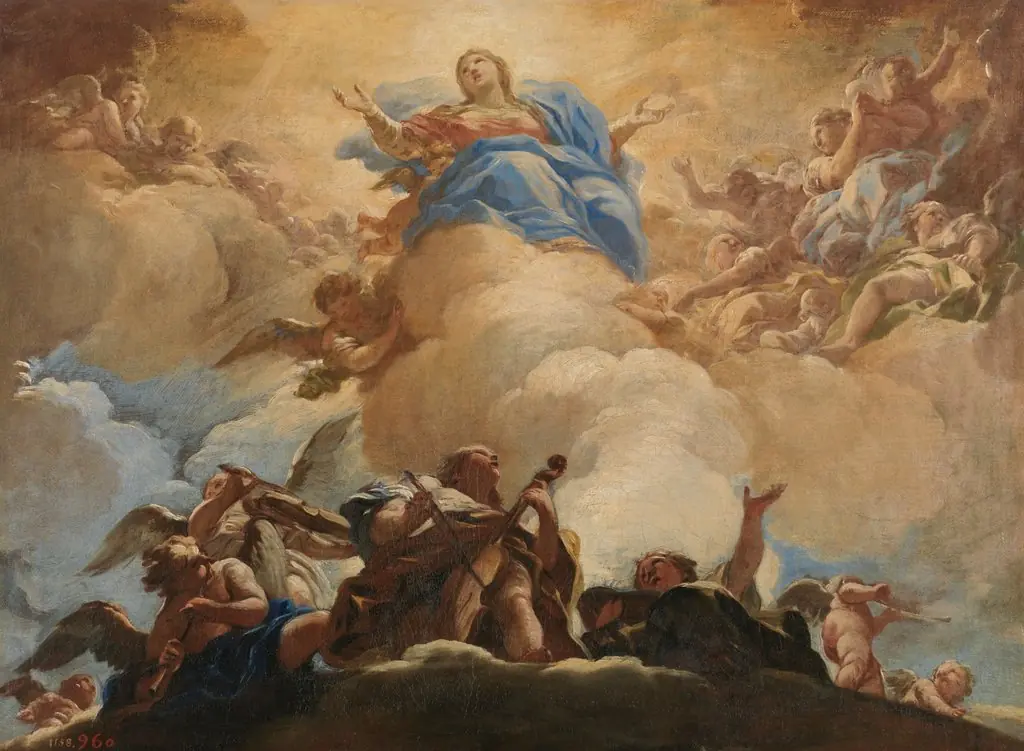 The Assumption of the Virgin
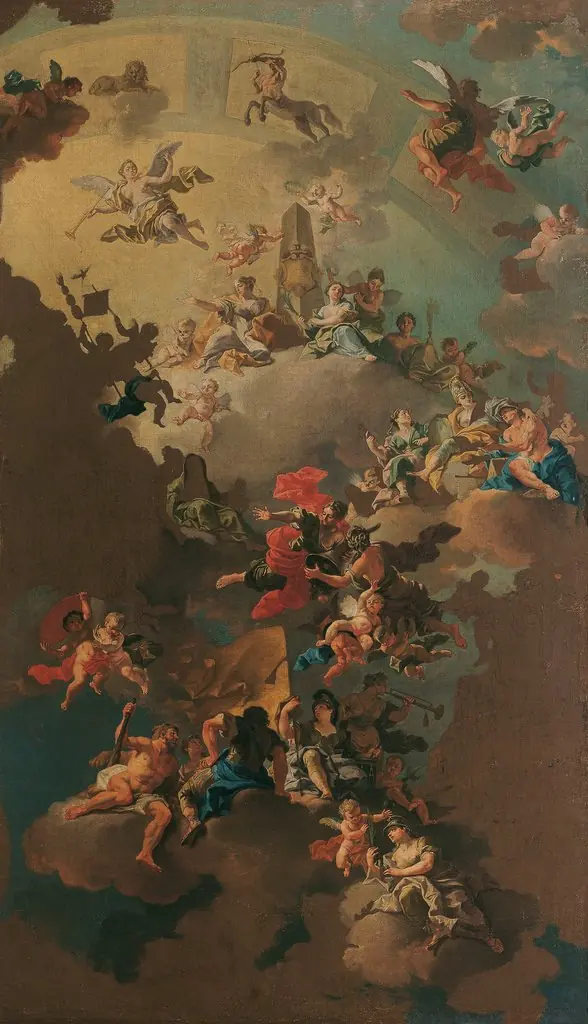 Allegorie auf die glückliche Regierung Mährens
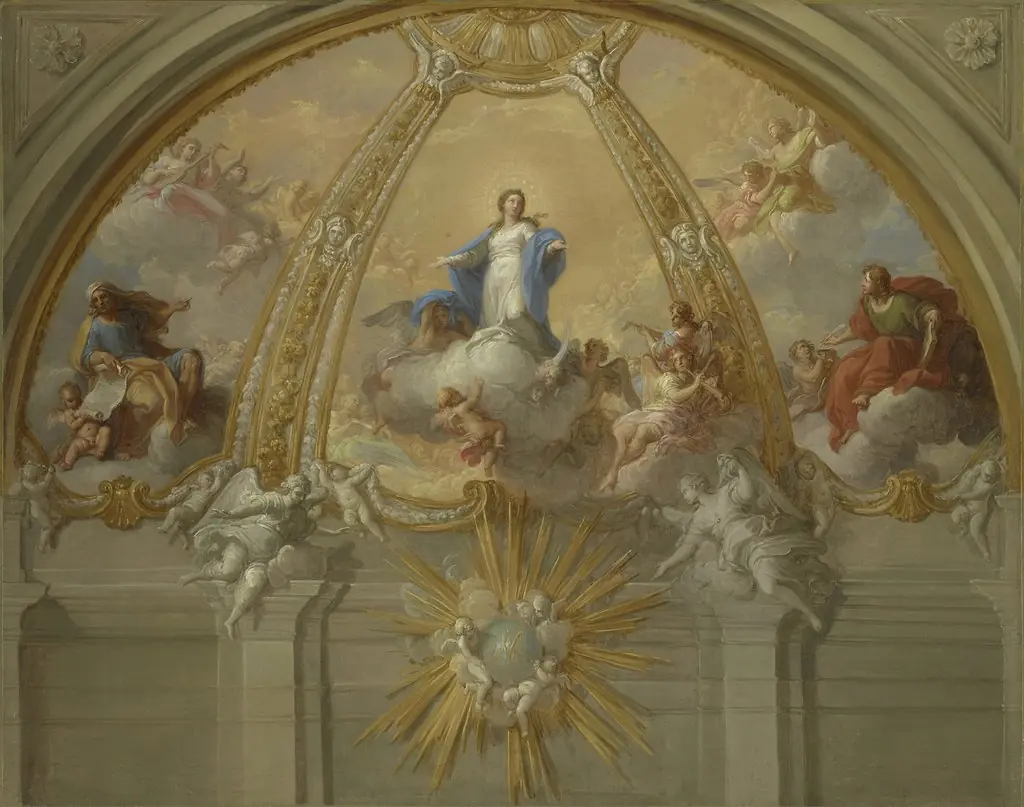 Immaculate Conception
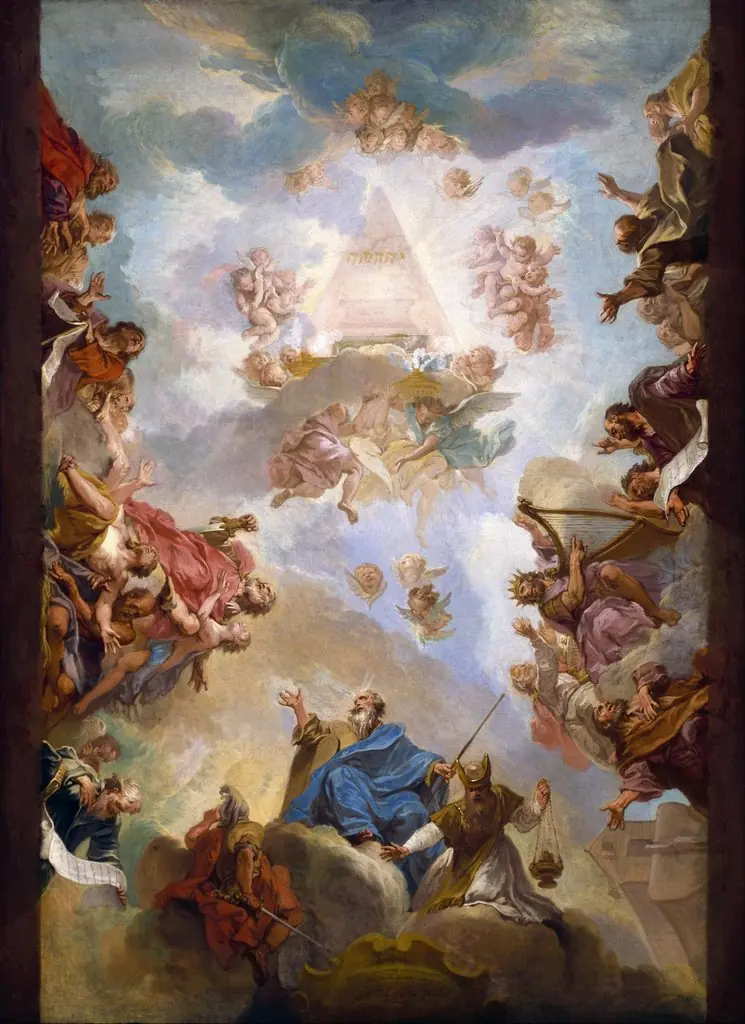 Prophets and Kings of the Old Testament Adoring the Name of Jehovah
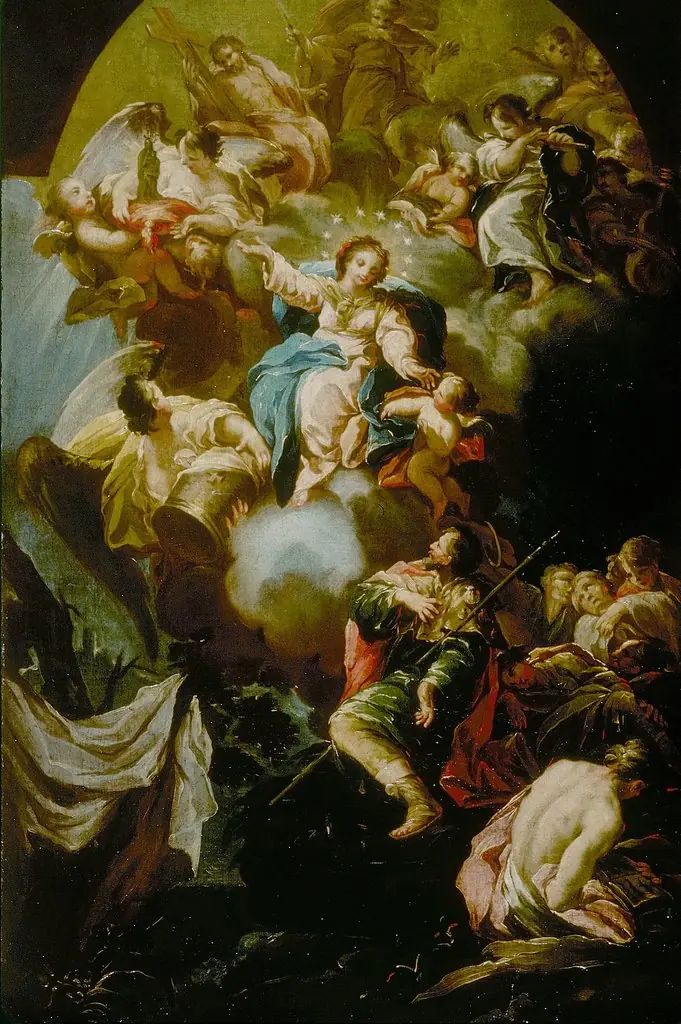 Saint Jame's Vision of the Virgin of the Pillar
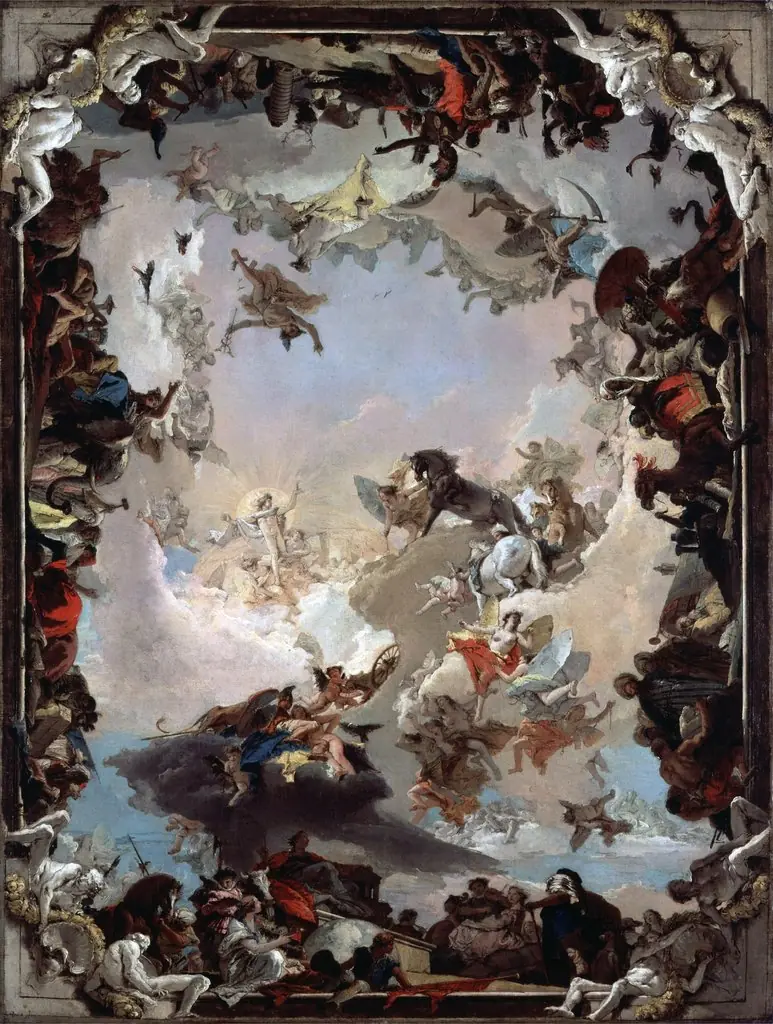 Allegory of the Planets and Continents
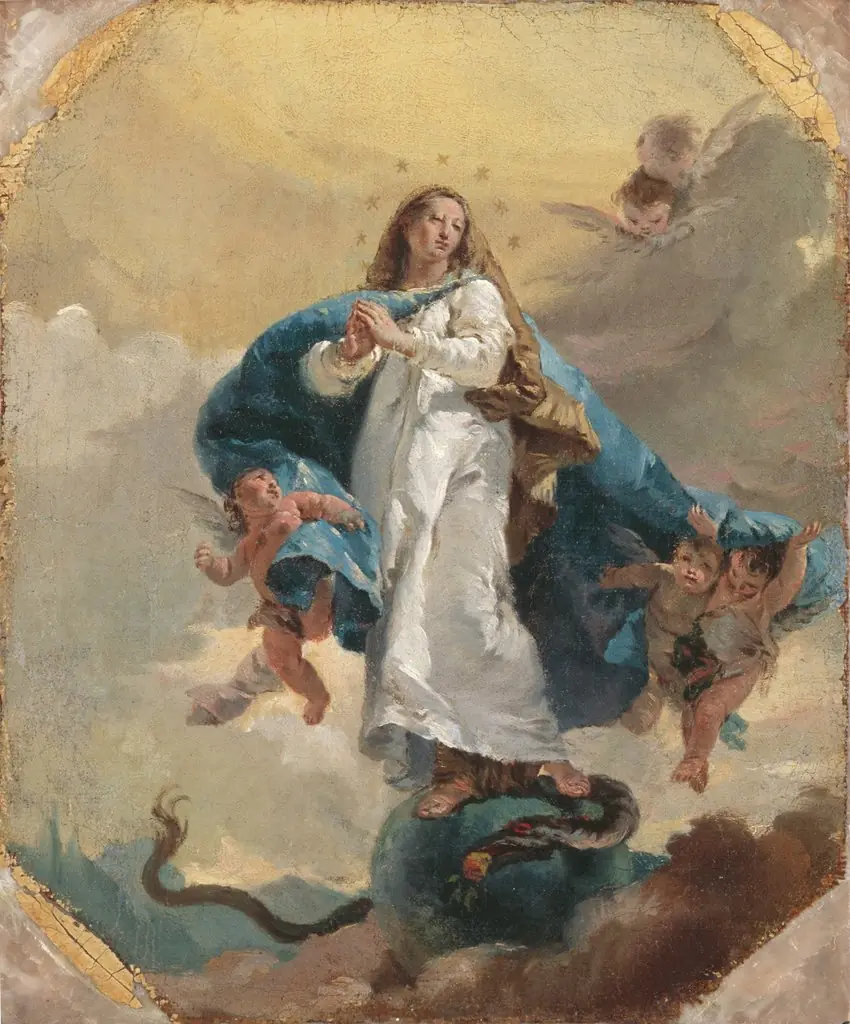 The Immaculate Conception
- La Rendición de Granada