Artwork
San Lucas
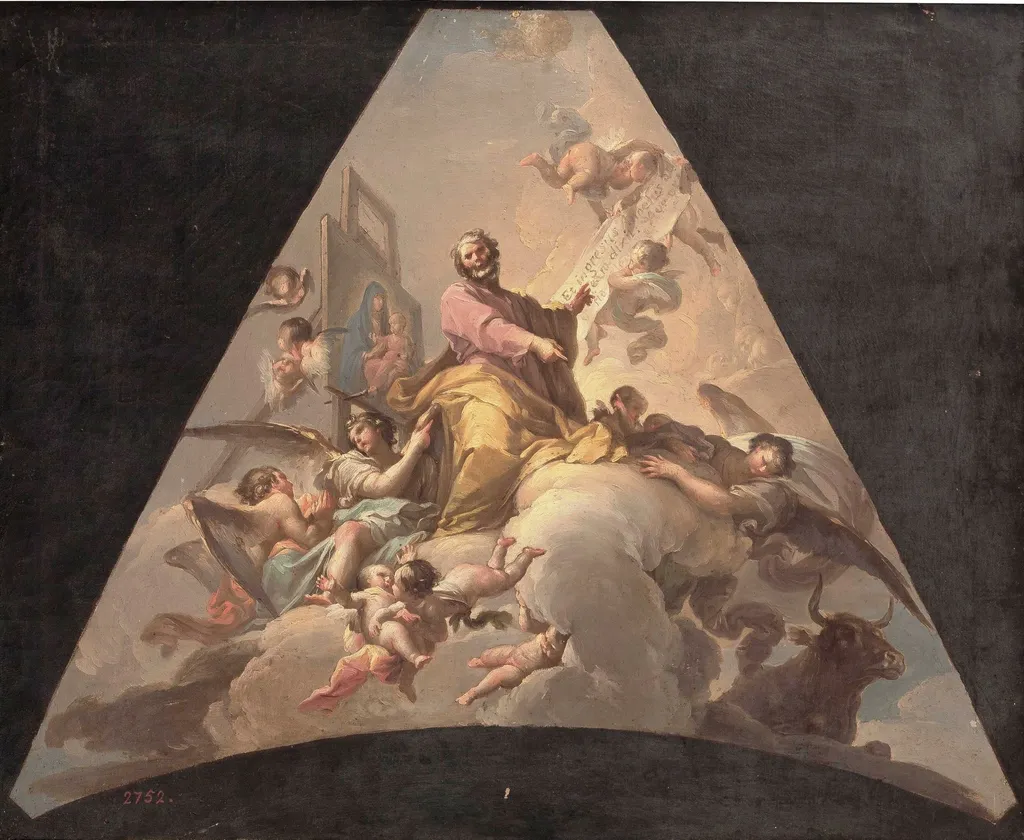
San Lucas is an oil painting by the Rococo painting artist Francisco Bayeu. It dates from 1790 and is held in the collection of the Museo del Prado.
About this work
Technique & Style
San Lucas is executed in oil paint on canvas, a standard support for late eighteenth-century Spanish religious painting.
San Lucas is executed in oil paint on canvas, a standard support for late eighteenth-century Spanish religious painting. The work is relatively modest in scale, measuring 47 cm in height by 58 cm in width, with the horizontal orientation giving the composition a broader, landscape-like field than a portrait-format panel would.
As a religious work by Francisco Bayeu, the painting reflects his academic training and his role within the circle of Spanish court painters, characterized by controlled draftsmanship, restrained coloration, and figures modeled with the clarity typical of the period's devotional imagery.
No specific information on the painting's condition, handling, or surface state is documented in the available sources.
History & Provenance
San Lucas is an oil painting created in 1778 by Francisco Bayeu. The work measures 47 cm by 58 cm and depicts a religious scene. It entered the collection of the Museo del Prado, where it remains on display.
The painting was commissioned as part of a series for the Church of San Lucas in Madrid, reflecting the religious genre common in 18th‑century Spanish art. Its creation history is documented through archival records that confirm Bayeu's involvement and the 1778 date of completion.
San Lucas is held in the collection of the Museo del Prado, where it is recorded under the inventory number P00968. The work was first exhibited at the Museo del Prado shortly after its acquisition, and it has subsequently appeared in several temporary exhibitions of Spanish religious painting at the same institution.
Overview
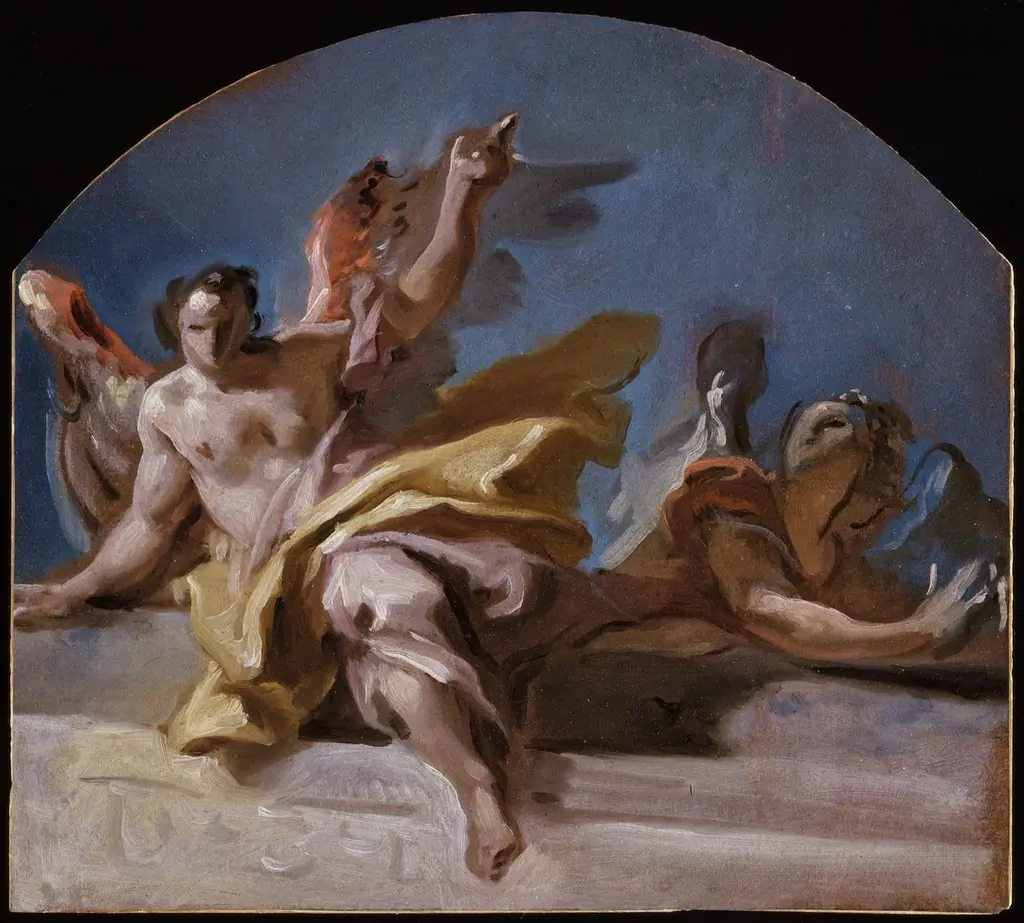
Created in 1790 by Spanish painter Francisco Bayeu, San Lucas is an oil on canvas that presents a celestial tableau centered on a figure in a yellow robe. The composition combines a serene, golden backdrop with a multitude of reclining and semi‑asleep figures, cherubic beings, and a winged presence, all arranged in a dreamlike, slightly disorderly space.
Subject & Meaning
The central figure, identified as Saint Luke, holds a scroll inscribed with Latin text and gestures downward, suggesting the act of recording or teaching. The surrounding sleepers and draped forms may symbolize the transmission of divine knowledge to humanity, while the hovering cherubs and winged figure reinforce the painting’s religious narrative of revelation and inspiration.
Context
Painted at the close of the 18th century, San Lucas reflects the transitional moment between the decorative exuberance of Rococo and the emerging restraint of Neoclassicism in Spain. Bayeu’s familial ties to other painters and his role in court commissions situate the piece within a broader network of artistic production that blended devotional content with contemporary stylistic currents.
Own this work as a print
Artist & collection
Artist
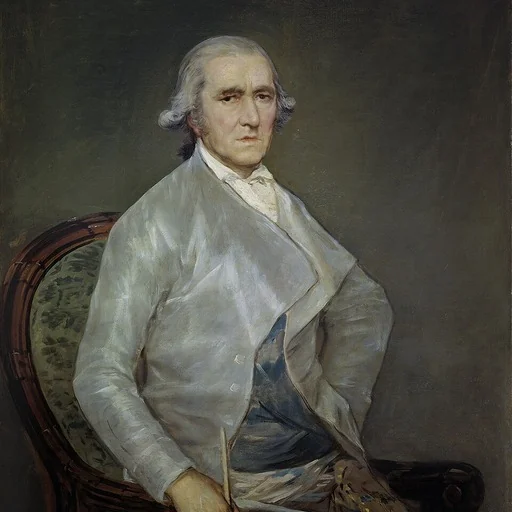
Francisco Bayeu y Subías (9 March 1734 – 4 August 1795) was a Spanish painter who painted in the Neoclassic style and specialised in religious and historical themes.

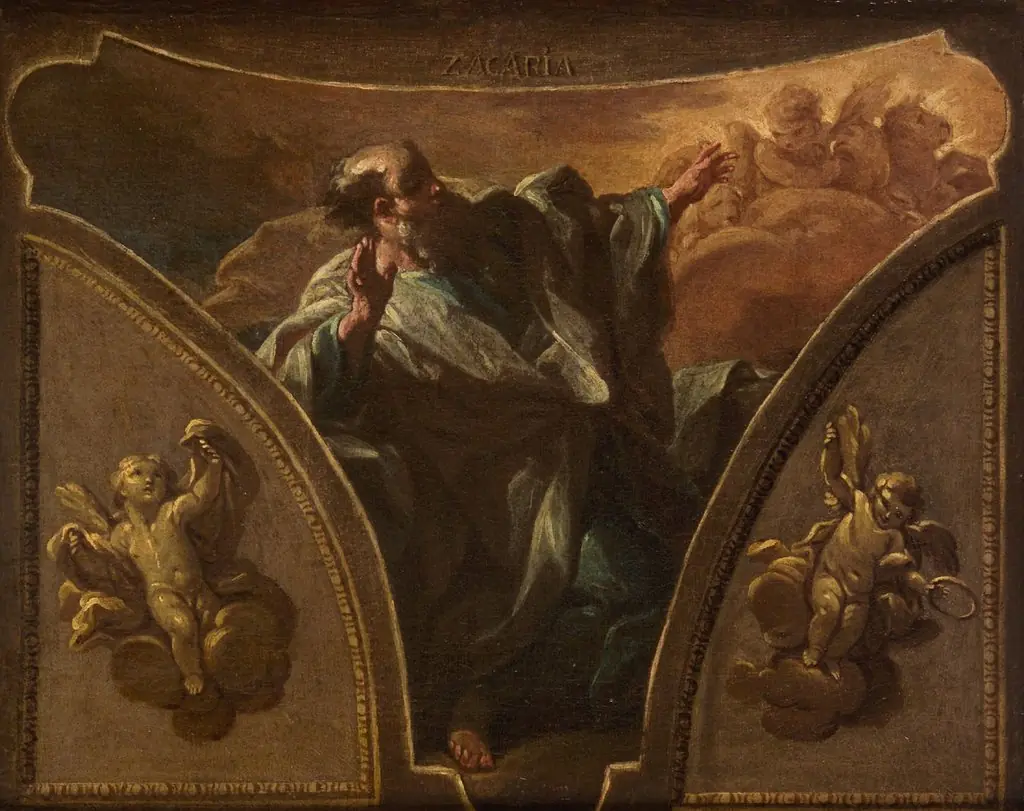 Prophet Zechariah
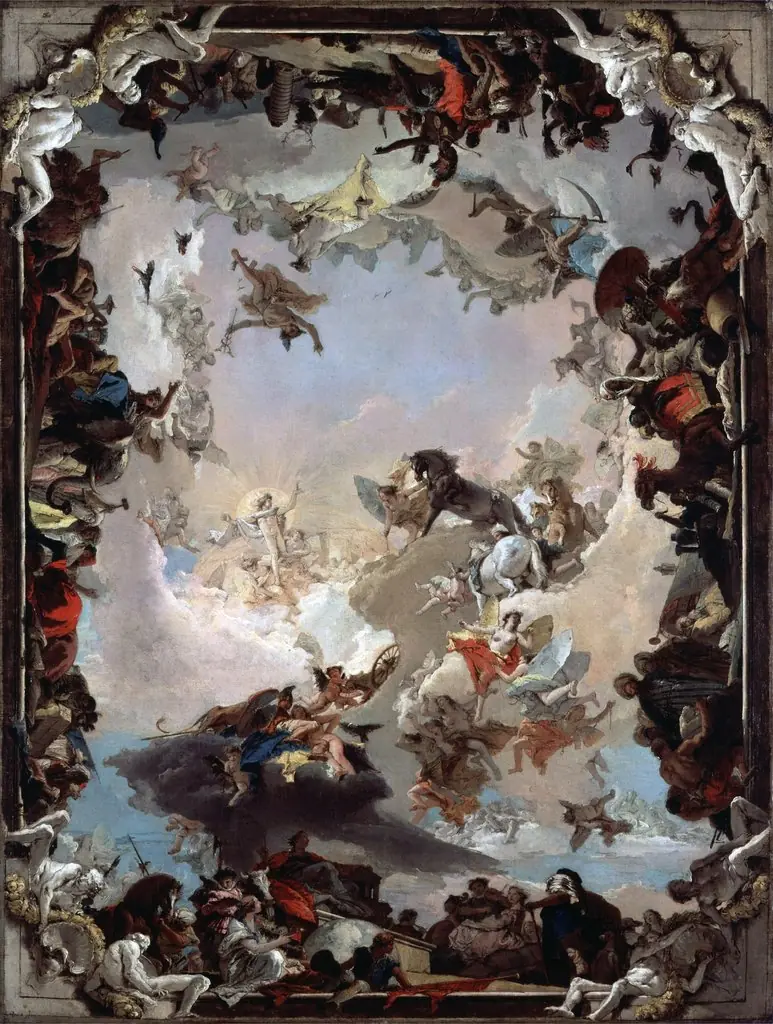 Allegory of the Planets and Continents
 Sketch for a Ceiling Fresco
 The rapture of Saint Paul
 Prophets and Kings of the Old Testament Adoring the Name of Jehovah
 Der Propheten Jesaias
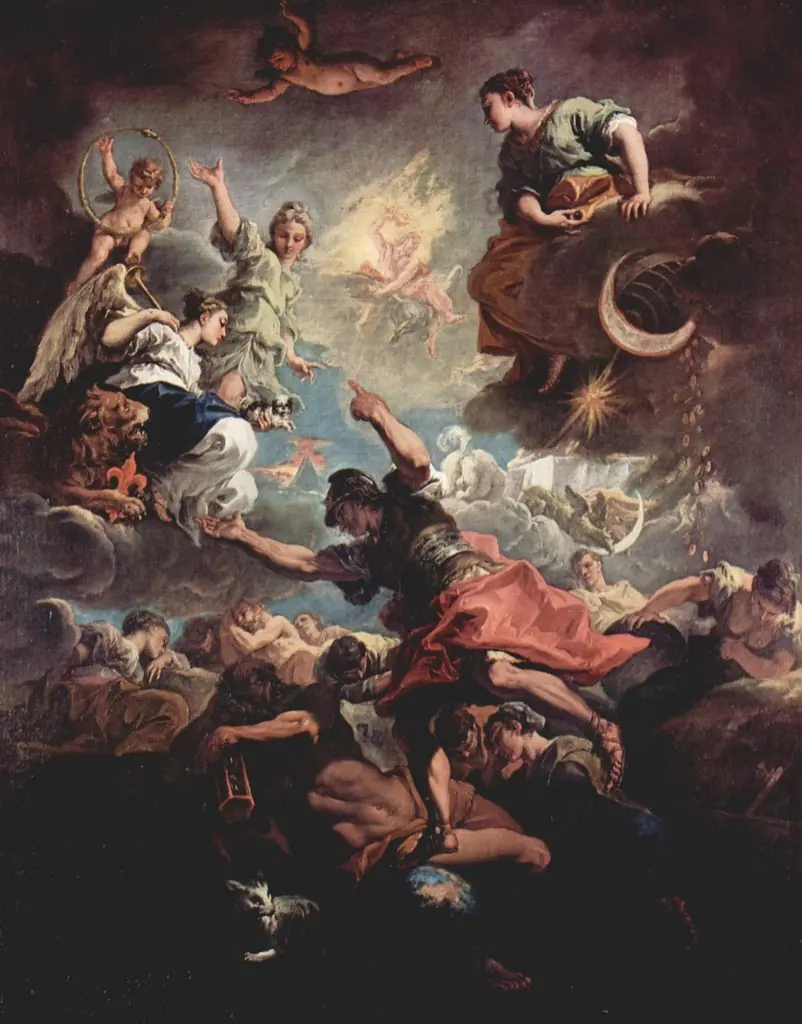 Allegory of Tuscany
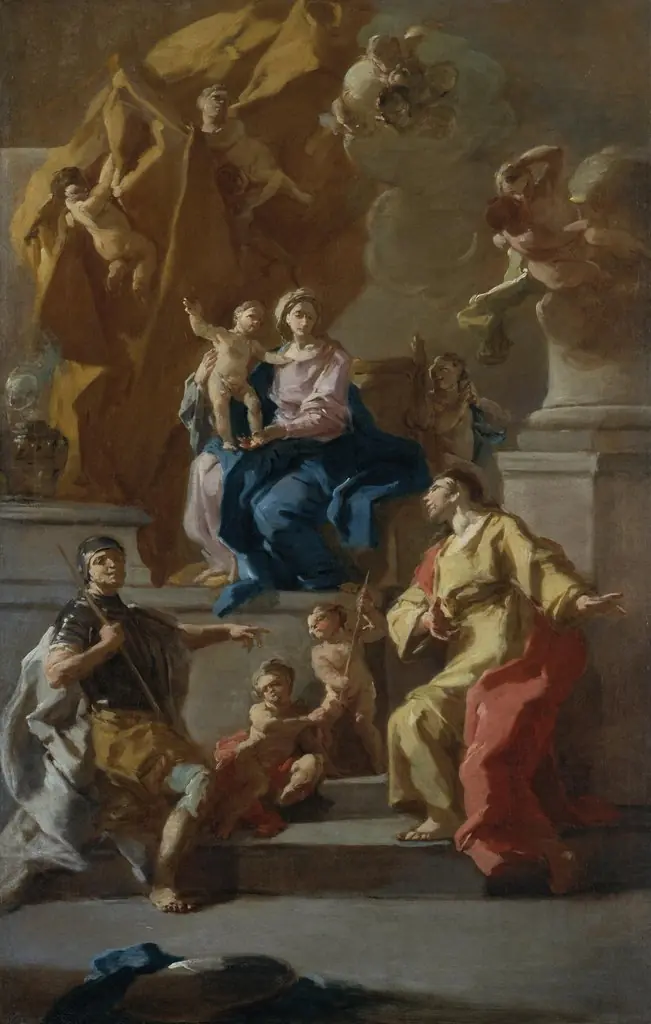 The Virgin and Child Enthroned, with Angels and Two Saints
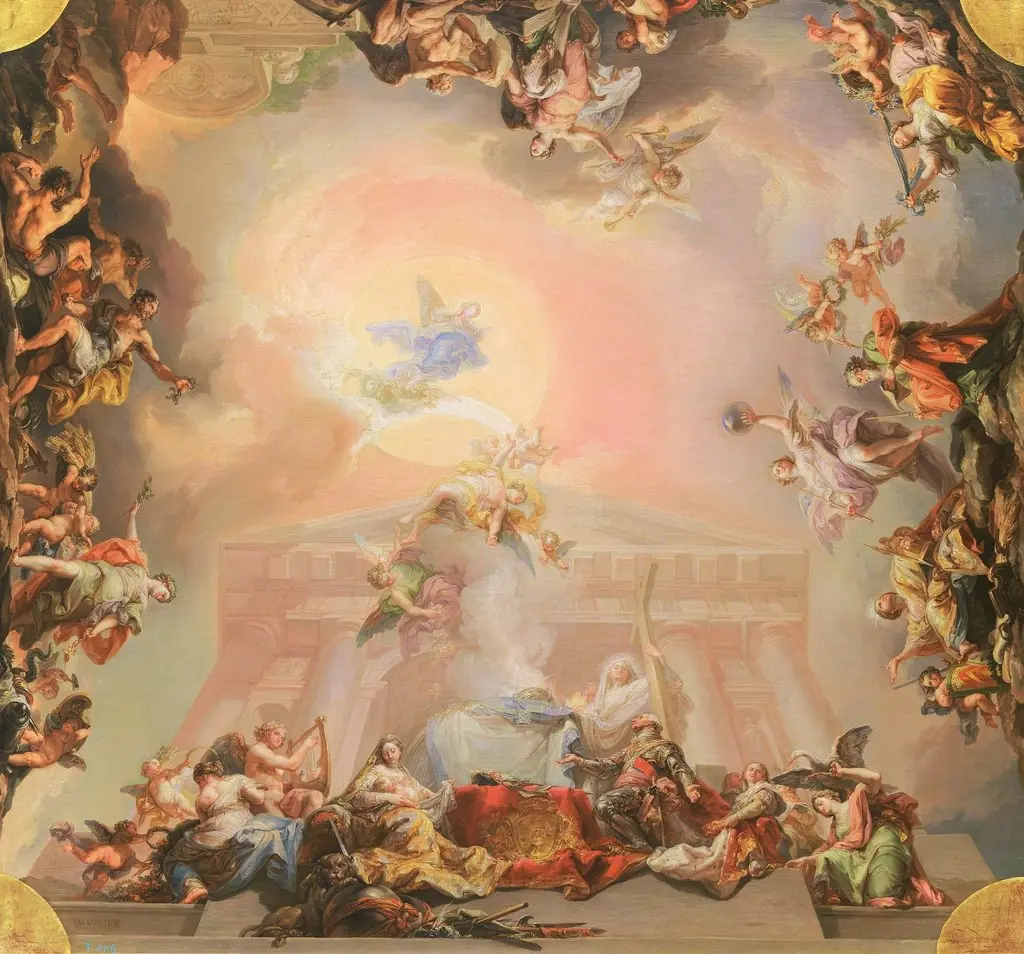 Sketch for Allegory of the Institution of the Order of Charles III
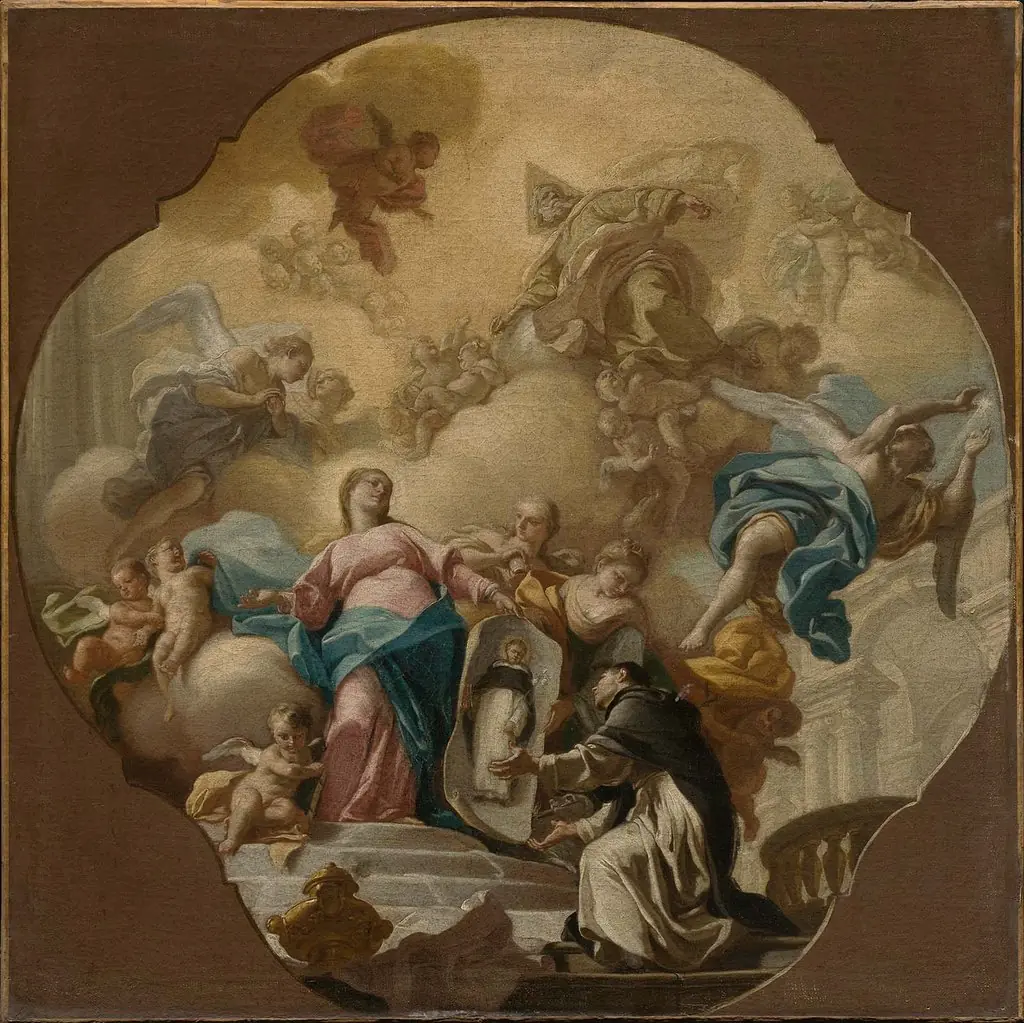 The Virgin Presenting the Portrait of Saint Dominic to the Friar of Soriano
 A Study for Two Angels on a Balustrade