Artwork
Cristo crucificado
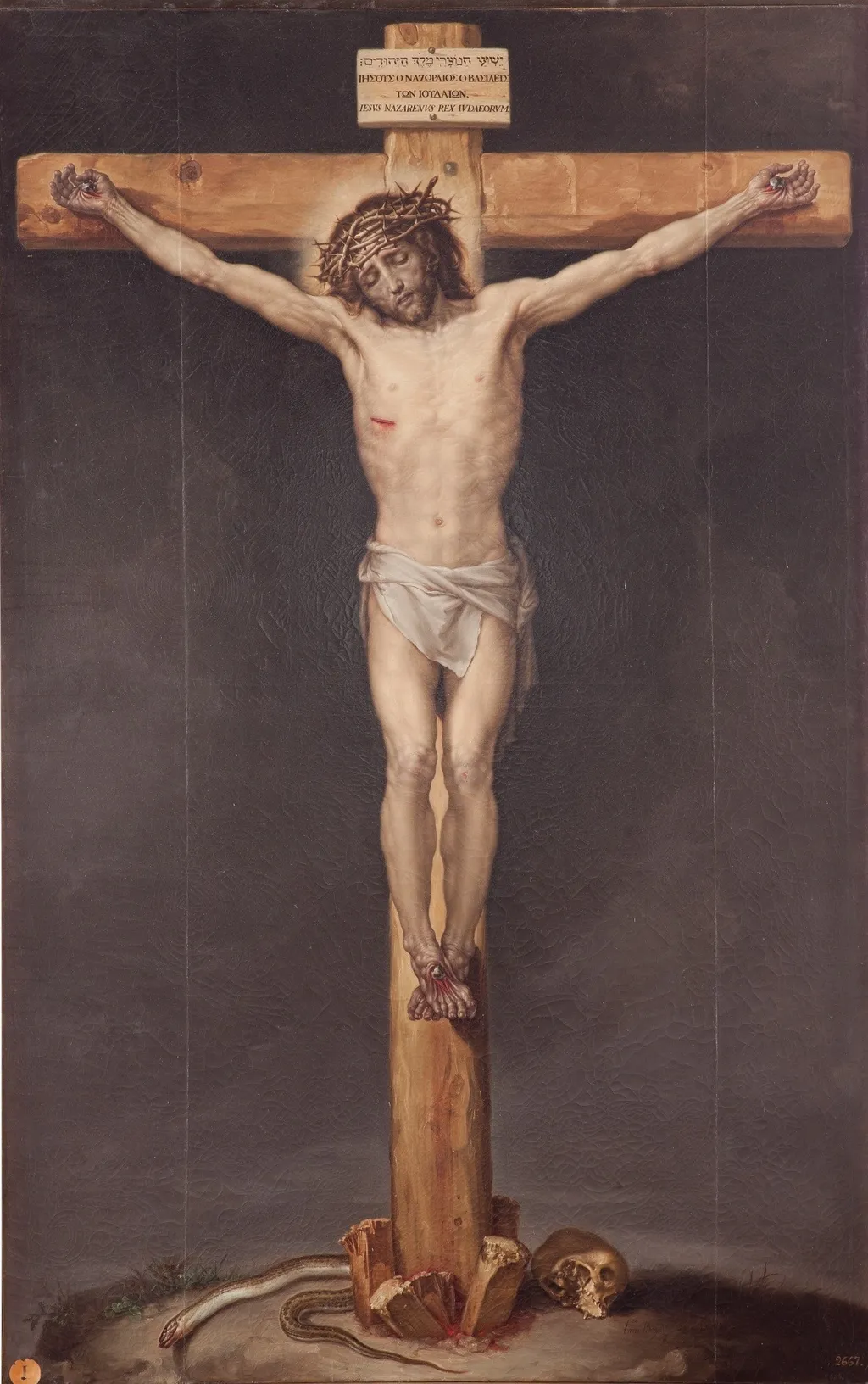
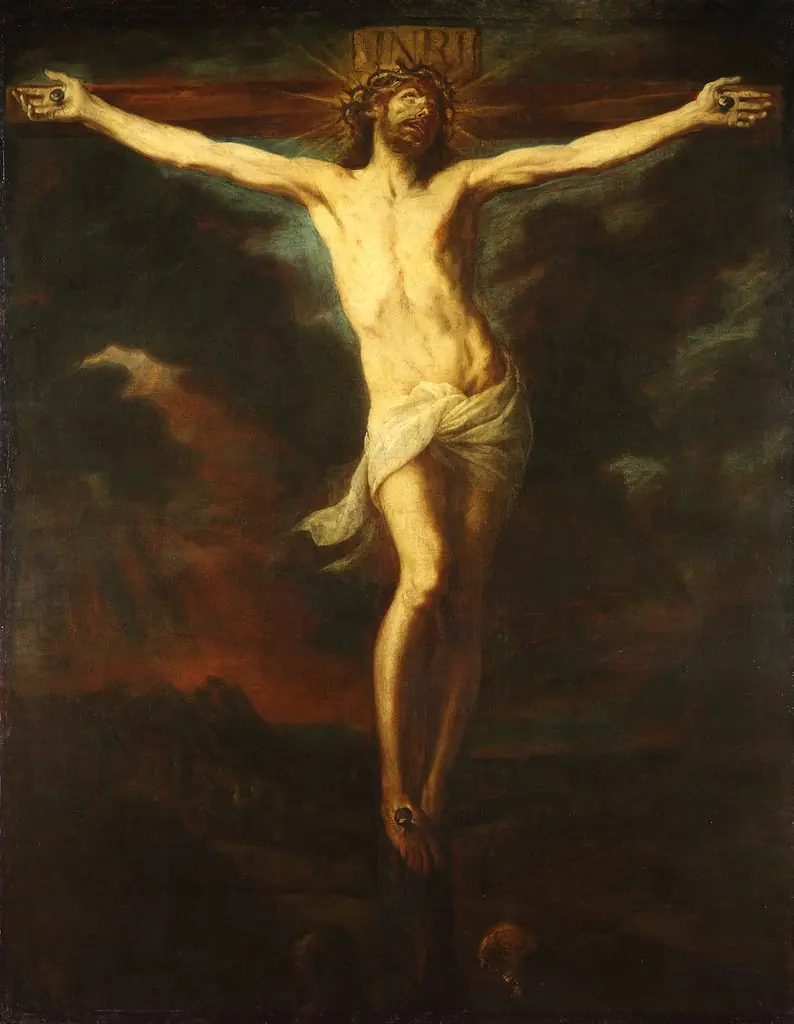
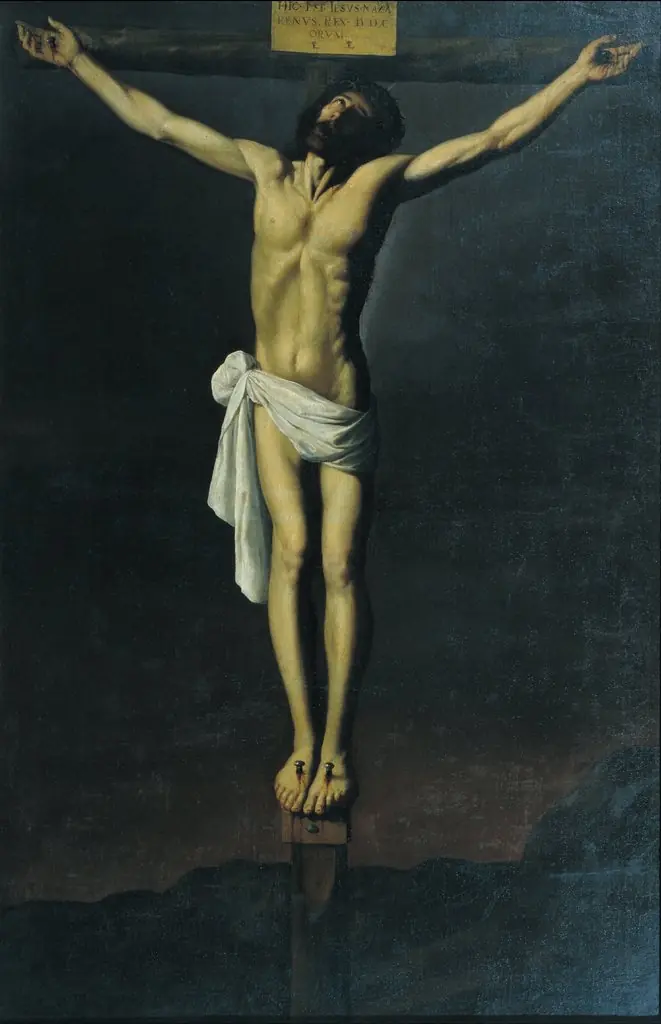
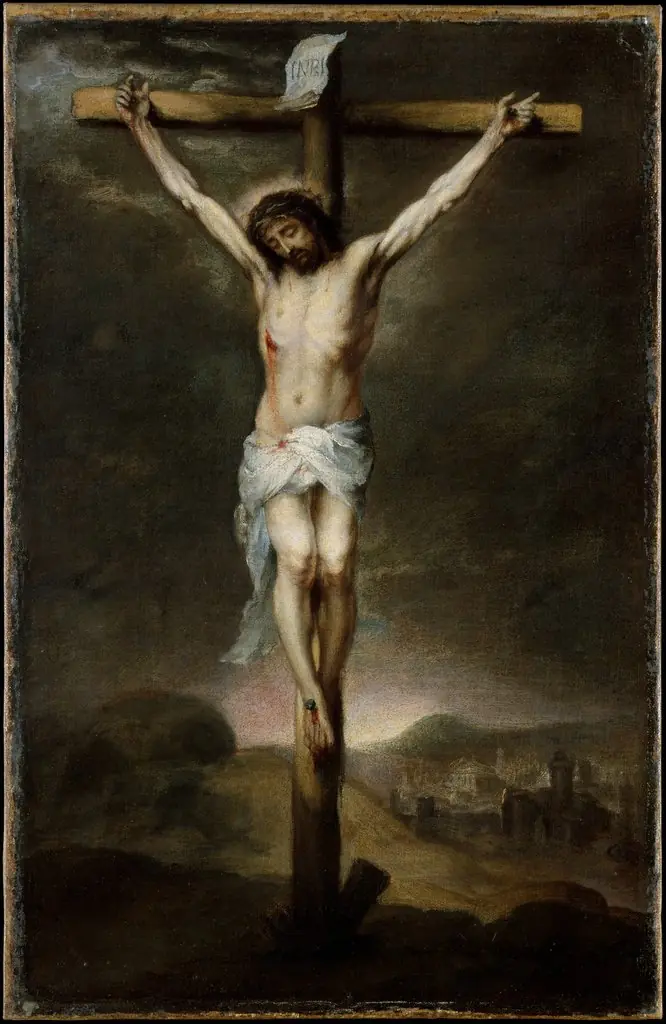
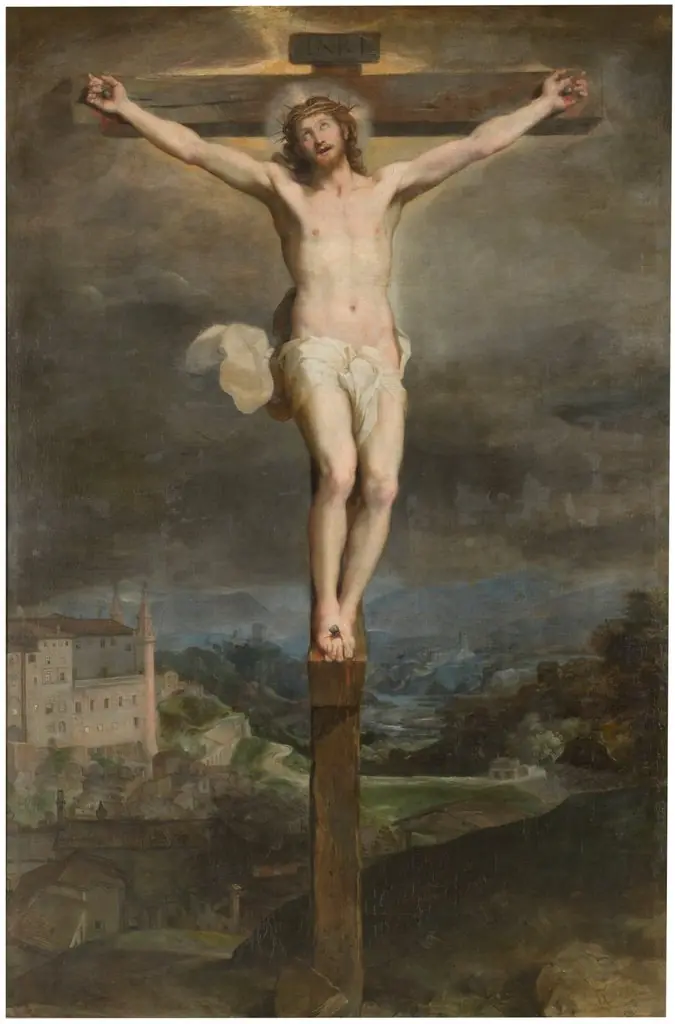
Cristo crucificado is an oil painting by Francisco Bayeu. It is held in the collection of the Museo del Prado.
About this work
Subject & Meaning
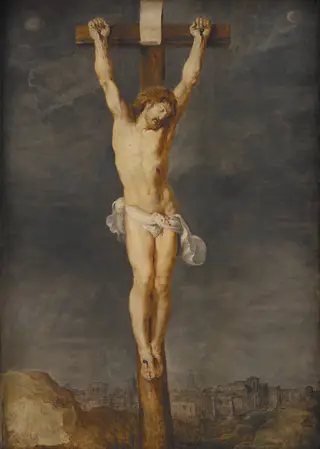
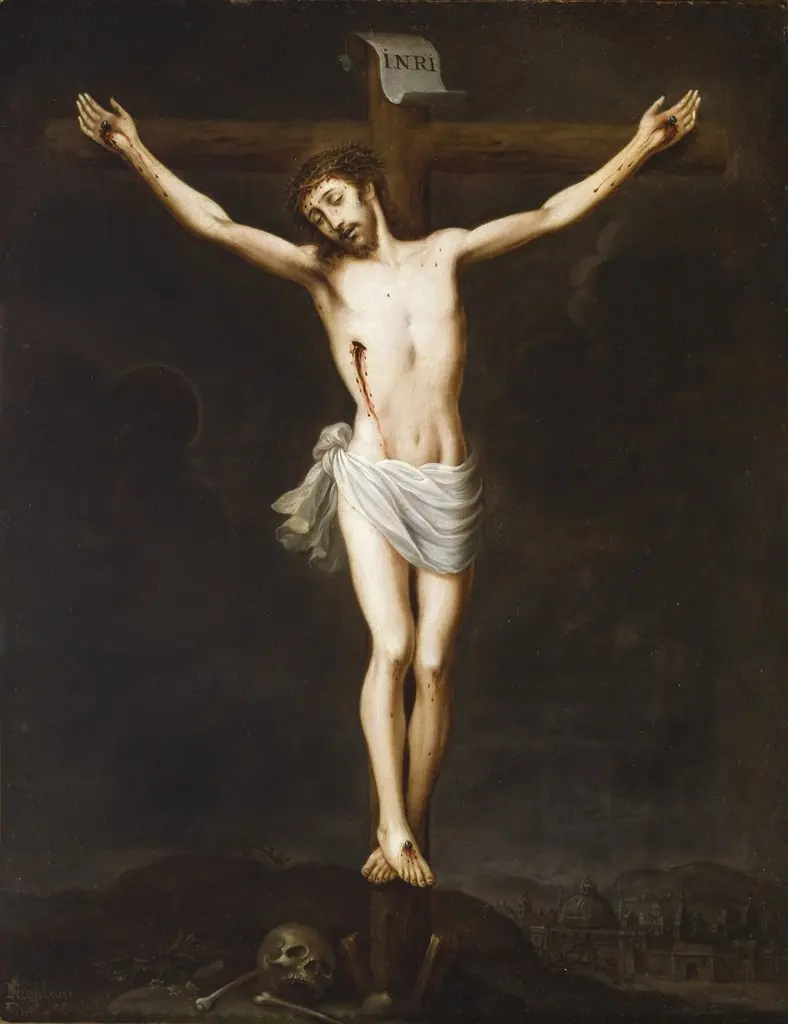
The painting portrays the crucifixion of Jesus, emphasizing his suffering and sacrifice within a religious framework.
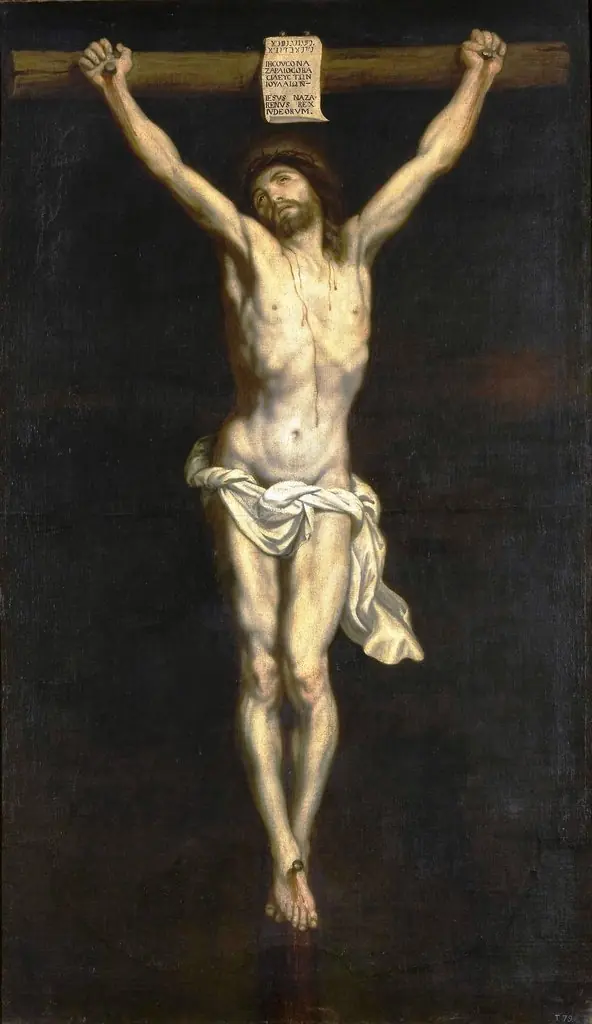
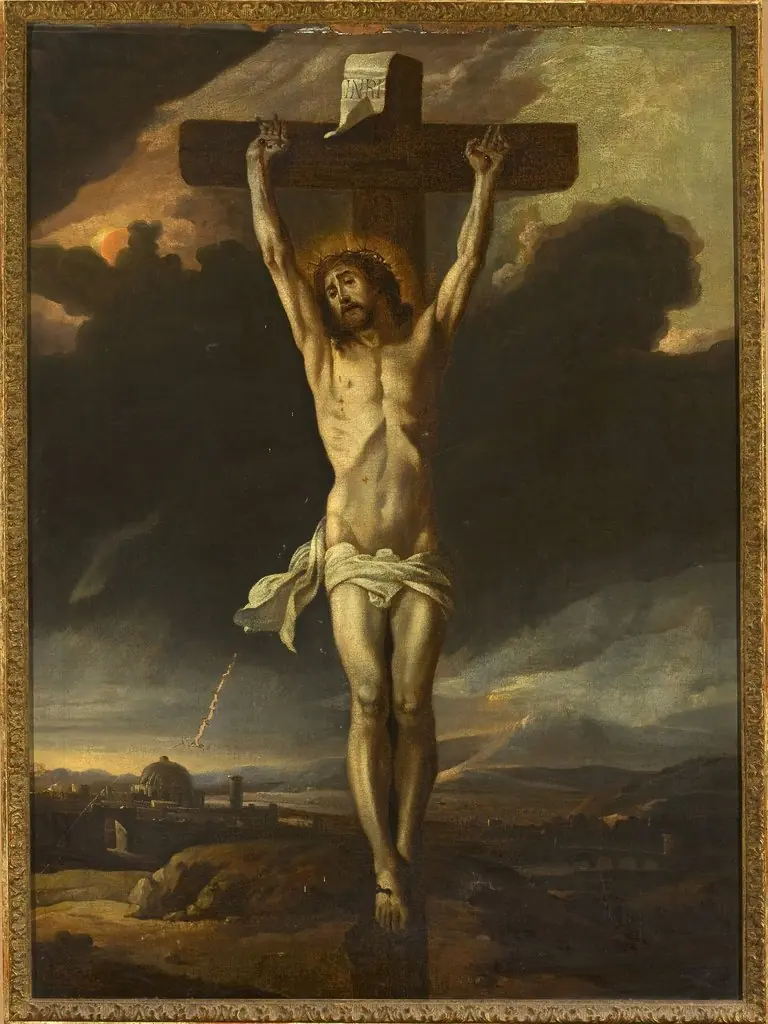
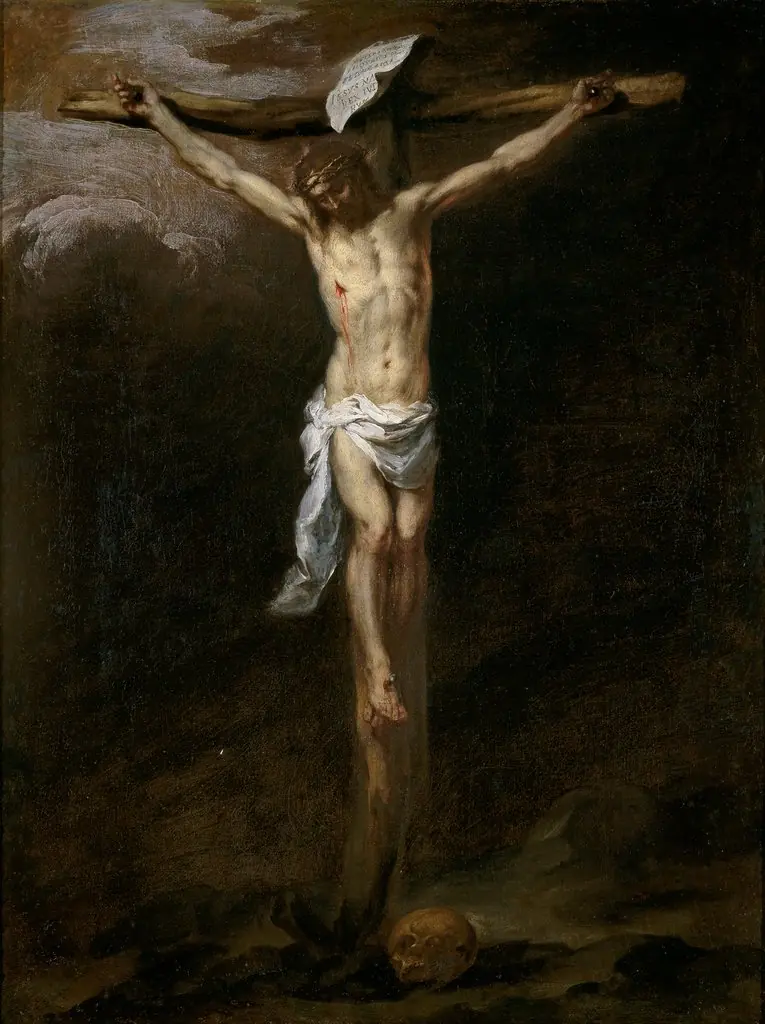
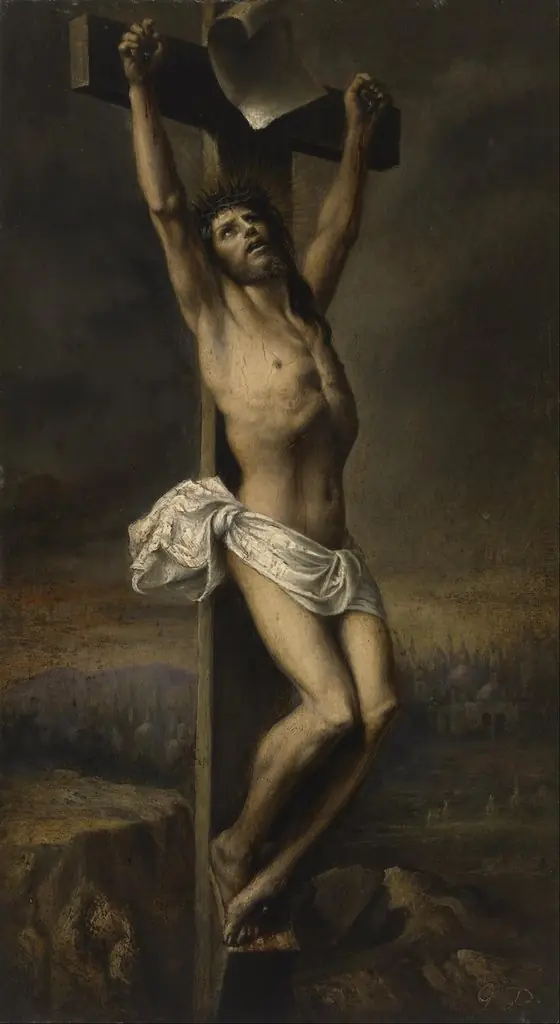
The painting portrays the crucifixion of Jesus, emphasizing his suffering and sacrifice within a religious framework. The skull at the foot of the cross serves as a memento mori, symbolizing mortality and the promise of redemption. Created by Francisco Bayeu, the work reflects the devotional intensity characteristic of late 18th‑century Spanish religious art, inviting viewers to contemplate themes of faith and redemption.
Technique & Style
Francisco Bayeu executed Cristo crucificado in 1792 using oil paint on a canvas support. The work measures 310 cm in height and 196 cm in width, presenting a substantial scale for a religious depiction. Stylistically, the painting adheres to the religious art genre, focusing on the crucifixion of Jesus Christ.
The composition includes specific iconographic elements such as the cross and a skull at the base, arranged to emphasize the solemnity of the main subject.
History & Provenance
Francisco Bayeu created the oil painting Cristo crucificado in 1792. The work depicts the crucifixion of Jesus Christ, featuring a skull and cross on a canvas measuring 310 cm in height and 196 cm in width. Historical records indicate that the piece was owned by Ferdinand VII of Spain. The painting is currently held in the collection of the Museo del Prado.
The painting Cristo crucificado by Francisco Bayeu is held in the collection of the Museo del Prado in Madrid. Created in 1792, the work was historically owned by Ferdinand VII of Spain before entering the museum's holdings. The sources do not provide specific inventory numbers or details regarding its exhibition history.
Legacy
Francisco Bayeu's 1792 oil painting Cristo crucificado entered the royal collection of Ferdinand VII of Spain and is now housed in the Museo del Prado, where it remains a key example of Spanish religious art from the late 18th century. The work's stark composition and emotional intensity influenced later Spanish artists who explored martyrdom and sacrifice, shaping devotional practices in 19th-century Spanish painting.
Overview
Francisco Bayeu’s Cristo crucificado (1796) presents the crucifixion of Jesus set against a stark, dark backdrop. The central figure is nailed to a wooden cross, his body turned slightly to reveal the side, crowned with thorns and draped in a modest cloth. At the foot of the cross a skull rests on a rock, while a serpent coils nearby, reinforcing traditional iconography.
Artist & collection
Artist
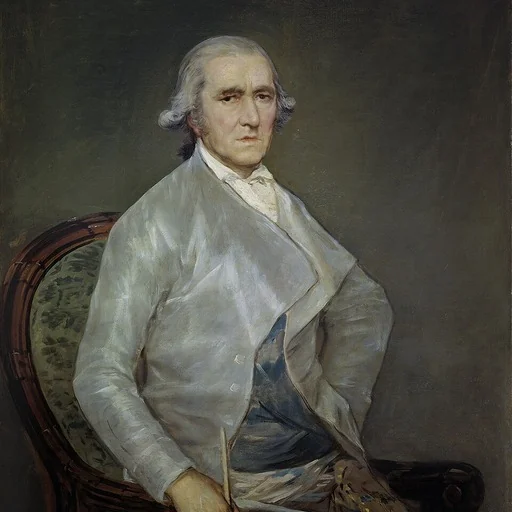
Francisco Bayeu y Subías (9 March 1734 – 4 August 1795) was a Spanish painter who painted in the Neoclassic style and specialised in religious and historical themes.