Artwork
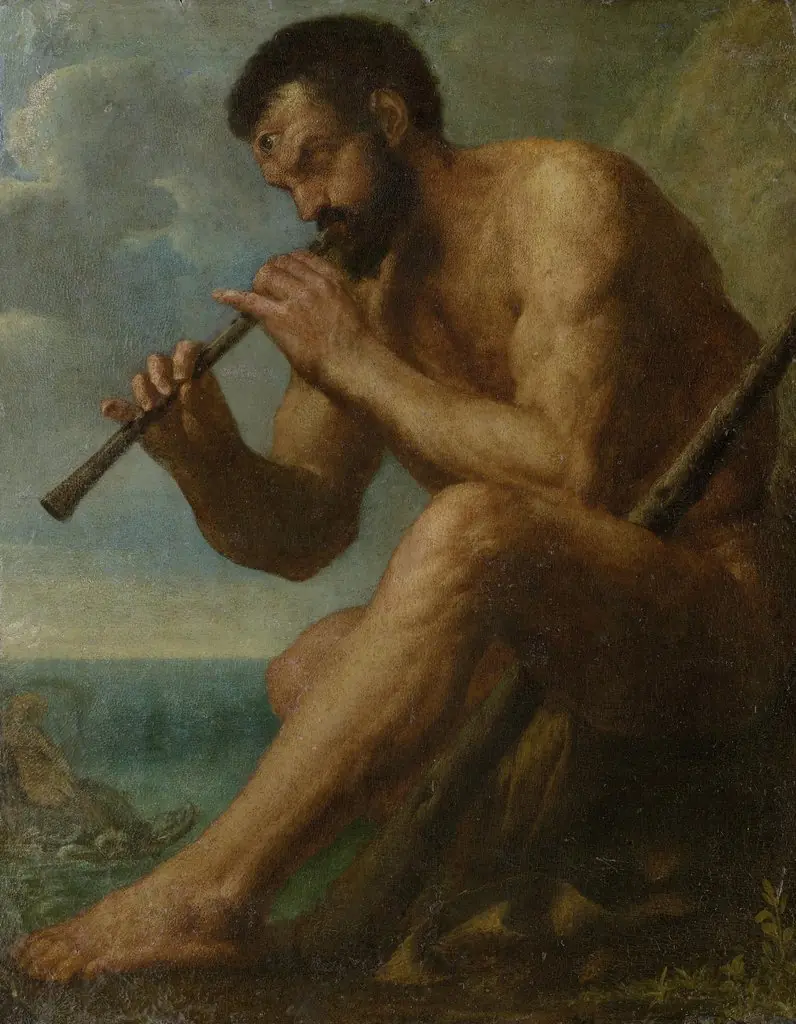
Un fauno
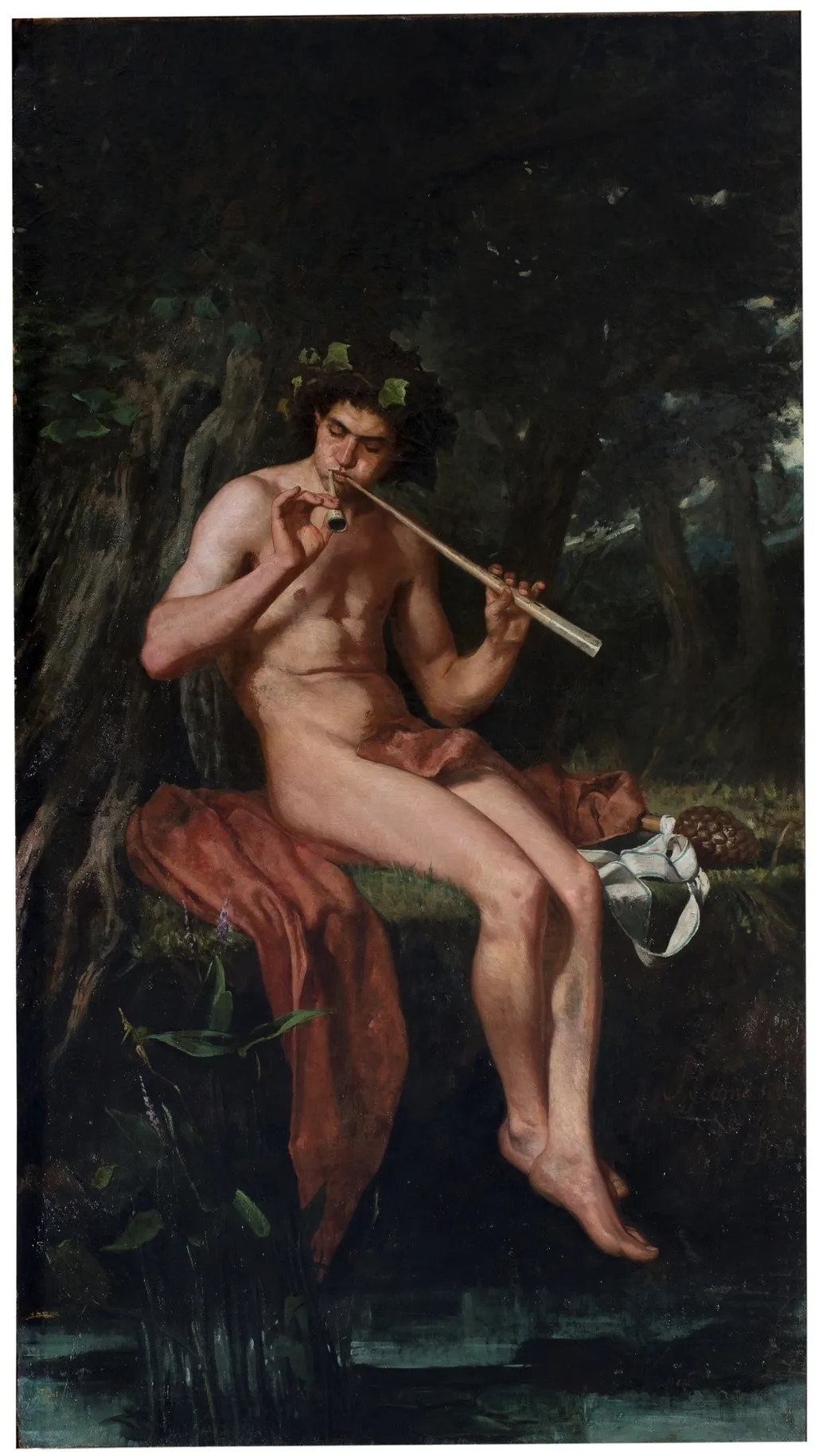
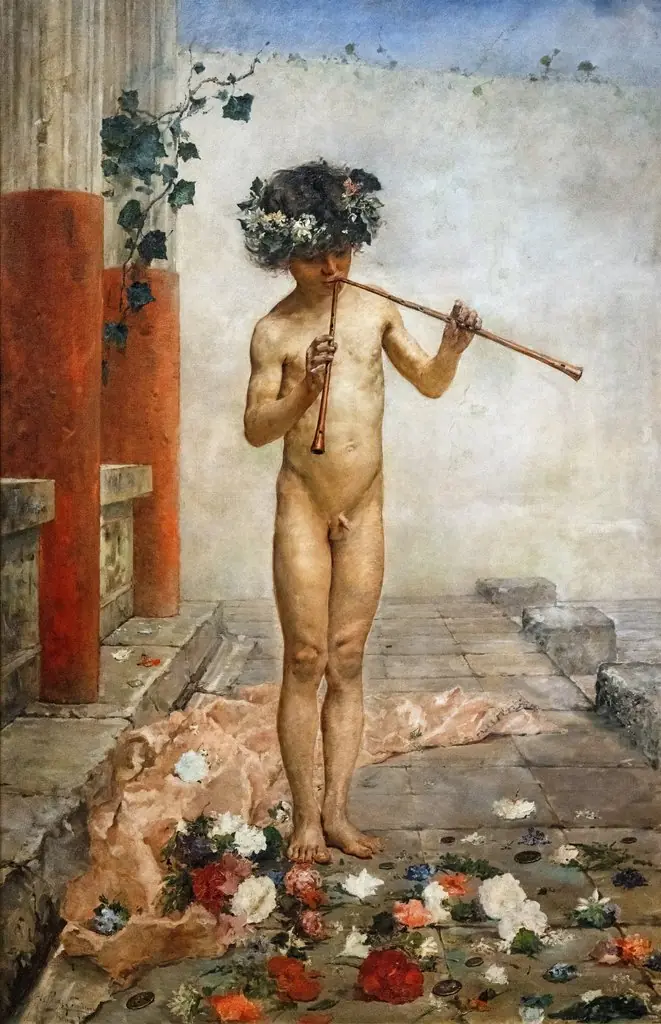
Un fauno is an oil painting by the Realist artist Francisco Jover y Casanova. It dates from 1870 and is held in the collection of the Museo del Prado.
About this work
Subject & Meaning
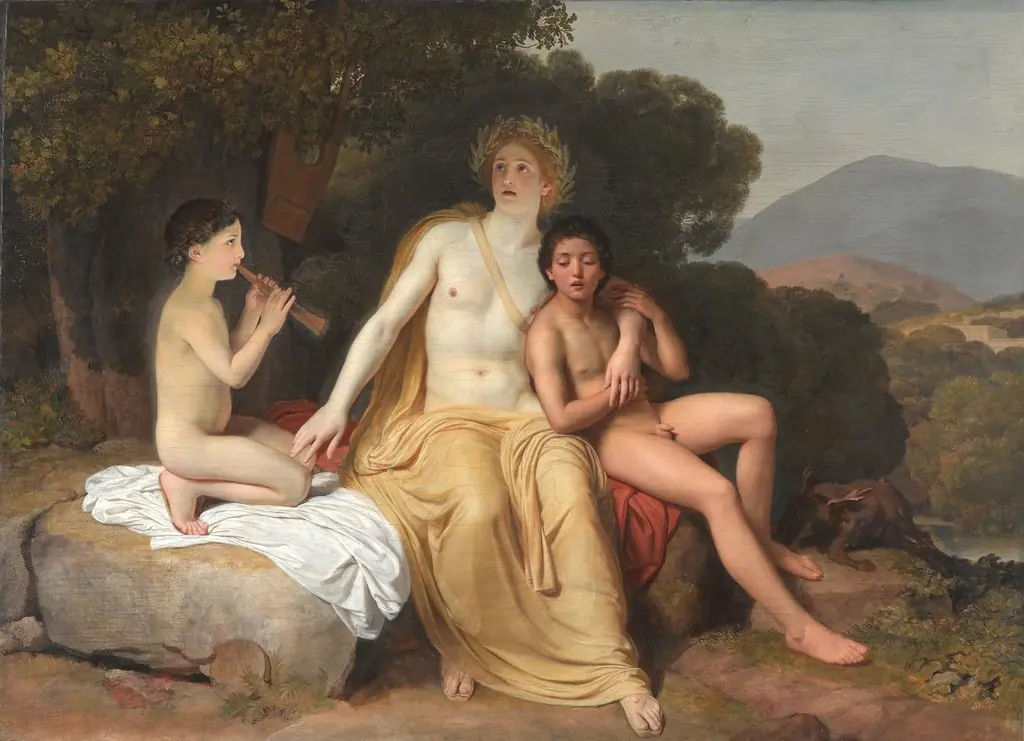
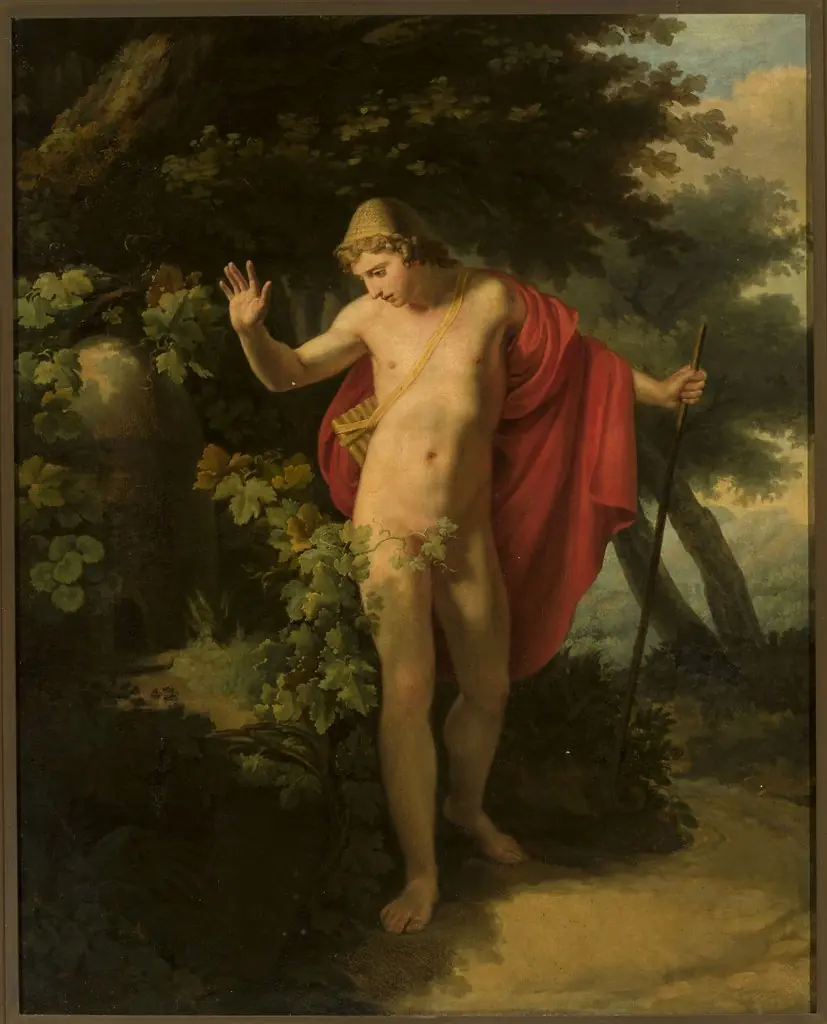
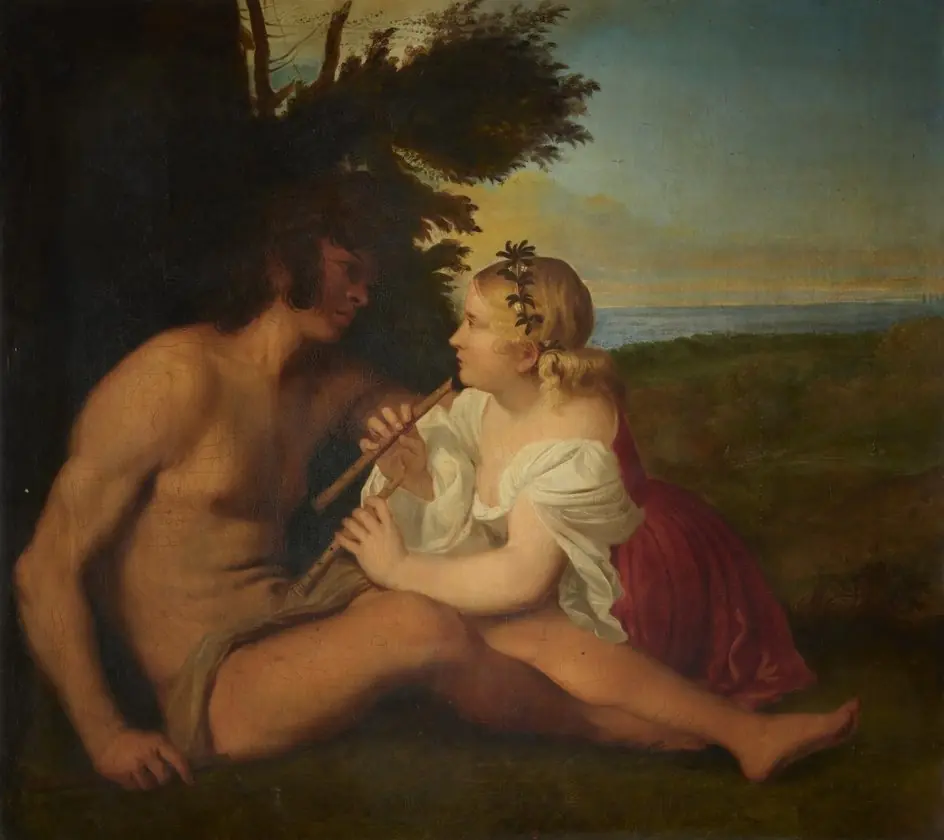
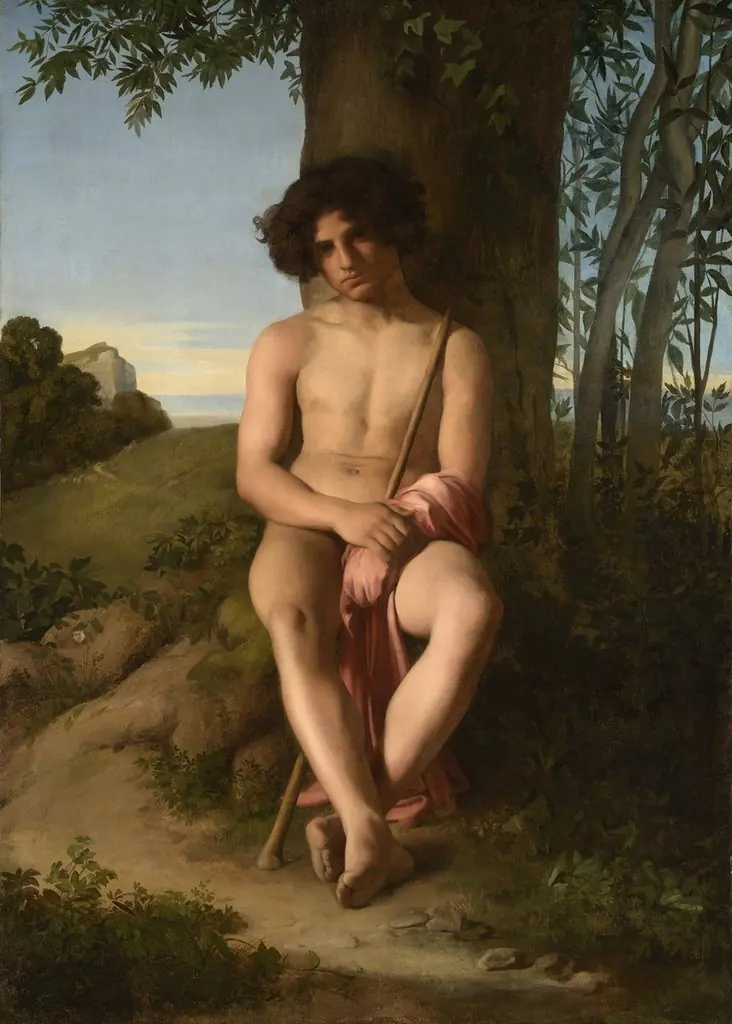
Francisco Jover y Casanova's Un fauno depicts a mythic woodland creature accompanied by an aulos, a classical wind instrument, symbolizing pastoral and rustic themes. The painting reflects 19th‑century Romantic fascination with mythological subjects drawn from nature. It is housed in the Museo del Prado in Madrid.
Technique & Style
Un fauno is an oil painting executed on canvas. The work depicts a faun playing an aulos, rendered in a naturalistic style characteristic of late 19th-century academic art. The painting measures 281 cm in height and 166 cm in width, a format typical of large-scale studio compositions from the period.
History & Provenance
Un fauno was created in 1870 by Francisco Jover y Casanova, executed in oil paint on canvas.
Un fauno was created in 1870 by Francisco Jover y Casanova, executed in oil paint on canvas. The work is held in the collection of the Museo del Prado, where it remains located. The sources do not provide details on a commissioning party, prior owners, intermediate custody, or acquisition circumstances, nor do they specify the month or circumstances of its creation beyond the year 1870.
Un fauno is held in the collection of the Museo del Prado, with inventory number P00968. The work was created in 1870 by Francisco Jover y Casanova, measures 281 cm by 166 cm, and has been part of the museum’s exhibition history since its acquisition.
Overview
Francisco Jover y Casanova’s oil painting Un faño was executed in 1870. The canvas presents a solitary figure reminiscent of a classical faun, seated on a moss‑covered stone and engaged in music. The work belongs to the realist tendency of the late nineteenth‑century Spanish school and is part of the Prado Museum’s collection.
Context
During the 1870s, Spanish painters increasingly turned to realist depictions of mythological subjects, blending academic training with local sensibilities. Jover’s choice of a faun aligns with this trend, offering a study of form and light that parallels contemporary works by his peers who explored similar classical motifs.
Artist & collection
Artist
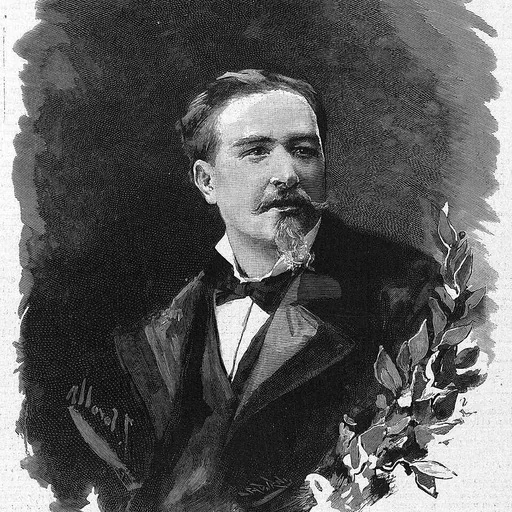
Francisco Jover y Casanova (1836, Muro de Alcoy - 19 February 1890, Madrid) was a Spanish painter of historical scenes and portraits.