Artwork
Tratado de Cambray
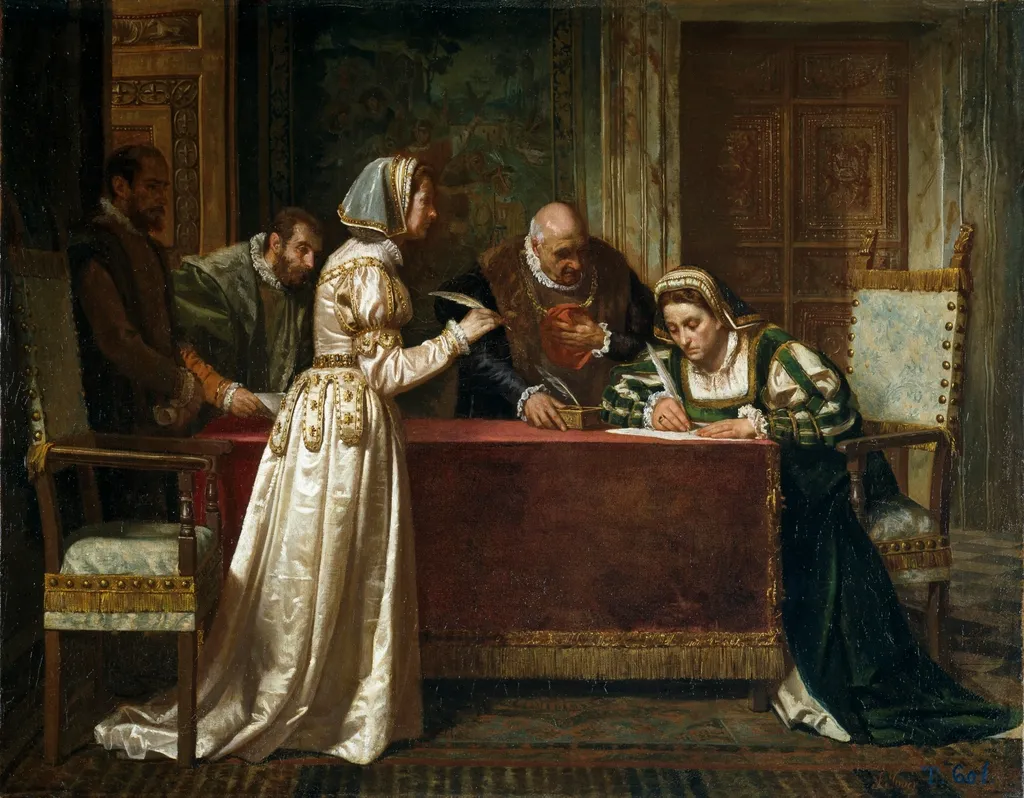
Tratado de Cambray is an oil painting by the Post-Impressionist artist Francisco Jover y Casanova. It dates from 1871 and is held in the collection of the Museo del Prado.
About this work
Subject & Meaning
These elements collectively symbolize the act of drafting or finalizing the historical treaty referenced in the title.
Francisco Jover y Casanova's 1871 painting, Tratado de Cambray, presents a still-life arrangement centered on objects associated with diplomatic writing and negotiation. The composition depicts a table and a seat, alongside specific tools of the trade: a pen and an inkwell. These elements collectively symbolize the act of drafting or finalizing the historical treaty referenced in the title.
Rather than illustrating the treaty signing event itself with figures, the work focuses on the material instruments that facilitated the agreement, emphasizing the administrative and written nature of the diplomatic process.
Technique & Style
The work is an oil painting executed on canvas. Its surface shows a tightly rendered table scene with a seated figure, pen, and inkwell rendered in muted tonal values and precise brushwork characteristic of academic realism. The composition balances spatial depth with a restrained palette, emphasizing clarity of line and subtle gradations of light.
The canvas support remains intact with no visible cracks or losses, and the paint layer exhibits a stable, even drying pattern consistent with 19th‑century oil techniques.
History & Provenance
Francisco Jover y Casanova painted Tratado de Cambray in 1871, an oil on canvas work measuring 72 cm by 91 cm. The painting entered the collection of the Museo del Prado, where it remains on display. Its creation is documented as having begun on 1 January 1871, and it portrays a table, seat, pen, and inkwell.
Francisco Jover y Casanova's 1871 painting, Tratado de Cambray, is held in the collection of the Museo del Prado in Madrid. The work, executed in oil on canvas, is part of the museum's permanent holdings. While specific inventory or accession numbers are not detailed in the provided records, the painting's presence at the Museo del Prado is confirmed as its current location.
Context
Francisco Jover y Casanova's 1871 oil painting Tratado de Cambray entered the Museo del Prado collection shortly after its creation, where it remains on display. The work depicts a table with a seat, pen, and inkwell, reflecting 19th-century Spanish academic interests in still-life compositions. Scholarship often situates the painting within Jover y Casanova's broader oeuvre of domestic scenes and his engagement with contemporary Spanish artistic circles.
Legacy
Francisco Jover y Casanova's 1871 oil painting Tratado de Cambray entered the Museo del Prado collection and later inspired scholarly attention for its delicate rendering of domestic interior objects. Art historians cite the work's subtle compositional balance as influencing subsequent Spanish genre painters who emphasized quiet domestic scenes. The painting's presence in a major national museum has contributed to renewed interest in 19th-century Spanish academic art during the late 20th century.
Overview
Francisco Jover y Casanova’s 1871 oil painting Tratado de Cambray presents a quiet interior scene populated by five figures. Set in an elaborately furnished room, the composition captures a moment of quiet concentration as the participants examine and write on documents. The work is part of the Museo del Prado’s collection and is generally associated with the post‑impressionist period in Spanish art.
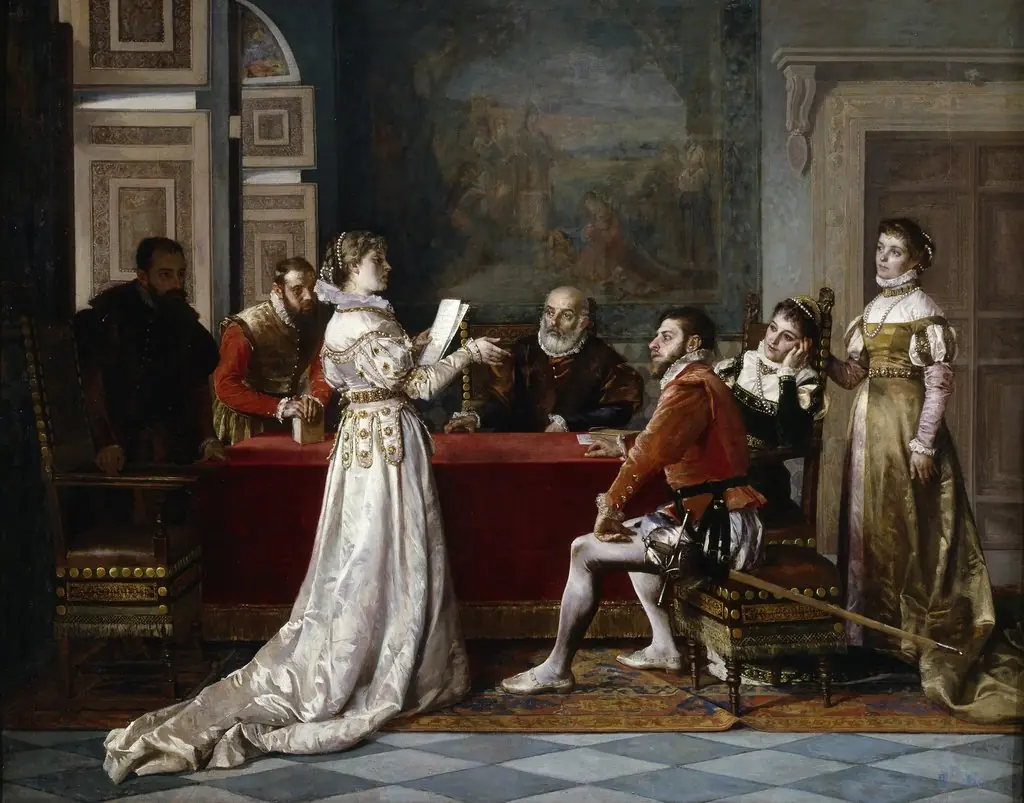
Own this work as a print
Artist & collection
Artist
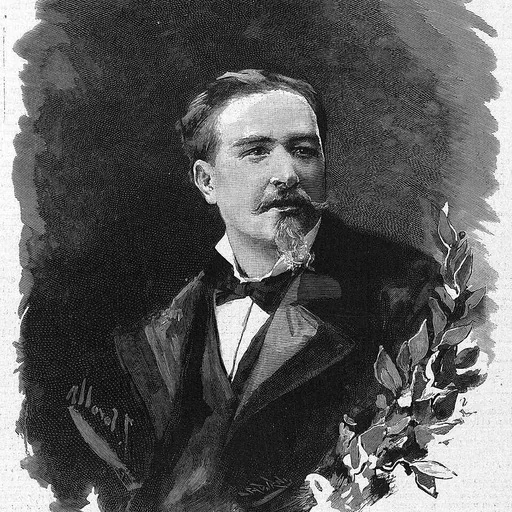
Francisco Jover y Casanova (1836, Muro de Alcoy - 19 February 1890, Madrid) was a Spanish painter of historical scenes and portraits.

- La poetisa
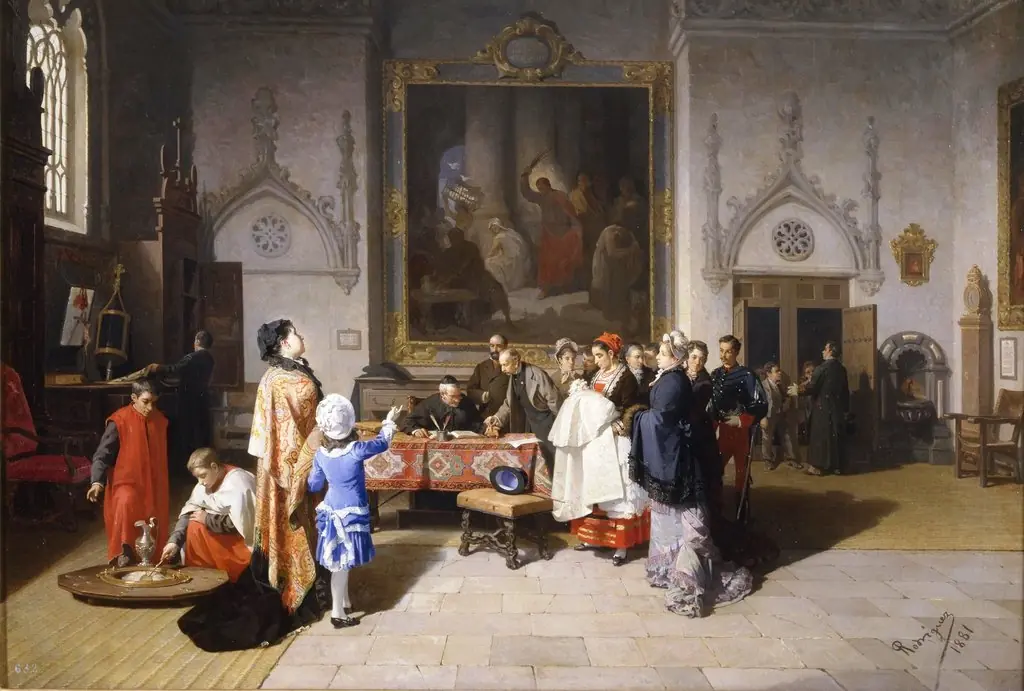 En la sacristía. ¿Mamá por qué pega Jesús a ese hombre?
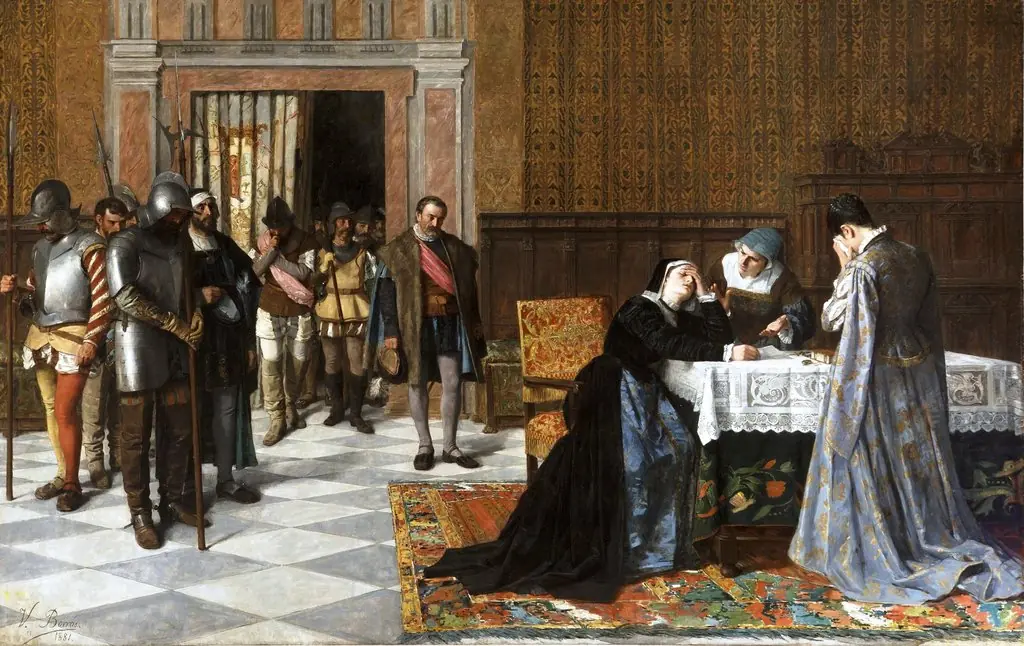 Doña María Pacheco de Padilla después de Villalar
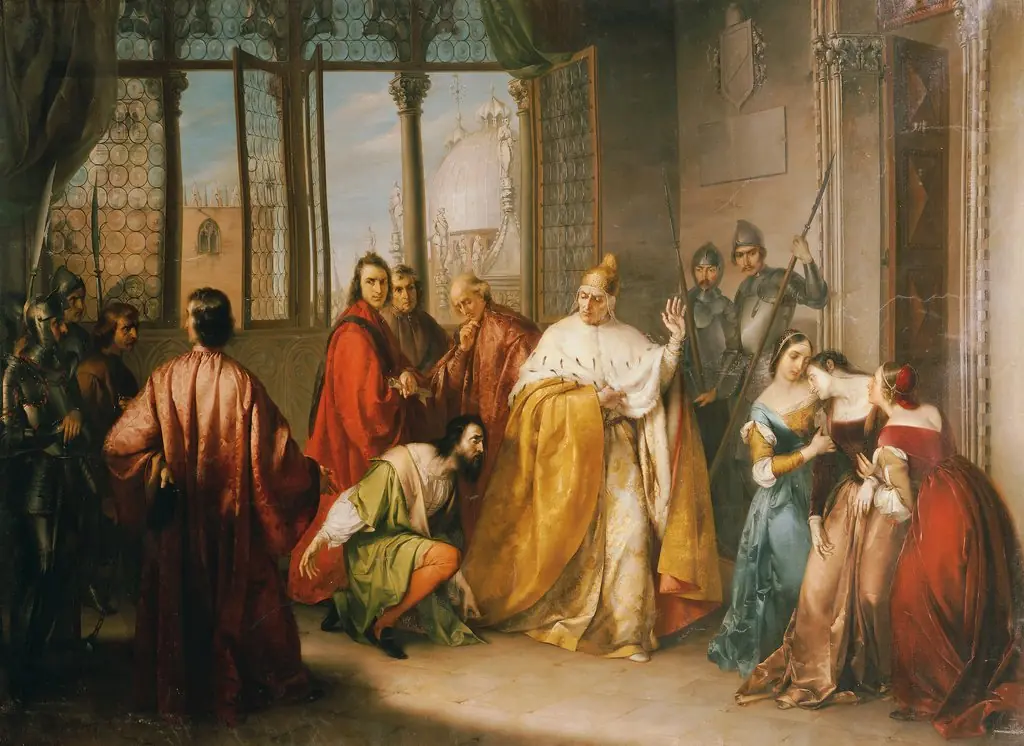 Der Doge Francesco Foscari schickt seinen Sohn Giacomo in die Verbannung ("I due Foscari")
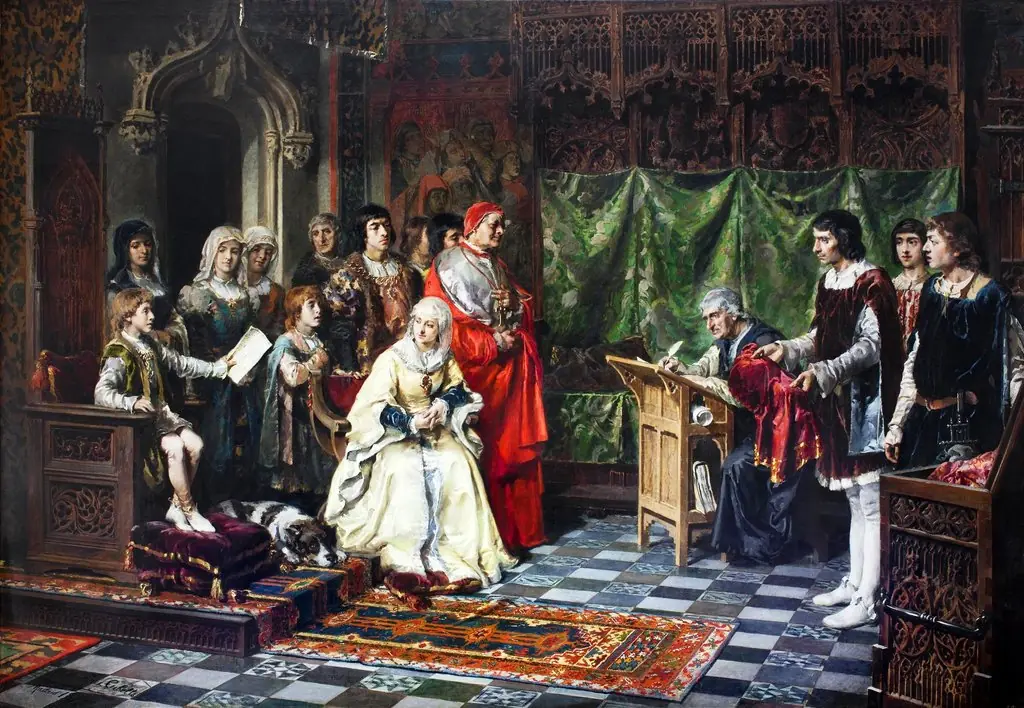 Educación del príncipe don Juan
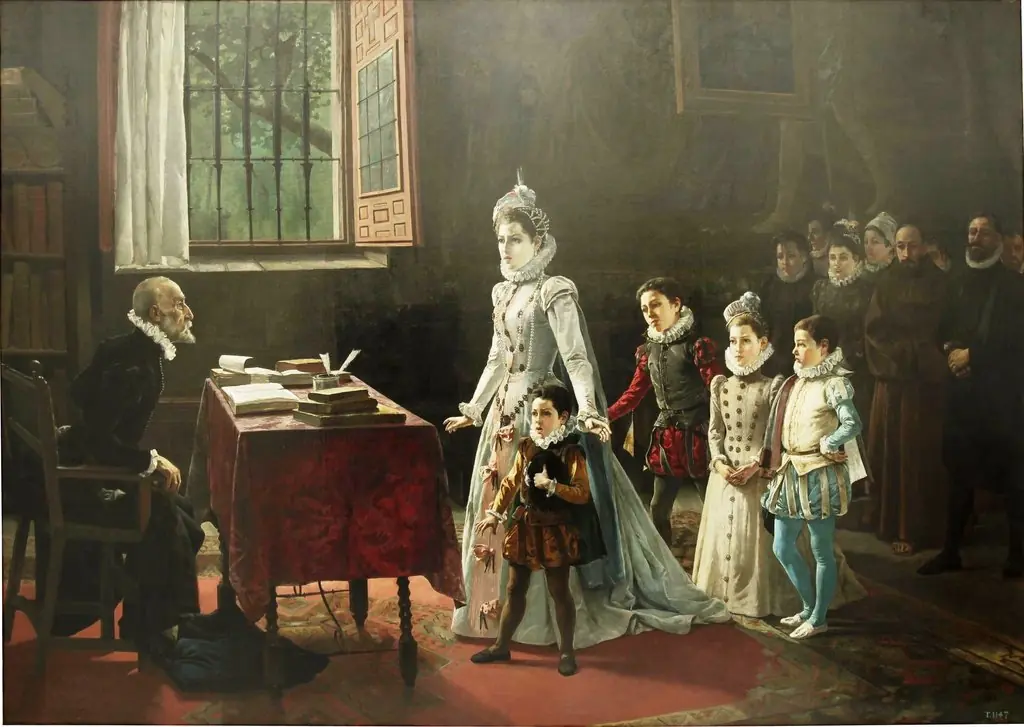 Los hijos de Antonio Pérez ante Rodrigo Vázquez
 King Gustav Vasa of Sweden Receiving the Swedish Translation of the Bible
 Tasso Reading before the Duke of Ferrara
 Reposición de Colón
 Cervantes en sus últimos días escribe la dedicatoria del Quijote al conde de Lemos
 Jan Zamoyski Visiting Czarnolas
 La prisión del príncipe de Viana