Artwork
Head of a Young Woman
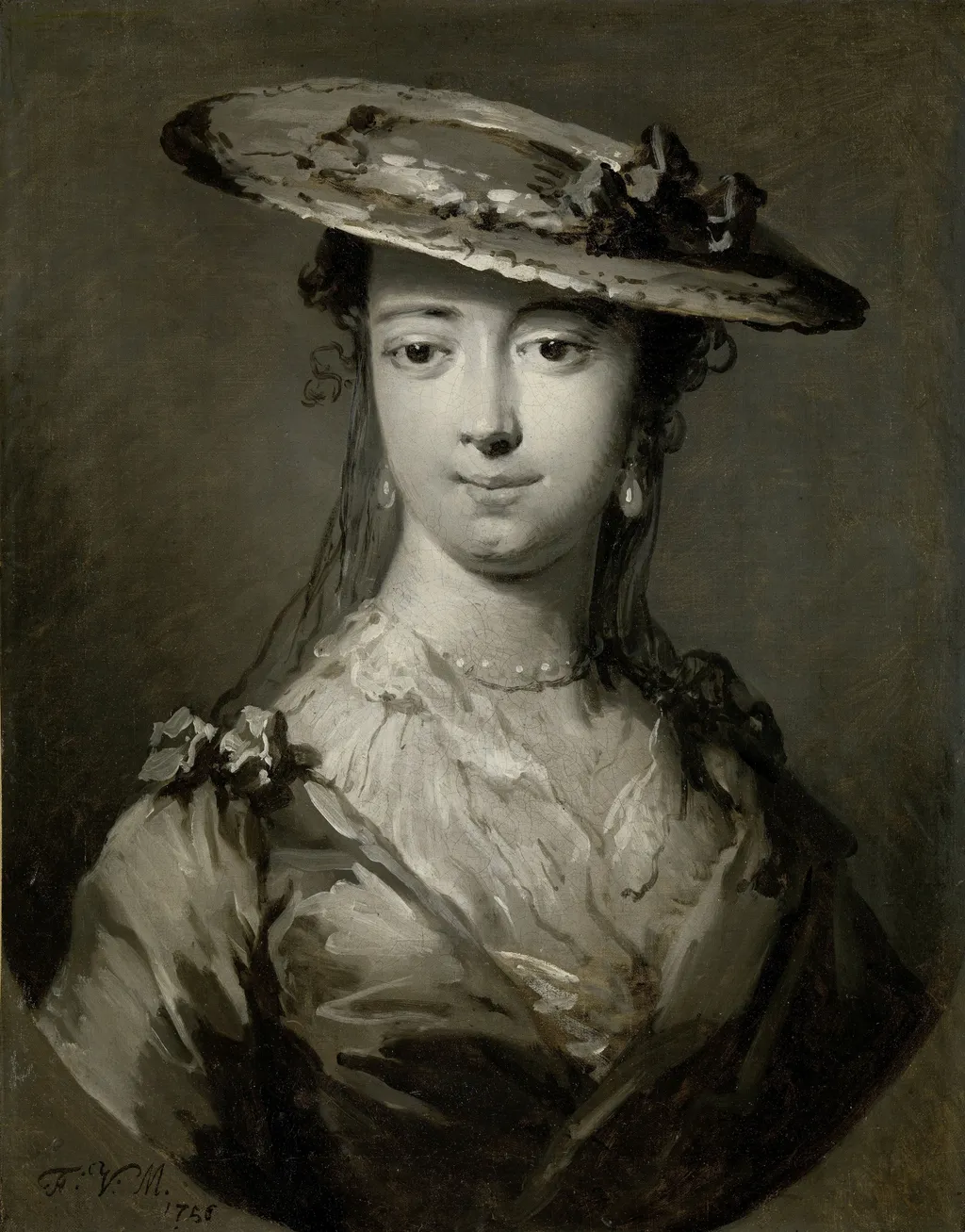
Head of a Young Woman is an oil painting by the Rococo painting artist Frans van der Mijn. It dates from 1756 and is held in the collection of the Rijksmuseum.
About this work
Subject & Meaning
The painting portrays a young woman whose identity is not documented, allowing the image to function as a study of youthful femininity rather than a specific portrait. The composition emphasizes delicate facial features and a soft gaze, suggesting an idealized representation of virtue and modesty common in 18th‑century Dutch portraiture. By focusing on the sitter’s serene expression, the work invites contemplation of inner character over external status, reflecting Enlightenment ideals that valued introspection and moral refinement.
Technique & Style
The portrait Head of a Young Woman was executed in oil paint on canvas in 1756. The work measures 53.5 cm in height by 42.2 cm in width and depicts a young woman in a conventional portrait format. The handling of the medium and the rendering of the sitter’s features reflect the formal conventions of 18th‑century Dutch portraiture, with a focus on naturalistic modeling and restrained composition.
History & Provenance
The painting was created in 1756 by Frans van der Mijn, as indicated by its dated title and the artist’s confirmed activity in that year.
It is currently held in the collection of the Rijksmuseum, Amsterdam, where it is catalogued as a portrait of a young woman. The work’s dimensions are recorded as 53.5 cm in height and 42.2 cm in width, consistent with the museum’s documentation.
Overview
The work presents a half‑length portrait of an unidentified female sitter, rendered against a dark, unadorned backdrop that isolates her features.
Frans van der Mijn’s oil painting, Head of a Young Woman, was executed in 1756 and is part of the Rijksmuseum’s collection. The work presents a half‑length portrait of an unidentified female sitter, rendered against a dark, unadorned backdrop that isolates her features. The canvas measures a modest size, typical of private portraiture in the mid‑eighteenth century, and serves as a clear example of van der Mijn’s focus on individual character.
Context
Frans van der Mijn, a Dutch painter active in the mid‑1700s, specialized in portraiture and genre scenes. This work aligns with contemporary trends that favored intimate, single‑figure portraits for the emerging middle class. The subdued background and focus on realistic flesh tones echo the influence of earlier Dutch masters while incorporating the lighter, more relaxed brushwork that characterized the period’s shift toward Rococo sensibilities.
Own this work as a print
Artist & collection

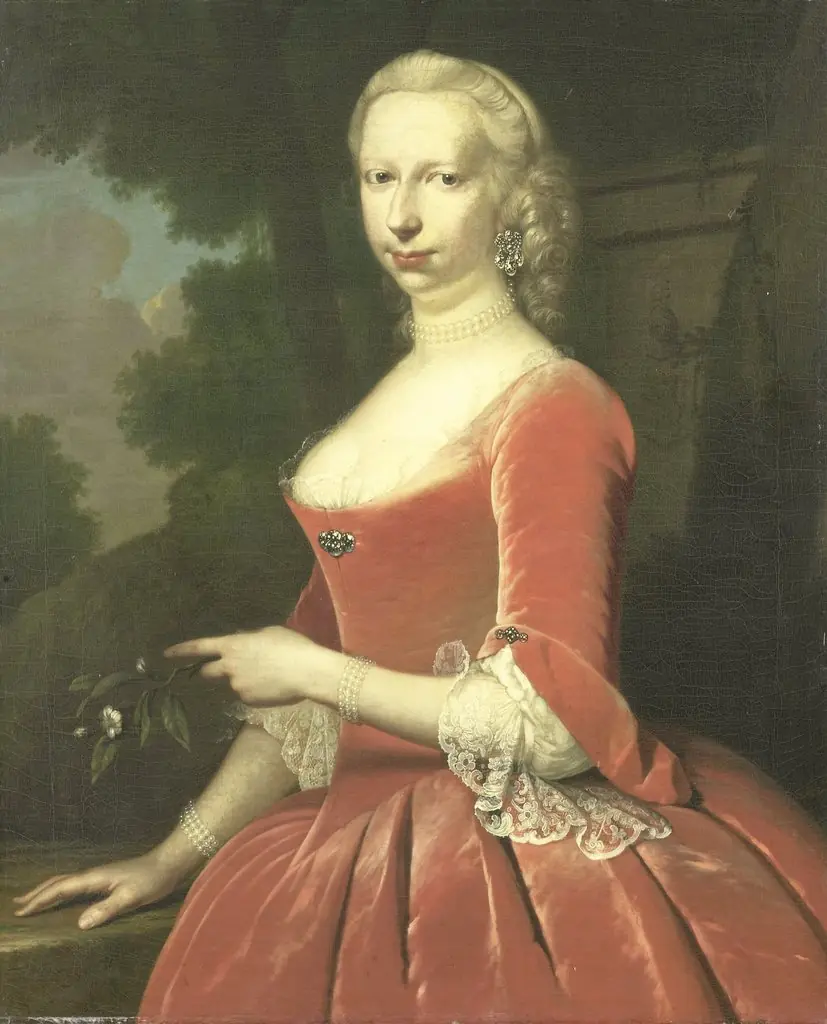
- Head of a Young Woman
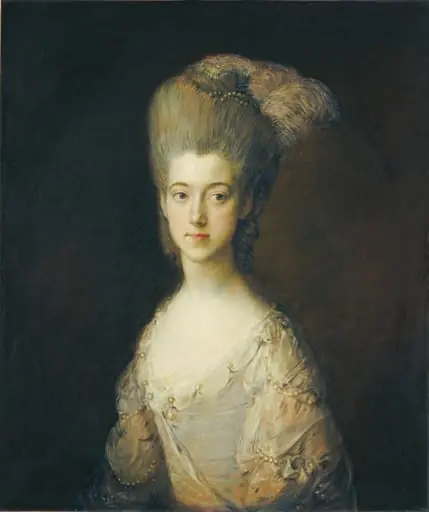 Mrs. Paul Cobb Methuen
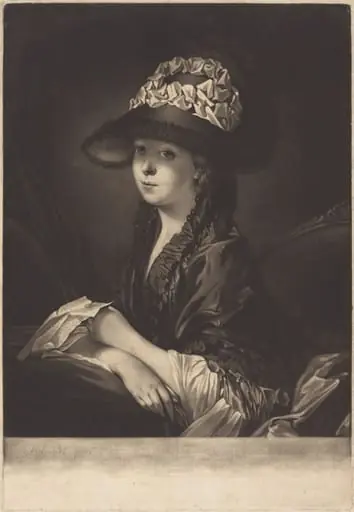 Lucinda, Miss Moore
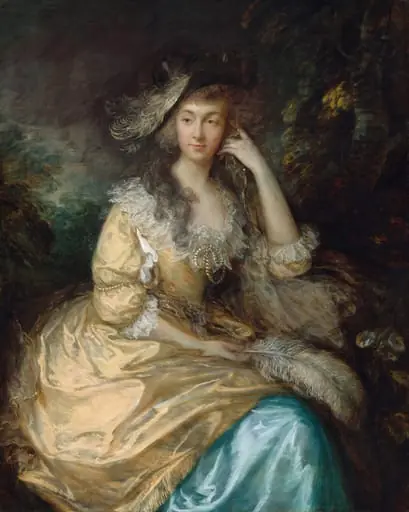 Frances Susanna, Lady de Dunstanville
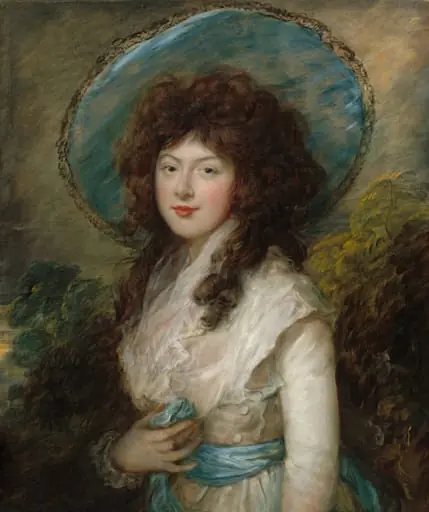 Miss Catherine Tatton
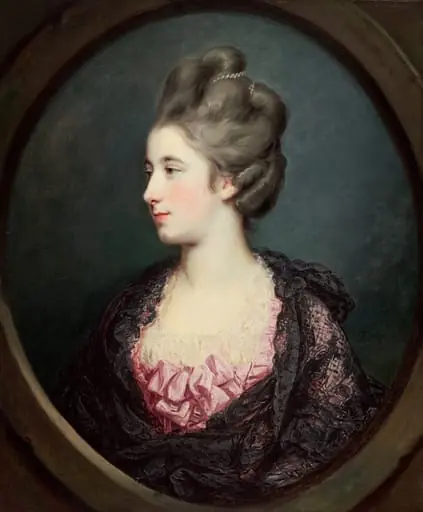 Mrs. Thomas Horne
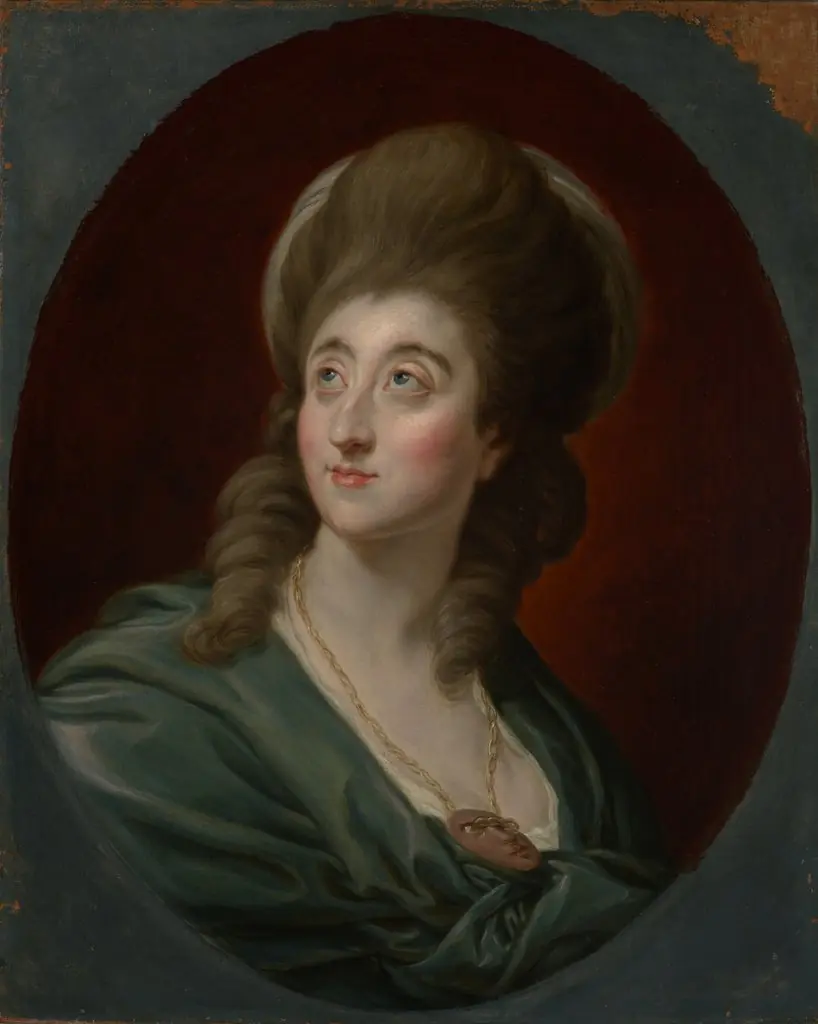 Portrait of Aleksandra née Lubomirska, Wife of Stanisław Potocki (1758–1831)
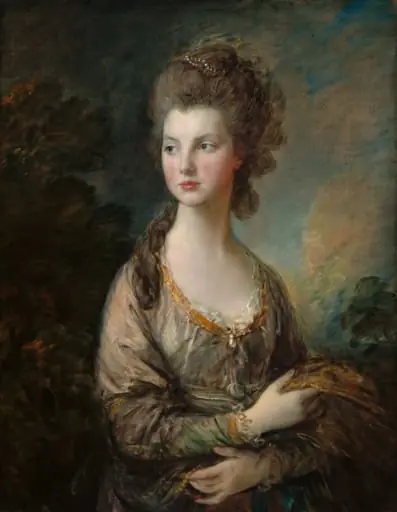 The Hon. Mrs. Thomas Graham
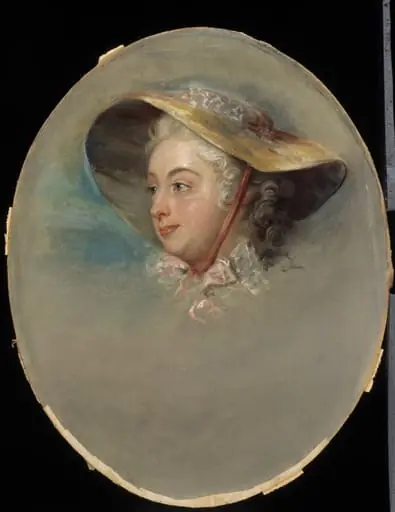 Juliana Dorothea Schröder
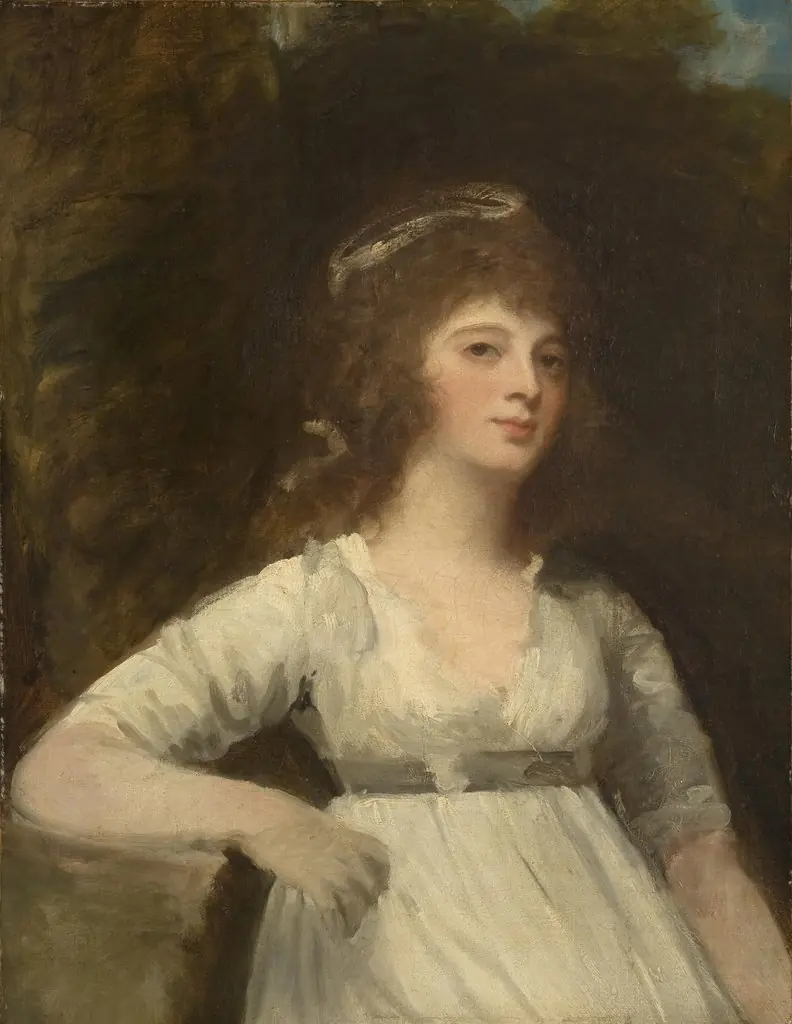 Portrait of Mrs. Finch
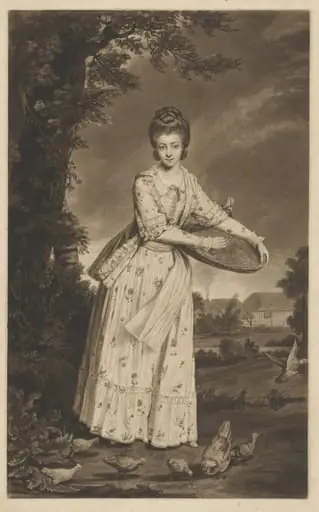 Mrs. Pelham
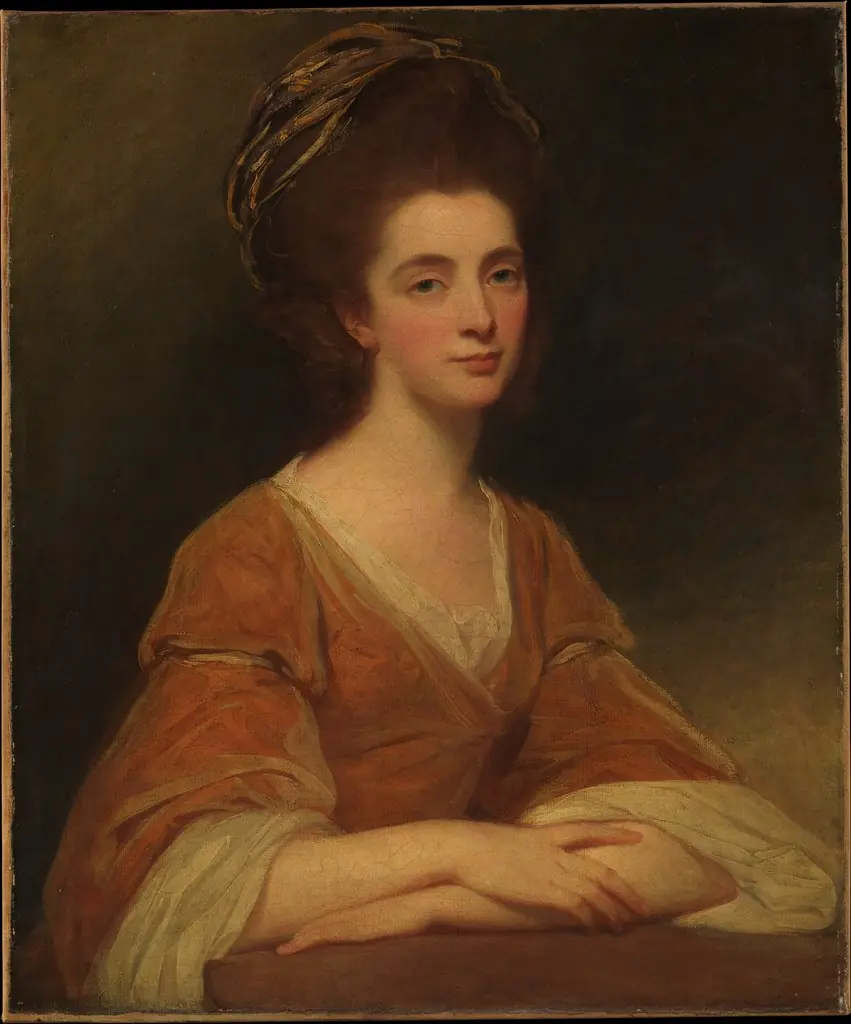 Mrs. Charles Frederick (Martha Rigden, died 1794)