Artwork
Portrait of George van der Myn, Painter
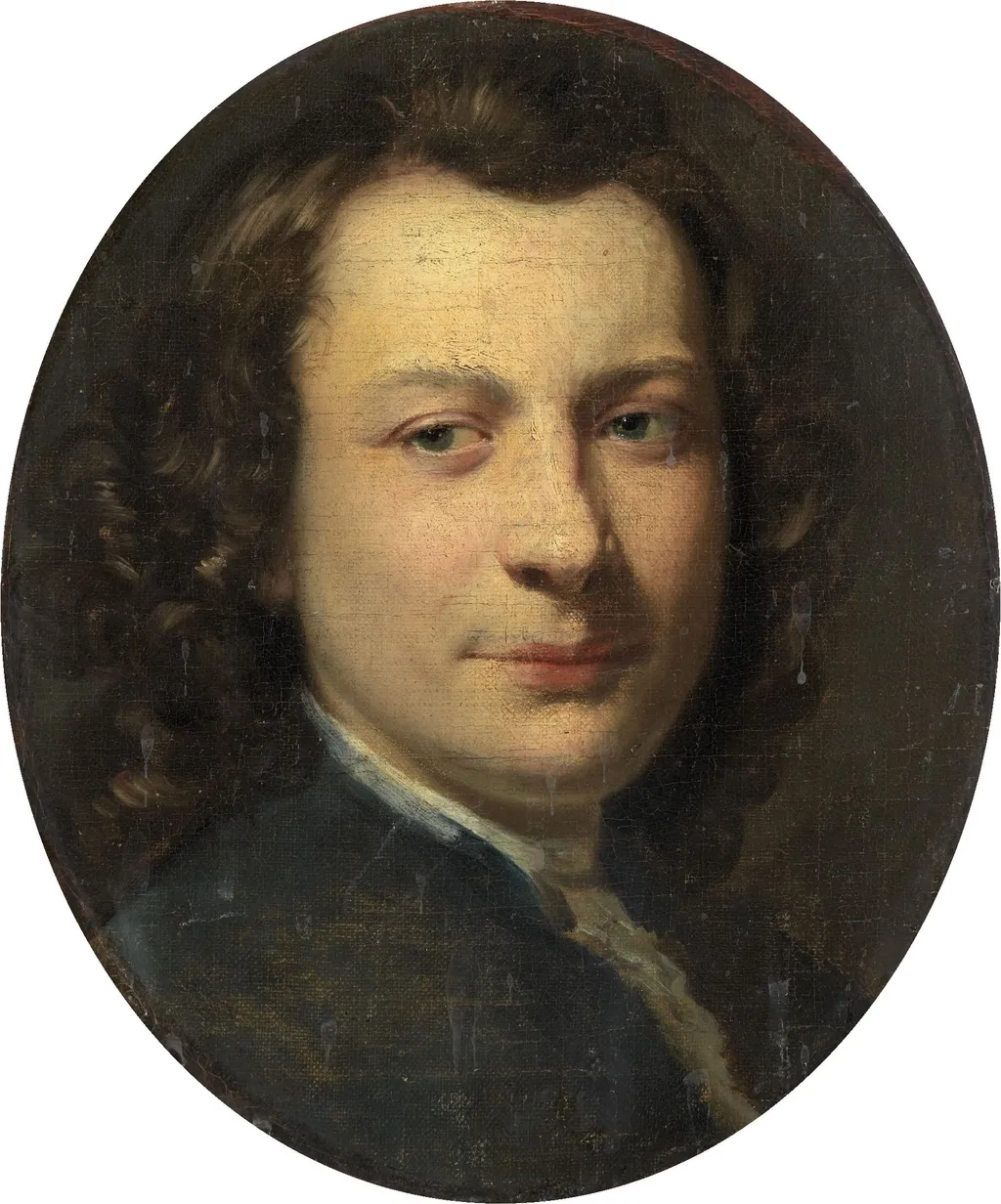
Portrait of George van der Myn, Painter is an oil painting by the Rococo painting artist Frans van der Mijn. It dates from 1750 and is held in the collection of the Rijksmuseum.
About this work
Subject & Meaning
As a portrait genre work, it belongs to a tradition of representing artists through likenesses that assert professional identity and familial lineage.
The painting portrays George van der Myn, a painter and the artist's own family member, identified by the work's title and confirmed by its Wikidata record as the main subject. As a portrait genre work, it belongs to a tradition of representing artists through likenesses that assert professional identity and familial lineage.
The canvas, measuring 34.5 by 29 cm, presents a small-scale, intimate format suited to private commemoration rather than public display. The sitter's identification as a fellow painter, combined with the work's execution by Frans van der Mijn, situates the portrait within a familial network of artists who depicted one another, reinforcing craft and dynastic continuity through the act of painted representation itself.
History & Provenance
The Portrait of George van der Myn, Painter is held in the collection of the Rijksmuseum in Amsterdam. The work, created by Frans van der Mijn in 1750, is cataloged within the museum's holdings as an oil painting on canvas. While the specific inventory or accession number is not provided in the available records, the institution maintains the piece as part of its permanent collection. No specific exhibition history or loan records are detailed in the current sources.
Overview
Frans van der Mijn’s oil portrait, dated around 1750, presents George van der Myn in a tightly focused composition. The work is part of the Rijksmuseum’s collection and exemplifies mid‑18th‑century Dutch portraiture, concentrating on the sitter’s visage and hands without extraneous background elements.
Technique & Style
Executed in oil on canvas, the portrait employs a restrained palette of warm, earthy tones for the face against a dark, unadorned backdrop. The artist’s handling of light and shadow creates a subtle chiaroscuro effect that emphasizes the three‑dimensionality of the facial features and hands, a common approach in the period’s portraiture.
Own this work as a print
Artist & collection

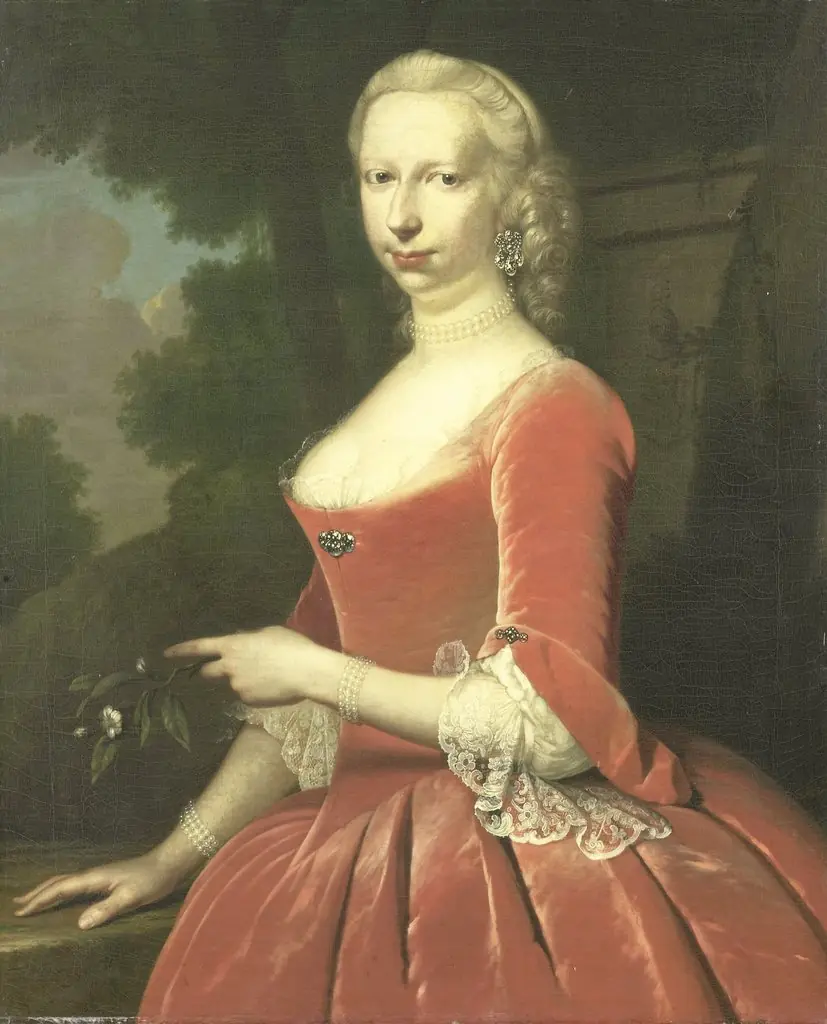
- Self-Portrait
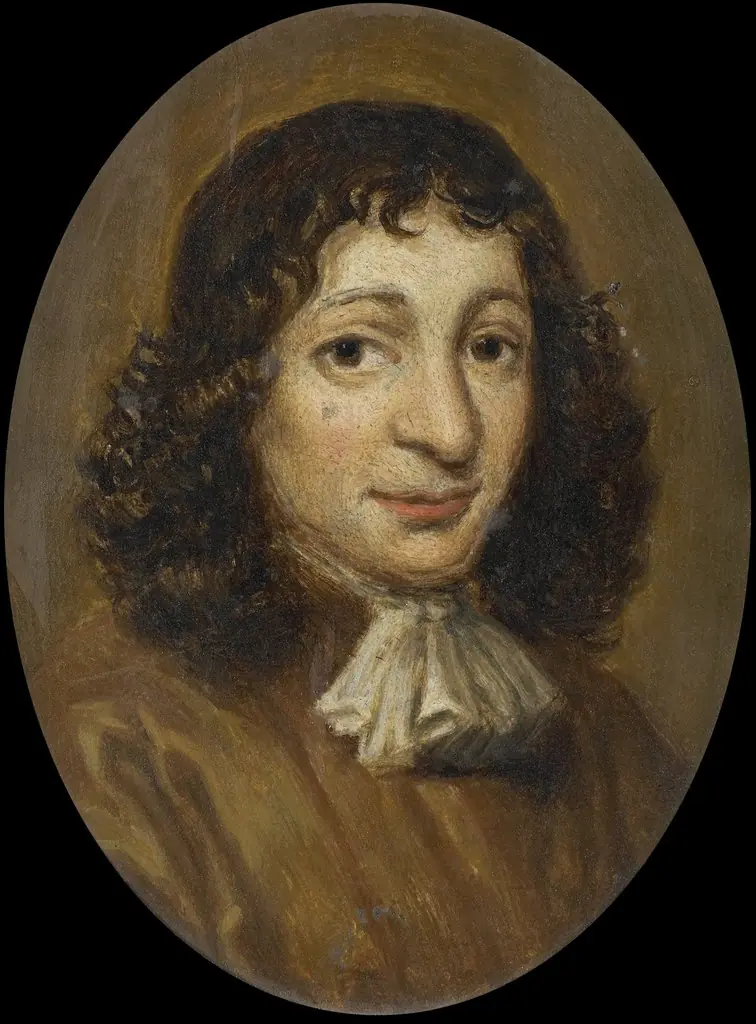 Portrait of a man
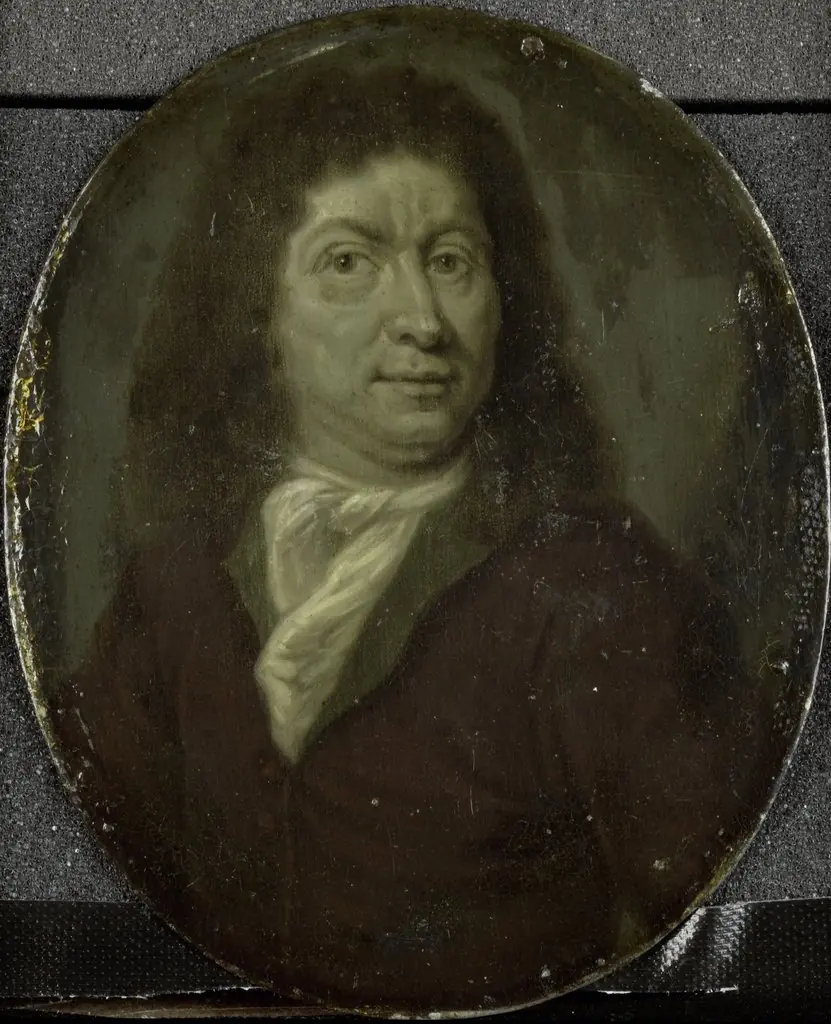 Portrait of Andries Pels (1631-81)
 Portrait of the Artist
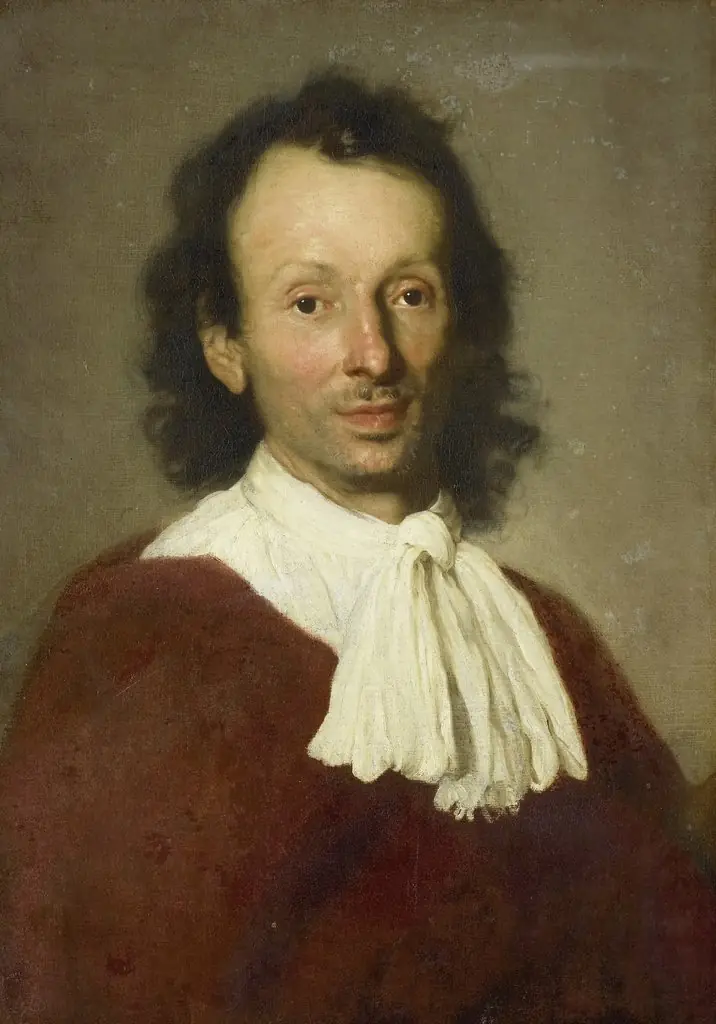 Portrait of a Man
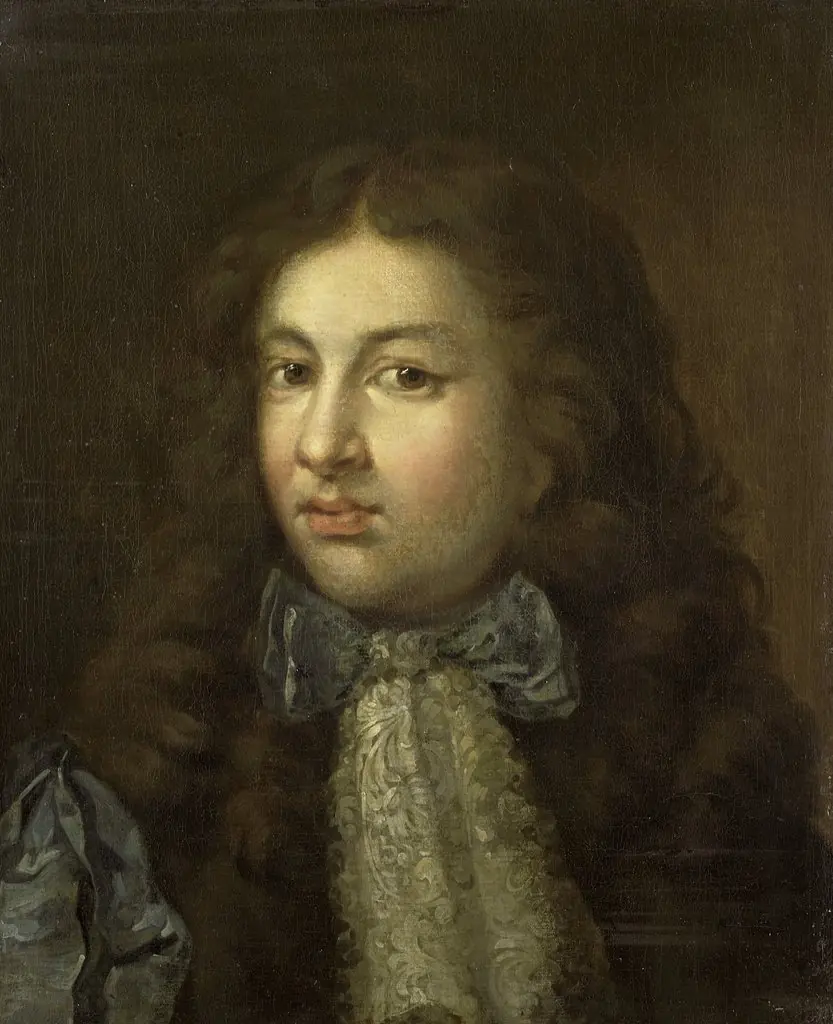 Portrait of Thedoor Netscher (1661-1728), the painter's oldest son
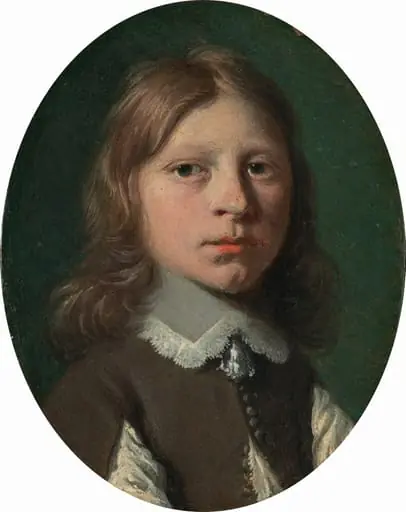 Head of a Young Boy
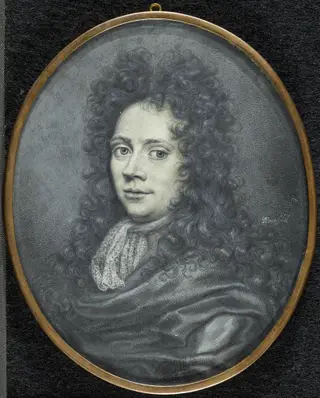 The Medalist Raumund Faltz (1658-1703)
 Untitled
 Nobil din sec. XVIII
 Johannes Parker, Alderman and Councilor of Middelburg
 Zelfportret van Gabriël van Rooyen