Artwork
Mrs. Paul Cobb Methuen
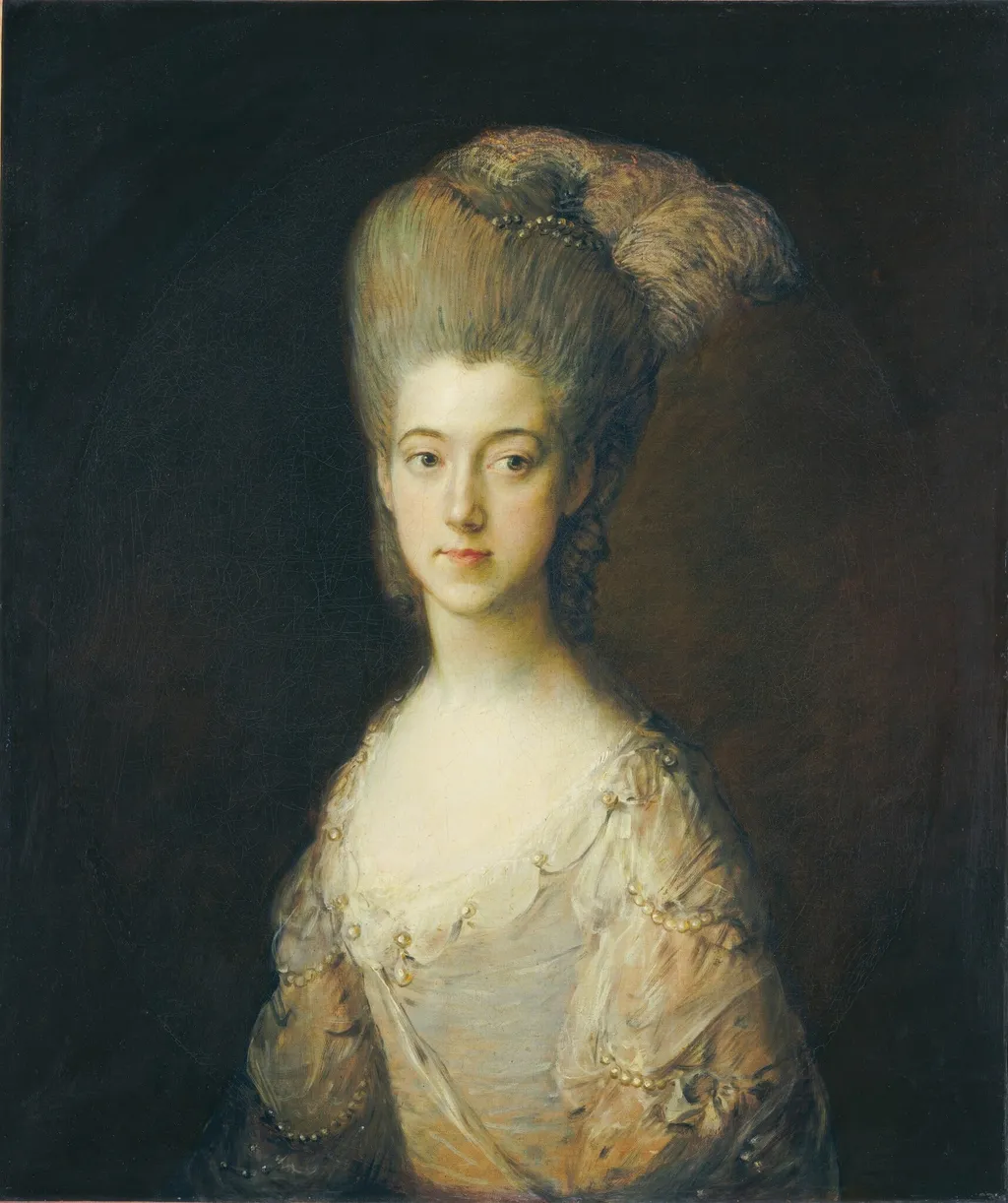
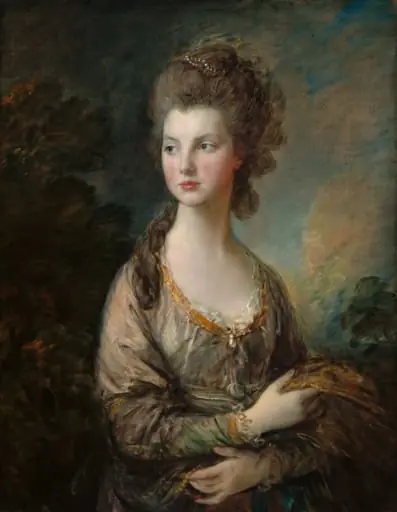
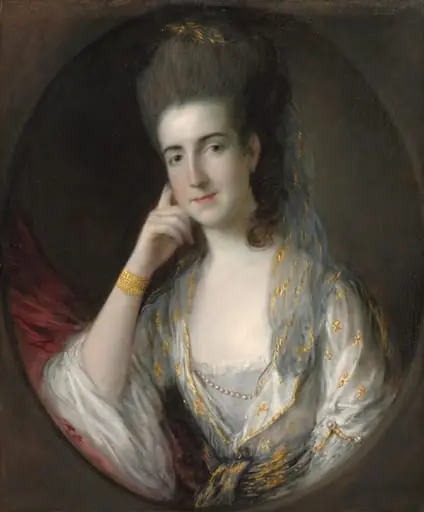
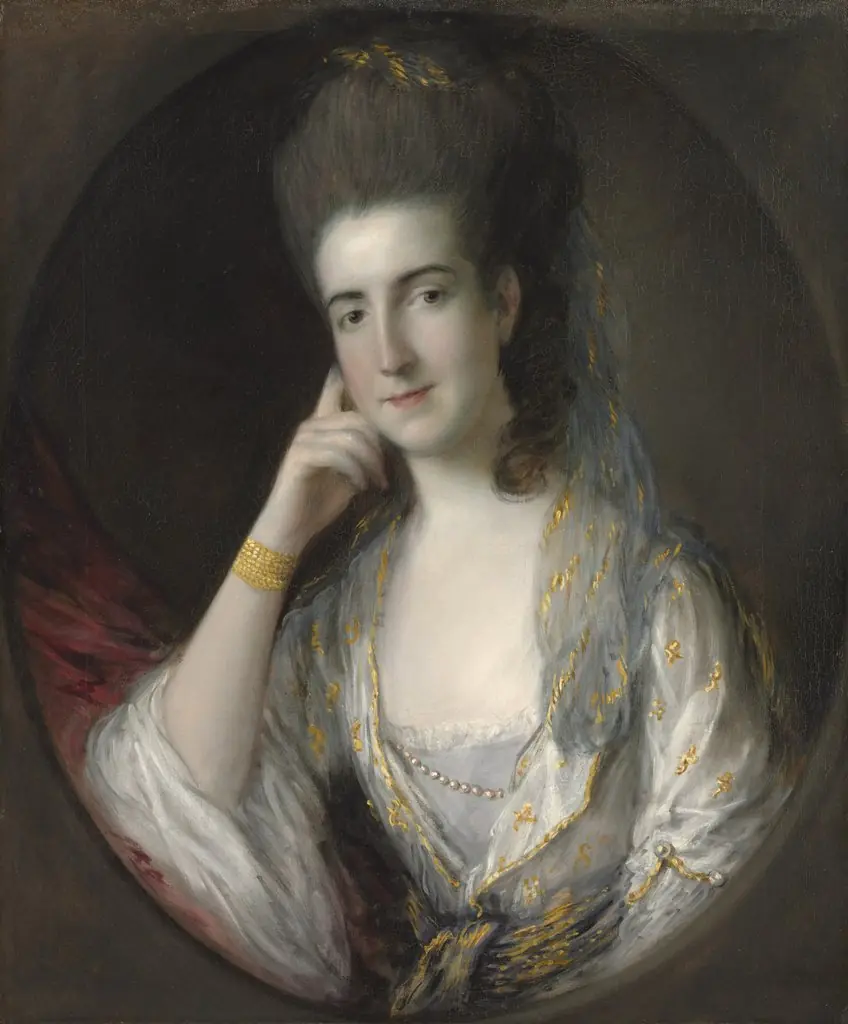
Mrs. Paul Cobb Methuen is an oil painting by the Rococo painting artist Thomas Gainsborough. It dates from 1776 and is held in the collection of the National Gallery of Art. Painted in 1776, Mrs.
About this work
Subject & Meaning
However, historical evidence indicates the piece may have remained unfinished and was possibly never delivered to the Methuen family at Corsham Court.
Executed in 1776, this oil on canvas portrait by Thomas Gainsborough depicts Matilda Gooch, who is identified as the work's primary subject. Classified as a portrait, the painting focuses on the representation of Gooch herself rather than incorporating complex allegorical iconography or symbolic attributes within the available records. The work was likely intended for her husband, Paul Cobb Methuen, suggesting its original function was a domestic commemoration of the sitter within the context of their marriage.
However, historical evidence indicates the piece may have remained unfinished and was possibly never delivered to the Methuen family at Corsham Court. Consequently, the artwork stands as a direct likeness of Gooch, representing her status and identity at the time of its creation without additional layers of documented symbolic meaning.
Technique & Style
Mrs. Paul Cobb Methuen is an oil painting on canvas executed by Thomas Gainsborough in 1776. The support is a woven canvas primed for oil paint, and the medium consists of oil pigments applied in layers. The work is noted as likely unfinished, with evidence of format changes and additions to the canvas that affect its current condition.
As a portrait, it presents the sitter Matilda Gooch within a modestly scaled format, and its unfinished state leaves areas of the support and underpainting visible, influencing its formal appearance.
History & Provenance
Executed in 1776, this oil portrait of Matilda Gooch was likely commissioned for her husband, Paul Cobb Methuen, though evidence suggests it remained unfinished and undelivered to Corsham Court. Scholar Ellis Waterhouse proposed that the work corresponds to an unfinished lot sold at Christie's in April 1797 during the artist's estate sale, a theory supported by physical alterations to the canvas and a lack of archival records at Corsham. Following the 1797 auction, the painting entered the collection of Caleb Whitefoord.
It later appeared in the possession of Paul Sanford Methuen, 3rd Baron Methuen, before being acquired by dealers Wallis & Son around 1893. That same year, American collector Peter A.B. Widener purchased the piece. Upon Widener's death, the work passed via inheritance and power of appointment to his son, Joseph E. Widener, who donated it to the National Gallery of Art in 1942.
Context
Thomas Gainsborough’s Mrs. Paul Cobb Methuen (1776) occupies a nuanced position in the artist’s late portraiture, reflecting his shift toward looser, more expressive brushwork and a heightened emphasis on psychological presence over formal elegance. Scholars such as Ellis Waterhouse have noted the painting’s likely unfinished state, a characteristic shared with other works from Gainsborough’s final years, which has prompted debates about the artist’s evolving technique and commercial priorities. While the portrait’s provenance, initially tied to the Methuen family but later circulating in sales, suggests it may not have met contemporary expectations for polished execution, its inclusion in the National Gallery of Art’s collection underscores its later recognition as a document of Gainsborough’s experimental approach.
Within art-historical narratives, the work is often contextualized alongside his better-known society portraits, illustrating his dual role as a sought-after portraitist and an innovator pushing against the conventions of 18th-century British portraiture.
Overview
Painted in 1776, Mrs. Paul Cobb Methuen is a full-length portrait by Thomas Gainsborough depicting Frances Methuen standing in a pastoral landscape. The sitter is dressed in a fashionable white silk gown with blue ribbons, accessorized with a large, wide-brimmed hat adorned with feathers and a fan held in her right hand. Gainsborough places her against a backdrop of soft, rolling hills and trees, a setting that reflects his dual mastery of portraiture and landscape painting.
The composition balances the precise rendering of the sitter's attire and elegant posture with the loose, atmospheric brushwork characteristic of the artist's mature style. This work exemplifies the Rococo influence in British portraiture, emphasizing grace and lightness. Created during the height of Gainsborough's career in London, the painting demonstrates his ability to integrate the sitter seamlessly into the natural environment, a technique that distinguishes his work from the more formal, studio-bound portraits of his contemporaries.
The piece remains a significant example of late 18th-century English portraiture, capturing both the social status of the subject and the artist's evolving aesthetic.
Own this work as a print
Artist & collection

Artist
Thomas Gainsborough (; 14 May 1727 (baptised) – 2 August 1788) was an English painter, draughtsman and printmaker who specialised in portrait and landscape painting.

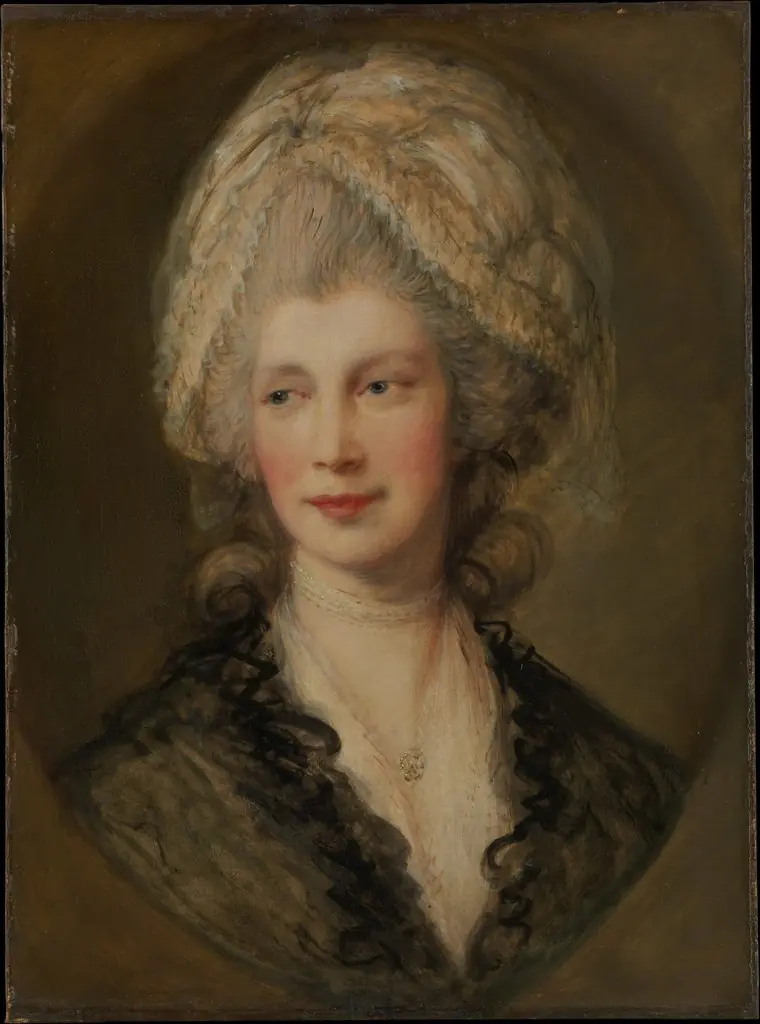
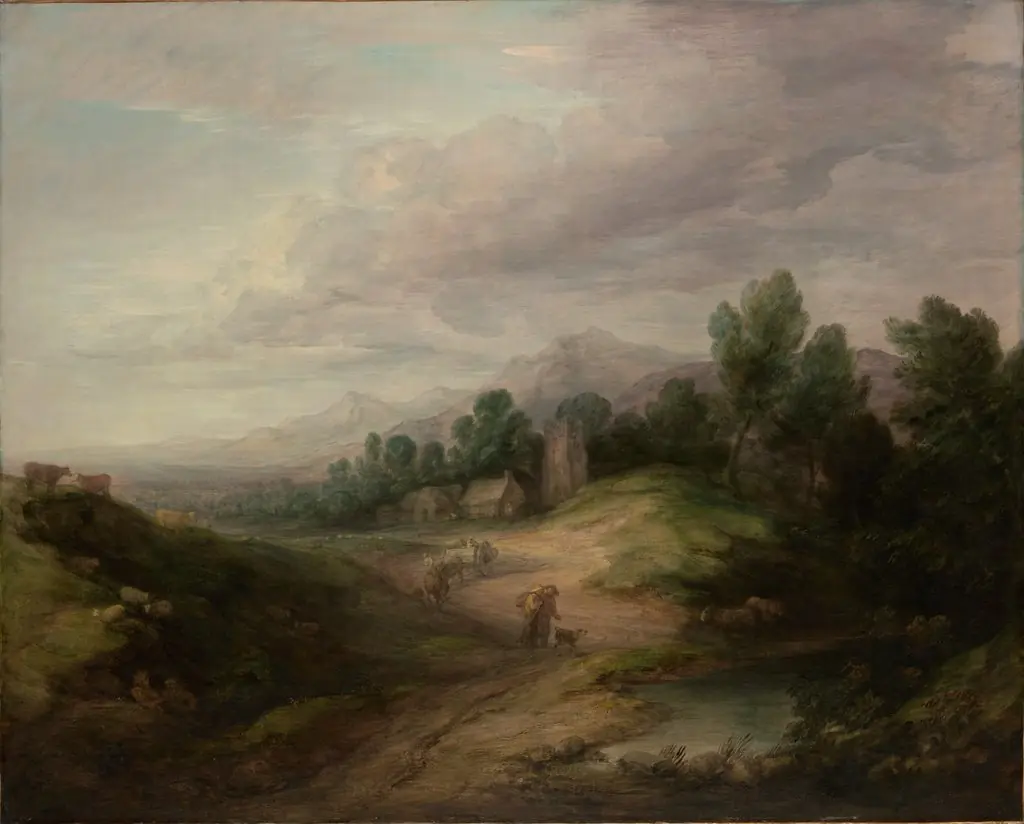
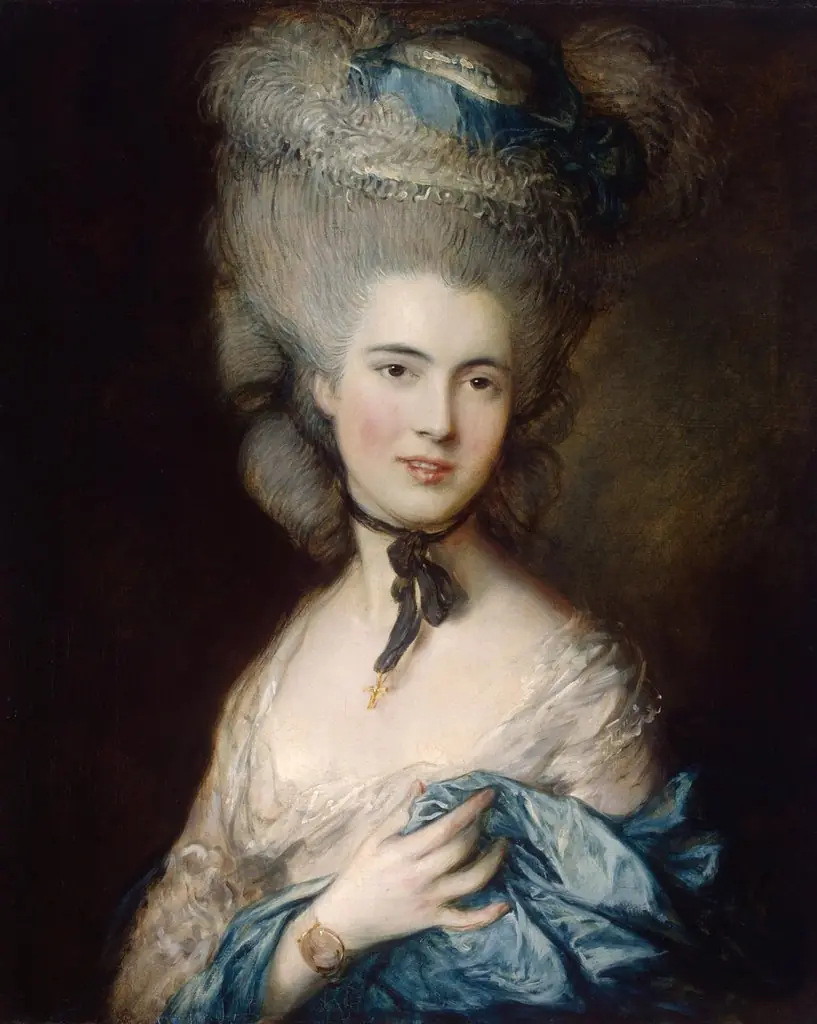
- Portrait of a Lady in Blue
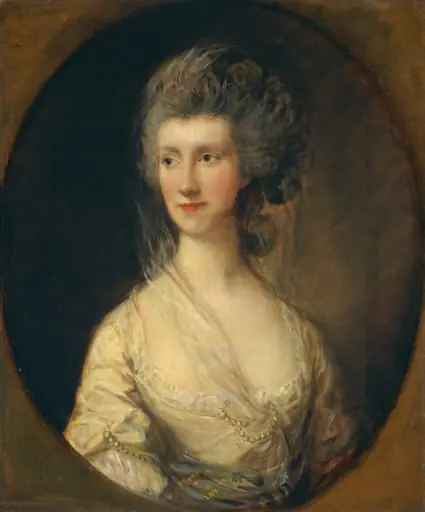 Mrs. John Taylor
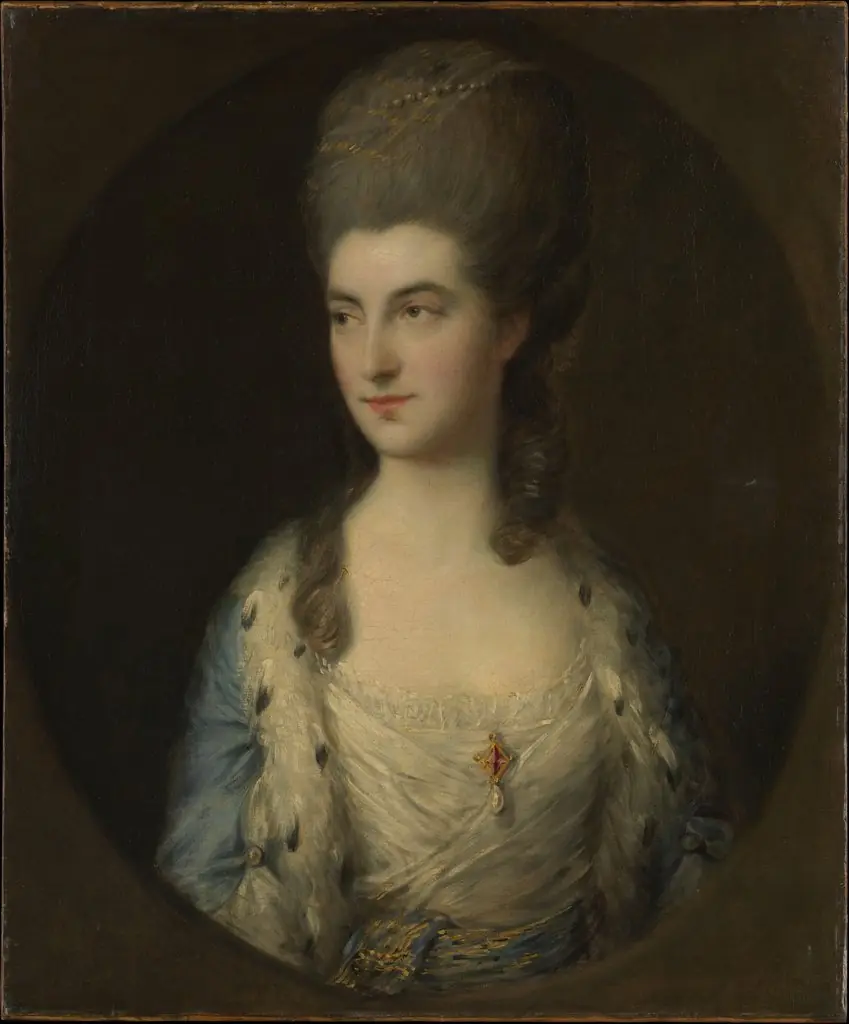 Portrait of a Young Woman, Called Miss Sparrow
 Mrs. Thomas Horne
 Portrait of Mary Wise
 Marie-Adélaïde de France, dite Madame Adélaïde
 Portrait of Mary Wise
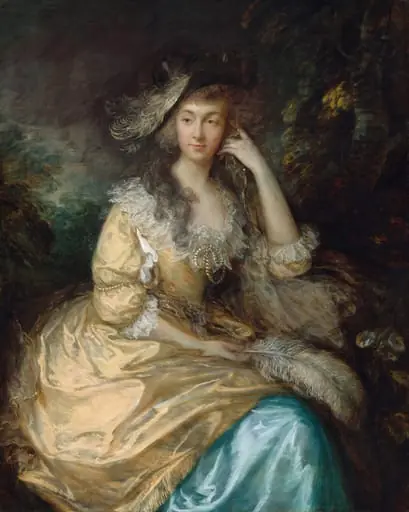 Frances Susanna, Lady de Dunstanville
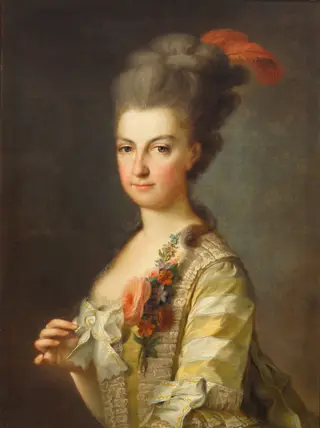 Erzherzogin Maria Christine (1742-1798), Herzogin von Sachsen - Teschen, in gestreiftem Seidenkleid, Halbfigur
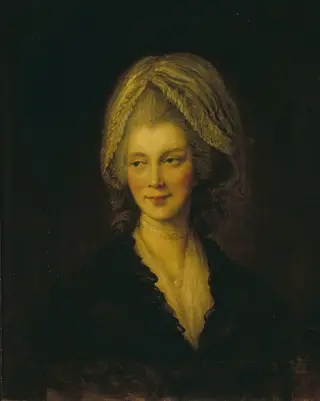 Queen Charlotte