Artwork
Jael und Sisera
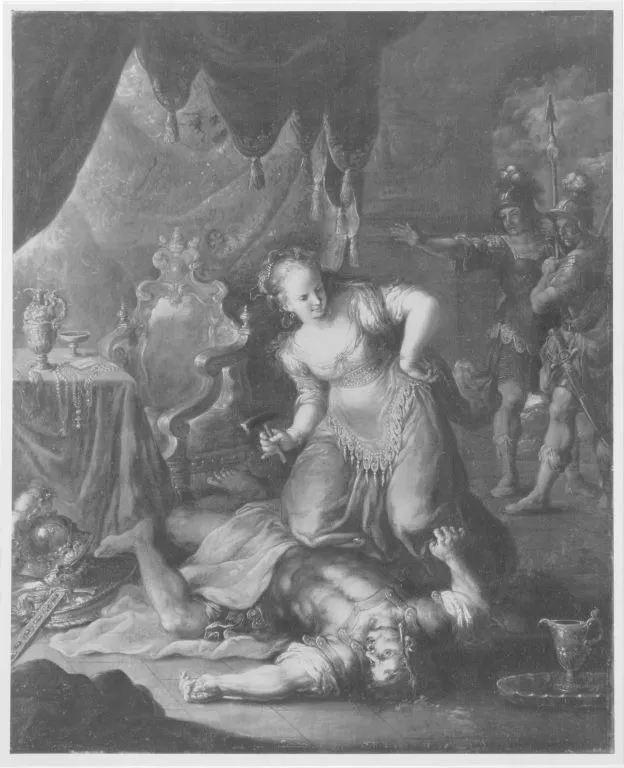
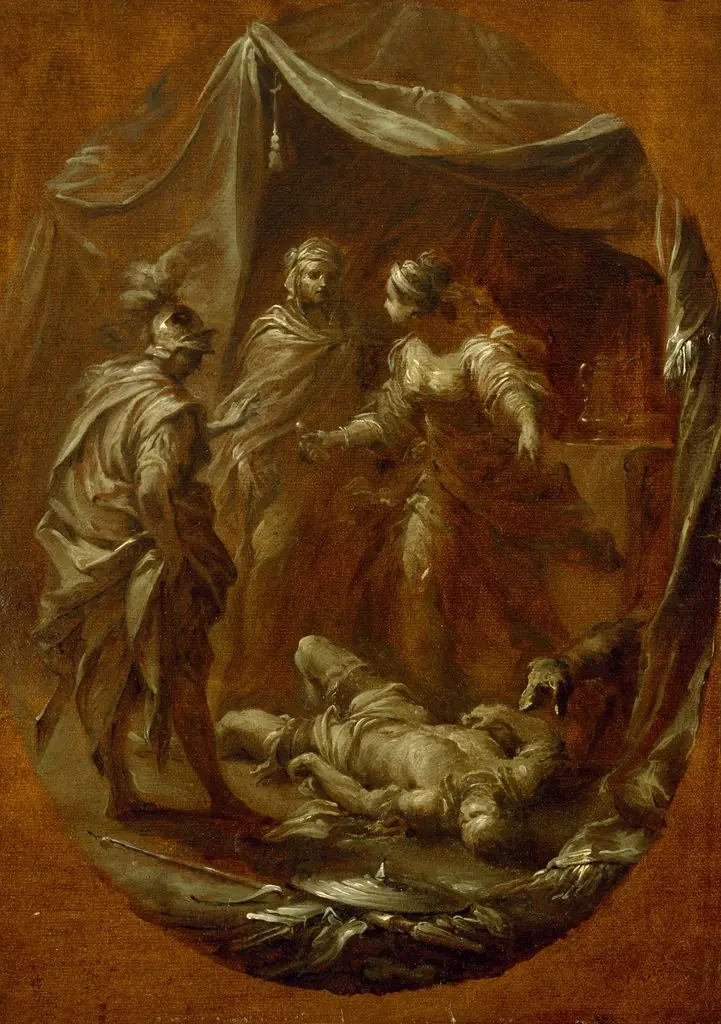
Jael und Sisera is an unspecified painting by the Rococo painting artist Franz Xaver Wagenschön. It dates from 1762 and is held in the collection of the Bavarian State Painting Collections.
About this work
Subject & Meaning
According to the biblical narrative, Sisera, commander of the army of King Jabin, fled after his forces were defeated by the Israelites under Deborah and Barak.
The painting depicts the Old Testament heroine Yael and the Canaanite general Sisera, a scene drawn from the Book of Judges. According to the biblical narrative, Sisera, commander of the army of King Jabin, fled after his forces were defeated by the Israelites under Deborah and Barak. He sought refuge in the tent of Yael, the wife of Heber the Kenite, where she killed him by driving a tent peg through his temple while he slept.
The episode is traditionally read as a celebration of divine deliverance and the unexpected triumph of faith and cunning over military power, and it has long been a popular subject in religious painting.
In Wagenschön's religious work, the encounter between Yael and Sisera is treated as a moment of moral and theological weight, presenting the heroine as an instrument of providential justice while emphasizing the vulnerability of the vanquished commander.
Technique & Style
The work is an oil painting on canvas, executed in 1762 and housed in the Alte Pinakothek. It depicts the biblical scene of Yael and Sisera with a composition that emphasizes dramatic tension through chiaroscuro and dynamic movement. Formal analysis notes a restrained palette and precise brushwork characteristic of late Rococo religious art.
The canvas measures 74.7 cm in height and 61.1 cm in width, reflecting the artist's careful handling of the support.
History & Provenance
Franz Xaver Wagenschön painted Jael und Sisera in 1762, depicting the biblical scene of Yael and Sisera. The work is part of the Bavarian State Painting Collections and is housed in the Alte Pinakothek in Munich. Its dimensions are 74.7 cm in height and 61.1 cm in width, confirming its status as a 18th-century religious painting.
Legacy
The painting Jael und Sisera by Franz Xaver Wagenschön exerted limited but documented influence through its religious subject and technical execution within 18th-century German religious art. Its depiction of Yael and Sisera contributed to contemporary discussions of biblical narrative in visual form, particularly in southern German collections. The work's inclusion in the Bavarian State Painting Collections at the Alte Pinakothek ensured continued scholarly attention to Wagenschön's religious oeuvre, though no direct lineage of influence on later artists is recorded in available sources.
Overview
Created in 1762 by Franz Xaver Wagenschön, a German‑Bohemian artist working at the transition between Rococo and early Neoclassicism, the oil painting titled Jael und Sisera portrays a dramatic biblical episode. The work is part of the Alte Pinakothek’s holdings and exemplifies the period’s taste for theatrical narrative combined with refined composition.
Artist & collection
Artist
Franz Xaver Wagenschön (2 September 1726, Littisch, Bohemia (now Litíč, Czech Republic) – 1 January 1790, Vienna) was a German Bohemian painter of the Rococo and Neoclassical styles.

 Judith und Holofernes
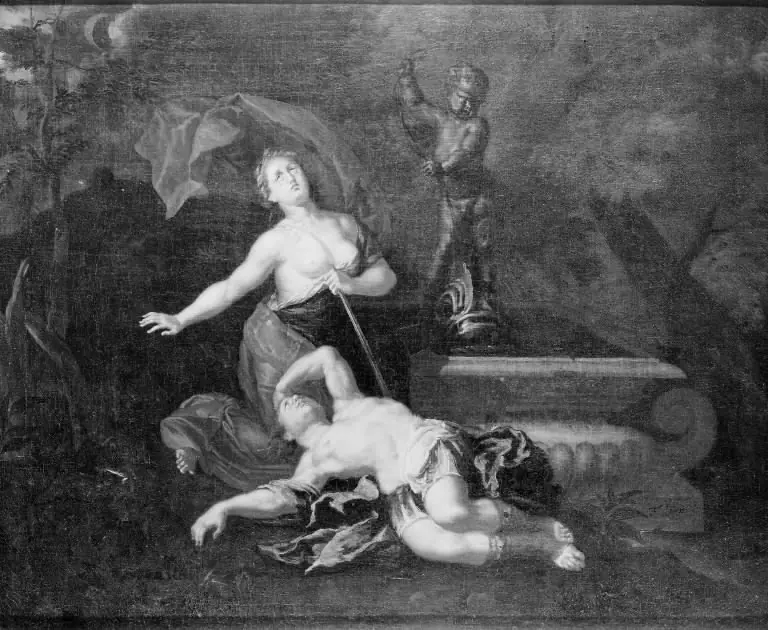 Pyramus and Thisbe
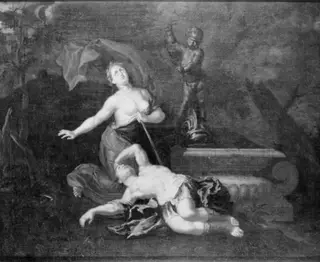 Pyramus and Thisbe
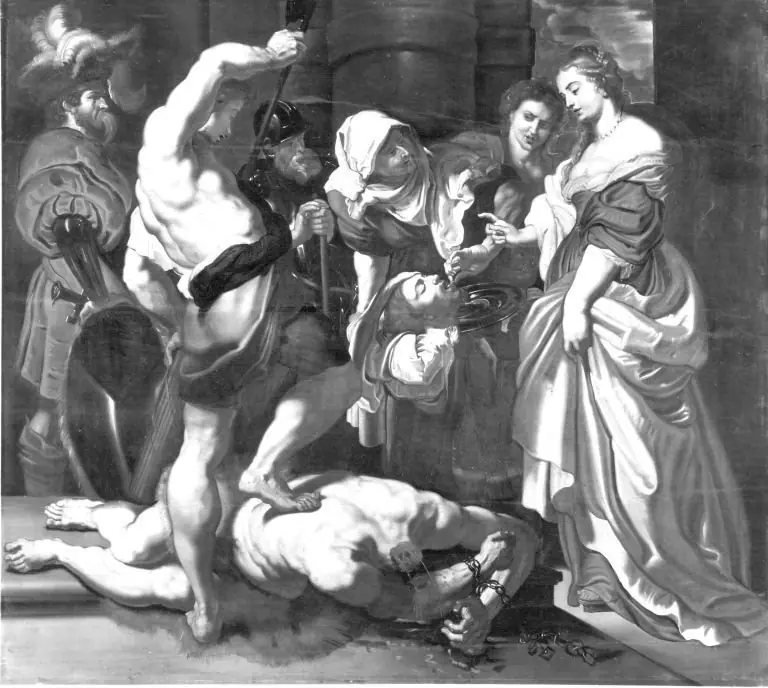 Salome is given the head of John the Baptist by the executioner
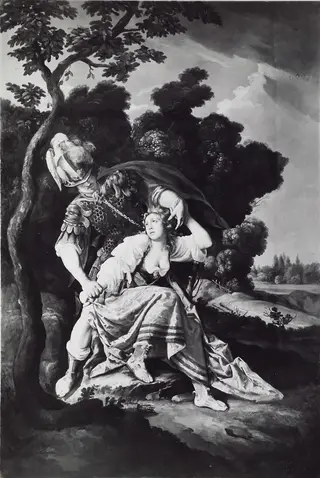 Rinaldo entwaffnet Armida
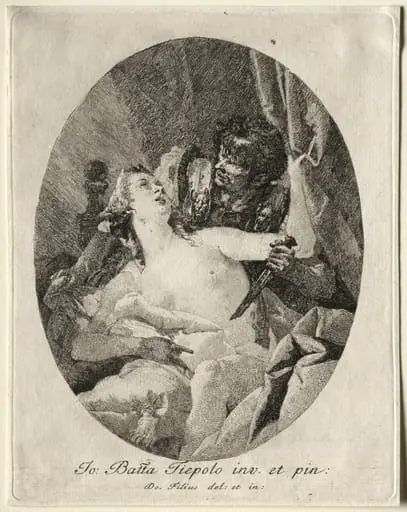 Tarquin and Lucretia
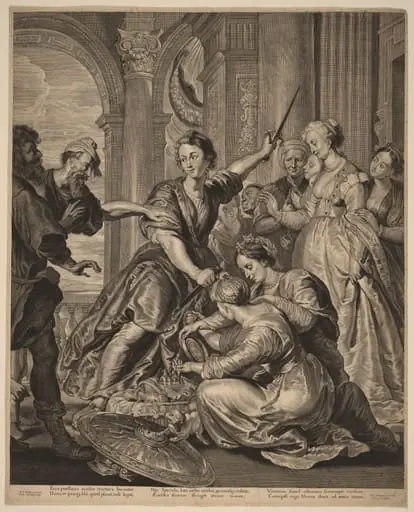 Achilles at the Court of Lycomedes
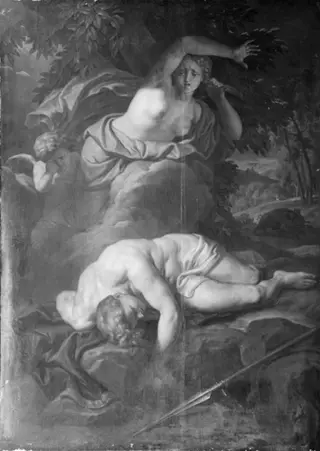 Venus Weeping over the Slain Adonis
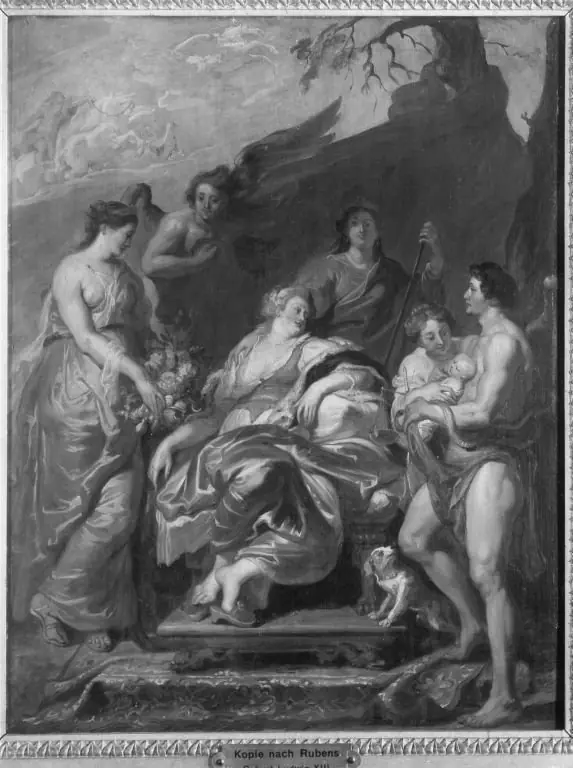 Birth of Louis XIII
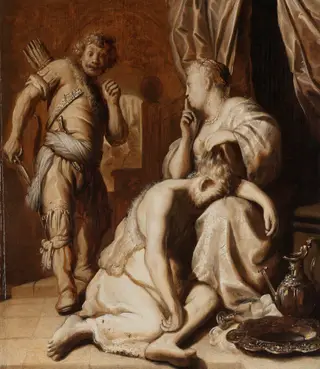 Samson and Delilah
 Jael and Sisera
- Judith mit dem Haupt des Holofernes