Artwork
Judith und Holofernes
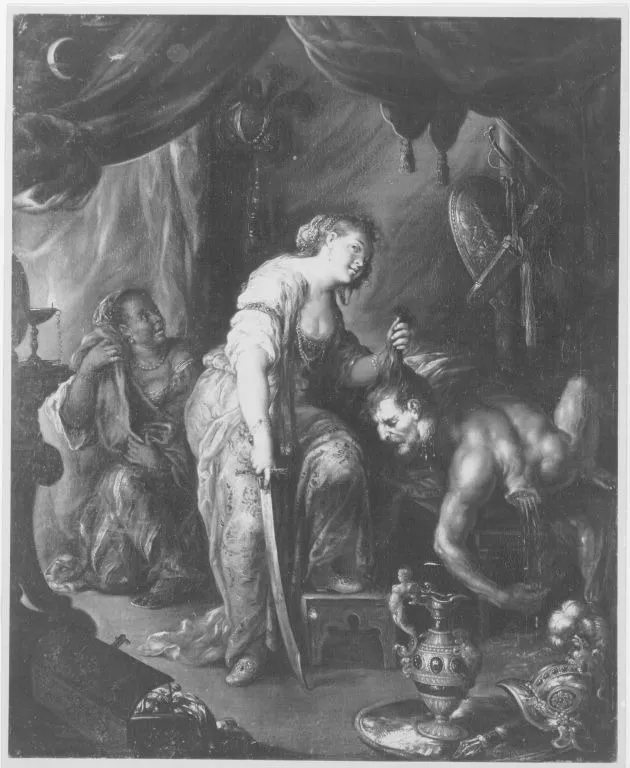
Judith und Holofernes is an unspecified painting by the Rococo painting artist Franz Xaver Wagenschön. It dates from 1758 and is held in the collection of the Bavarian State Painting Collections.
About this work
Subject & Meaning
The composition emphasizes her decisive action and the violent climax of the narrative, underscoring themes of female agency and divine justice.
The painting portrays the biblical heroine Judith in the moment of beheading the Assyrian general Holofernes, a scene drawn from the deuterocanonical Book of Judith. The composition emphasizes her decisive action and the violent climax of the narrative, underscoring themes of female agency and divine justice. The work is classified as religious art, reflecting its scriptural source and devotional function within the Alte Pinakothek's collection.
Technique & Style
Judith und Holofernes is a religious painting executed by Franz Xaver Wagenschön in 1758. The work measures 74.5 cm in height by 61 cm in width, indicating a modestly scaled, vertically oriented panel or canvas suited to intimate devotional viewing. Its classification as a painting within the Bavarian State Painting Collections, held at the Alte Pinakothek, is consistent with the oil-based easel tradition typical of mid-eighteenth-century Central European religious production, though the specific medium and support are not detailed in the available records.
Stylistically, the work belongs to the genre of religious art and centers on the biblical subject of Judith and Holofernes, with Judith explicitly named as the depicted figure. No further formal or stylistic attributes, such as palette, brushwork, composition, or condition, are documented in the sources provided.
History & Provenance
Franz Xaver Wagenschön created the painting Judith und Holofernes in 1758. The artwork is a religious piece depicting the biblical story of Judith and Holofernes, and it measures 74.5 by 61 cm.
The work is currently held by the Bavarian State Painting Collections and is located at the Alte Pinakothek.
Overview
Franz Xaver Wagenschön’s 1758 canvas, Judith und Holofernes, presents a dramatic biblical episode rendered in the decorative yet emotionally charged language of the late Rococo. The painting is part of the Alte Pinakothek’s holdings, offering a glimpse into the artist’s synthesis of theatricality and emerging Neoclassical restraint.
Artist & collection
Artist
Franz Xaver Wagenschön (2 September 1726, Littisch, Bohemia (now Litíč, Czech Republic) – 1 January 1790, Vienna) was a German Bohemian painter of the Rococo and Neoclassical styles.

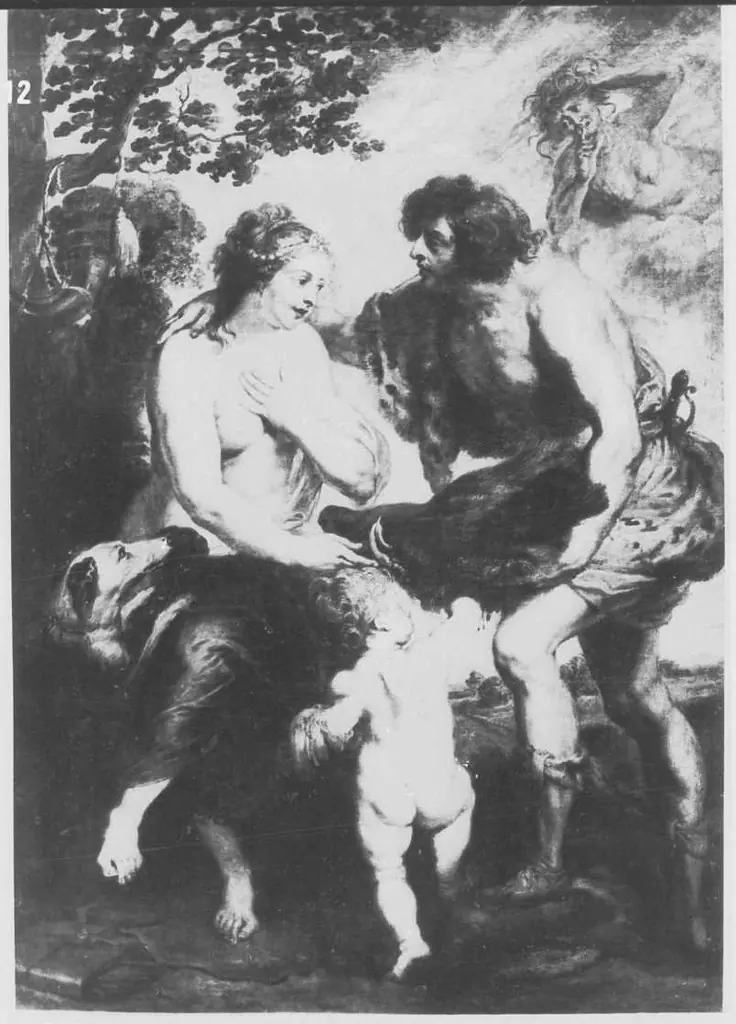 Meleager and Atalanta
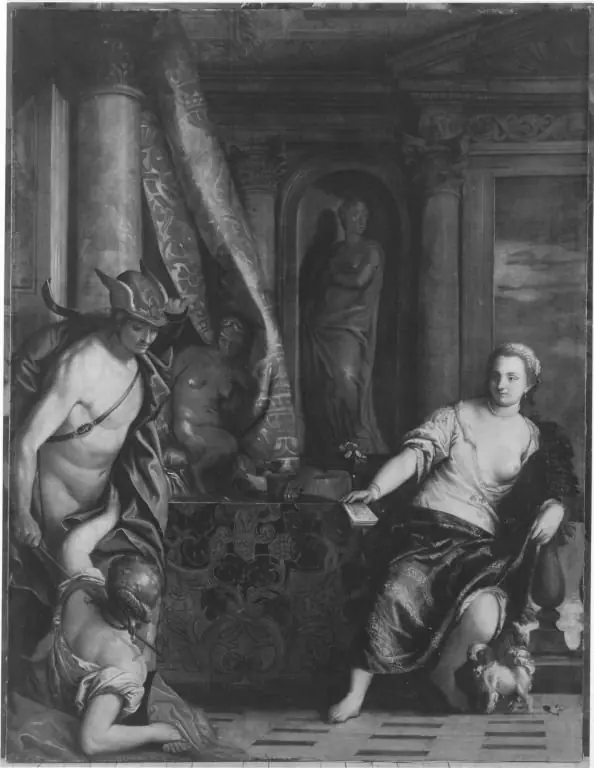 Merkur, Herse und Aglauros
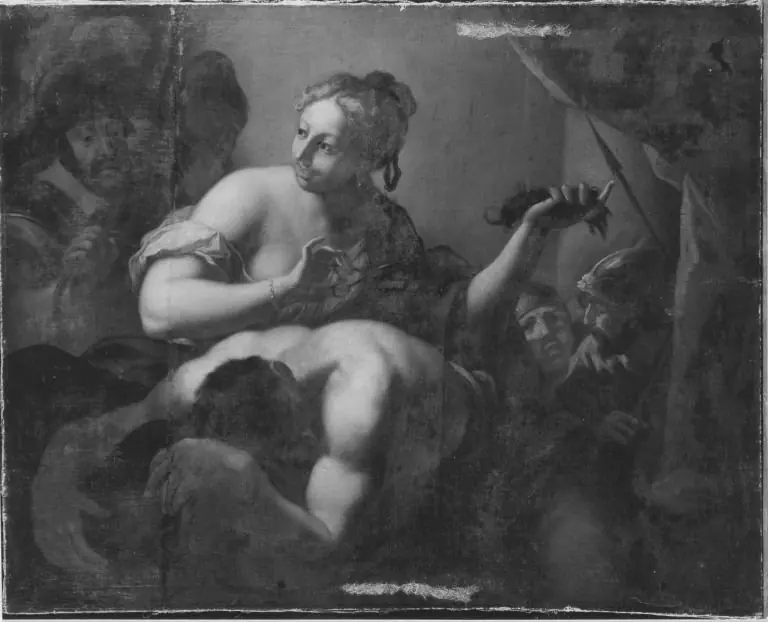 Simson und Delila
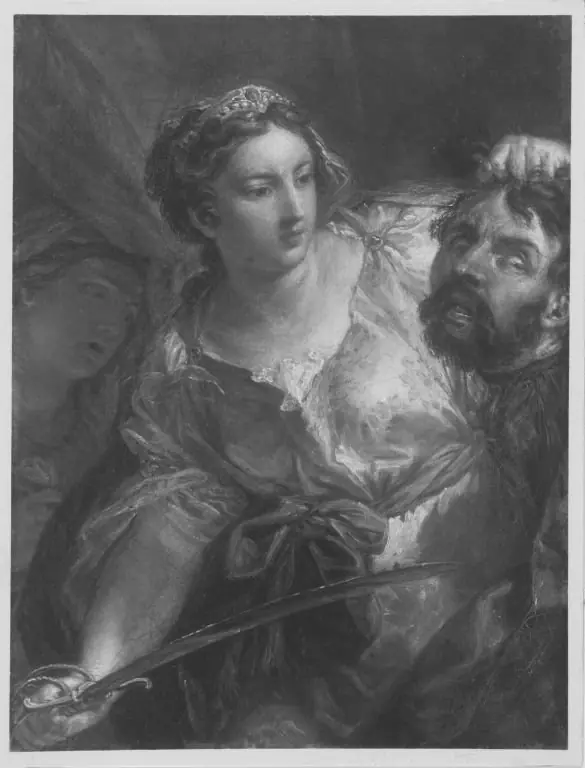 Judith mit dem Haupt des Holofernes
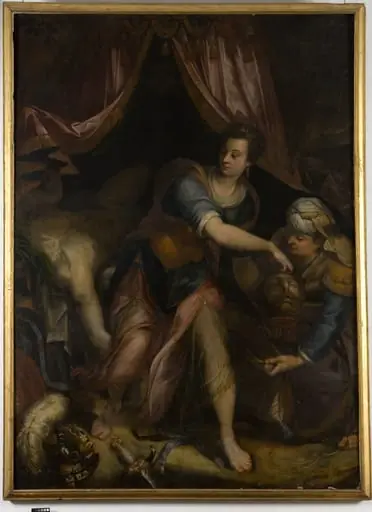 Judith with the Head of Holofernes
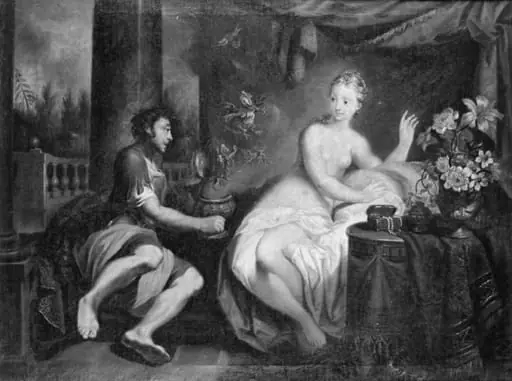 Epimetheus Opening Pandora's Box
 Epimetheus Opening Pandora's Box
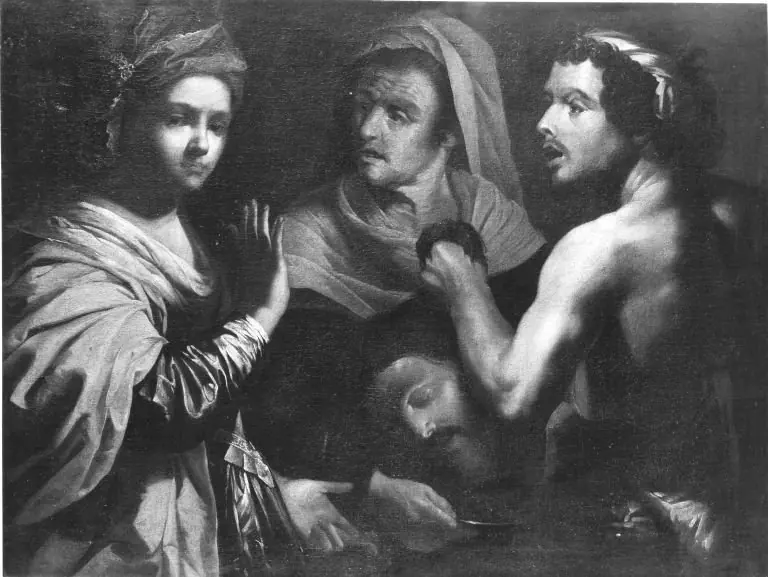 Enthauptung Johannes des Täufers
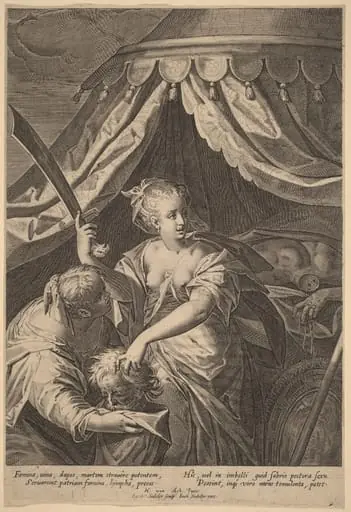 Judith with the Head of Holofernes
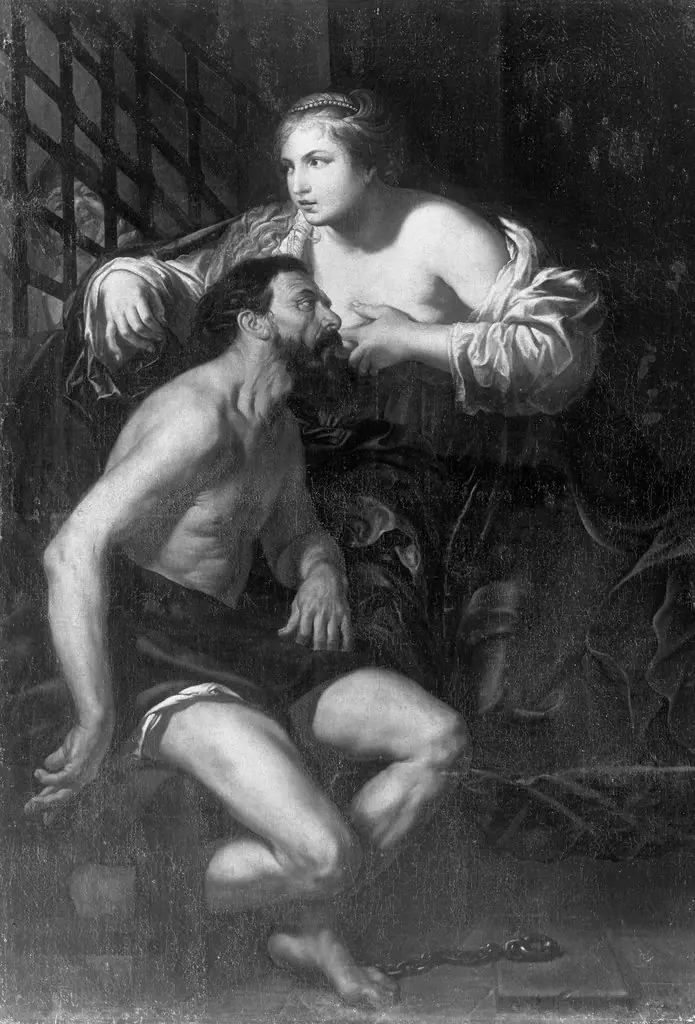 Caritas Romana
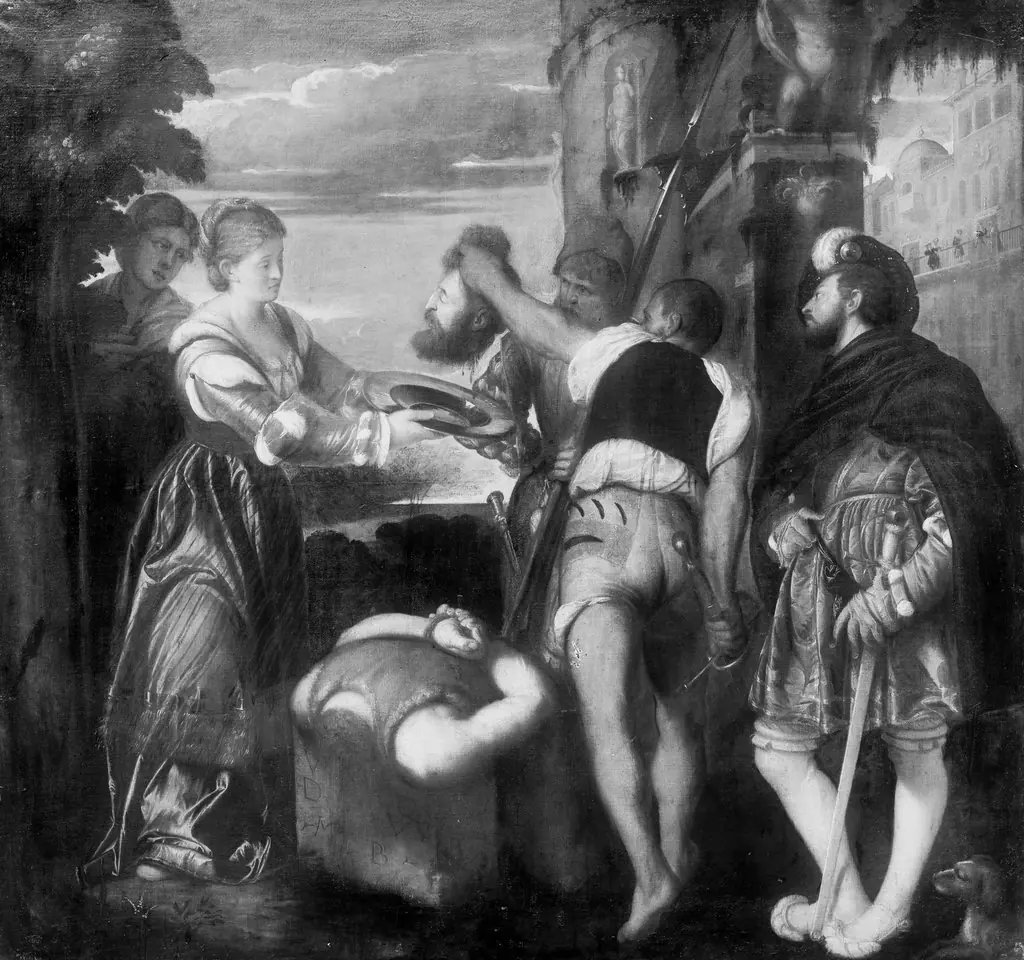 Beheading of John the Baptist