Artwork
Portrait of an Ecclesiastic
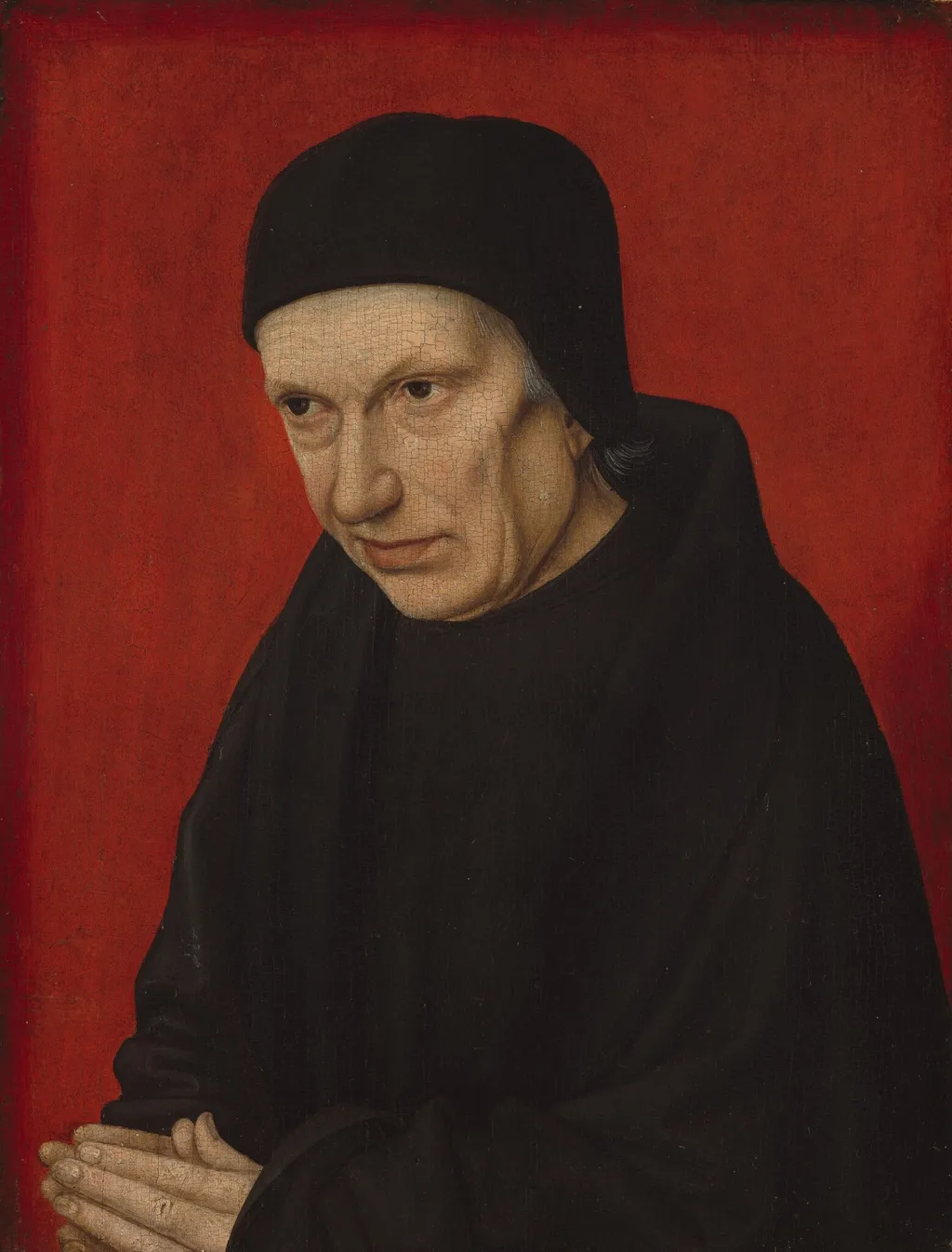
Portrait of an Ecclesiastic is an oil painting. It dates from 1480 and is held in the collection of the National Gallery of Art.
About this work
A monk sits quietly in plain clothes, his face calm and composed. The painter worked in a mix of tempera and oil, then a fairly new approach that allowed more detail and depth. Made by a French hand in 1480 on oak.
Subject & Meaning
As a genre piece, the image serves to document the likeness and identity of a member of the religious orders during the late fifteenth century.
Created around 1480 by an anonymous French artist, this panel painting depicts a specific religious figure identified as a monk. The work's primary iconography is dedicated to representing the individual's ecclesiastical status, focusing entirely on the depiction of the cleric without elaborate allegorical attributes or complex symbolism noted in available records. As a genre piece, the image serves to document the likeness and identity of a member of the religious orders during the late fifteenth century.
The straightforward presentation emphasizes the subject's role within the church hierarchy, reflecting the period's interest in capturing the distinct characteristics of clerical life through direct portraiture rather than narrative scenes.
Technique & Style
The Portrait of an Ecclesiastic is executed in tempera and oil on an oak panel. The work measures 28.8 cm in height and 22.2 cm in width, presenting a compact, intimate format typical of late 15th-century French portraiture. The oak panel serves as the rigid foundation for the layered application of pigment, allowing for the precise modeling of the figure's features and attire.
The survival of the work from its creation around 1480 to the National Gallery of Art attests to the durability of the materials and techniques employed.
History & Provenance
This French 15th-century work in tempera and oil on oak, portraying a monk, entered the collection of Léopold Goldschmidt in Paris by 1902, a fact documented in an exhibition catalogue by Hulin de Loo. The painting was subsequently sold by Paul Drey in New York to the Samuel H. Kress Foundation on 18 June 1953, which transferred it to the National Gallery of Art in Washington, D.C., as a gift in 1961.
The work was displayed at the Exposition des primitifs flamands à Bruges and had previously been recorded in the catalogue for the 1902 exhibition of Flemish paintings held at the Hôtel du Gouvernement Provincial in Ghent under Goldschmidt's ownership.
Context
This 15th-century French portrait of a monk, executed in tempera and oil on oak panel (28.8 × 22.2 cm), was sold by Paul Drey to the Samuel H. Kress Foundation in 1953 and donated to the National Gallery of Art in 1961. The piece was included in the exhibition Exposition des primitifs flamands à Bruges, highlighting its significance within early Netherlandish portraiture and the Kress Collection's focus on pre-modern European art.
Overview
This painting, titled Portrait of an Ecclesiastic, depicts a seated monk. Executed on an oak panel, the work utilizes a combination of tempera and oil, a method that was innovative during its period. This dual medium allowed the artist to achieve a nuanced portrayal, capturing both the individual's quiet presence and the subtle textures of his attire. The portrait offers a glimpse into the artistic advancements of its era.
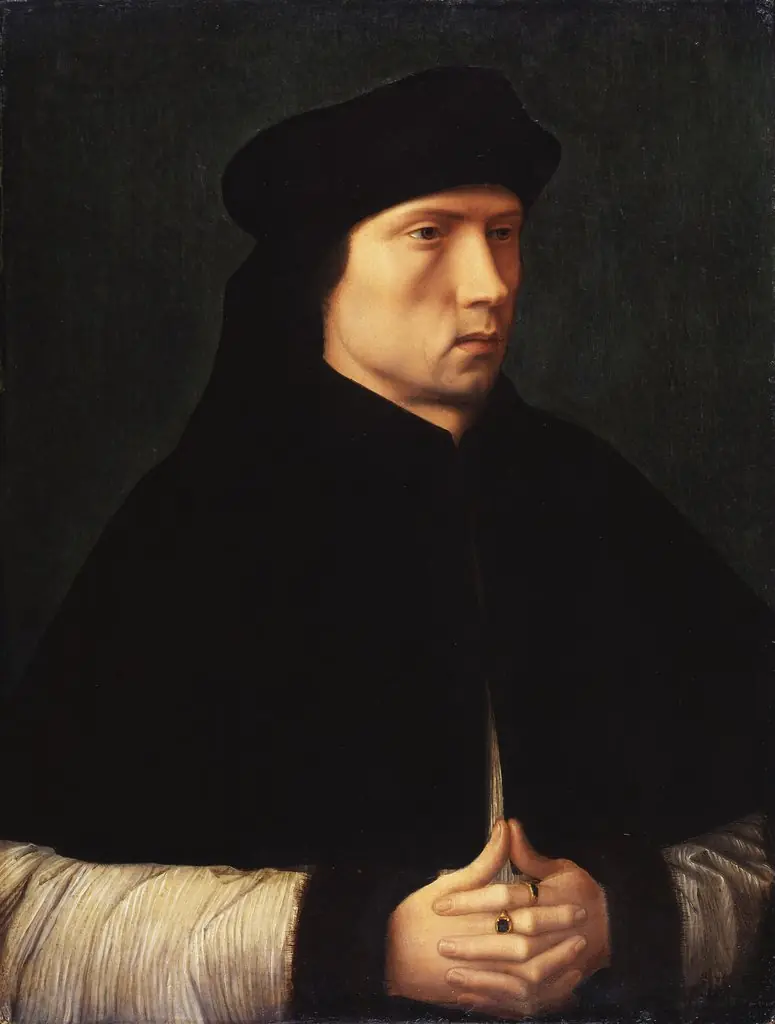
Artist & collection

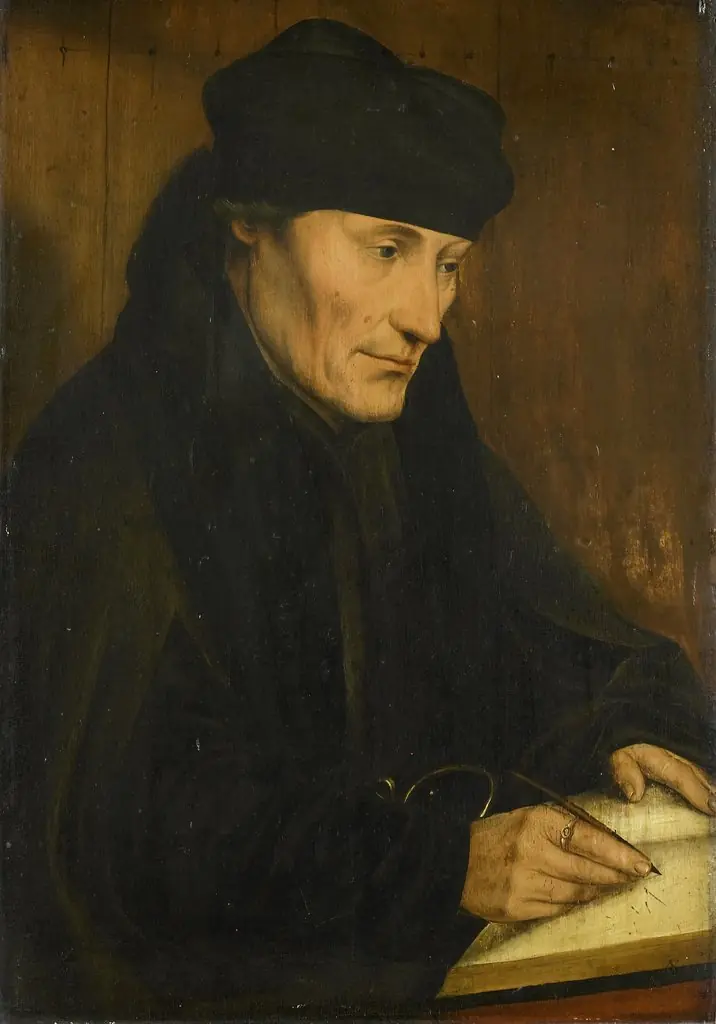 Portrait of Desiderius Erasmus (1469?-1536)
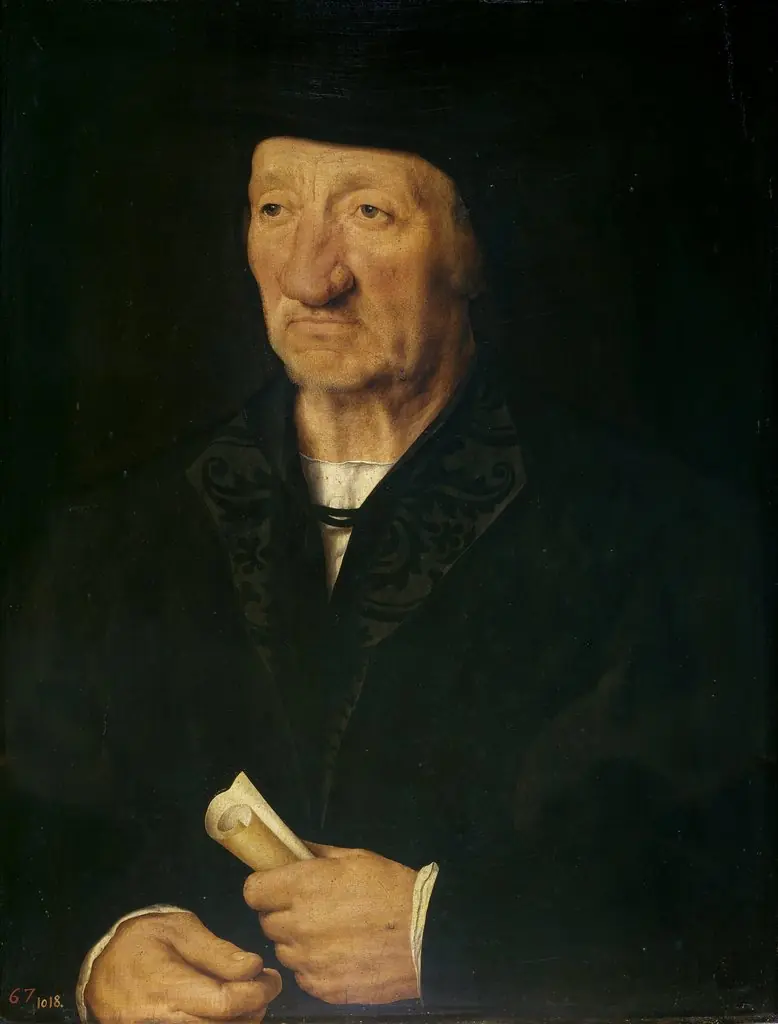 Portrait of an Old Man
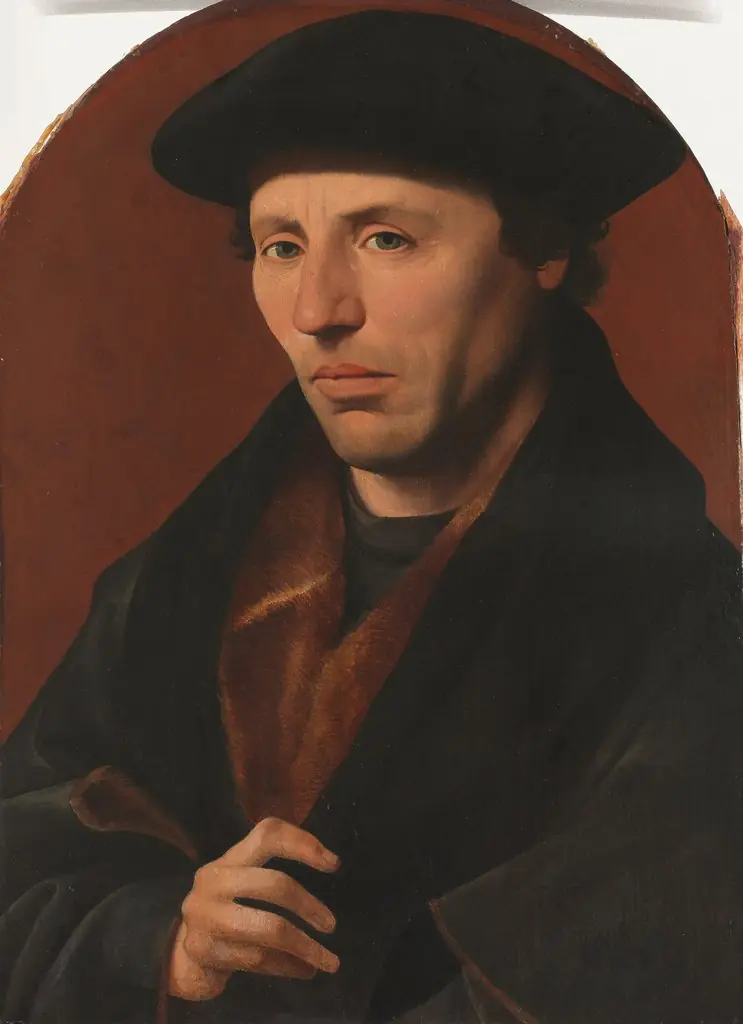 Portrait of a Haarlem Citizen
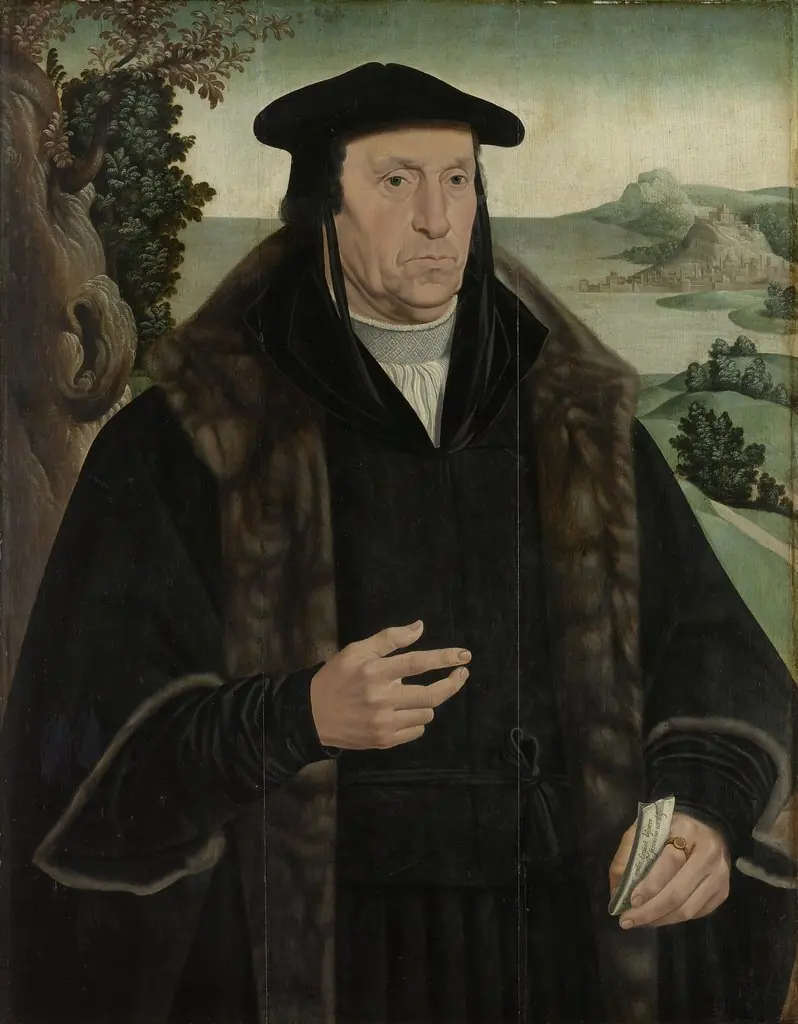 Portrait of Cornelis Aerentsz van der Dussen (1481-1556)
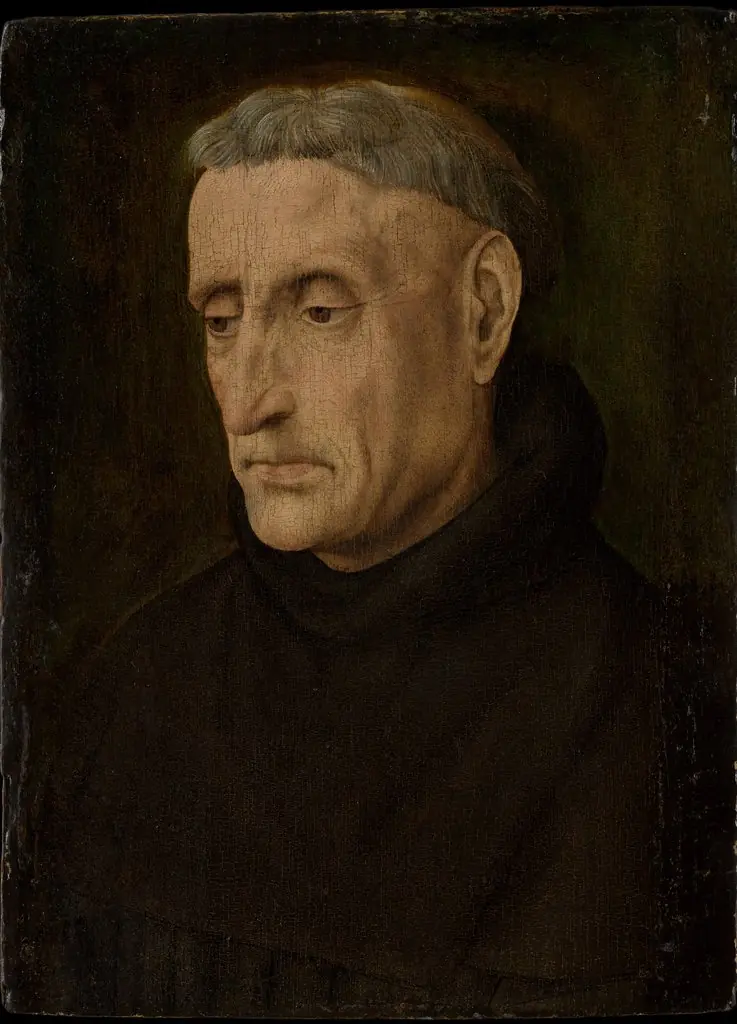 A Benedictine Monk
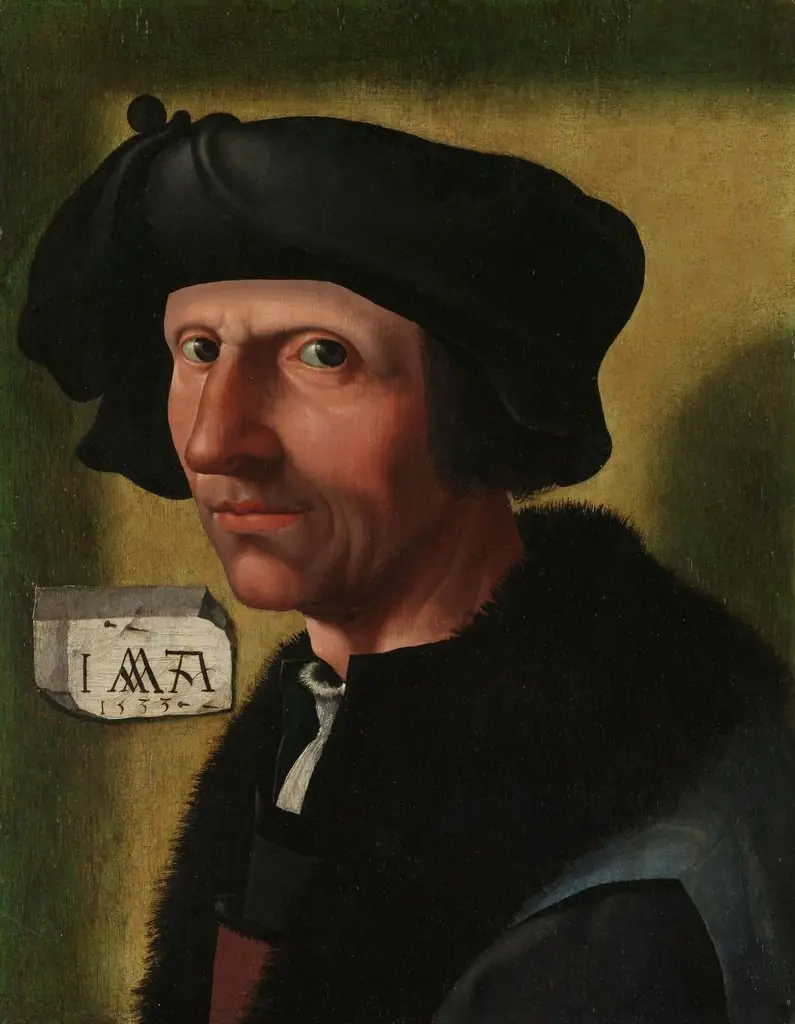 Portrait of Jacob Cornelisz van Oostsanen
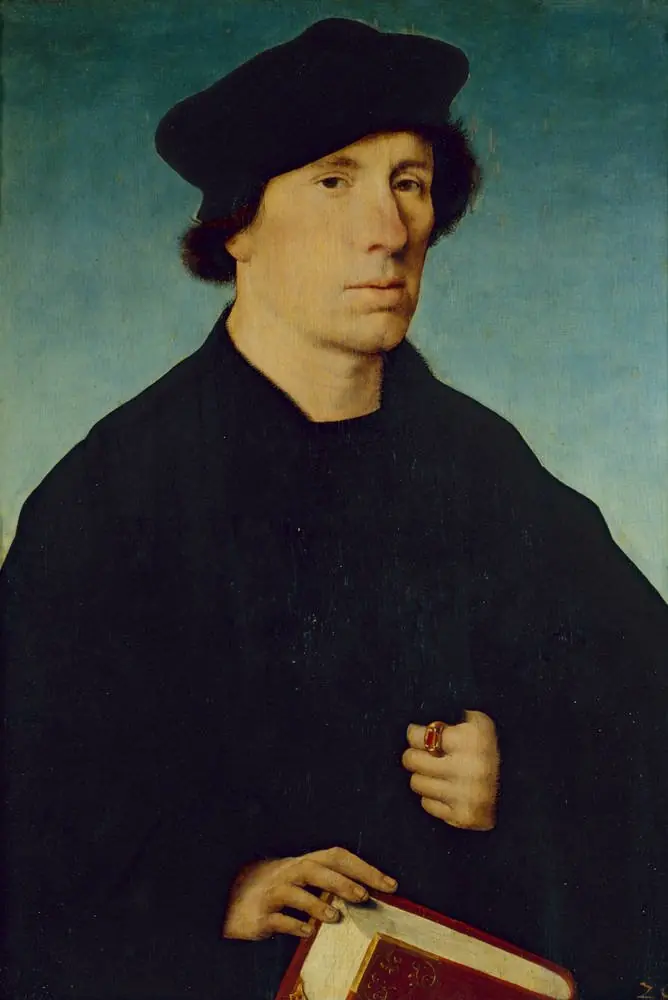 Portrait of a Beardless Man
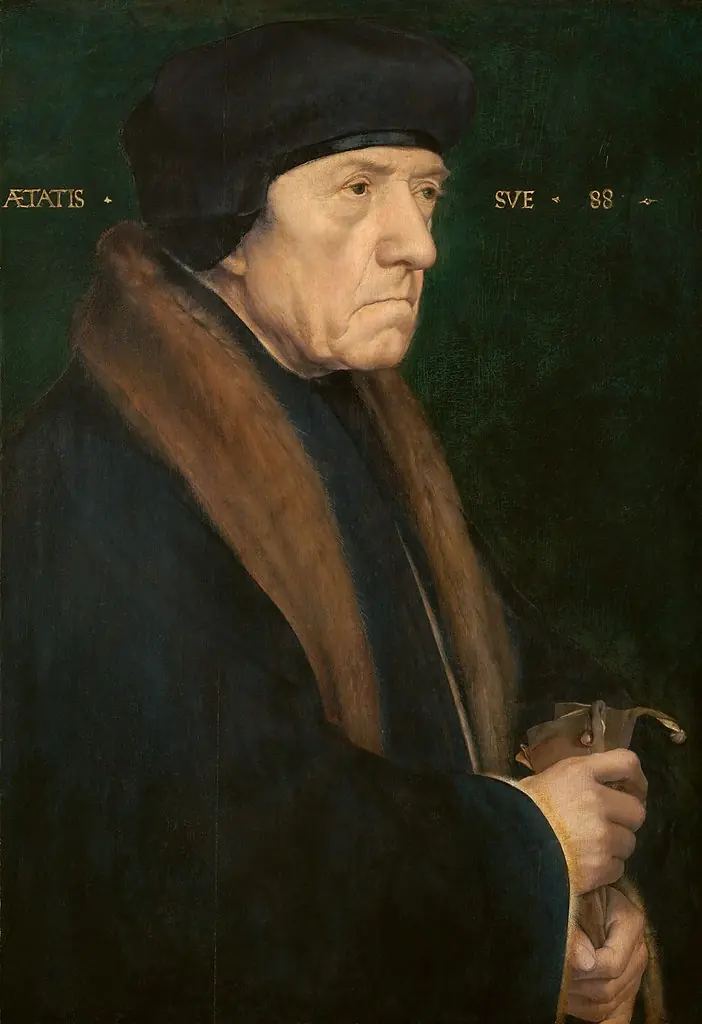 Portrait of John Chambers
![A Member of the de Hondecoeter Family [obverse]](https://artifactworldgallery.com/img/a-member-of-the-de-hondecoeter-family-obverse--56718cc2d35bf2df-w320.webp) A Member of the de Hondecoeter Family [obverse]
A Member of the de Hondecoeter Family [obverse]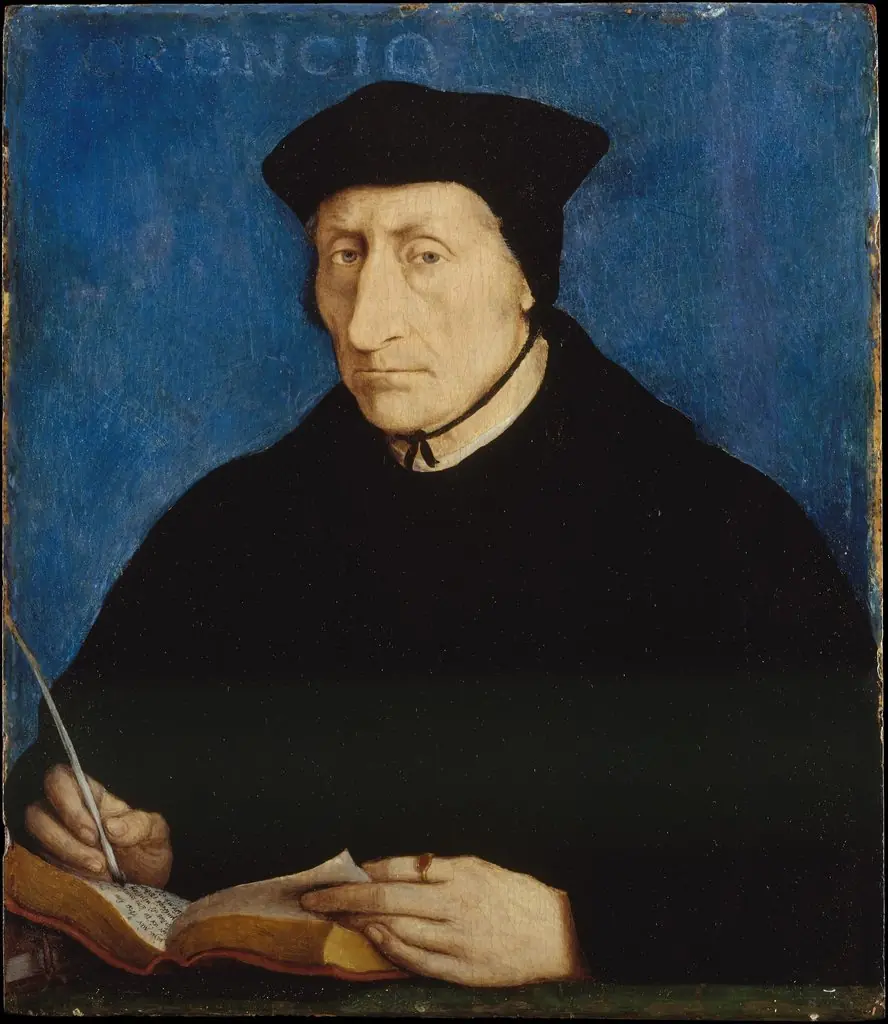 Guillaume Budé (1467–1540)