Artwork
Beschneidung Christi
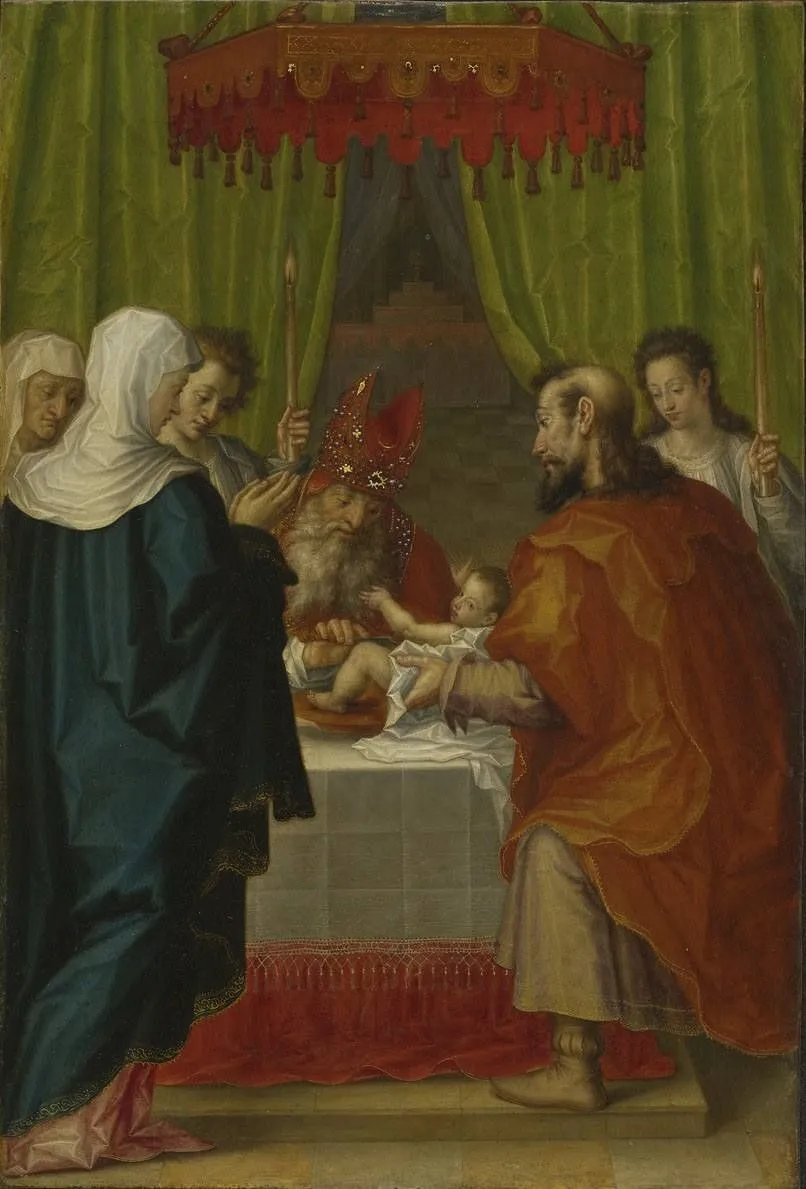
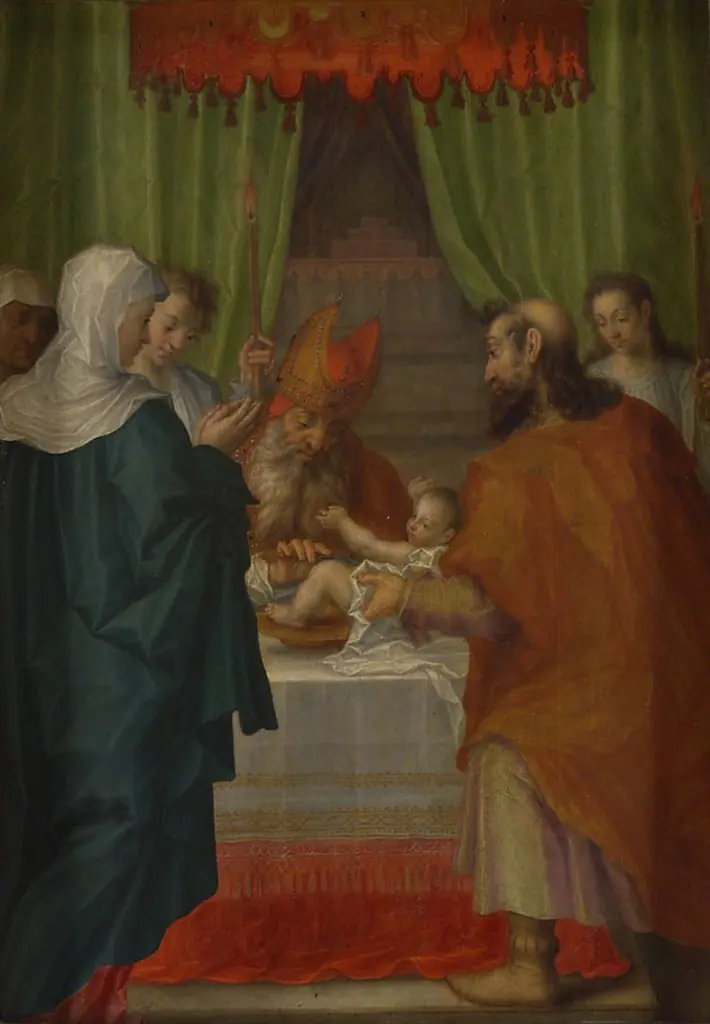
Beschneidung Christi is an unspecified painting by the Mannerist artist Friedrich Sustris. It dates from 1568 and is held in the collection of the Bavarian State Painting Collections.
About this work
Subject & Meaning
As a visual representation of this specific rite, the work illustrates the moment of Jesus's initiation into Jewish law and covenant.
The painting depicts the circumcision of Jesus, a biblical event serving as the main subject of the work. Created by Friedrich Sustris in 1568, the piece falls within the genre of religious art. As a visual representation of this specific rite, the work illustrates the moment of Jesus's initiation into Jewish law and covenant.
The composition focuses entirely on this theological event, presenting it as a central narrative scene without additional allegorical figures mentioned in the available records.
Technique & Style
The work is classified as a painting, a small-scale religious picture measuring 29.1 cm in height by 19.8 cm in width. It belongs to the Bavarian State Painting Collections and is held at the Alte Pinakothek. Beyond its classification, medium, and modest dimensions, the available sources do not specify the support, paint type, handling, condition, or stylistic characteristics of the composition.
History & Provenance
Friedrich Sustris painted the "Beschneidung Christi" in 1568. The work is a small-scale religious panel, measuring 29.1 by 19.8 centimetres, and entered the holdings of the Bavarian State Painting Collections, where it is now preserved at the Alte Pinakothek.
No further details concerning the original commission, earliest patron, or intermediate ownership transfers are documented in the available sources.
Overview
Friedrich Sustris painted Beschneidung Christi in 1568, a work that illustrates the biblical episode of Jesus’ circumcision. Executed during the Mannerist era, the oil canvas is part of the collection of the Alte Pinakothek in Munich.
Context
The painting reflects the cross‑cultural exchange of the mid‑16th century, merging Italian Mannerist aesthetics with the tastes of German patrons. Its subject matter aligns with Counter‑Reformation interests in emphasizing the humanity and sacramental life of Christ.
Artist & collection
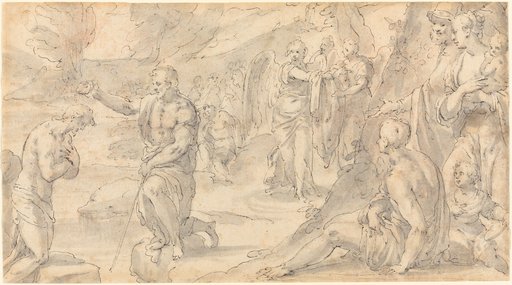
Artist
Friedrich Sustris (c. 1540, in Padua – 1600, in Munich) was an Italian-Dutch painter, decorator and architect. He was a son of the artist Lambert Sustris, who worked in Italy. Sustris got his training from his father…

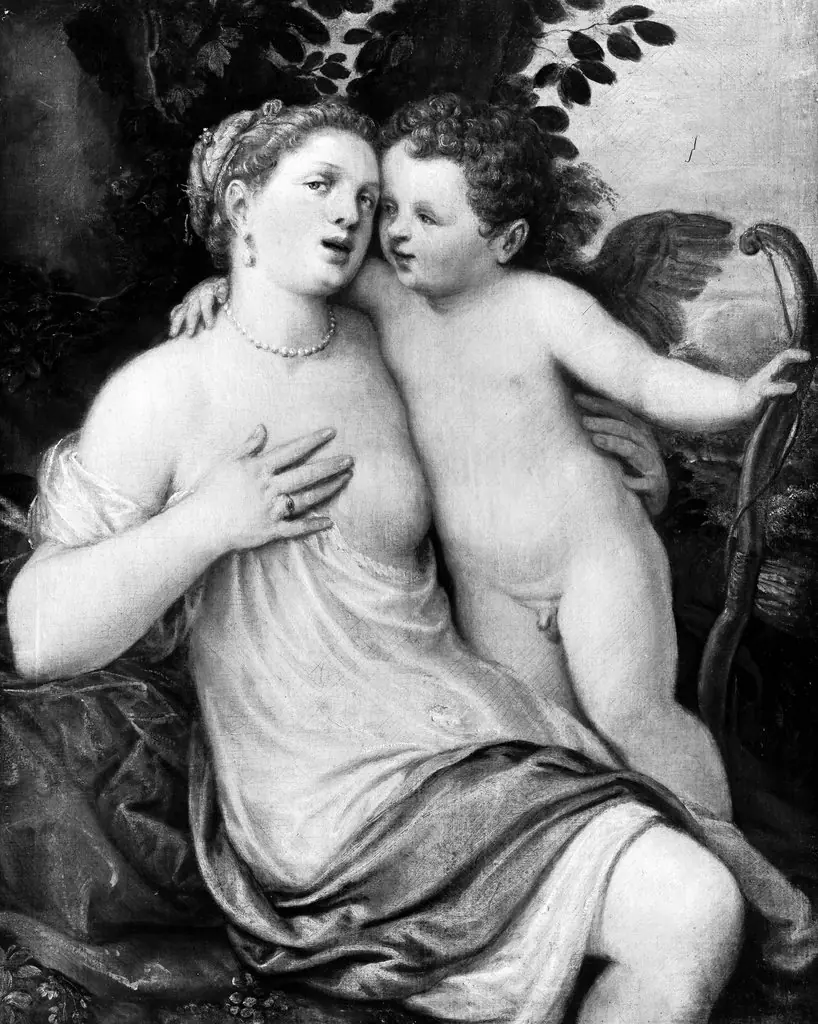
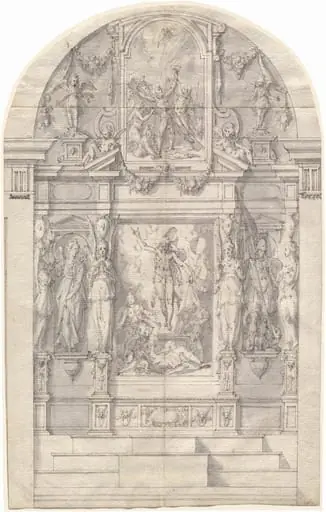
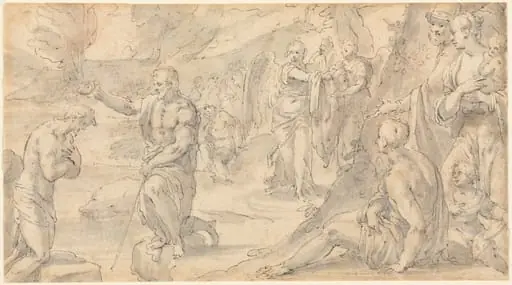
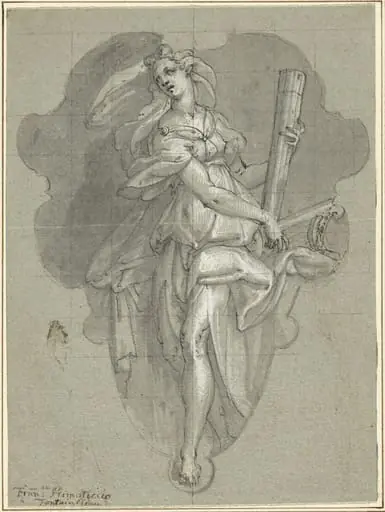
- Darbringung Christi im Tempel
 Beschneidung Christi
 The Adoration of the Magi
 Adoration of the Magi
 The Purification of the Virgin or The Presentation in the Temple
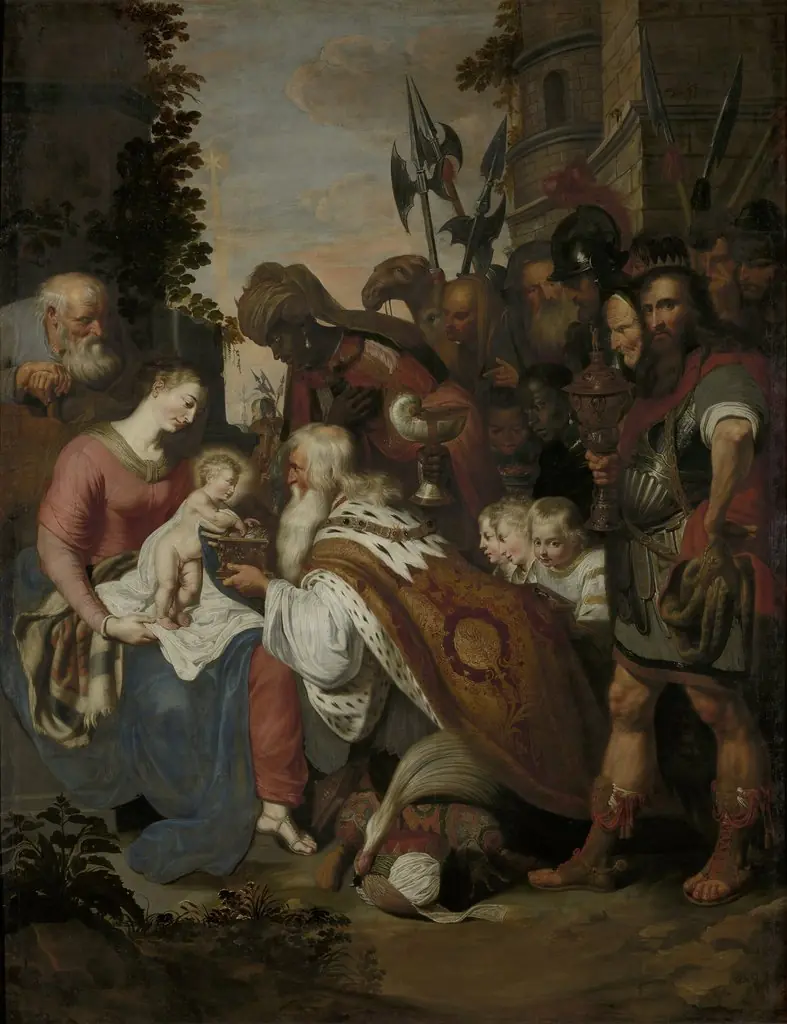 The Adoration of the Magi
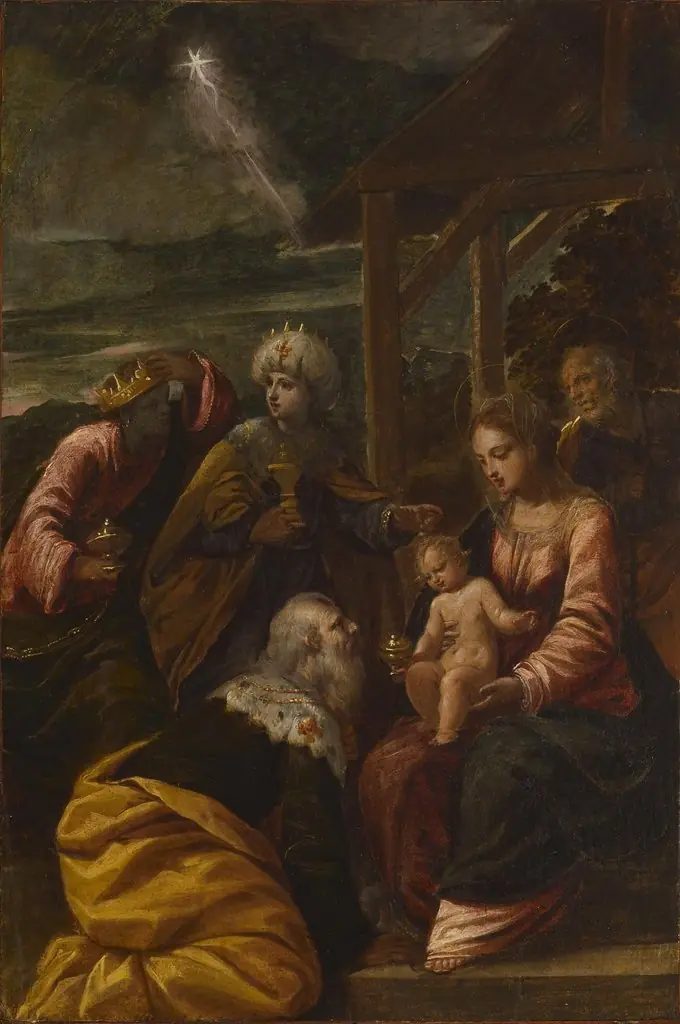 The Adoration of the Magi
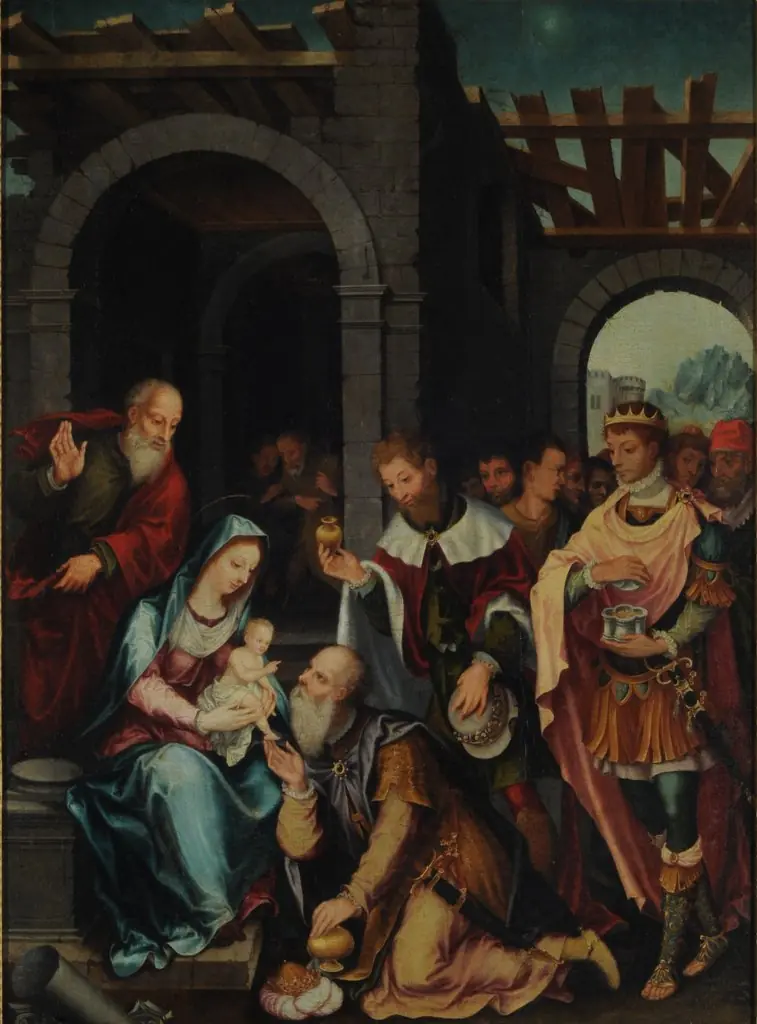 Adoration of the Magi
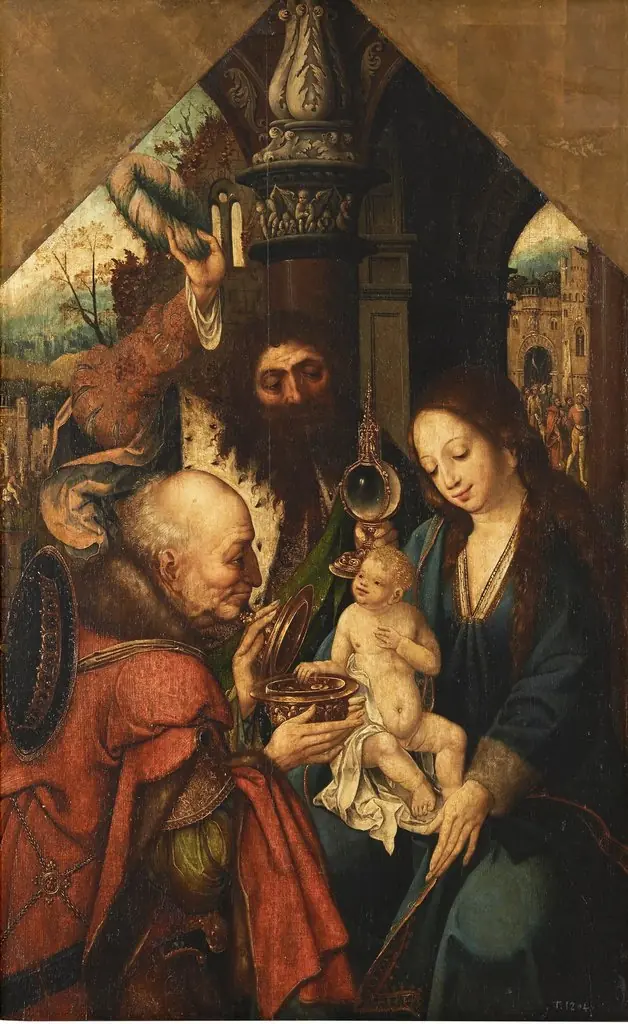 Adoración de los Reyes Magos
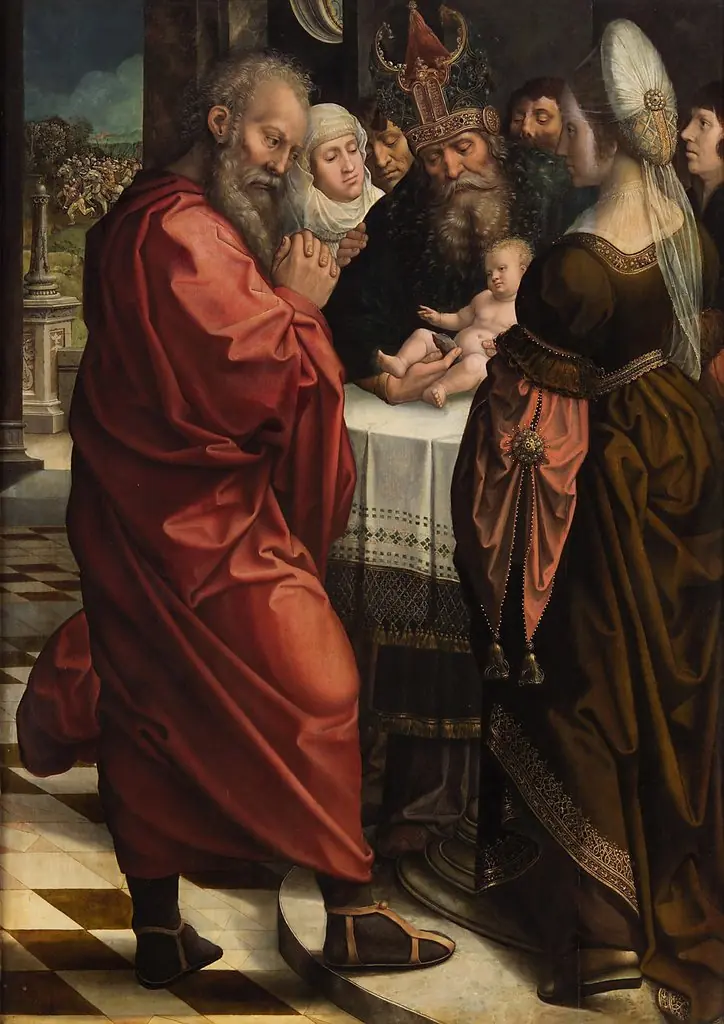 Presentation of Christ
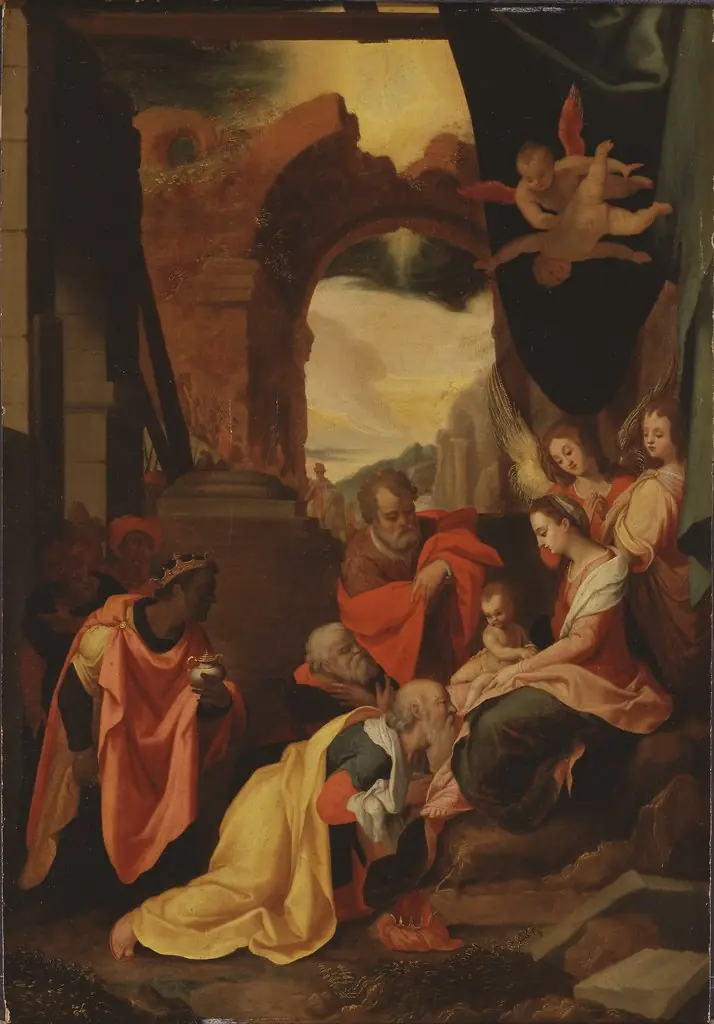 The Adoration of the Magi
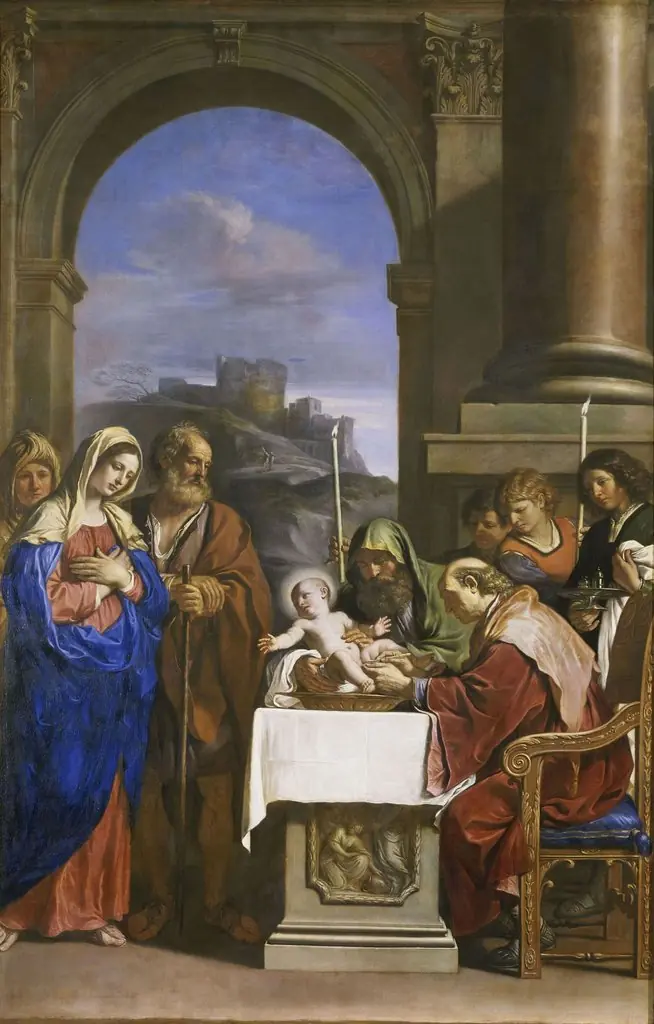 Circumcision of Christ