Artwork
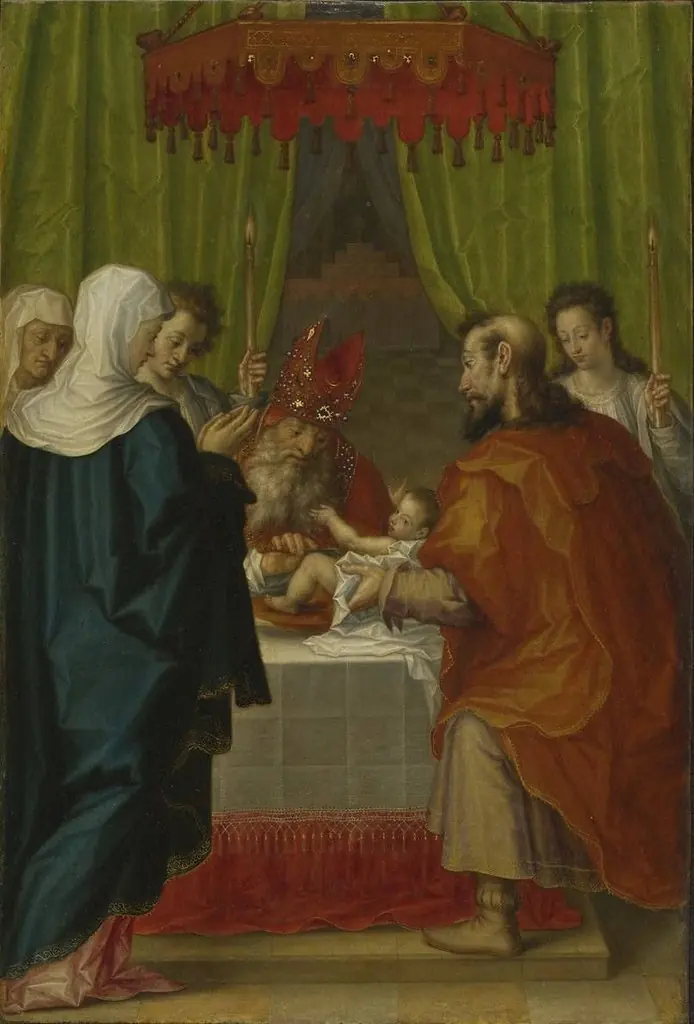
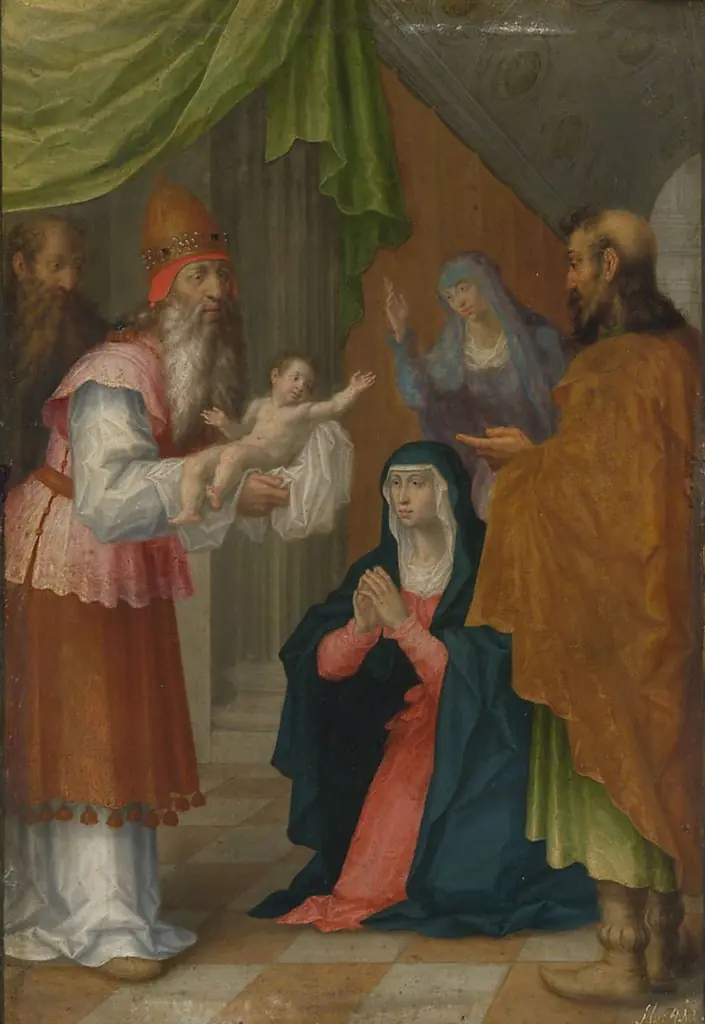
Beschneidung Christi
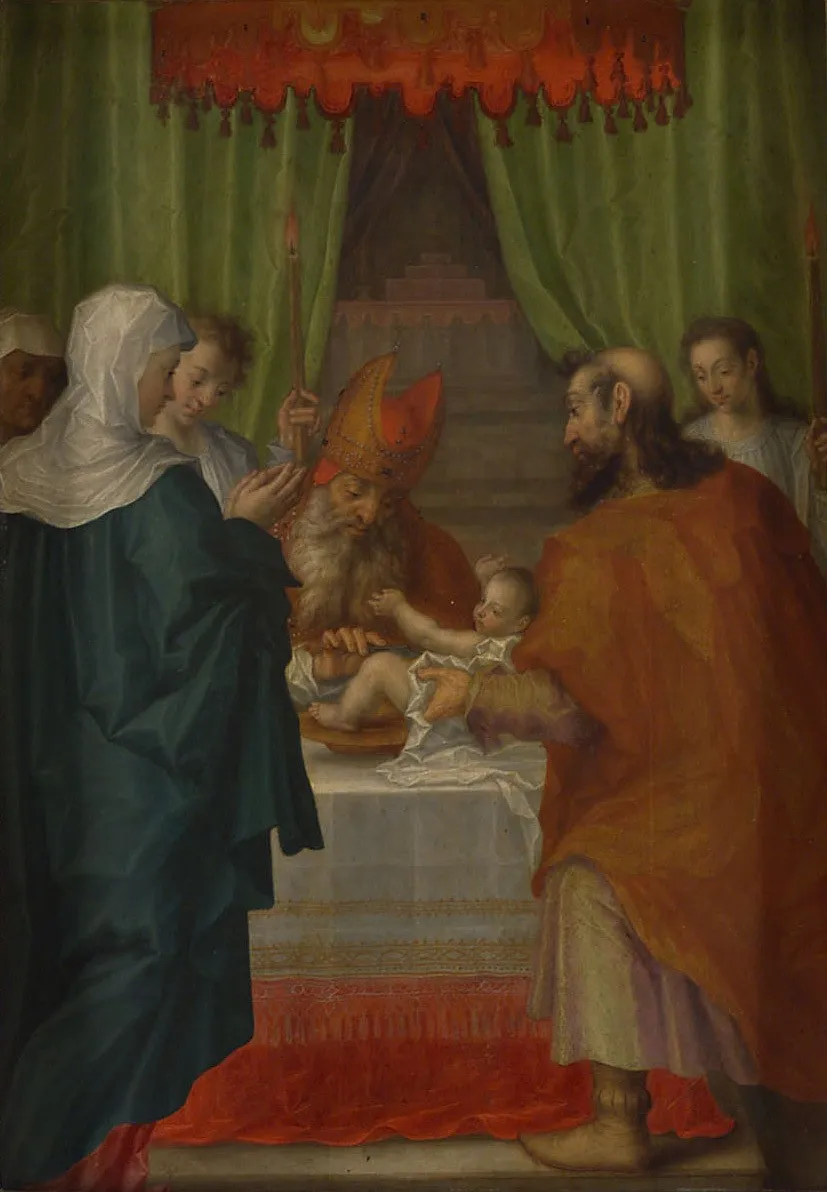
Beschneidung Christi is an unspecified painting by the Early Baroque Italian artist Unknown. It dates from 1600 and is held in the collection of the Kunsthistorisches Museum.
About this work
History & Provenance
It has been part of the museum's collection since its acquisition, forming a continuous exhibition presence within the institution's religious art displays.
The painting known as 'Beschneidung Christi' was created in the year 1600. The work is attributed to the artist Engelhard de Pèe. It depicts the religious subject of the Circumcision of Jesus. Currently, the artwork is held in the collection of the Kunsthistorisches Museum, where it remains located.
The painting is housed in the Kunsthistorisches Museum, where it is listed under the inventory number KHM 1512. It has been part of the museum's collection since its acquisition, forming a continuous exhibition presence within the institution's religious art displays.
Context
The painting titled Beschneidung Christi, attributed to Engelhard de Pèe, dates to 1600 and is classified as a religious work depicting the circumcision of Jesus. It belongs to the broader corpus of early Baroque religious painting in Northern Europe, reflecting Counter-Reformation emphases on devotional imagery. The work is housed in the collection of the Kunsthistorisches Museum, where its stylistic qualities have been examined in relation to contemporary devotional practices and artistic conventions of the period.
Overview
The work entitled "Beschneidung Christi" depicts a solemn religious ceremony set in a dim interior illuminated by a focused light source. Central to the composition is a man in a vivid red robe kneeling on a raised platform, cradling an infant. A bishop wearing a distinctive orange mitre leans over the child, while two women in blue and white garments stand nearby, and two men in brown robes observe the rite.
Subject & Meaning
The scene represents the biblical event of Jesus’ circumcision, a rite of passage observed eight days after birth according to Jewish custom. By portraying the infant surrounded by clergy and attendants, the painting underscores the theological significance of Christ’s entry into the covenant of Israel and foreshadows his later sacrificial role.
Technique & Style
The artist employs chiaroscuro, contrasting the illuminated central figures with a deep, shadowed background to draw attention to the ritual. Rich, saturated reds and oranges dominate the foreground, while cooler blues and muted browns provide visual balance. The composition is organized around a vertical axis, with the infant’s placement on a cloth‑covered surface serving as a focal point.
Legacy
While the painting’s influence on later artists is not documented here, its adherence to established iconography contributes to the visual continuity of this biblical episode across centuries, offering insight into the devotional aesthetics of its cultural milieu.
Artist & collection