Artwork
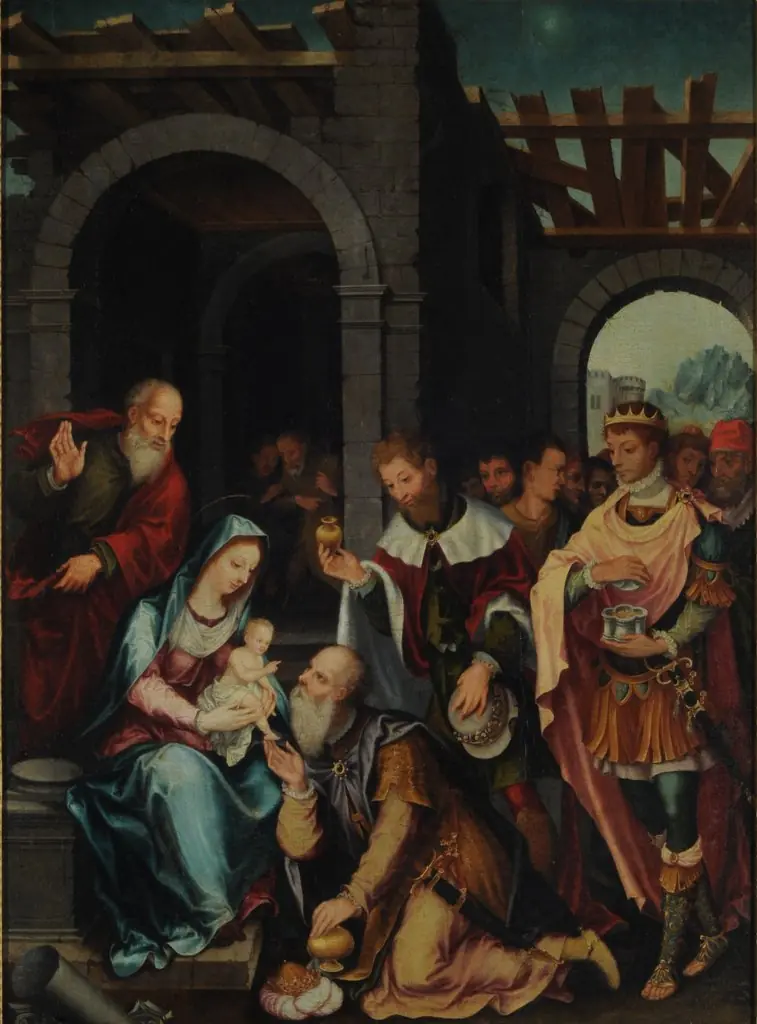
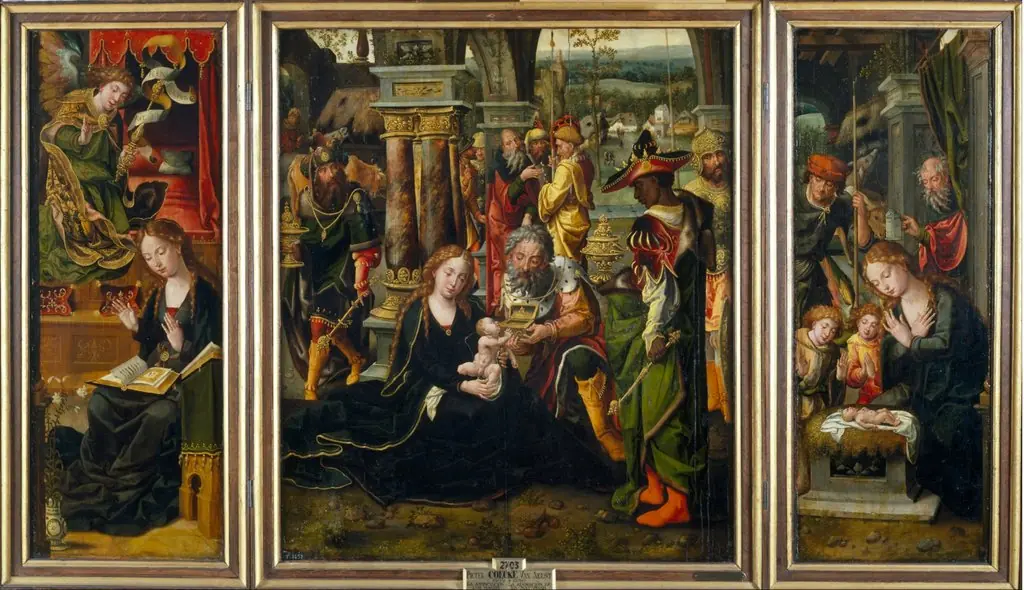
Adoration of the Magi
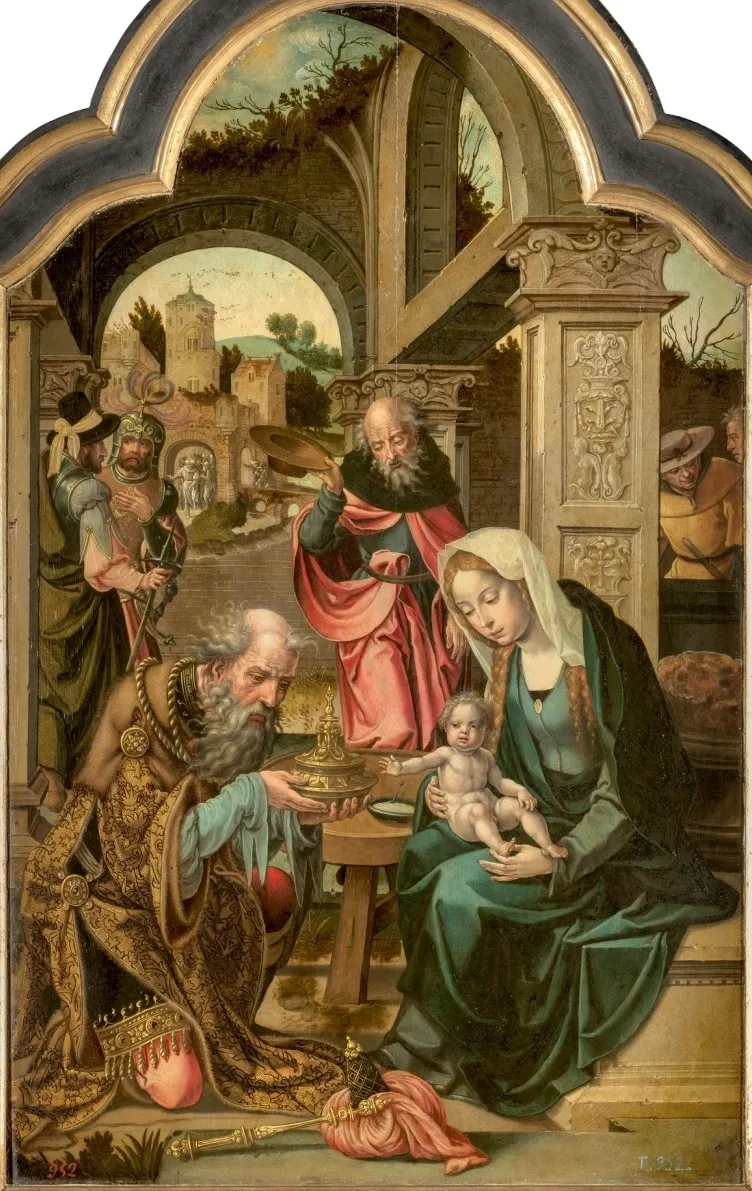
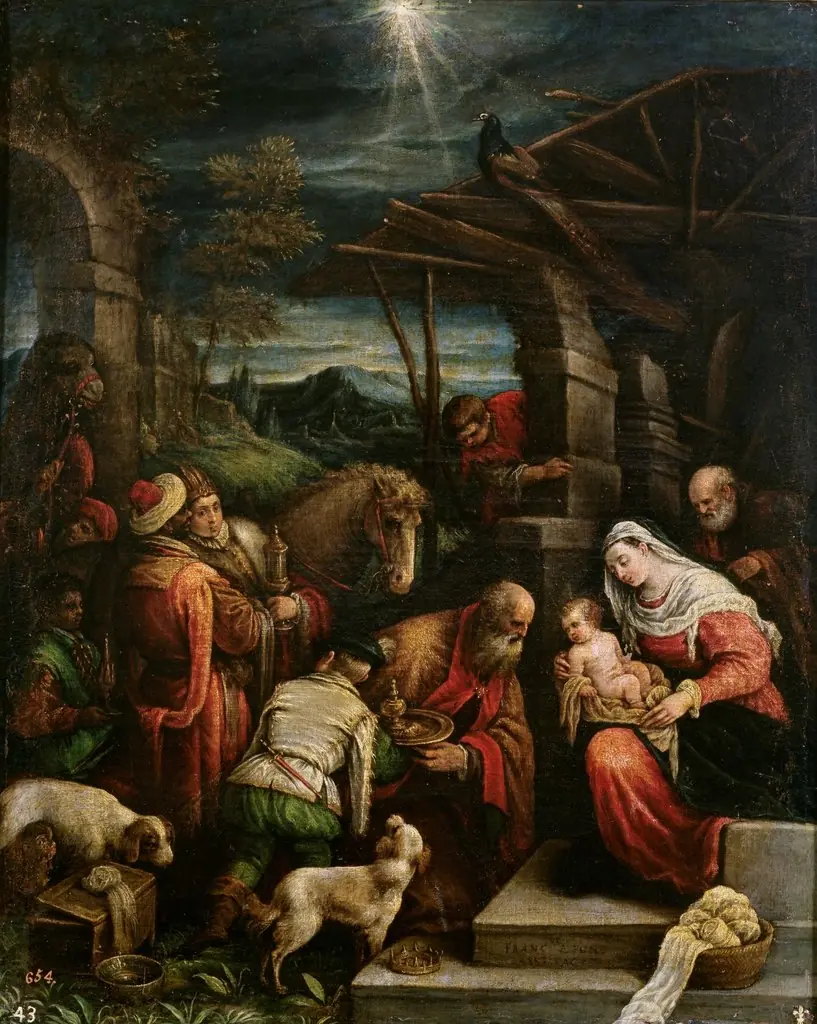
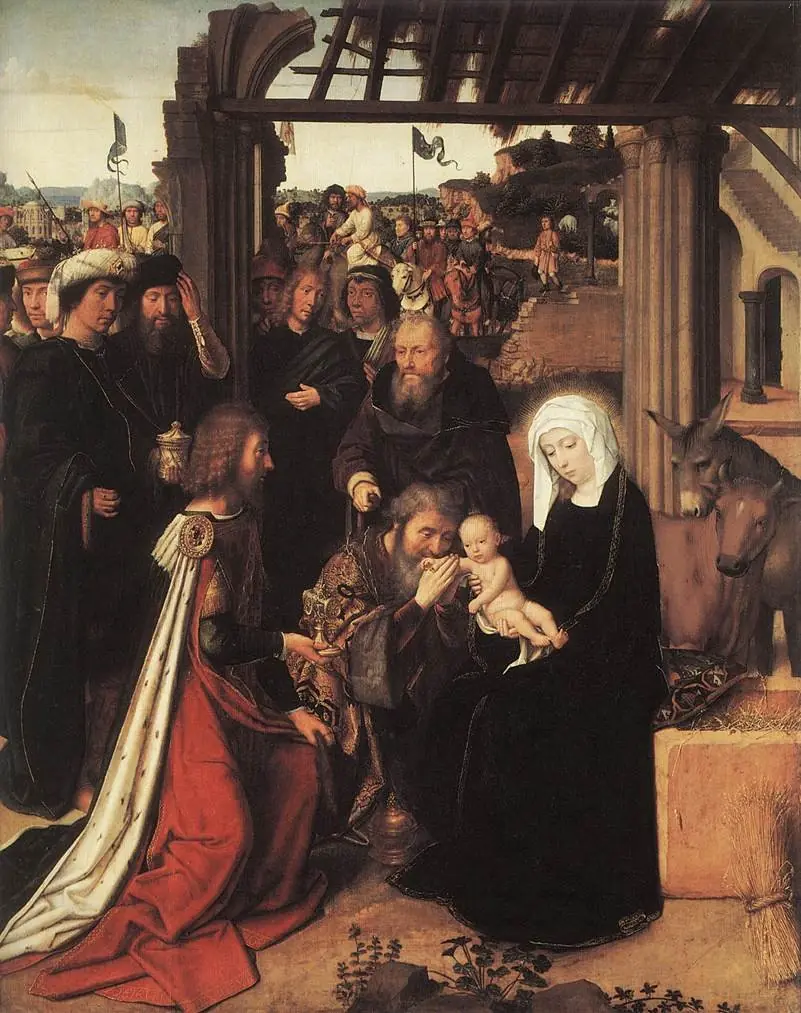
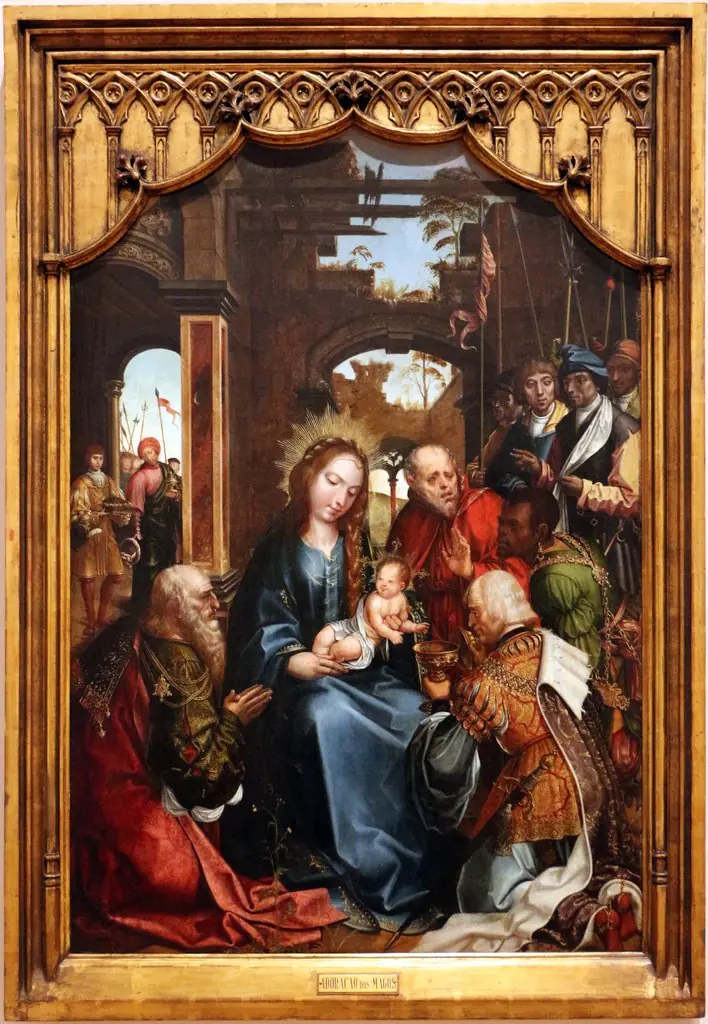
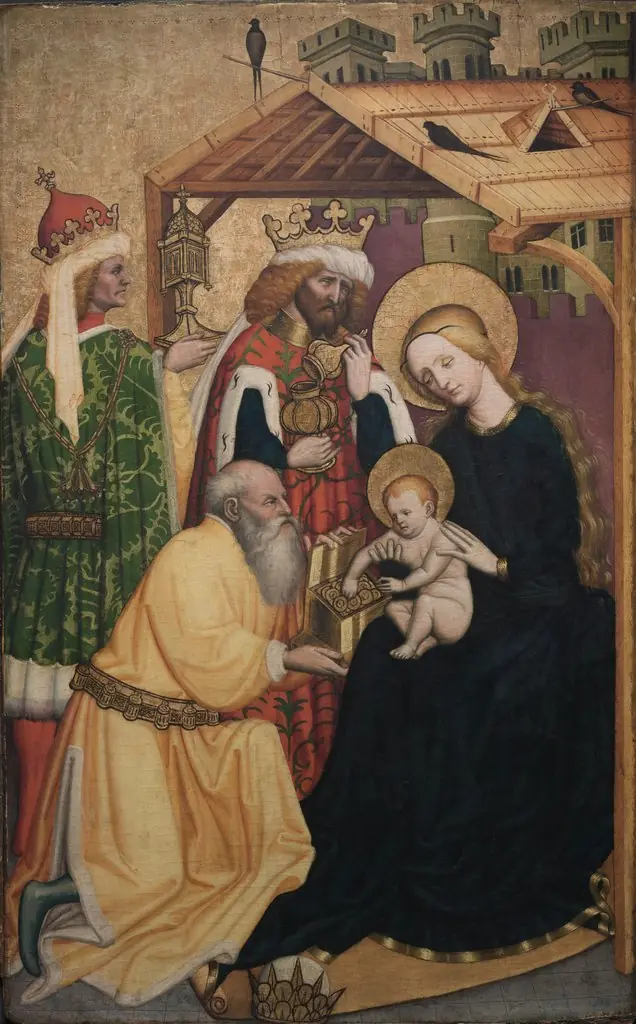
Adoration of the Magi is an unspecified painting by the Northern Renaissance artist Pieter Coecke van Aelst. It dates from 1525 and is held in the collection of the Museo del Prado.
About this work
Subject & Meaning
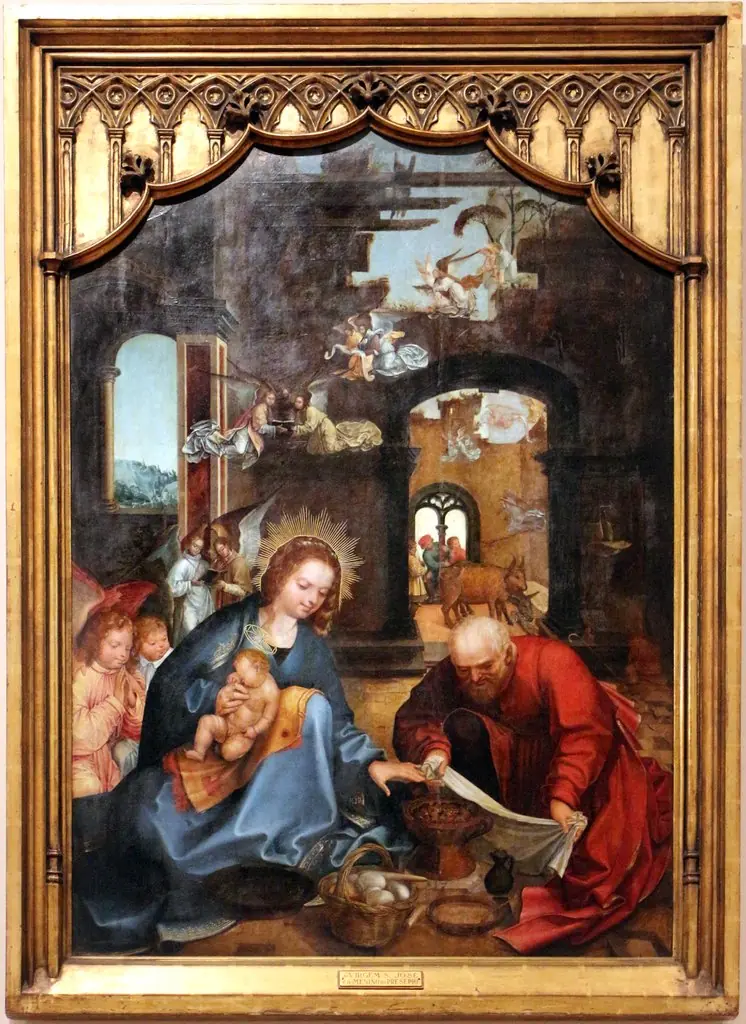
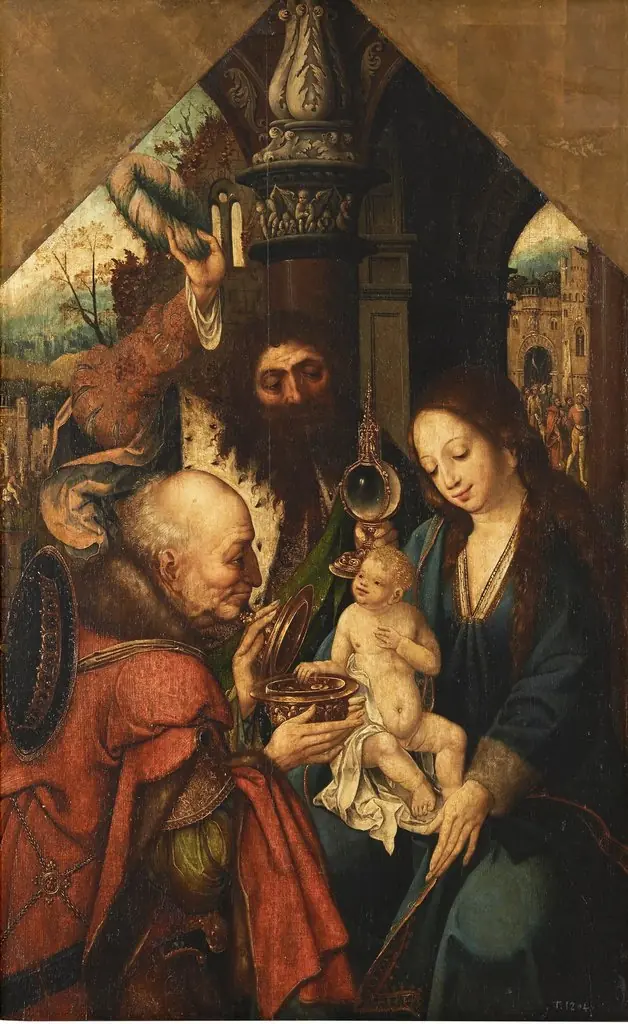
As the central panel of a triptych, the painting specifically illustrates the Nativity of Jesus alongside the figure of Melchior, one of the Magi.
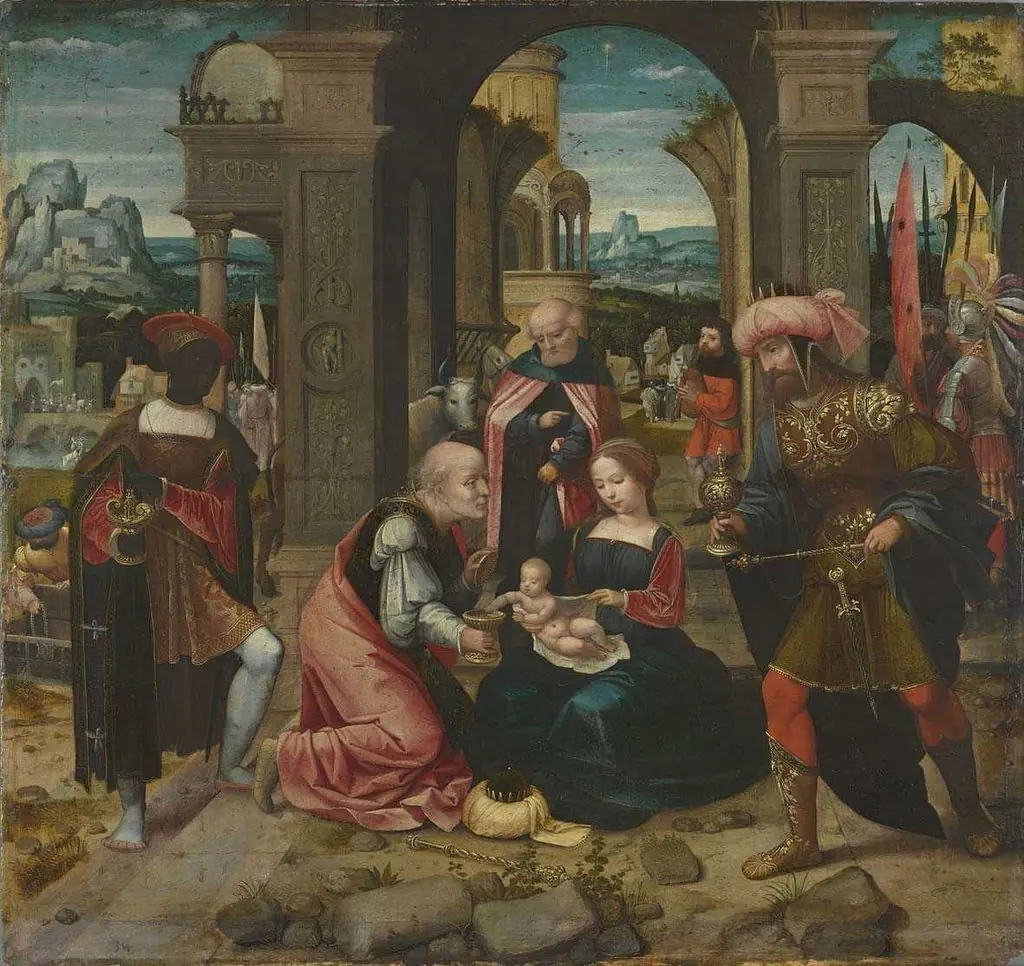
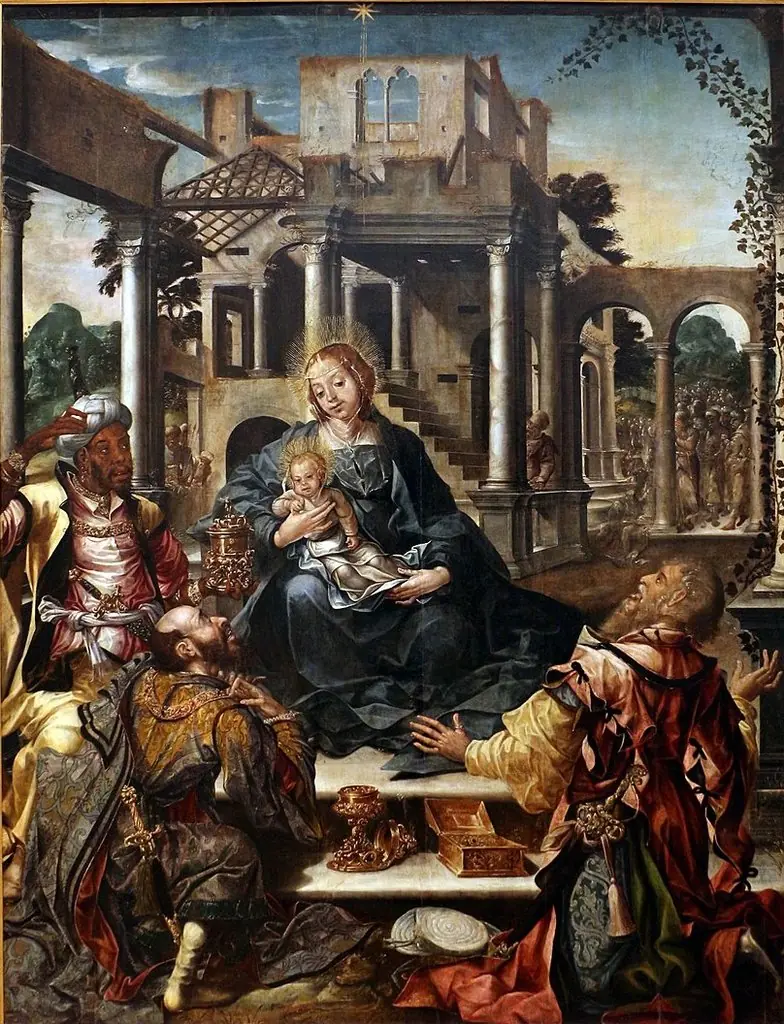
The work depicts the Adoration of the Magi, a religious narrative centered on the visit of the Three Kings to the infant Jesus. As the central panel of a triptych, the painting specifically illustrates the Nativity of Jesus alongside the figure of Melchior, one of the Magi. This composition serves as a traditional representation of the biblical event where the Gentile kings recognize and worship the newborn Christ, a theme common in religious art of the period.
Technique & Style
The work is executed in oil on panel, a common support for early sixteenth‑century altarpieces. The panel measures eighty‑seven centimeters in height and fifty‑five centimeters in width, providing a modestly scaled format that emphasizes intimate viewing. Light is distributed evenly across the composition, highlighting the rich textures of the figures’ garments and the reflective surfaces of the gifts, while the spatial arrangement follows a balanced pyramidal structure that draws the eye toward the central adoration.
The handling of pigment reveals a restrained palette of earth tones tempered by subtle glazes, contributing to a luminous surface that remains largely intact despite centuries of display.
History & Provenance
The central panel of a triptych titled Adoration of the Magi was created in 1525 by the artist Pieter Coecke van Aelst. This religious painting, which depicts the Nativity of Jesus and the figure of Melchior, is currently held in the collection of the Museo del Prado. The work measures 87 cm in height and 55 cm in width.
While the piece is attributed to Coecke van Aelst, its specific commission details and the full chain of ownership prior to its arrival at the Prado are not detailed in the available records.
The painting is held in the collection of the Museo del Prado, Madrid. Its inventory number is P02065. The work was exhibited in 2021 at the Museo del Prado, Madrid, as part of the exhibition "Reunited: Masterpieces from the Beroque Collection."
Context
Scholarship on the Adoration of the Magi centers on its role within Pieter Coecke van Aelst's mature religious oeuvre and its significance within Northern Renaissance art. The work, painted in 1525, is recognized as the central panel of a triptych originally displayed at the Museo del Prado in Madrid, where it remains part of the permanent collection. Art historical analysis situates the painting within the broader context of early 16th-century devotional imagery, particularly the popular depiction of the Magi's adoration as a meditation on the recognition of Christ's divinity by the Gentile world.
Its composition and iconography have been studied for their synthesis of Netherlandish naturalism with Italianate classicizing influences, reflecting Coecke van Aelst's artistic training and travels.
Overview
Pieter Coecke van Aelst’s 1525 oil painting titled Adoration of the Magi presents a richly appointed interior scene in which the infant Jesus is presented to a group of visitors. The work is part of the collection of the Museo del Prado in Madrid and exemplifies the artist’s engagement with religious narrative during the early sixteenth century.
Artist & collection
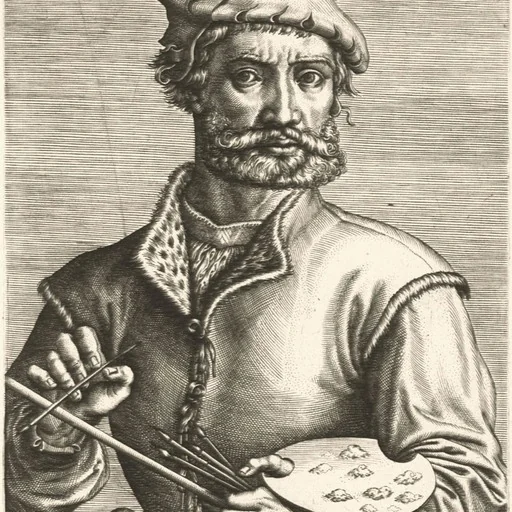
Artist
Pieter Coecke van Aelst or Pieter Coecke van Aelst the Elder was a Flemish painter, sculptor, architect, author and designer of woodcuts, goldsmith's work, stained glass and tapestries.

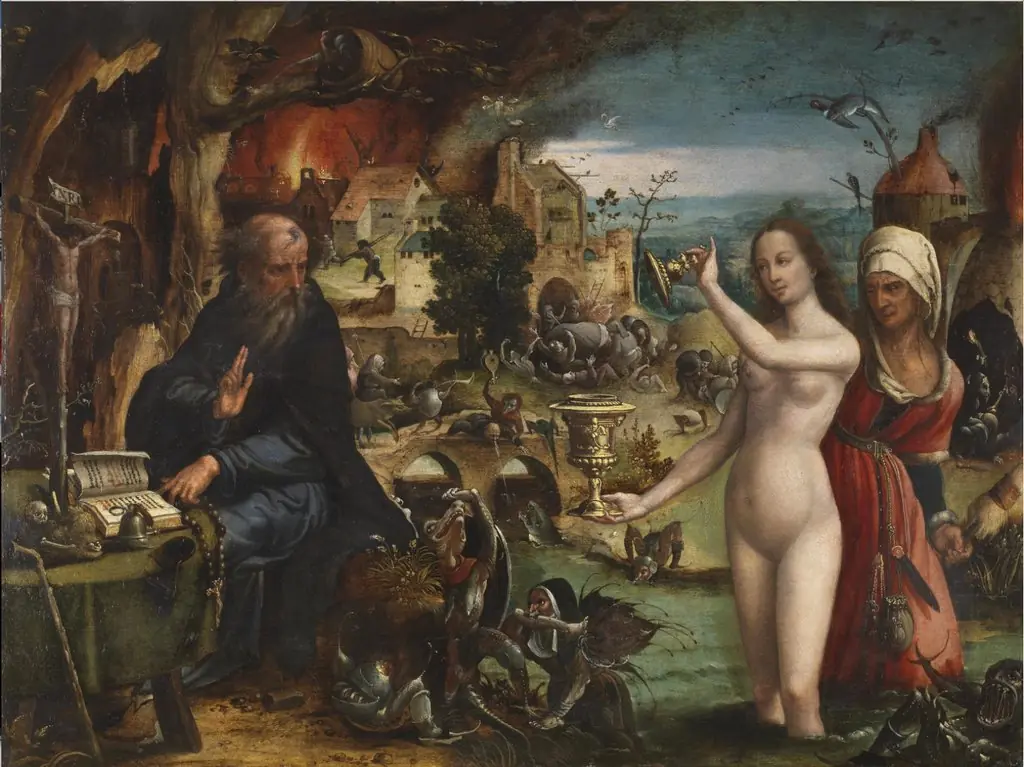 The Temptations of Saint Anthony Abbot
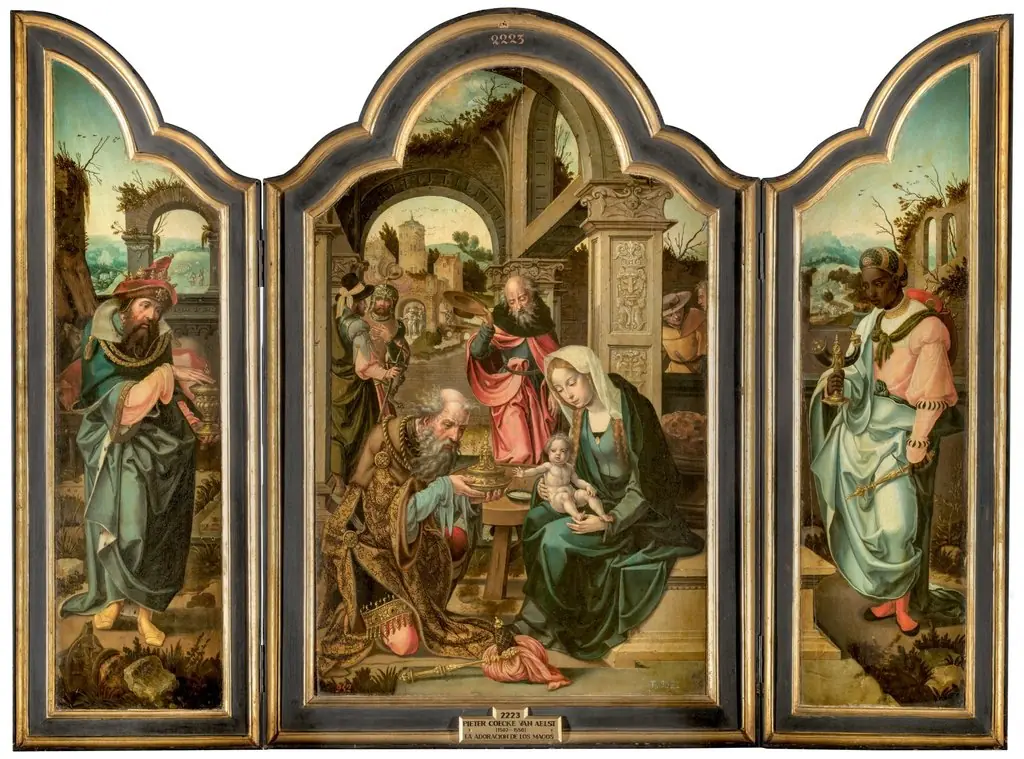 The Adoration of the Magi
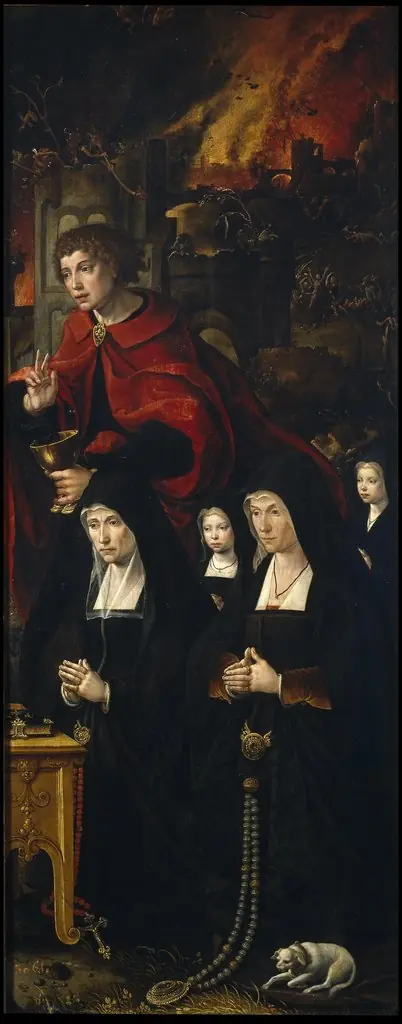 Saint John the Evangelist with Two Ladies and Two Girls (front). Saint Hadrian (reverse)
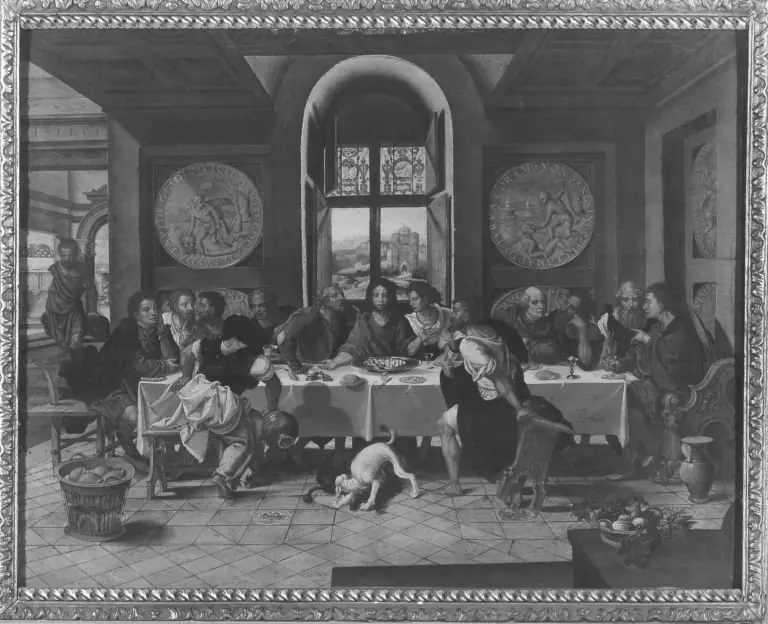 The Last Supper
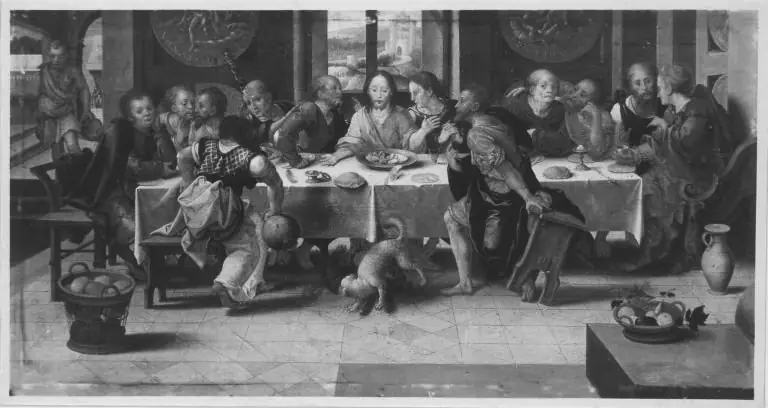 Last Supper
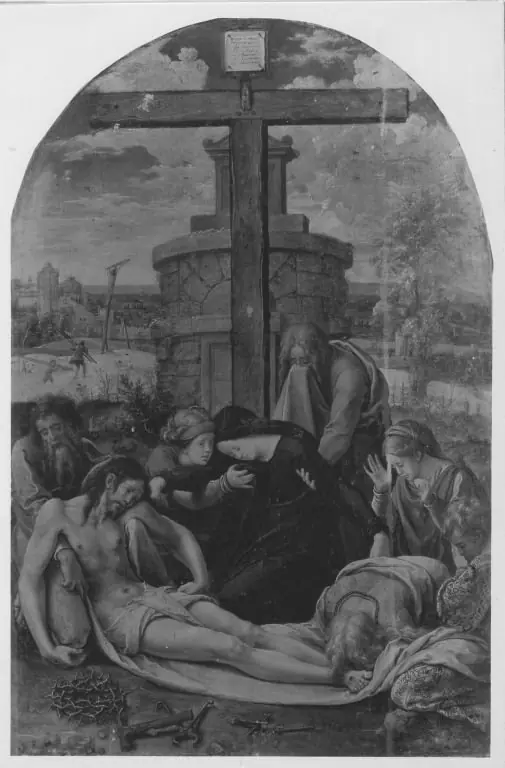 Lamentation of Christ (after Raphael)
 Triptych with the Annunciation, the Adoration of the Magi and the Nativity with Angels and Shepherds
 Christ bearing the cross