Artwork
The Greatest in the Kingdom of Heaven will be Humble like a Child
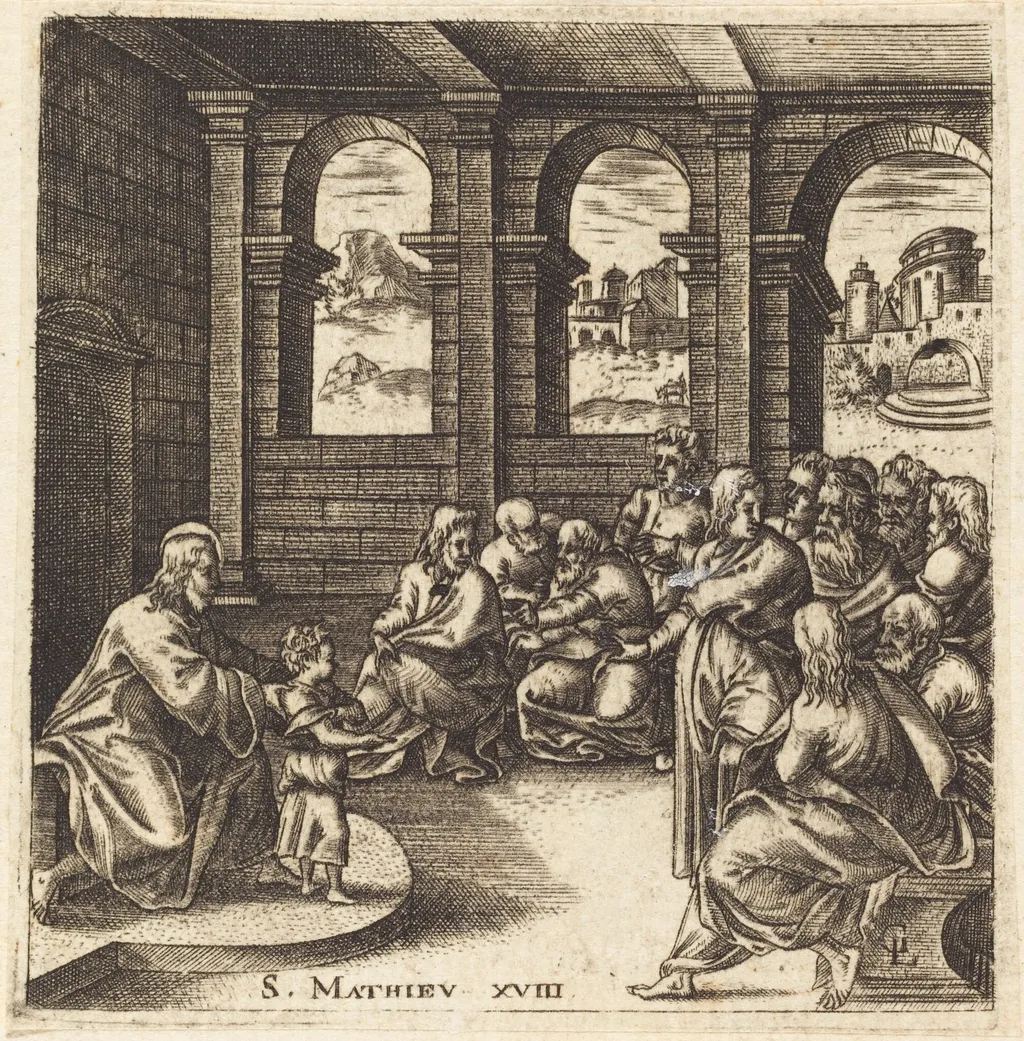
The Greatest in the Kingdom of Heaven will be Humble like a Child is an ink print by the Renaissance artist Léonard Gaultier. It dates from 1578 and is held in the collection of the National Gallery of Art.
About this work
Overview
Leonard Gaultier’s engraving The Greatest in the Kingdom of Heaven will be Humble like a Child, dated around 1578, presents a modestly populated interior scene.
Leonard Gaultier’s engraving The Greatest in the Kingdom of Heaven will be Humble like a Child, dated around 1578, presents a modestly populated interior scene. A group of robed figures occupies a spacious room illuminated by three arched windows, one of whom cradles a child. The composition conveys a calm, contemplative mood and is preserved in the collection of the National Gallery of Art in Washington.
Subject & Meaning
The print visualizes a biblical principle that greatness in the heavenly realm is linked to childlike humility. By depicting an adult figure gently holding a child amid a gathering of solemn men, the image underscores the virtue of simplicity and the spiritual value of surrendering pride, a theme common in Counter‑Reformation religious art.
Technique & Style
Executed entirely with a graver, the engraving demonstrates Gaultier’s precise, linear approach. The lines are crisp and the forms rigid, reflecting the formal compositional habits of his Paris workshop. The handling of light through the arched windows and the delicate carving of architectural details echo the meticulous style of the Wierix and Crispyn van de Passe circles.
History & Provenance
Leonard Gaultier, who often signed his works as Galter, was an active French printmaker in late‑sixteenth‑century Paris. He produced many religious images after his own designs, and this piece is among the few that have survived in institutional collections. It entered the National Gallery of Art’s holdings through a mid‑20th‑century acquisition of European prints.
Context
The engraving belongs to a period when French artists were absorbing Northern European print traditions while responding to the Catholic Reformation’s demand for didactic imagery. Gaultier’s work, with its restrained elegance and clear narrative, fits within a broader trend of using prints to disseminate theological concepts to a literate public.
Own this work as a print
Artist & collection
Artist
Léonard Gaultier, or, as he sometimes signed himself, Galter, a French engraver, was born at Mainz about 1561, and died in Paris in 1641.

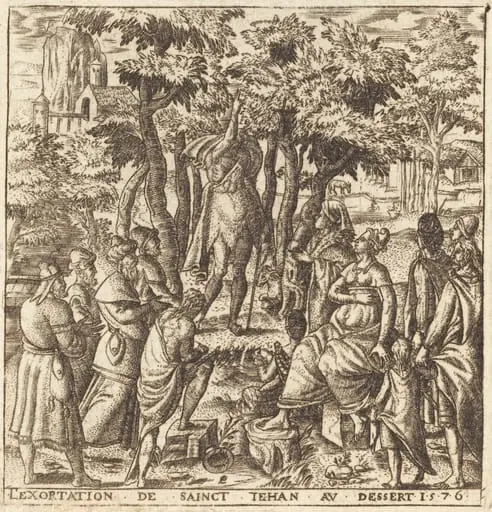
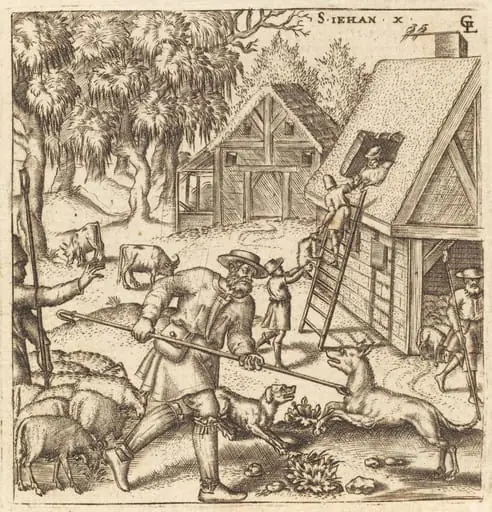
- Christ in the House of Mary and Martha
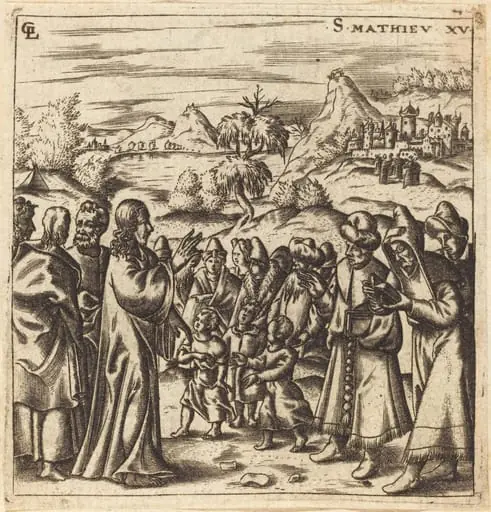 Christ Rebukes the Scribes and Pharisees
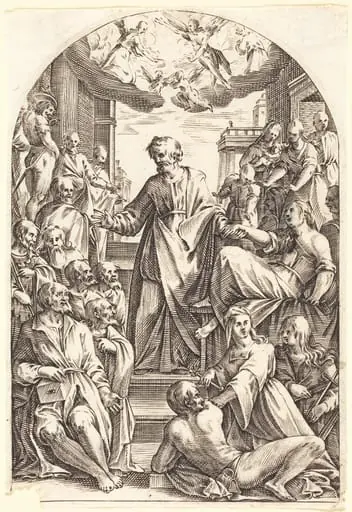 Peter Raising Tabitha
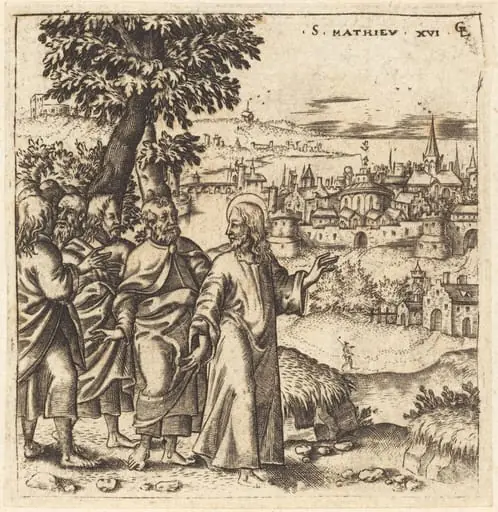 Christ Admonishes His Disciples
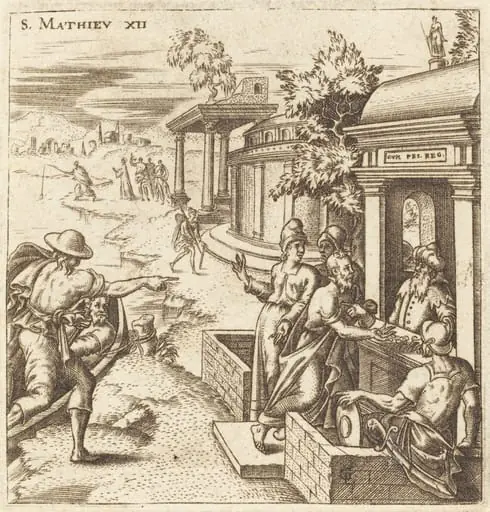 The Man Healed of the Withered Hand
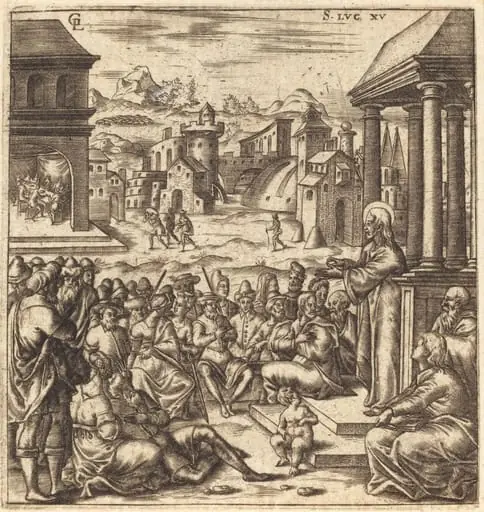 The Parables of the Lost Sheep, the Woman with Pieces of Silver and the Prodigal Son
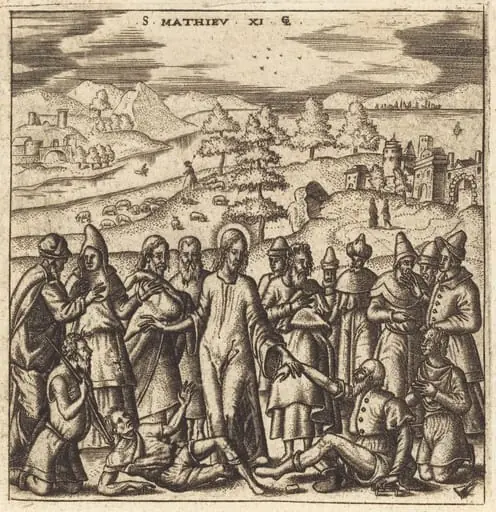 Christ Healing the Sick
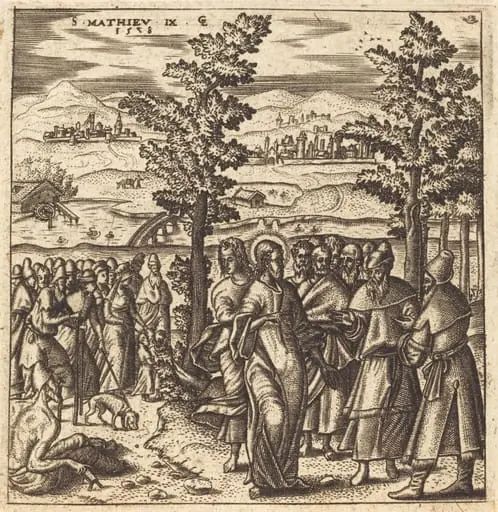 If I only Touch His Garments, I shall be Made Well
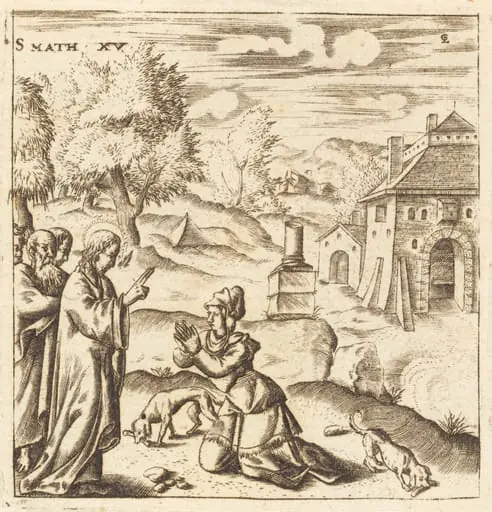 The Canaanite Woman
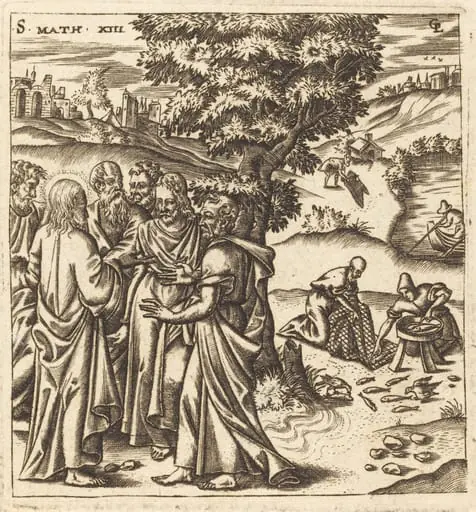 Christ Telling His Disciples of the Parable of the Dragnet