Artwork
Lady Eleanor Temple, Wife of Sir Peter Templeof Stanton Bury
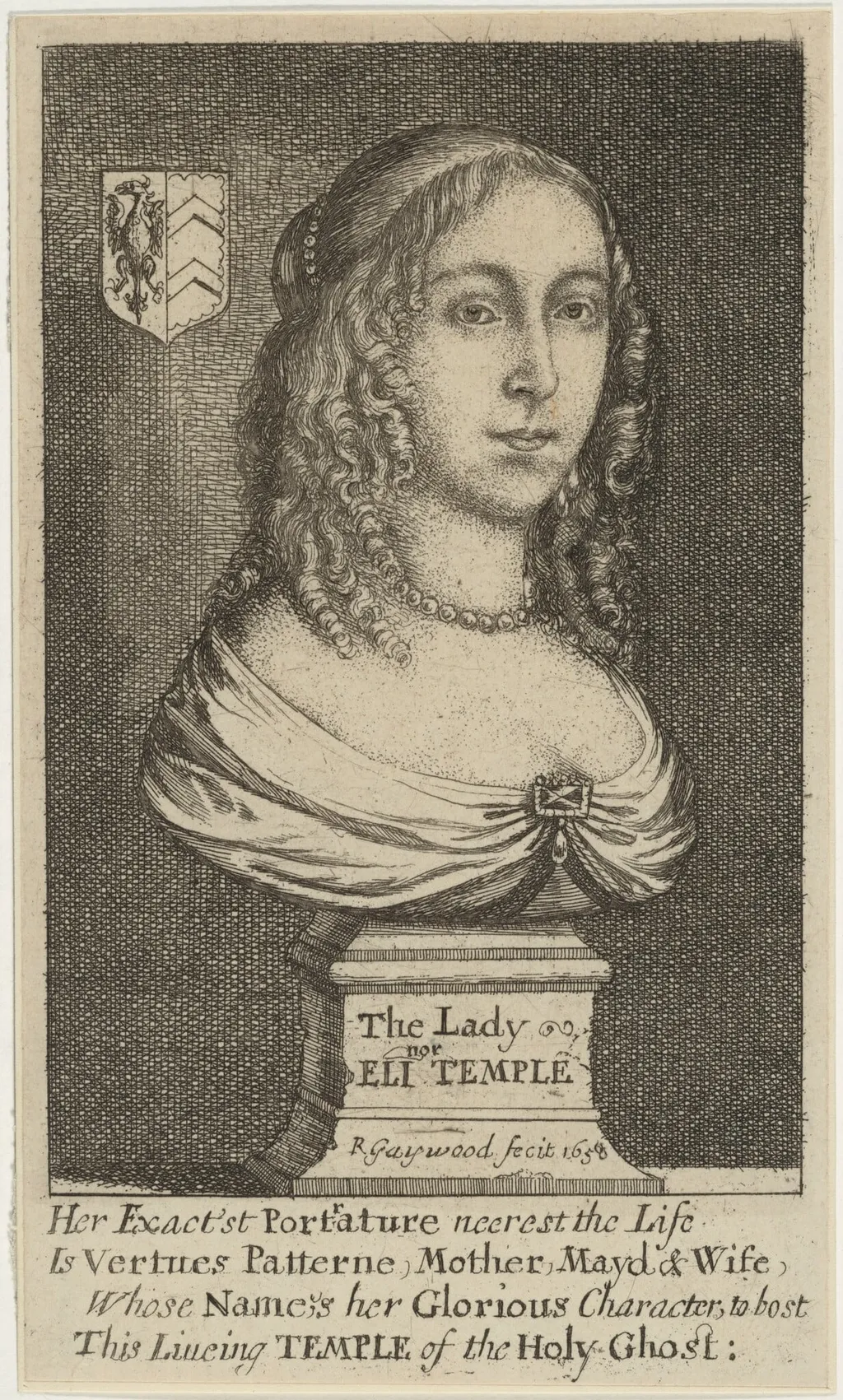
Lady Eleanor Temple, Wife of Sir Peter Templeof Stanton Bury is an ink print by the Baroque artist Robert Gaywood. It dates from 1658 and is held in the collection of the National Gallery of Art.
About this work
The text below calls her "The Lady nor ELI TEMPLE" and says it’s "Her Exactst Portature neerest the Life.
This is a black-and-white portrait of a woman with curly hair and a high collar. She’s wearing a pearl necklace and rests her hands on a pedestal. Above her head is a coat of arms. The background is plain, and the whole image looks like it was drawn with fine lines.
The text below calls her "The Lady nor ELI TEMPLE" and says it’s "Her Exactst Portature neerest the Life." The artist signed it and dated 1658.
Look up etching to see how this kind of detailed drawing was made.
Overview
Created in 1658 by Robert Gaywood, this etching portrays Lady Eleanor Temple, wife of Sir Peter Temple of Stanton Bury. Executed in fine black lines on paper, the portrait captures her in profile with meticulous detail. The work is signed and dated by the artist, reflecting its function as a precise likeness rather than a decorative piece. Its simplicity and clarity align with mid-seventeenth-century portraiture practices in England.
Subject & Meaning
Lady Eleanor is depicted with restrained elegance, her curled hair and high lace collar suggesting aristocratic status. The pearl necklace and the coat of arms above her head signify lineage and social standing. The inscription claims the image is 'Her Exactst Portature neerest the Life,' emphasizing fidelity to appearance.
The plain background focuses attention on her identity and heraldic heritage, reinforcing the portrait’s role as a record of family prestige.
Technique & Style
The image is rendered in etching, a printmaking method involving acid-bitten lines on a metal plate. Gaywood used fine, controlled strokes to define texture in fabric, hair, and jewelry, achieving a delicate realism. The monochrome palette enhances the linear precision, typical of engraved portraits of the period.
The absence of shading or color reflects both technical constraints and the aesthetic preference for clarity over ornamentation.
History & Provenance
Commissioned shortly after the English Civil War, the portrait likely served as a private keepsake or family record. Robert Gaywood, active in the 1650s, specialized in small-scale portraiture for gentry clients. The work remained within the Temple family for generations before entering public collections. Its survival is notable, given the political upheavals of the era that disrupted many aristocratic archives.
Context
In post-Civil War England, portraiture shifted from grand oil paintings to more accessible printed formats. Etchings like this one allowed families to preserve likenesses without the cost of commissioned paintings. The emphasis on heraldry and textual affirmation reflects a cultural need to reaffirm identity amid social instability. Gaywood’s work fits within a broader trend of domestic, intimate portraiture among the landed class.
Legacy
This etching endures as a representative example of mid-17th-century English print portraiture. It illustrates how families used print media to assert continuity and status during turbulent times. Though not widely known outside specialist circles, it remains a valuable artifact for studying gender, class, and visual culture in Restoration-era England. Its preservation offers insight into the personal dimensions of aristocratic life beyond public monuments.
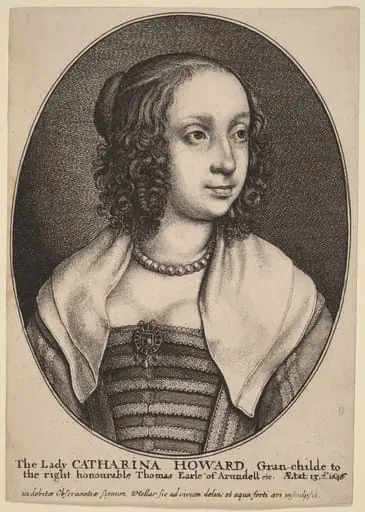
Own this work as a print
Artist & collection

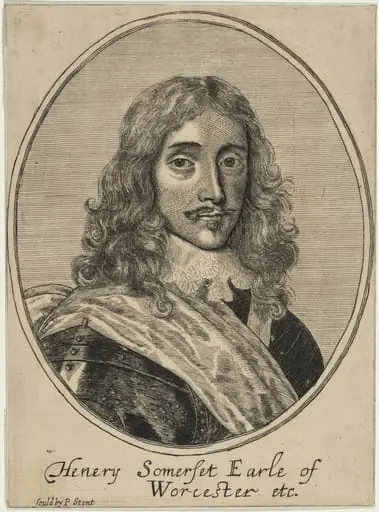 Henry Somerset, Earl of Worcester, First Dukeof Beaufort
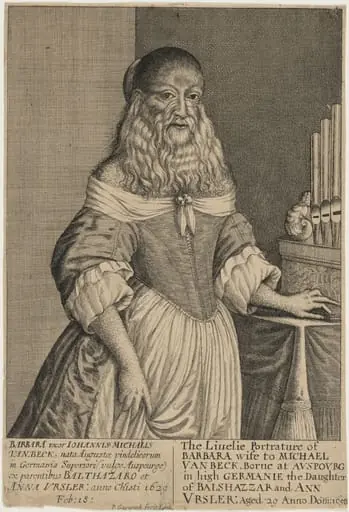 Barbara Van Beck, the Bearded Lady
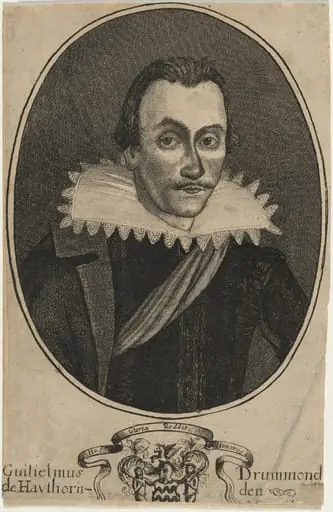 William Drummond of Hawthornden, Historian and Poet
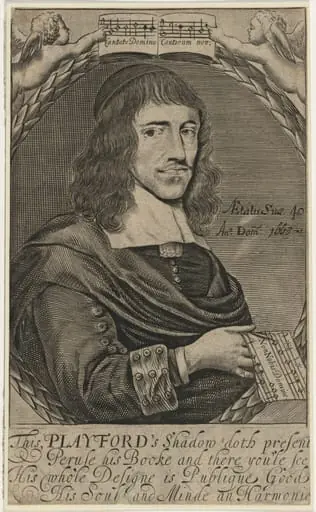 John Playford, Musician and Music Publisher
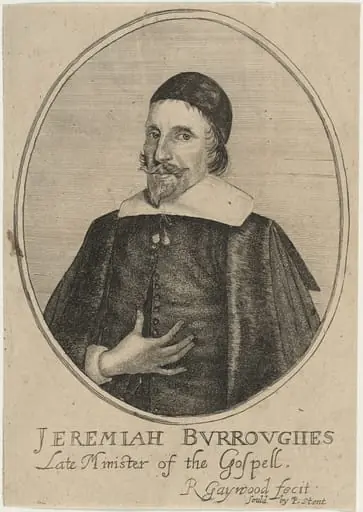 Jeremiah Burroughes, Puritan Divine
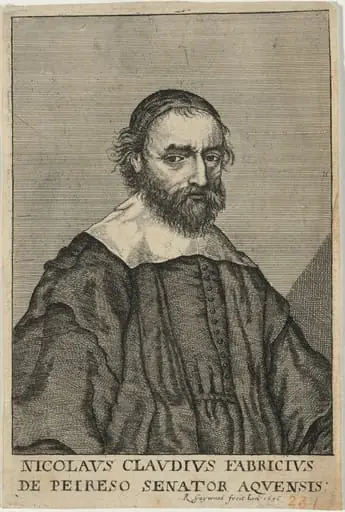 Nicholas Claude Fabri de Peireso, French Antiquary
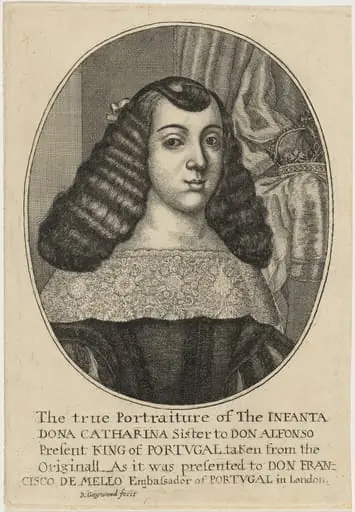 Catherine of Braganza
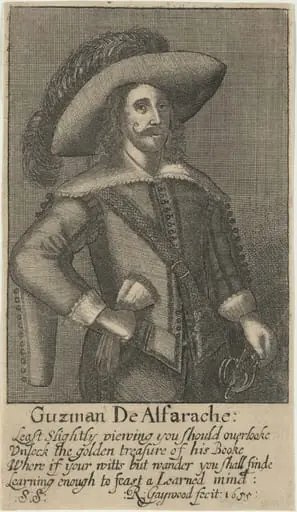 Guzman de Alfarache