Subject
Coat of Arms
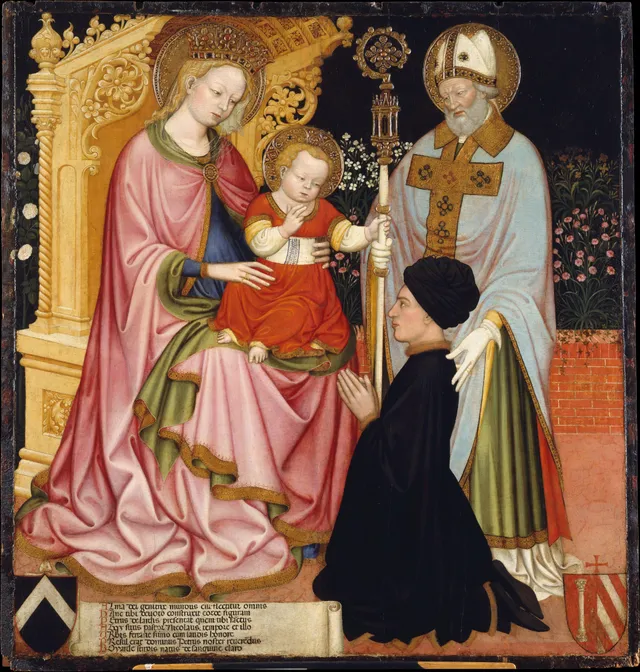
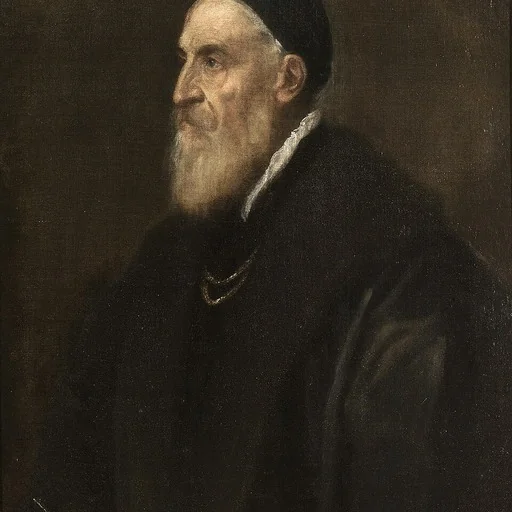
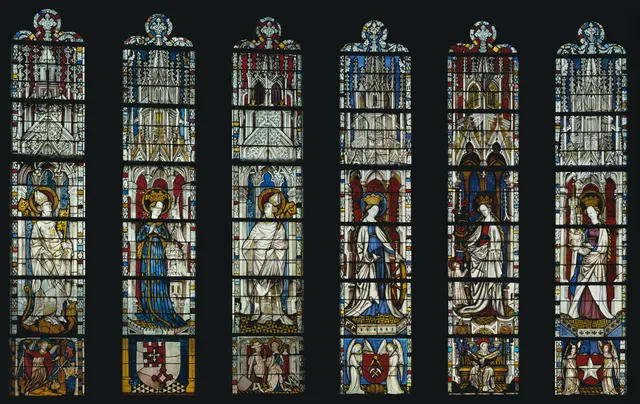
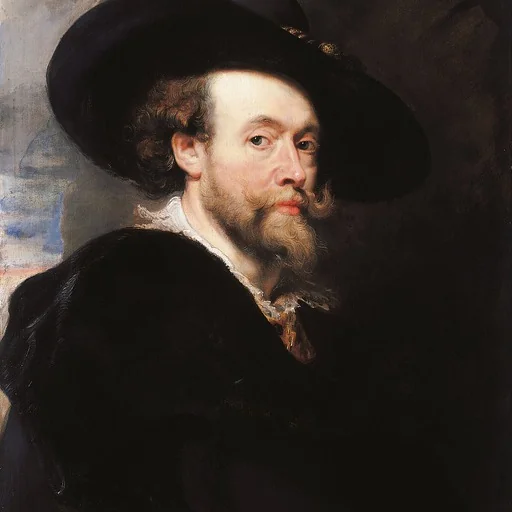
Coat of Arms is a subject in art. The gallery holds 135 works in this subject in art, including works by Titian, Peter Paul Rubens and Gerard David.
A coat of arms is a heraldic design—painted on an escutcheon (shield) or worn on a surcoat or tabard—identifying an individual, family, or institution. The practice arose in north-western Europe in the twelfth century, between roughly 1120 and 1160, as a battlefield necessity: a knight encased head-to-foot in mail and a closed helm was unrecognisable, so bold colours and emblems painted across the broad face of his shield announced friend or foe. By the end of the twelfth century these devices had become hereditary, passing from father to son, and a systematic, regulated heraldry had crystallised across England, France, and the Holy Roman Empire by the early thirteenth century. The very term "coat of arms" derives from the cloth surcoat worn over armour, while "escutcheon" descends from the Latin scutum, shield.
Heraldry developed its own rigorous grammar. Designs are built from tinctures—two metals (or and argent), colours such as gules, azure, vert, sable, and purpure, and furs like ermine and vair—governed by the near-inviolable rule of tincture, which forbids placing metal on metal or colour on colour to preserve legibility at a distance. A field is divided by geometric ordinaries (the chevron, fess, bend) and strewn with charges, most famously the lion and the eagle. Each arrangement can be reduced to a precise verbal formula, the blazon, and the shield forms the heart of a fuller achievement completed by crest, supporters, and motto.
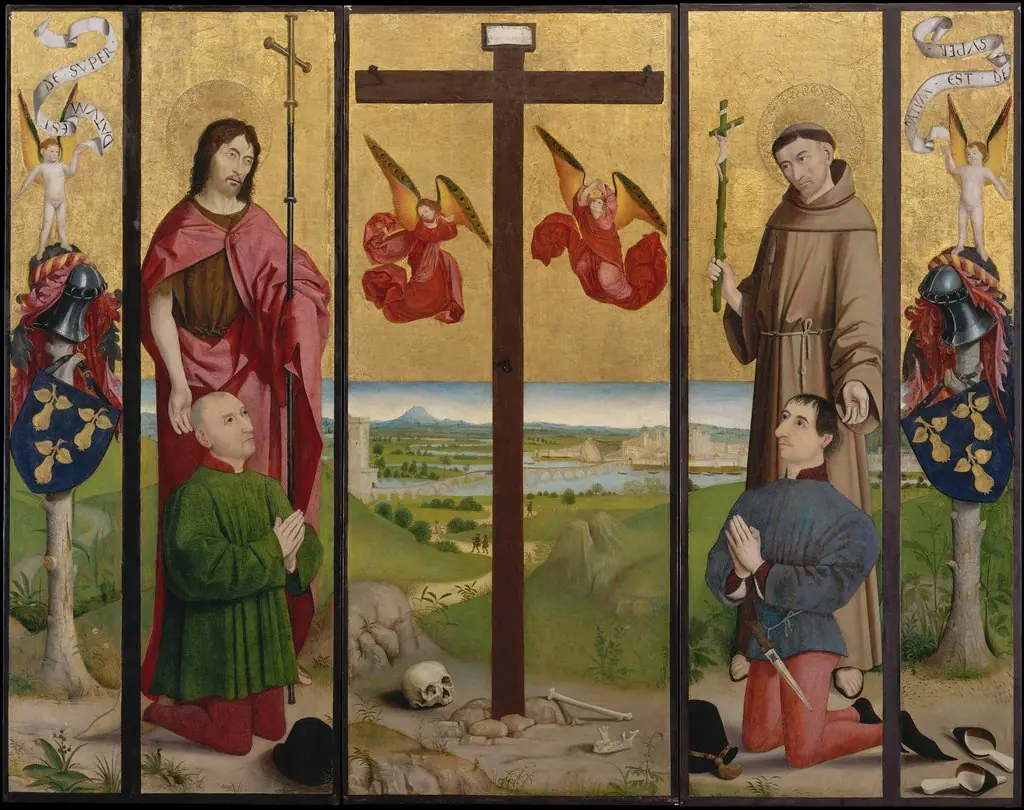
In painting, the coat of arms became a potent tool of identity and devotion, especially in the donor portraits of the fifteenth century. Patrons who commissioned altarpieces had their arms emblazoned beside their kneeling likenesses, fixing lineage and earthly status within sacred narrative. Rogier van der Weyden's Seven Sacraments Altarpiece (c. 1445–50) carries the arms of its commissioner, Bishop Jean Chevrot, in its spandrels, while the Pérussis Altarpiece (1480, circle of Nicolas Froment) displays the arms and motto of the exiled Florentine Aloisius de Pérussis on its side panels.
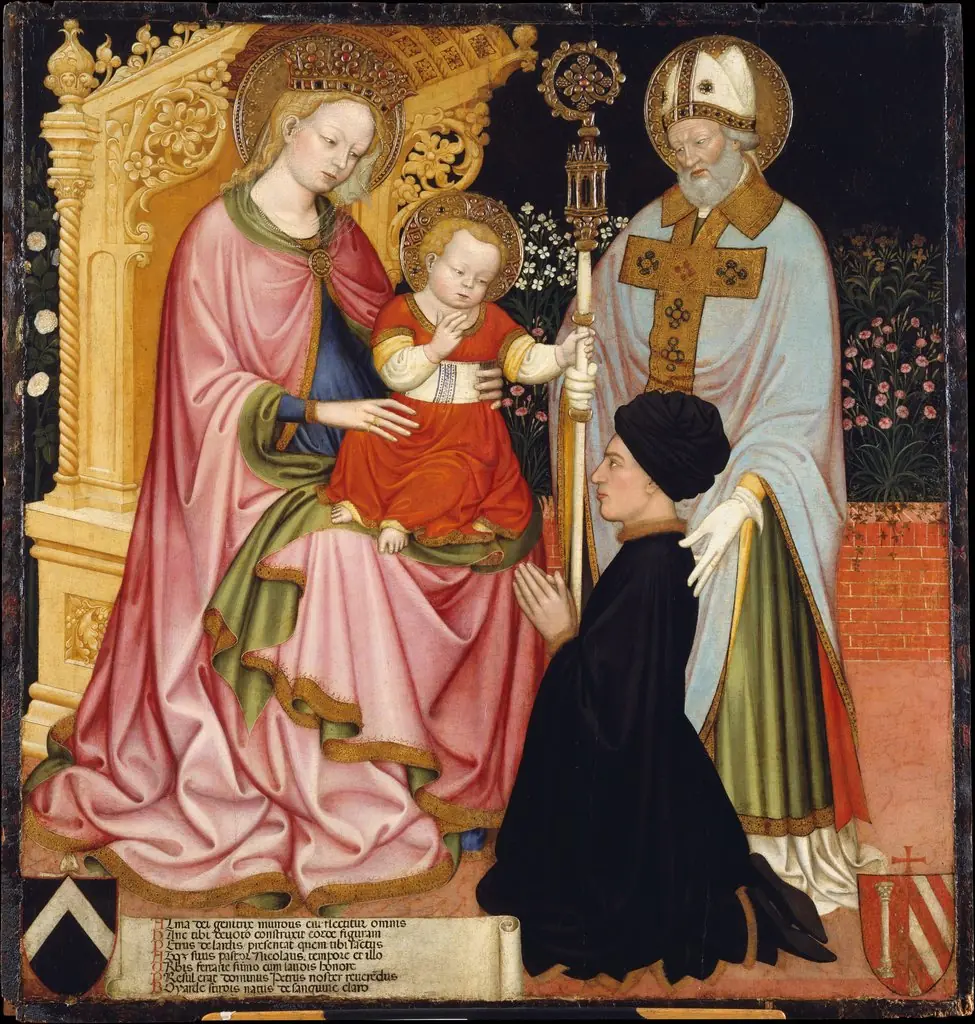
Such heraldry threads through Netherlandish and Italian Renaissance portraiture alike—often on a panel's reverse—and supported a specialised craft of herald-painters. Today these painted arms remain invaluable to art historians, frequently the decisive clue in identifying anonymous sitters and the patrons who paid for the work.
Key artists
Overview
A coat of arms is a heraldic visual design placed on an escutcheon, surcoat, or tabard, originating in Europe during the Middle Ages. The design on the escutcheon forms the central element of a full heraldic achievement, which also encompasses a shield, supporters, a crest, and a motto. Historically, the term derives from the medieval surcoat, a chainmail garment worn in combat or tournaments that bore the heraldic design. Coats of arms are traditionally unique to an armiger, such as an individual person, family, state, or organization, and are governed by the rules of heraldry.
Iconography & meaning
The iconography of a coat of arms relies on a strict visual vocabulary designed for immediate identification. The shield is divided into fields featuring specific tinctures, patterns, and charges. Tinctures carry specific meanings, such as red for courage and blue for loyalty. Charges are symbols that represent the values, achievements, or history of the armiger. Lions symbolize courage, eagles represent power, and crosses denote faith. The full heraldic achievement includes a helm representing the knight's helmet, a crest atop the helm, mantling representing protective cloth, supporters holding the shield, and a motto encapsulating guiding principles. Because of their importance in identification, particularly on legal seals, heraldic achievements have a formal description called a blazon, which uses specialized vocabulary to ensure consistency in depictions.
Across movements & periods
Heraldic designs came into general use among European nobility in the 12th century, evolving from decorated equestrian shields. Early designs were personal to individual noblemen, but by the end of the 12th century, arms became hereditary, such as in England during the Third Crusade. In the 12th to 14th centuries, arms were simple, utilizing few colors with strong contrasts and a single charge. Over time, the use of arms spread beyond the nobility to the clergy, towns as civic identifiers, and royally chartered organizations like universities and trading companies. Burgher arms emerged in Northern Italy in the second half of the 14th century and in the Holy Roman Empire by the mid-14th century. As the number of arms grew, so did their complexity. By the late medieval period, arms appeared across diverse media including seals, coins, book illuminations, stained glass, and sculpture. The French system greatly influenced British and Western European heraldry, establishing much of the terminology and classification. In the present day, coats of arms continue to be used by institutions and individuals, often protected as intellectual property or trademarks.
Notable depictions
Notable historical coats of arms include the Royal Arms of England, which features three golden lions on a red field, a design dating to the reign of Richard the Lionheart in the 12th century. The Scottish coat of arms features a red lion rampant on a yellow field, surrounded by a border of fleurs-de-lis. The Vatican City coat of arms depicts two crossed keys and a tiara, representing the Pope's spiritual and temporal authority. In 1581, Queen Elizabeth granted arms to Sir Francis Drake featuring a ship on the terrestrial globe, a wyvern, and the motto Sic Parvis Magna. In the decorative arts, an armorial panel with the Stuart coat of arms, created around 1685 to 1688, exemplifies the motif in British woodwork, crafted from limewood with parcel-silver and gilt.
Legacy
The legacy of the coat of arms extends into modern corporate and governmental identity. Heraldry has been compared to modern corporate logos, serving a similar function of immediate visual identification. Today, national, regional, and city coats of arms appear on flags, seals, and official documents, connecting modern societies to their historical roots. While the use of arms by individuals declined after the mid-18th century due to their association with a declining aristocracy, a slow revival began in the second half of the 19th century. Municipalities and regions rediscovered the value of arms as expressions of territorial identity. In the United States, it remains entirely legal for any person to design, adopt, and use an original coat of arms, though commercial enterprises that claim to sell the arms of a surname operate under false pretenses, as mere coincidence of a family name does not prove descent or right to those arms.
Works
 The Pérussis Altarpiece
 Madonna and Child with the Donor, Pietro de' Lardi, Presented by Saint Nicholas
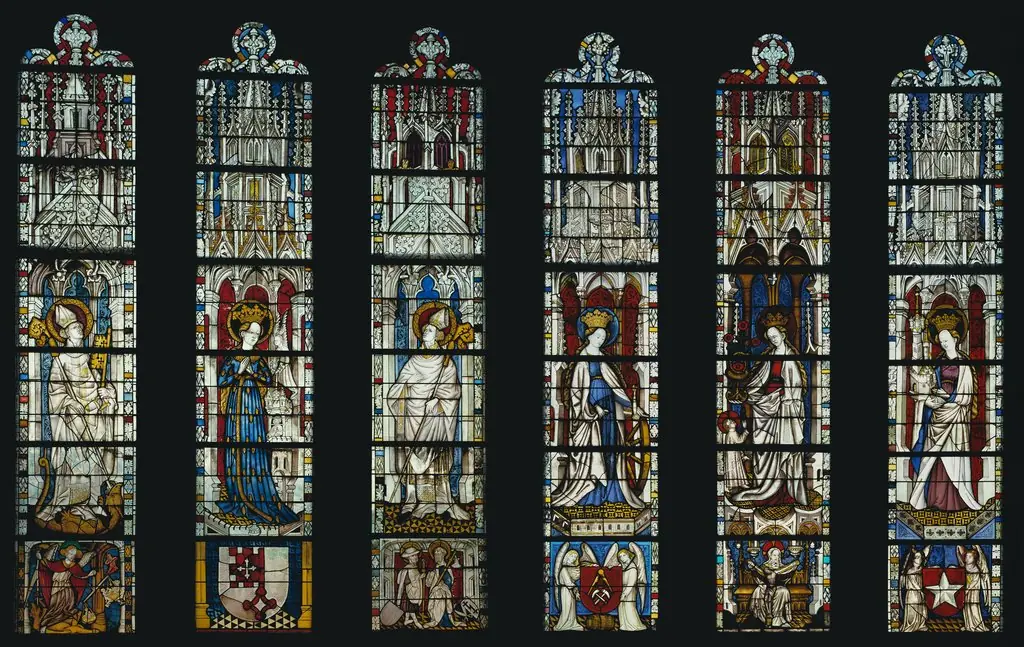 The Virgin Mary and Five Standing Saints above Predella Panels
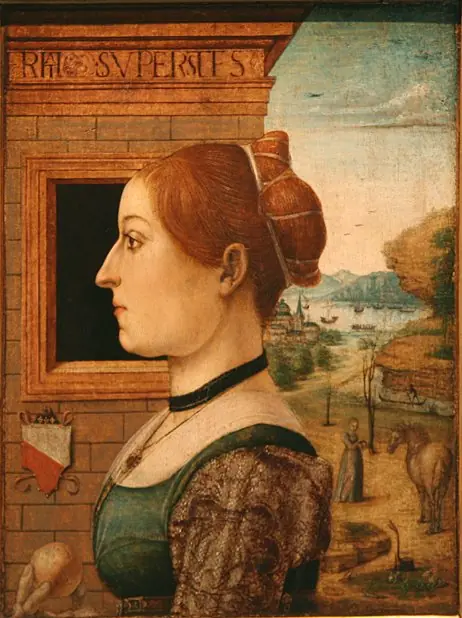 Portrait of a Woman, possibly Ginevra d'Antonio Lupari Gozzadini
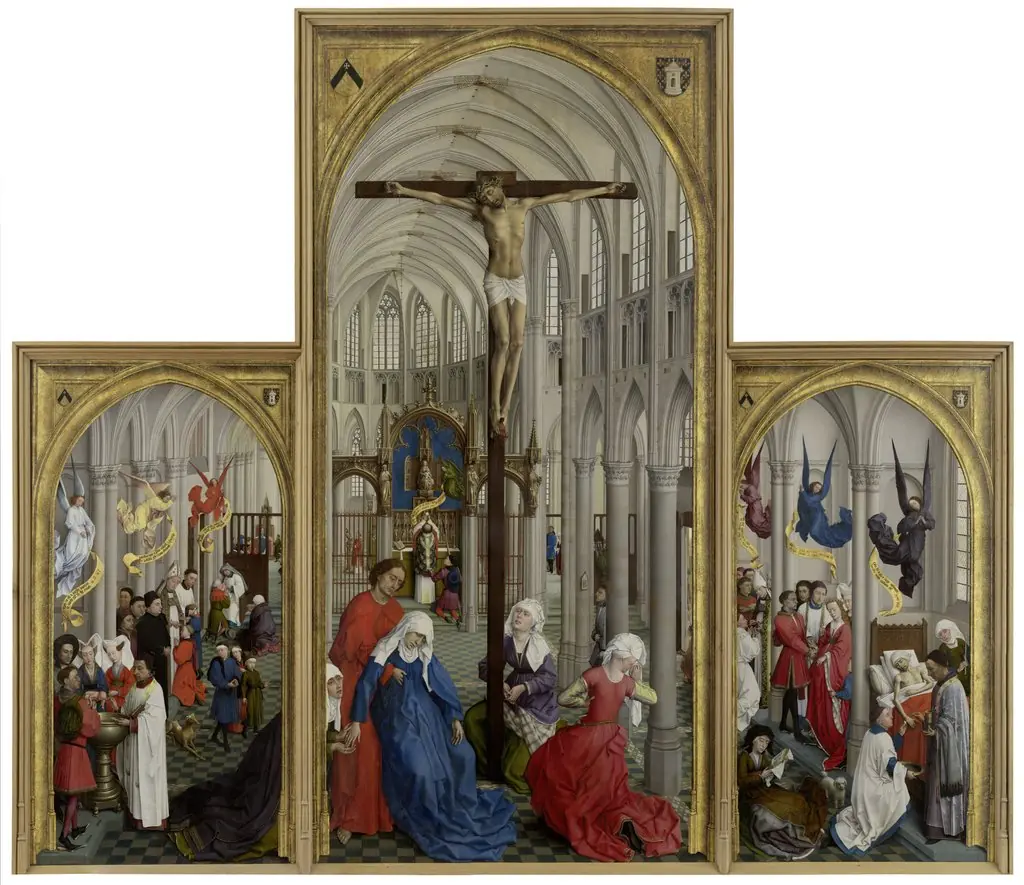 The Seven Sacraments
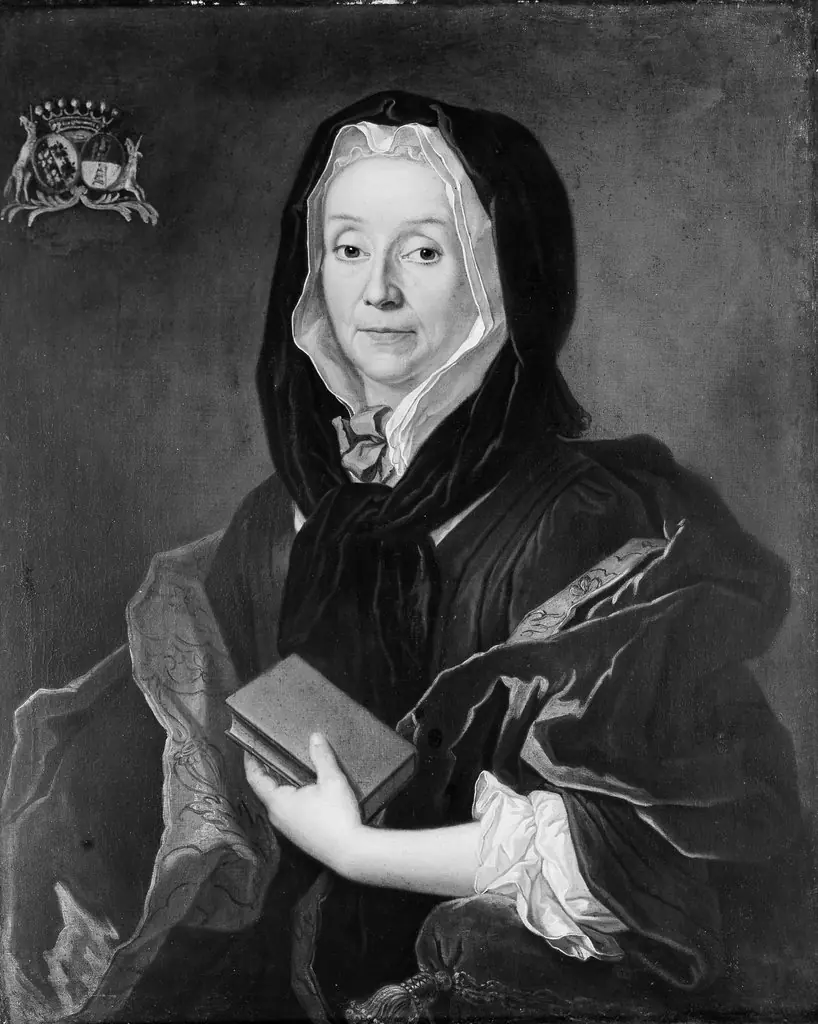 Portrait of a Woman Holding a Book
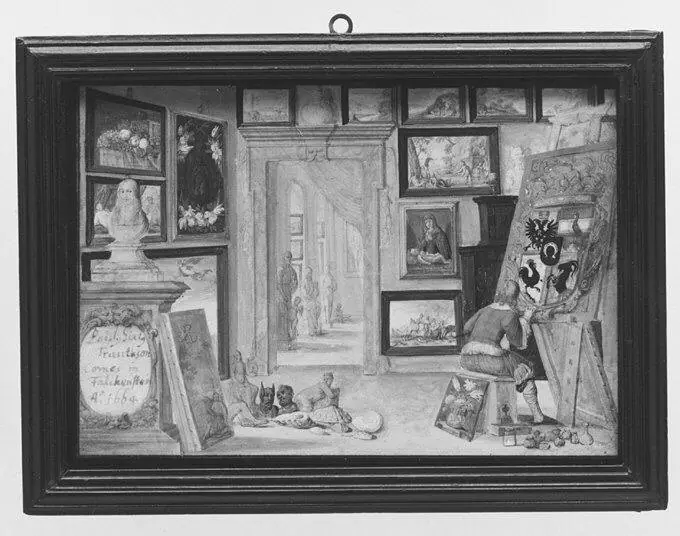 An Artist Painting a Heraldic Shield in a Cabinet of Curiosities
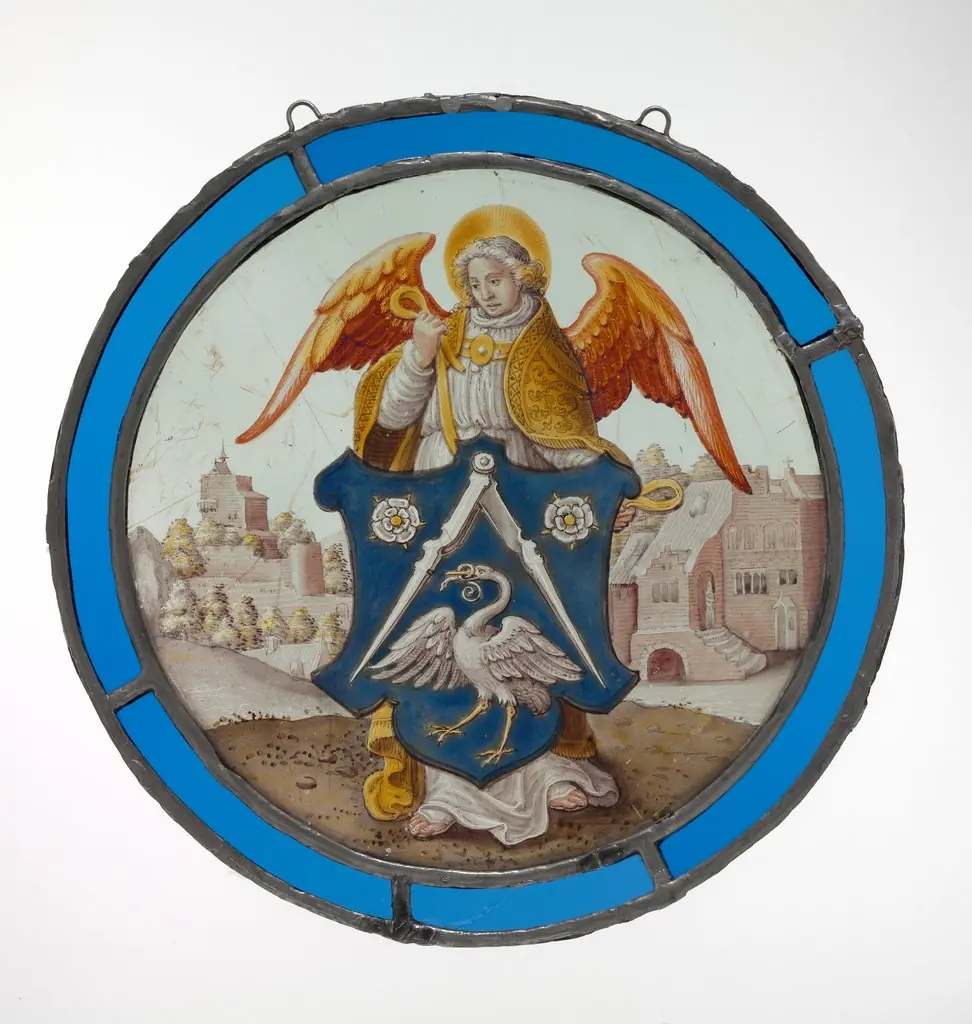 Angel Supporting a Heraldic Shield
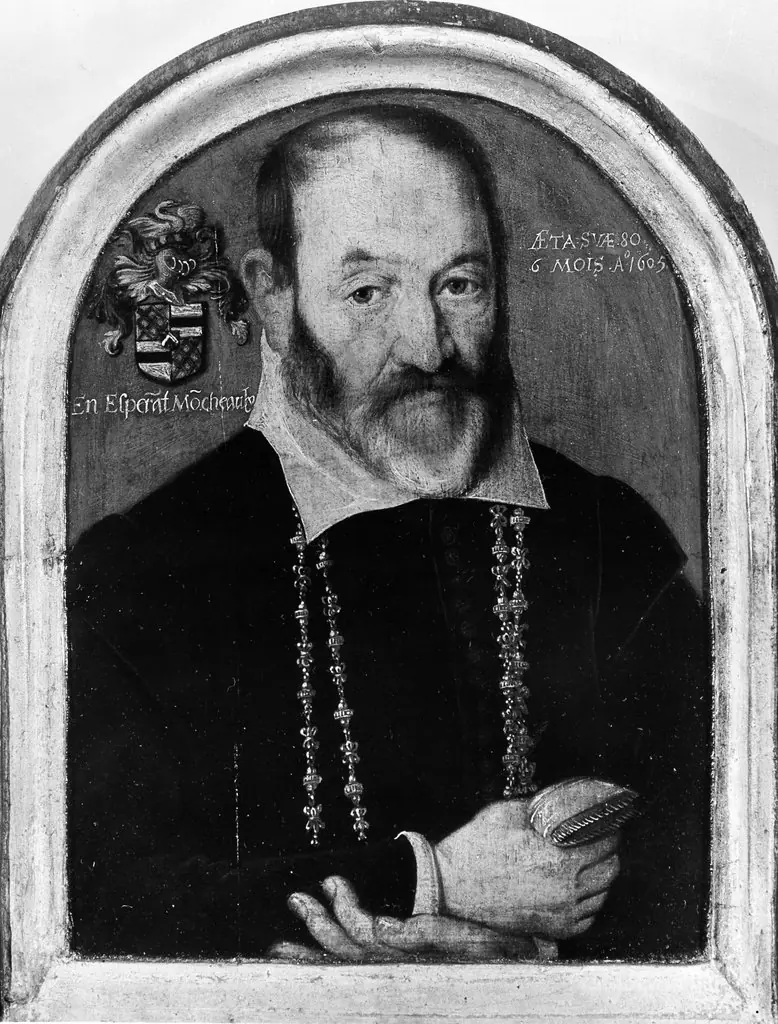 Portrait of a Man of the Moncheaux Family
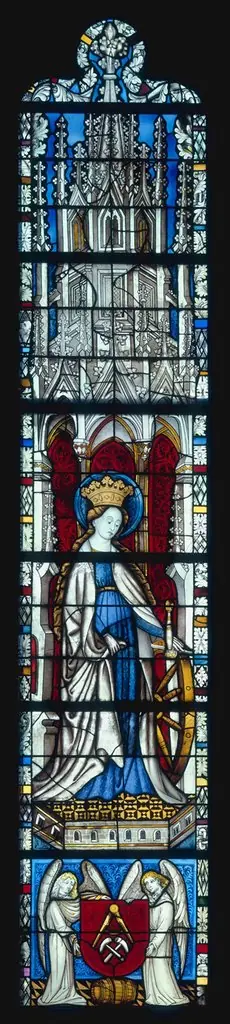 The Virgin Mary and Five Standing Saints above Predella Panels
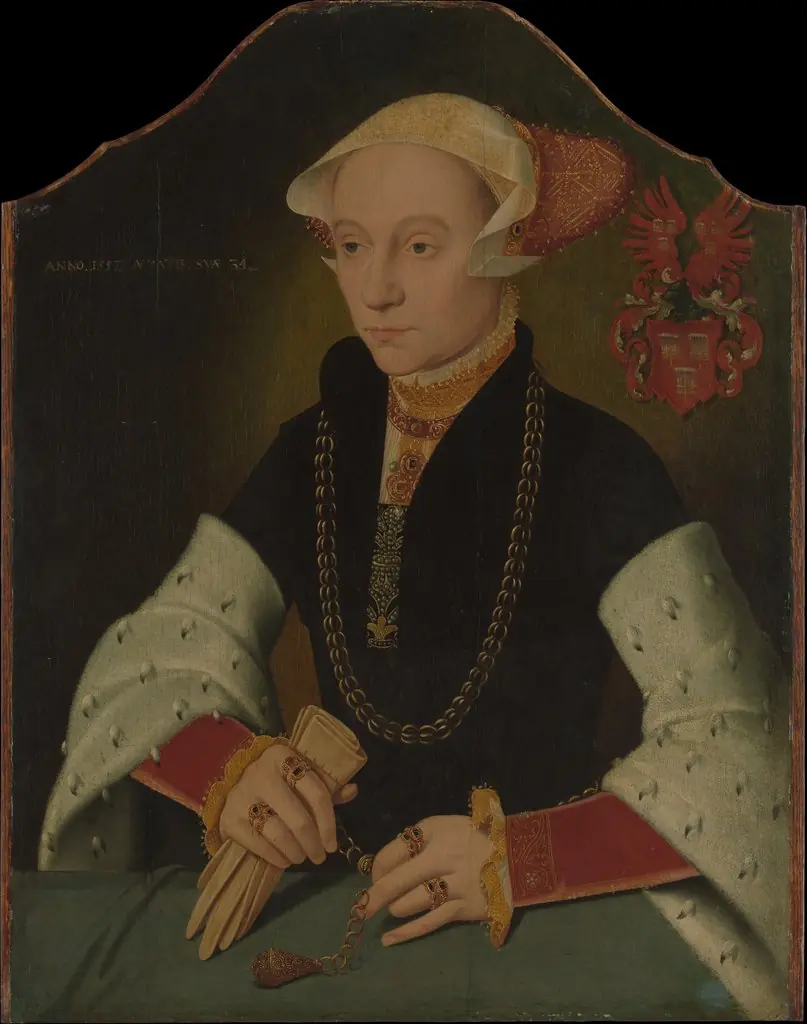 Portrait of a Woman of the Slosgin Family of Cologne
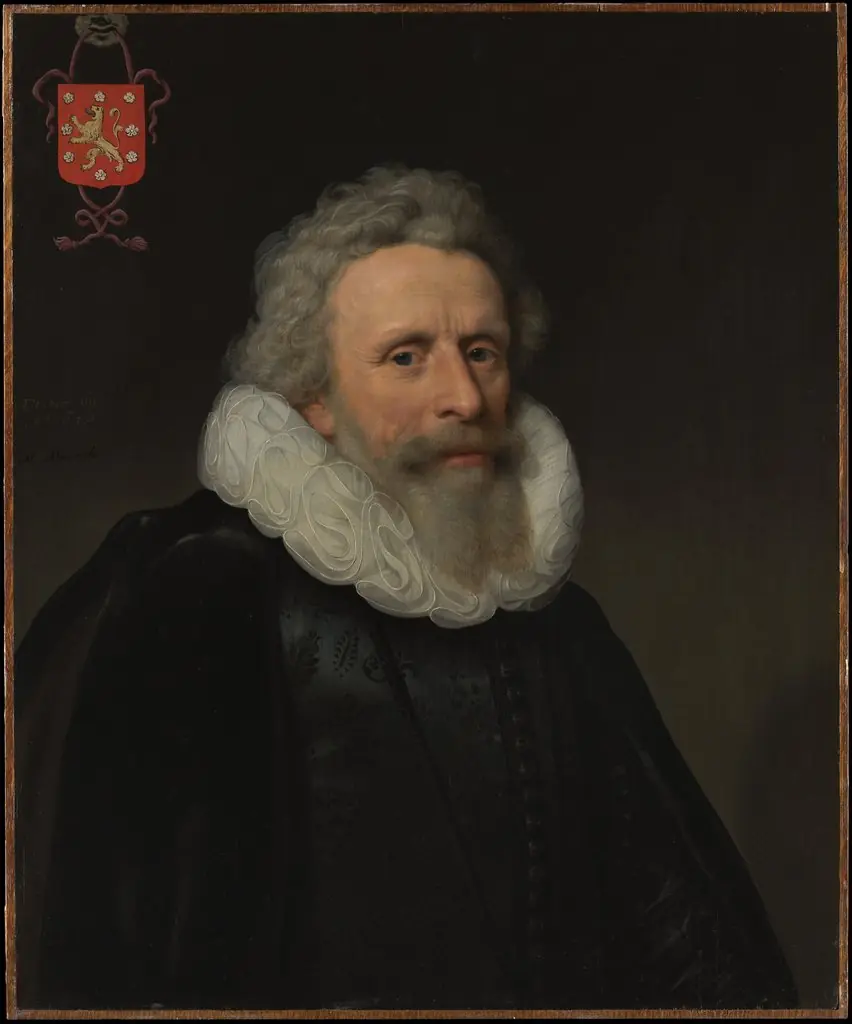 Jacob van Dalen (1570–1644), Called Vallensis
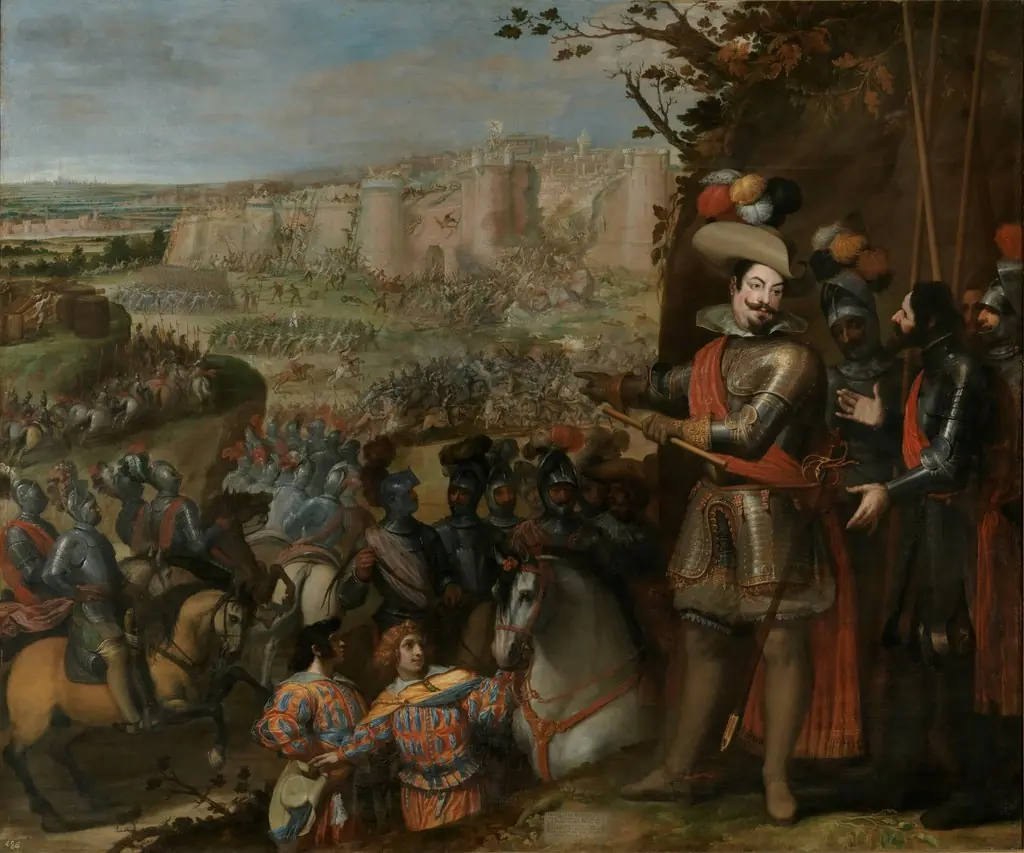 The Storming of Rheinfelden
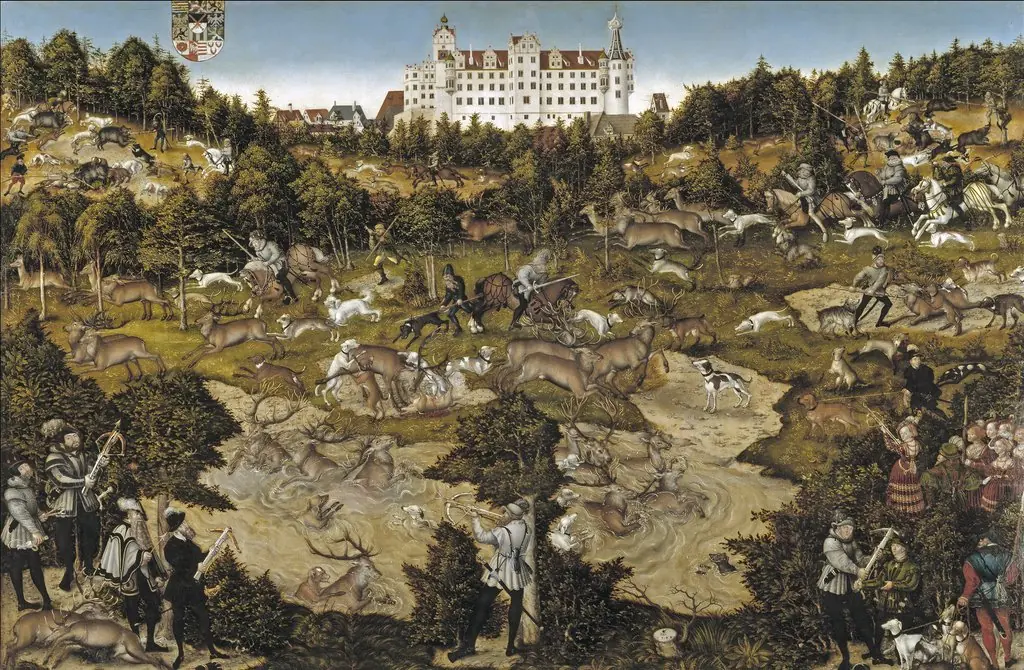 Hunt at the Castle of Torgau in honour of Charles V
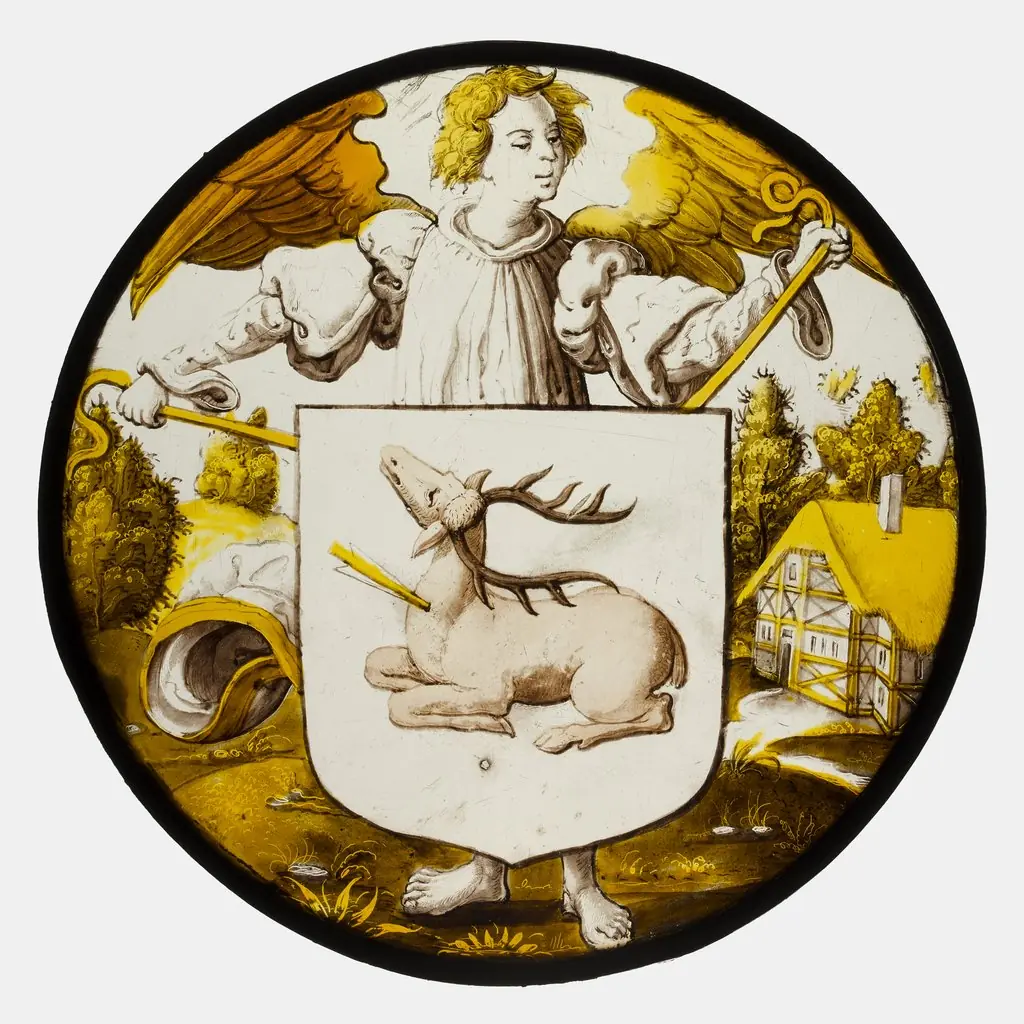 Roundel with Angel Supporting a Heraldic Shield
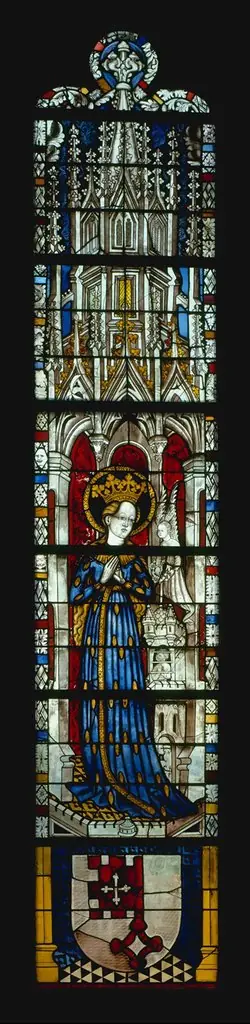 The Virgin Mary and Five Standing Saints above Predella Panels
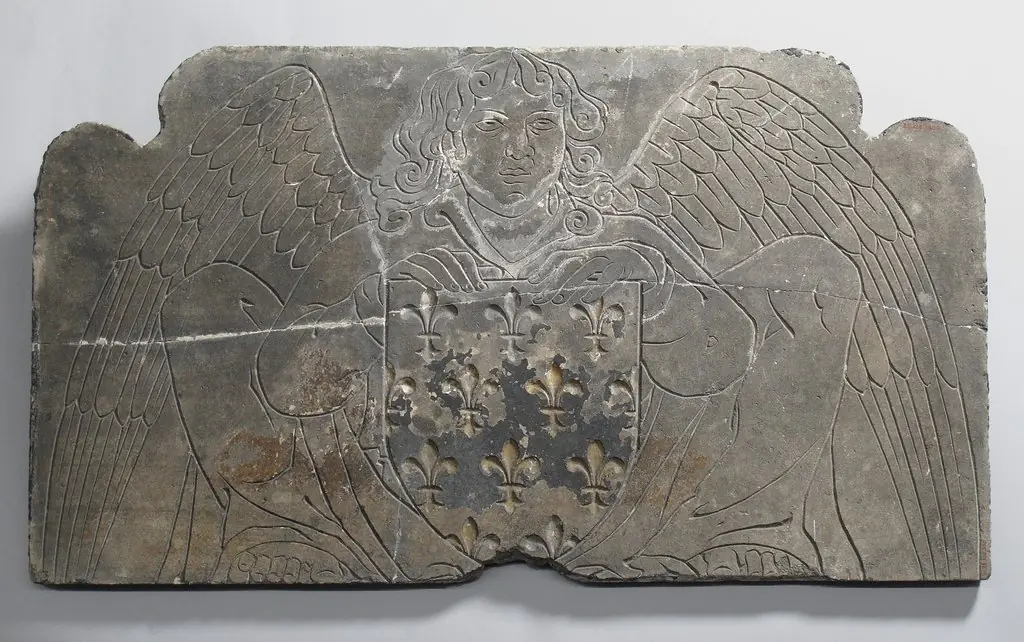 Tomb Slab of Madame Blanche of France, Duchesse d'Orléans
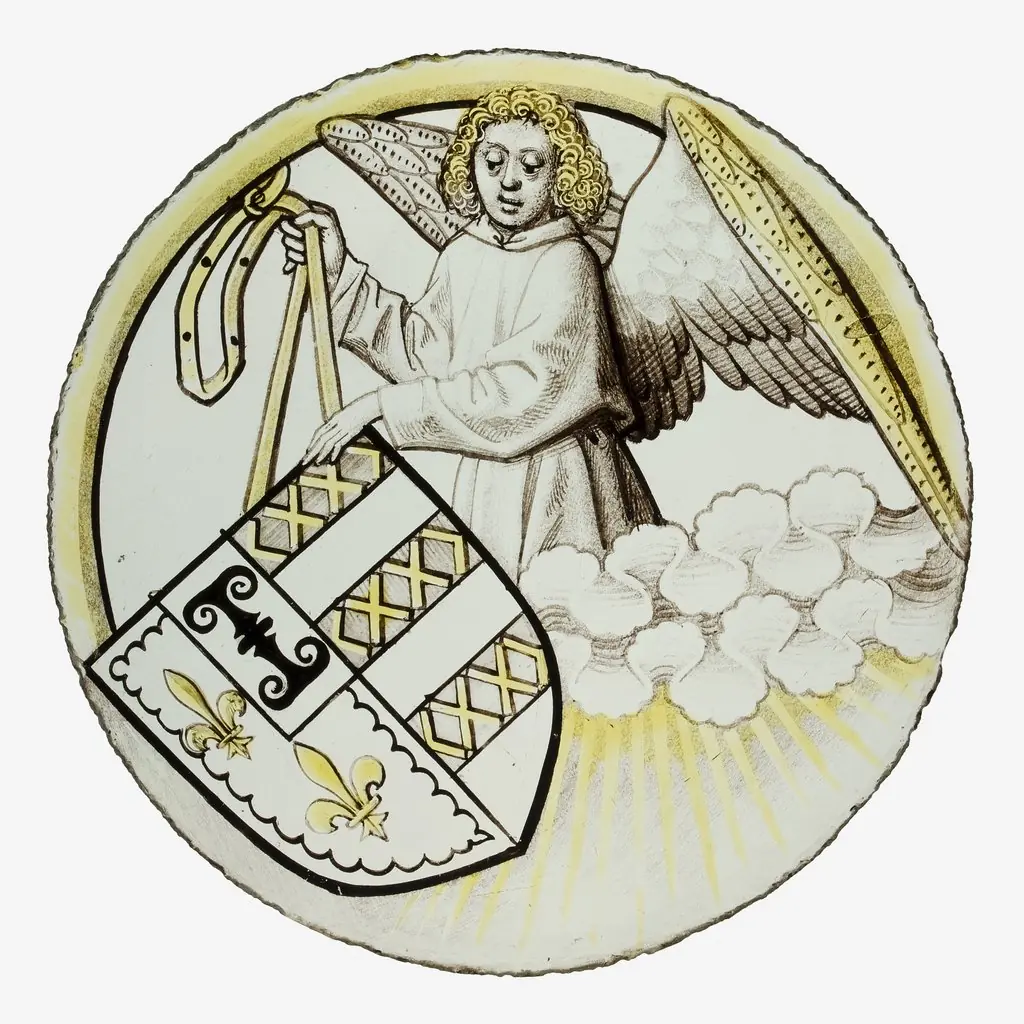 Roundel with Angel Supporting a Heraldic Shield
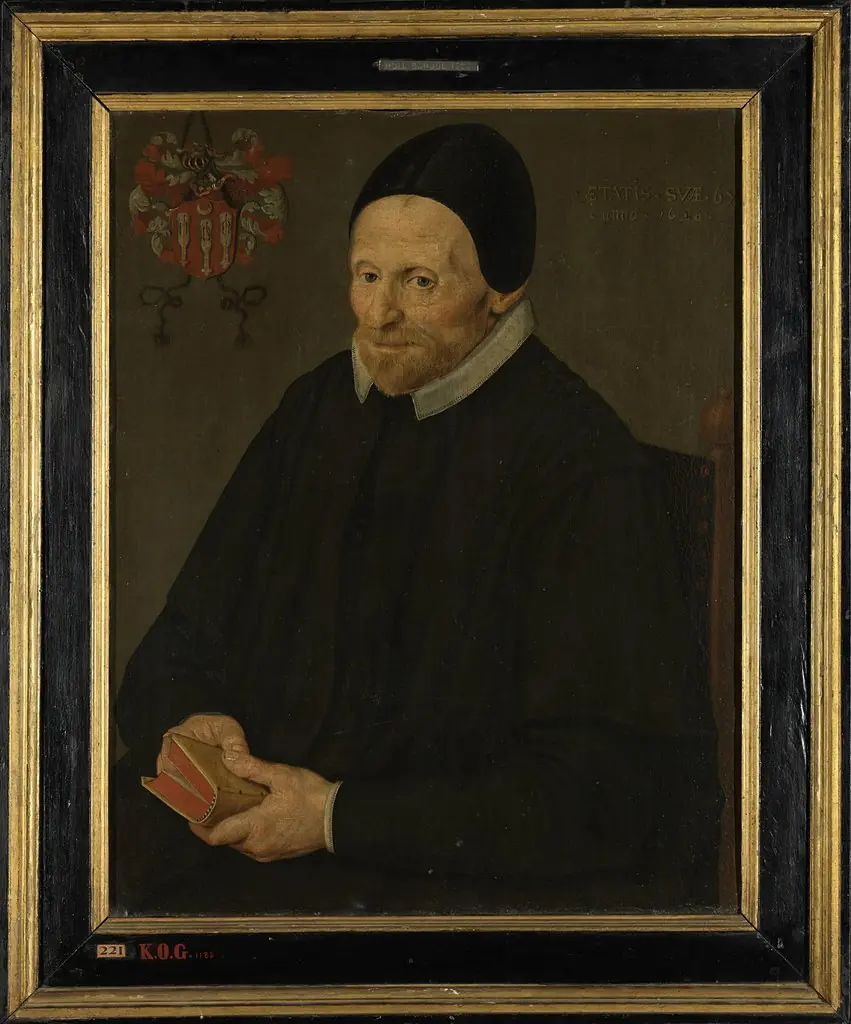 Portrait of Jacob Hendricksz van Swieten (1558-1626)
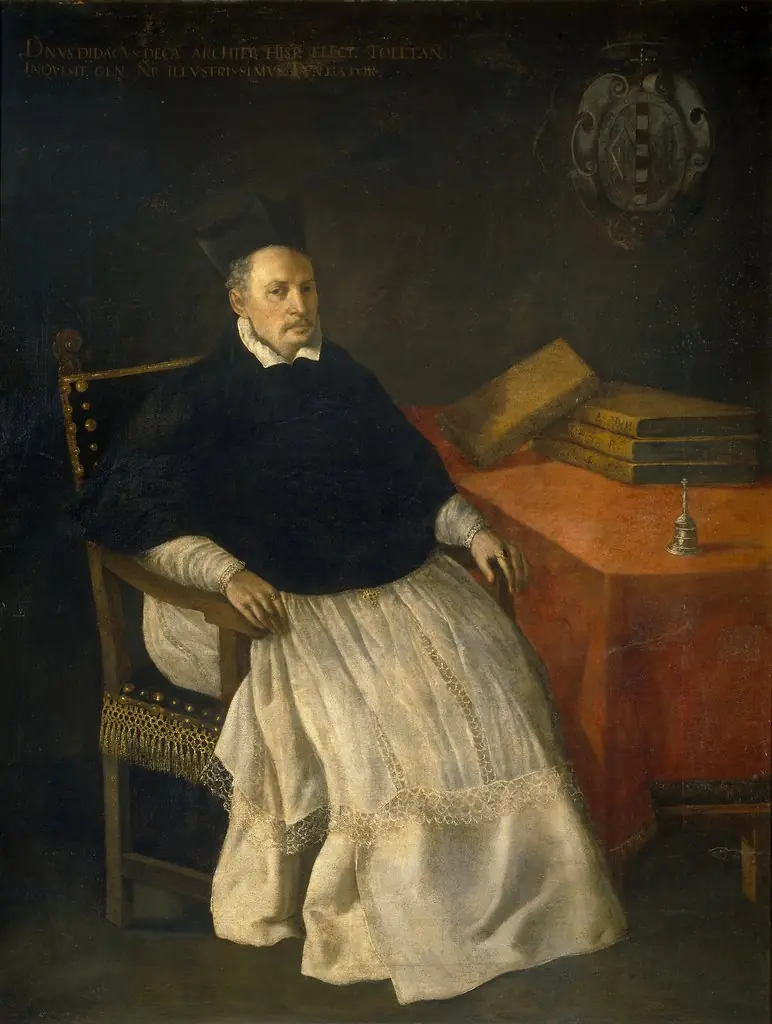 Fray Diego de Deza y Tavera arzobispo de Sevilla
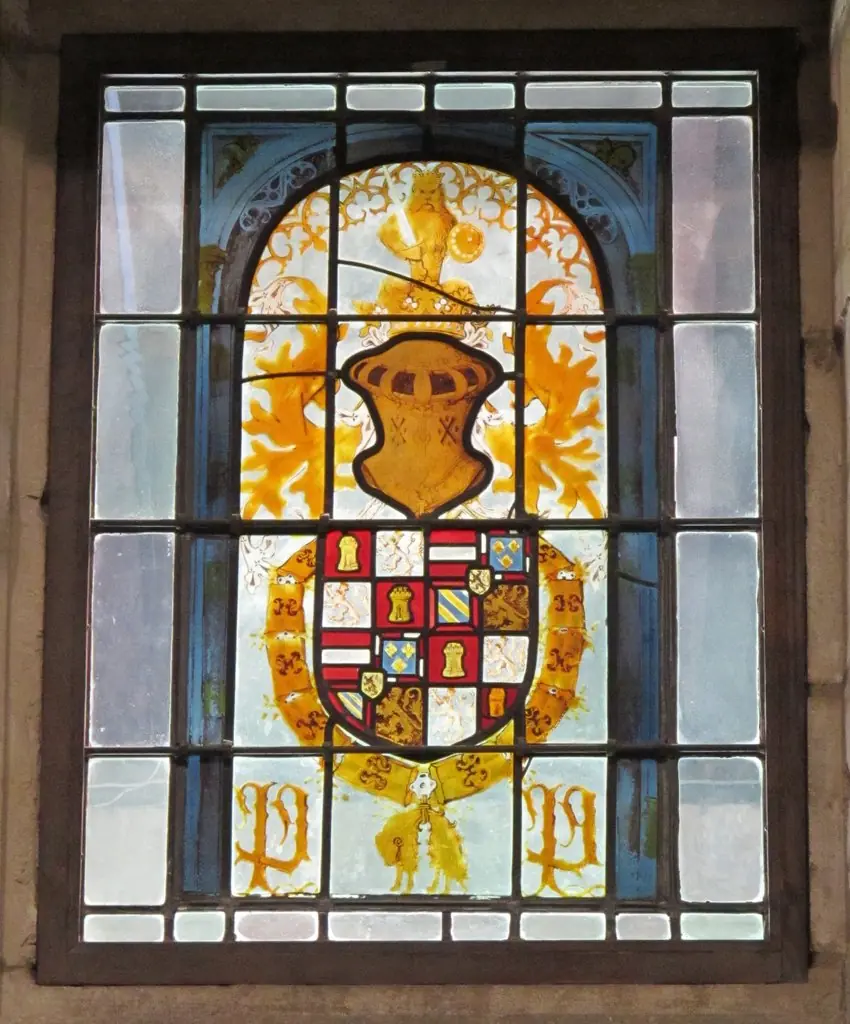 Heraldic Panel with Arms of the House of Hapsburg
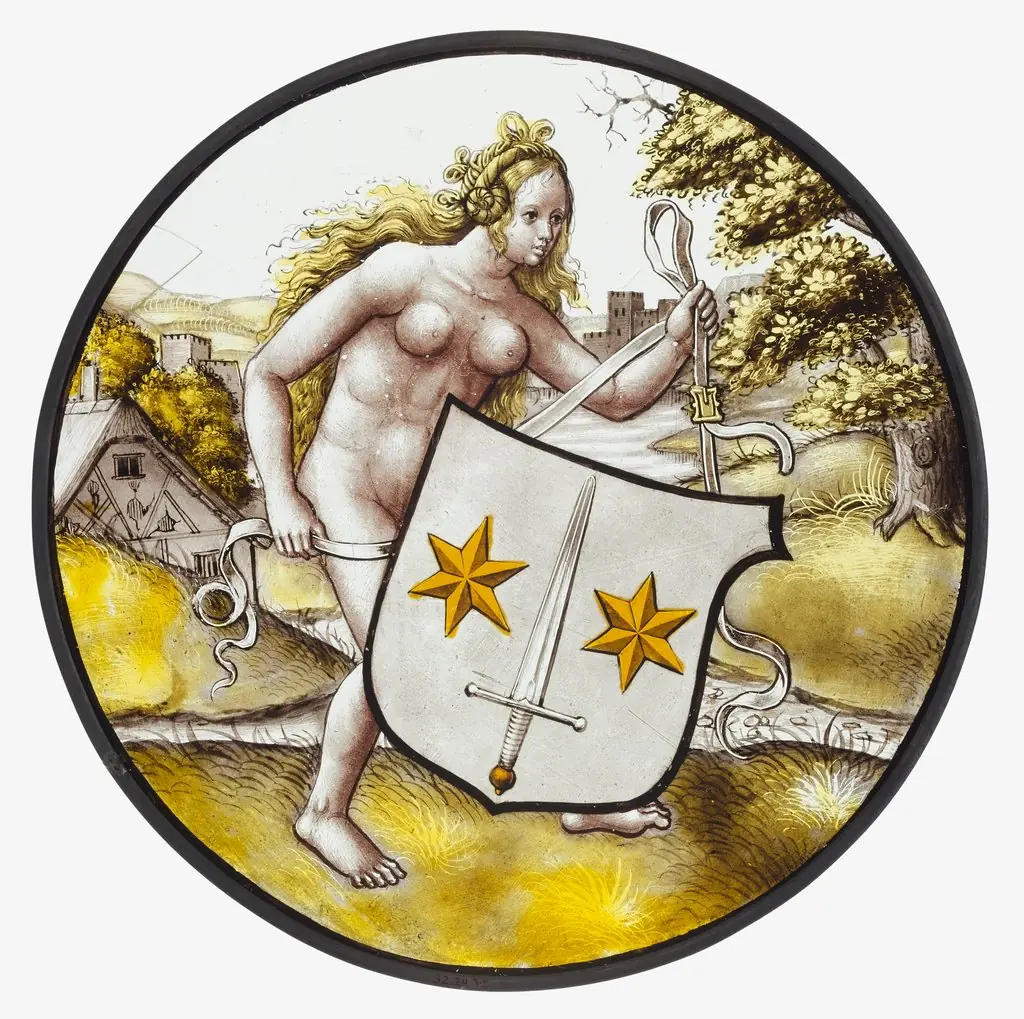 Roundel with Nude Woman Supporting a Heraldic Shield
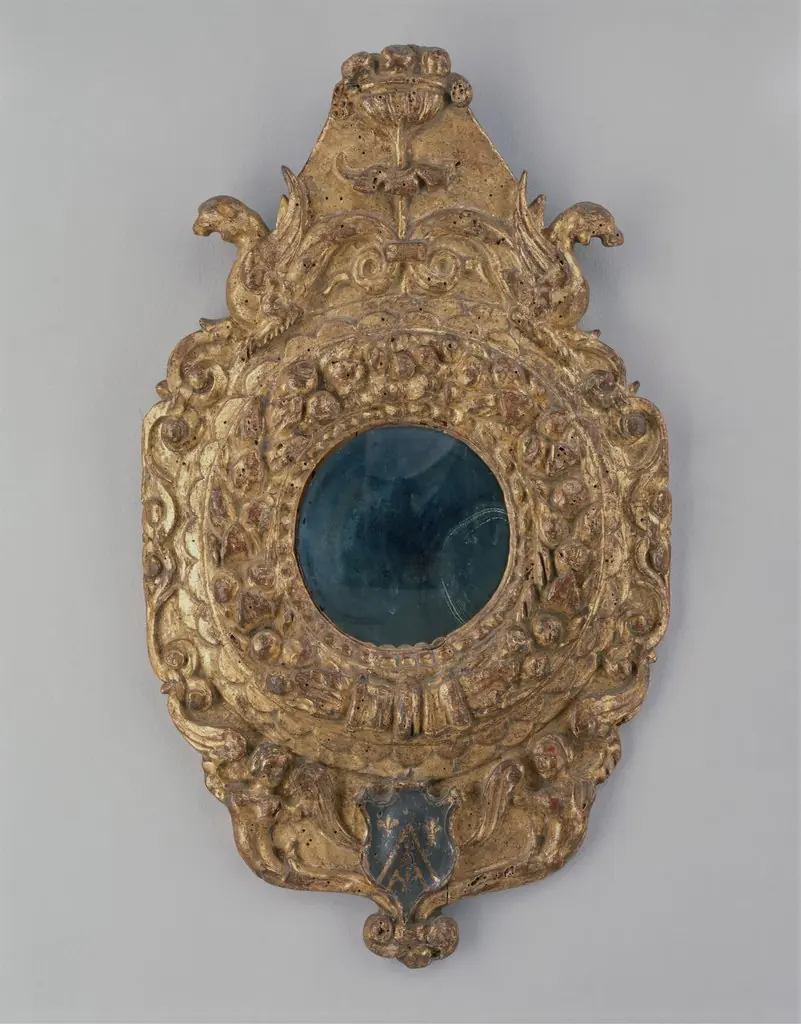 Tondo mirror frame
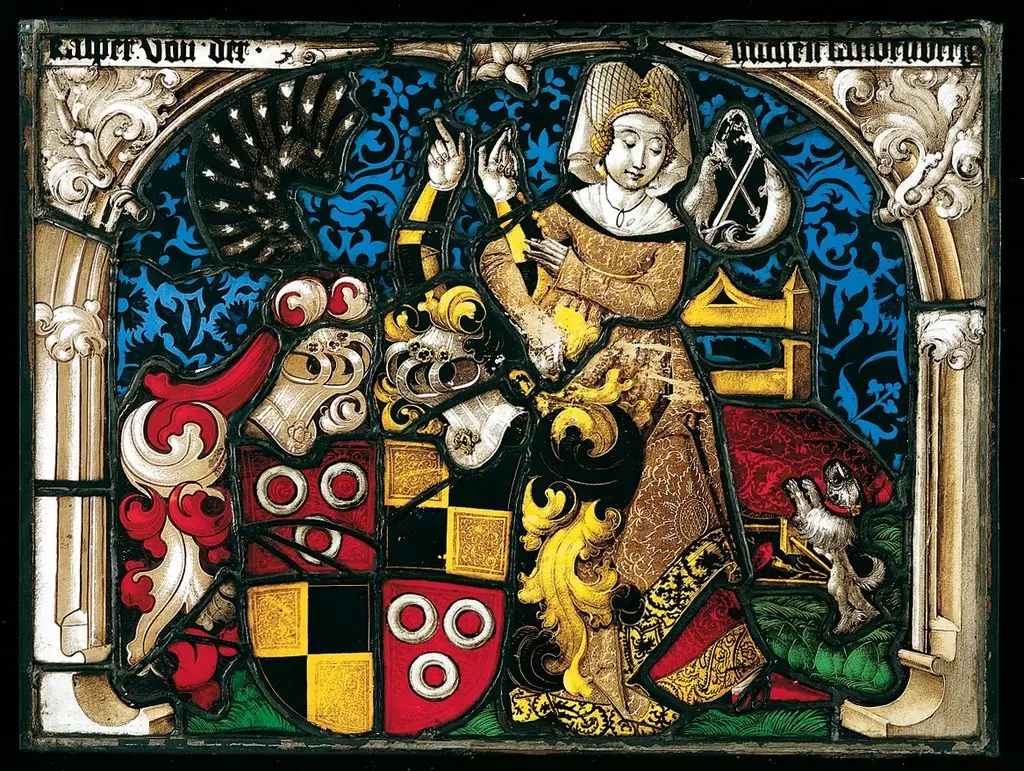 Stained-Glass Panel with a Coat of Arms and a Female Supporter
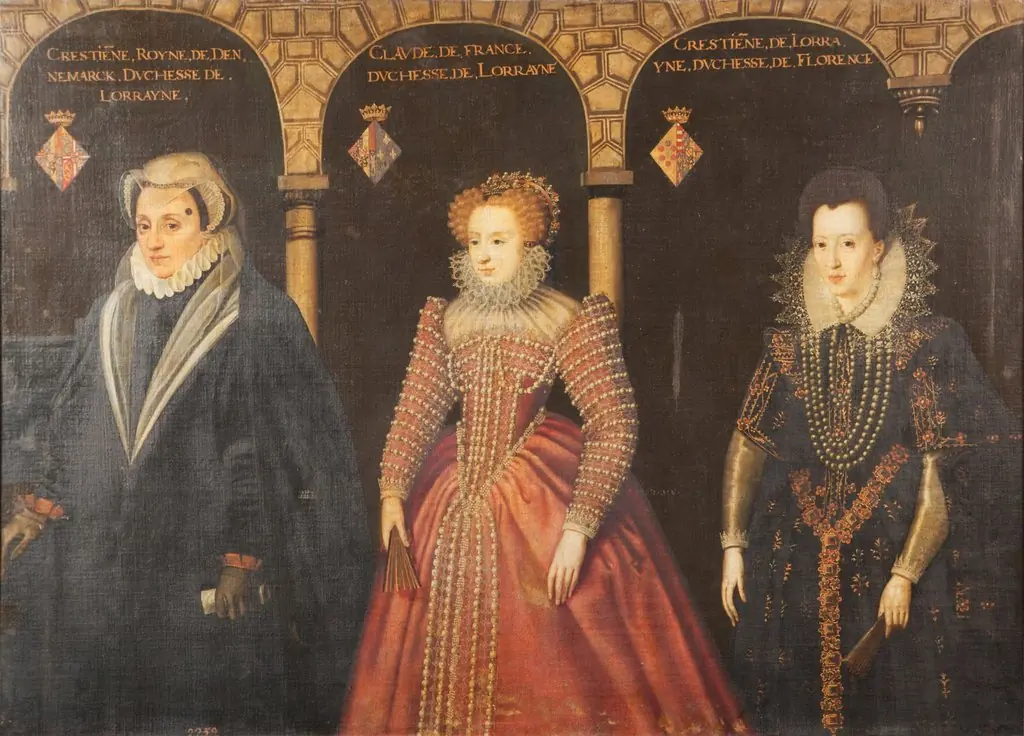 Portrait of Christina of Denmark, Claude of Valois and Christina of Lorraine
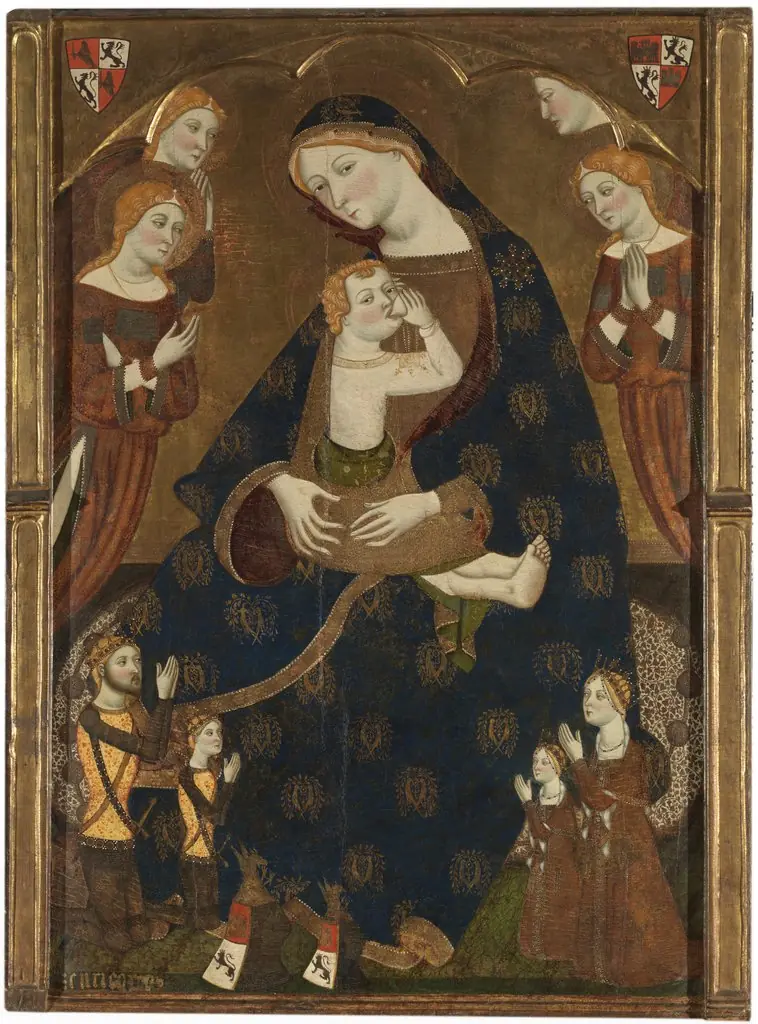 Madonna and Child
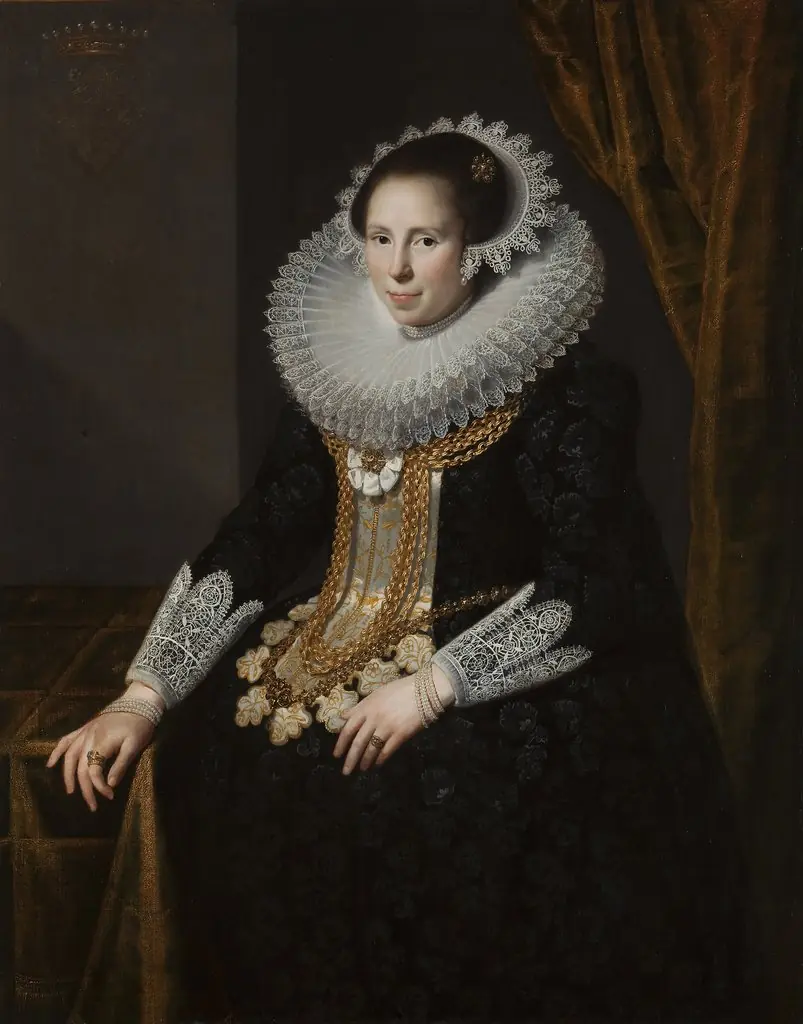 Portrait of Johanna Martens
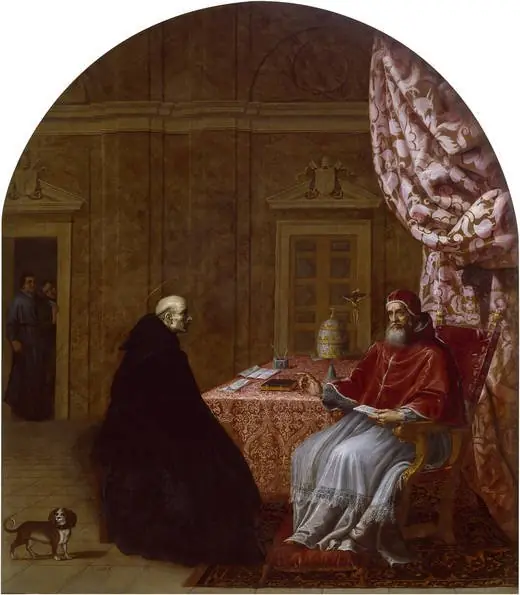 Urban II Deliberates with Saint Bruno
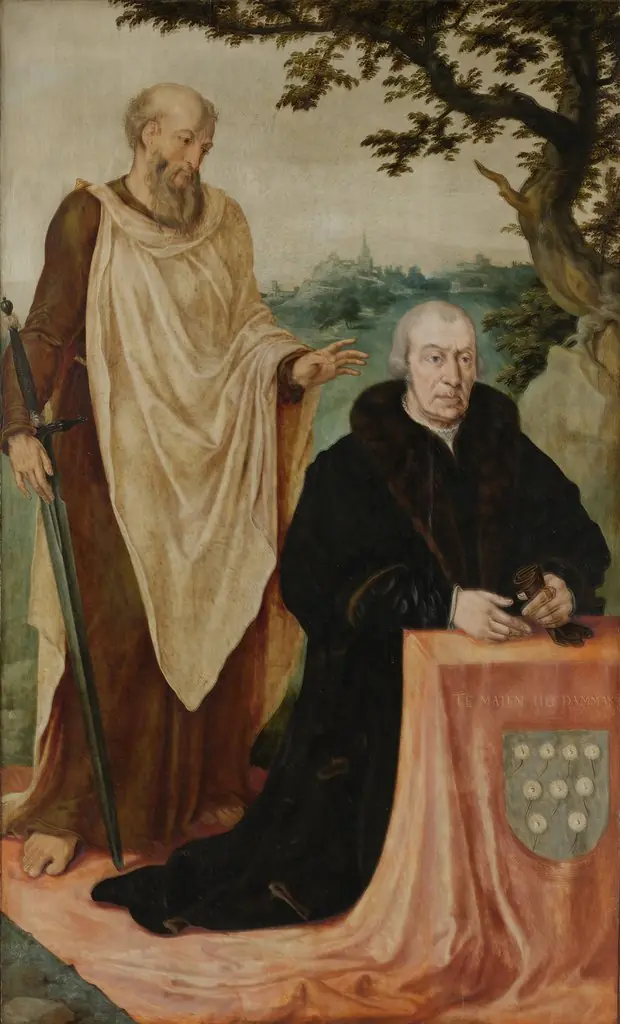 Left wing of a triptych with the donor Matelief Dammasz and St Paul (inner wing)
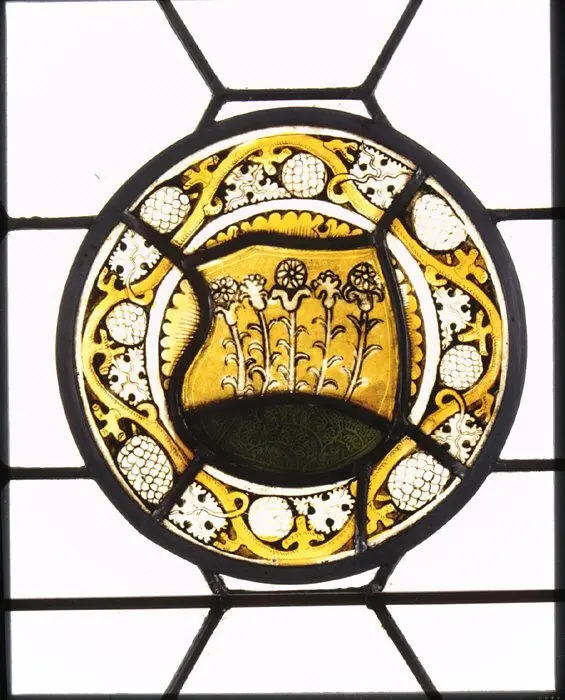 Armorial Roundel
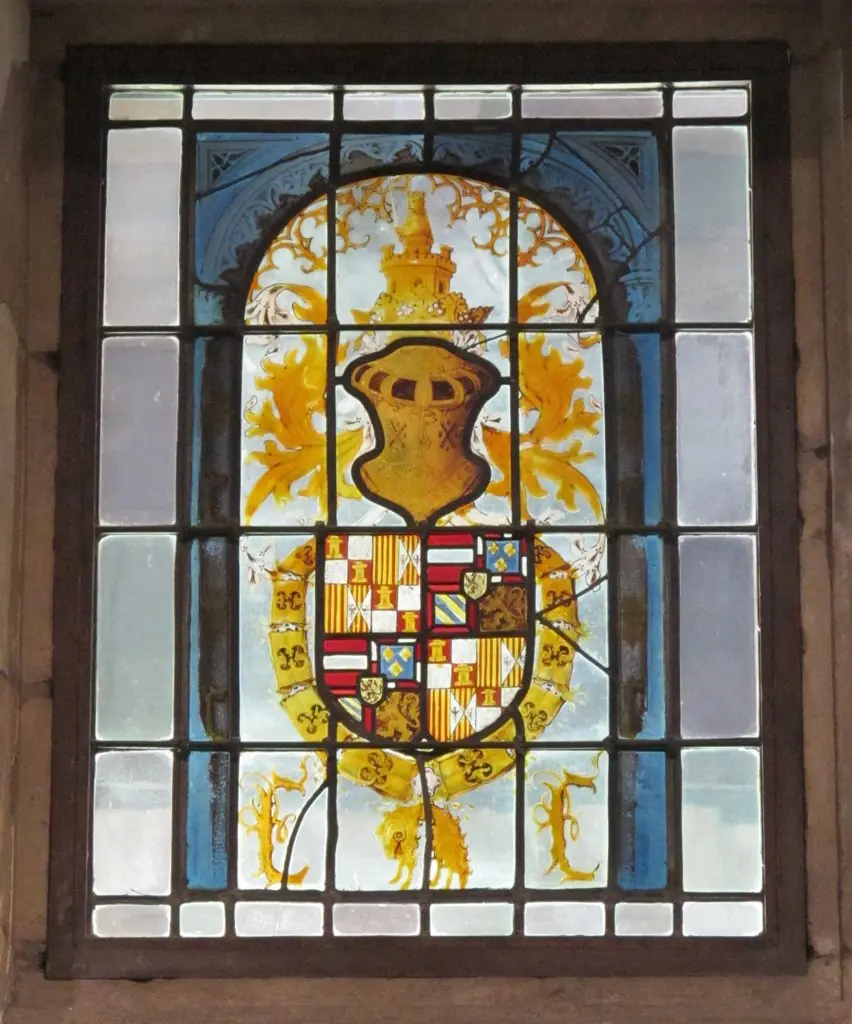 Heraldic Panel with Arms of the House of Hapsburg
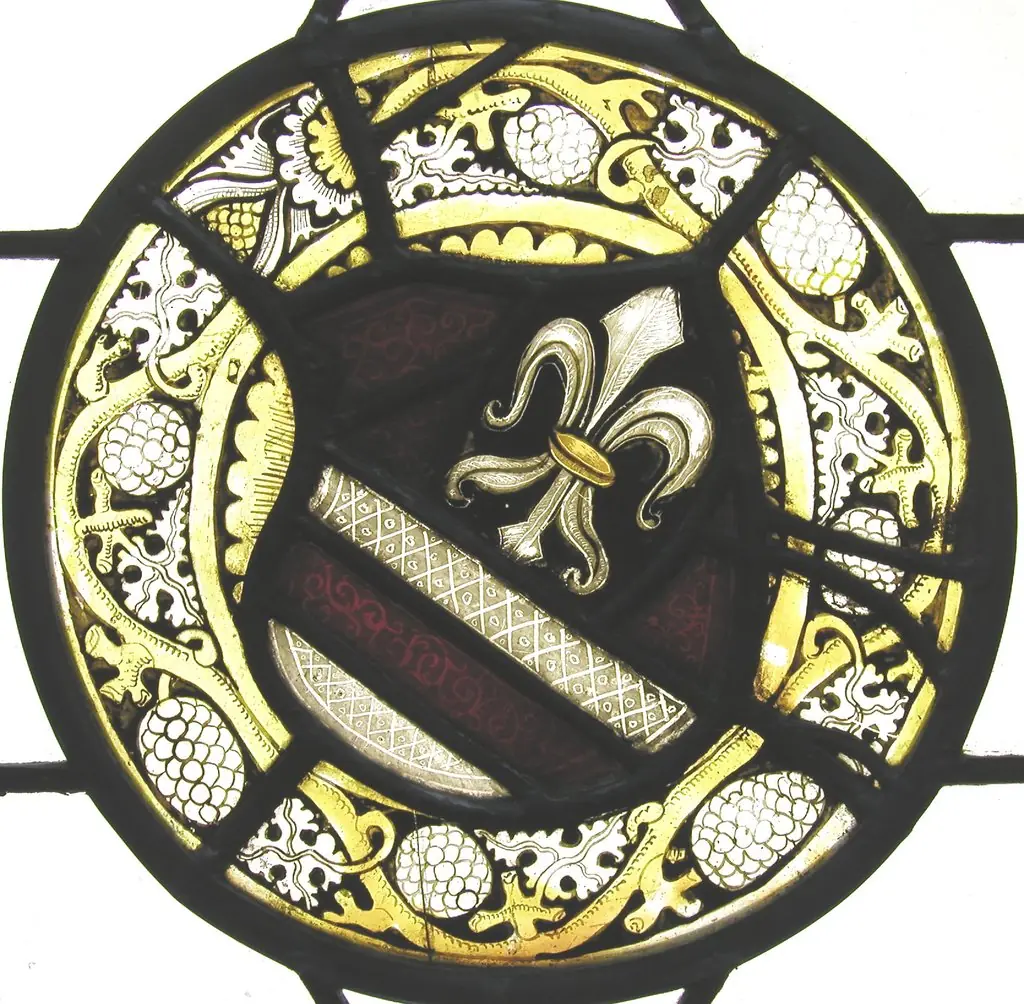 Armorial Roundel
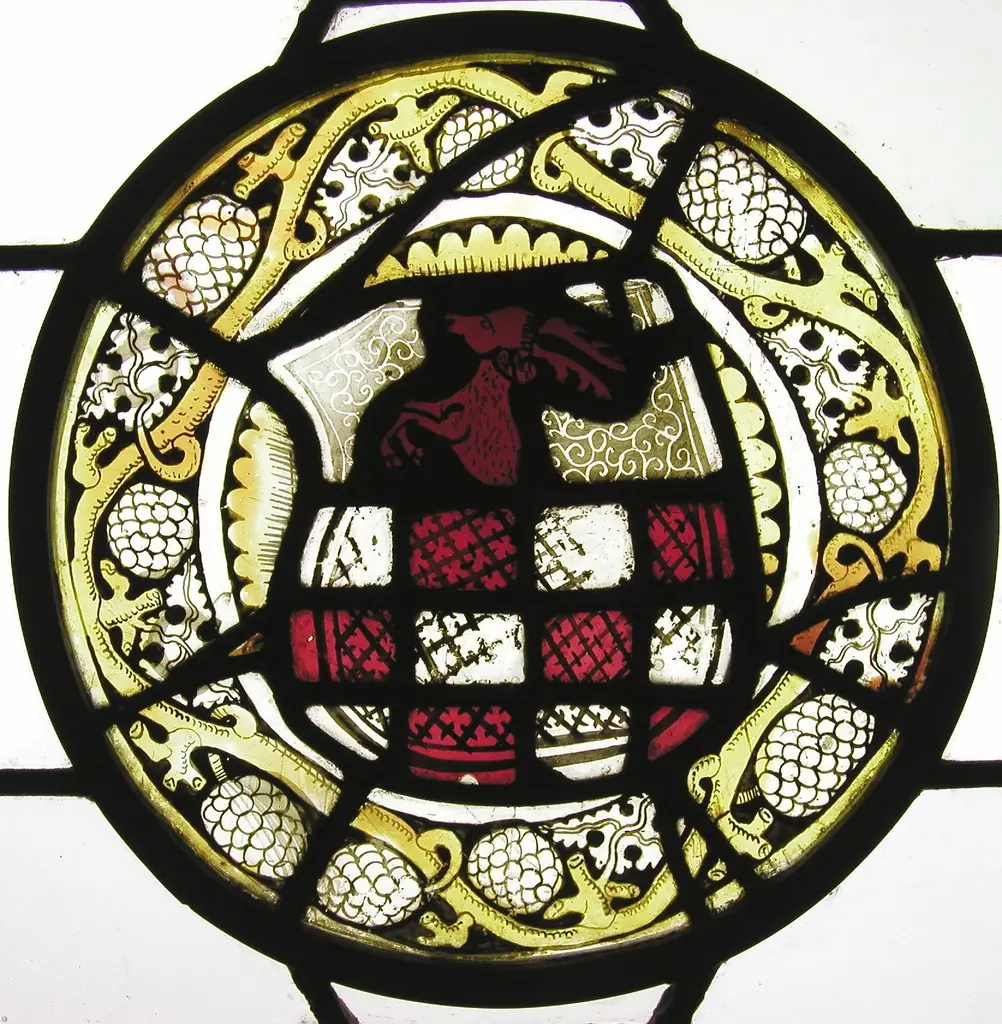 Armorial Roundel
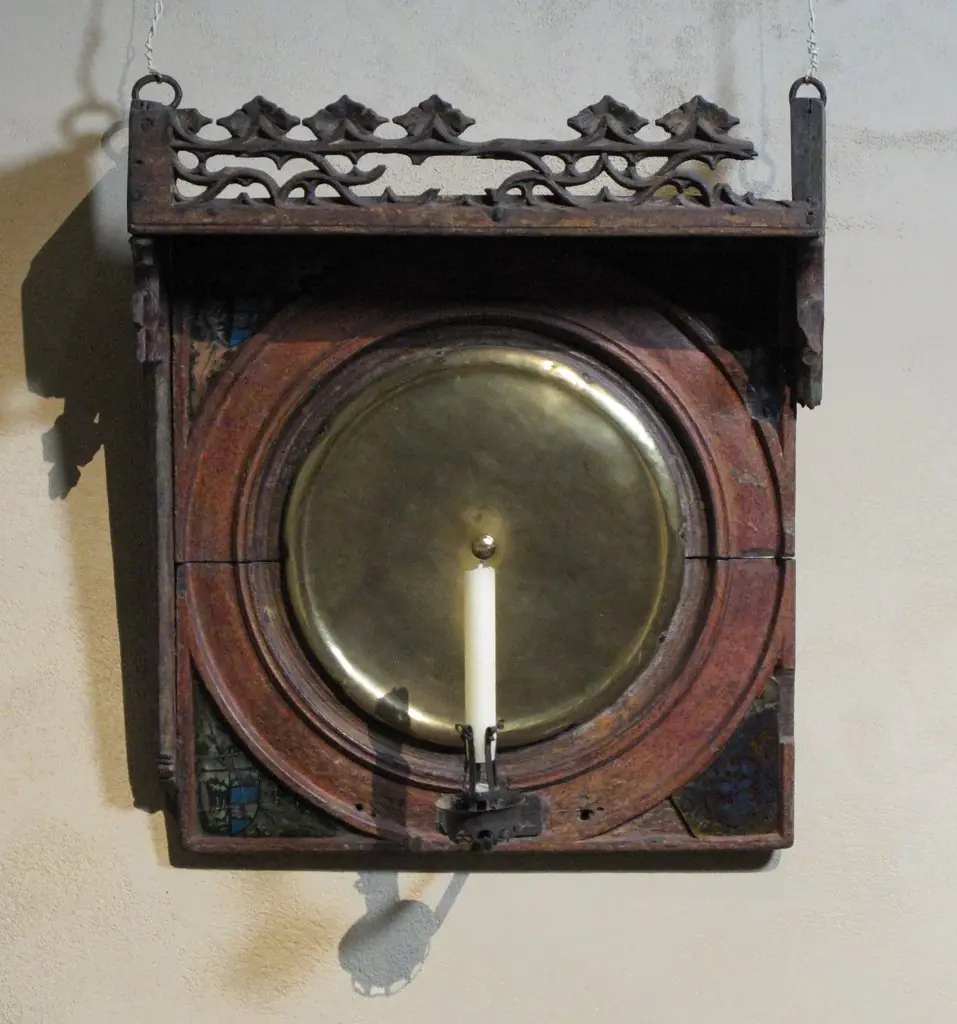 Mirror or Light Reflector
![Crested Coat of Arms [reverse]](https://artifactworldgallery.com/img/crested-coat-of-arms-reverse--635f462b0f763a94-w320.webp) Crested Coat of Arms [reverse]
Crested Coat of Arms [reverse]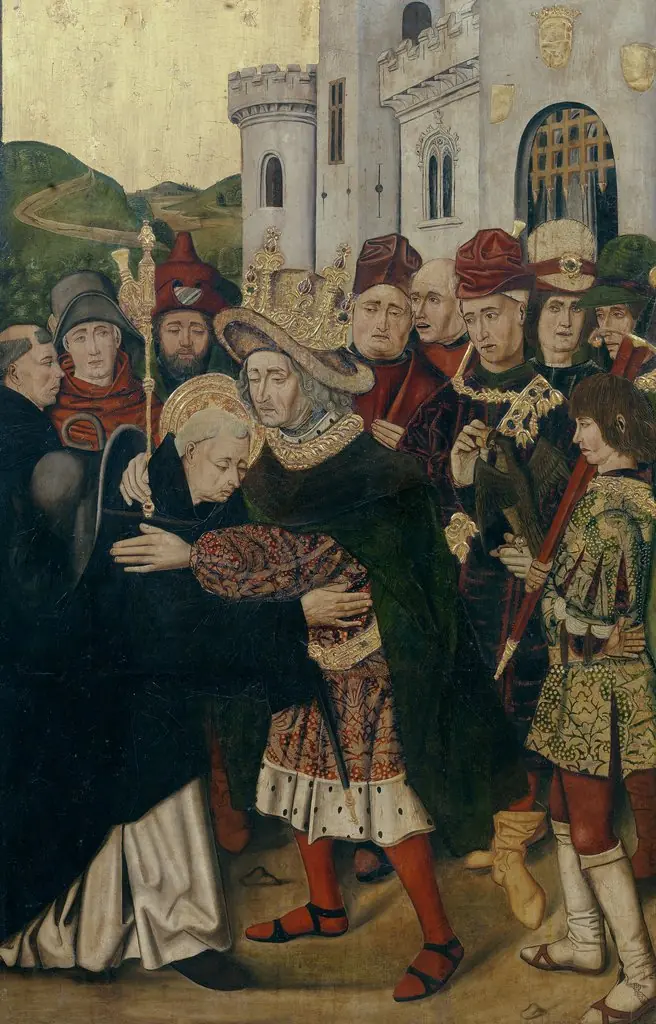 Ferdinand I of Castile welcoming Saint Dominic of Silos
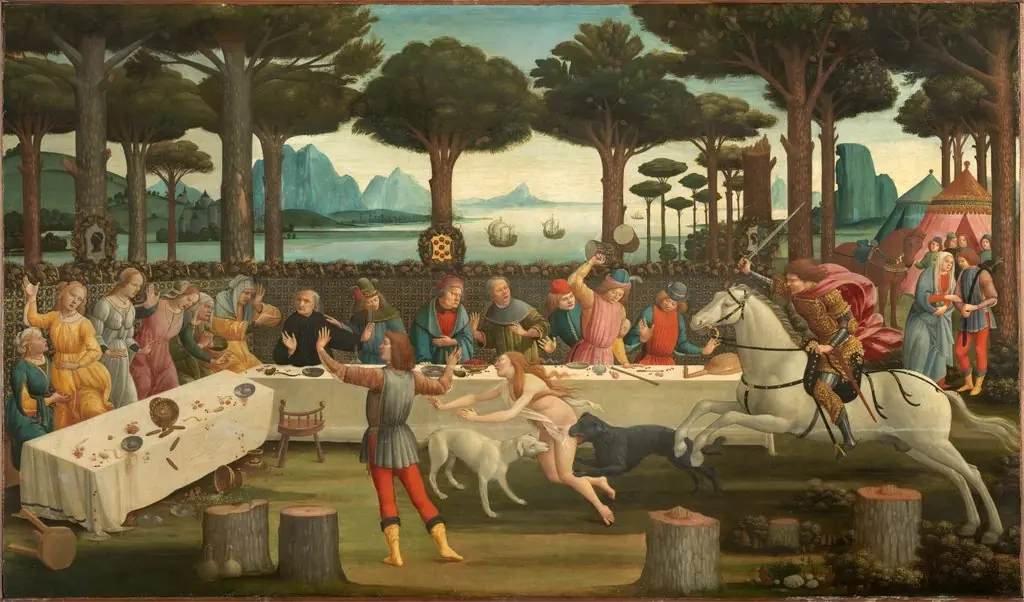 The Story of Nastagio Degli Onesti, part three
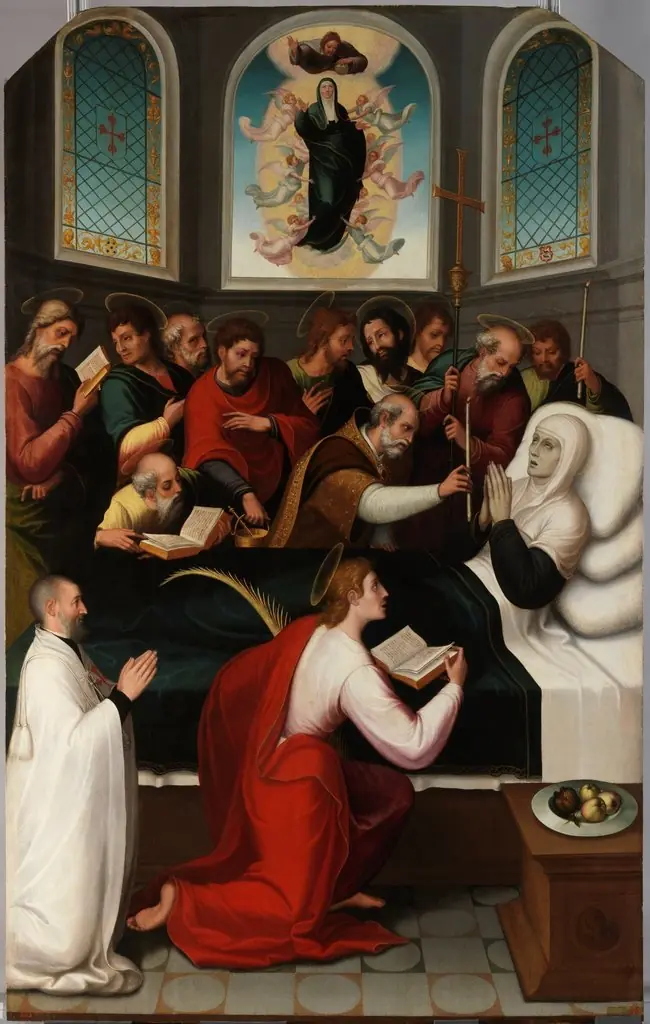 The Death of the Virgin
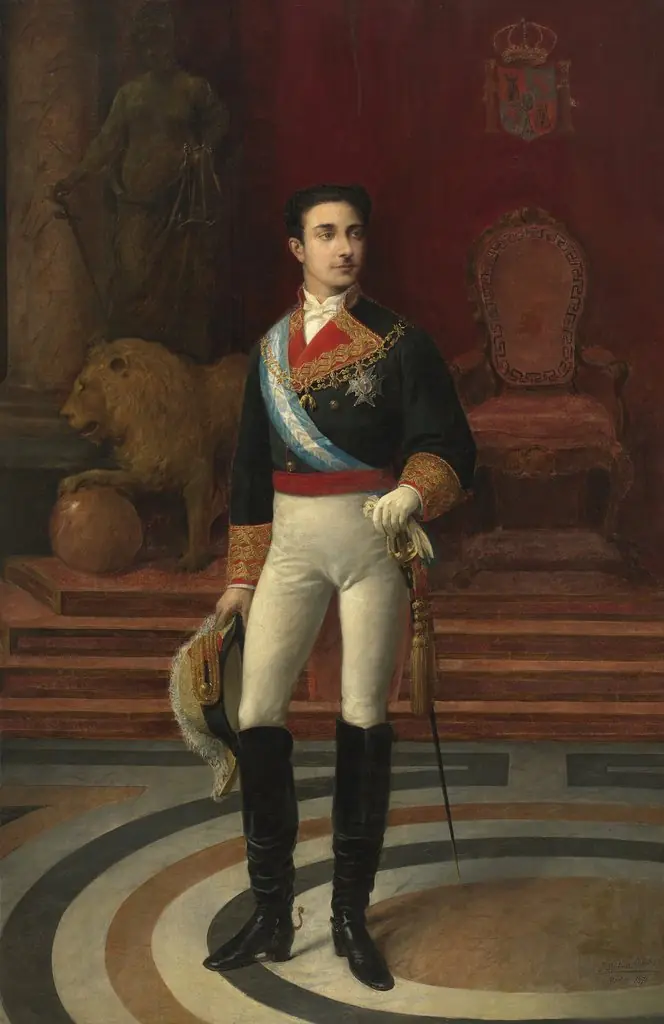 Alfonso XII
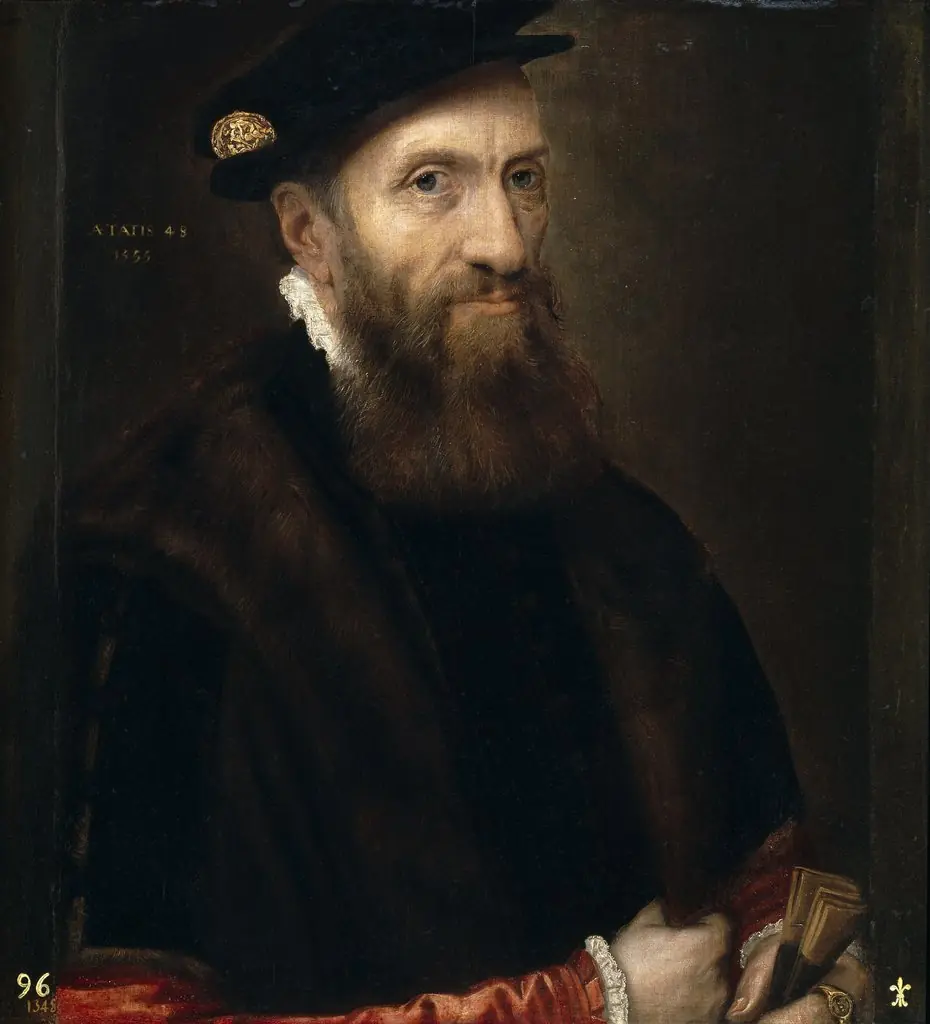 Portrait of a Man aged 48
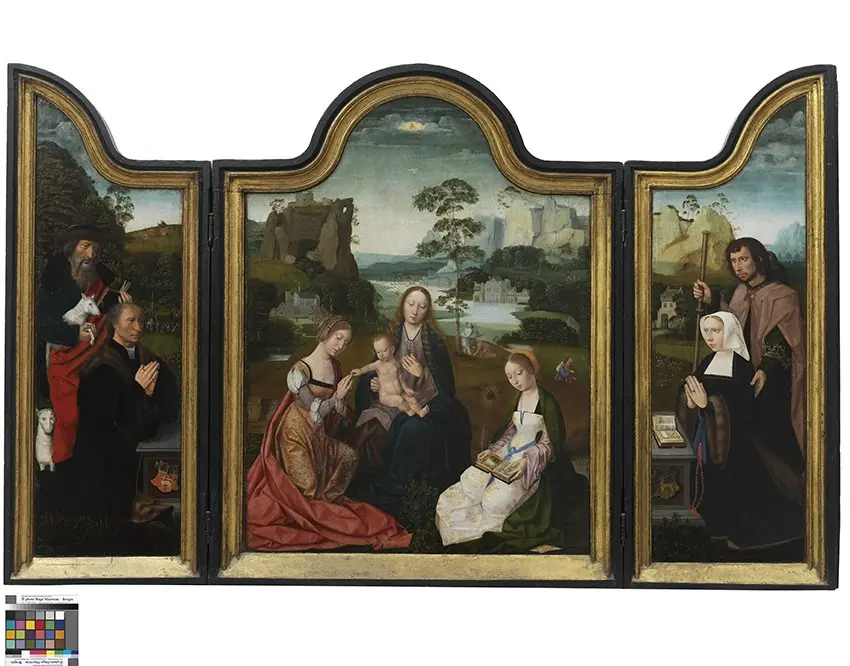 Madonna with the Saints Catherine and Barbara
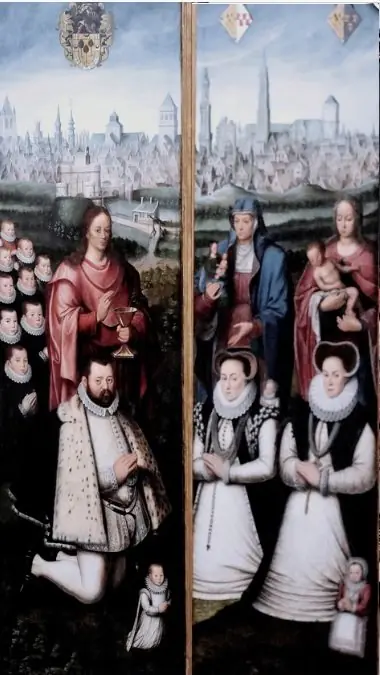 Portraits of Juan II Pardo and his Wives Anna Ingenieulandt and Maria Ancheman
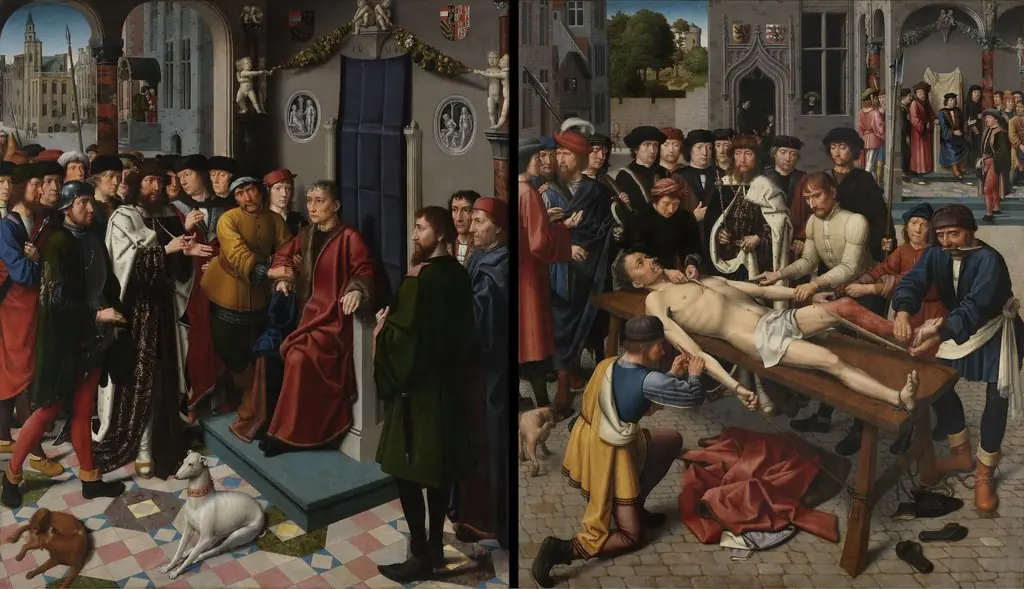 Judgement of Cambyses
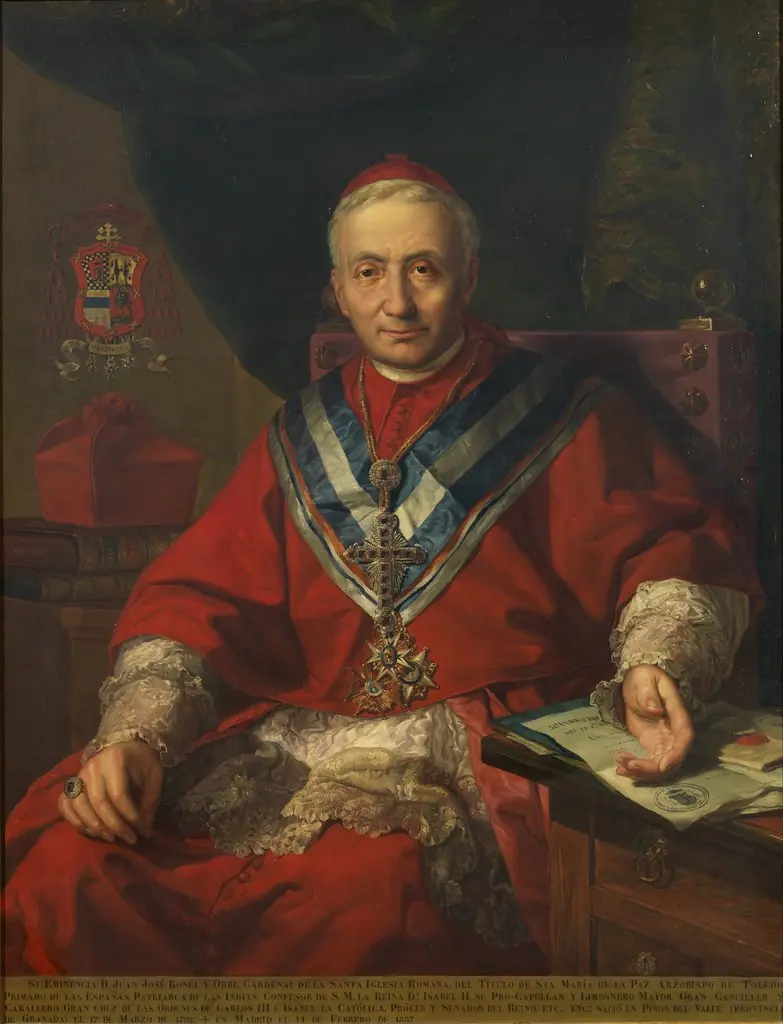 Cardinal Juan José Bonel y Orbe
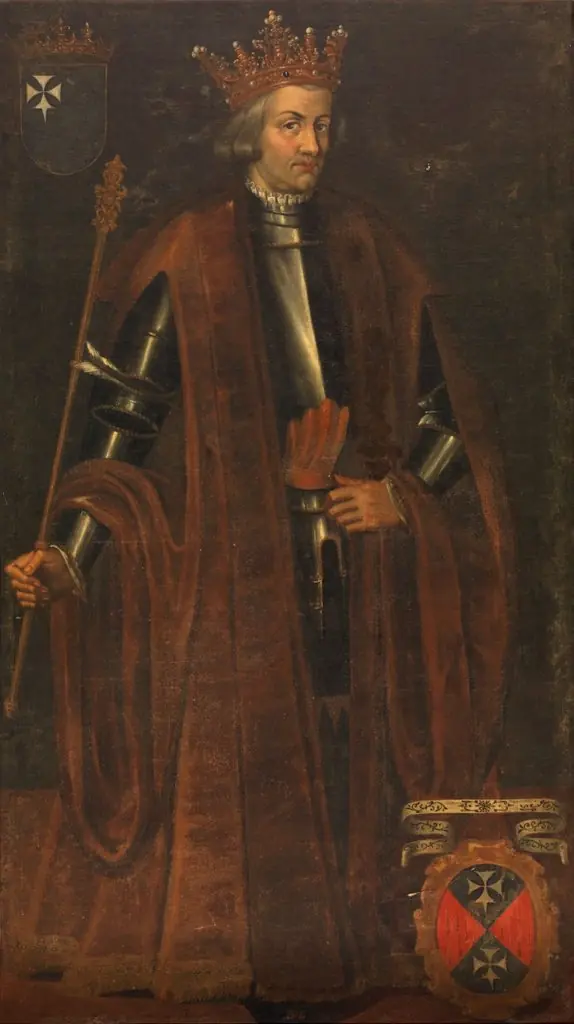 Alfonso IV El Benigno
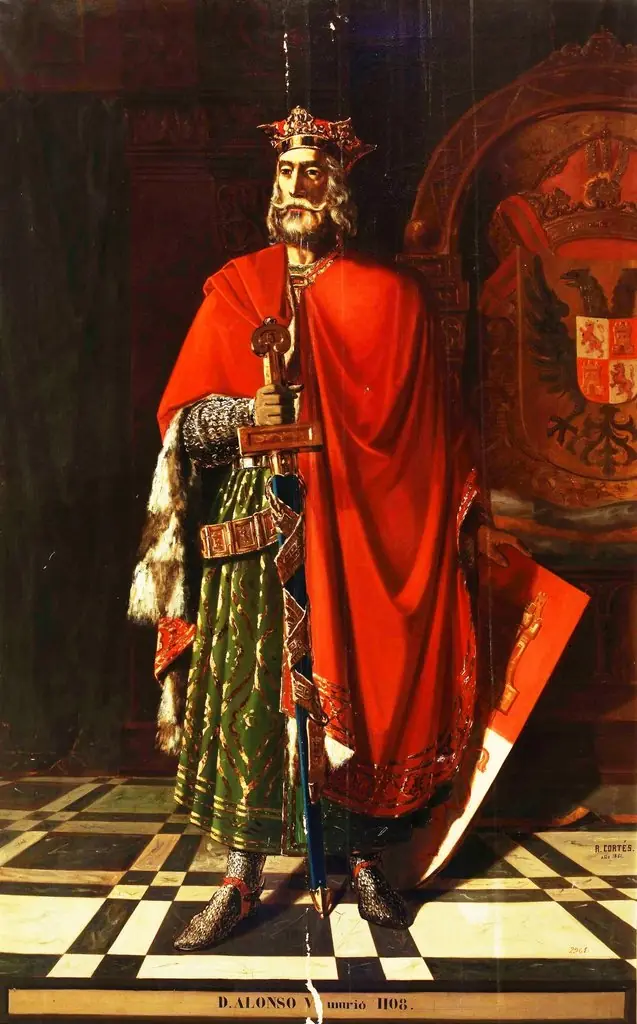 Alfonso VI
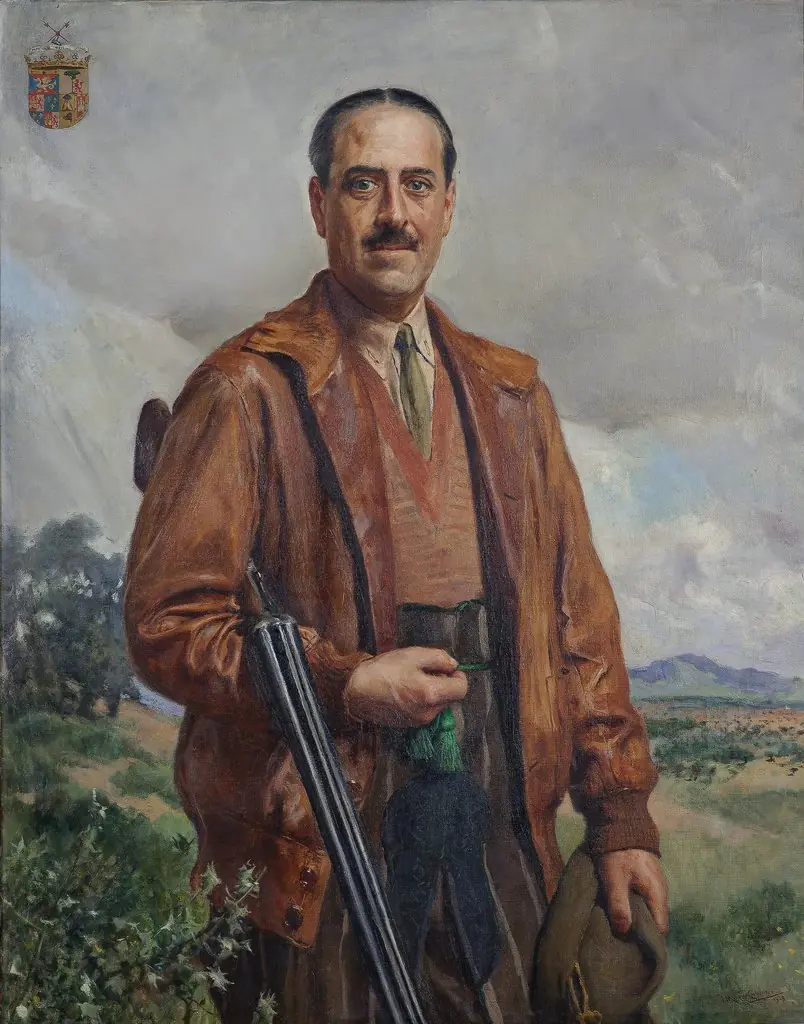 Álvaro Drake marqués de Villablanca
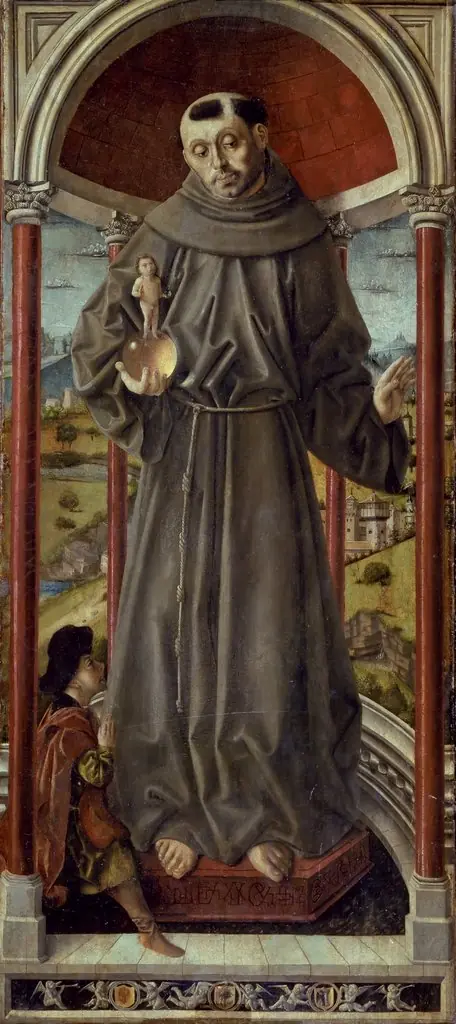 Saint Anthony of Padua
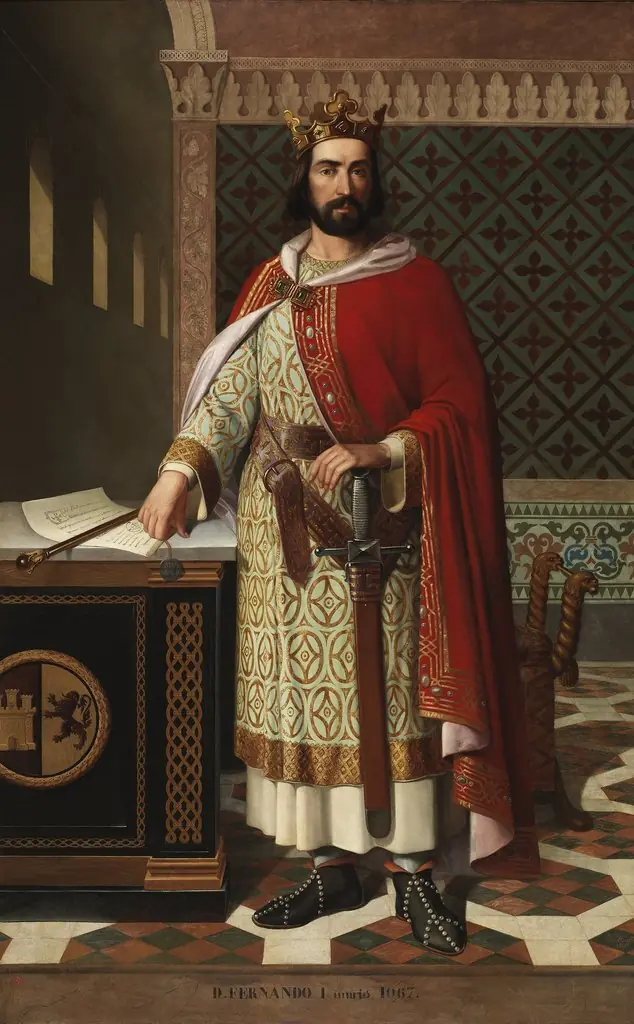 Fernando I rey de León
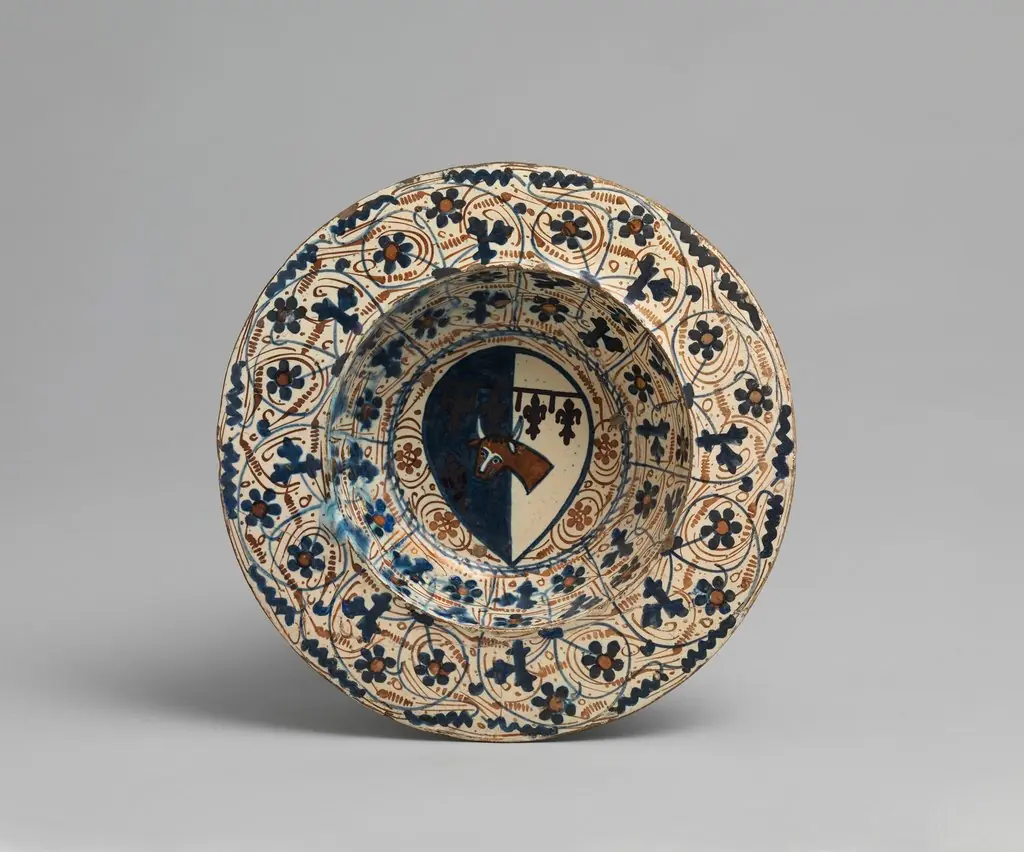 Bowl
Bowl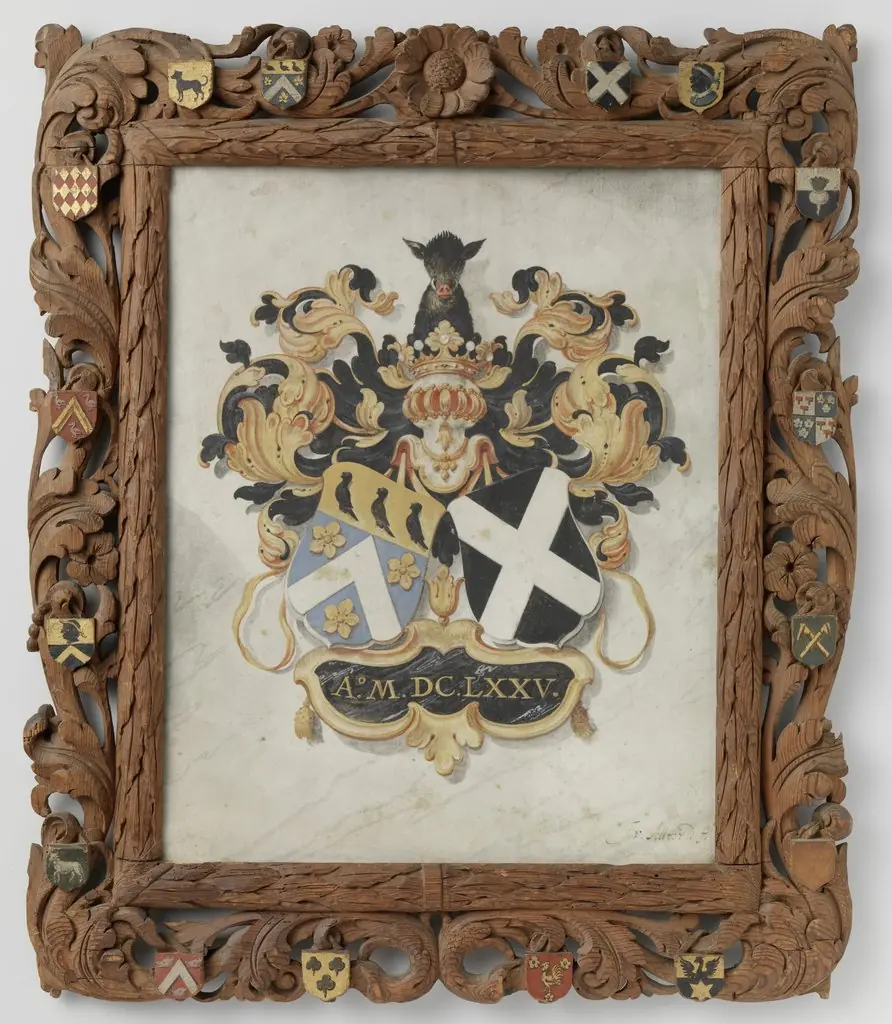 The family shields of Jan Boudaen Courten and Anna Maria Hoeufft
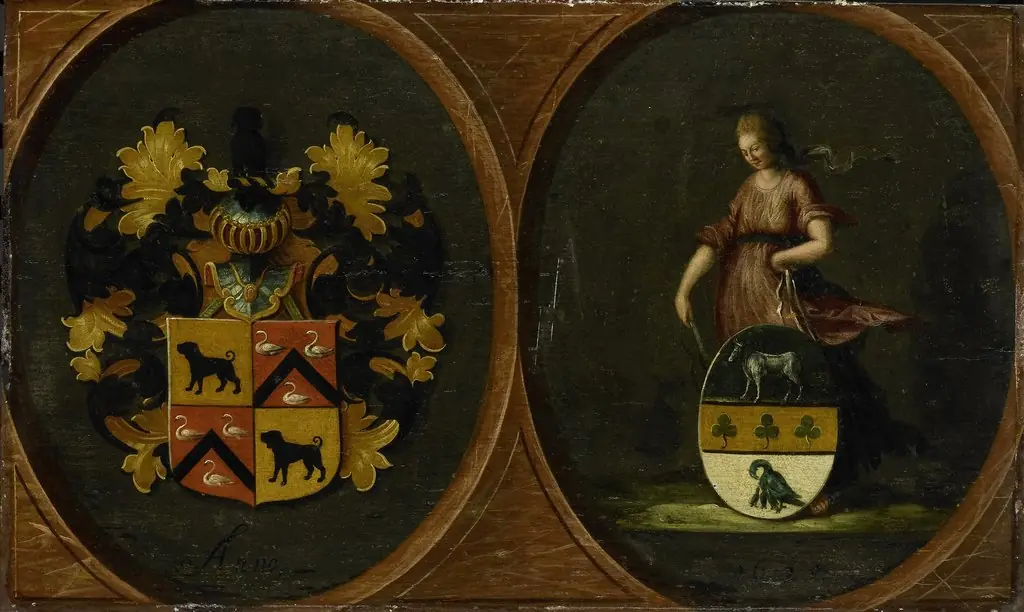 Heraldic panel with family shields of the couple Hortensia del Prado and second husband Peter Courten, 1625
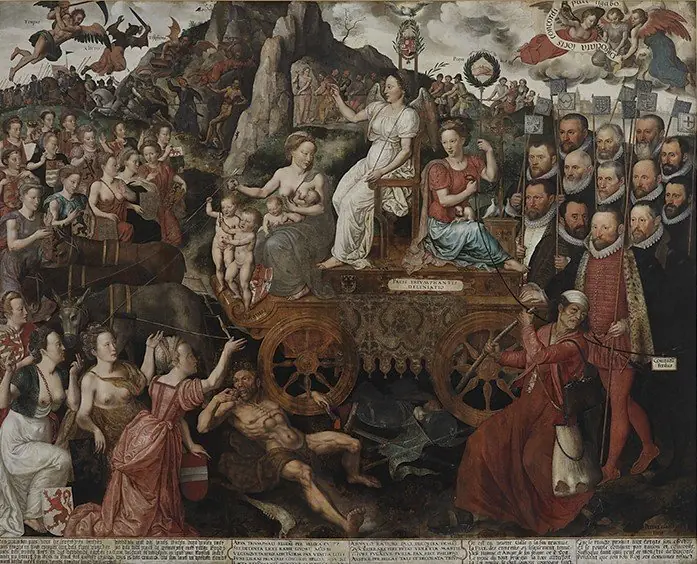 Allegory of the 1577 Peace in the Low Countries
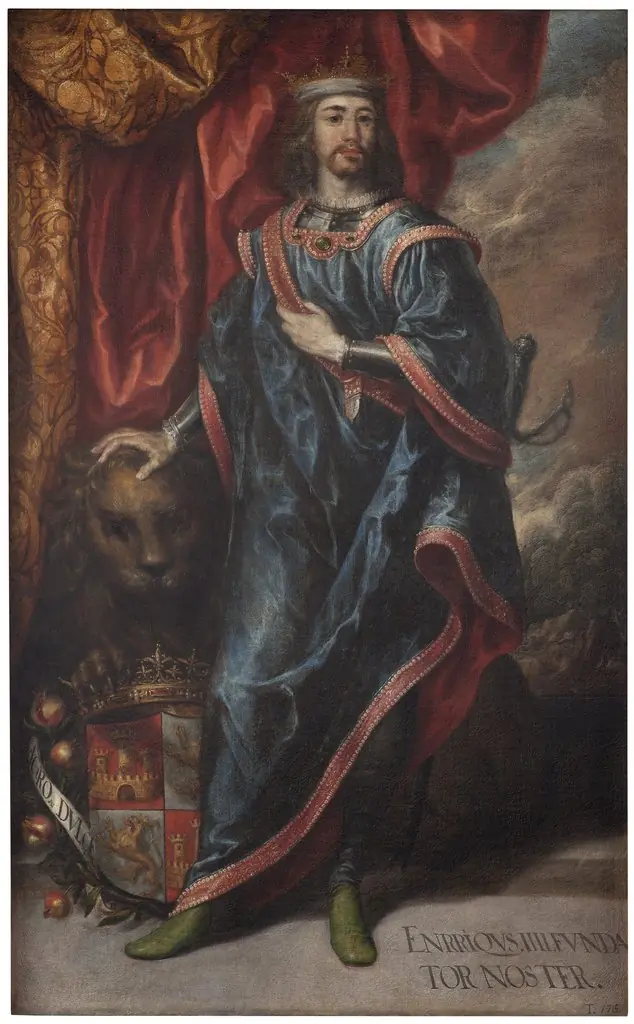 Henry IV
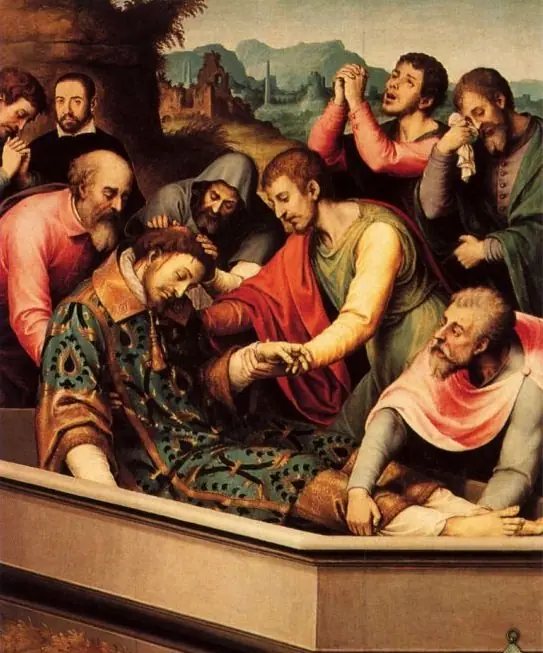 The Burial of Saint Stephen
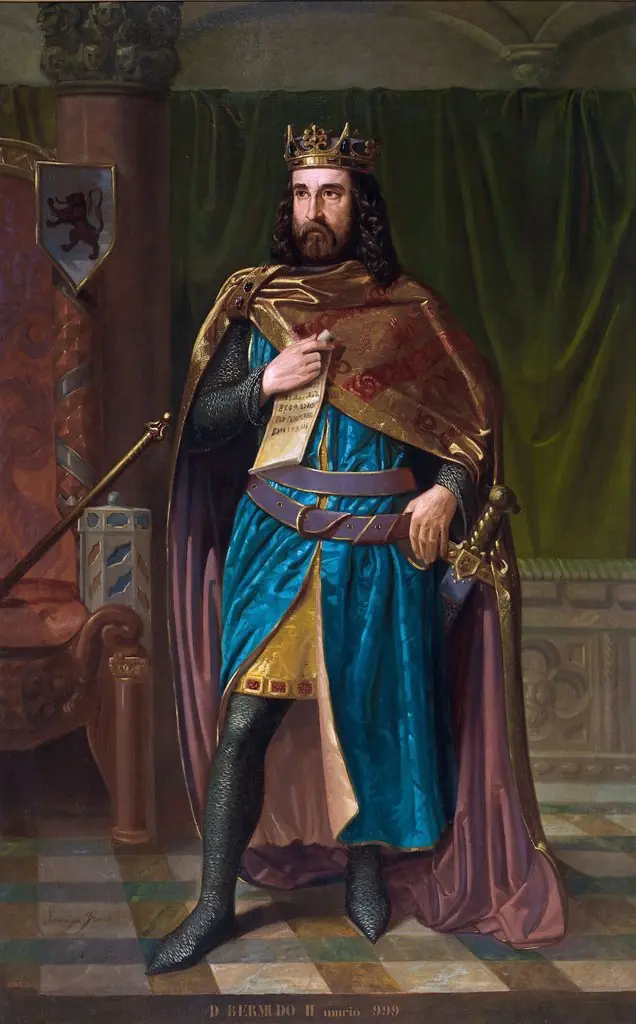 Bermudo II
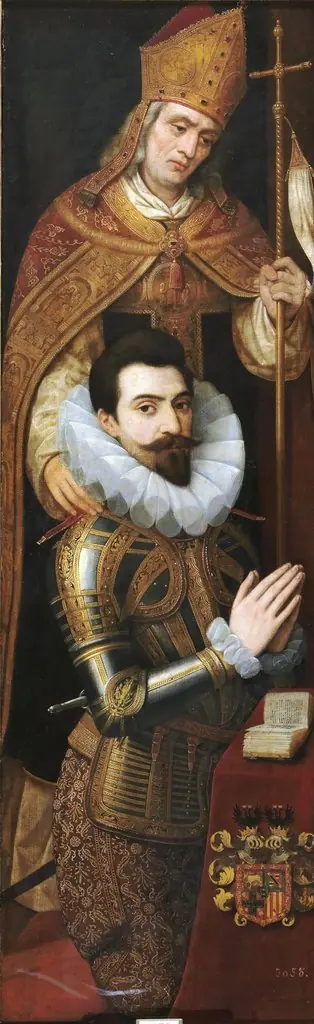 Alonso de Idiáquez duque de Ciudad Real (Cittá-Reale en Nápoles)
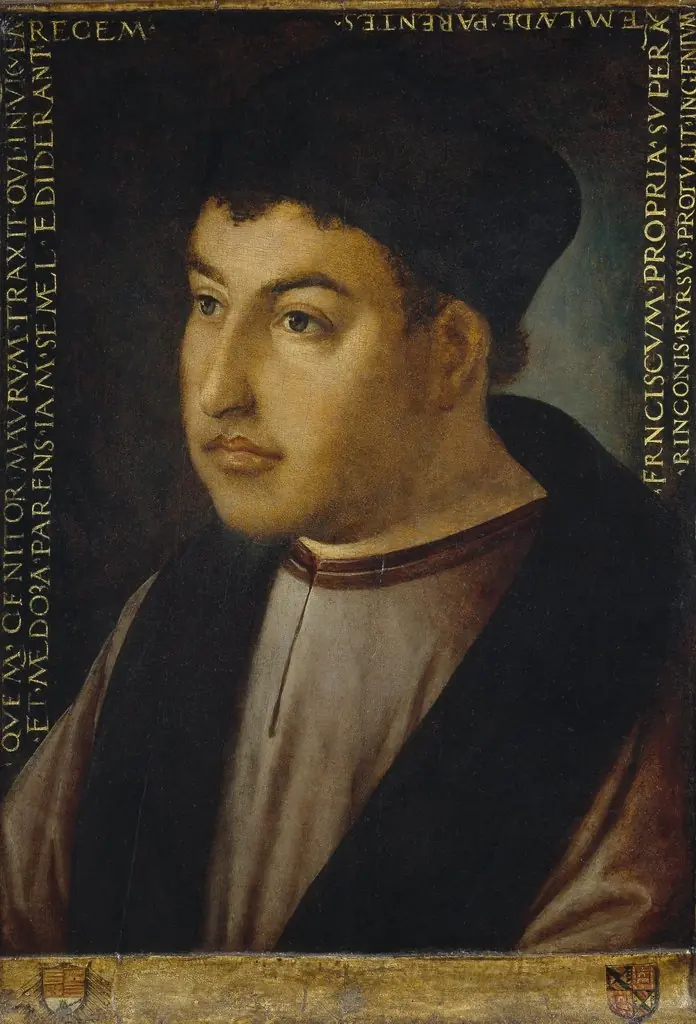 Don Francisco Fernández de Córdoba y Mendoza
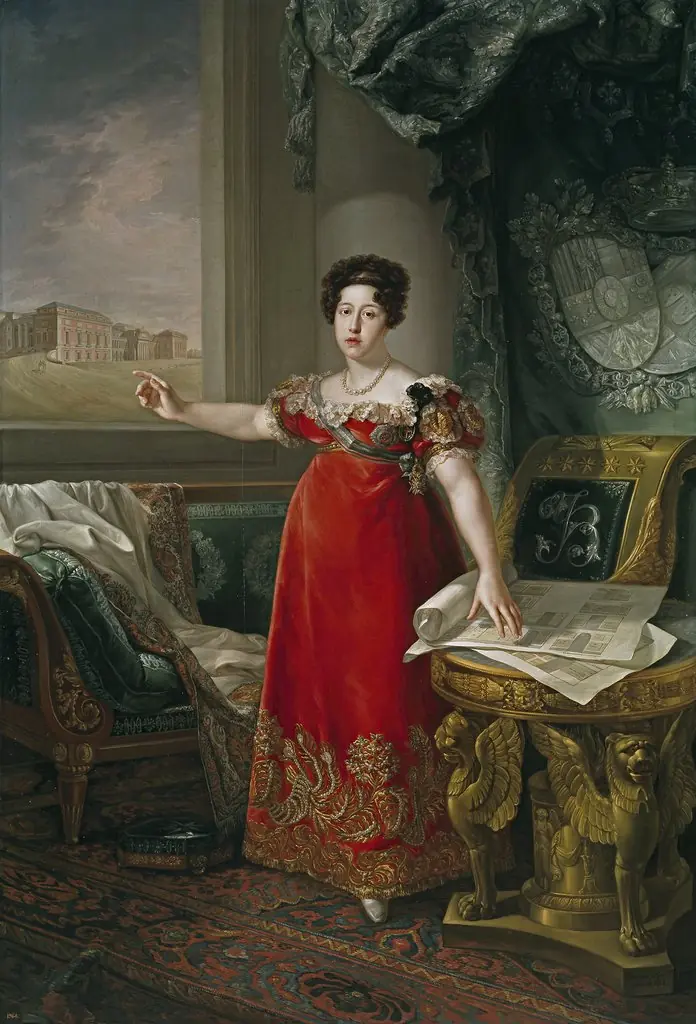 Maria Isabel of Braganza Queen of Spain as Founder of the Museo del Prado
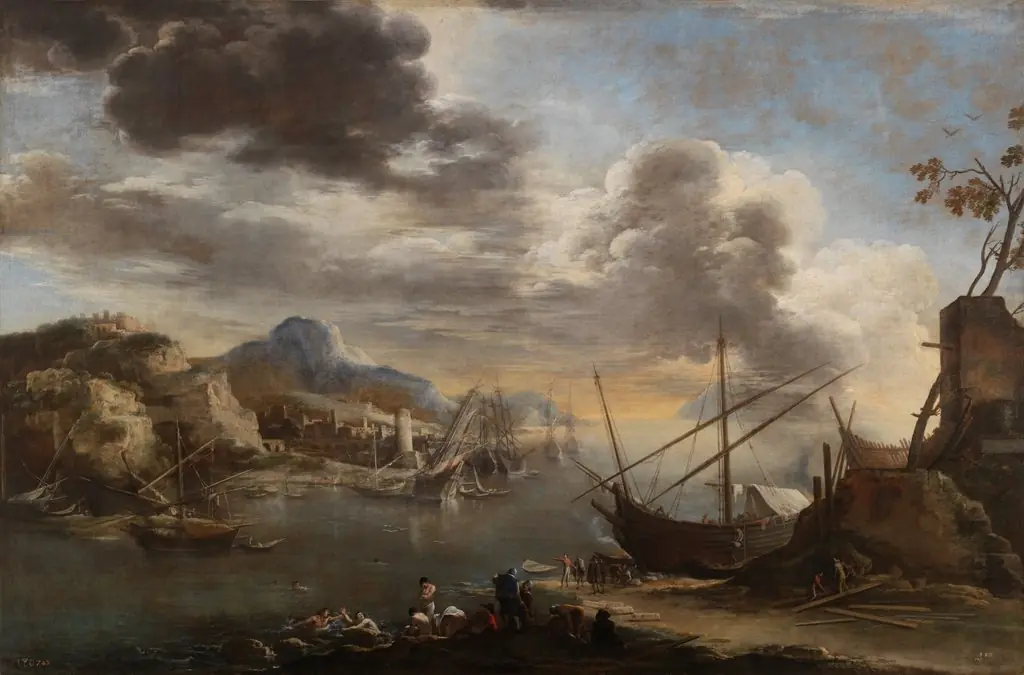 A harbour scene
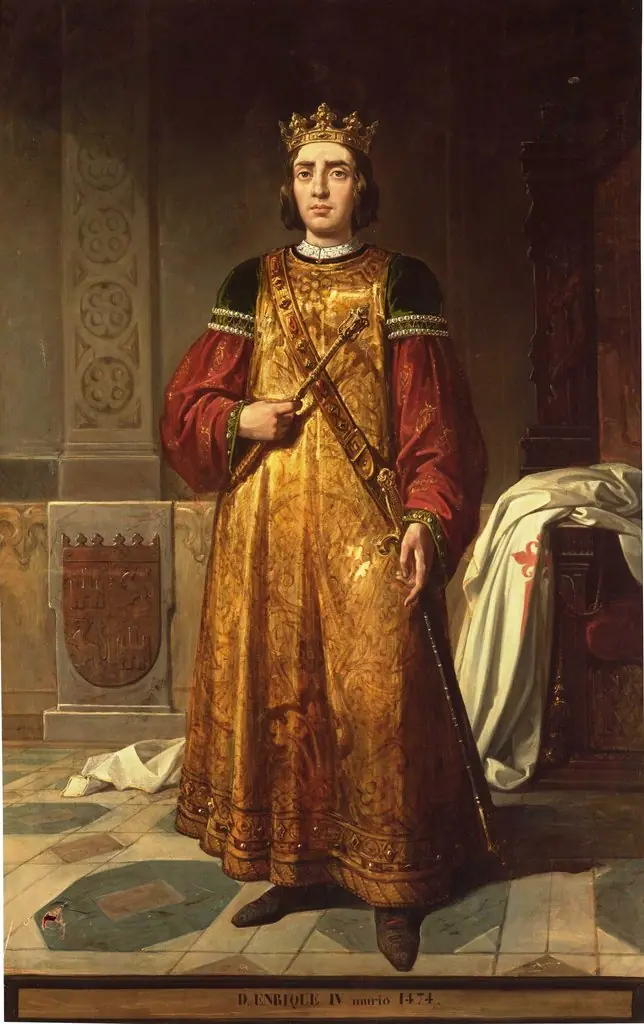 Enrique IV
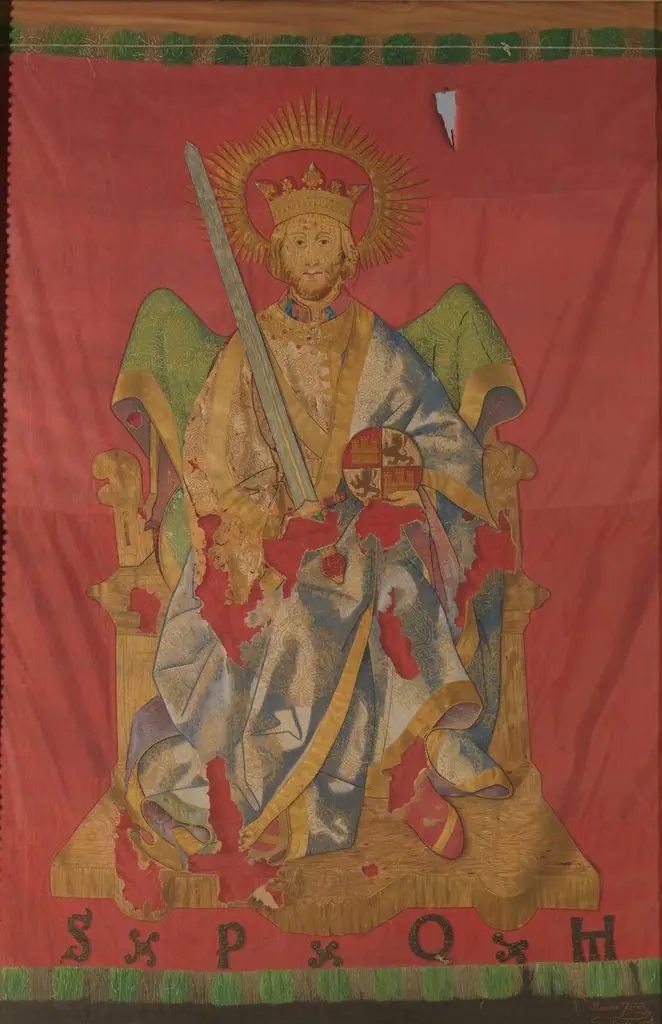 Pendón de Fernando III el Santo
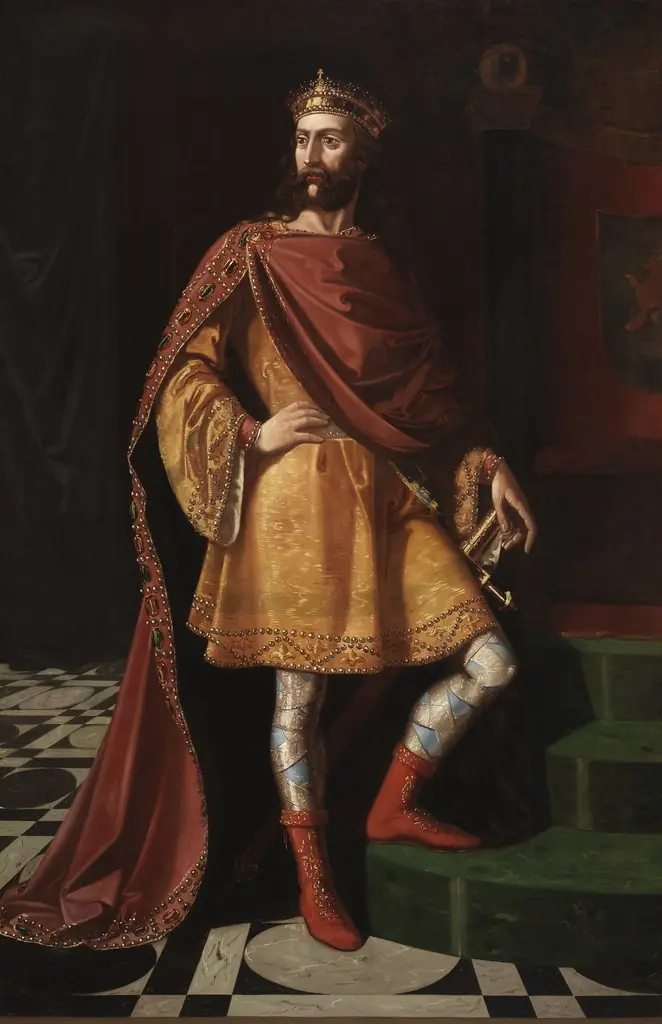 Ervigio
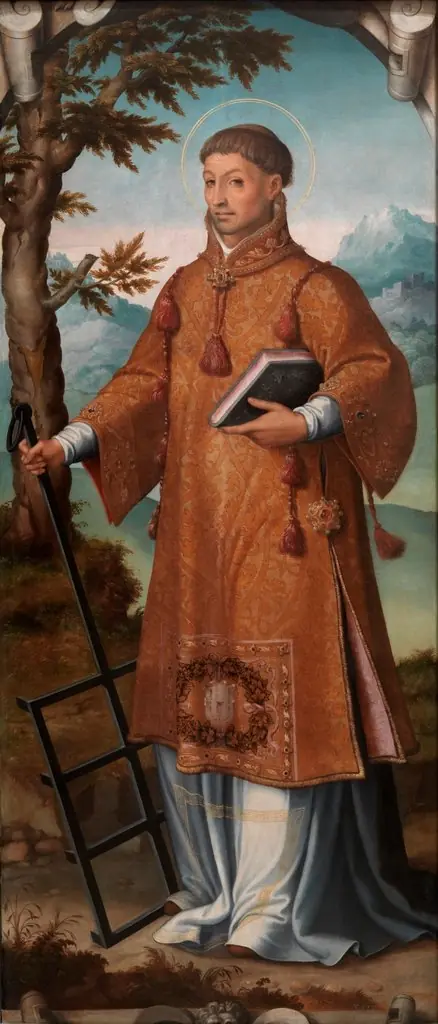 Saint Lawrence
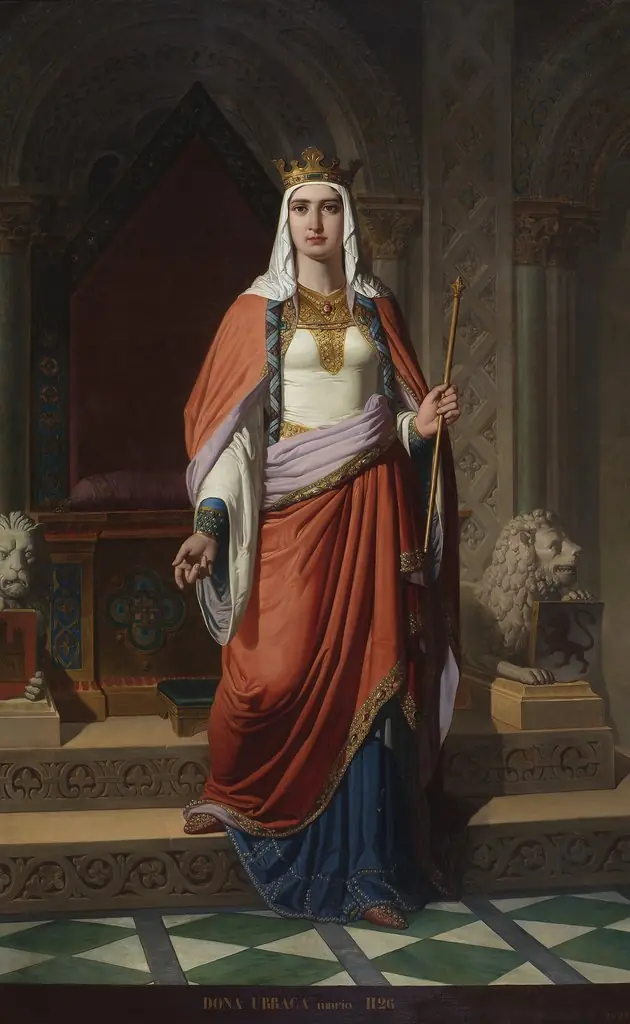 Doña Urraca
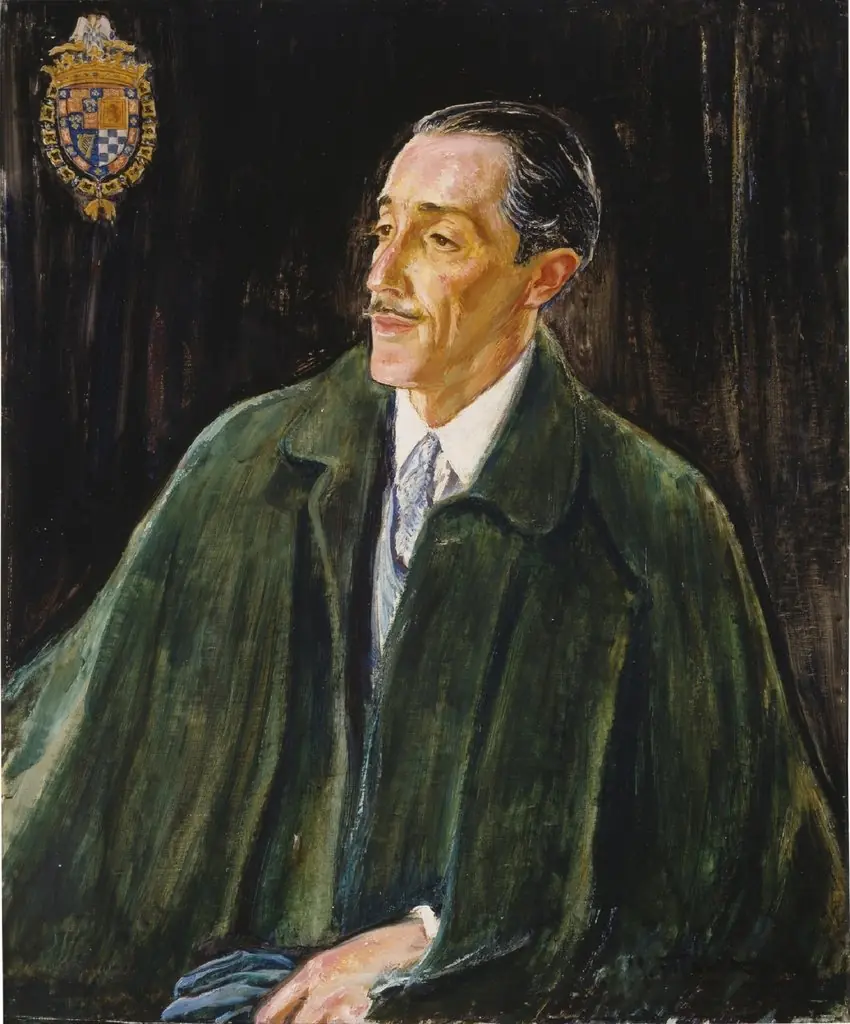 Jacobo Fitz-James Stuart, duke of Alba
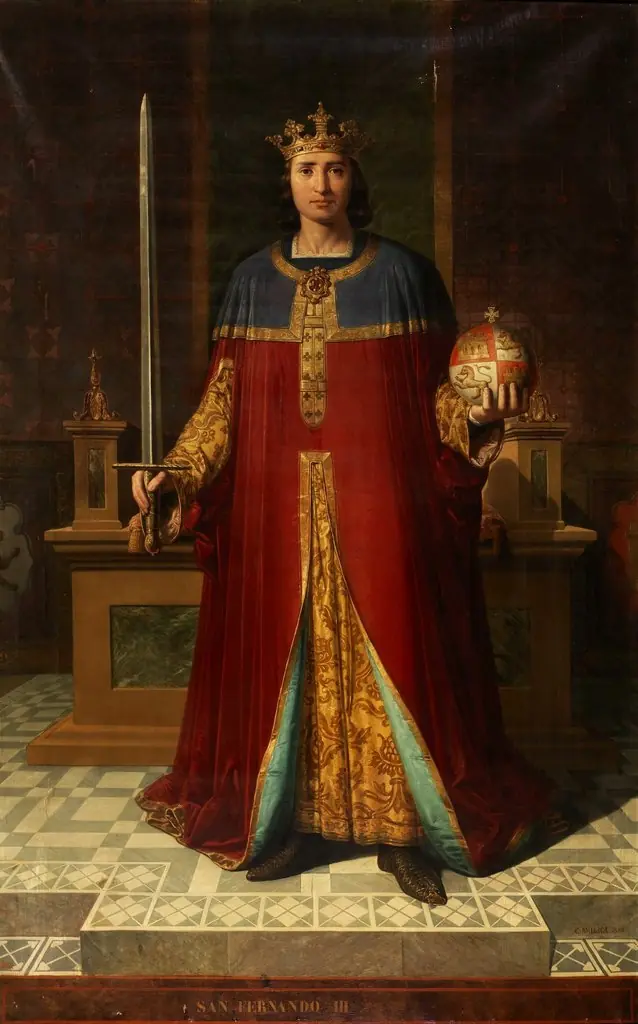 Fernando III El Santo
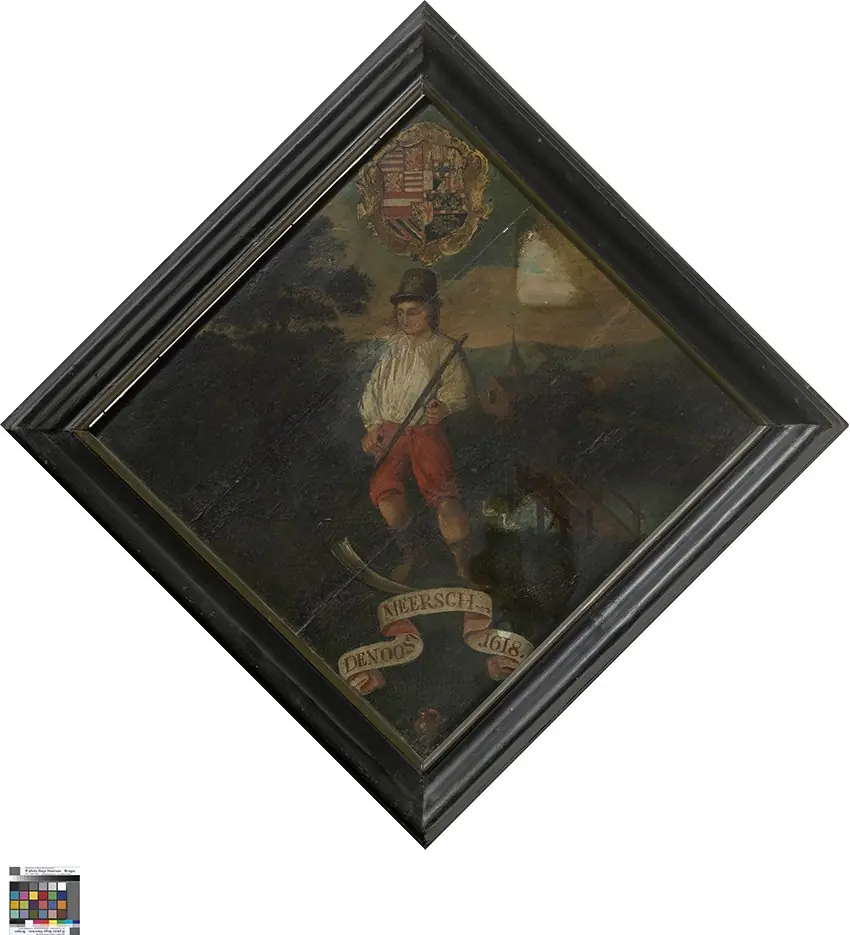 Boer in een landschap
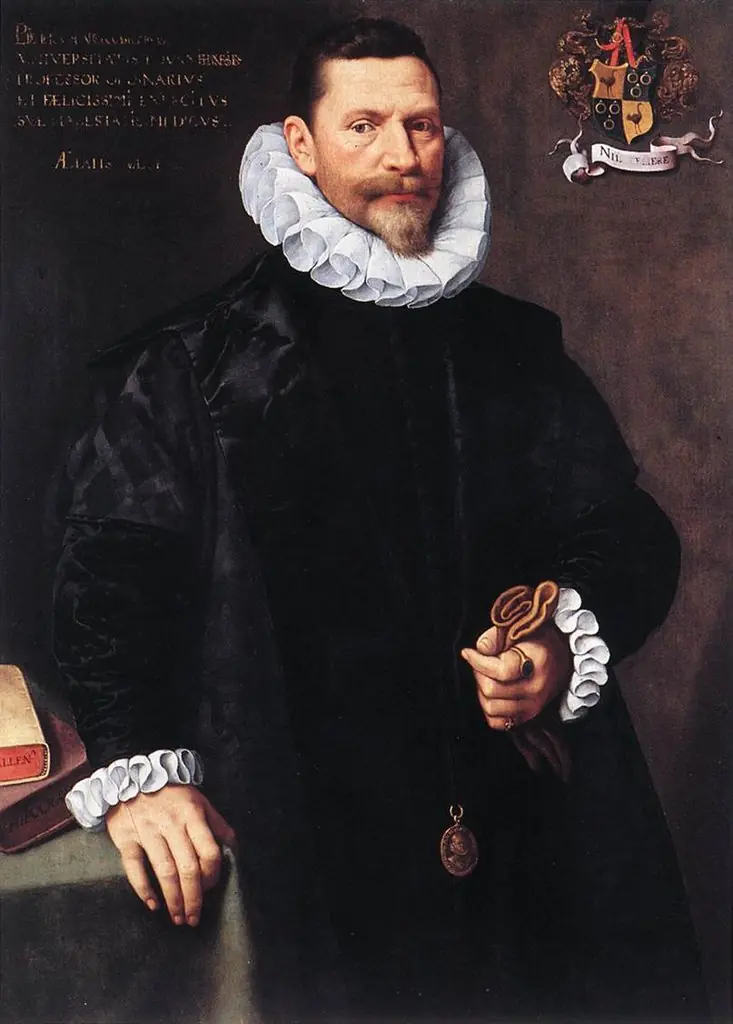 Portrait of Petrus Ricardus
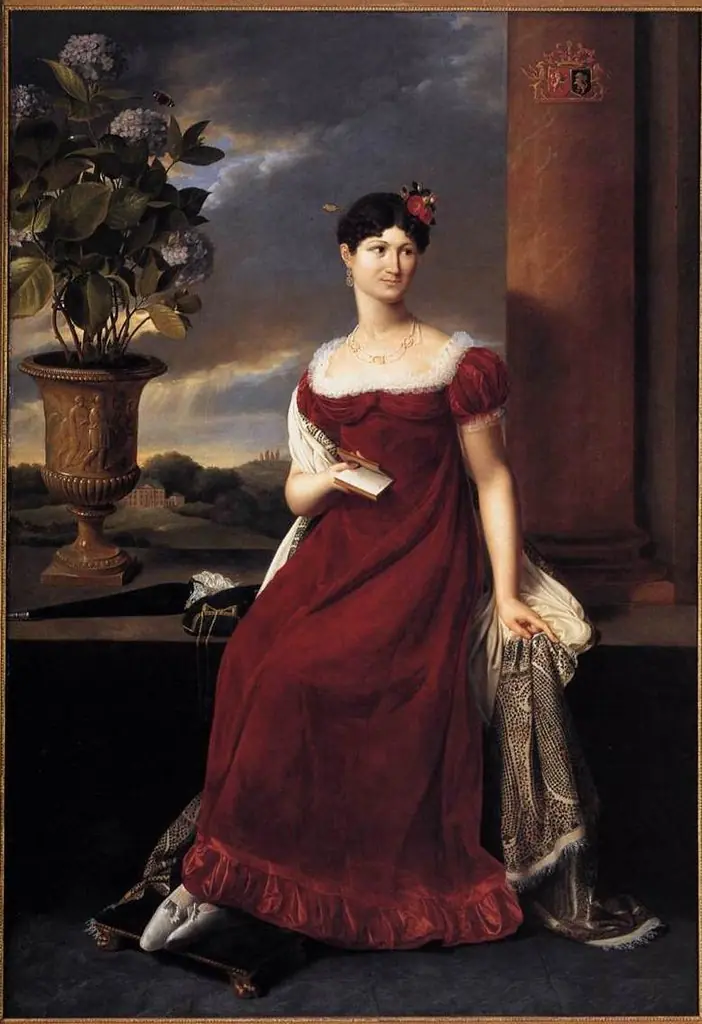 Mary Lodge, Bride of Baron Charles-Louis de Keverberg de Kessel
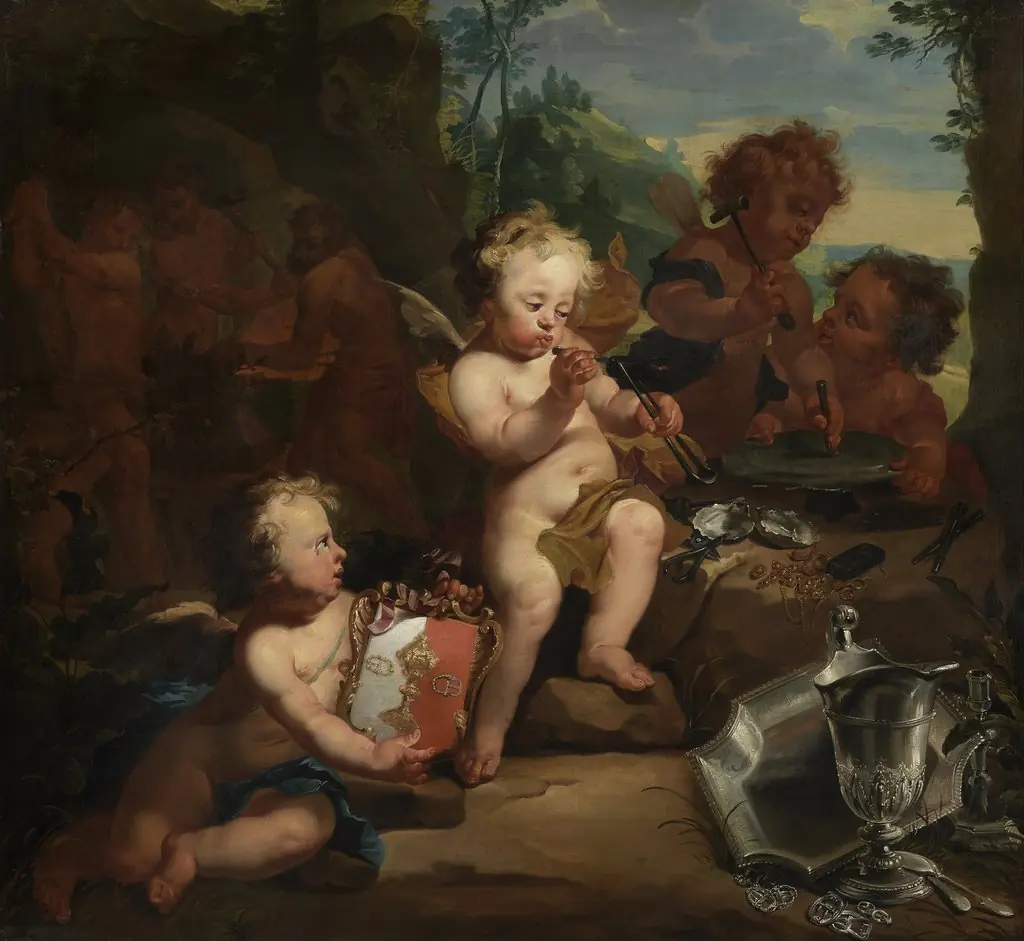 Allegory of the silversmith's trade
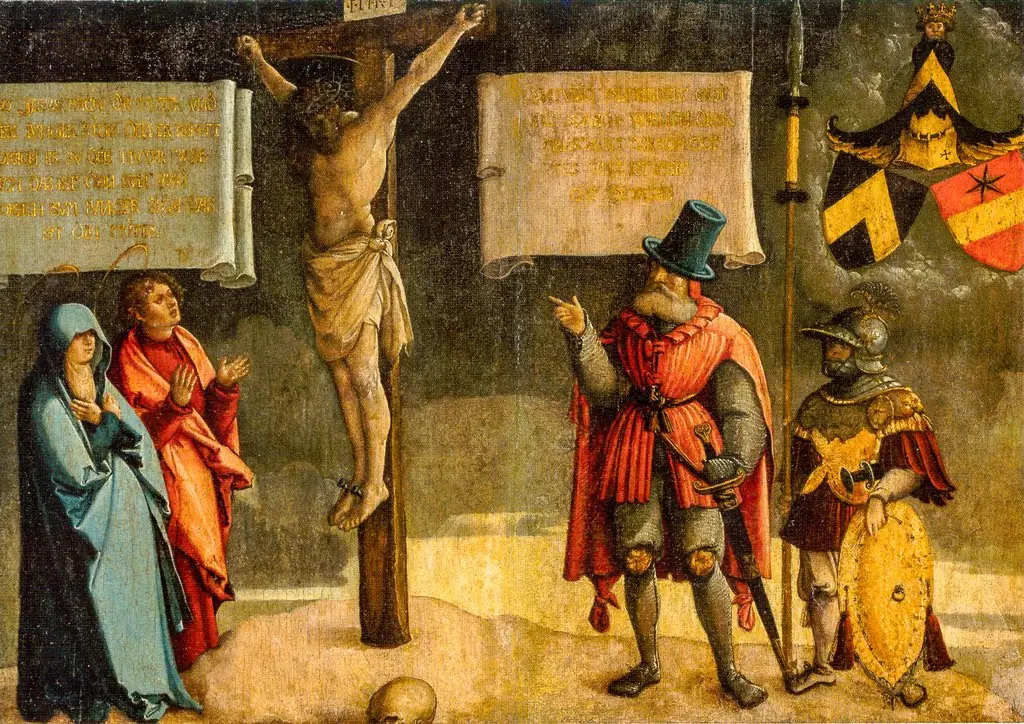 Votivtafel des Johann von Ehingen-Neuneck
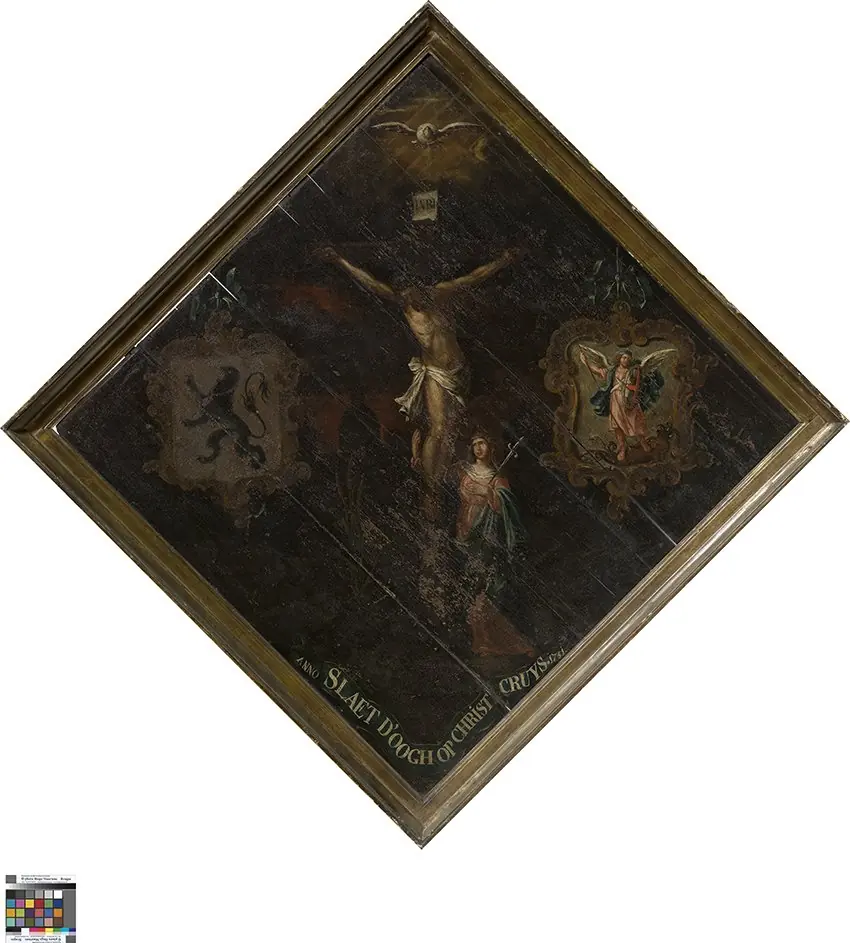 Wapenbord van de rederijkerskamer Kunst en Eendracht
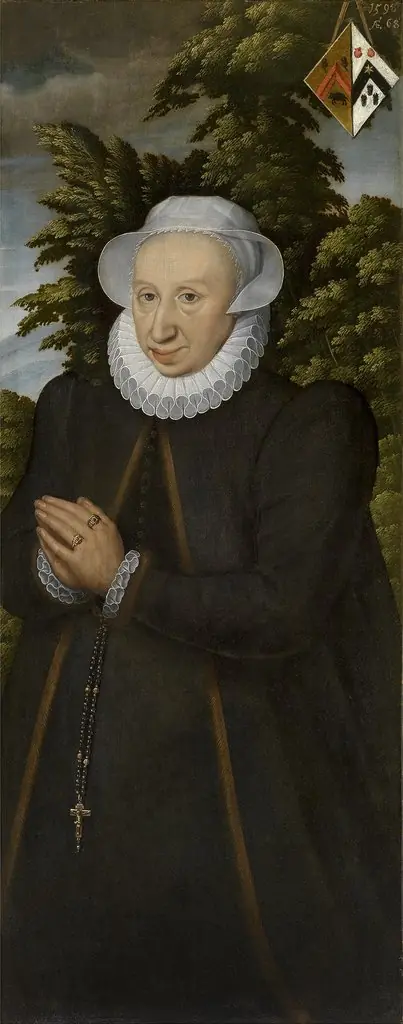 Portrait of a Woman
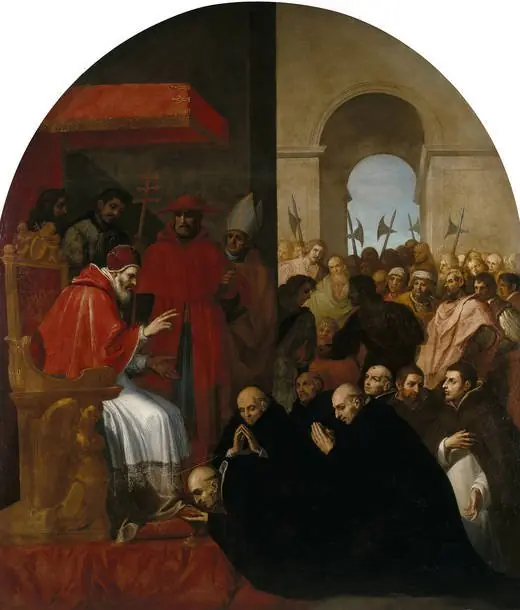 Saint Bruno and his Companions before Urban II
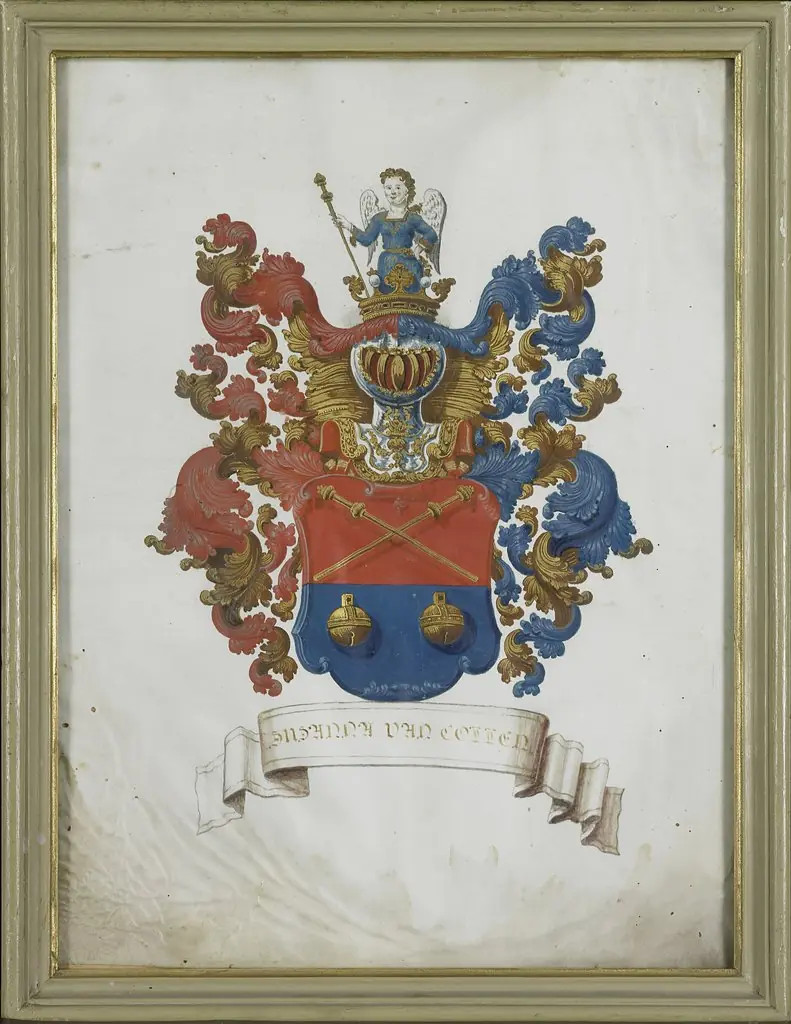 Het wapen van Susanna van Collen (1692-1745), echtgenote van Jacob Feitama
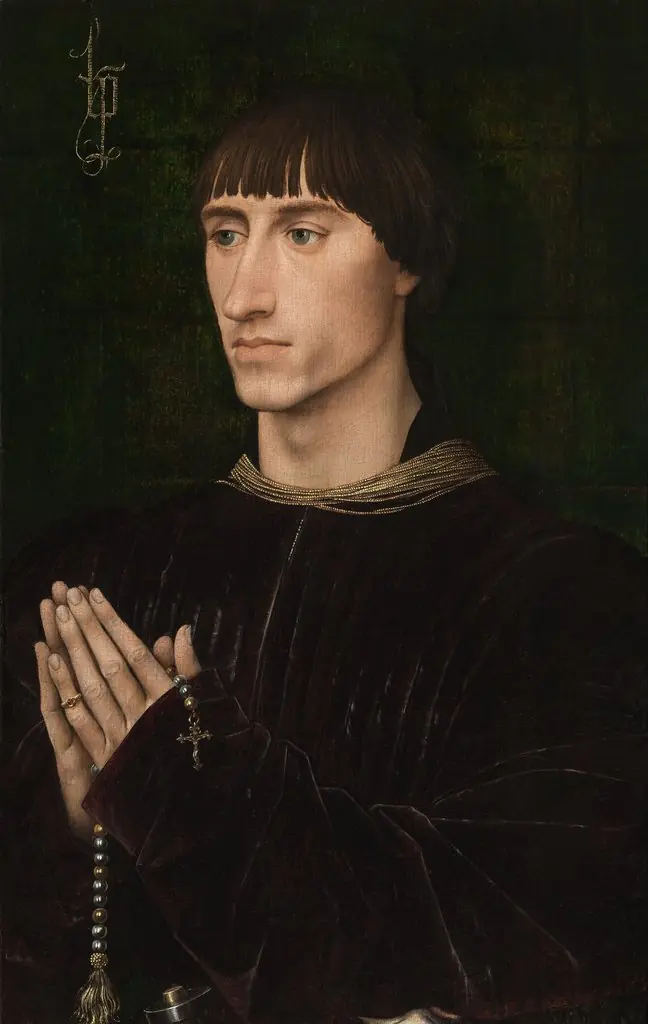 Portrait of Philippe de Croy
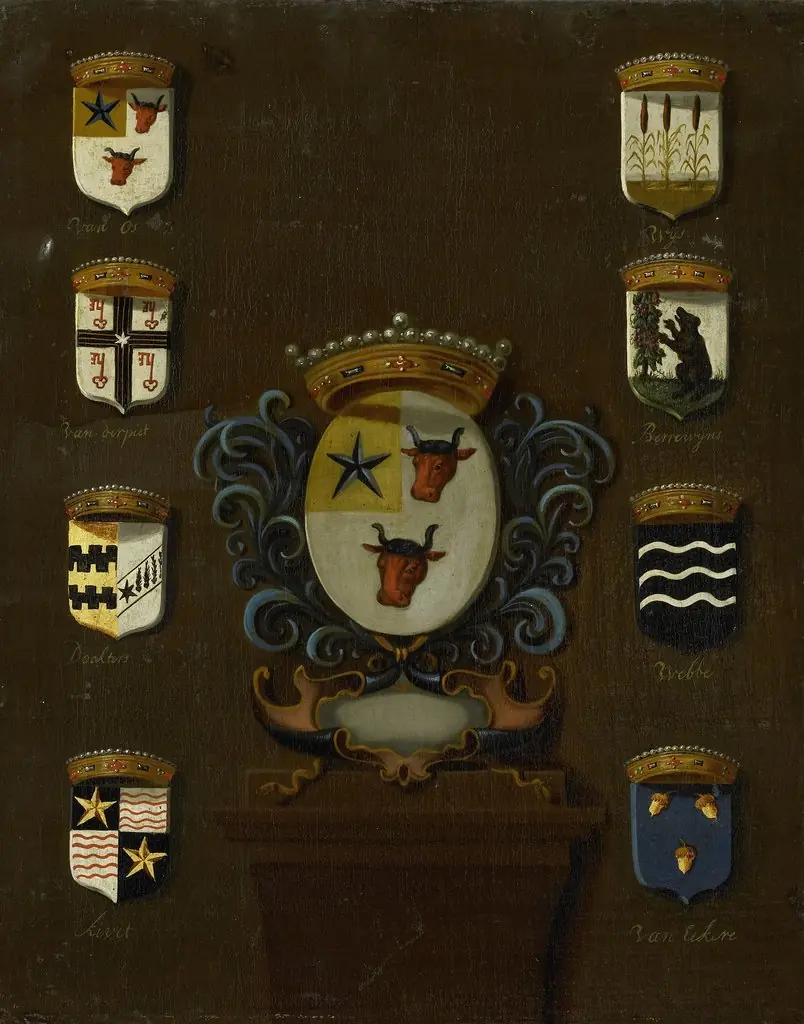 Coat of Arms of Sara van Os, Wife of Jan van Reyersbergh with its eight quarterings
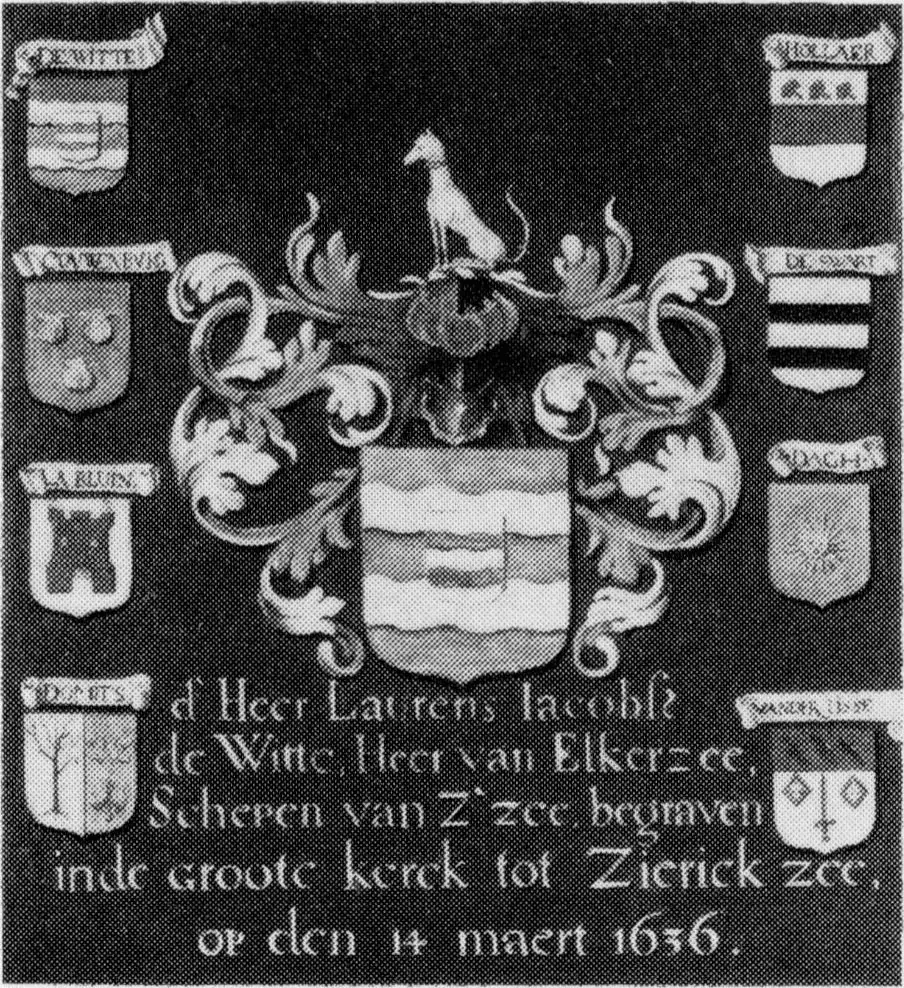 Wapenbord met het wapen van Laurens Jacobsz de Witte en zijn acht kwartieren
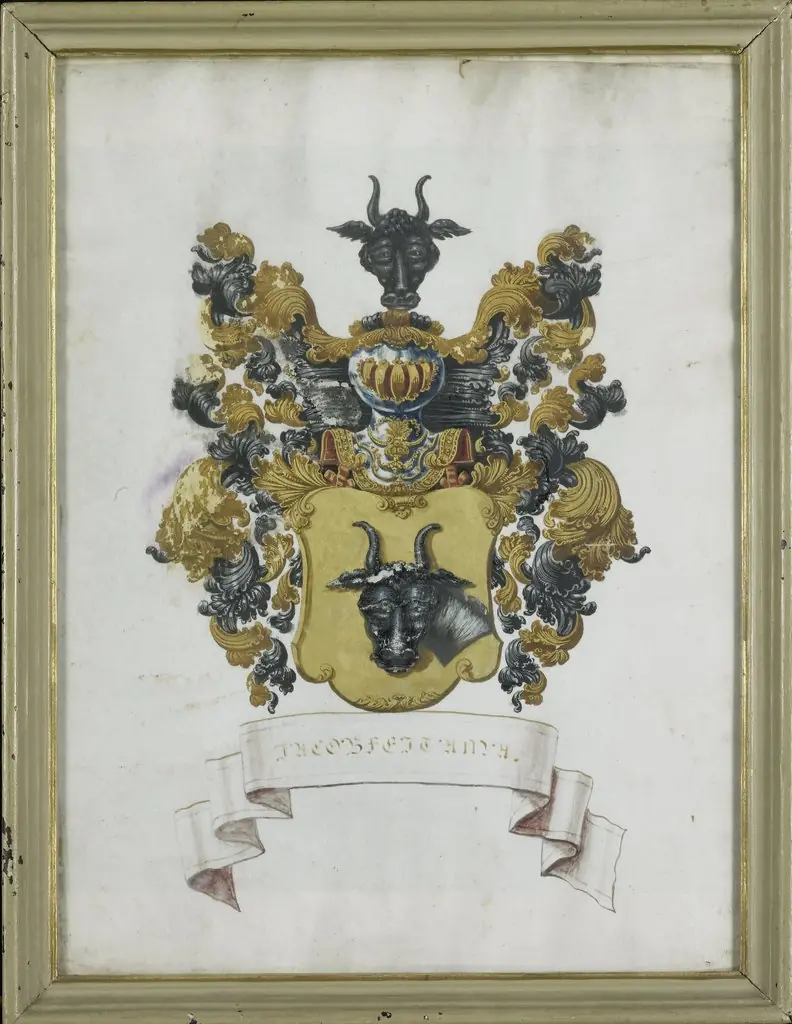 Het wapen van Jacob Feitama II (1698-1774)
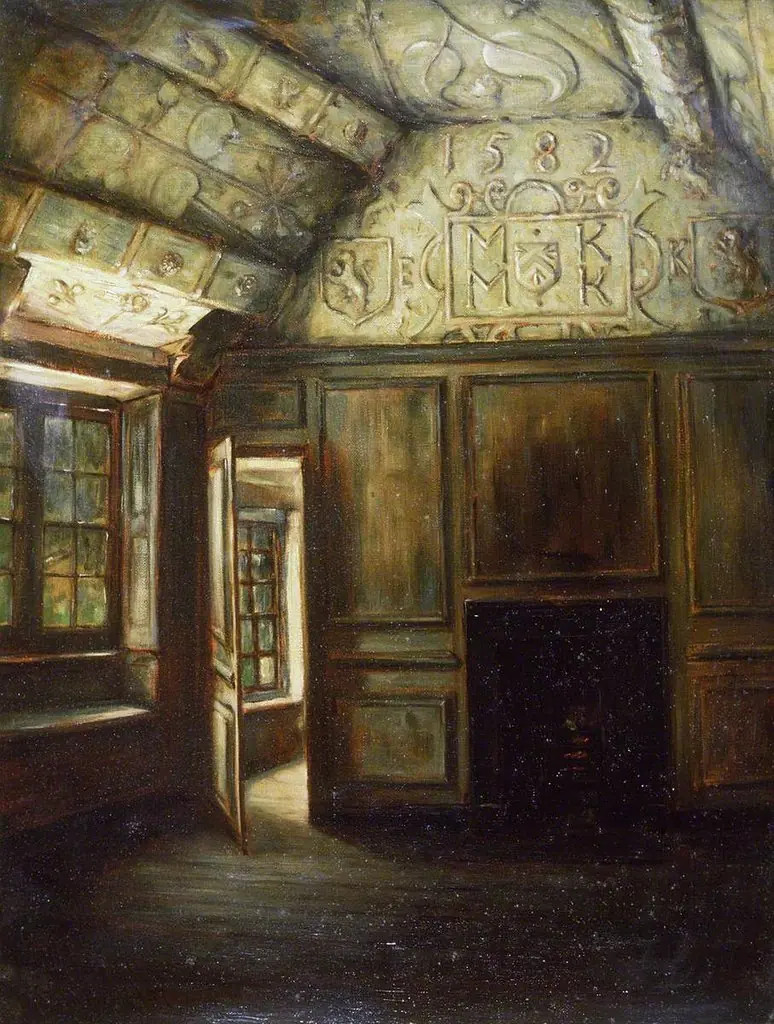 Maenan Hall, near Llanrwst
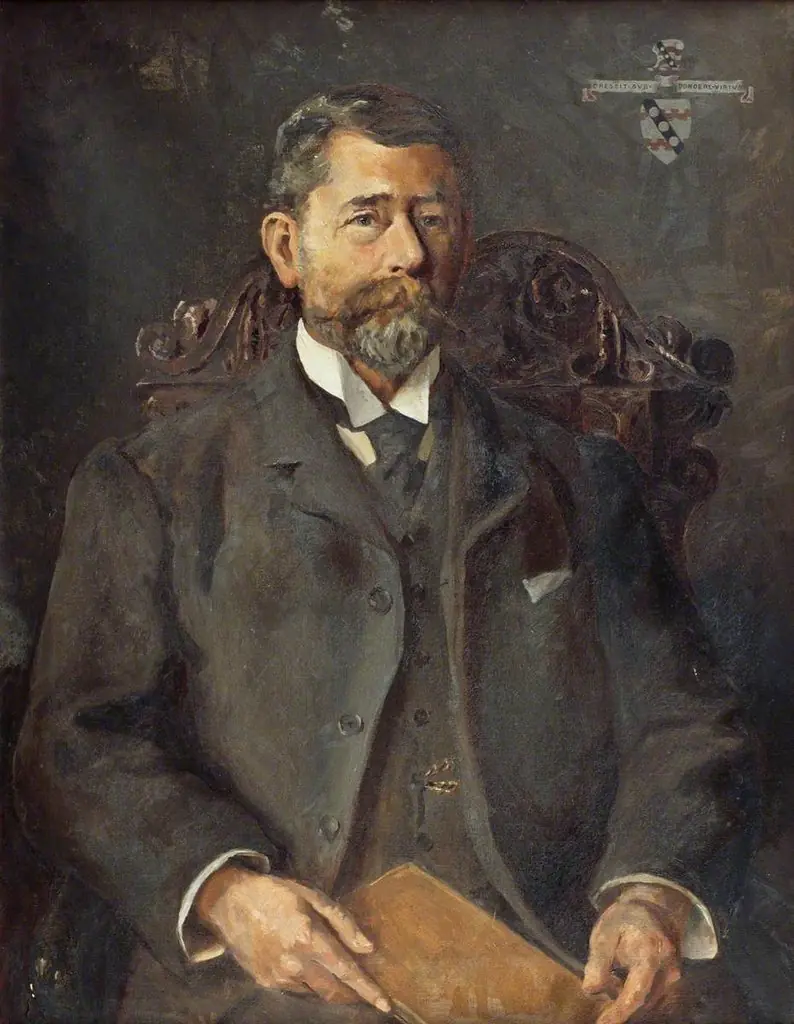 Alan Stepney Gulston (1844–1919)
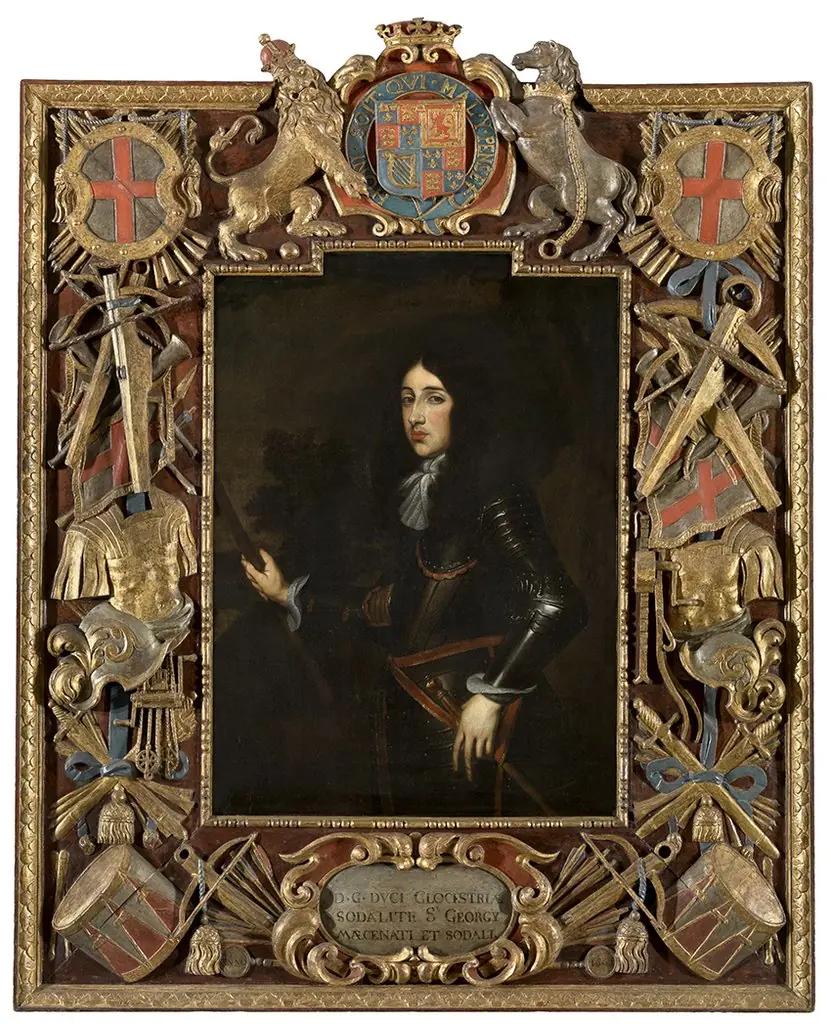 Portrait of Henry Stuart, Duke of Gloucester
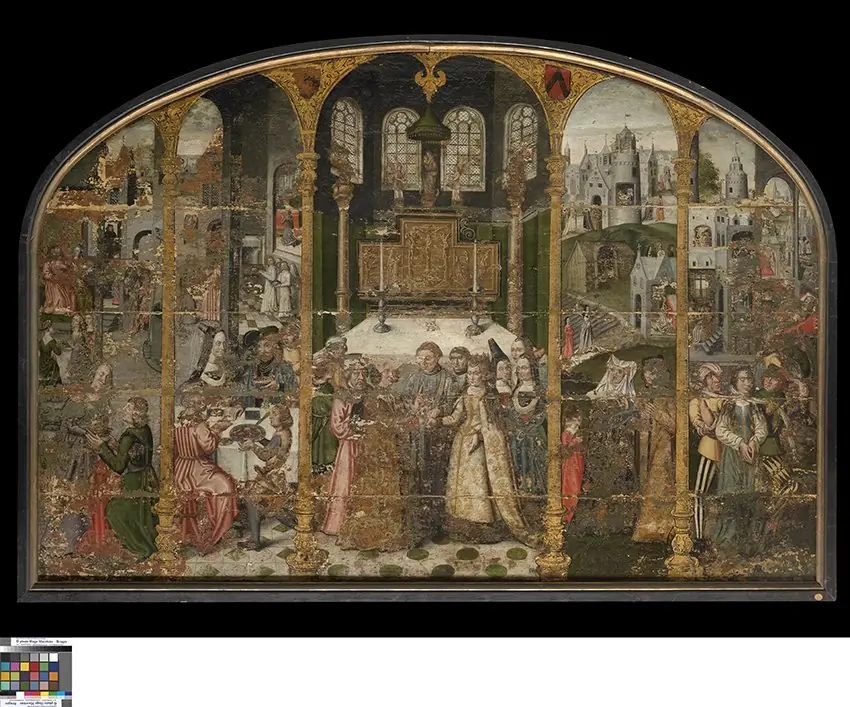 Legende van de heilige Godelieve
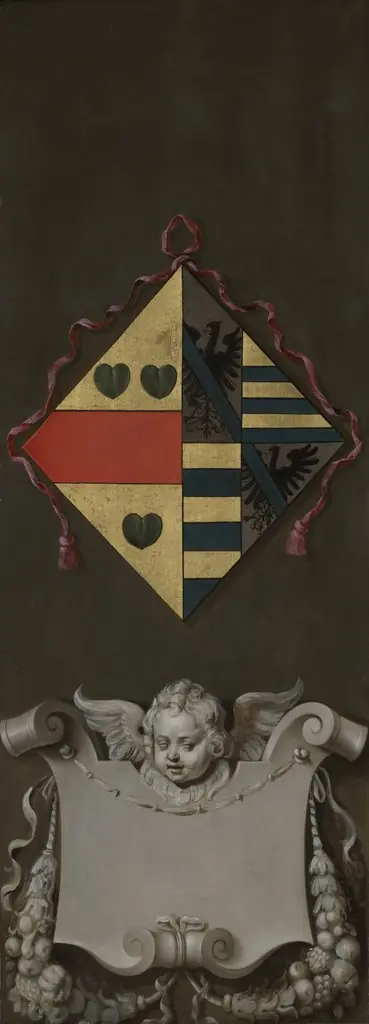 Coat of Arms of Adriana Perez
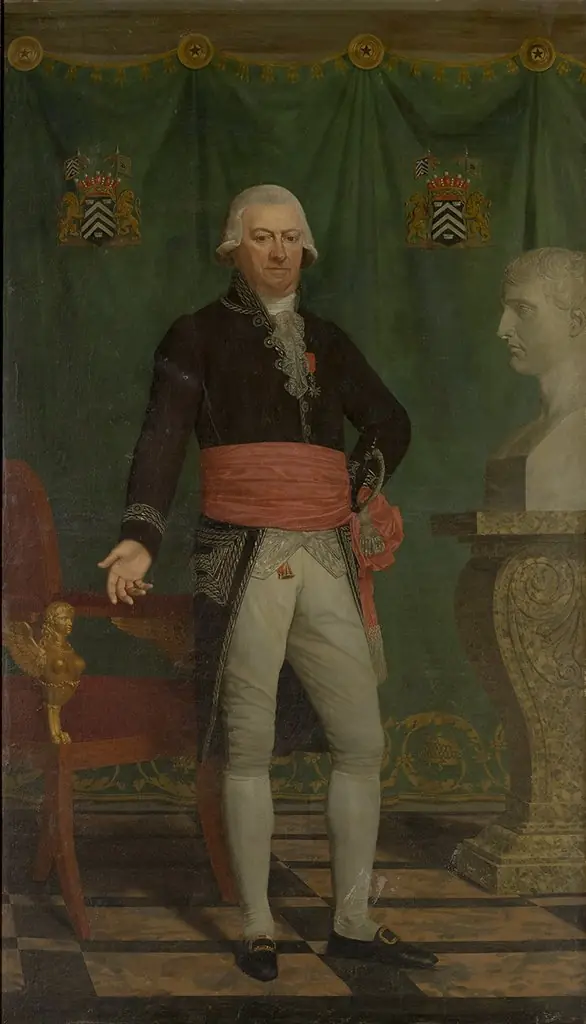 Portret van burggraaf Karel Aeneas de Croeser, burgemeester van Brugge
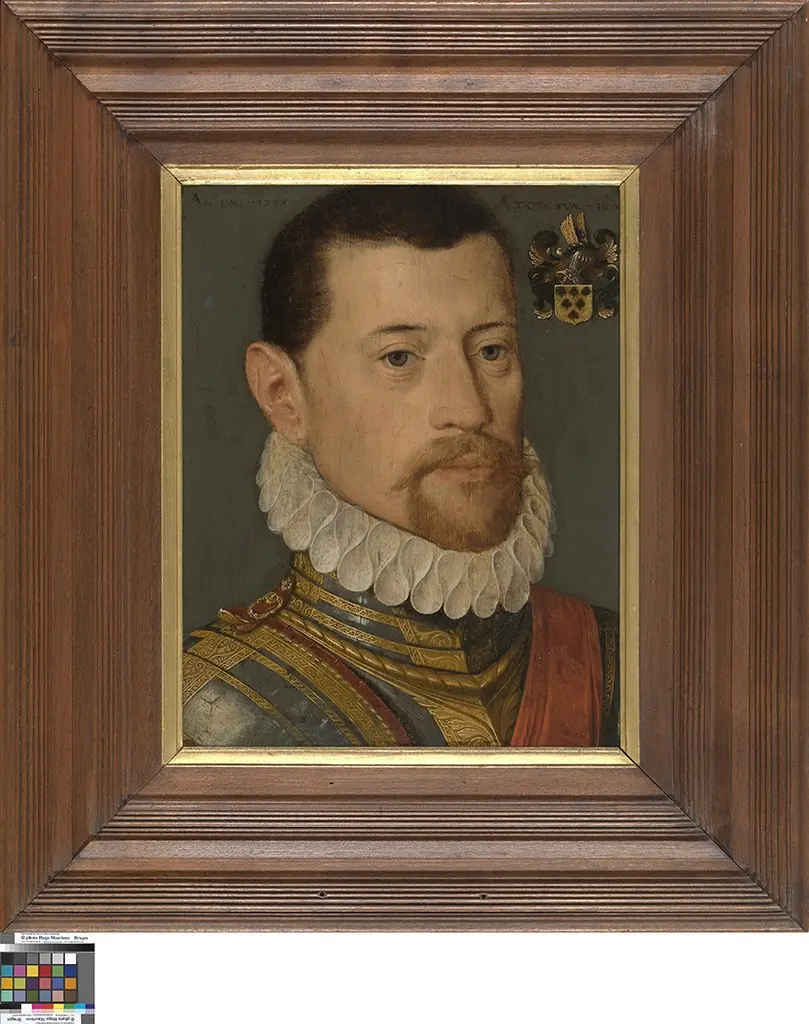 Portrait of a Member of the Budsin Family
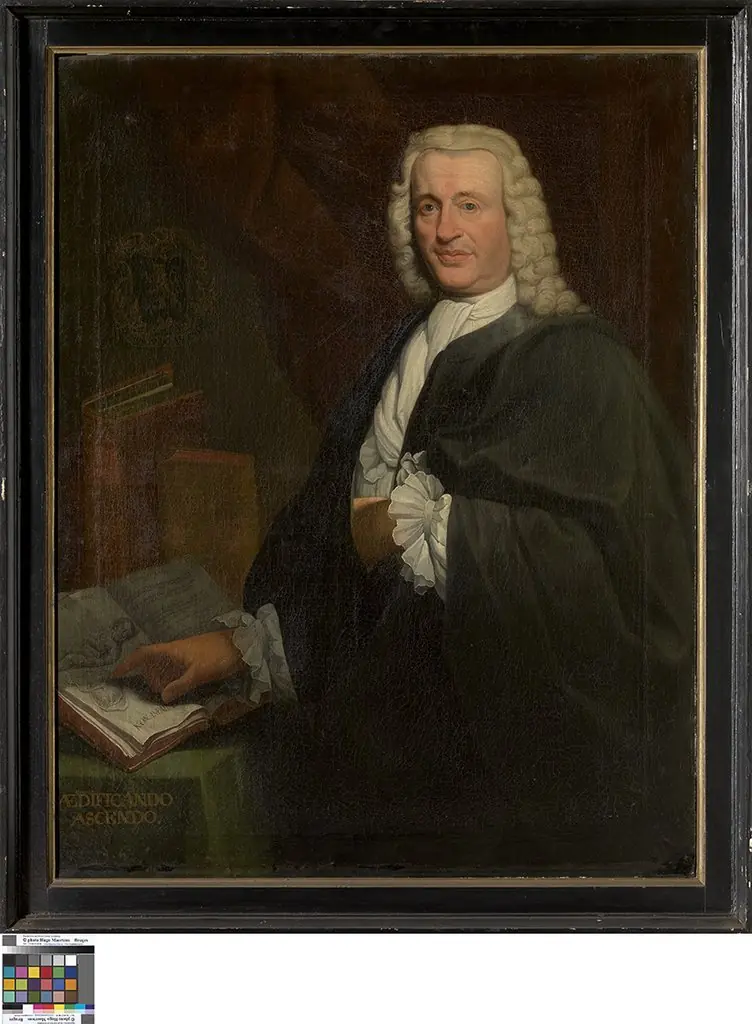 Portret van Joannes Bauwens
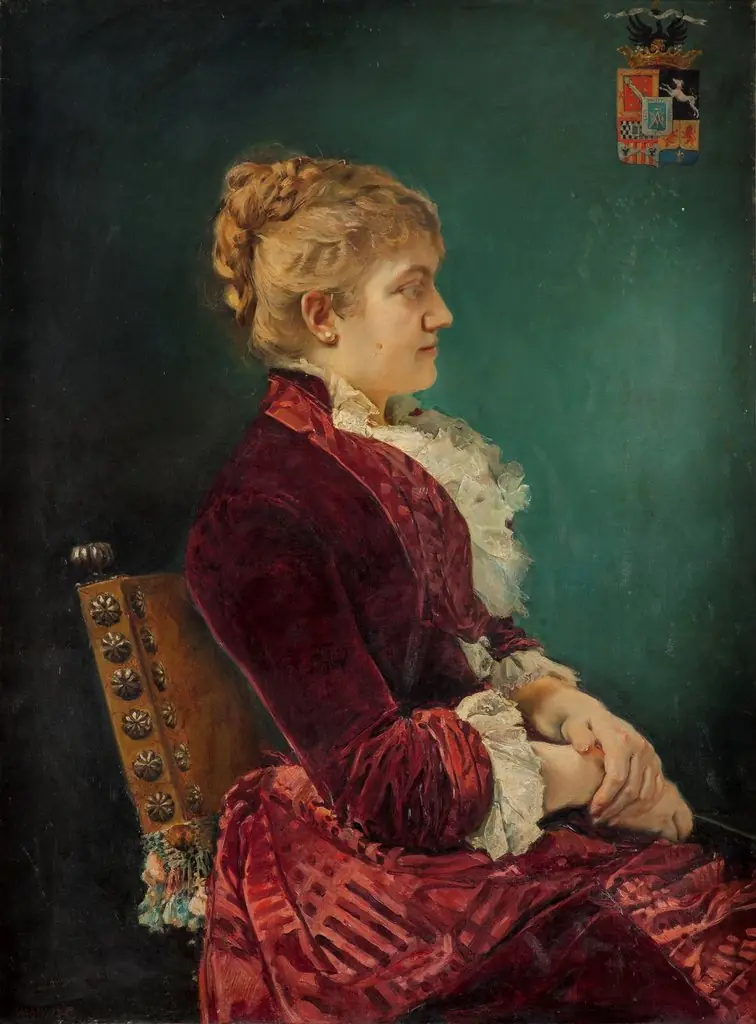 María de las Mercedes de Alcázar y Nero Vera de Aragón marquesa de Coquilla
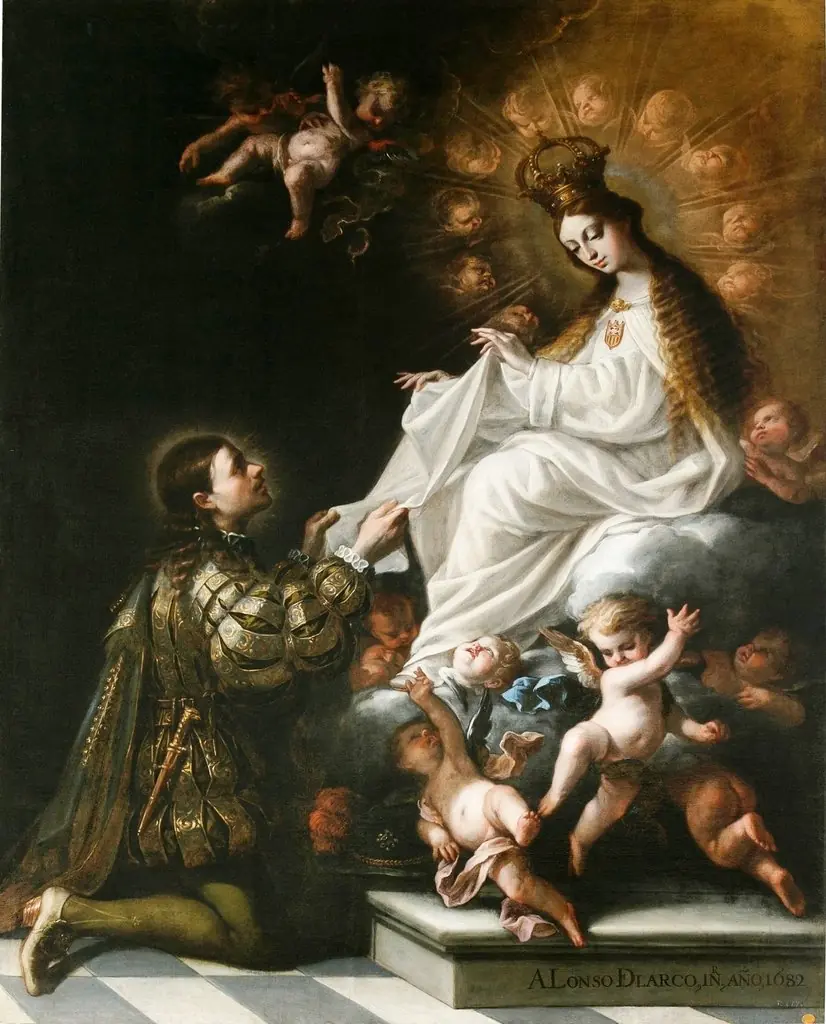 The Virgin of Mercy Appearing to Saint Peter Nolasco
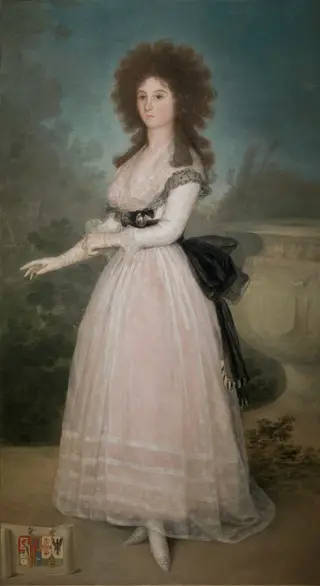 Tadea Arias de Enríquez
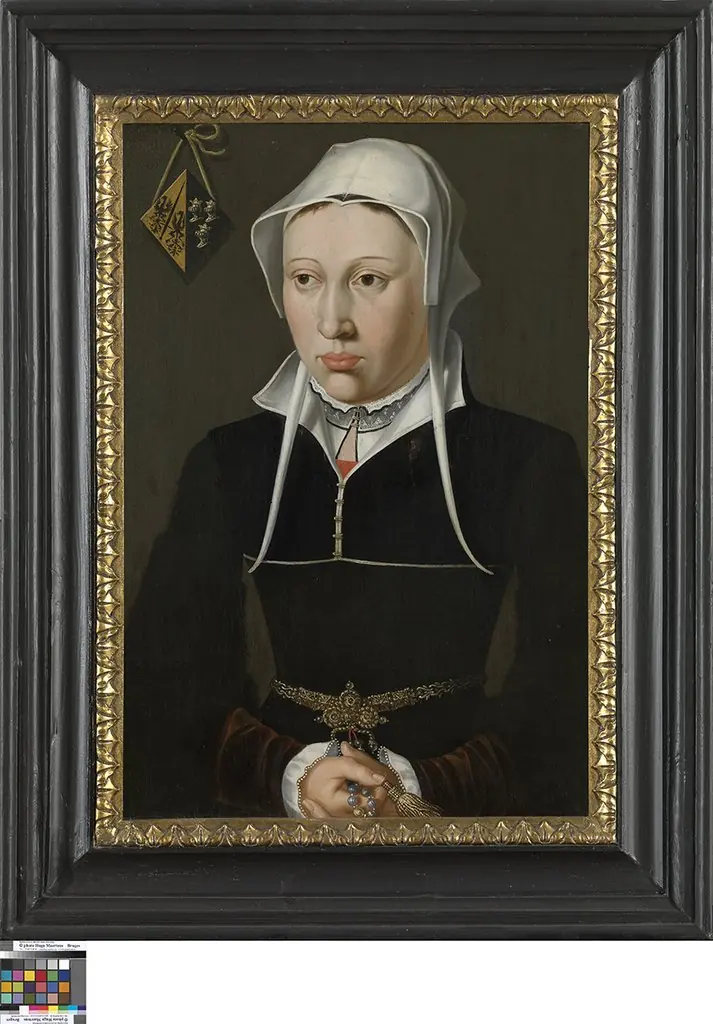 Portrait of the wife of Jan de Fevere
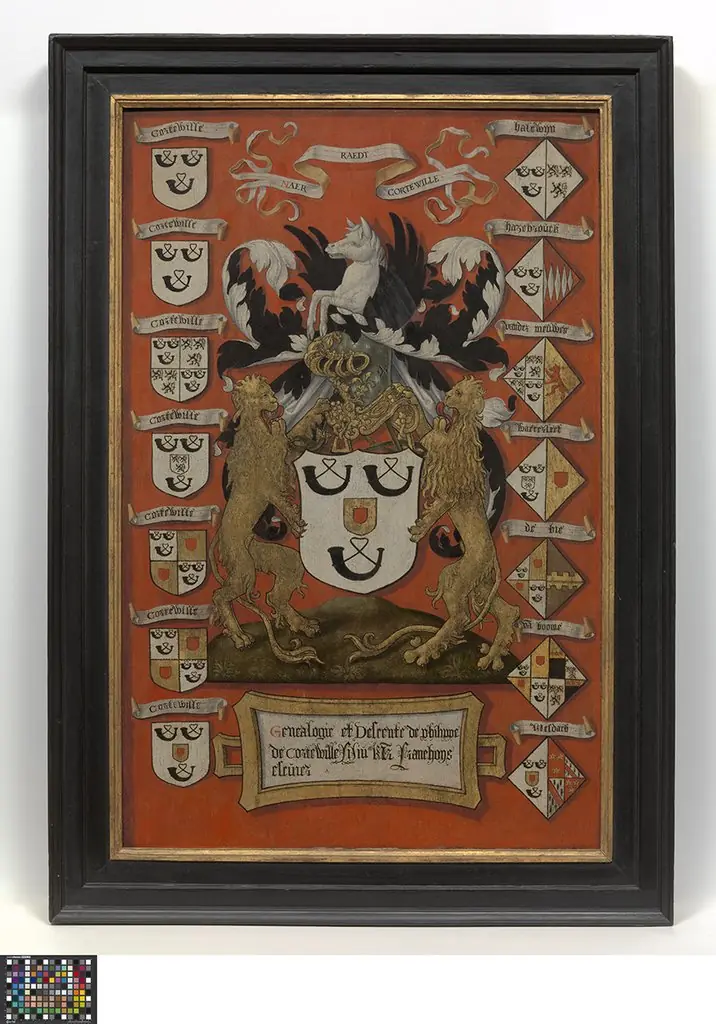 Pedigree of Filips de Cortewille
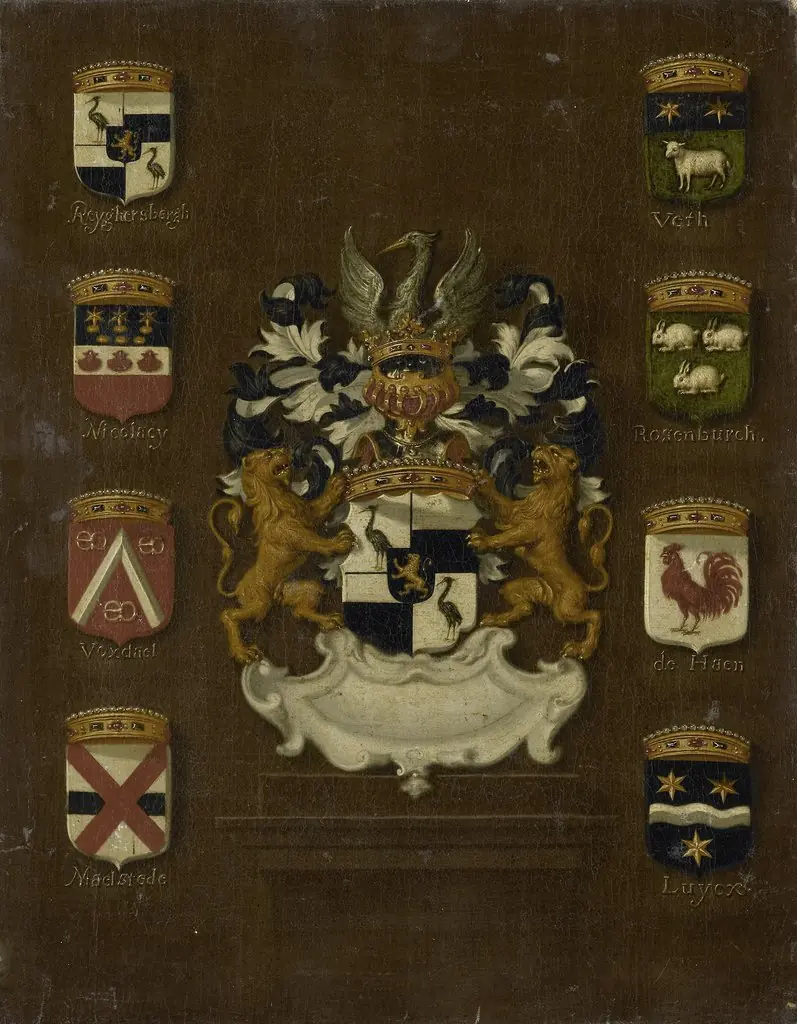 Coat of Arms of Jan van Reyersbergh with its eight quarterings
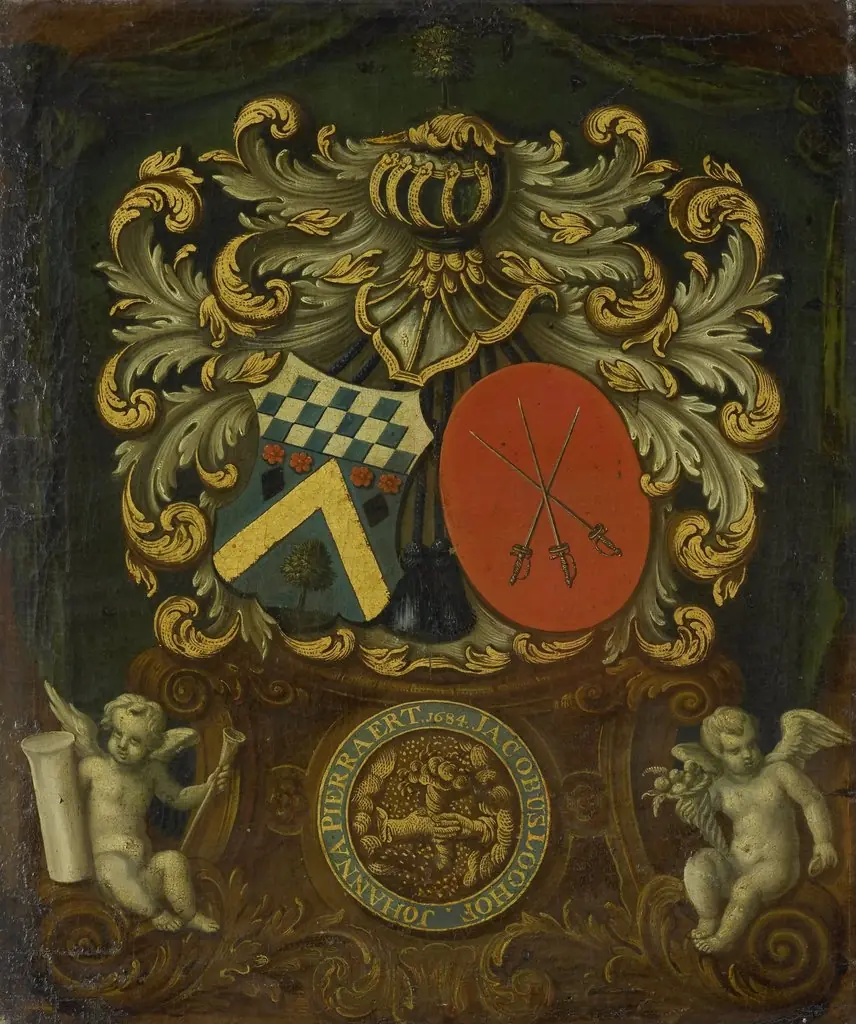 The family shields of Jacobus Loohoff and Johanna Pierraert, 1684
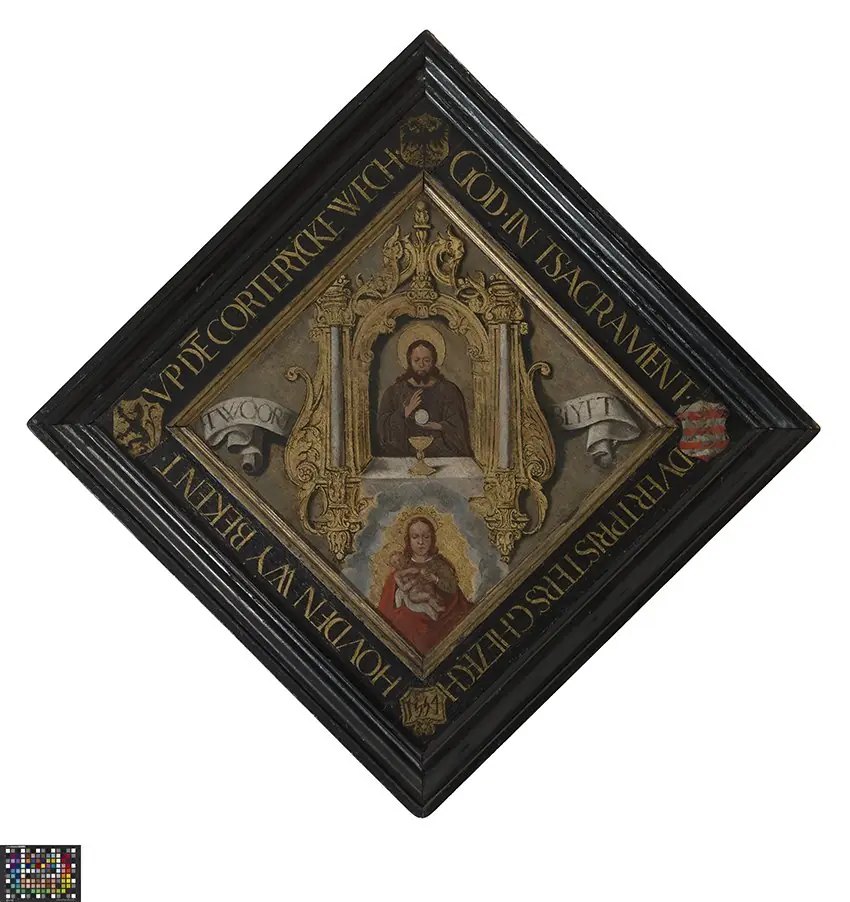 Panel of a Brotherhood
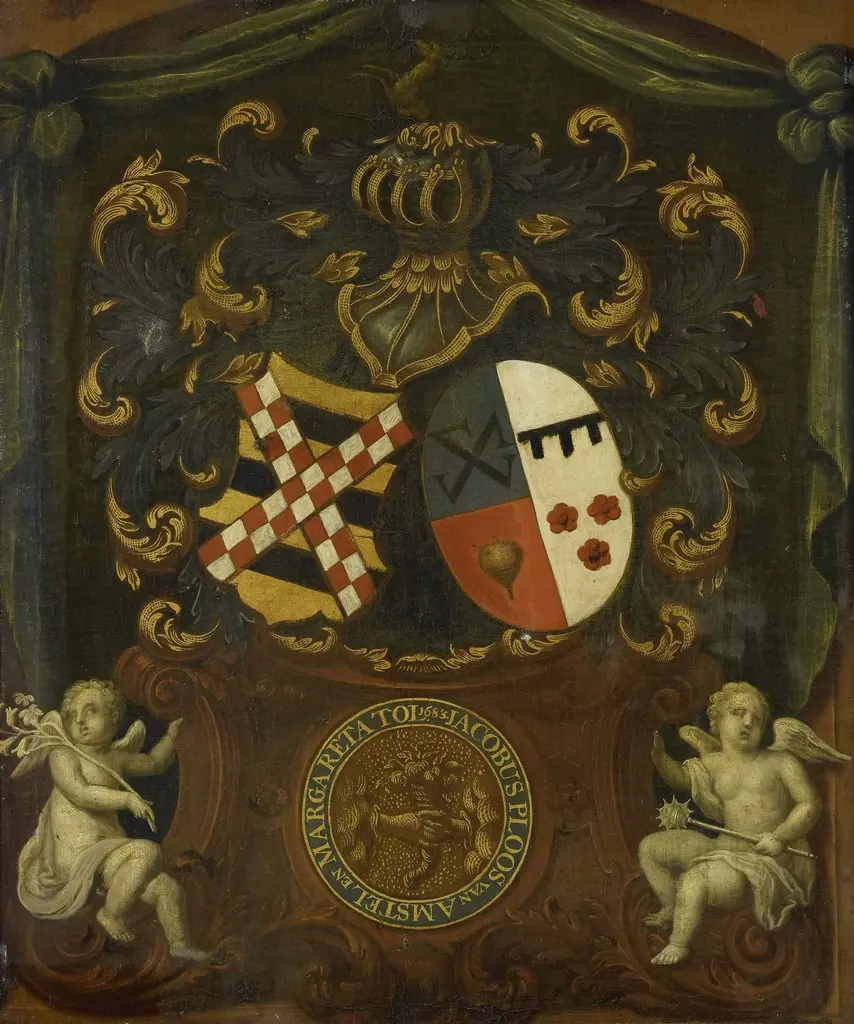 The family shields of Jacob Ploos van Amstel and Margareta Tol
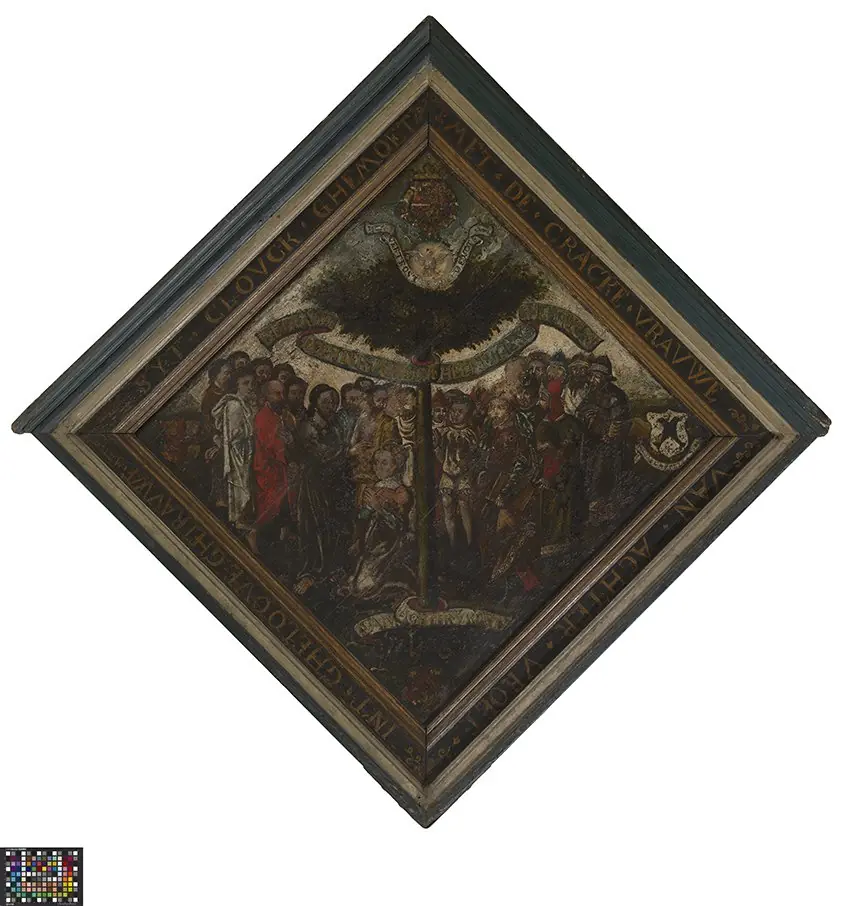 The Healing of a Woman with an Issue of Blood
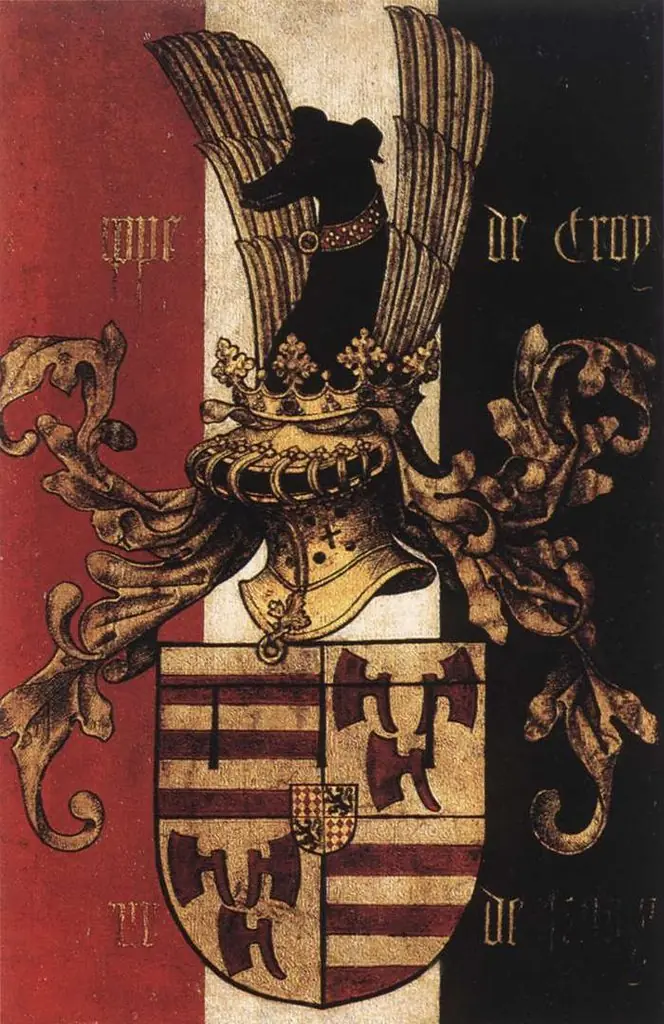 Croy family shield
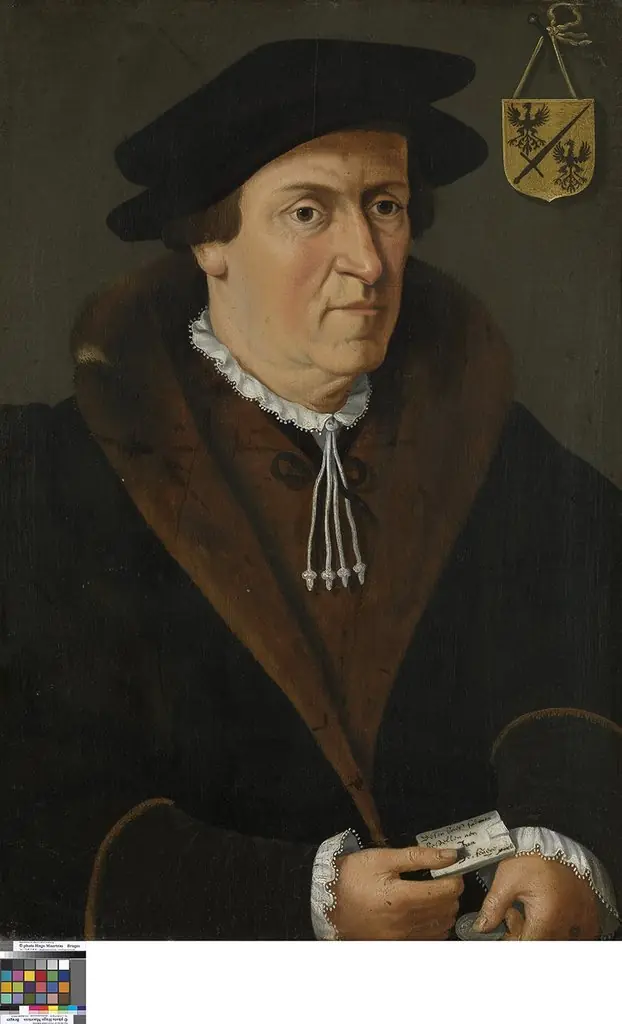 Portrait of Jan de Fevere
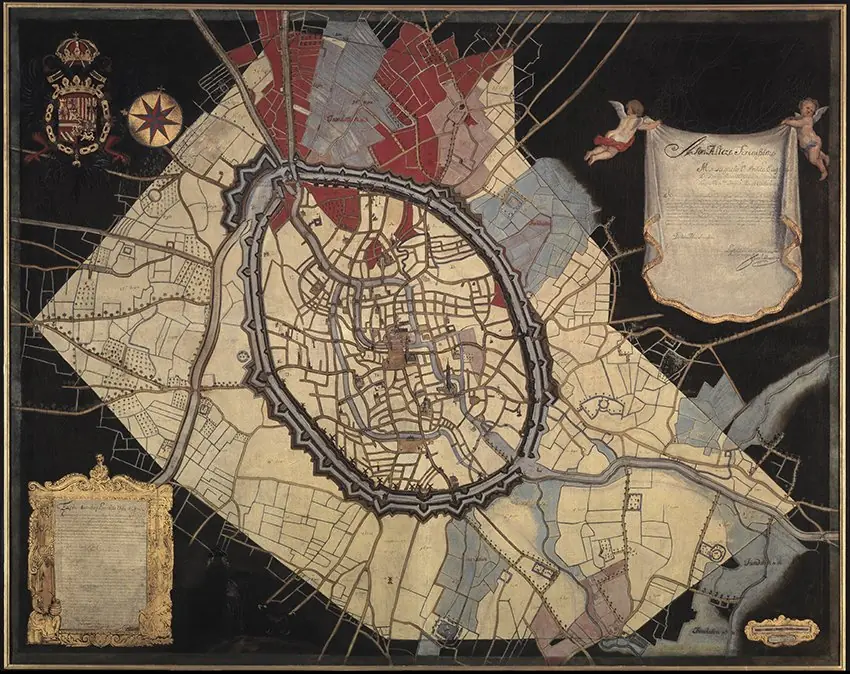 Kaart van Brugge en de waterwegen
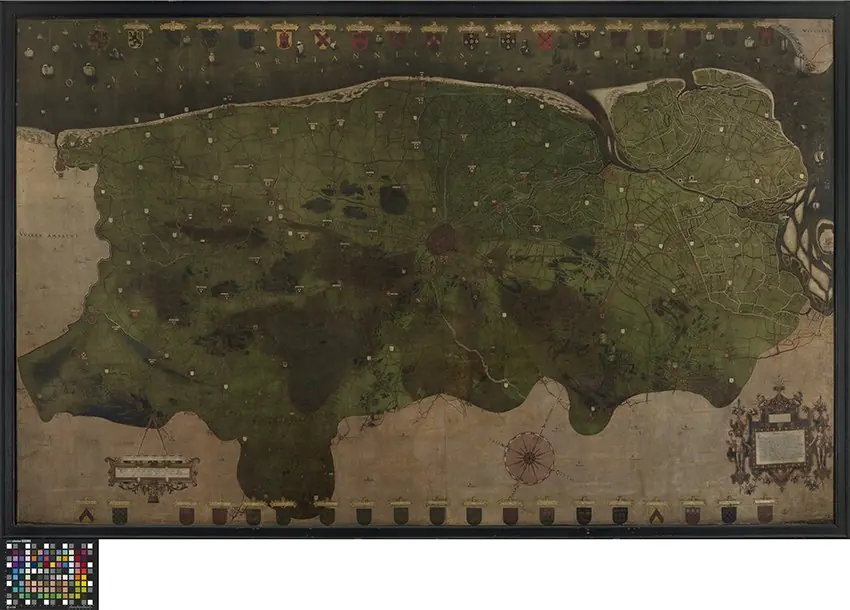 Map of the Liberty of Bruges
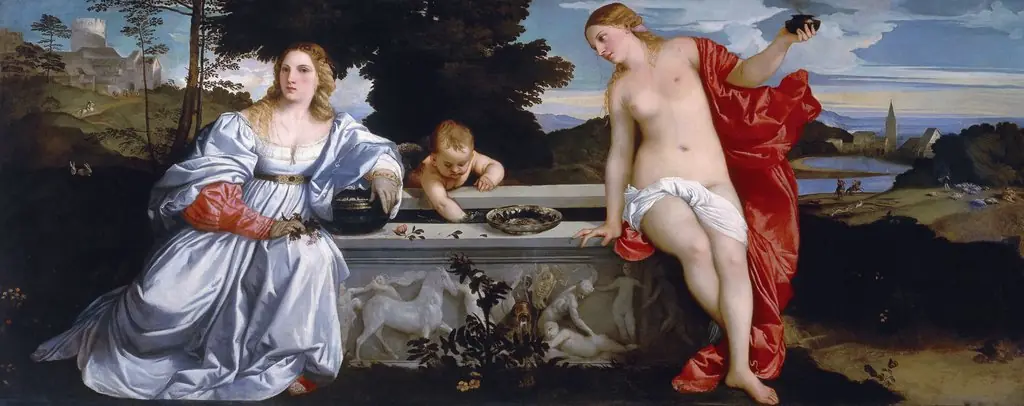 Sacred and Profane Love
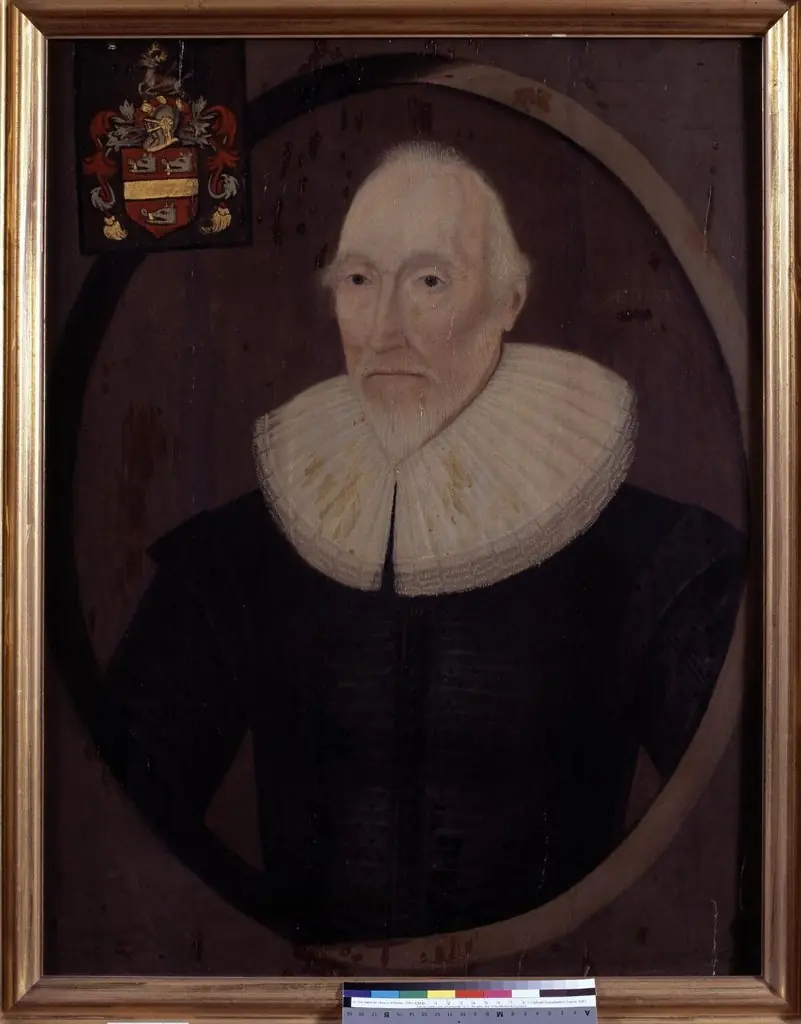 John Thelwall
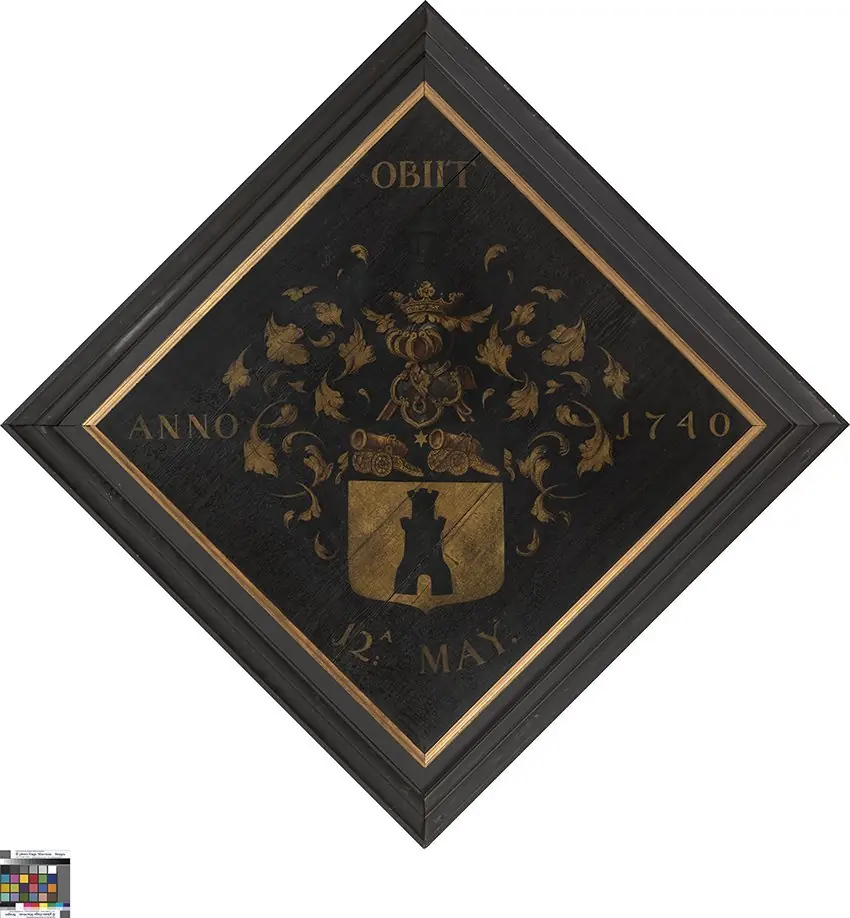 Memorietafel
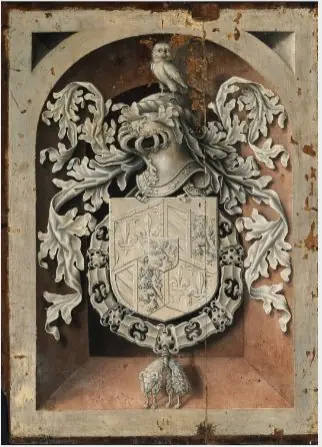 The Arms of Philippe de Bourgogne
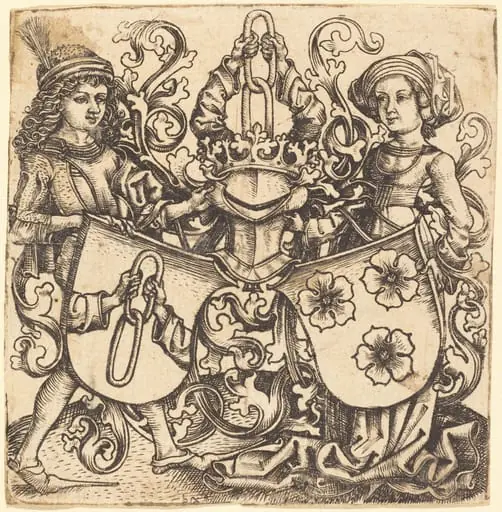 Arms of Rohrbach and Holzhausen
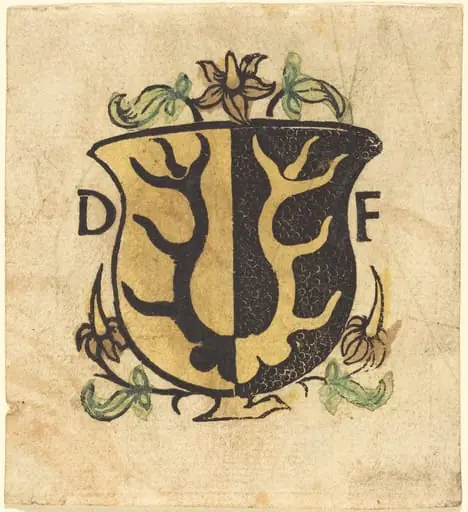 Bookplate of Dominicus Frauenfelder
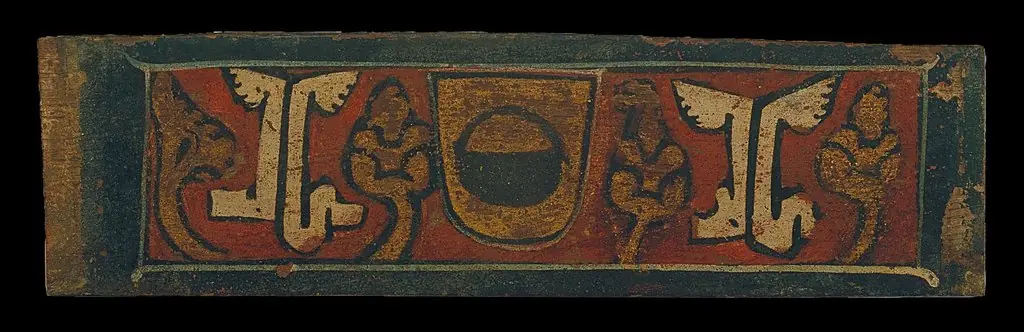 Small coffered ceiling panel with the coat of arms of the Caldes family
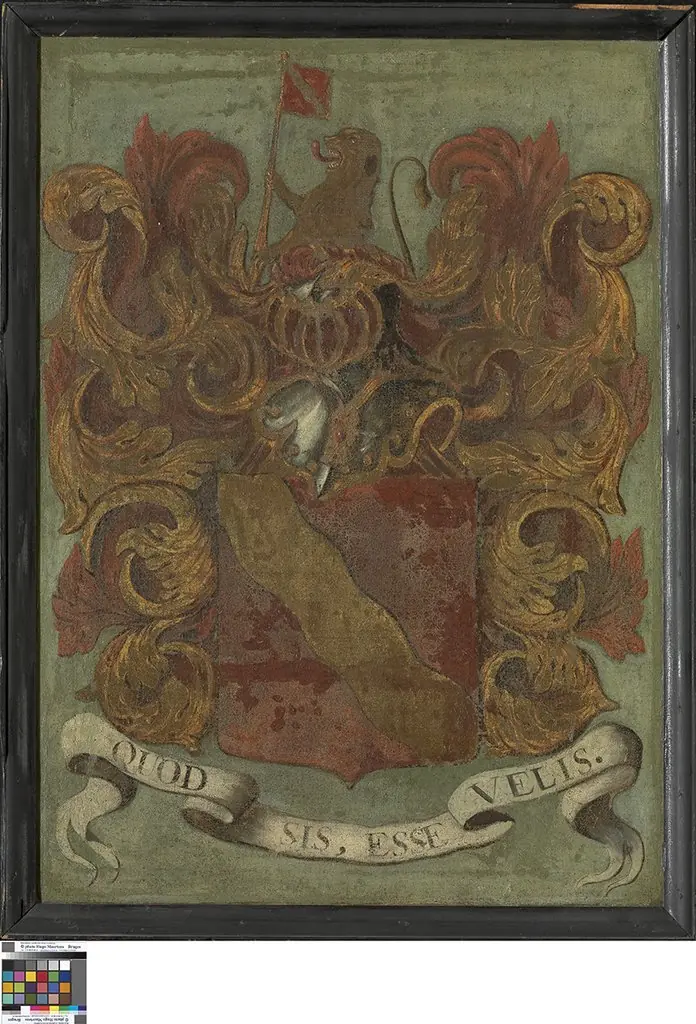 Wapenschild
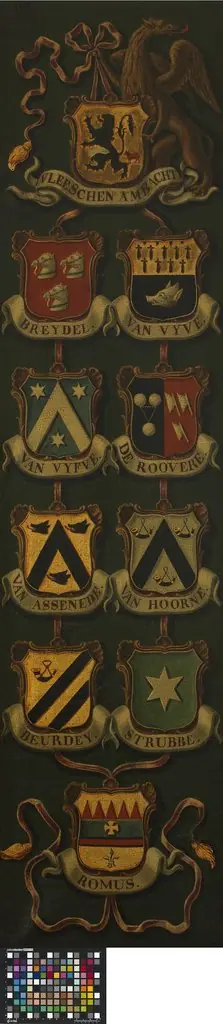 Wapenbord van het Brugse vleeshouwersambacht
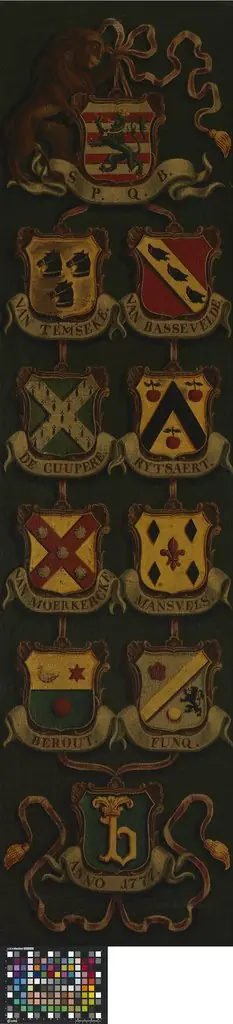 Wapenbord van het Brugse vleeshouwersambacht
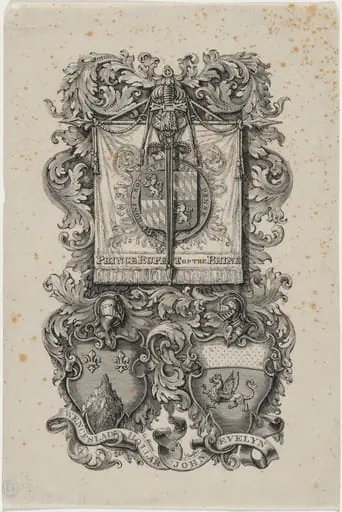 Coat of Arms of Prince Rupert, Hollar and Evelyn
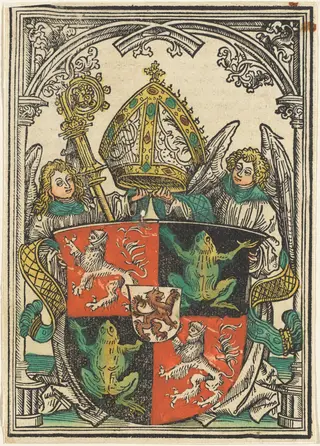 The Coat of Arms of Wigeleus von Fröschel, Bishop of Passau
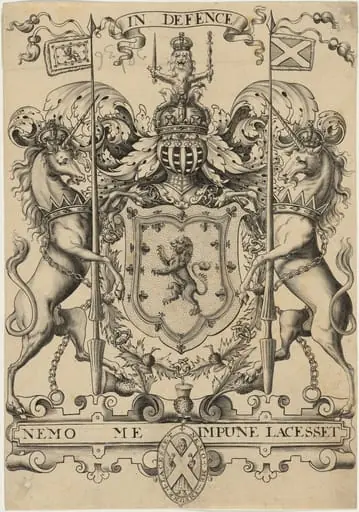 Later Copy of the Arms of Scotland
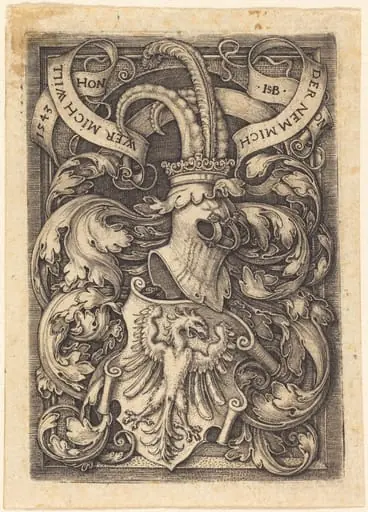 Coat of Arms with an Eagle
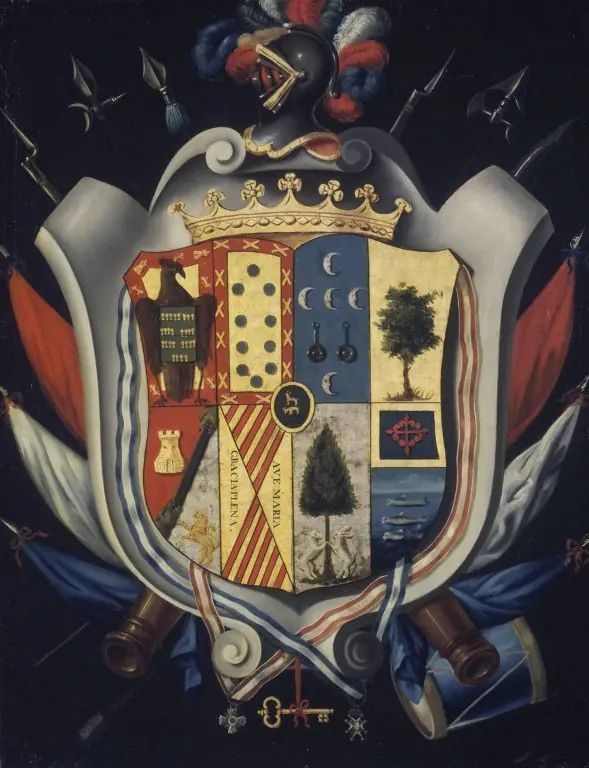 Coat-of-Arms of the Cervantes Family
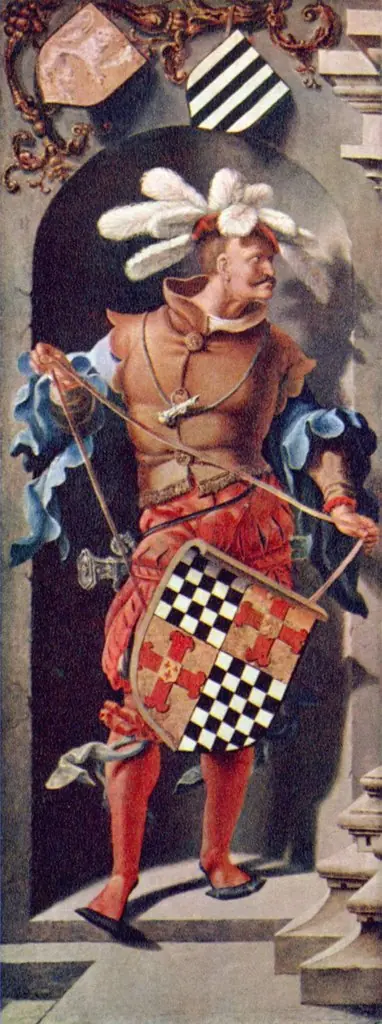 Healing of Blind Man of Jericho (left panel, Portrait of Jacob Florisz van Montfort)
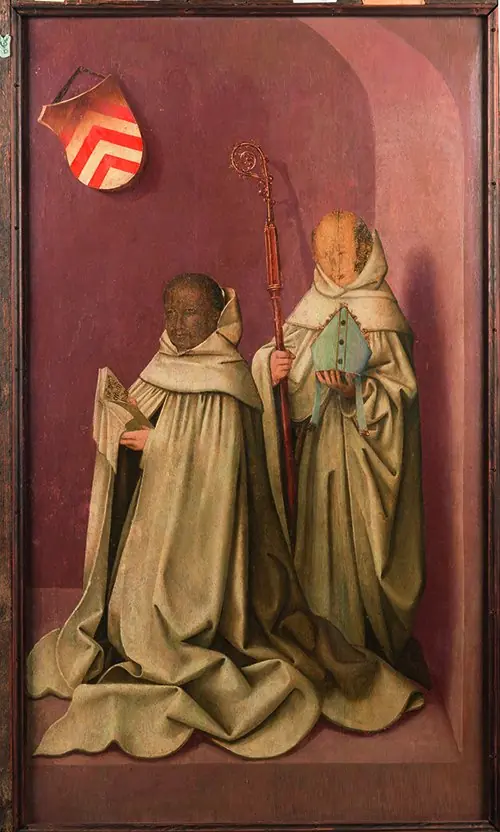 Two male saints
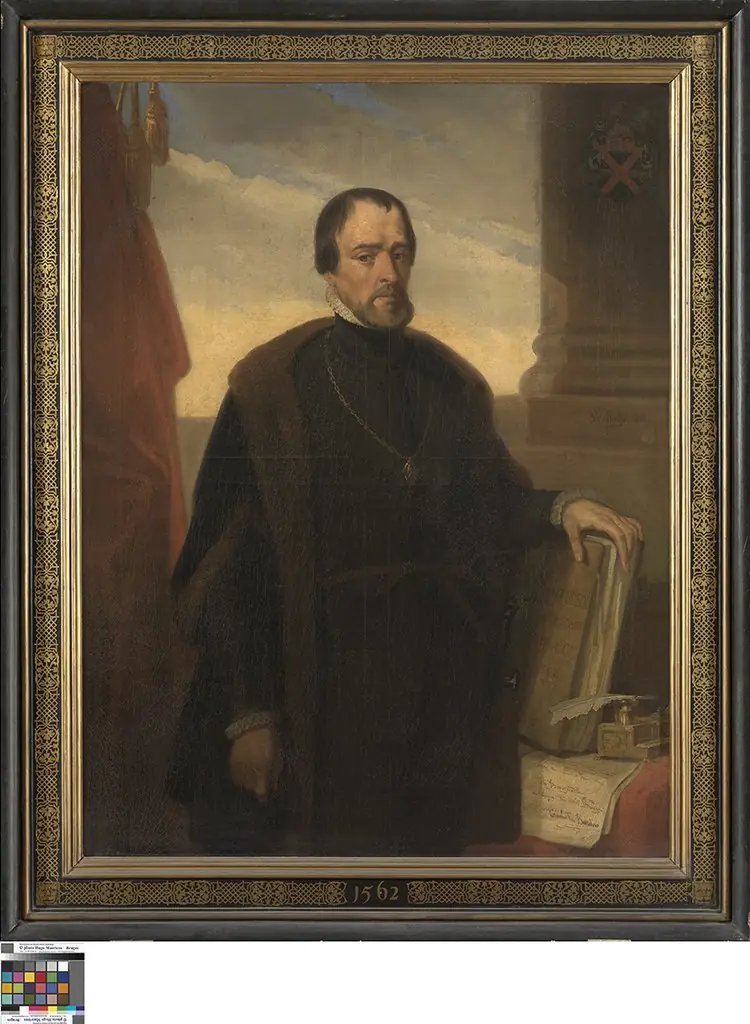 Portret van Cornelis Van Baesdorp, burgemeester van Brugge
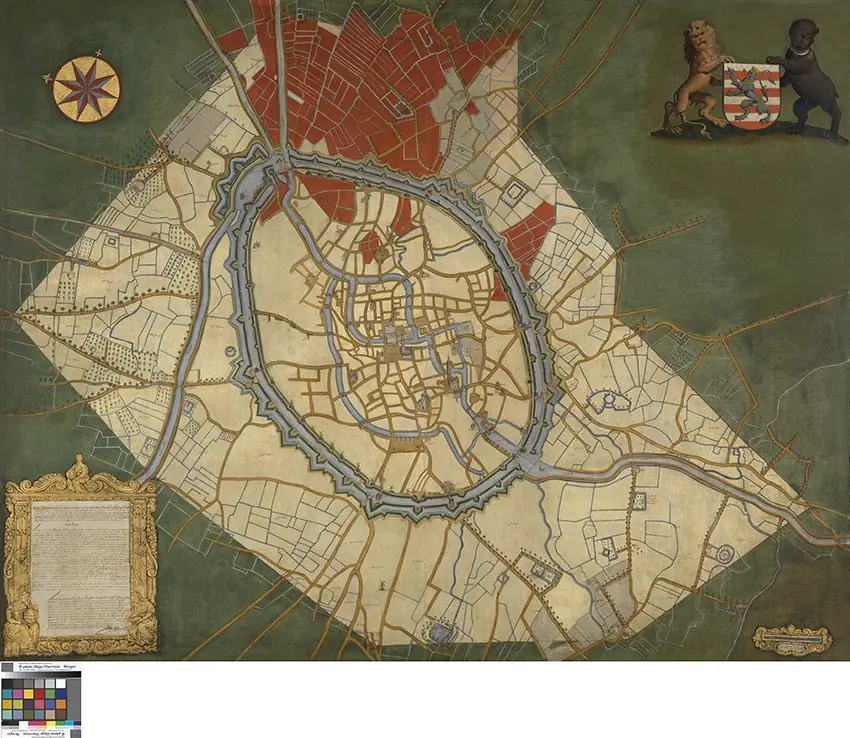 Kaart van Brugge en de feodale gronden
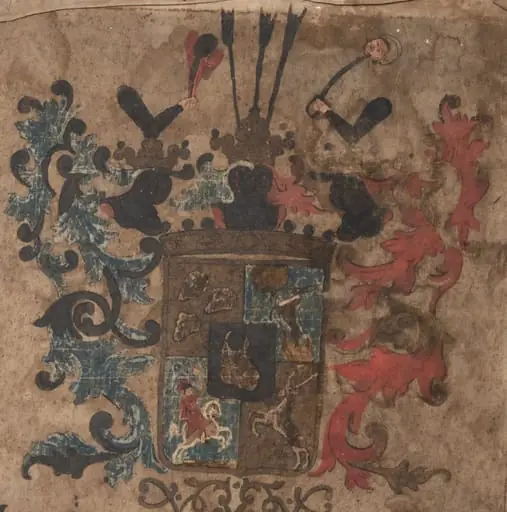 Blazonul funerar al contelul Miklós Wass din Țaga
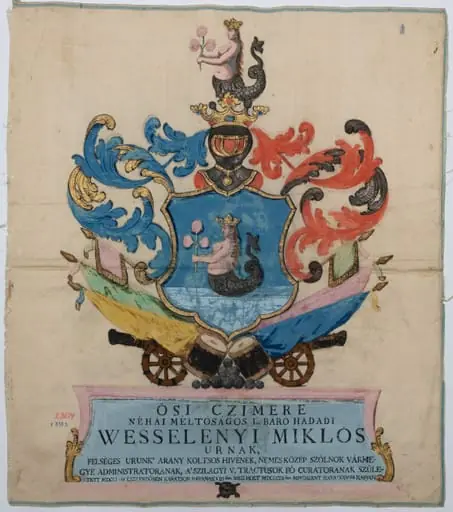 Blazonul funerar al baronului Miklós Wesselényi din Hodod
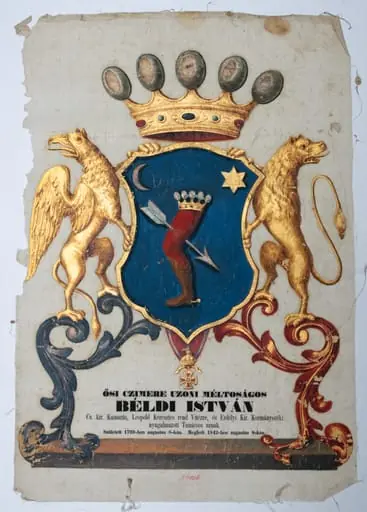 Blazonul funerar al unui membru din familia Béldi din Uzon
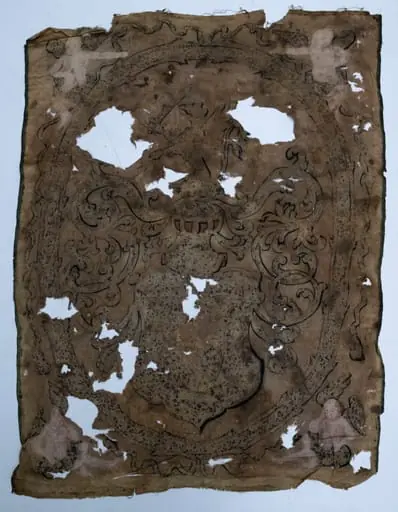 Blazonul funerar al unui membru din familia Bánffy
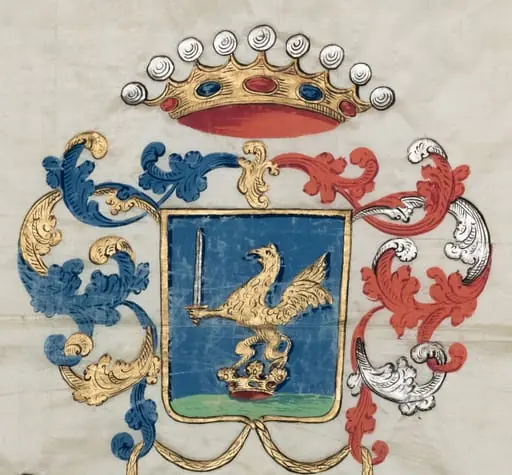 Blazonul funerar a baronesei Terézia Bánffy
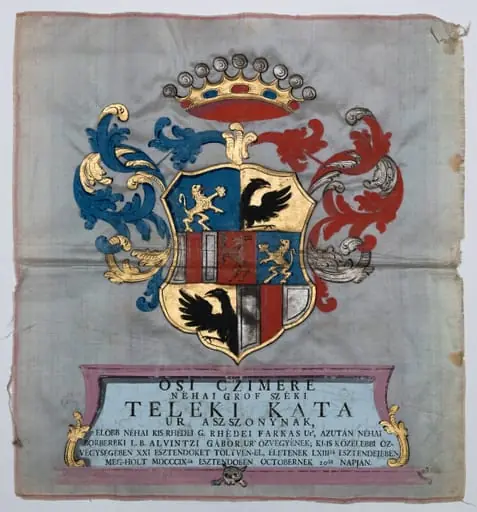 Blazonul funerar a contesei Kata Teleki
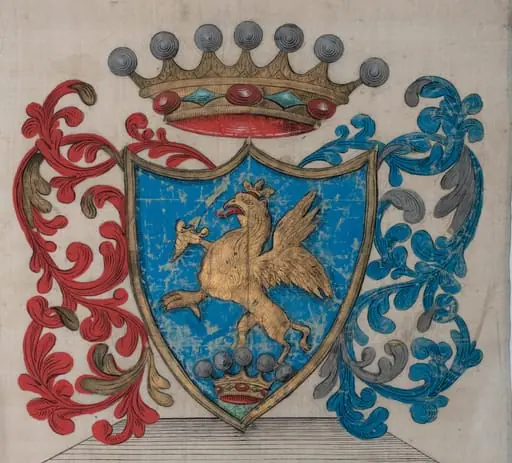 Blazonul funerar a văduvei baronului László Kemény din Mănăstireni, născută baronesa Ágnes Bánffy de Losontz
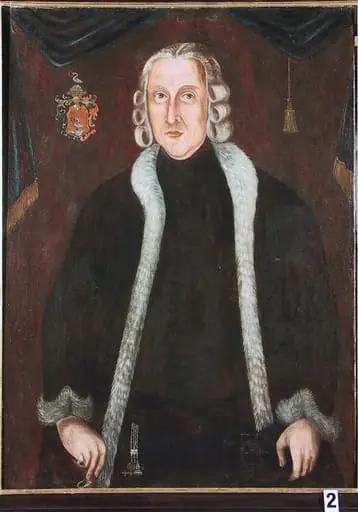 Judecătorul regal Petrus Stephanus Adolph von Klausenburger (în registrul inventar: Judecătorul regal Petrus Stephanus Adolph Klausenburger). Pandant: Susanna von Klausenburger născută Adami
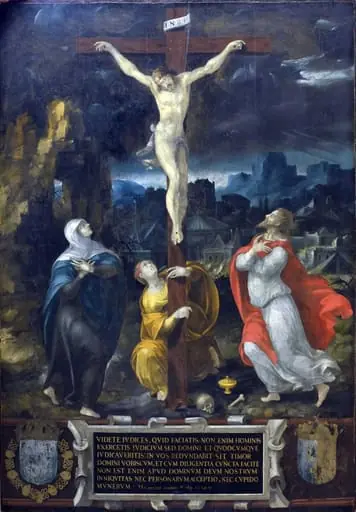 Răstignirea lui Hristos
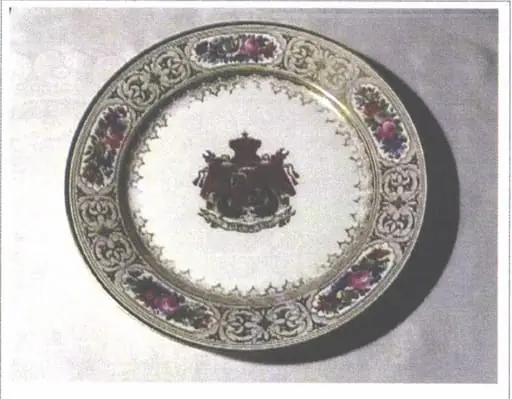 Farfurie întinsă
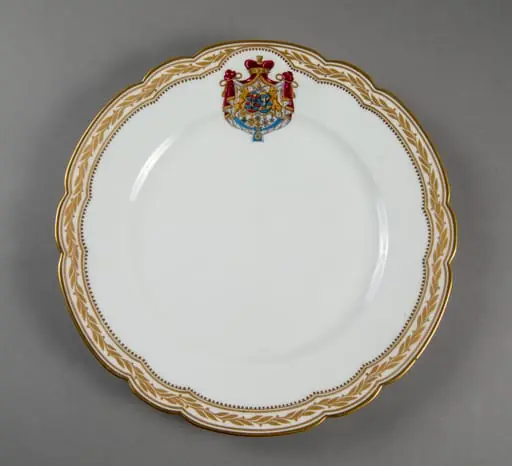 Farfurie de porțelan de Sevres, realizată din porțelan alb, cu margini treflate, decorate cu frunze de laur pictate, în centrul decorațiilor având blazonul familiei Suțu. Blazonul a fost adesea confundat cu cel al Principatelor Unite, fiind format din: stemele celor două țări românești: prima cea a Moldovei, cea de-a doua cea a Țării Românești, steme plasate pe două scuturi ovale, în fascie, acolate, puțin suprapuse, cea a Moldovei având capul de bour de argint cu stea în șase colțuri de aur, pe un scut cu segmente verticale egale roșii și albastre; cea a Țării Românești având acvila cruciată de argint, cu crucea de aur, scutul având segmente verticale galbene și albastre. Cele două scuturi au ca tenanți doi lei aurii, deasupra armele familiei Suțu – iataganul și sabia, ambele aurii, precum, pe un pavilion de purpură căptușit cu hermină, brodat cu ciucuri de aur și prins într-o coroană cu pietre scumpe. Pe scut, în partea inferioară se află și decorațiile familiei Suțu. Familia Suțu a fost o familie fanariotă grecească, venită în principate în cea de-a doua parte a secolului al XVIII-lea, având trei domni în ambele țări Românești (Alexandru Suțu, Mihai Suțu și Grigore Suțu). Blazonul familiei poate fi admirat inclusiv pe clădirea Palatului Suțu, astăzi Muzeul de Istorie a Municipiului București. Farfuria are marca atelierului Sevres și modelul din anul 1844, precum și seria.
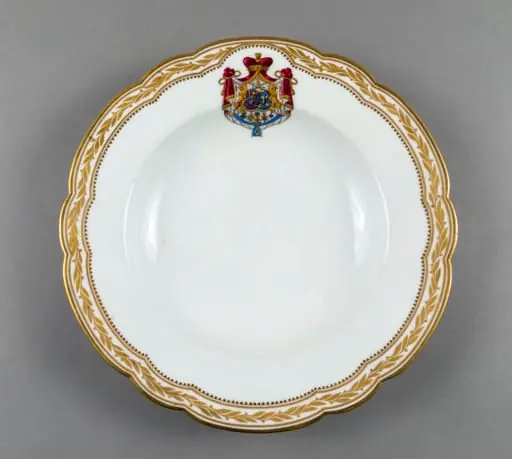 Farfurie adâncă de porțelan de Sevres, realizată din porțelan alb, cu margini treflate, decorate cu frunze de laur pictate, în centrul decorațiilor având blazonul familiei Suțu. Blazonul a fost adesea confundat cu cel al Principatelor Unite, fiind format din: stemele celor două țări românești: prima cea a Moldovei, cea de-a doua cea a Țării Românești, steme plasate pe două scuturi ovale, în fascie, acolate, puțin suprapuse, cea a Moldovei având capul de bour de argint cu stea în șase colțuri de aur, pe un scut cu segmente verticale egale roșii și albastre; cea a Țării Românești având acvila cruciată de argint, cu crucea de aur, scutul având segmente verticale galbene și albastre. Cele două scuturi au ca tenanți doi lei aurii, deasupra armele familiei Suțu – iataganul și sabia, ambele aurii, precum, pe un pavilion de purpură căptușit cu hermină, brodat cu ciucuri de aur și prins într-o coroană cu pietre scumpe. Pe scut, în partea inferioară se află și decorațiile familiei Suțu. Familia Suțu a fost o familie fanariotă grecească, venită în principate în cea de-a doua parte a secolului al XVIII-lea, având trei domni în ambele țări Românești (Alexandru Suțu, Mihai Suțu și Grigore Suțu). Blazonul familiei poate fi admirat inclusiv pe clădirea Palatului Suțu, astăzi Muzeul de Istorie a Municipiului București. Farfuria are marca atelierului Sevres și modelul din anul 1844, precum și seria.
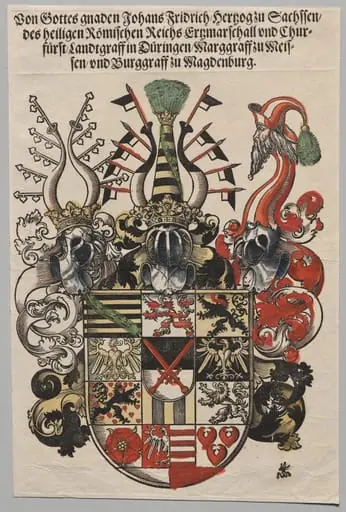 Coat of Arms of John Frederic, Elector of Saxony, called the Magnanimous
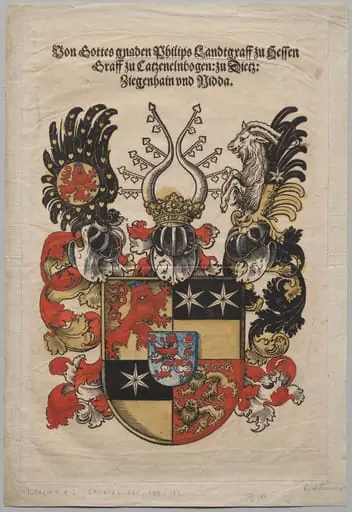 Coat of Arms of Philip, Landgrave of Hesse
Frequently asked questions
What is Coat of Arms?
Coat of Arms is a subject in art. A coat of arms is a heraldic visual design on an escutcheon (i.e., shield), surcoat, or tabard (the last two being outer garments), originating in Europe.
How many Coat of Arms works does Artifact World Gallery have?
Artifact World Gallery holds 135 public-domain Coat of Arms works, all free to view and download.
Who are the key Coat of Arms artists?
Key Coat of Arms artists in the collection include Titian, Peter Paul Rubens and Gerard David.
Where can I see Coat of Arms works?
Coat of Arms works in the collection are held by Museo del Prado, Groeningemuseum and Metropolitan Museum of Art.