Artwork
Portrait of Hortensia del Prado (died 1627)
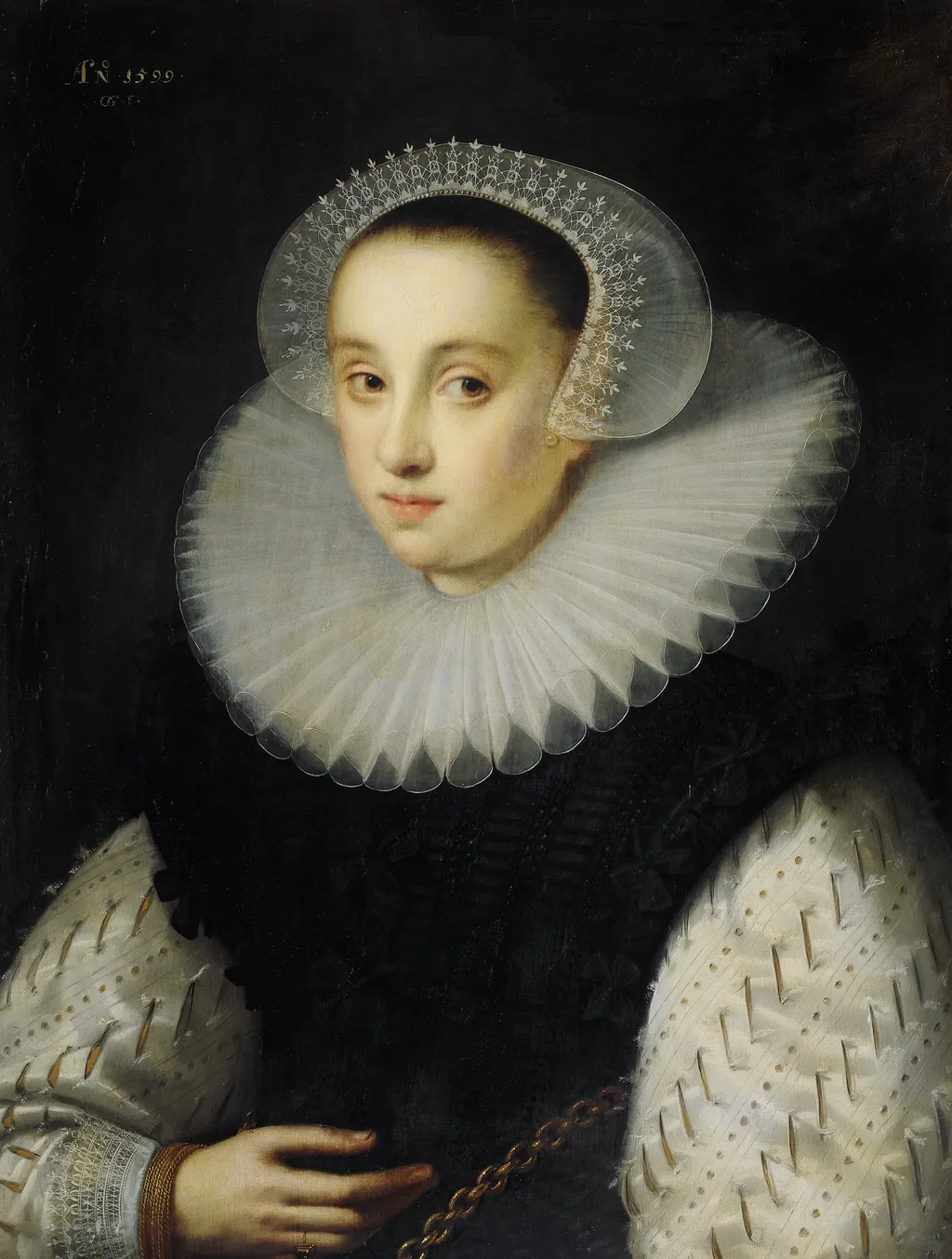
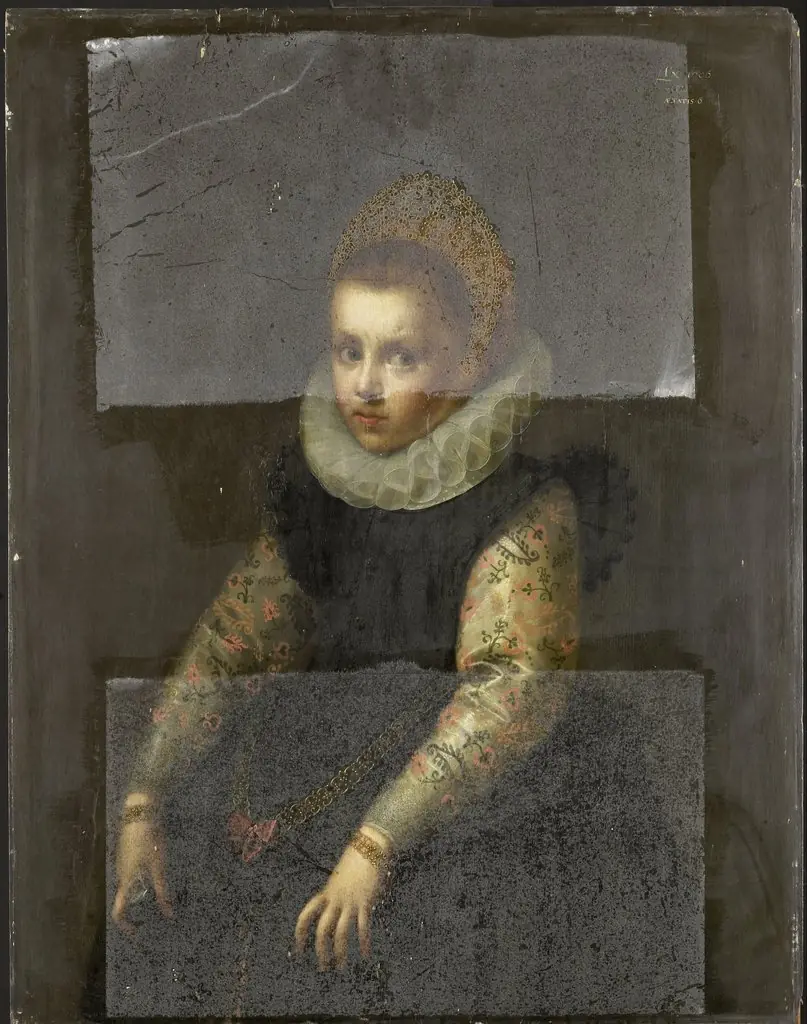
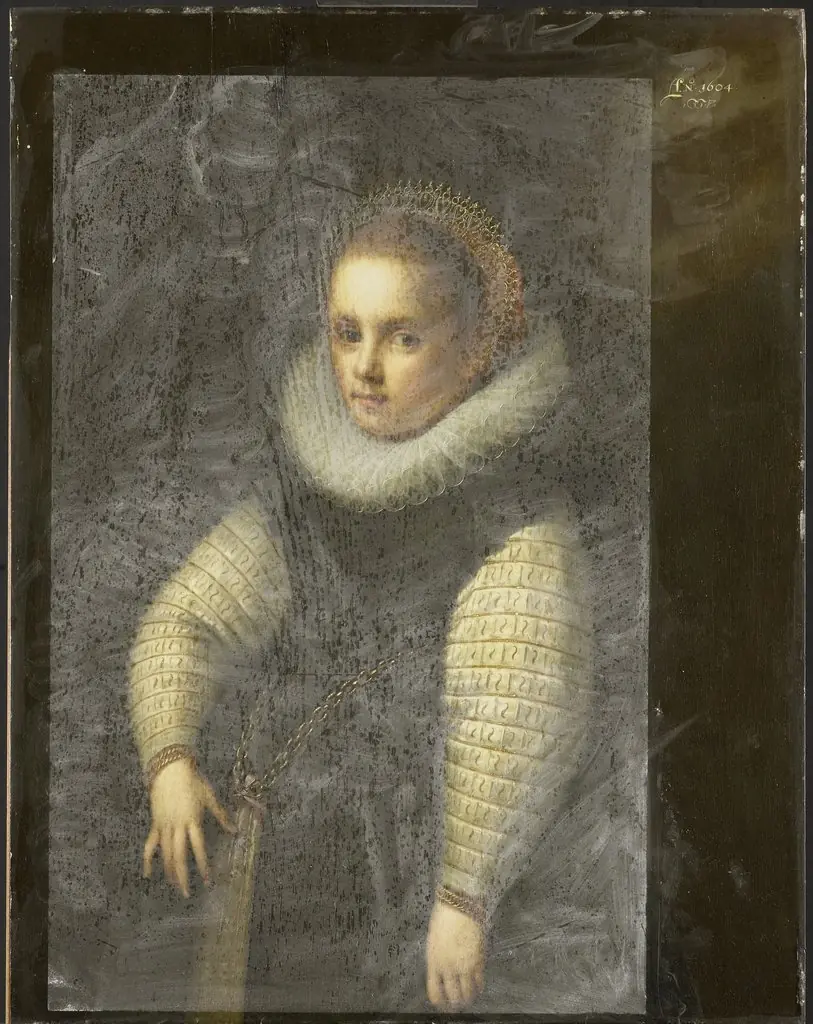
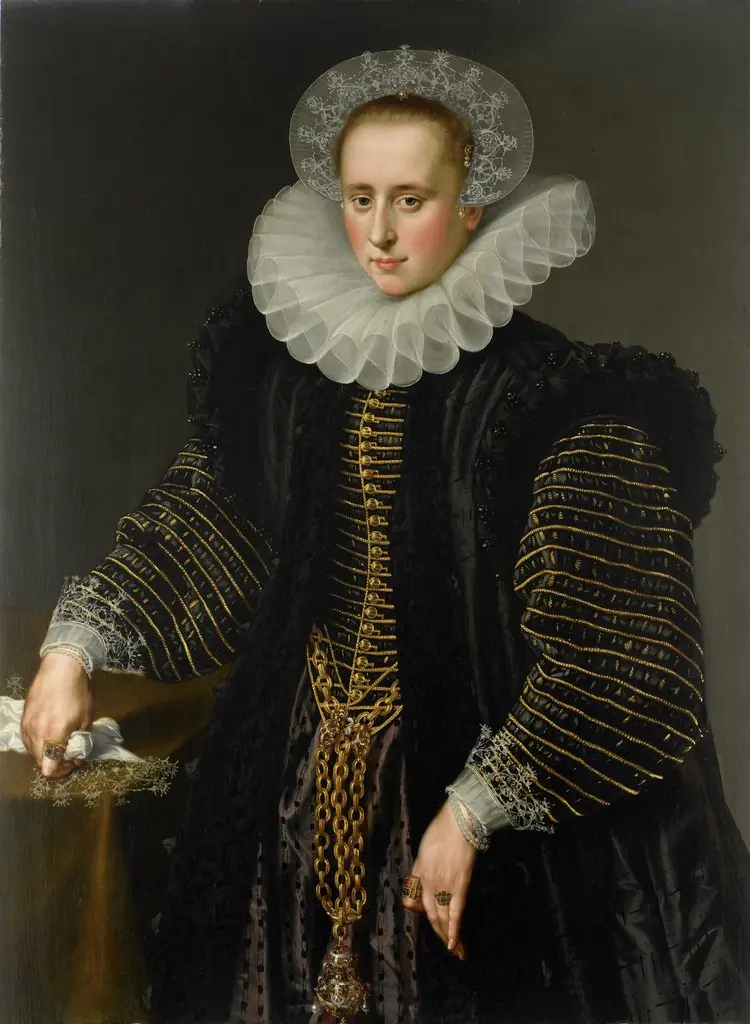
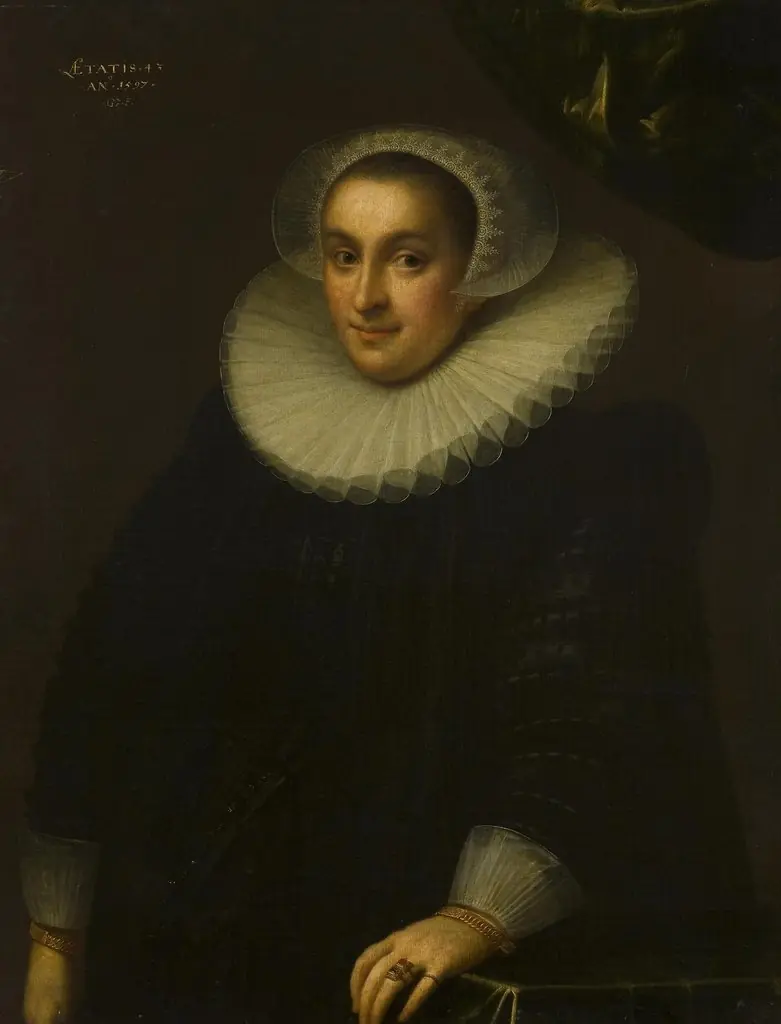
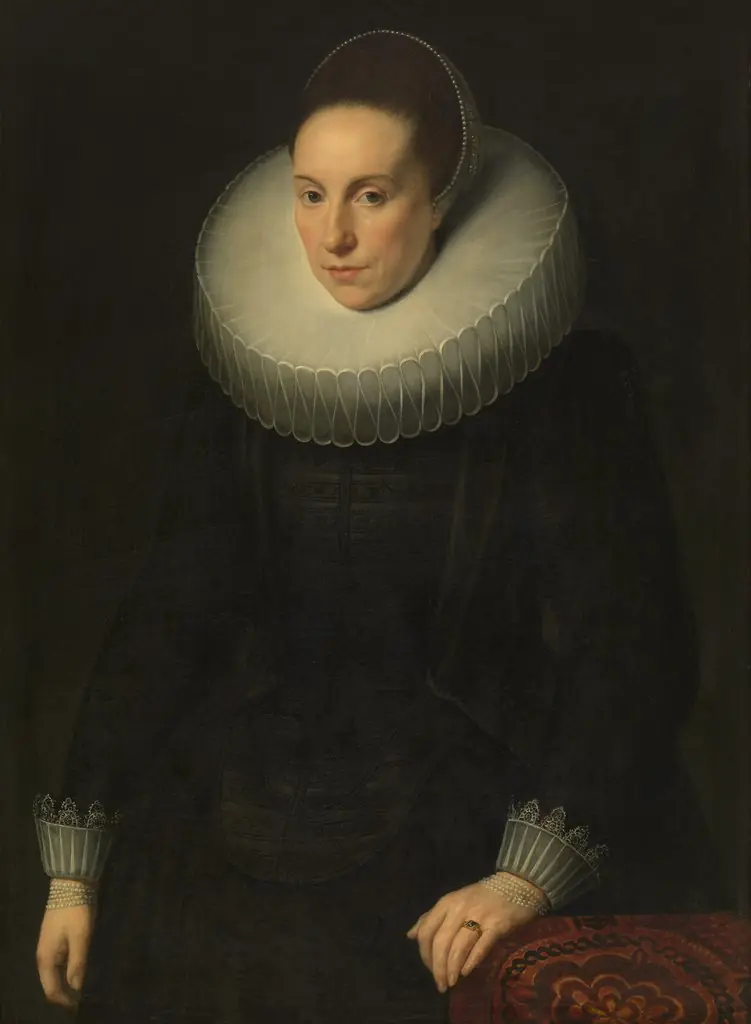
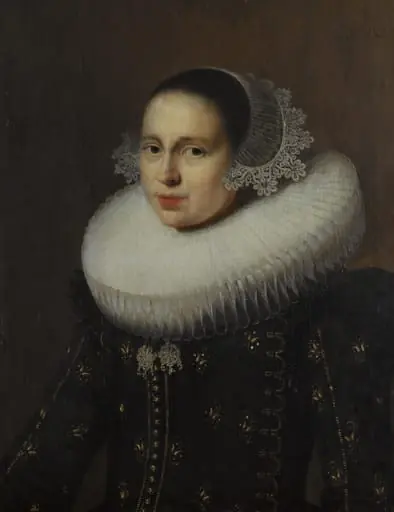
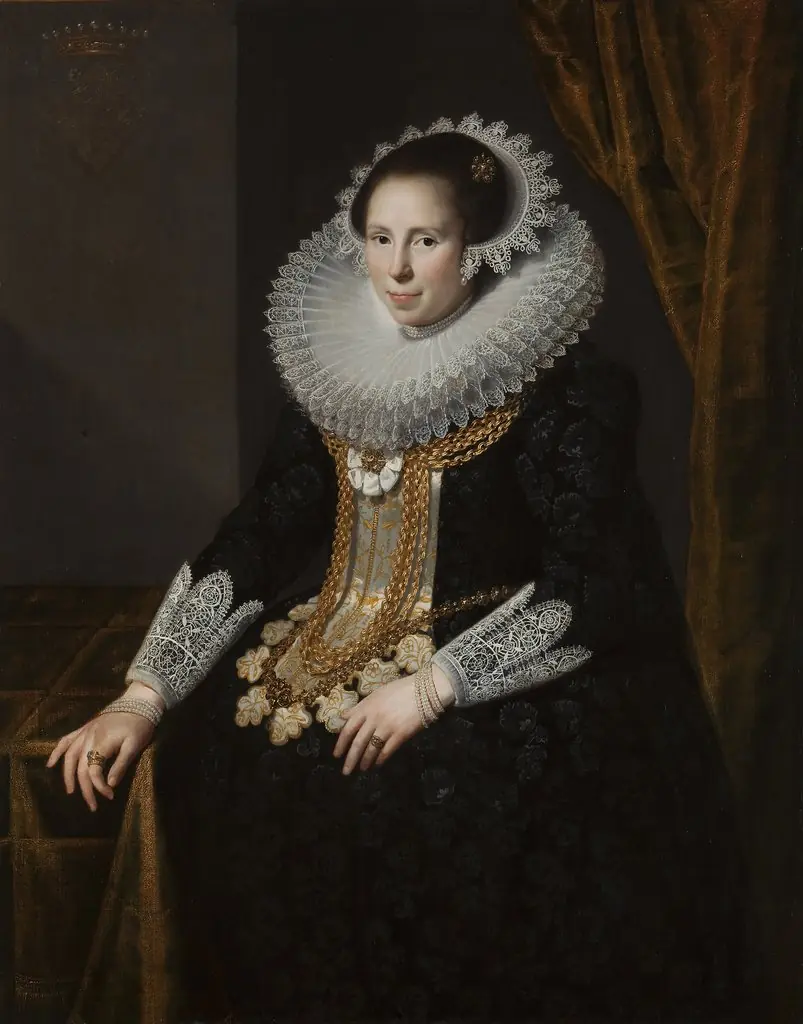
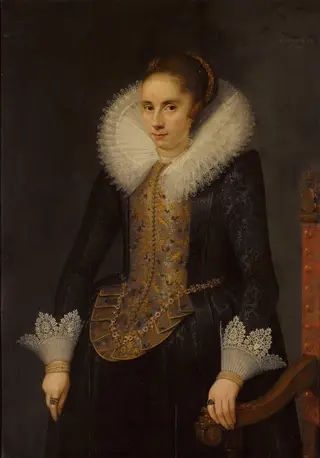
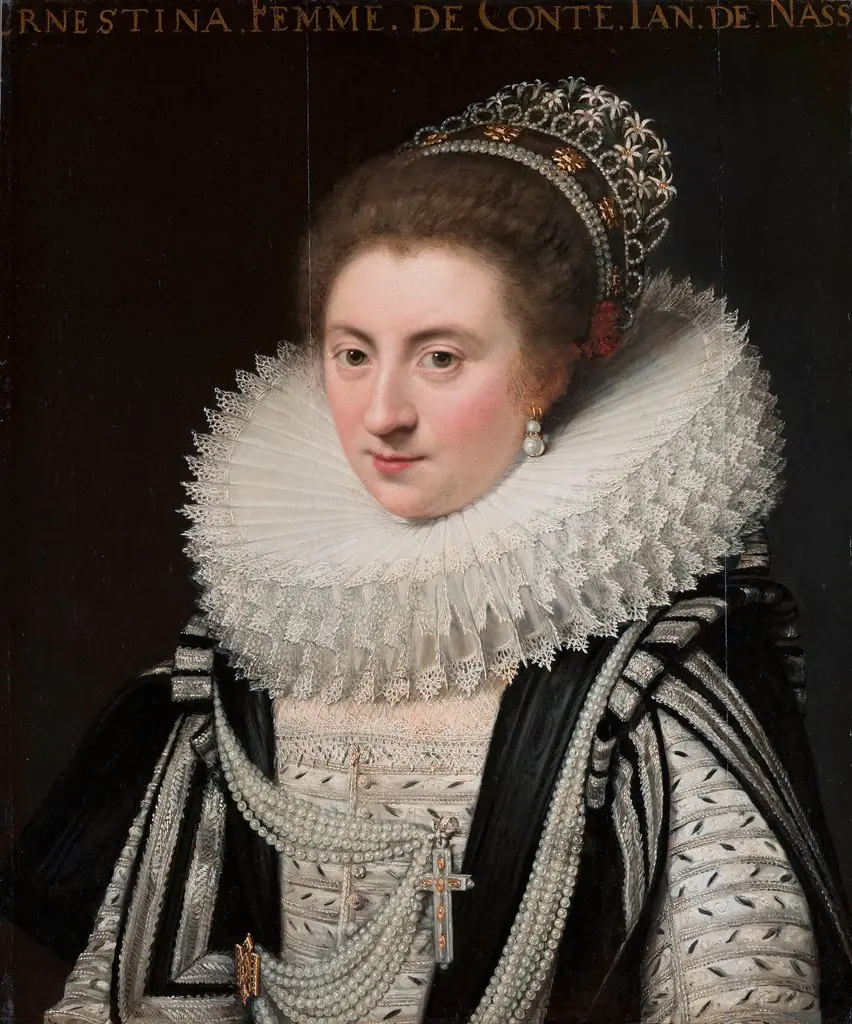
Portrait of Hortensia del Prado (died 1627) is an oil painting by the Flemish Baroque painting artist Geldorp Gortzius. It dates from 1600 and is held in the collection of the Rijksmuseum. Created in 1600, this oil portrait by Gortzius Geldorp presents Hortensia del Prado, a woman who died in 1627.
About this work
Technique & Style
The surface exhibits a smooth, blended application typical of the period’s emphasis on naturalistic rendering of facial features and textiles.
The portrait was executed in oil paint on a wooden panel, a common support for Dutch portraiture of the late 16th century. The surface exhibits a smooth, blended application typical of the period’s emphasis on naturalistic rendering of facial features and textiles. Light falls across the sitter’s face and collar, creating subtle chiaroscuro that highlights the delicate rendering of the lace collar and the soft modeling of the skin.
The composition is tightly framed, focusing on the bust and shoulders, which enhances the intimate, personal character of the work. The handling of the brushwork remains precise, with fine details in the jewelry and embroidery, reflecting the artist’s skill in capturing both status and individuality.
History & Provenance
The Portrait of Hortensia del Prado was painted by Geldorp Gortzius in 1599, executed in oil on panel. The work entered the collection of Jacob de Witte van Citters, a recorded historical owner, before passing into the holdings of the Rijksmuseum, where it is currently held.
No further details regarding the circumstances of its commission, an earlier ownership chain, or its specific acquisition history by the museum are documented in the available sources.
Overview
Created in 1600, this oil portrait by Gortzius Geldorp presents Hortensia del Prado, a woman who died in 1627. Executed in the Flemish Baroque idiom, the work now belongs to the Rijksmuseum’s holdings. The composition centers the sitter against a dark backdrop, emphasizing the contrast between her pale complexion and the luminous white ruff that frames her face.
Subject & Meaning
The portrait records Hortina del Prado, likely a member of a prosperous mercantile or noble family, as suggested by her elaborate attire and the gold‑dotted sleeves. Her direct gaze and poised hand on a chain convey a sense of personal dignity and social standing, typical of early‑seventeenth‑century portraiture that aimed to affirm identity and status.
Context
Gortzius Geldorp, a Flemish painter who spent much of his career in the German lands, contributed to the diffusion of Northern Renaissance aesthetics into early Baroque sensibilities. This portrait exemplifies the transitional style that combined meticulous Flemish detail with the emerging dramatic lighting that would later characterize Baroque portraiture.
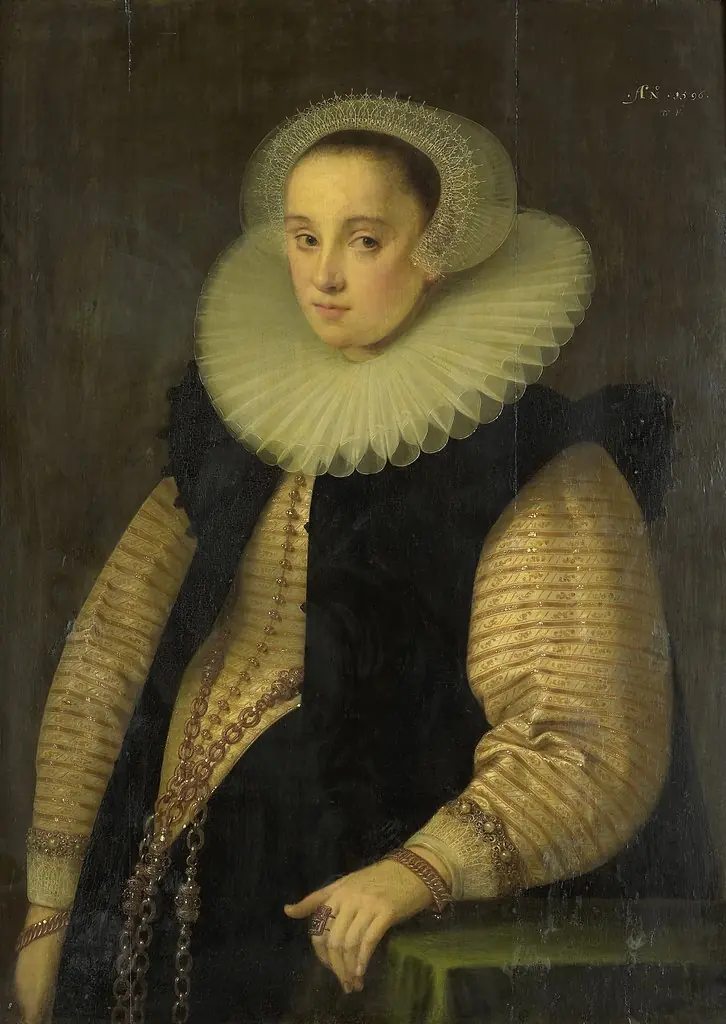
Own this work as a print
Artist & collection
Artist
Gortzius Geldorp (1553–1618) was a Flemish Renaissance artist who was active in Germany where he distinguished himself through his portrait paintings.