Artwork
Daniel Webster
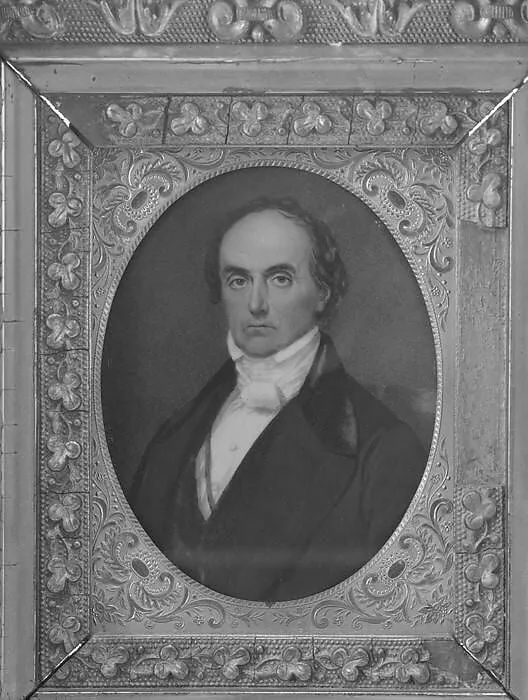
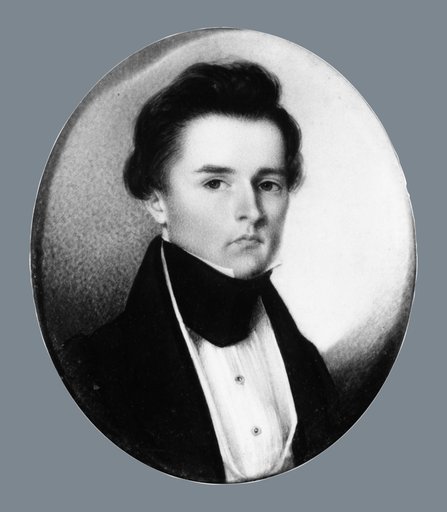
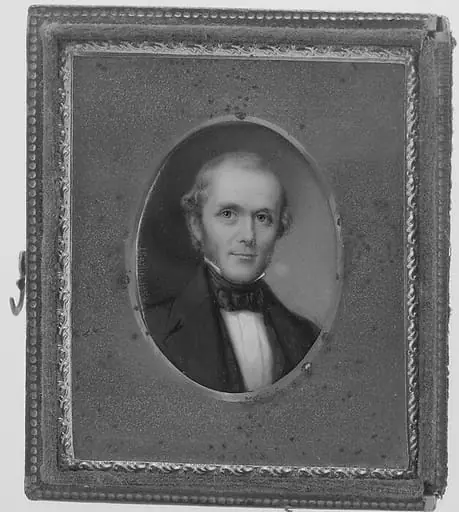
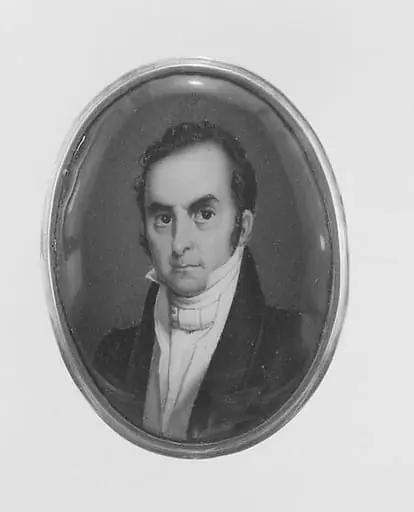
Daniel Webster is a watercolor painting by the American Folk Art artist George Harrison Hite. It dates from 1844 and is held in the collection of the Metropolitan Museum of Art.
About this work
Subject & Meaning
As a formal likeness, it conveys Webster’s role as a leading orator and politician of the era, embodying the civic authority associated with his public service.
The work portrays the American statesman Daniel Webster as a dignified man, rendered in a mid‑19th‑century portrait style. Painted by George Harrison Hite in 1844 using watercolor on ivory, the image was created for the Metropolitan Museum of Art’s American Wing collection. As a formal likeness, it conveys Webster’s role as a leading orator and politician of the era, embodying the civic authority associated with his public service. The composition follows conventional portrait conventions of the time, emphasizing the sitter’s status rather than symbolic attributes.
Technique & Style
This 1844 portrait of Daniel Webster by George Harrison Hite is executed in watercolor on ivory, a miniature format that demands precise handling and a controlled application of pigment. The support of ivory provides a smooth, luminous ground typical of small-scale portrait miniatures of the period, allowing for delicate layering and fine detail within the compact 11.5 by 9 centimeter composition. The watercolor medium is suited to the intimate scale, enabling subtle tonal gradations in the modeling of the sitter's features while maintaining the crispness required for likeness.
As a portrait genre work, the handling reflects the conventions of mid-nineteenth-century American miniature practice, in which translucent washes were built up over the ivory to achieve depth and warmth. The small dimensions and refined technique situate the work within the tradition of keepsake portraiture associated with prominent statesmen of the era.
History & Provenance
The portrait of Daniel Webster by George Harrison Hite is dated 1844 and rendered in watercolor on ivory. The work entered the collection of the Metropolitan Museum of Art, New York, where it remains held. The painting depicts Daniel Webster as its main subject and aligns with Hite’s known portrait practice during the mid-nineteenth century.
George Harrison Hite's 1844 watercolor portrait of Daniel Webster is held in the collection of the Metropolitan Museum of Art, specifically within its American Wing. The work, executed on ivory, measures 11.5 inches in height and 9 inches in width. While the provided sources confirm the museum's possession and the classification of the piece as a portrait created in 1844, they do not supply a specific accession or inventory number for the artwork. Furthermore, the available documentation contains no record of past or current exhibition history for this particular portrait.
Overview
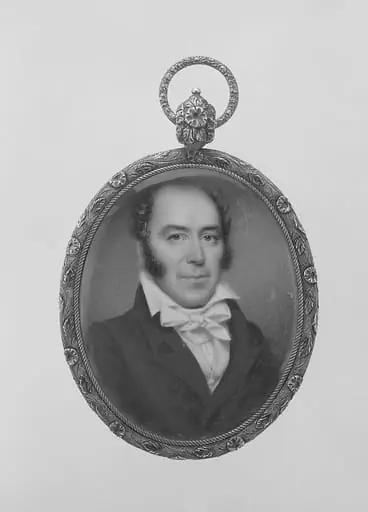
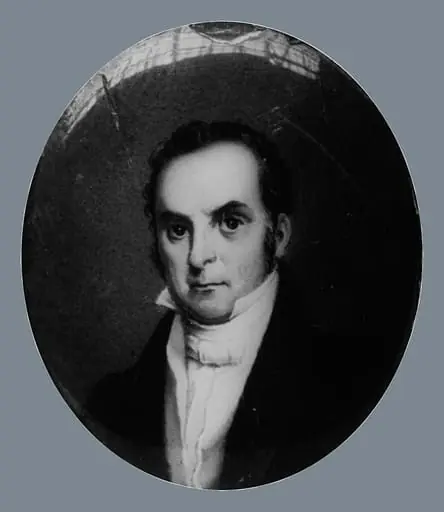
George Harrison Hite's 1844 watercolor portrait, Daniel Webster, presents a likeness of its namesake. Rendered on ivory, the miniature depicts a man in a dark suit, his features softly illuminated against a light background. His hair is carefully styled, and his expression conveys a sense of quiet gravity, characteristic of formal portraiture from the period.
Context
Before the widespread adoption of photography, miniature portraits served as a primary means for individuals to carry images of loved ones. These tiny, portable artworks were often encased in lockets or small frames, allowing for personal connection and remembrance. Hite's depiction of Daniel Webster exemplifies this tradition, offering an intimate portrayal intended for close viewing.
Artist & collection