Artwork
David Howe
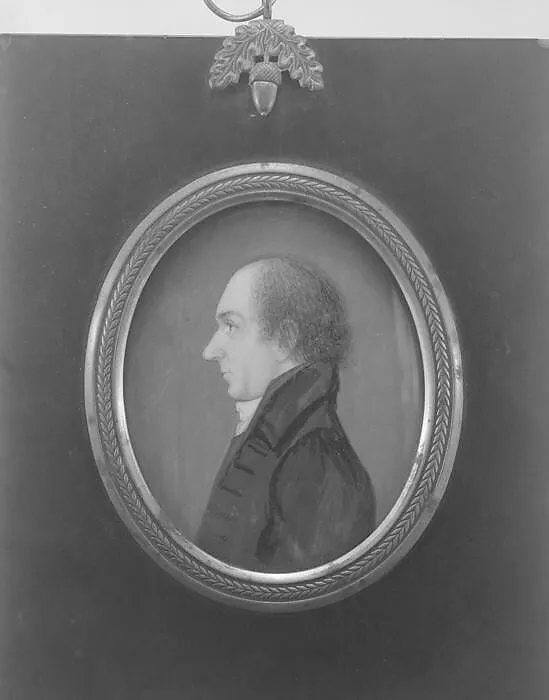
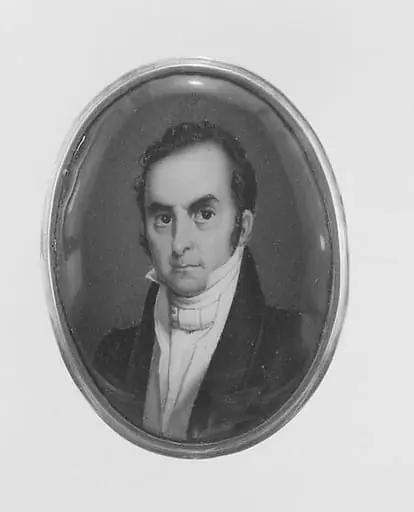
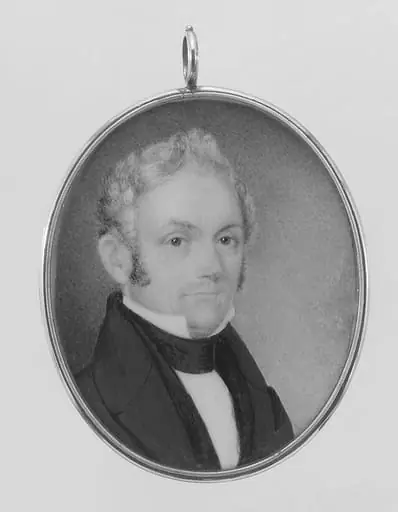
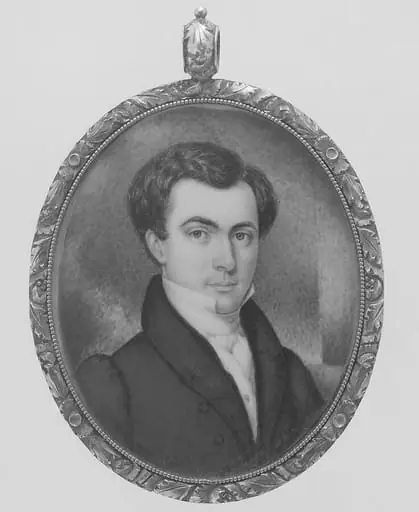
David Howe is a watercolor painting by the Romanticist artist Samuel Wallin. It dates from 1839 and is held in the collection of the Metropolitan Museum of Art.
- Accession no.
- 2006.235.268
- Credit line
- Fletcher Fund, 2006
About this work
Technique & Style
It was created by Samuel Wallin, an American artist active in the 1830s, and is classified within The American Wing of the Metropolitan Museum of Art.
The work is a watercolor executed on ivory support, typical of early 19th‑century portrait miniatures.
It was created by Samuel Wallin, an American artist active in the 1830s, and is classified within The American Wing of the Metropolitan Museum of Art.
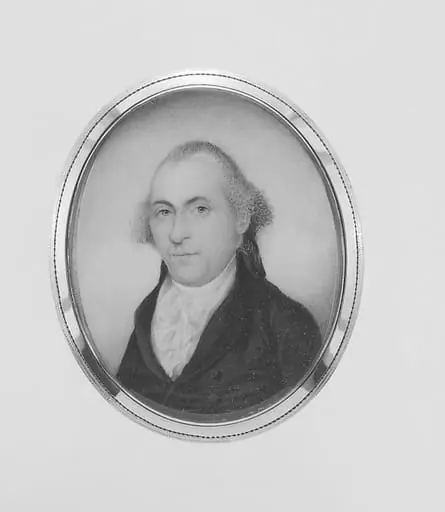
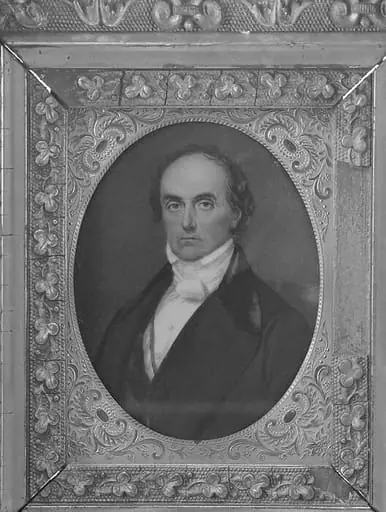
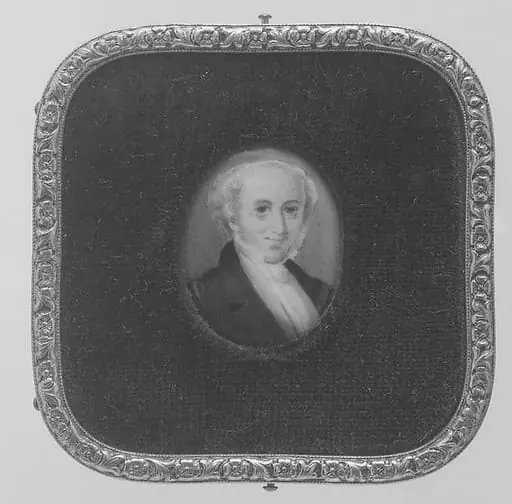
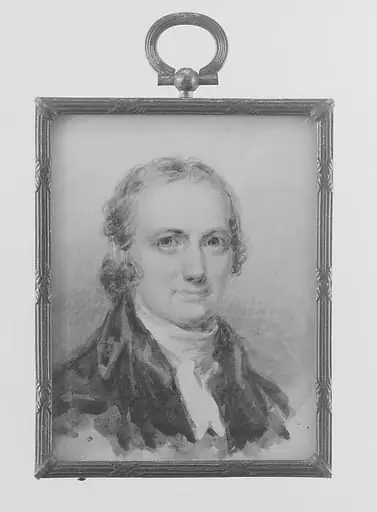
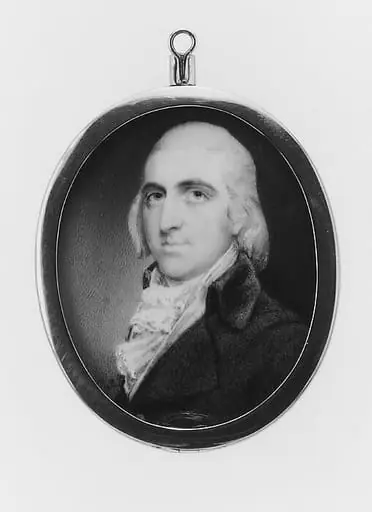
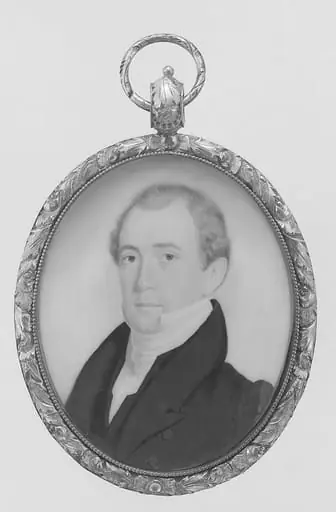
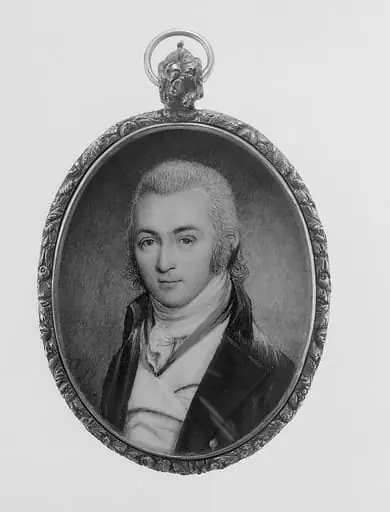
The composition shows a profile view of a man, rendered with delicate brushwork and subtle tonal modulation characteristic of watercolor on ivory.
The dimensions are approximately 7.2 cm in height by 5.8 cm in width.
No condition details are provided in the sources.
History & Provenance
The miniature portrait David Howe is attributed to Samuel Wallin and dated 1839. It is held by the Metropolitan Museum of Art, where the work is cataloged as part of its holdings in The American Wing. The painting measures 7.2 cm in height and 5.8 cm in width and depicts a man in profile.
The museum’s records place the work’s creation in 1839, aligning with the date provided in the institution’s documentation.
The watercolor portrait of David Howe, created in 1839 and attributed to Samuel Wallin, is held in the collection of the Metropolitan Museum of Art. The work is classified within the museum's American Wing and is executed in watercolor on ivory. It measures 7.2 cm in height and 5.8 cm in width.
The provided sources do not contain specific inventory numbers, accession details, or a record of past exhibitions for this piece.
Context
The work titled "David Howe" is a watercolor on ivory portrait painted in 1839 by Samuel Wallin, currently housed in the Metropolitan Museum of Art’s American Wing. It measures 7.2 cm by 5.8 cm and depicts a man in profile. The painting is classified as a portrait and is part of the museum’s collection of early American works.
Scholarship treats the piece as an example of early American portraiture in watercolor, attributing it to Wallin and situating it within the development of portraiture in the United States. Its inclusion in the American Wing reflects its significance to the narrative of American artistic heritage.
Overview
This miniature watercolor portrait, titled David Howe, was created by Samuel Wallin in 1839. Rendered on ivory, it presents a man in profile, his features subtly defined against a neutral background. The work exemplifies the delicate artistry employed for personal keepsakes during the early 19th century.
Subject & Meaning
Samuel Wallin's portrait captures David Howe in a dignified profile view. The sitter's dark hair and crisp white collar stand out against a soft gray ground, drawing attention to his facial contours. Such intimate depictions served as cherished personal mementos, offering a lasting visual record of individuals before the widespread advent of photographic imagery.
Artist & collection

Artist
Samuel Wallin was a Swedish artist who worked as a draftsman and engraver. His activity lay in printmaking and graphic art, encompassing both the drawing of designs and their reproduction as engravings.