Artwork
Alexander Van Rensselaer
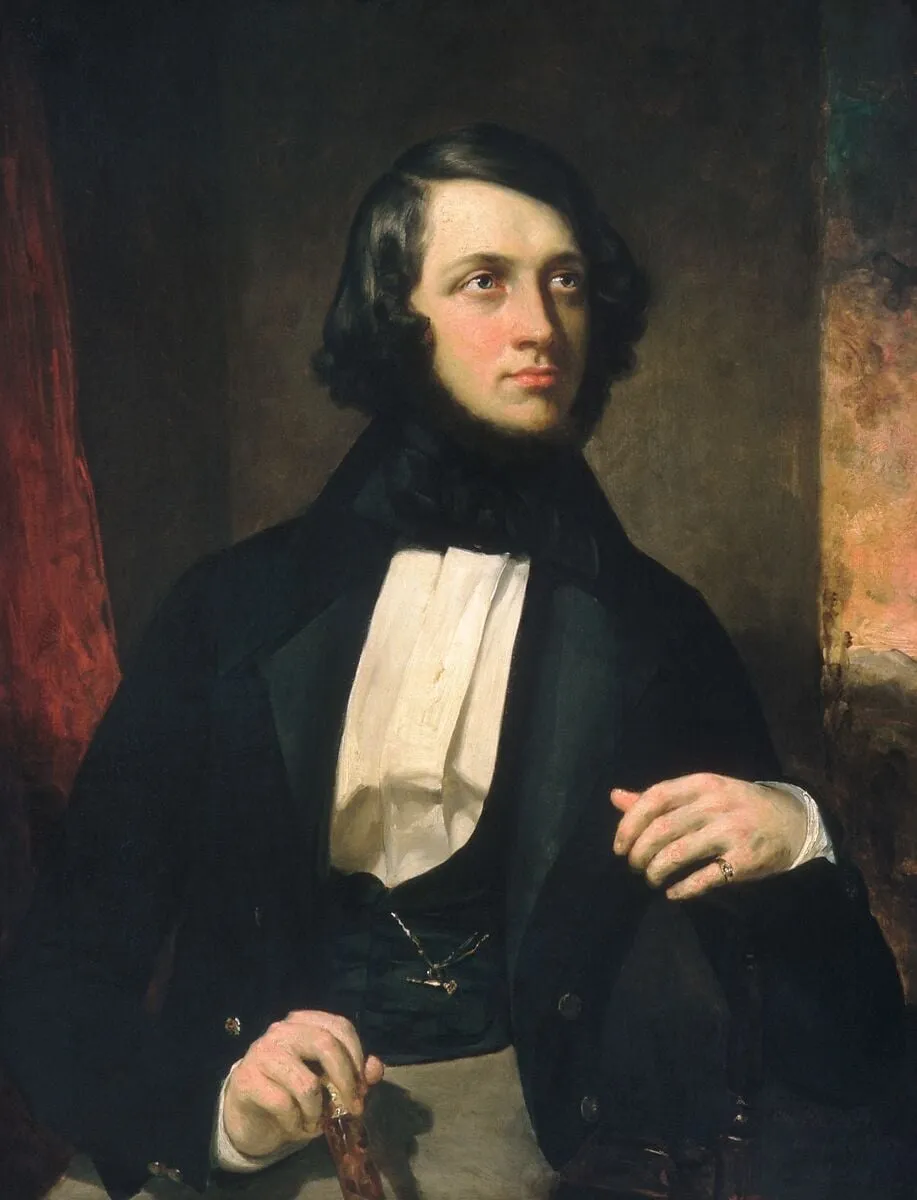
Alexander Van Rensselaer is an oil painting by the American Impressionist artist George Peter Alexander Healy. It dates from 1837 and is held in the collection of the Metropolitan Museum of Art. George P.
- Accession no.
- 61.70
- Credit line
- Bequest of Mabel Van Rensselaer Johnson, 1959
About this work
A young man in a dark coat leans against a stone ledge, his face smooth and his eyes meeting yours as if he is about to speak. Healy painted it in 1837, catching the light on the cheek and collar so the sitter feels alive rather than stiff. Van Rensselaer came from a wealthy New York family, but the picture stays quiet.
Subject & Meaning
The composition focuses exclusively on presenting the subject's identity through a realistic depiction typical of nineteenth-century American portraiture.
Executed in 1837 by George P. A. Healy, this oil on canvas functions as a formal portrait depicting Alexander Van Rensselaer. The work's primary subject is the man himself, categorized within the genre of portraiture intended to record his likeness. The available documentation identifies the figure simply as a man and specifically as Van Rensselaer, without detailing additional allegorical figures, specific props, or complex symbolic attributes that might expand the iconography beyond a direct representation of the sitter.
Consequently, the painting's meaning rests in its role as a biographical record of the individual rather than a narrative scene containing layered metaphorical content. The composition focuses exclusively on presenting the subject's identity through a realistic depiction typical of nineteenth-century American portraiture.
History & Provenance
The portrait of Alexander Van Rensselaer by George P. A. Healy belongs to the collection of the Metropolitan Museum of Art, where it is classified within The American Wing. Painted in oil on canvas in 1837, the work measures 91.7 by 71.5 centimeters and depicts its namesake sitter as a man in the tradition of formal portraiture. The painting is held in the Metropolitan Museum's holdings, as documented in its institutional and Wikidata records. No specific accession number or prior exhibition history is recorded in the available sources.
Overview
George P. A. Healy's 1837 oil on canvas depicts Alexander Van Rensselaer, a young man from a prominent New York family. The portrait captures him in a moment of quiet contemplation, leaning against a stone ledge. Healy rendered the subject with a direct gaze and a sense of immediacy, reflecting a contemporary approach to portraiture that sought to imbue sitters with a lifelike presence rather than formal stiffness.
Technique & Style
Healy employed a refined technique to achieve a sense of vitality in the sitter's depiction. The strategic use of light, particularly across Van Rensselaer's cheek and collar, sculpts his features and imbues the figure with depth and volume. This skillful manipulation of light and shadow contributes to the portrait's realism, distinguishing it from the more rigid conventions often seen in earlier American portraiture and making the subject appear poised for interaction.
Context
Painted during a period of evolving artistic practice in the United States, this work exemplifies the efforts of American artists to move beyond purely conventional portraiture. In the 1830s, painters like Healy sought to capture the dynamic essence of their subjects, aiming for portraits that conveyed personality and animation. This shift contributed to a more naturalistic and psychologically engaging style that would define much of 19th-century American art.
Artist & collection

Artist
George Peter Alexander Healy (July 15, 1813 – June 24, 1894) was an American portrait painter.


- William Graham Vivian (1827-1912)
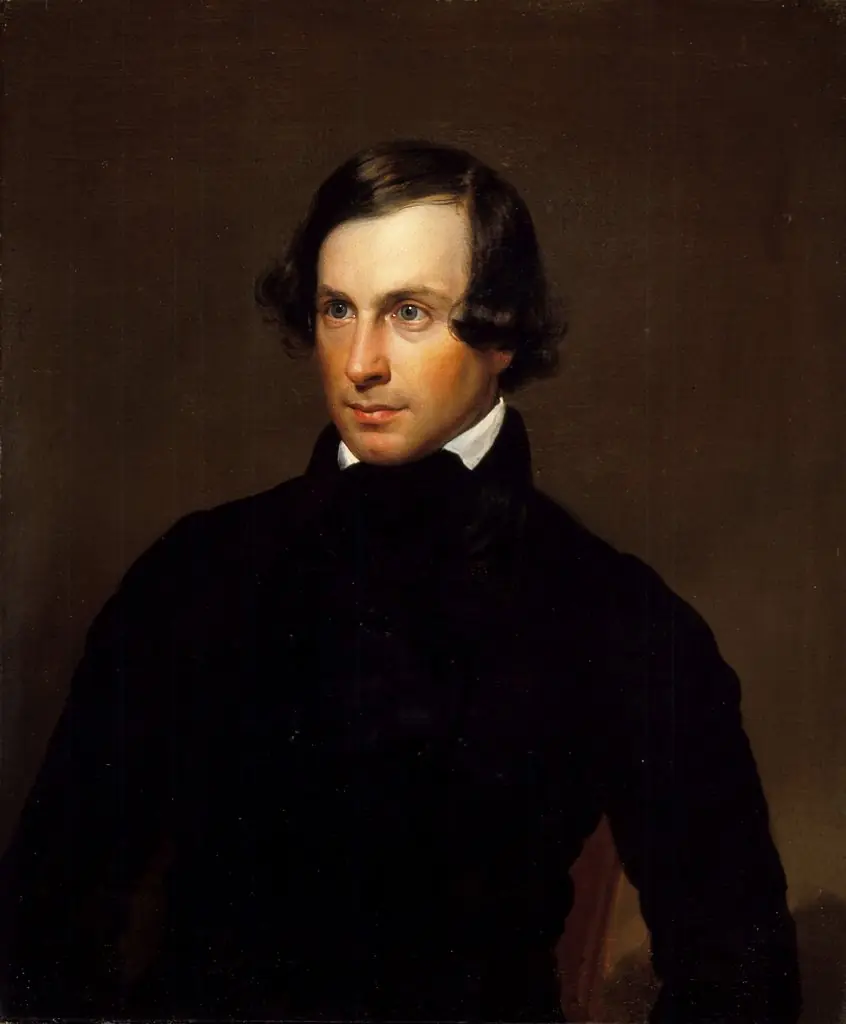 Portrait of Mr. Blodgett
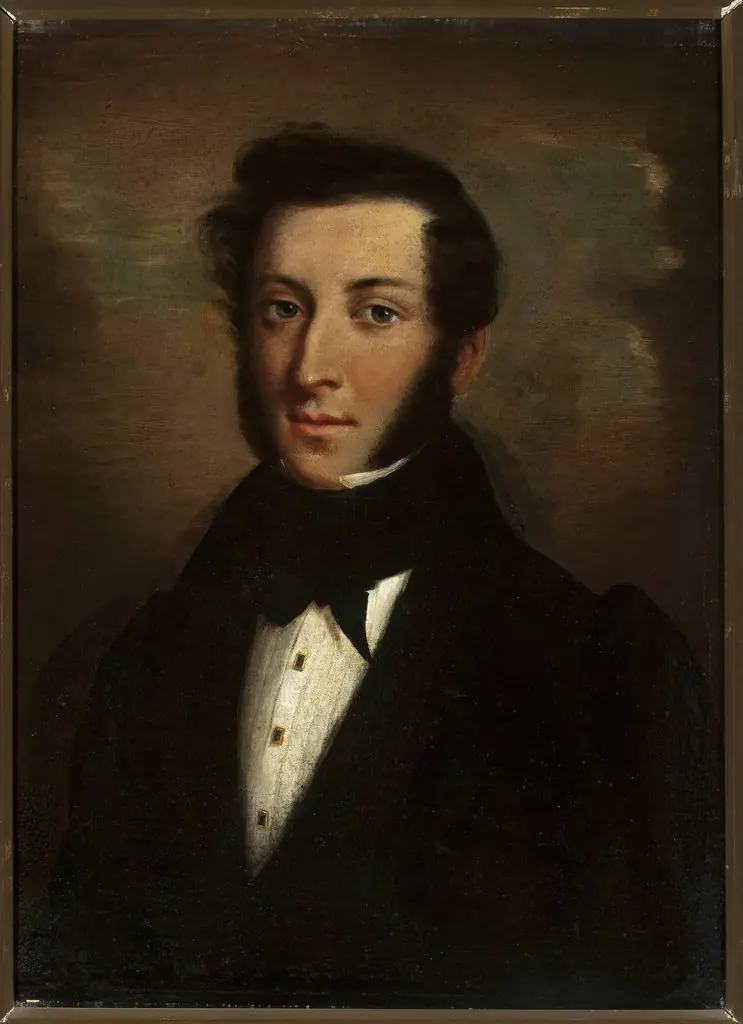 Portrait of Józef Węgleński
 John Richard Roberts (1822-1874)
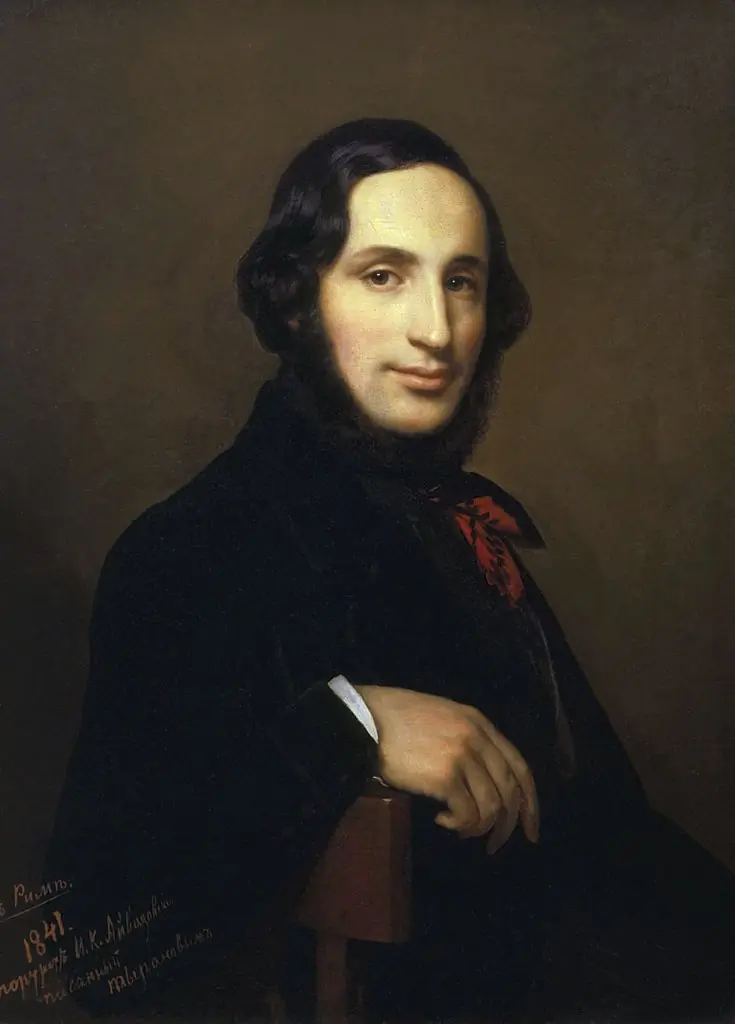 The portrait of Ivan Aivazovsky
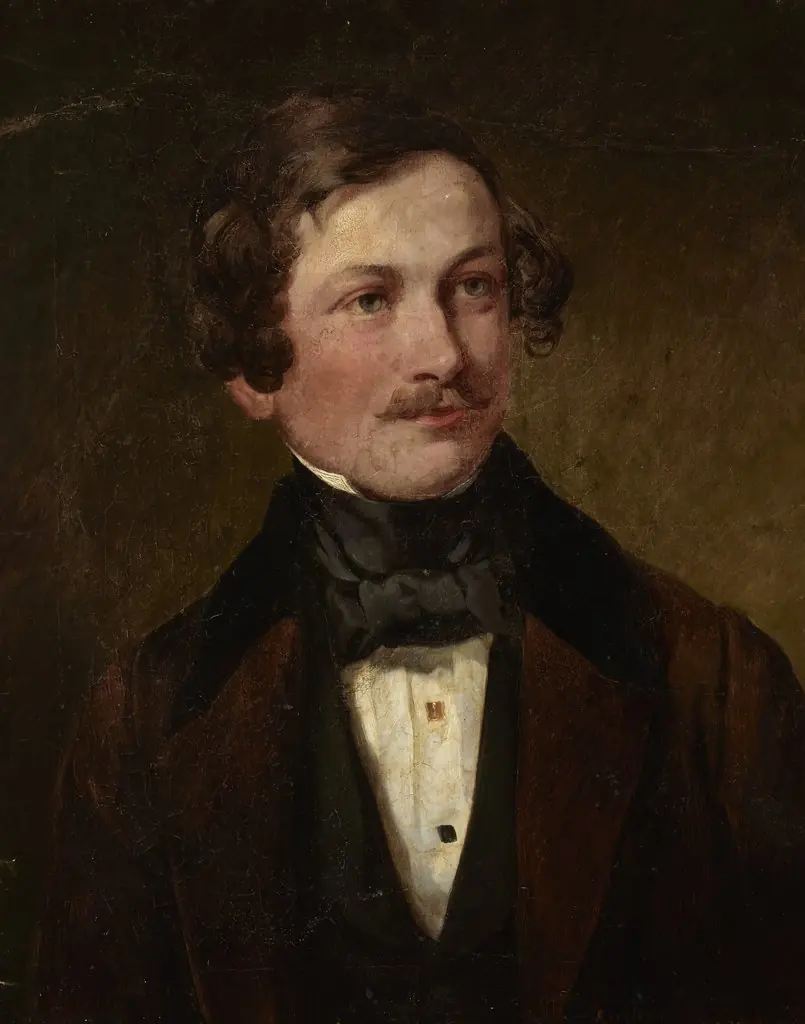 Portrait of Aleksander Titz
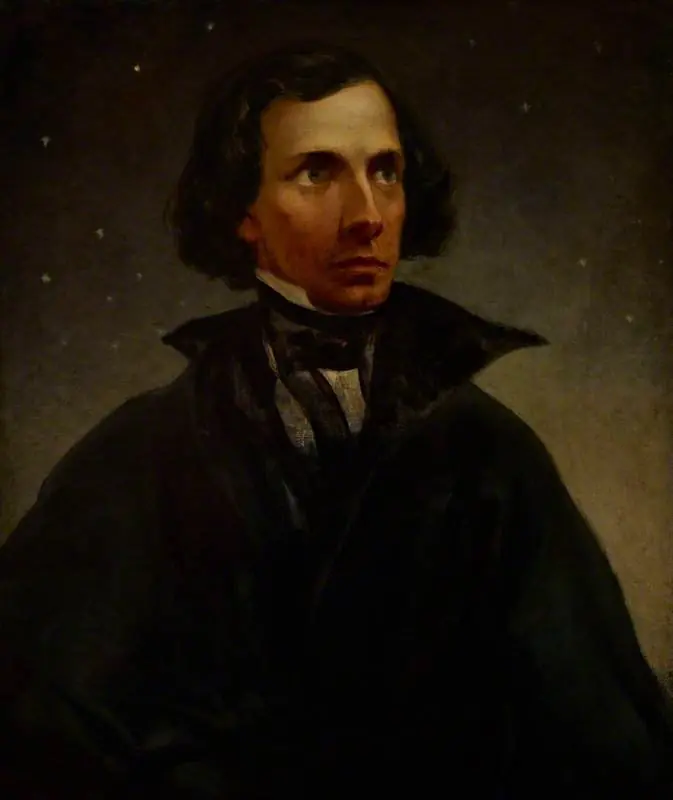 Dr Samuel Brown (1817 - 1856)
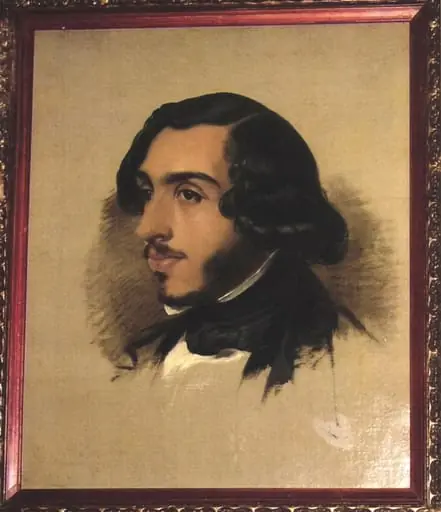 Ion Ghica
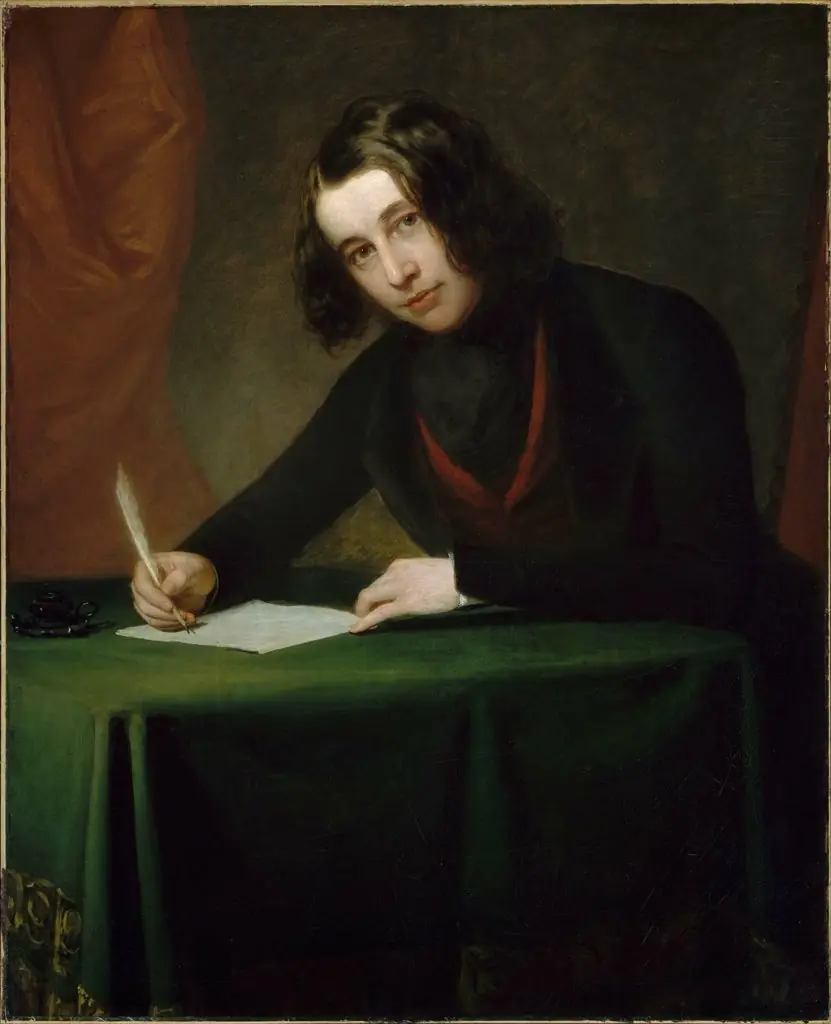 Charles Dickens
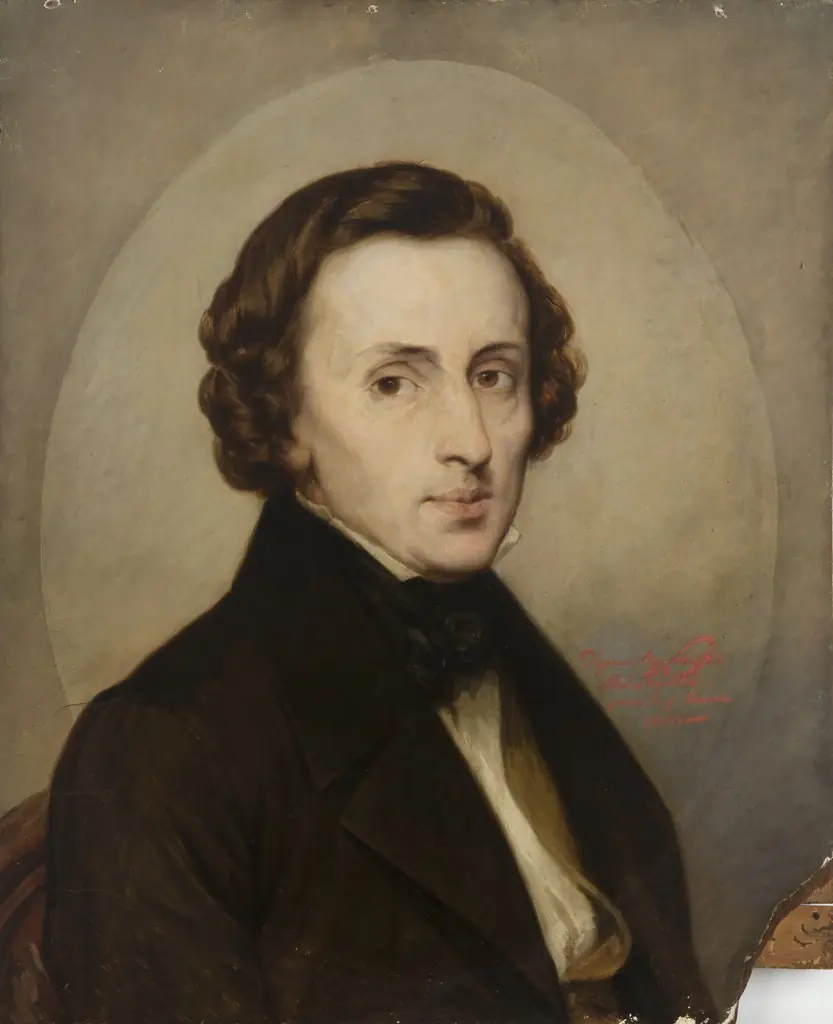 Portrait of Fryderyk Chopin (1810–1849)
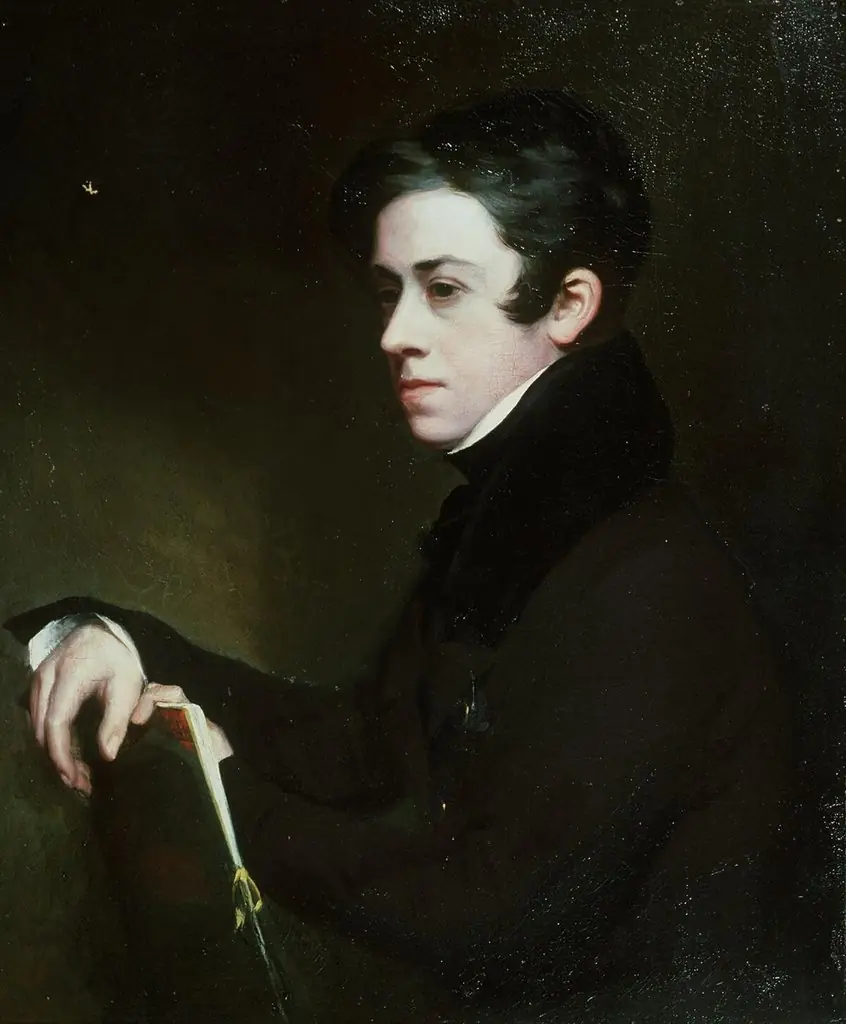 Thomas Brigstocke
 Portrait of Samuel Lover (1797-1868), Author and Artist