Artwork
Thomas Jefferson
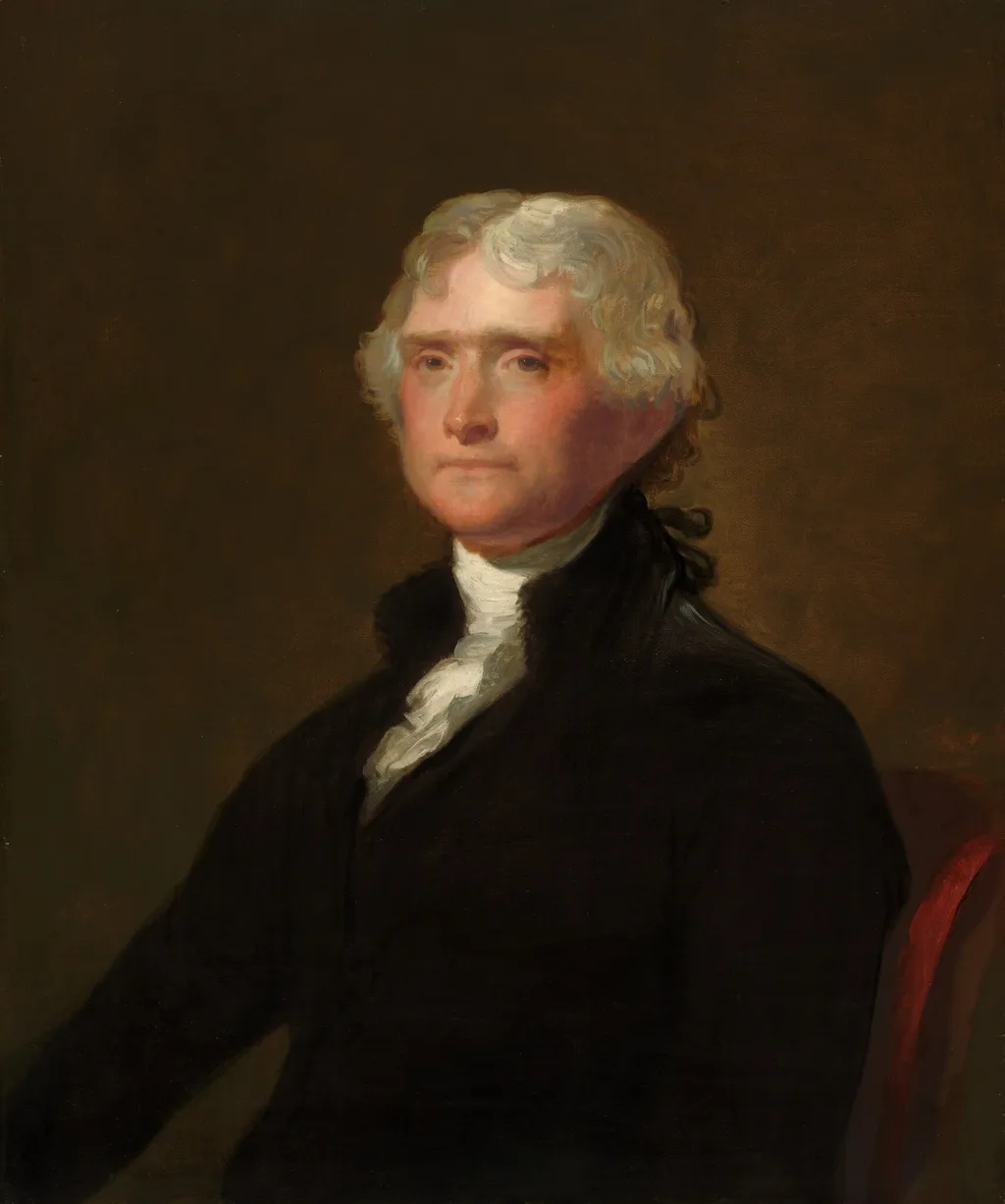
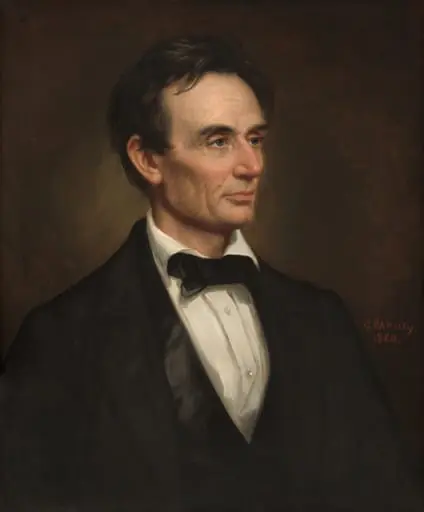
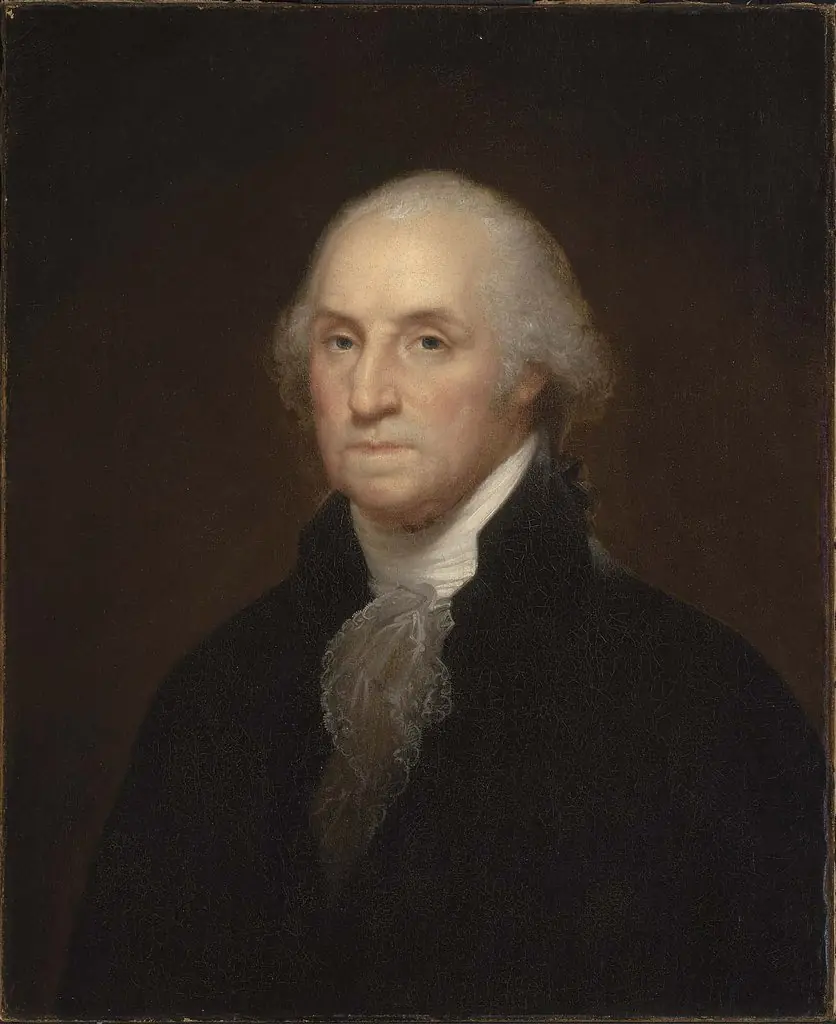
Thomas Jefferson is an oil painting by the American Impressionist artist George Peter Alexander Healy. It dates from 1863 and is held in the collection of the National Gallery of Art.
About this work
Subject & Meaning
The dark coat and white cravat align with neoclassical portrait conventions, evoking republican virtue and Enlightenment ideals.
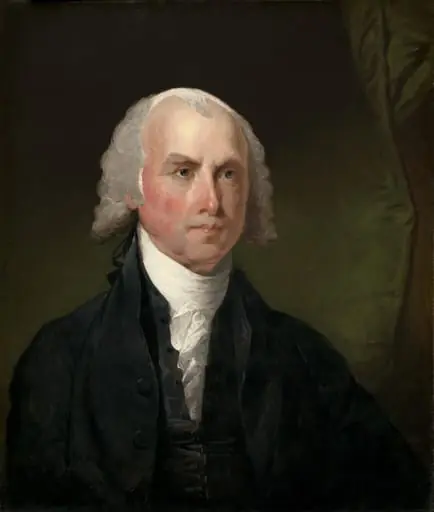
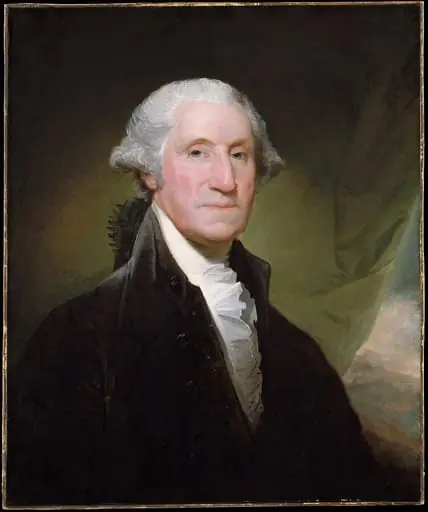
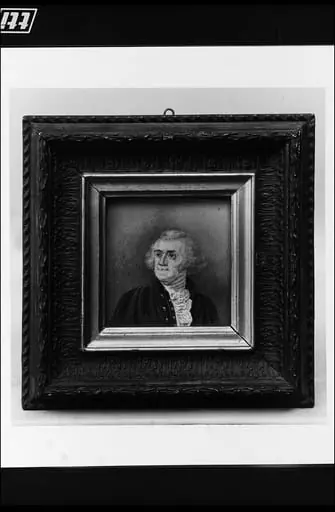
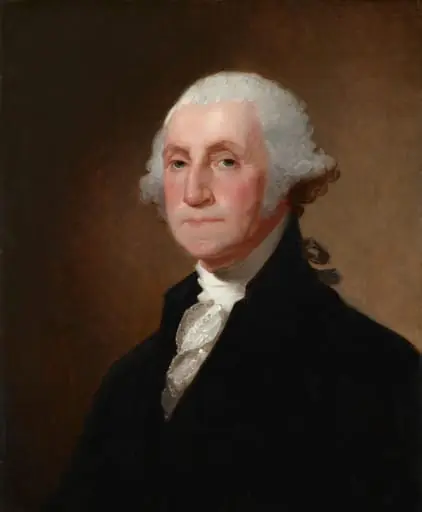
The 1863 portrait by George Peter Alexander Healy presents Thomas Jefferson in a three-quarter view, seated and turned slightly to the right, conveying an air of dignified authority. Healy’s image is a later copy after Gilbert Stuart’s 1805–1821 "Lansdowne" type, preserving Jefferson’s characteristic high forehead, thin lips, and receding hairline while emphasizing his role as a Founding Father. The dark coat and white cravat align with neoclassical portrait conventions, evoking republican virtue and Enlightenment ideals.
As a posthumous likeness, the painting functions as a visual commemoration of Jefferson’s political legacy and intellectual stature, reinforcing his enduring place in American memory.
Technique & Style
The 1863 portrait of Thomas Jefferson by George Peter Alexander Healy is an oil-on-canvas painting executed in a smooth, blended technique characteristic of academic portraiture of the period. The medium is oil paint applied to a prepared canvas support, with the artist employing subtle glazing to render the sitter’s facial features and costume with a polished finish. Measuring 76.2 cm in height and 63.5 cm in width, the composition adheres to traditional portrait conventions, centering Jefferson in three-quarter view against a neutral background.
The handling emphasizes clarity and tonal unity, with careful attention to the depiction of skin, hair, and the dark coat, while the formal qualities reflect the conventions of mid-nineteenth-century American portraiture rather than contemporaneous avant-garde innovations.
History & Provenance
The portrait was painted by George Peter Alexander Healy in 1863, based on earlier likenesses by Gilbert Stuart. It entered the art market through Thomas B. Bryan of Chicago, who sold it at auction on 26 April 1879 to the Corcoran Gallery of Art in Washington. The Corcoran held the work until 2016, when it was acquired by the National Gallery of Art in the same city as part of a collection transfer.
The portrait is held by the National Gallery of Art, Washington, D.C., where it entered as part of the Corcoran Gallery of Art’s holdings in 2016. Its accession derives from the Corcoran’s 1879 acquisition from Thomas B. Bryan, who had sold it to the Corcoran on 26 April 1879. The painting has not been recorded in major temporary exhibitions outside the Gallery’s permanent display since its transfer to the National Gallery of Art.
Overview
This oil on canvas painting, titled Thomas Jefferson, was created by George Peter Alexander Healy in 1863. It presents a formal portrait of the third U.S. President, Thomas Jefferson, depicted in a seated position. The artwork captures a sense of quiet contemplation, utilizing a measured composition and a subdued color scheme to convey the subject's intellectual presence and historical significance.
Own this work as a print
Artist & collection

Artist
George Peter Alexander Healy (July 15, 1813 – June 24, 1894) was an American portrait painter.