Artwork
Euphemia White Van Rensselaer
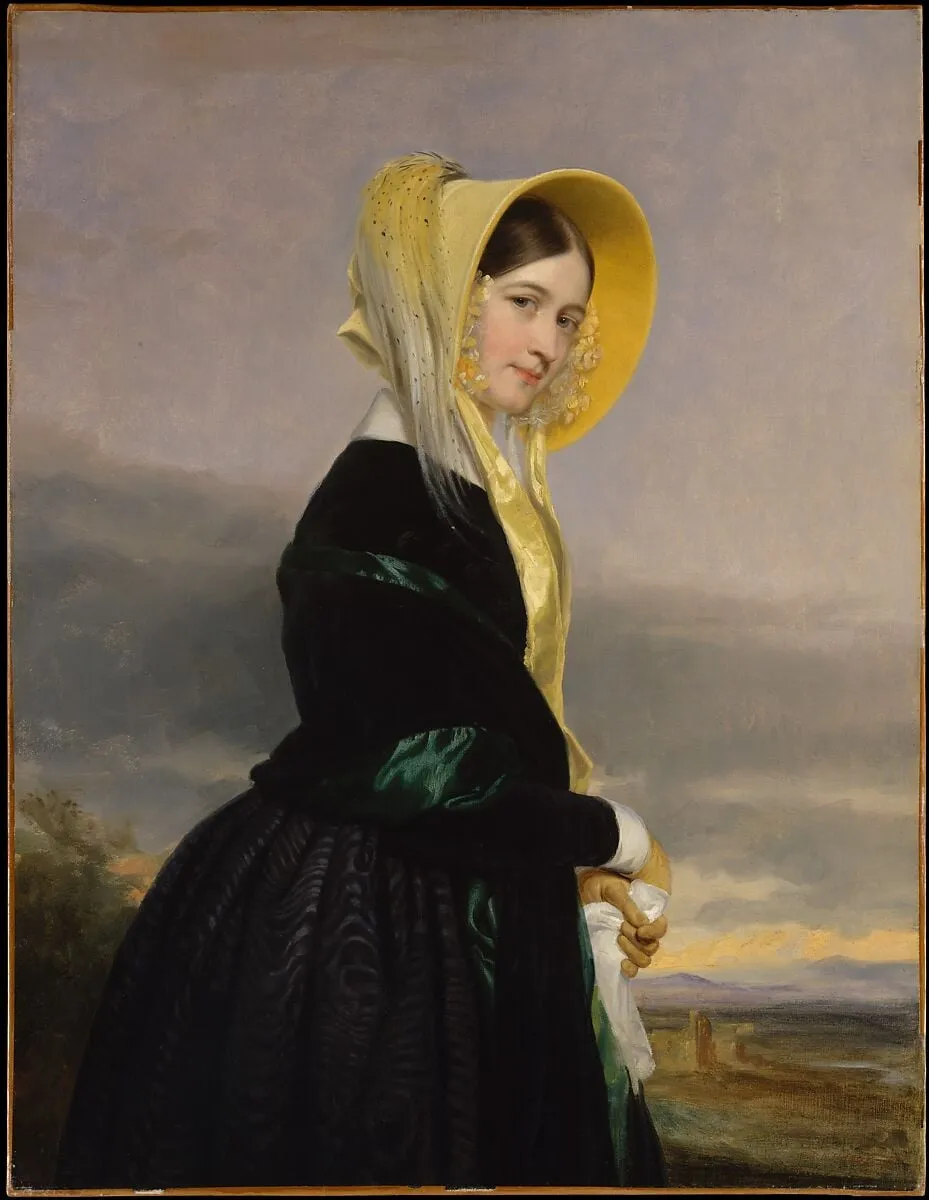
Euphemia White Van Rensselaer is an oil painting by the American Impressionist artist George Peter Alexander Healy. It dates from 1842 and is held in the collection of the Metropolitan Museum of Art.
About this work
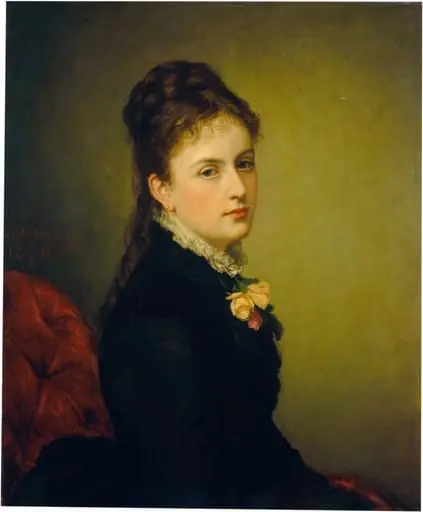
A woman in a dark dress with white lace at the neck rests her hands on a red-clothed table, set against a plain dark wall. Healy painted her in 1842, when portraits still did the work photography later would. The lace looks almost real, a measure of his skill with fine detail.
Subject & Meaning
As the main subject, Van Rensselaer Cruger is presented without additional allegorical figures or complex symbolic attributes noted in the available records.
Executed in 1842 by George Peter Alexander Healy, this oil on canvas work functions as a formal portrait depicting Euphemia White Van Rensselaer Cruger. The composition focuses entirely on the likeness of the female subject, adhering to the conventions of nineteenth-century portraiture where the primary intent is the documentation and celebration of an individual's identity. As the main subject, Van Rensselaer Cruger is presented without additional allegorical figures or complex symbolic attributes noted in the available records.
Consequently, the painting's meaning resides in its representational capacity, serving as a visual record of the sitter's appearance and social standing during the period rather than conveying a narrative or abstract philosophical concept through iconography.
History & Provenance
The portrait of Euphemia White Van Rensselaer was painted by George P. A. Healy in 1842, as indicated by the artist’s date and the work’s inclusion in The American Wing. The painting is an oil on canvas measuring 115.1 cm in height and 89.2 cm in width. It depicts the subject in a portrait format, consistent with Healy’s genre specialization. The work has been attributed to the Metropolitan Museum of Art’s collection, where it is currently held.
The portrait by George P. A. Healy is held in the collection of the Metropolitan Museum of Art, New York. The work is inventoried as 1975.1.138, classified within The American Wing. It has been exhibited in the museum’s galleries dedicated to American portraiture, including displays in the 2010 reinstallation of The American Wing, where 19th-century portraiture was presented in thematic contexts.
Overview
This oil on canvas portrait, titled Euphemia White Van Rensselaer, was created by George P. A. Healy in 1842. It depicts a woman seated, her hands resting on a table draped with a red cloth. The background is kept intentionally simple, a dark wall that serves to emphasize the sitter. This work exemplifies the role of portraiture in the mid-19th century, capturing the likeness of prominent individuals.
Technique & Style
Healy's proficiency in oil painting is evident in the meticulous rendering of fine details, particularly the intricate white lace adorning the sitter's dress. This element appears strikingly lifelike, showcasing the artist's ability to create a convincing illusion of texture and depth. The precision in such details highlights the technical skill characteristic of portrait painters of this period.
Context
Created in 1842, this portrait predates the widespread availability of photography, making painted likenesses crucial for personal and public record. Such works served not only as artistic expressions but also as vital documents of identity and status for individuals and families. Healy's commission reflects the era's reliance on skilled artists to capture and preserve appearances.
Artist & collection

Artist
George Peter Alexander Healy (July 15, 1813 – June 24, 1894) was an American portrait painter.


- Marie Louise Victoria of Saxe-Coburg-Saafeld, Duchess of Kent (1786–1861)
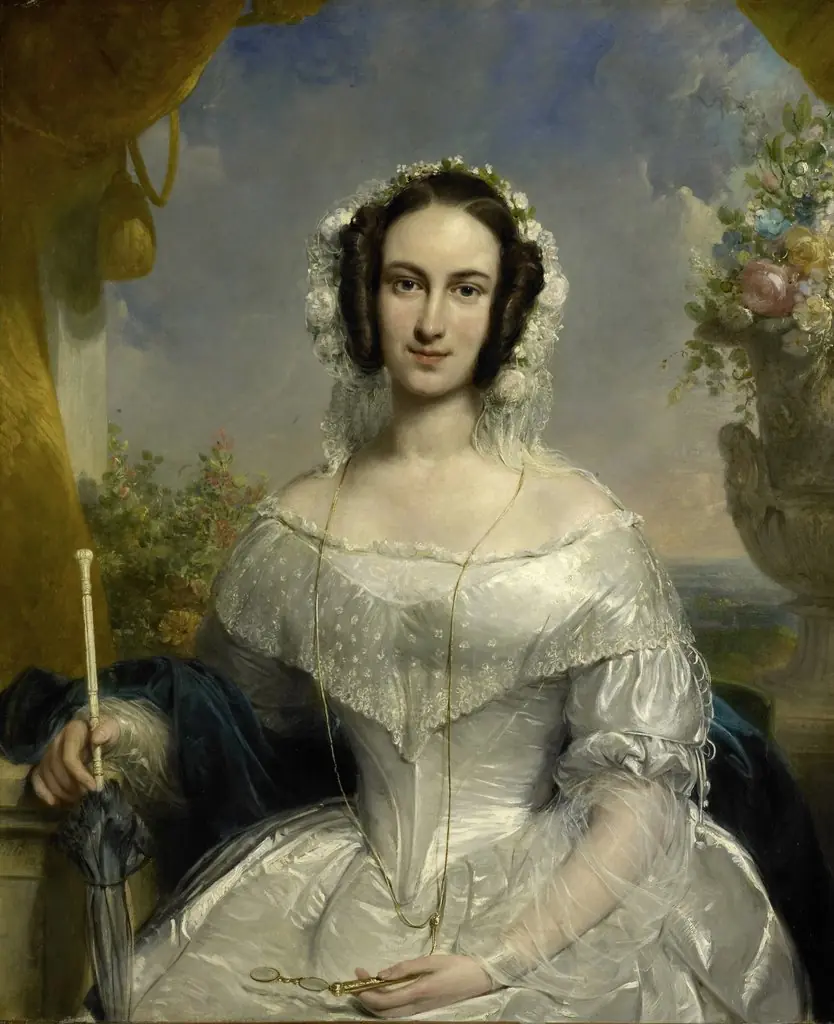 Agatha Petronella Hartsen (1814-78). In bruidstoilet ter gelegenheid van haar huwelijk met Jan van der Hoop op 17 maart 1841
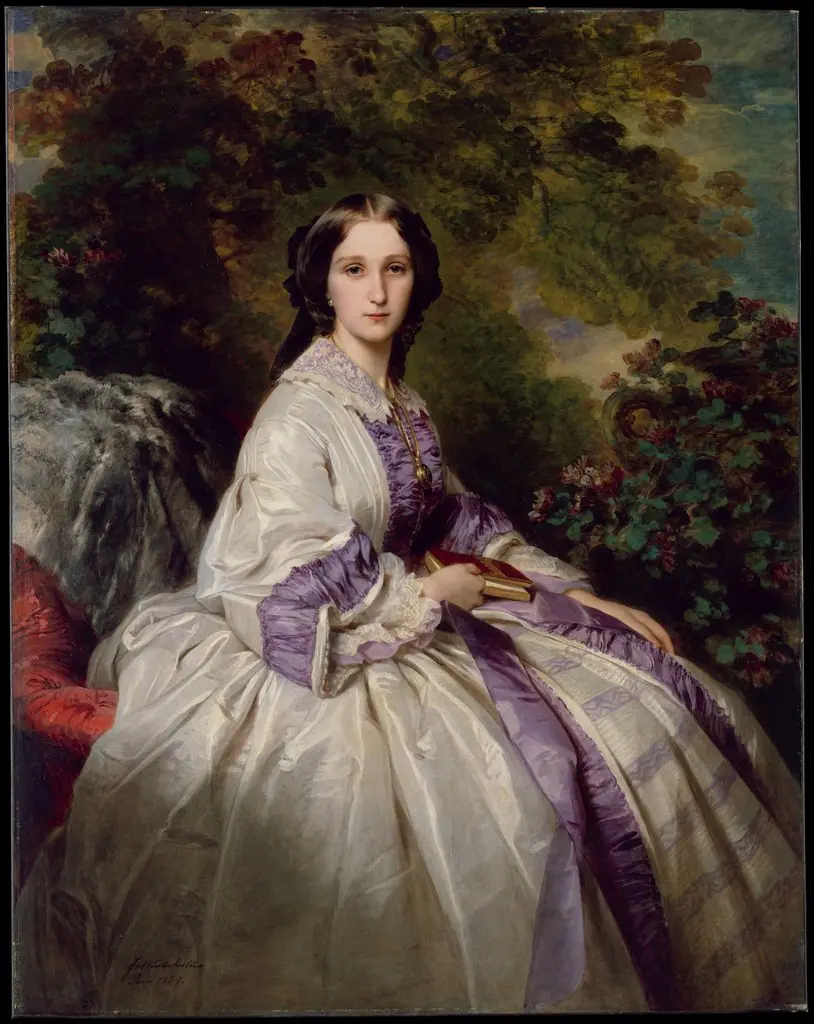 Portrait of Countess Alexander Nikolaevitch Lamsdorff
 Portrait of a Woman
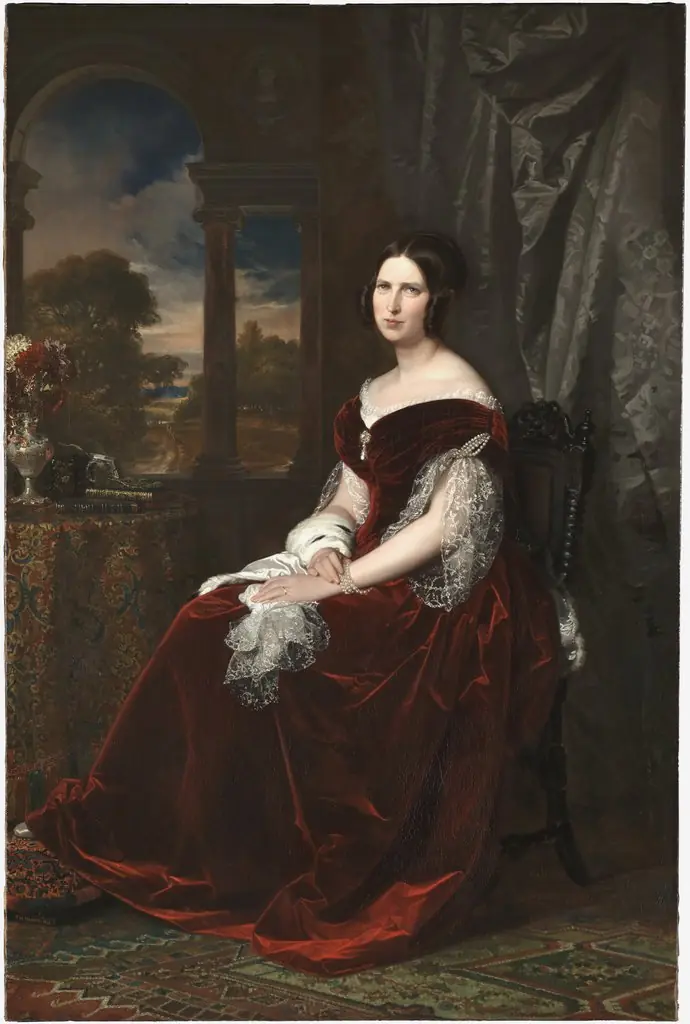 Sabina Seupham Spalding
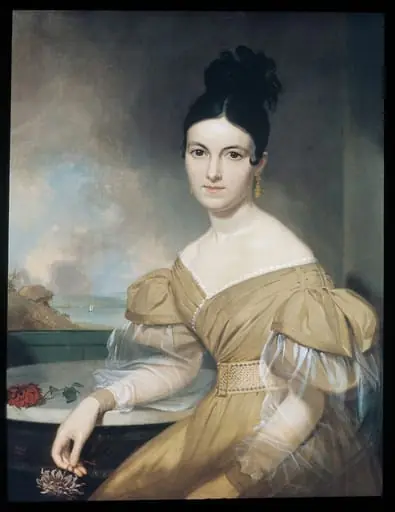 Mrs. Winfield Scott
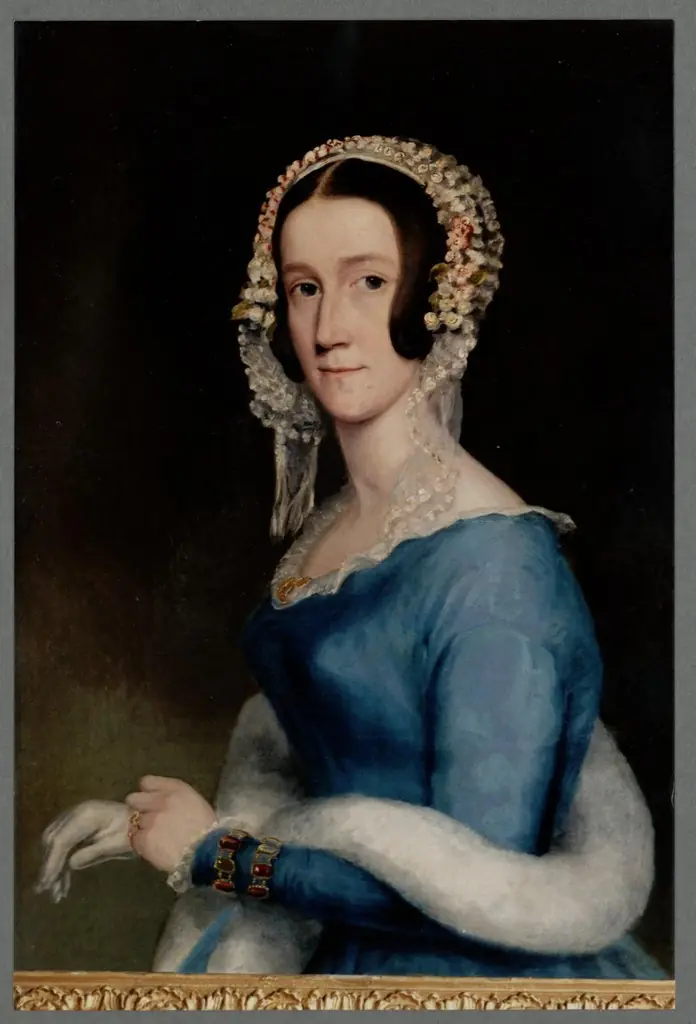 Ellen Lloyd (of Ty Newydd, Llannor, Caernarfonshire)
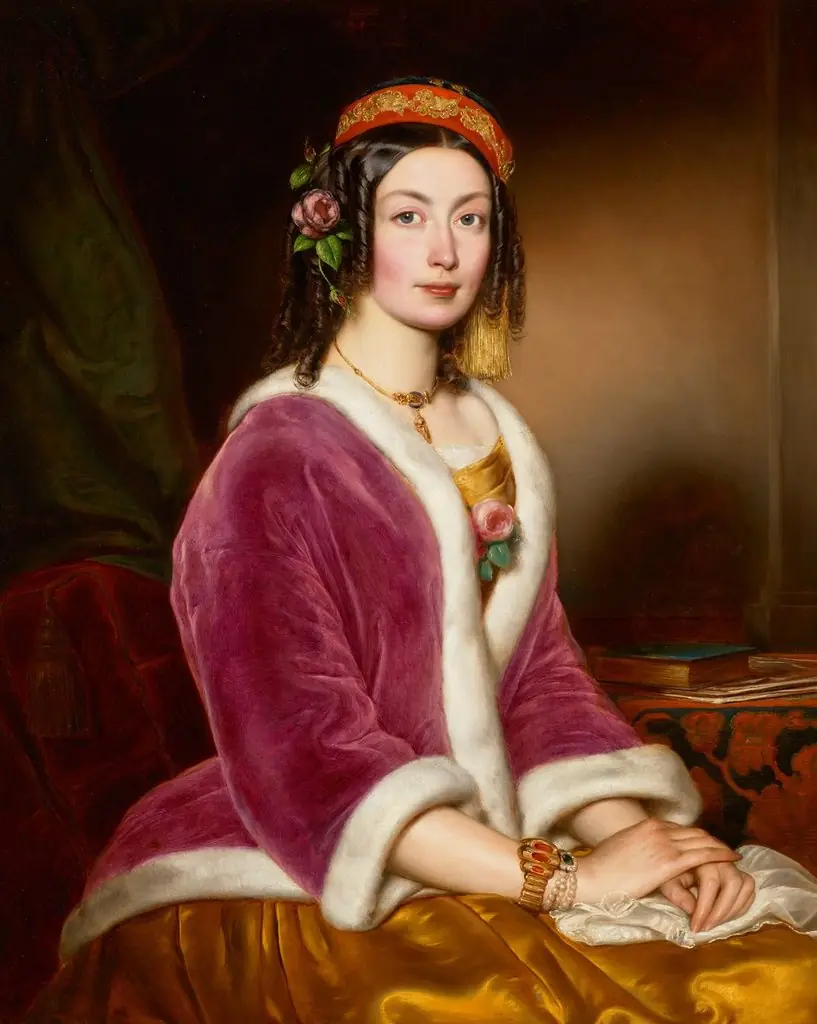 Portrait of a Woman in Velvet Pelisse
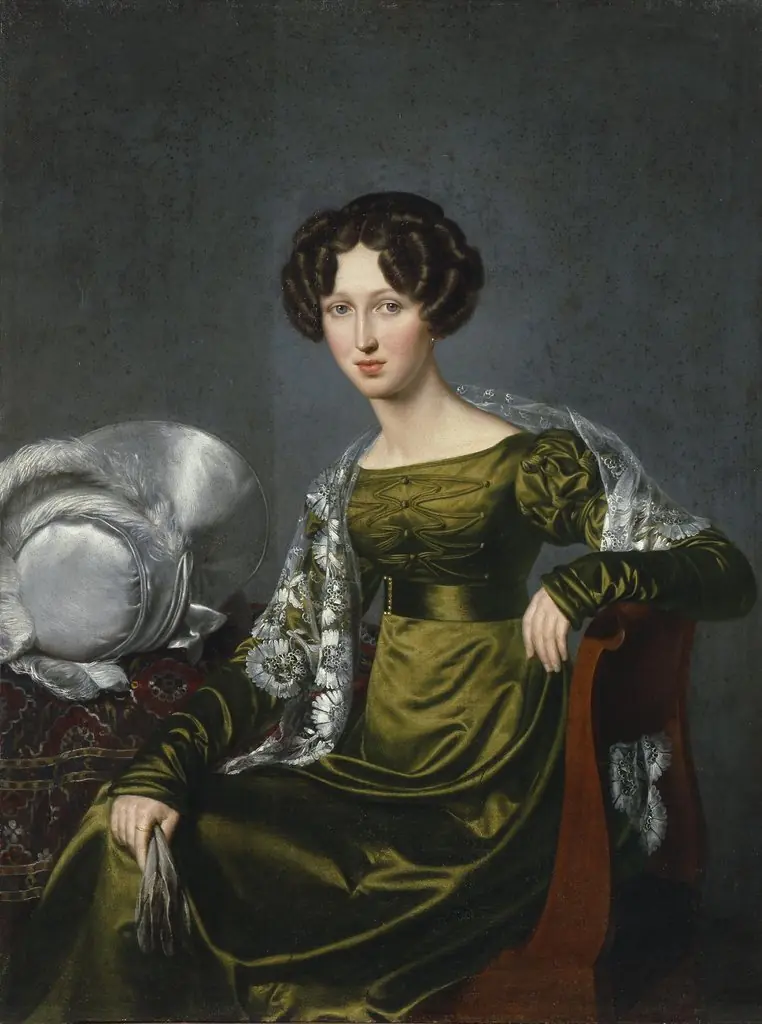 Portrait of Yelizaveta Paskaya-Sharapova
![Mrs. Pearson [possibly Sarah Thompson Pearson], by Pieter Christoffel Wonder](https://artifactworldgallery.com/img/pieter-christoffel-wonder--mrs-pearson-possibly-sarah-thompson-pearson--0006ffde77661f8c-w320.webp) Mrs. Pearson [possibly Sarah Thompson Pearson]
Mrs. Pearson [possibly Sarah Thompson Pearson]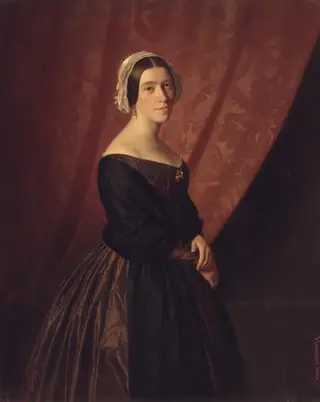 Thora Hunæus, f. Garbrecht, kunstnerens hustru
 Portrait of Mrs John O' Keefe, Wife of the Artist