Artwork
Adoration of the Magi
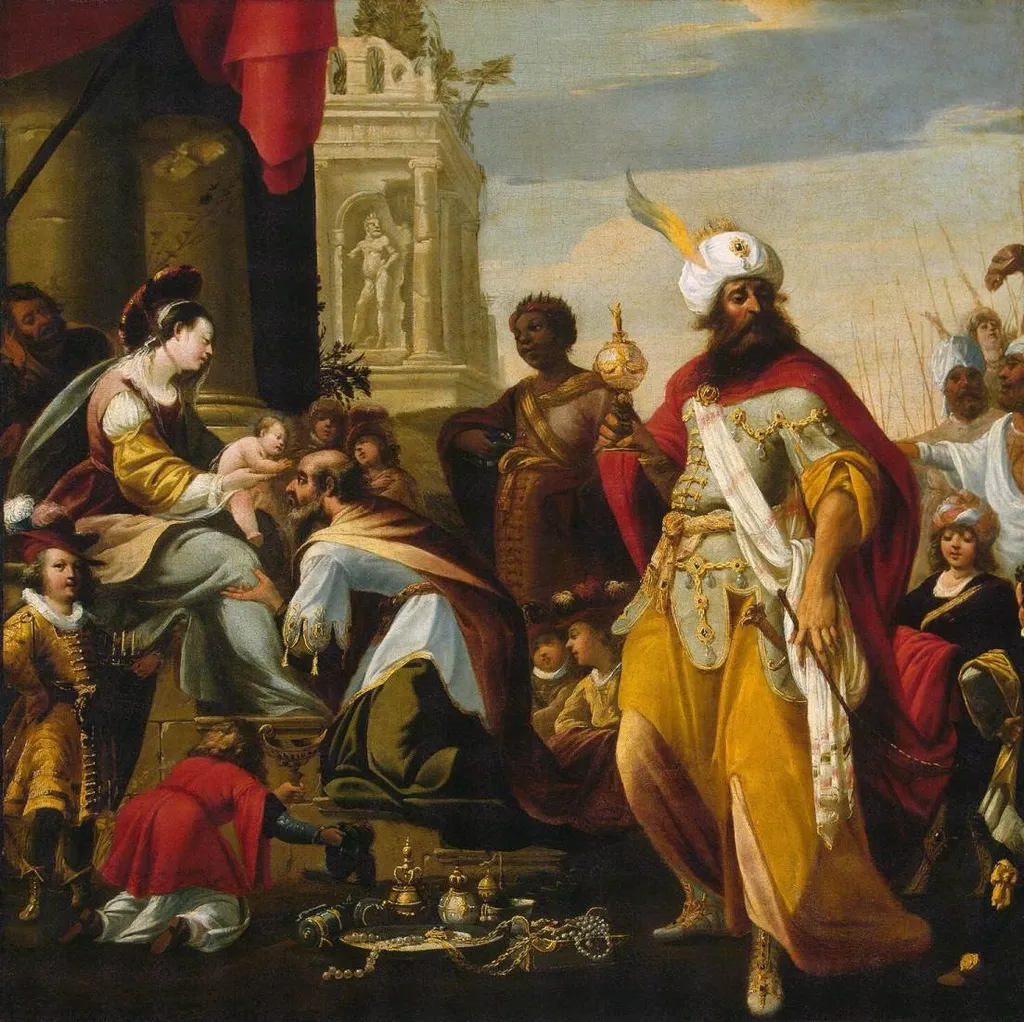
Adoration of the Magi is an oil painting by the French Classical Baroque artist Georges Lallemand. It dates from 1624 and is held in the collection of the Hermitage Museum.
About this work
Overview
Painted in 1624 by French artist Georges Lallemand, this oil-on-canvas work depicts the biblical scene of the Magi paying homage to the infant Jesus.
Painted in 1624 by French artist Georges Lallemand, this oil-on-canvas work depicts the biblical scene of the Magi paying homage to the infant Jesus. Executed during the early Baroque period in France, the painting reflects a synthesis of religious narrative and emerging naturalism. It is part of the permanent collection at the State Hermitage Museum in Saint Petersburg, where it has been held since at least the 19th century.
Subject & Meaning
The composition centers on the Christ Child, seated with his mother, as three visitors offer gifts of gold, frankincense, and myrrh. The figure in the yellow robe and turban, likely Melchior, presents the most prominent offering, signaling his status among the Magi. Surrounding figures, ranging from elaborately dressed courtiers to humble attendants, underscore the universal recognition of the child’s divine significance, while the classical statue in the background hints at the obsolescence of pagan antiquity before Christian revelation.
Technique & Style
Lallemand employs chiaroscuro to model forms and direct attention toward the central group, using strong contrasts between light and shadow to heighten emotional focus. The figures are rendered with a restrained realism, avoiding excessive ornamentation, while the rich textures of fabrics and the gleam of metallic gifts suggest attention to material detail. The red curtain framing the scene adds theatrical depth, a device common in Baroque religious painting to isolate the sacred moment from the external world.
History & Provenance
The painting was created during Lallemand’s mature period, when he was active in northern France and possibly connected to courtly artistic circles. It entered the Hermitage collection in the 1800s, likely through acquisition from a French private collection or royal asset redistribution following the Revolution. Its presence in Russia reflects broader 18th- and 19th-century trends of European art being gathered into imperial collections.
Context
In early 17th-century France, religious subjects remained central to painting despite growing secular interests. Lallemand’s work aligns with the French Classical Baroque tendency to temper emotional intensity with order and clarity, distinguishing it from the more dynamic Italian Baroque. The inclusion of classical sculpture in the background reflects Renaissance humanist ideals still influencing French artists, even as they embraced contemporary religious themes.
Legacy
Though Lallemand is not widely known today, this painting exemplifies the quiet sophistication of French religious art before the dominance of Rococo and Neoclassicism. Its preservation in the Hermitage ensures continued study of regional Baroque practices outside Italy and the Netherlands. The work contributes to understanding how French artists adapted international styles to local devotional sensibilities during a period of artistic transition.
Artist & collection
Artist
Georges Lallemand (French pronunciation:; before 1575–1636) was a French artist. His name is sometimes given as "Lallemant".

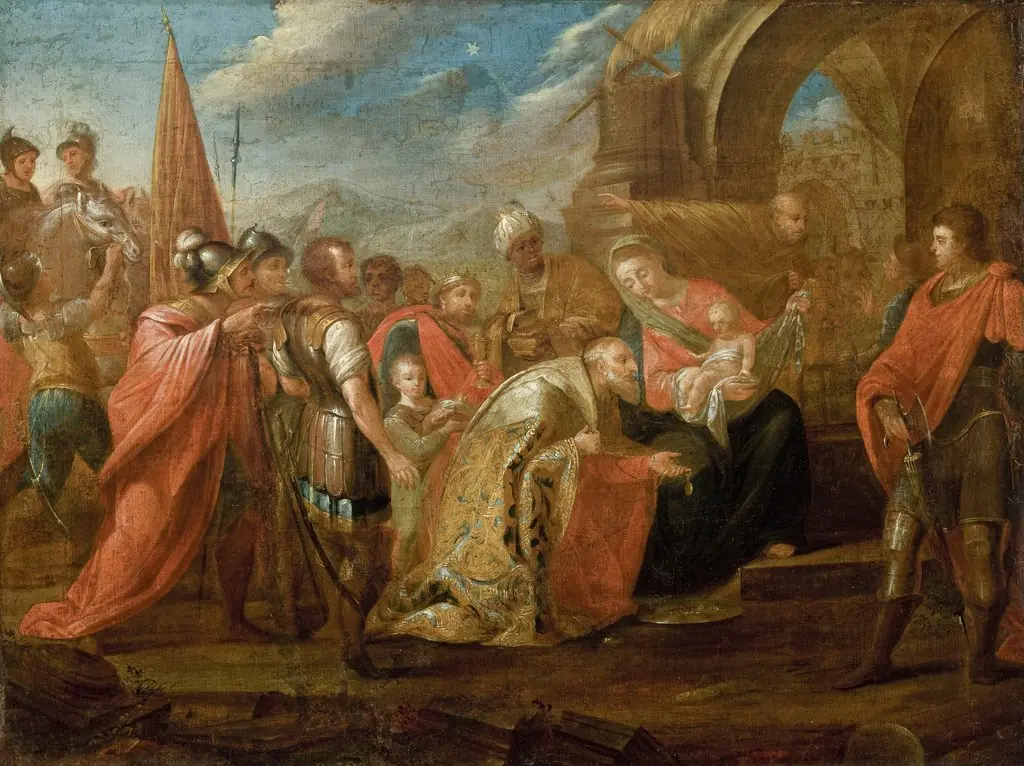
- Adoration of the Magi
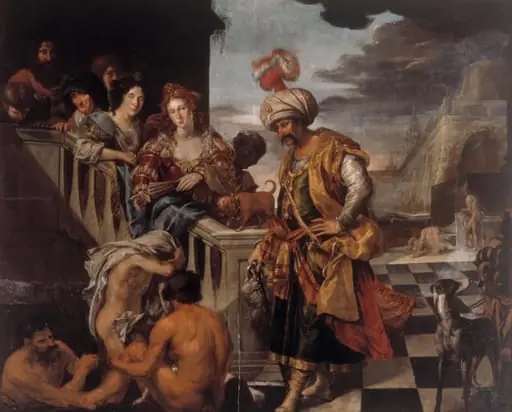 Bathing in an Oriental Harbour
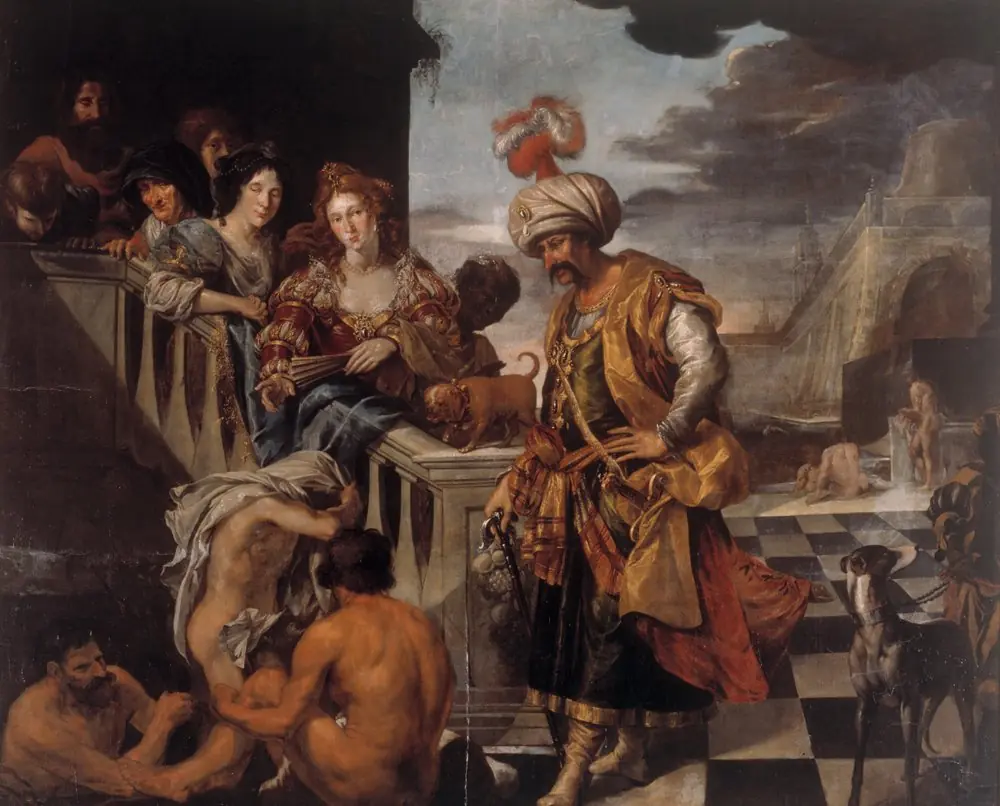 Bathing in an Oriental Harbour
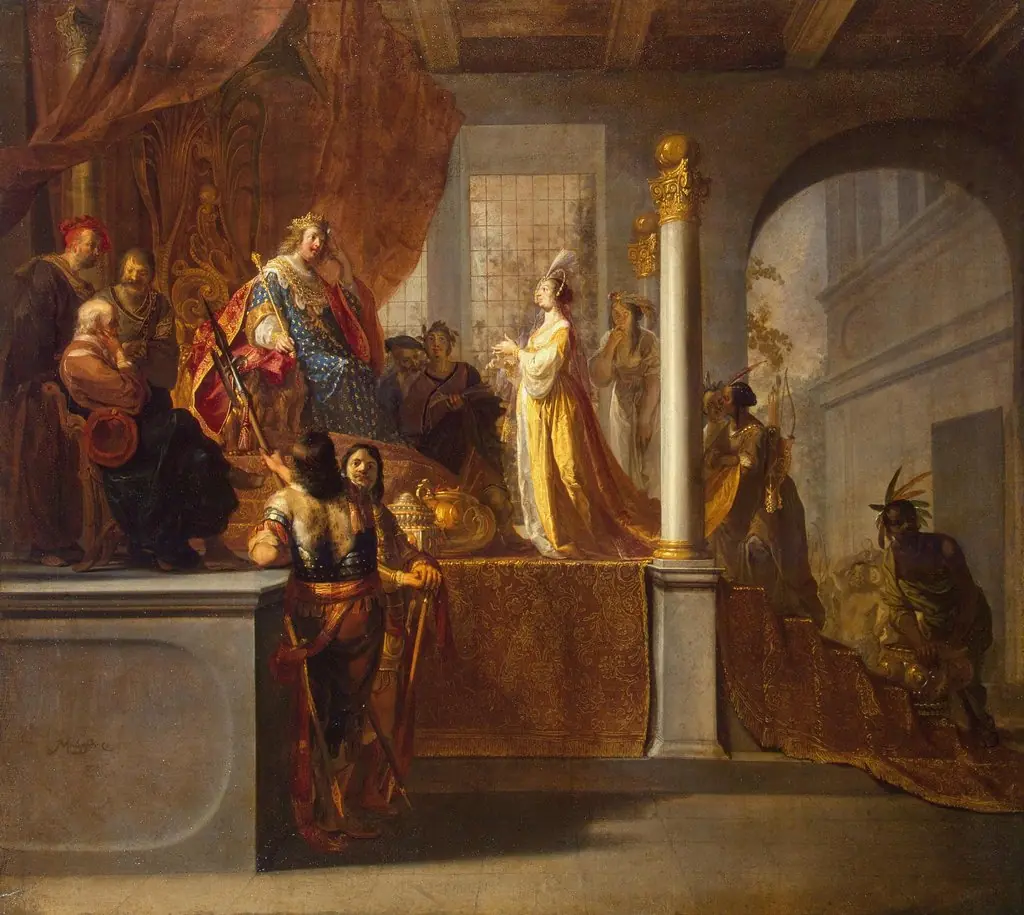 Queen of Sheba before Solomon
 Untitled
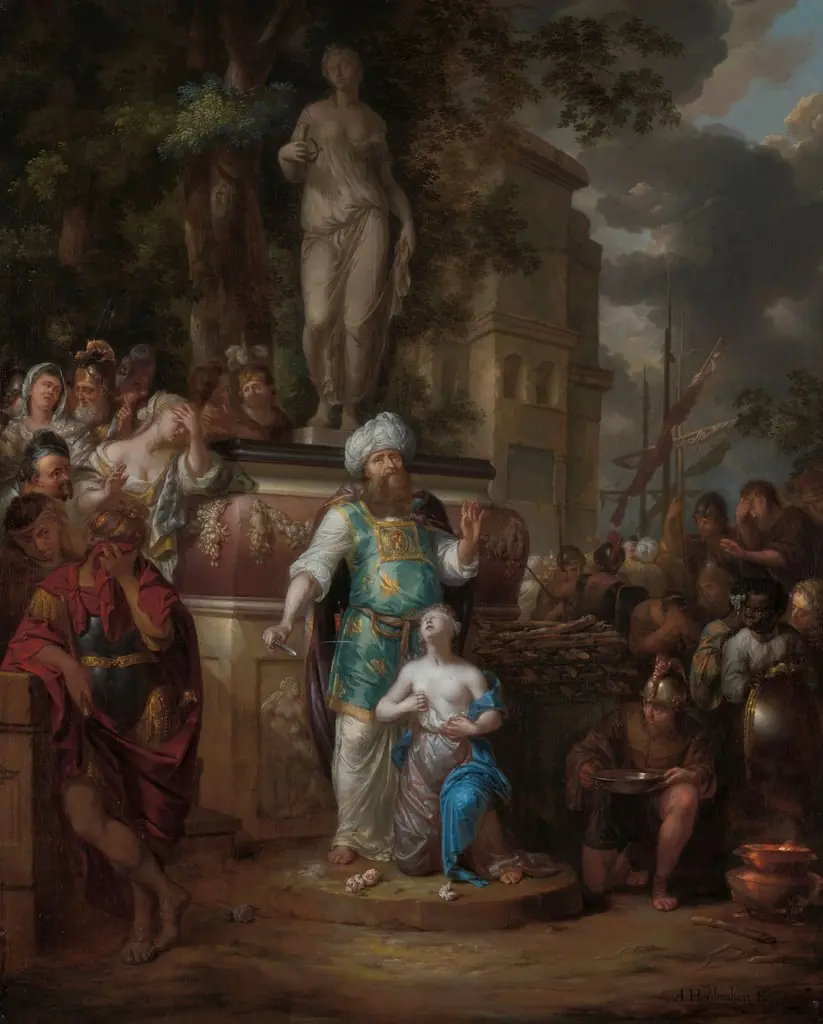 Sacrifice of Iphigenia
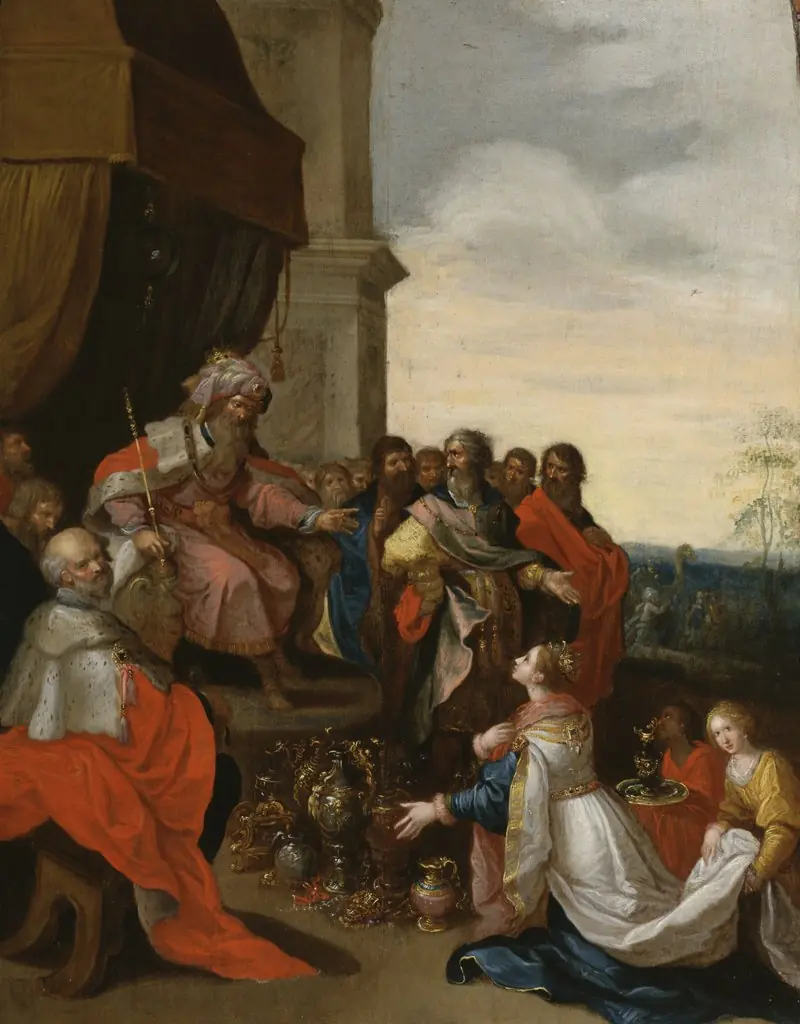 King Solomon Receiving the Queen of Sheba
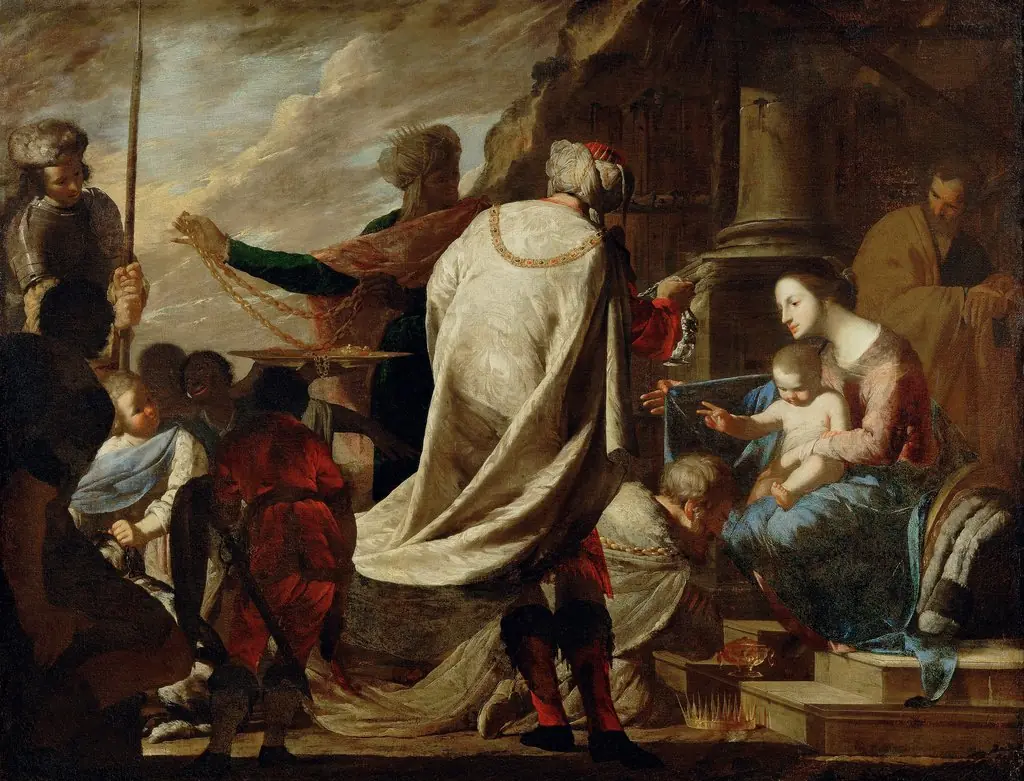 Adoration of the Magi
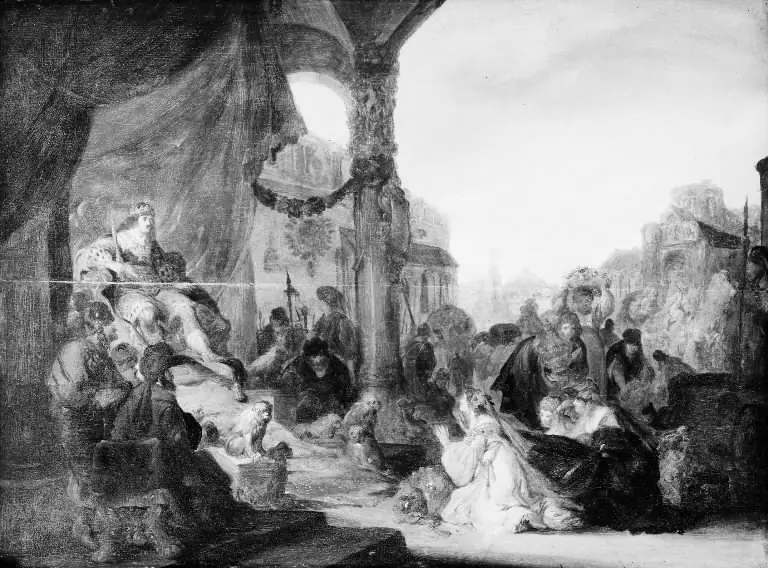 The Queen of Sheba's Visit to Solomon
 The Queen of Sheba's Visit to Solomon
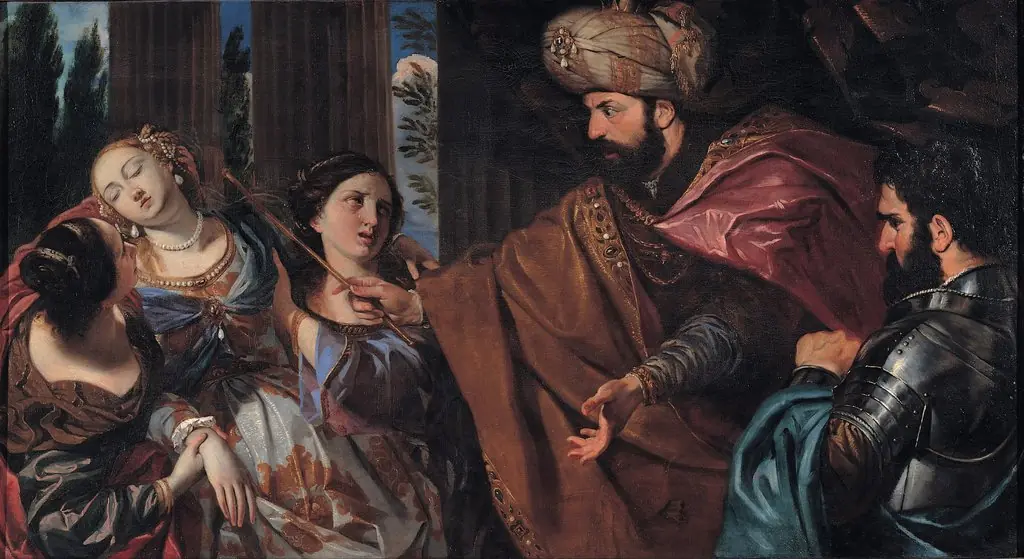 Esther before Ahasuerus
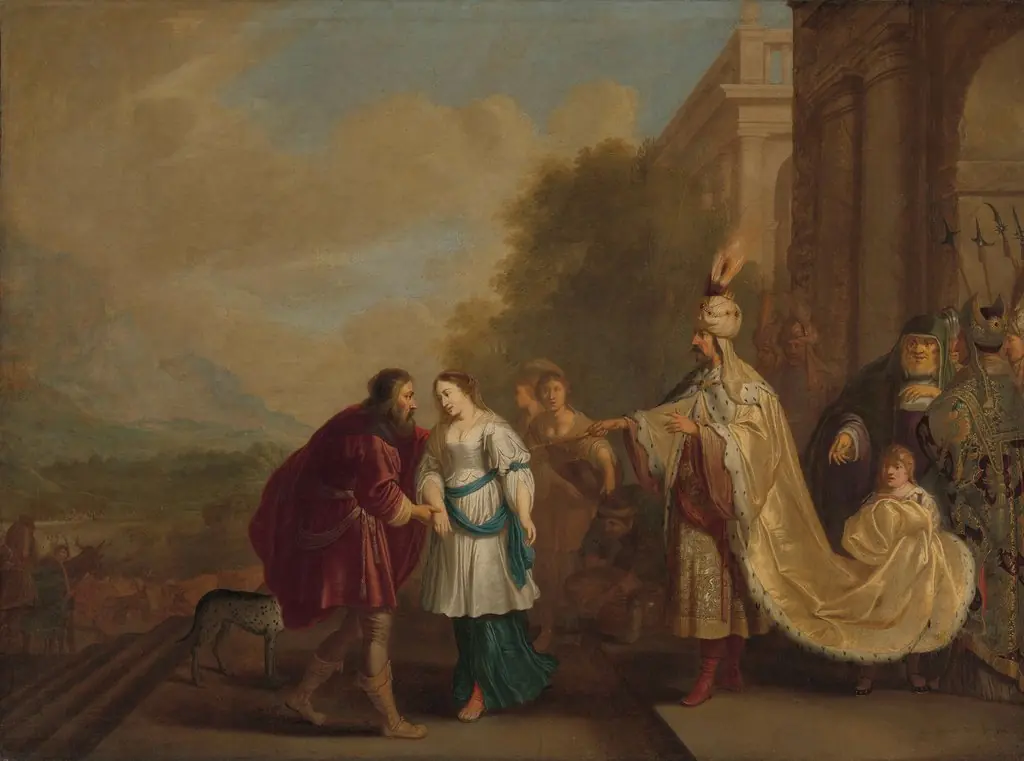 Pharaoh gives Sarah back to Abraham