Artwork
Cheval de Mecklembourg
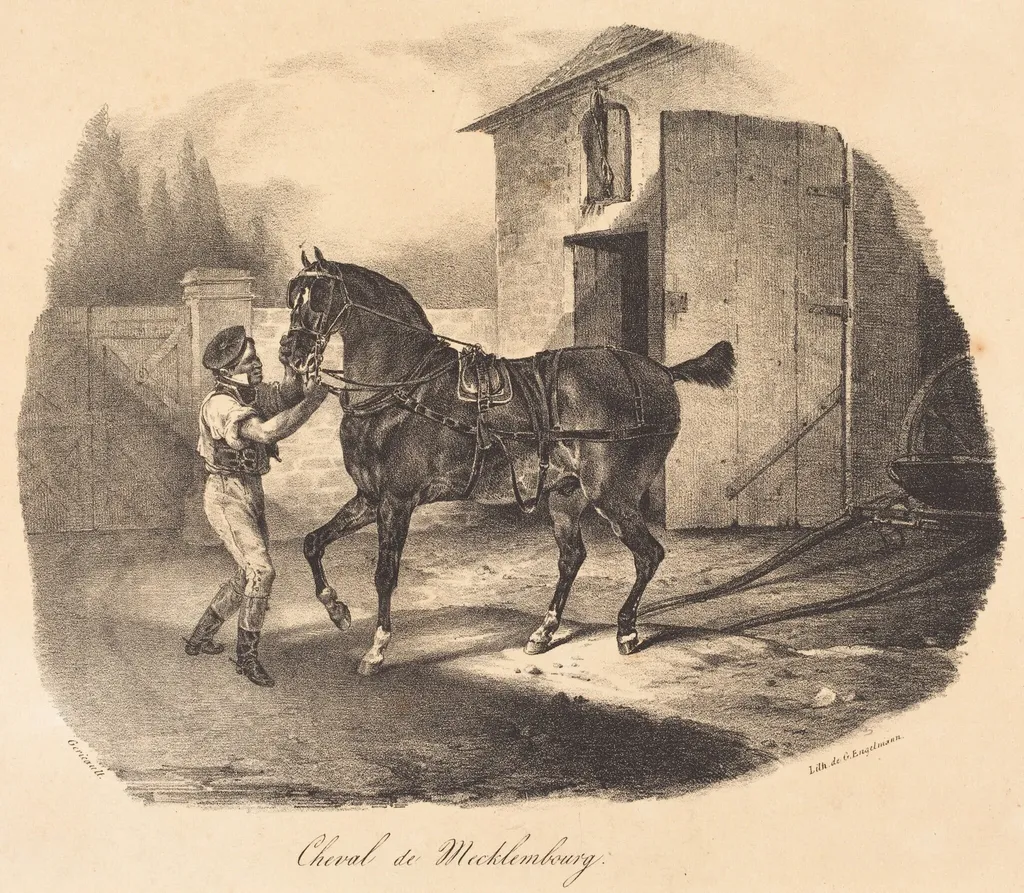
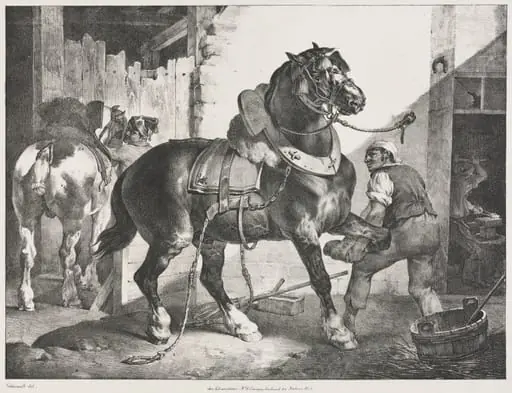
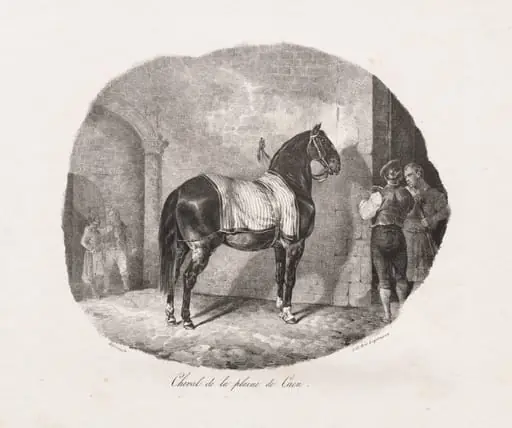
Cheval de Mecklembourg is an ink print by the Romanticist artist Théodore Géricault. It dates from 1822 and is held in the collection of the National Gallery of Art.
- Inscription
- Inscribed:lower left in stone: Gericault; lower center in stone: Cheval de Mecklembourg; lower right in stone: Lith. de G. Engelmann.; by later hand, lower left in graphite: D. 57 ii/iv
About this work
Overview
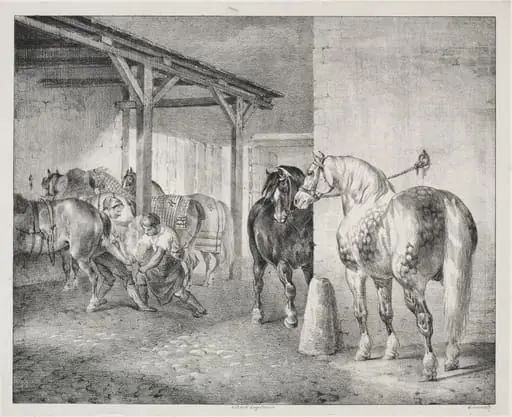
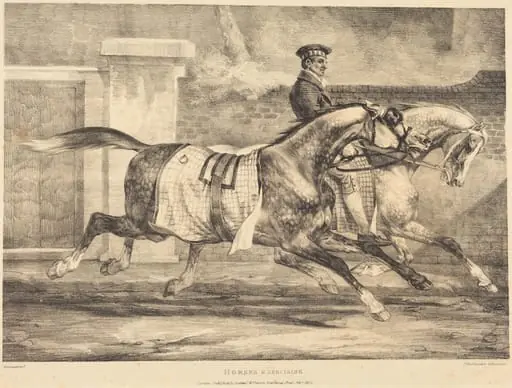
Created in 1822, Cheval de Mecklembourg is a lithographic print executed on wove paper by the French artist Théodore Géricault. The work belongs to the early phase of Géricault’s career when he turned his attention toward animal studies, employing the relatively new medium of lithography to explore equine form.
Subject & Meaning
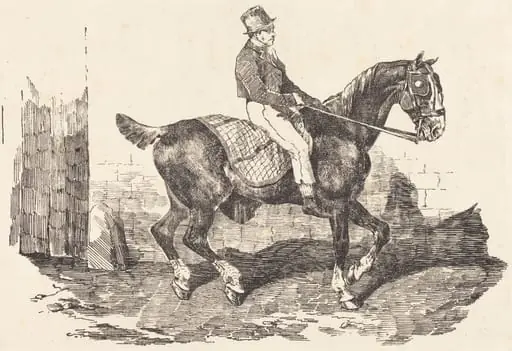
The composition presents a solitary horse positioned on a simple dirt track. The animal appears both tranquil and vigilant, its relaxed musculature hinted beneath a glossy coat, suggesting Géricault’s fascination with the anatomy and poised movement of horses.
Technique & Style
Géricault employed the lithographic process, drawing directly onto a smooth limestone surface with greasy ink. After treating the stone, the image was transferred to paper, allowing fine line work and subtle tonal variations that capture the horse’s texture and the immediacy of the sketch-like execution.
History & Provenance
The print emerged during a period when Géricault was actively experimenting with lithography, a medium that offered greater freedom of line than traditional engraving. It reflects his broader interest in animal subjects that would later appear in other works held by institutions such as the National Gallery of Art in Washington.
Own this work as a print
Artist & collection
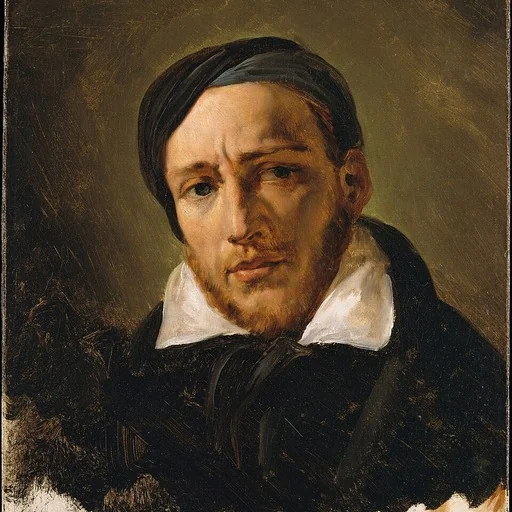
Artist
Jean-Louis André Théodore Géricault (French:; 26 September 1791 – 26 January 1824) was a French painter and lithographer.