Artwork
Head of a Guillotined Man
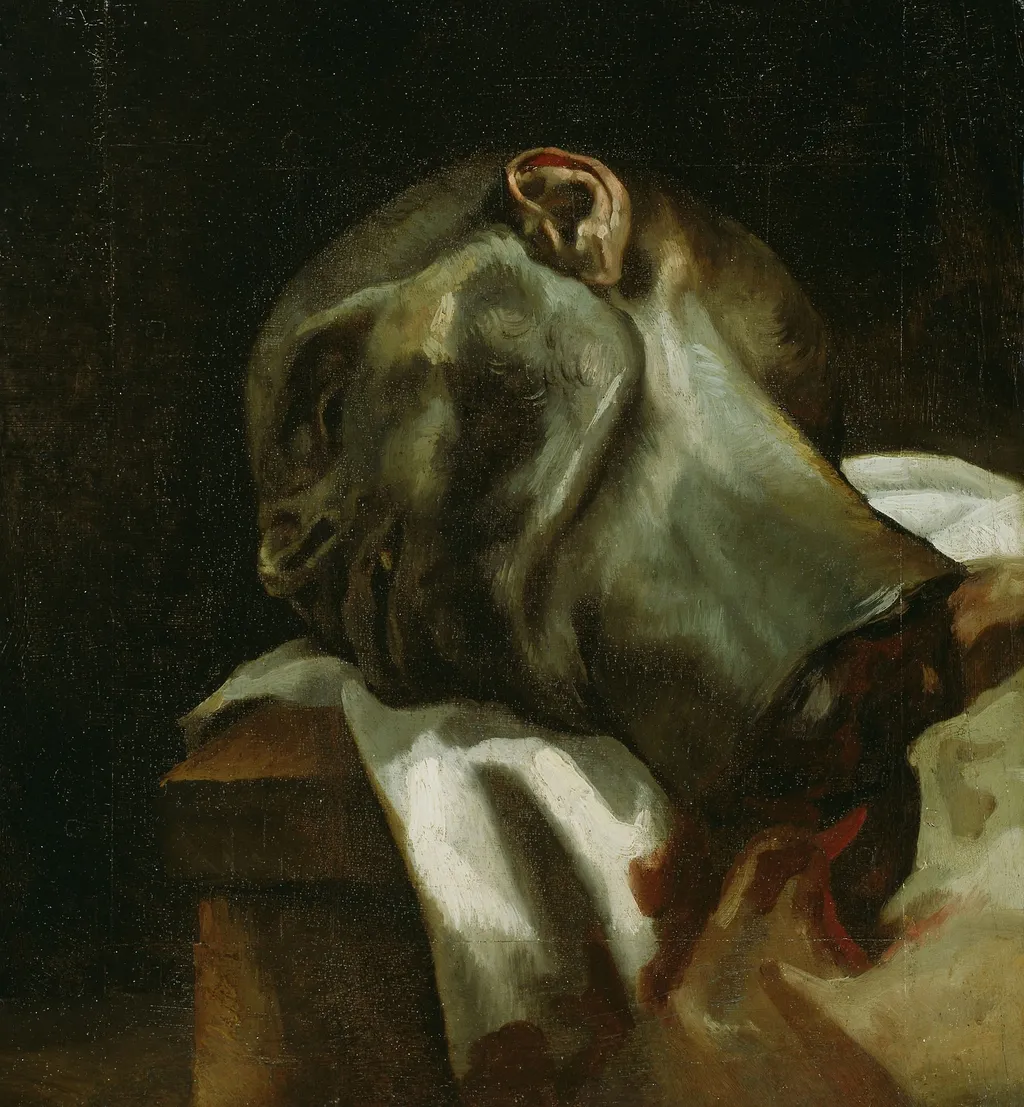
Head of a Guillotined Man is an oil painting by the French Romanticist artist Théodore Géricault. It dates from 1818 and is held in the collection of the Art Institute of Chicago.
About this work
Overview
Created in 1818, Head of a Guillotined Man is an oil painting by French artist Théodore Géricault. Executed during the early phase of Romanticism, the work is part of the Art Institute of Chicago’s collection. It presents a single, severed head rendered against a deep black background, inviting contemplation of mortality and the stark realism characteristic of Géricault’s oeuvre.
Subject & Meaning
The canvas portrays a pale, freshly severed head with a modest lock of hair and closed eyes, its features lifted slightly upward. A white cloth drapes over the skull like a modest hood, emphasizing the vulnerability of the human form. The composition’s focus on a solitary, disembodied visage reflects the Romantic fascination with death, suffering, and the raw immediacy of violent events.
Technique & Style
Géricault applied the paint in thick, impasto strokes that give the flesh a wax‑like texture and a palpable three‑dimensional presence. The brushwork is vigorous and uneven, creating a tactile surface that catches light dramatically. Stark chiaroscuro, bright illumination on the head against an almost absolute black void, heightens the visual tension and underscores the work’s somber mood.
History & Provenance
The painting was produced shortly after Géricault’s famous Raft of the Medusa and reflects his ongoing interest in contemporary tragedies. It entered the Art Institute of Chicago’s holdings in the early twentieth century, where it has remained a notable example of the artist’s exploration of violent subject matter within the Romantic tradition.
Own this work as a print
Artist & collection
Artist
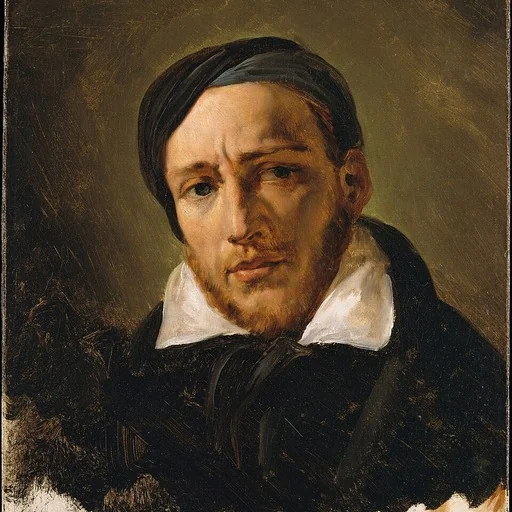
Jean-Louis André Théodore Géricault (French:; 26 September 1791 – 26 January 1824) was a French painter and lithographer.

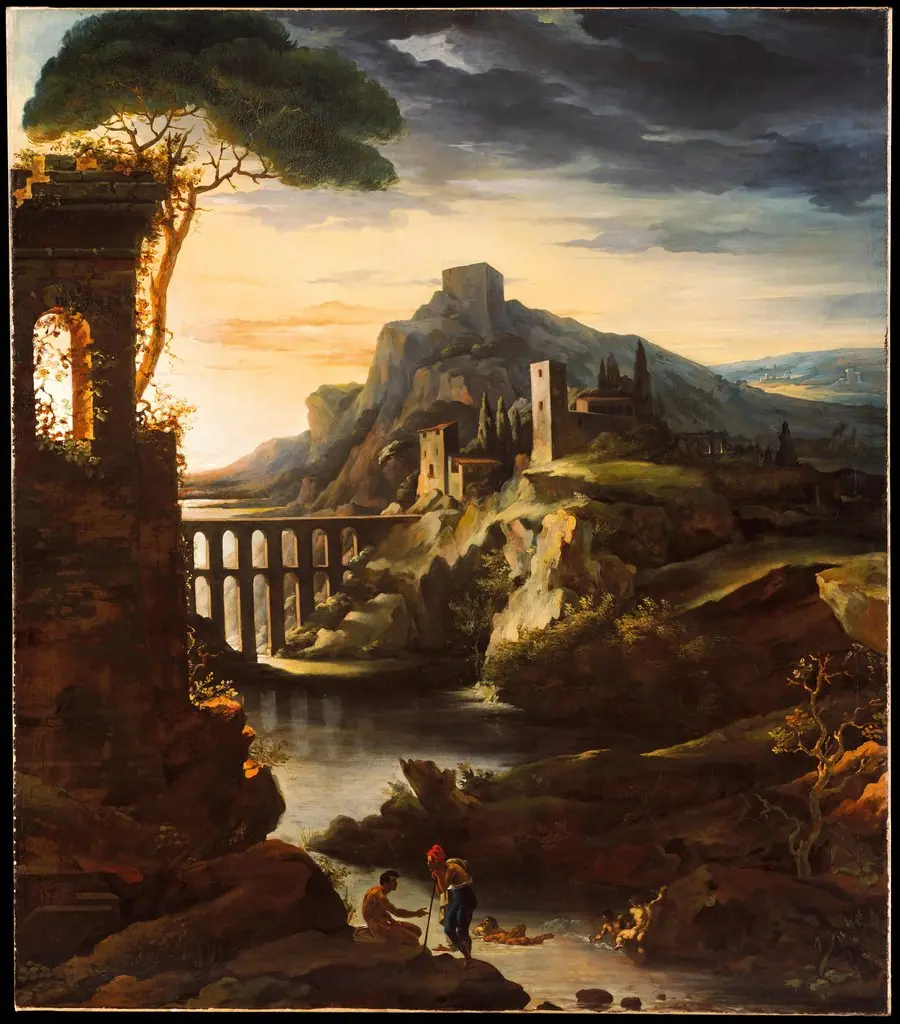
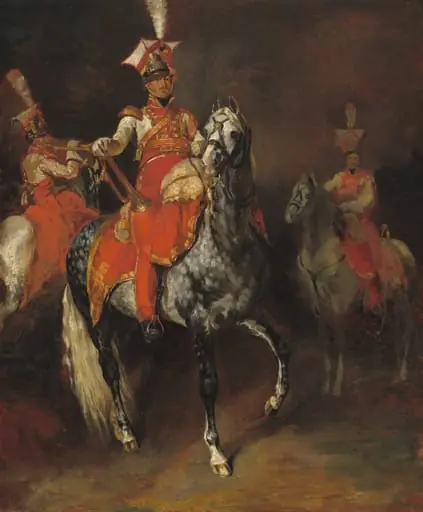
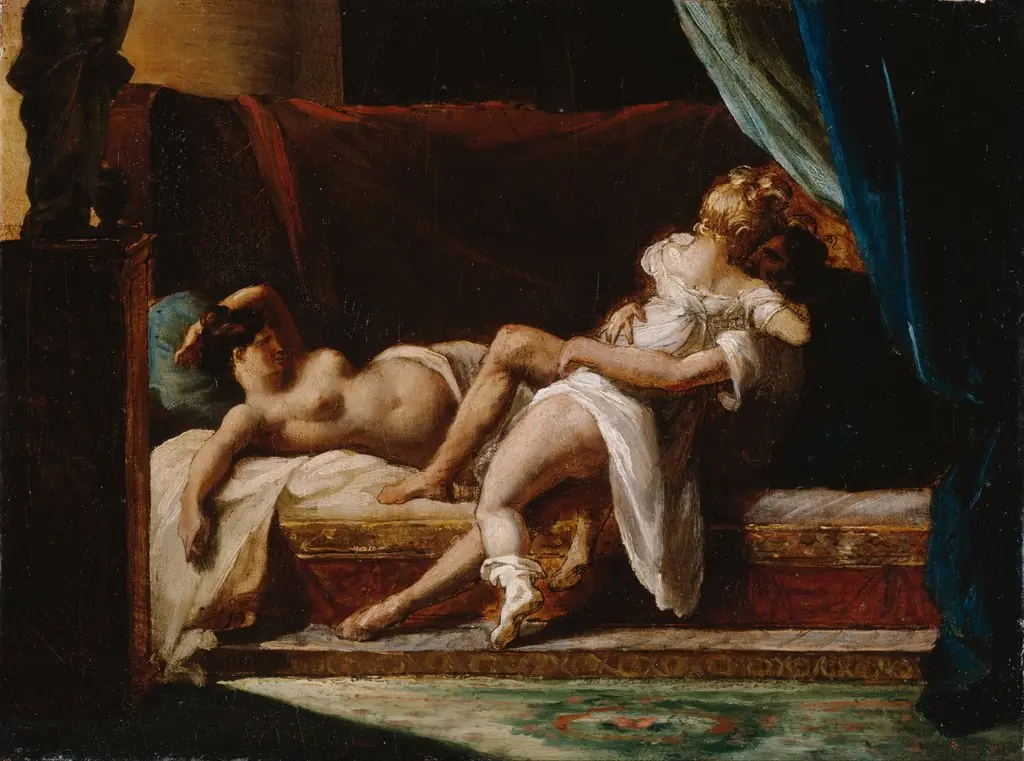
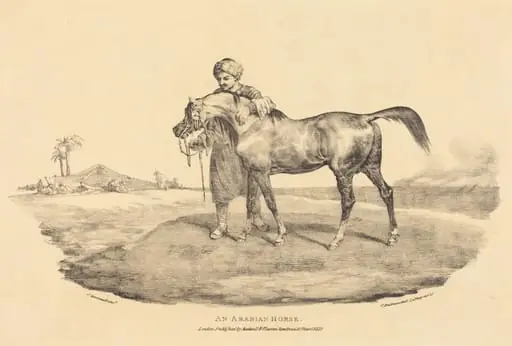
- Head of a Guillotined Man
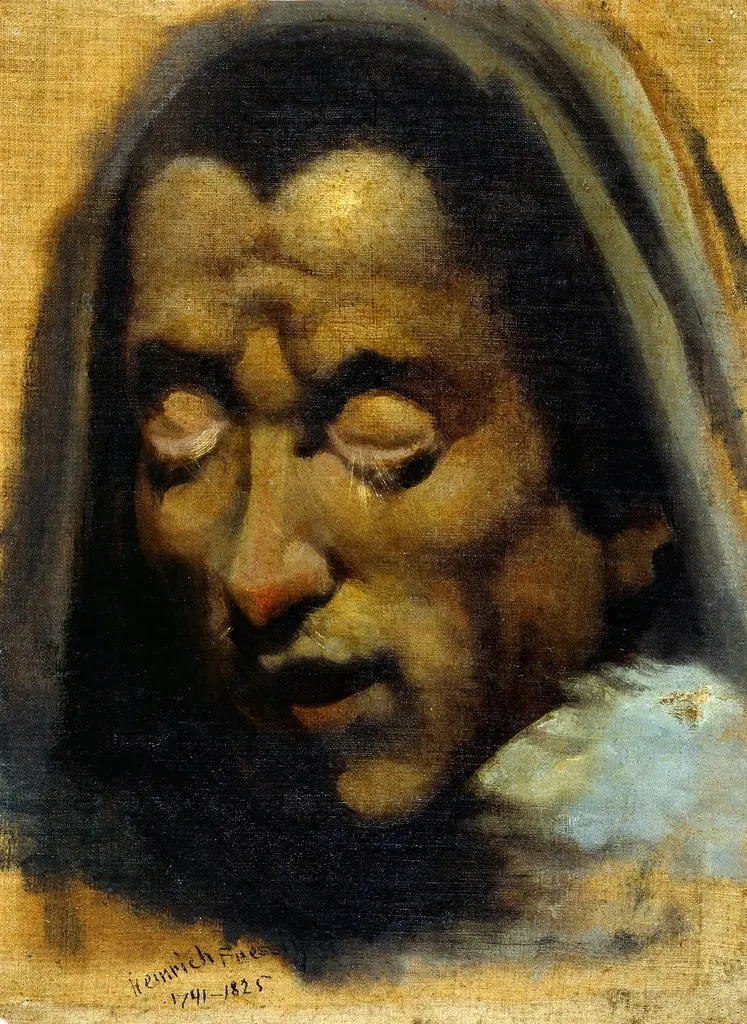 Head of a Damned Soul from Dante's "Inferno," (verso)
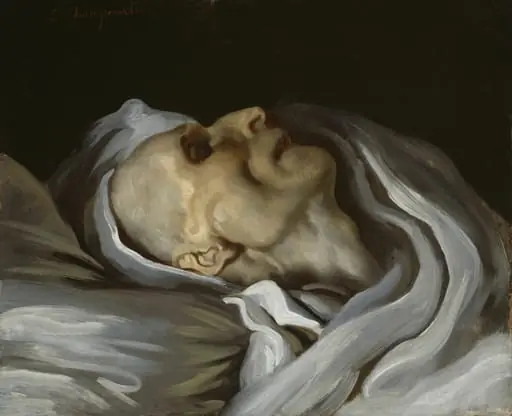 Théodore Géricault on His Deathbed
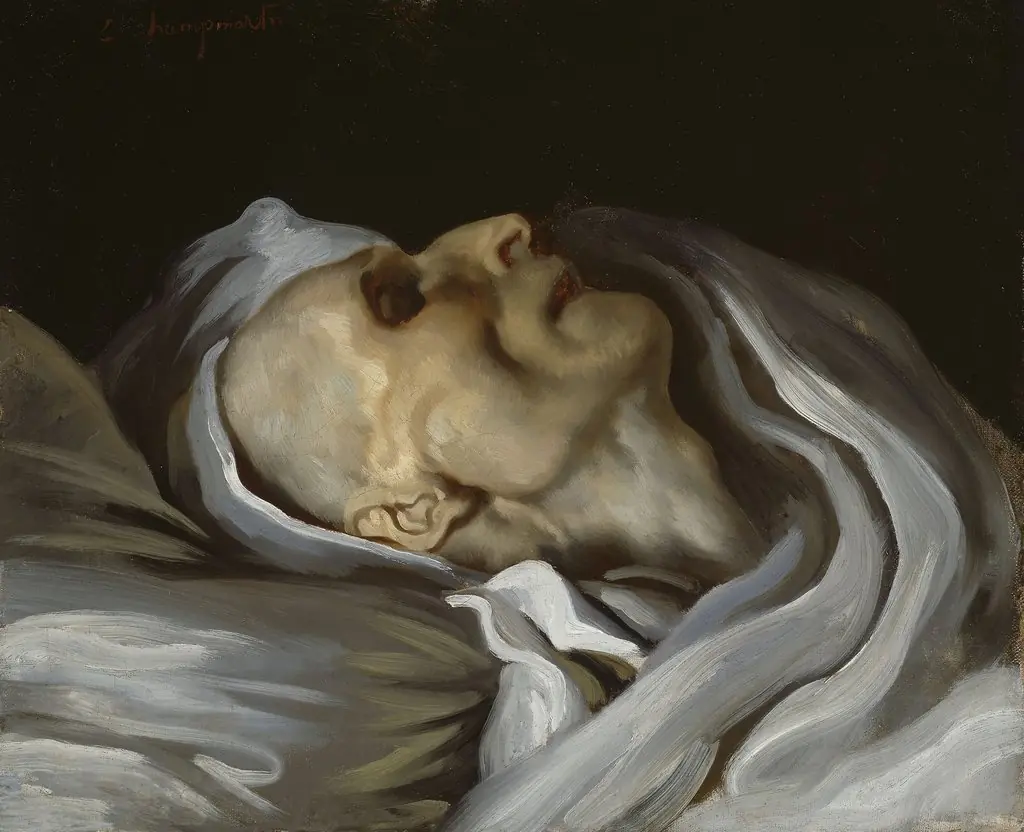 Study of the Head of a Corpse
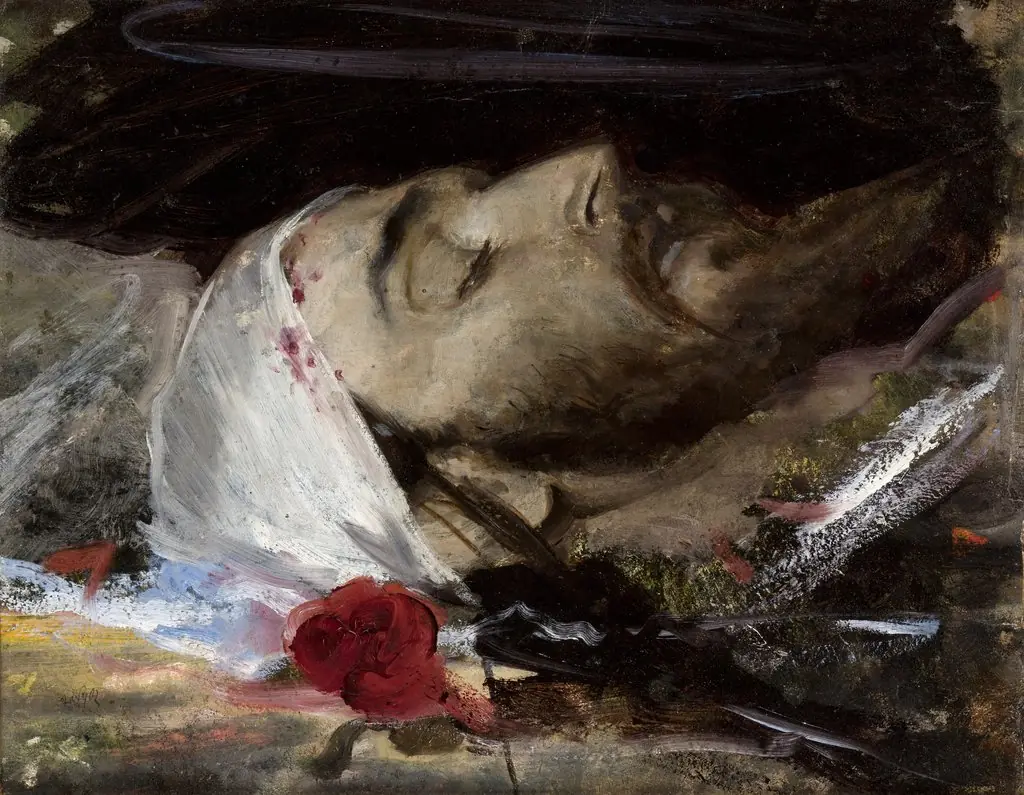 Head of Christ
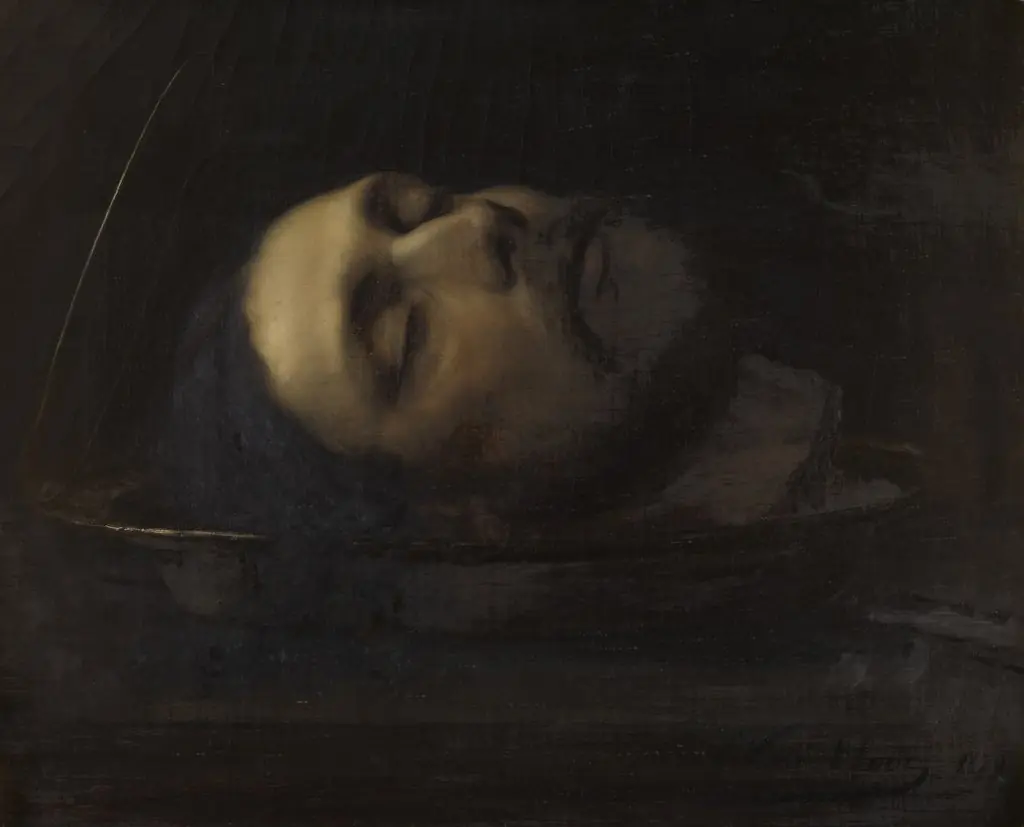 The Head of Saint John the Baptist
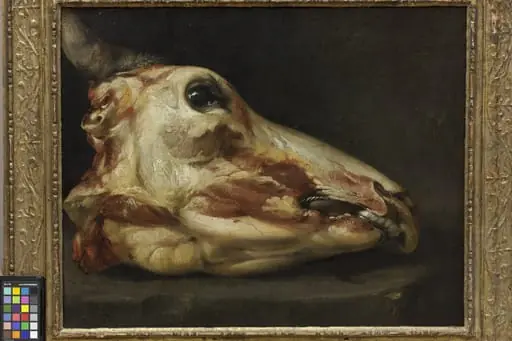 Skinned Head of an Ox
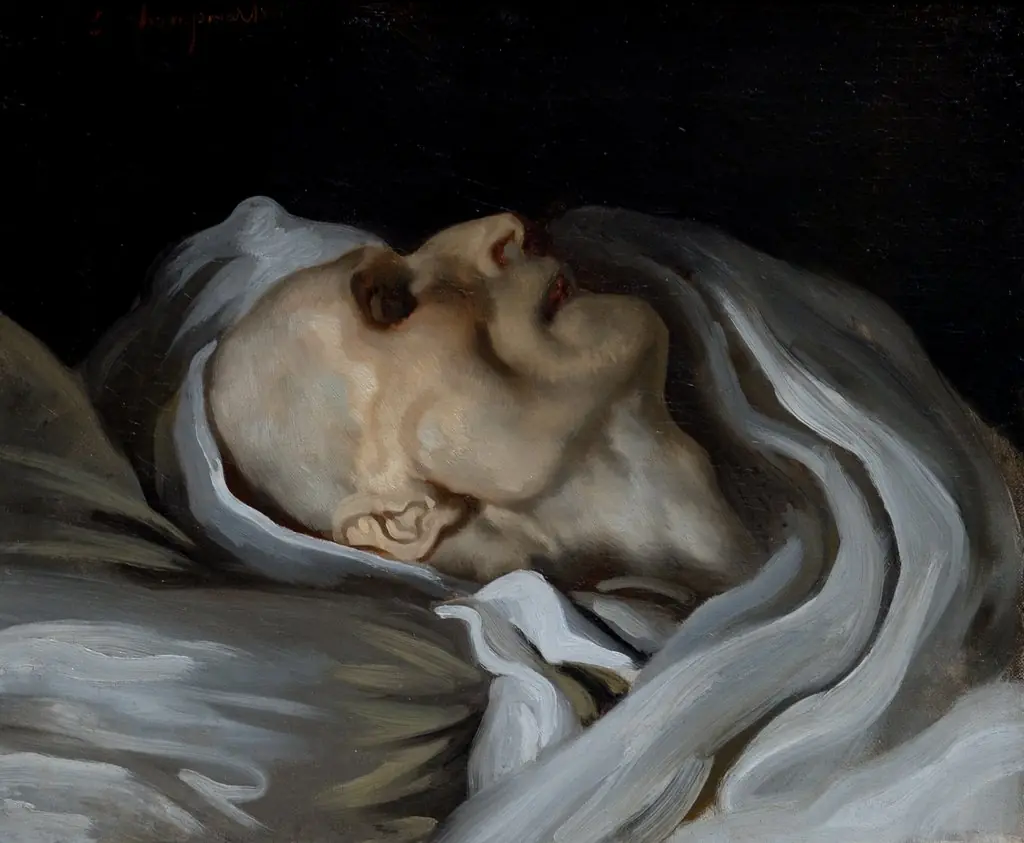 Tête de cadavre
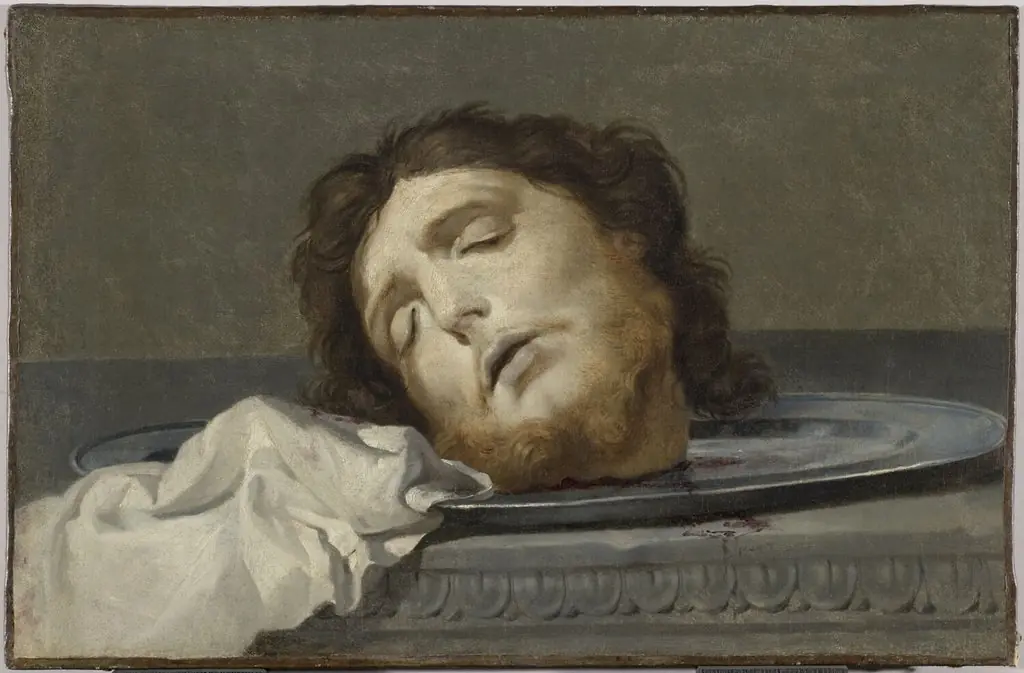 Le Chef de saint Jean-Baptiste
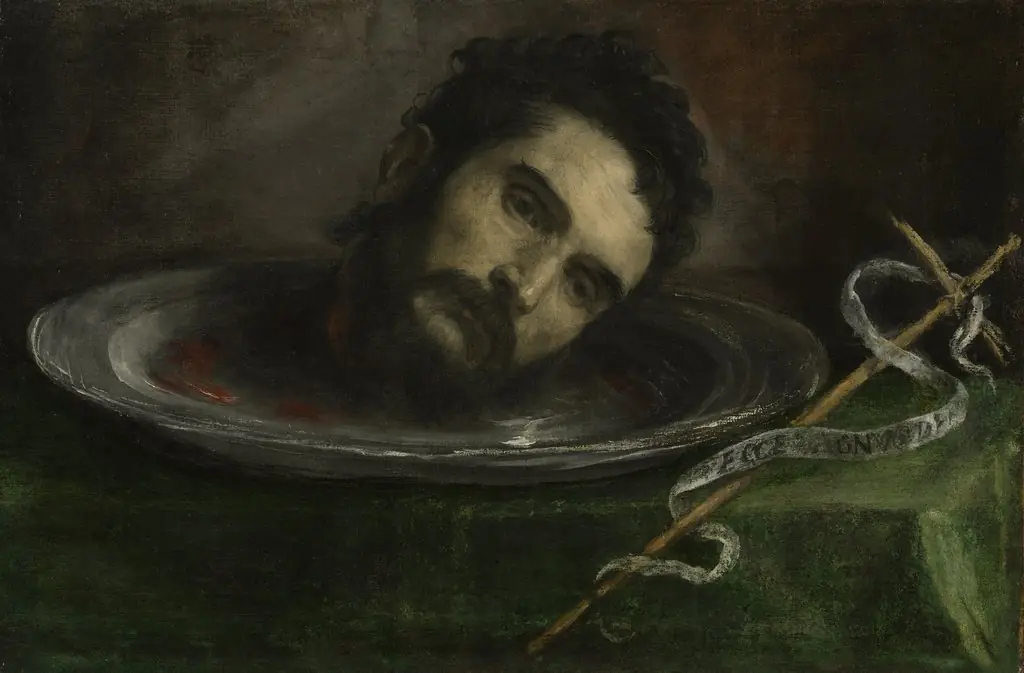 Head of Saint John the Baptist
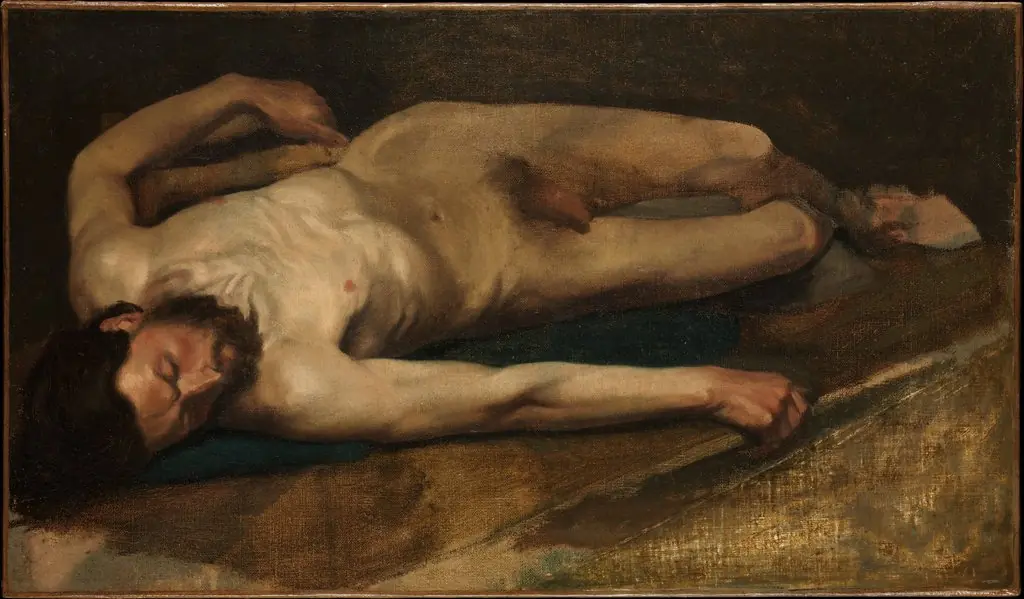 Male Nude
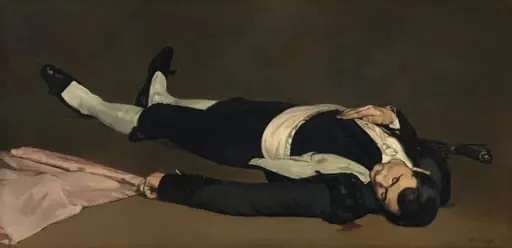 The Dead Toreador