Artwork
Die Instrvment gantz lvstig Kling vorab wen man darein tvt singen
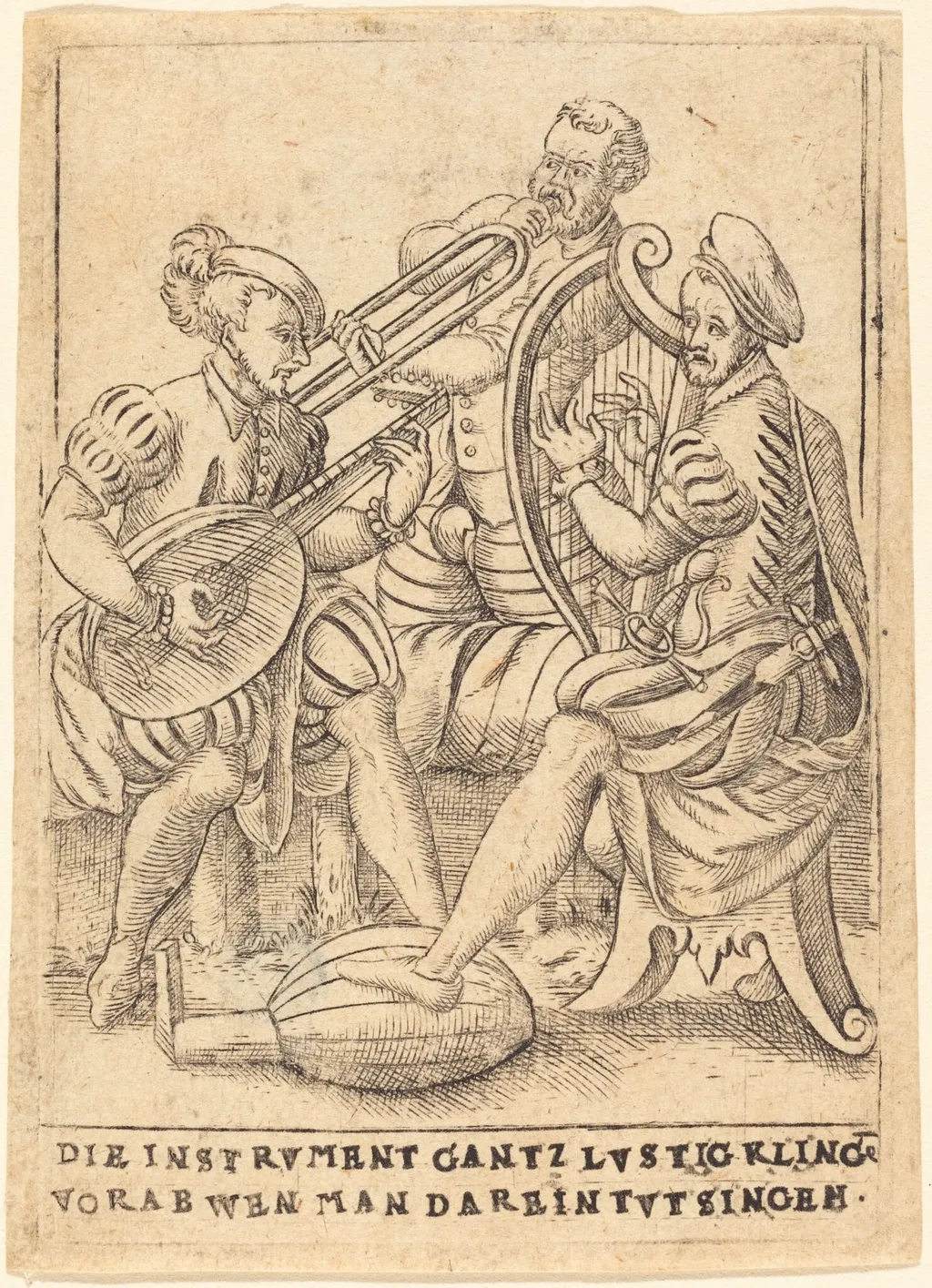
Die Instrvment gantz lvstig Kling vorab wen man darein tvt singen is an ink print by the Renaissance artist German 16th Century. It dates from 1580 and is held in the collection of the National Gallery of Art.
About this work
Overview
Die Instrvment gantz lvstig Kling vorab wen man darein tvt singen is an engraving that depicts a scene of domestic music-making.
Subject & Meaning
The print shows a lute and sheet music, illustrating the practice of singing into instruments to enhance their sound, as described in the German title.
Technique & Style
The engraving presents a detailed representation of a lute, with its pegs correctly tuned, and sheet music with notes ready for performance, offering insight into 16th-century music practices.
Artist & collection

Artist
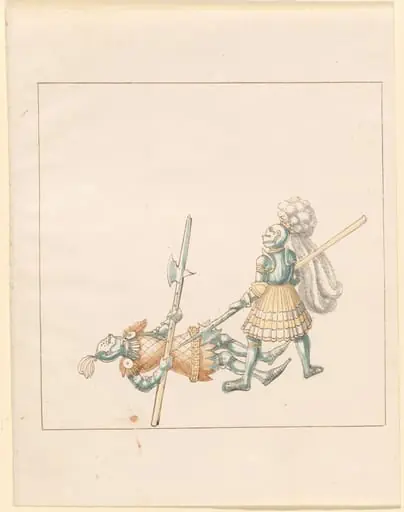
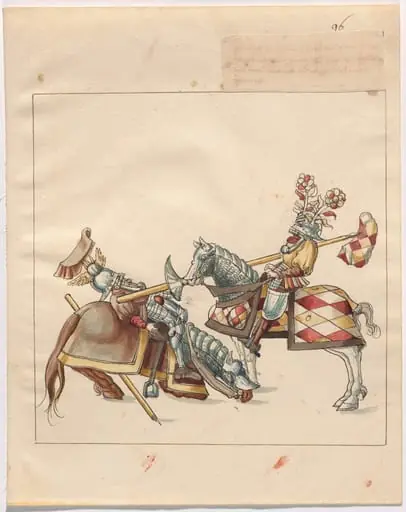
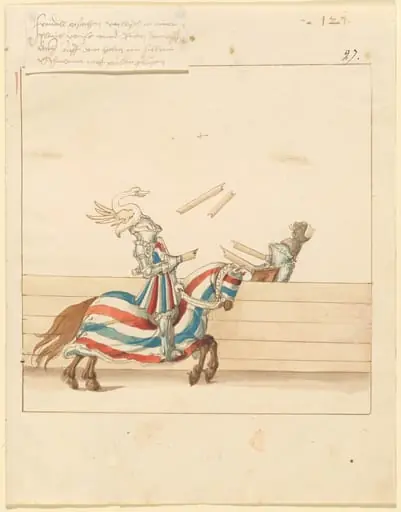
A German artist of the late 1500s drew knights clashing in parades and mock battles, filling sheets with detailed ink colored lightly in watercolor: soldiers mid-joust, shields flying, foot soldiers sparring with spears.

![Abraham Entertaining the Angels [verso], by German 16th Century](https://artifactworldgallery.com/img/german-16th-century--abraham-entertaining-the-angels-verso--69d1b25f4eba0a53-w320.webp)
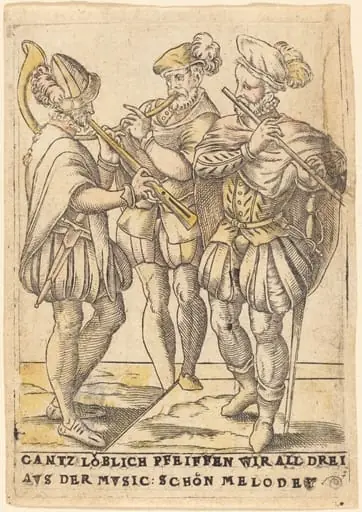 Gantz loblich Pfeiffen wir all drei avs der Mvsic: Schon Melodey
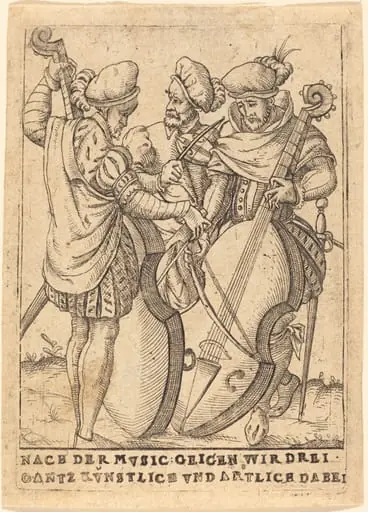 Nach der Mvsic: Geigen wir drei gantz Kvnstlice vnd artliche dabei
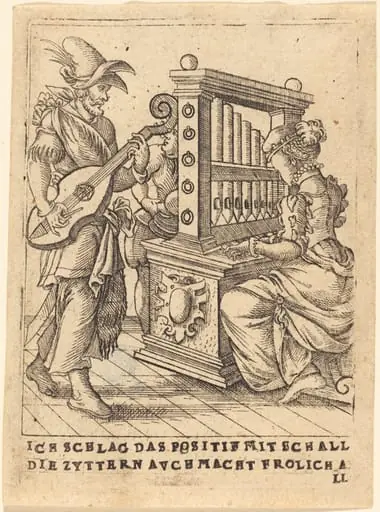 Ich schlag das Positif mit Schall die Zytternavchmacht frolich all
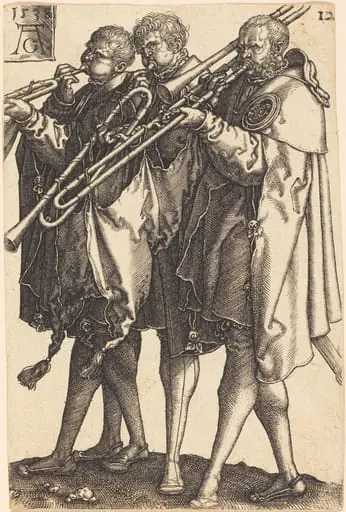 Large Wedding Dancers
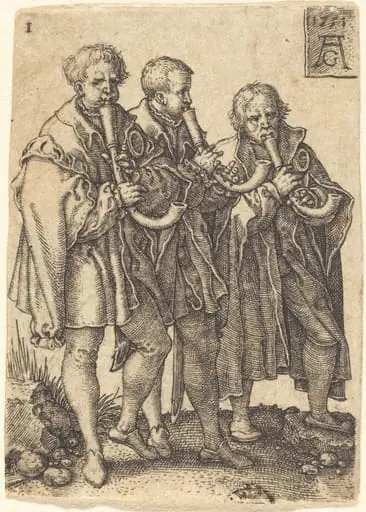 Three Musicians
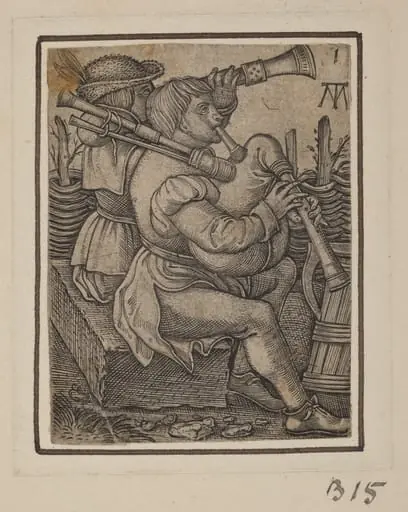 Bagpipe Players
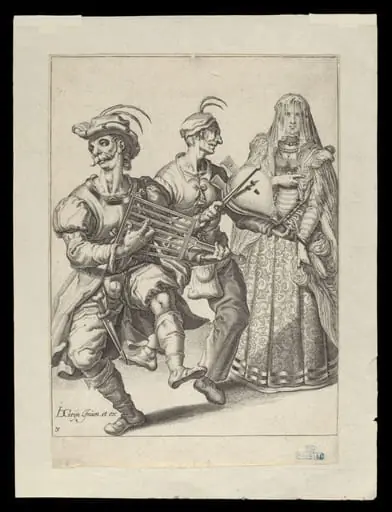 H Beard Print Collection
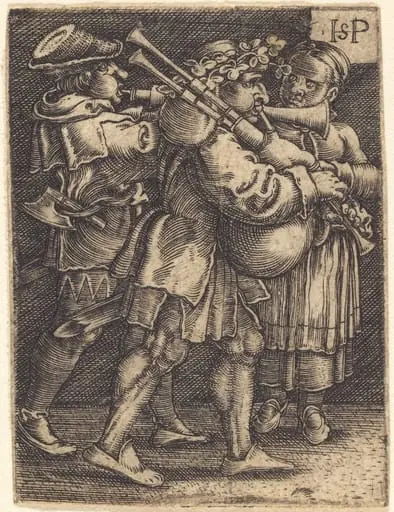 Two Street Players and a Girl
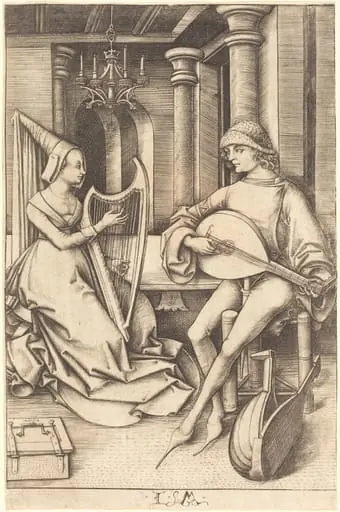 The Lute Player and the Harpist
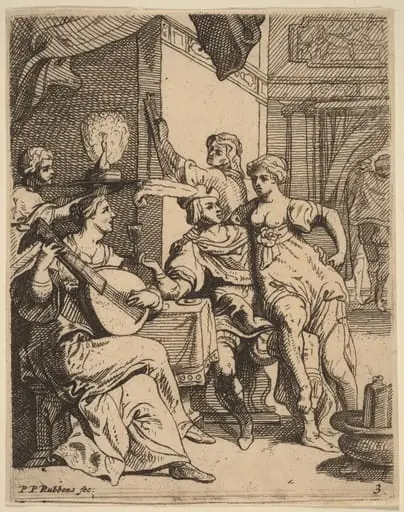 The Prodigal Wasting His Substance in the Tavern
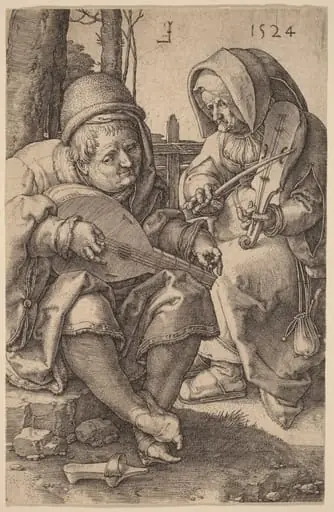 The Musicians
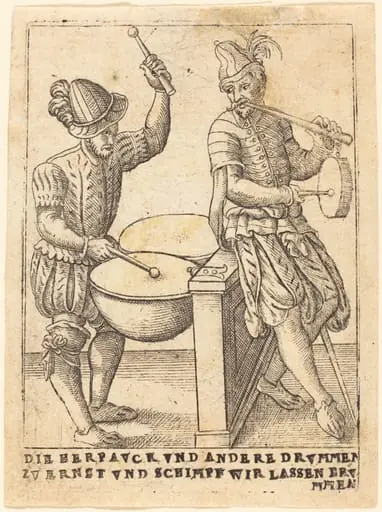 Die Herpavck vnd andere Drvmmen zvernst vnd Schimpf wir lassen ervmmen