Artwork
Portrait of a Lady
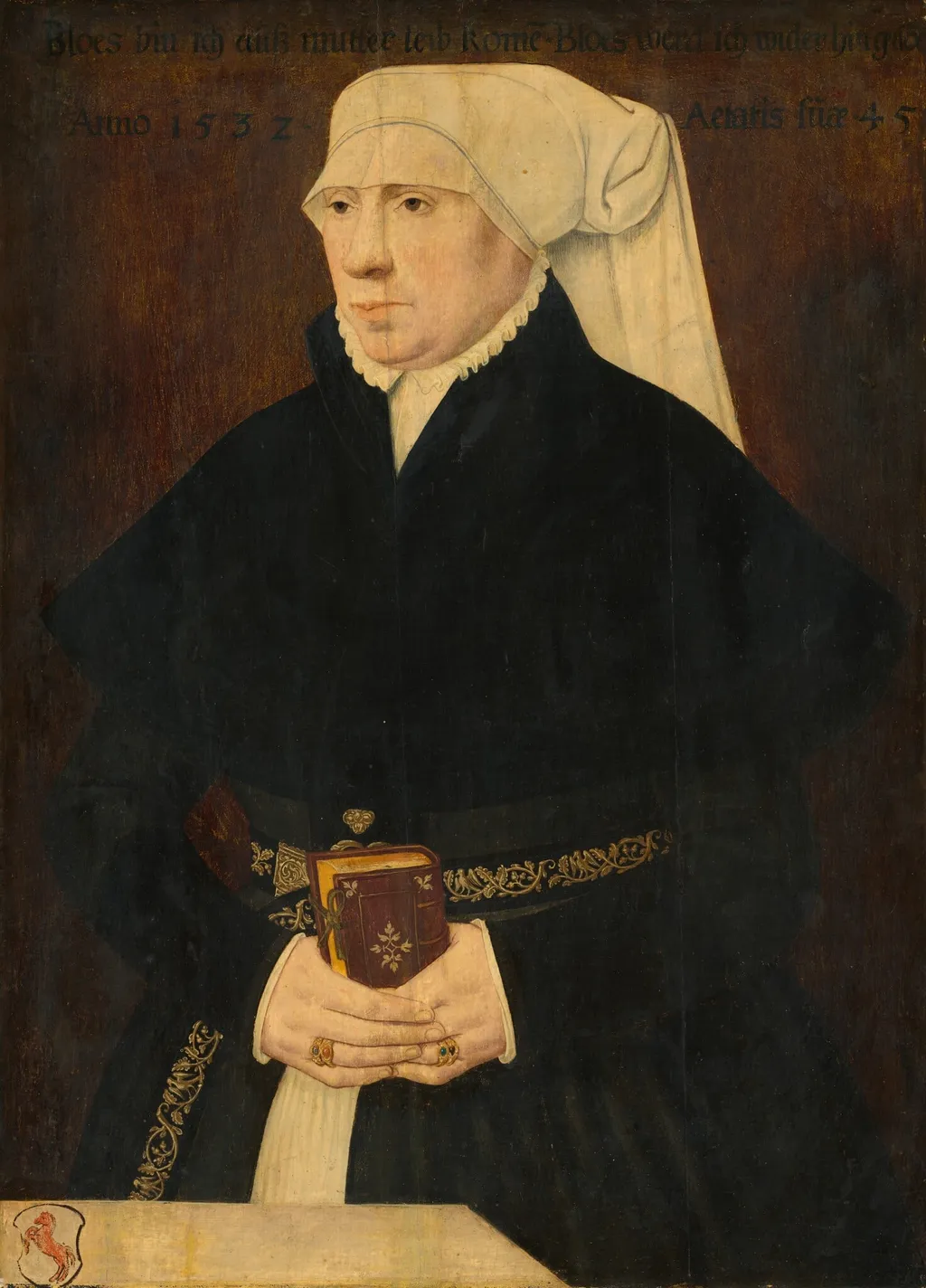
Portrait of a Lady is a tempera painting. It dates from 1532 and is held in the collection of the National Gallery of Art.
- Inscription
- Inscribed:across top: Bloes bin ich auss mutter leib kome. Bloes werd ich wider hingnoe / Anno 1532 Aetatis suae-45 (Naked came I out of my mother's womb, and naked shall I return thither, year 1532, age 45); lower left coat-of-arms: (argent, a horse salient forcené gules)
About this work
A woman sits in a formal pose, richly dressed and serious, her jewelry carefully detailed. The clothing and bearing mark her as a person of standing. Portraits like this were common in the 16th century, offering a glimpse into the lives of the wealthy.
Technique & Style
The painting’s support, medium, and formal classification as a German sixteenth‑century portrait are documented in the National Gallery of Art’s records.
The Portrait of a Lady is executed in tempera on a wooden panel, measuring approximately 44.2 cm in height by 31.7 cm in width. The work belongs to the portrait genre and is attributed to a German artist of the sixteenth century. It depicts a woman, reflecting the subject’s status through conventional portrait conventions of the period.
The painting’s support, medium, and formal classification as a German sixteenth‑century portrait are documented in the National Gallery of Art’s records.
History & Provenance
Dated to 1532, this tempera-on-panel portrait by a German sixteenth-century artist possesses an early ownership history that remains partially unverified. While some records suggest the work belonged to Prince Demidoff at San Donato near Florence, it is more firmly documented as remaining with the family of Count Filicaja in Arezzo until 1902. In that year, Henry Osborne Havemeyer of New York acquired the piece.
Following Havemeyer's death in 1907, the painting passed to his wife, Louisine Waldron Elder Havemeyer. Upon her death, the work was included in the American Art Association and Anderson Galleries sale in New York on April 10, 1930, where it was attributed to Ludger tom Ring. The purchaser was Chester Dale, who subsequently donated the portrait to the National Gallery of Art in Washington, D.C., in 1942.
The painting is held in the collection of the National Gallery of Art in Washington, D.C., having entered the institution in 1942 as a gift from Chester Dale. Prior to this acquisition, the work passed through the estate of Henry Osborne Havemeyer and was sold at the American Art Association and Anderson Galleries in New York on April 10, 1930, where it was cataloged as number 54 and attributed to Ludger tom Ring. Earlier provenance records suggest the panel belonged to the family of Count Filicaja in Arezzo until 1902, with unverified mentions of previous ownership by Prince Demidoff of San Donato.
The provided sources detail this chain of custody but do not list specific public exhibitions where the work was displayed.
Overview
This painting, titled "Portrait of a Lady," is rendered in tempera on panel. It presents a woman in a formal, seated pose, adorned in elaborate attire and displaying a serious expression. The artist's meticulous attention to the details of her clothing and jewelry suggests the sitter's significant social standing, offering a glimpse into the visual representation of status during its time.
Subject & Meaning
The subject's composed posture and luxurious garments are indicative of her elevated position within society. Her solemn demeanor, alongside the precise rendering of her accessories and clothing, served to convey her importance and affluence. Such portraits were commissioned not only to capture a likeness but also to project the sitter's identity and standing to a wider audience.
Context
Portraiture gained considerable prominence in the 16th century, particularly among wealthy patrons. Paintings such as "Portrait of a Lady" served as visual documents of notable individuals, reflecting the era's societal values and the emphasis placed on personal representation. These commissions provide valuable insights into the lives and material culture of the affluent during this historical period.
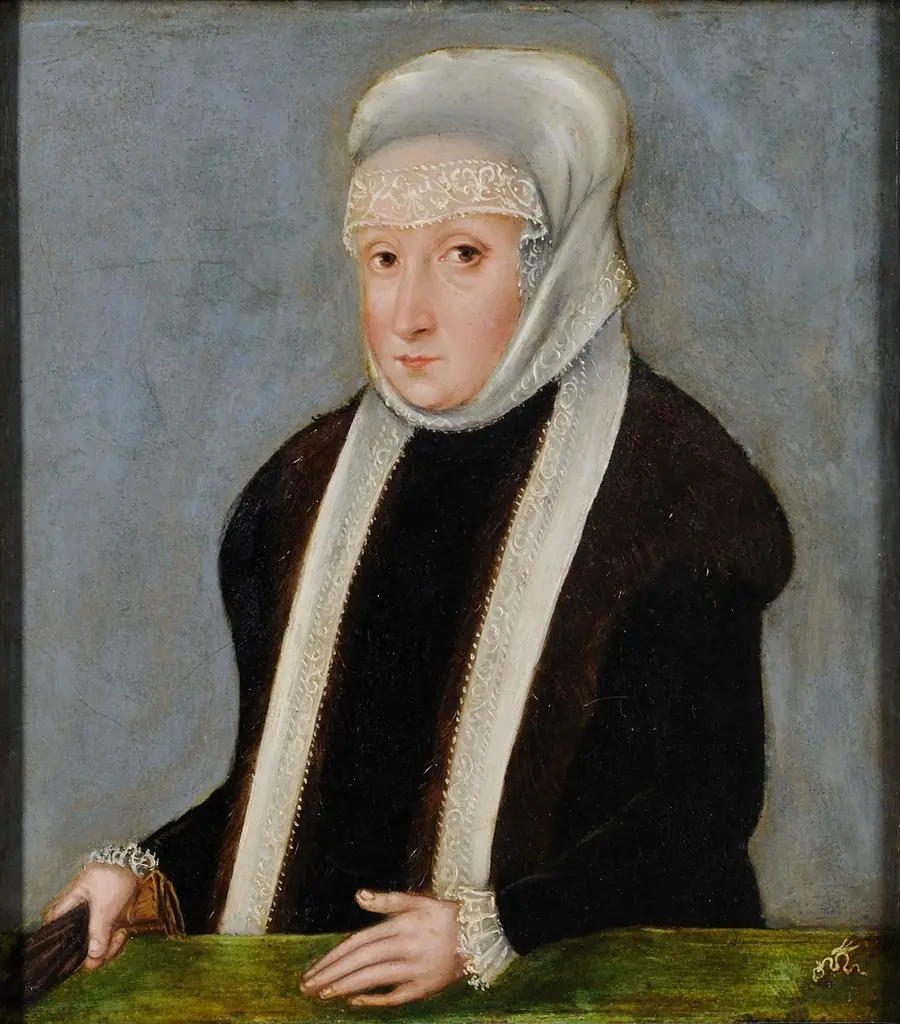
Artist & collection

- Isabella Jagiellon
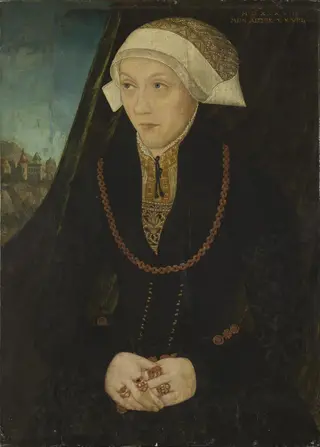 Portrait of a woman
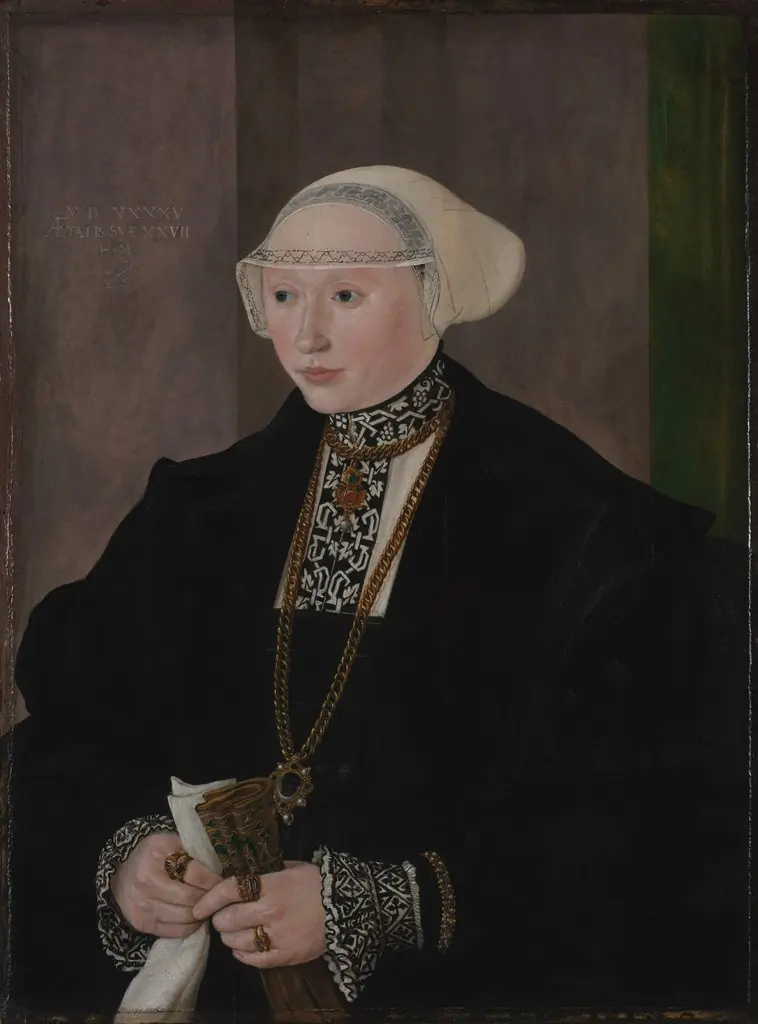 Portrait of Maria Kitscher, Frau von Freyberg
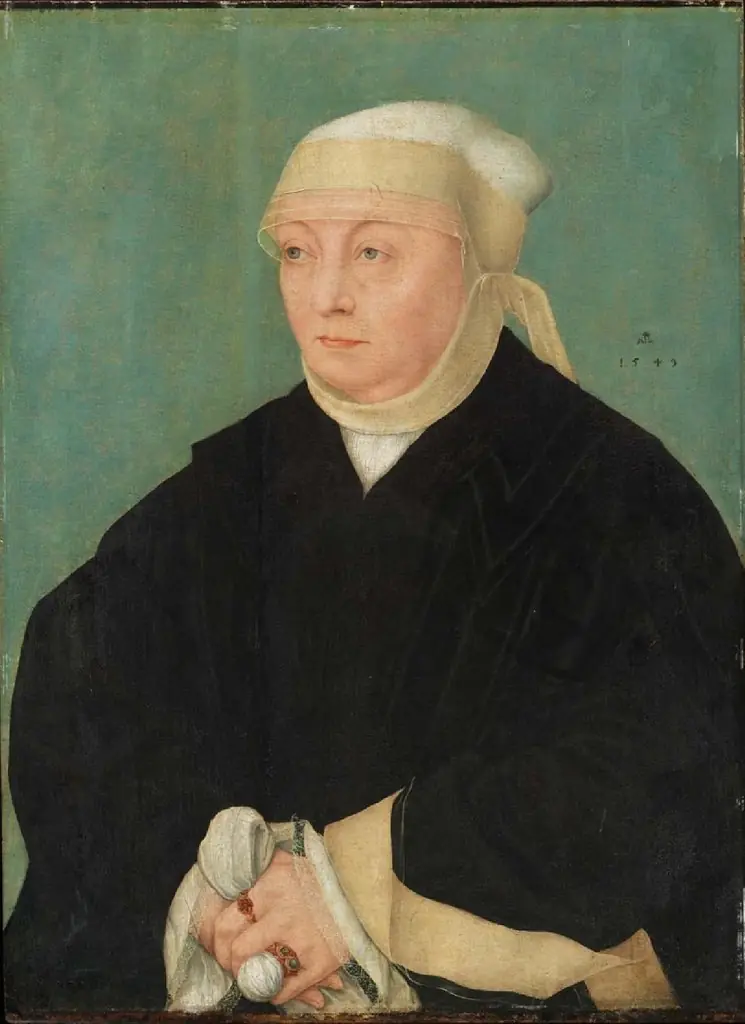 Portrait of a Woman
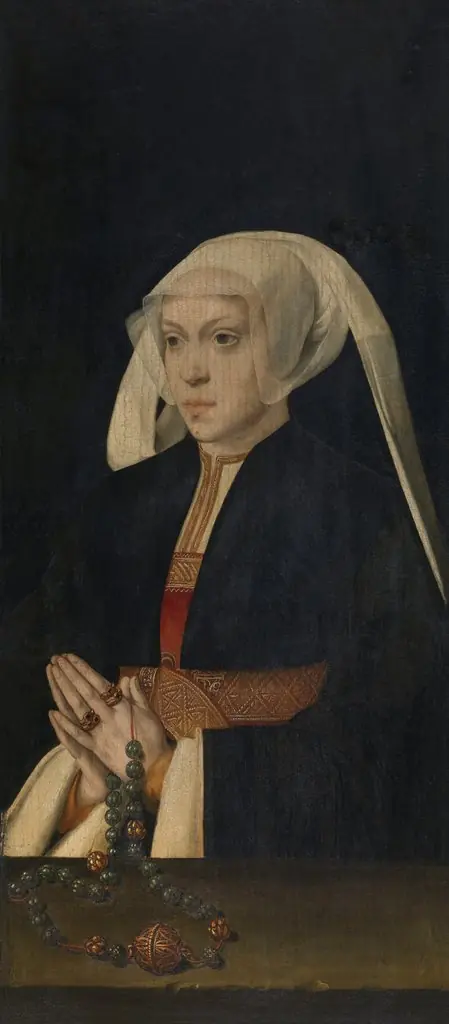 Portrait of a Woman
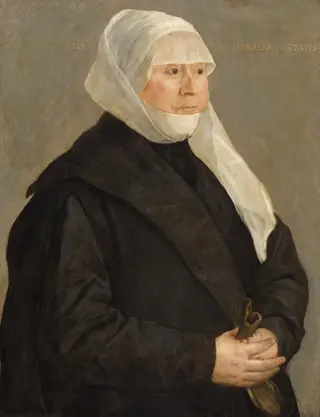 Regina von Stetten (1499-1562), Gemahlin des Peter Honold
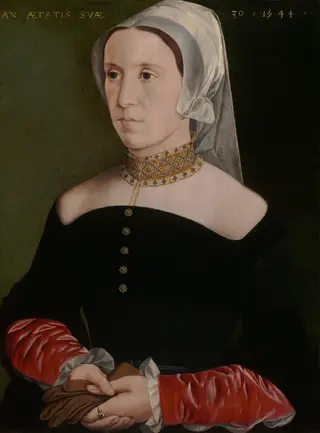 Portrait of a Woman
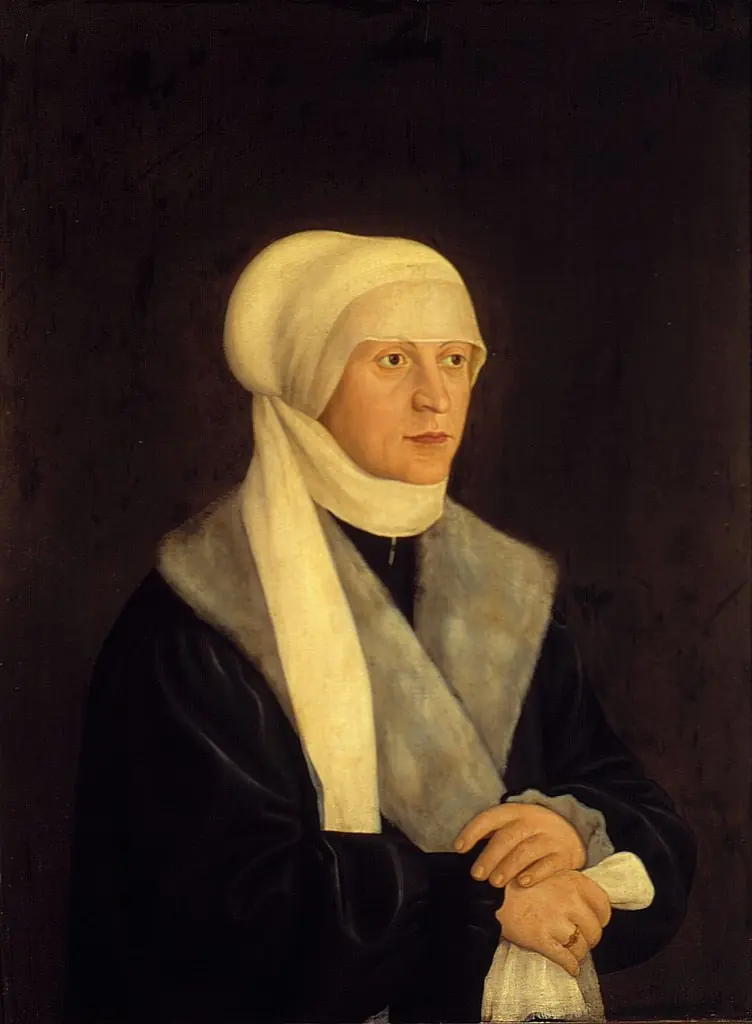 Portrait of Sabina of Bavaria
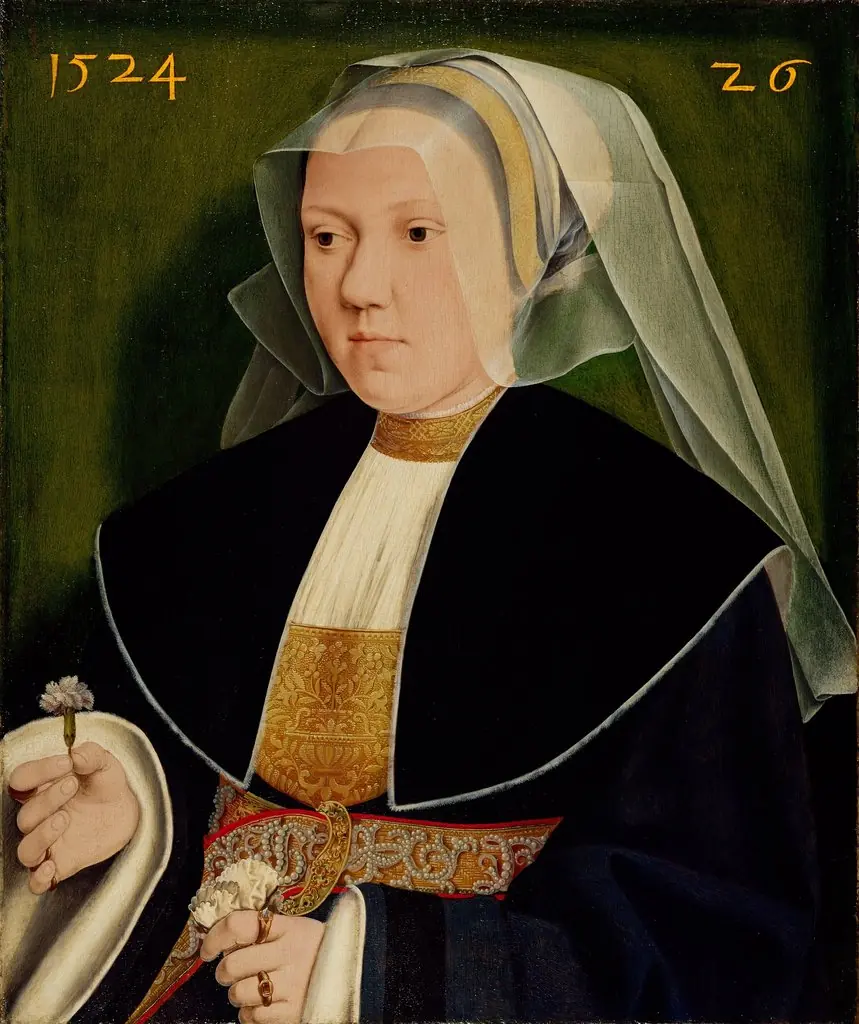 Portrait of Margaretha von Mochau, wife of Gerhard von Westerburg
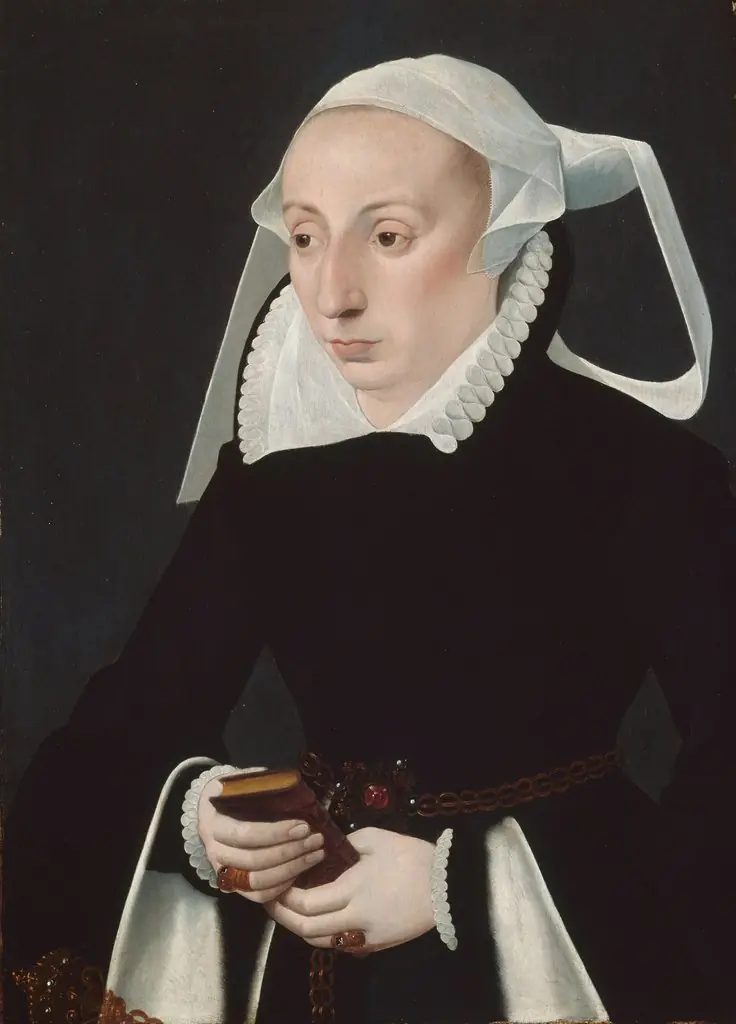 Portrait of a Woman with a Prayer Book
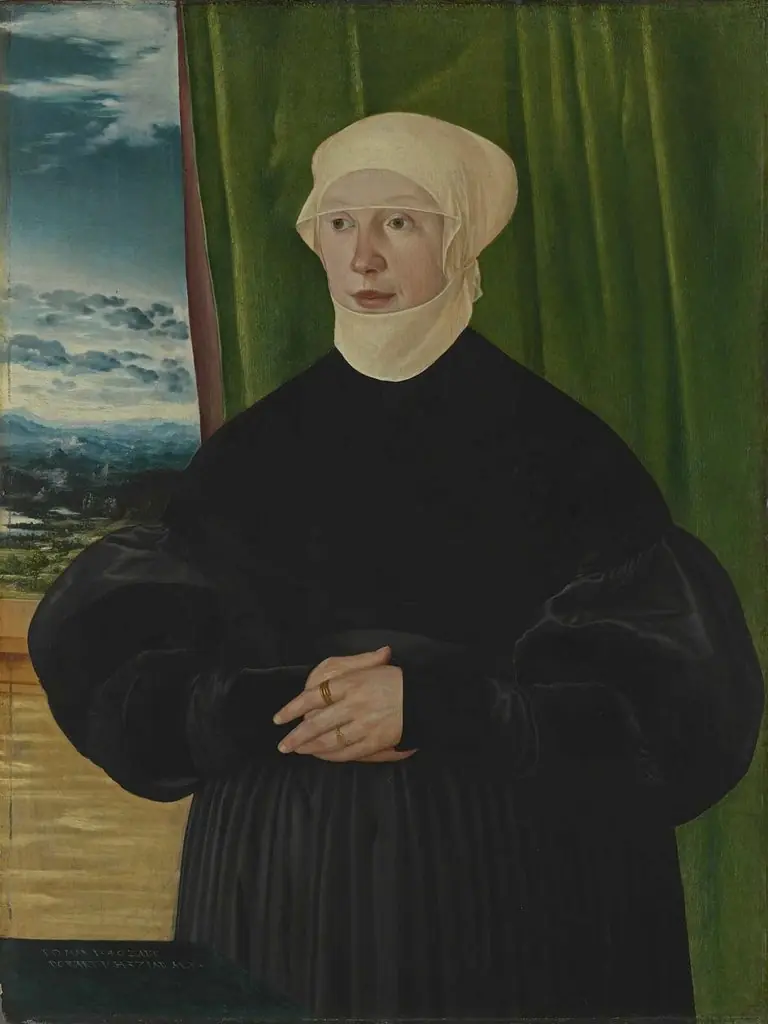 Ligsalz-Bildnisdiptychon: Apollonia Ligsalz, geb. Ridler
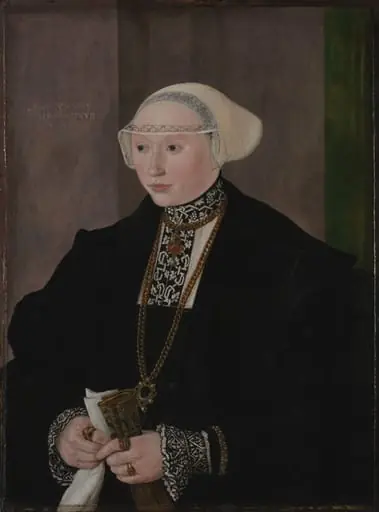 Portrait of Maria Kitscher, Frau von Freyberg