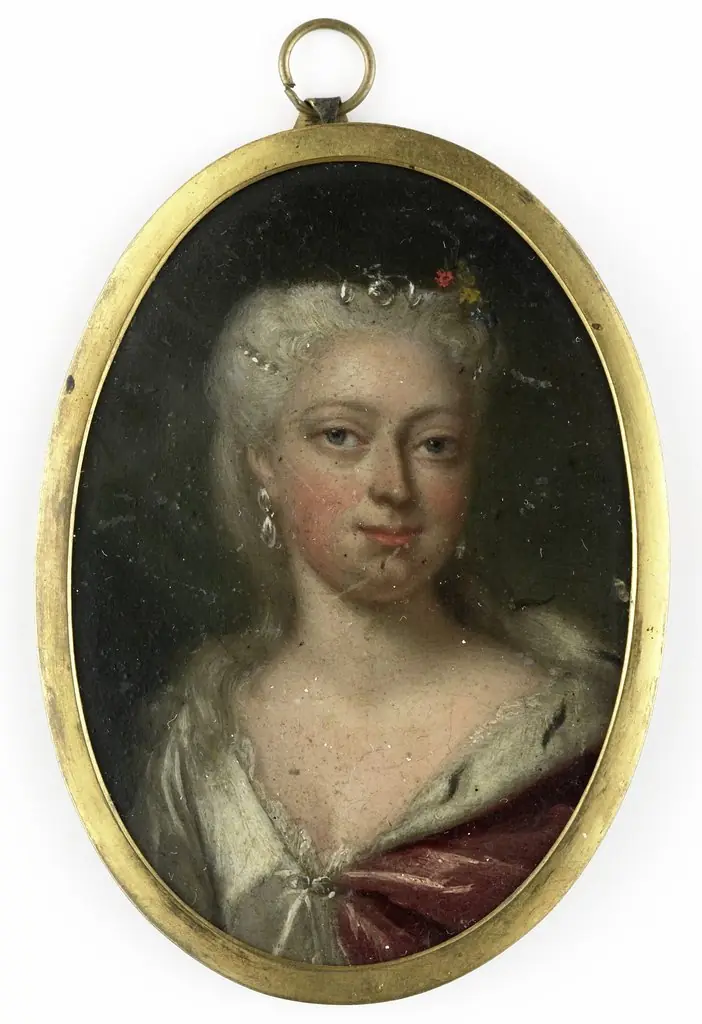
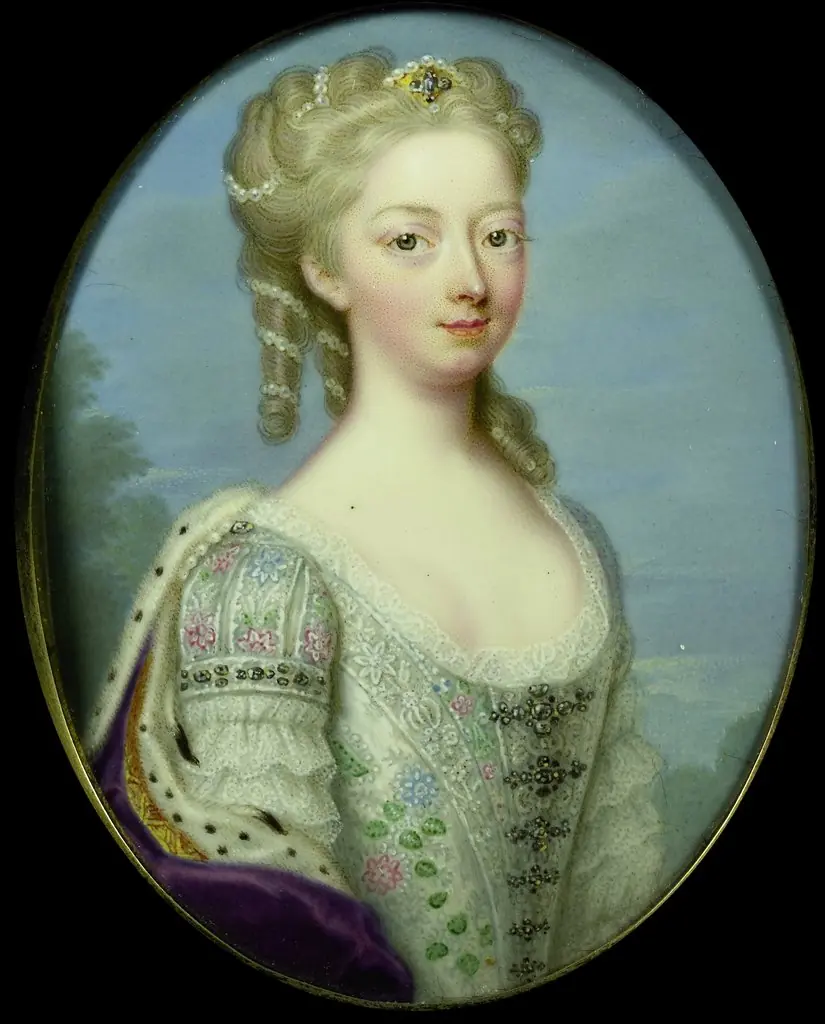
Artwork
Anna Hanover (1709-59). Wife of Prince William IV
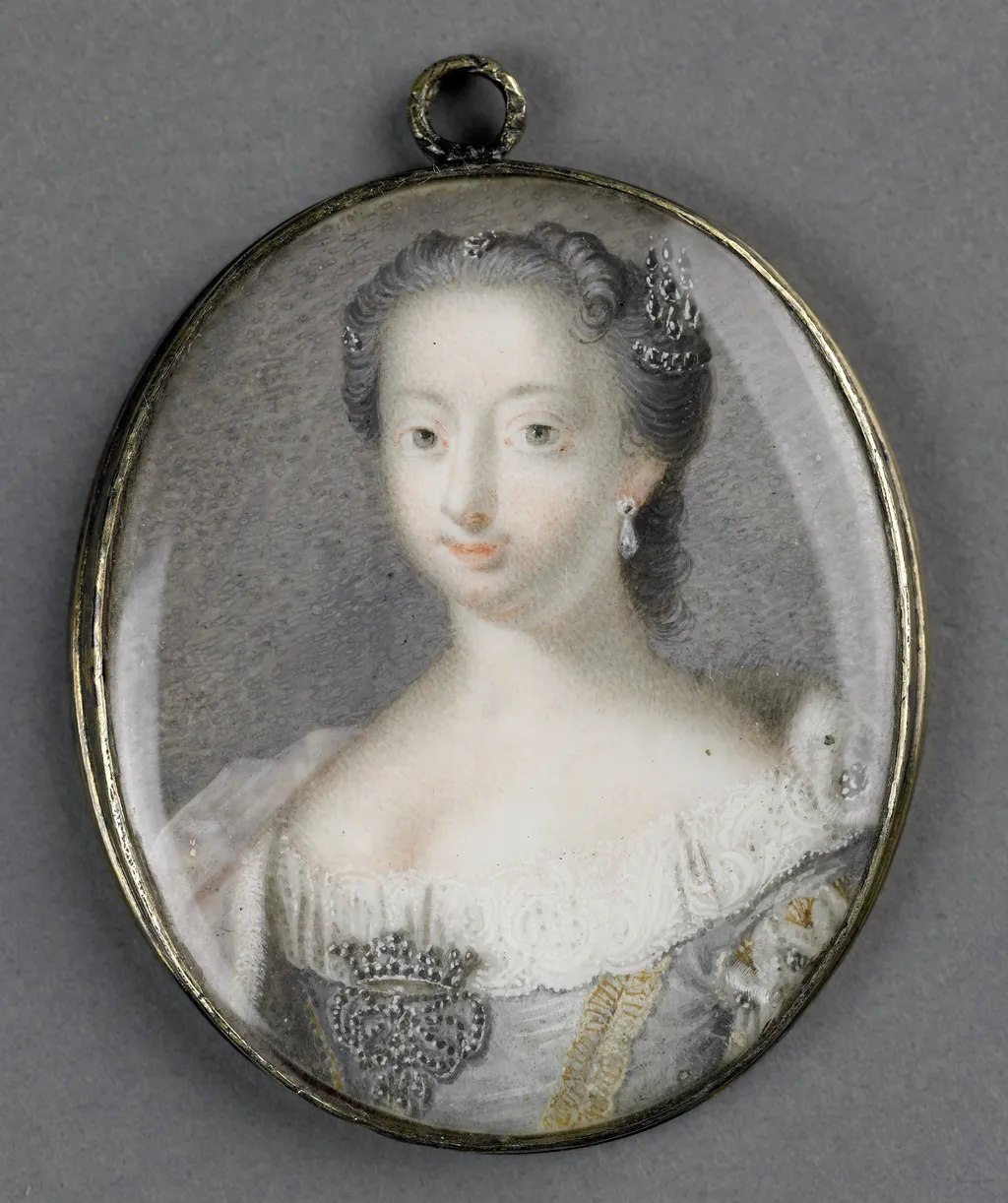
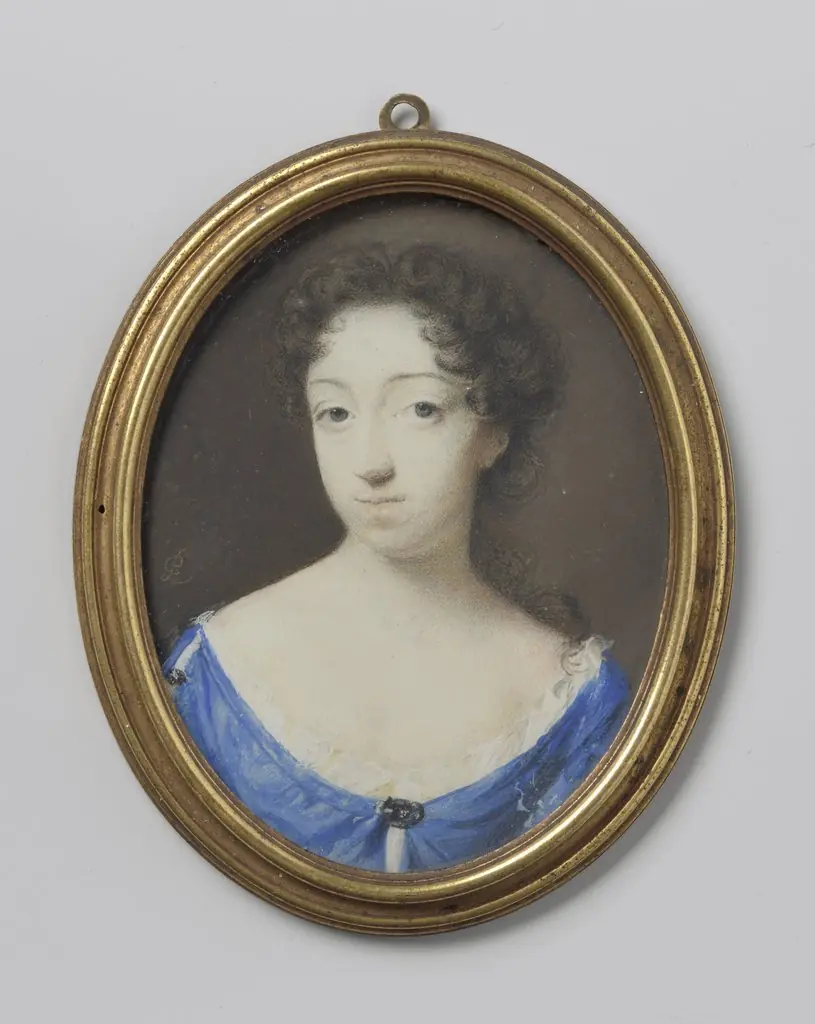
Anna Hanover (1709-59). Wife of Prince William IV is an ivory painting by the Rococo painting artist Gerrit Kamphuysen. It dates from 1756 and is held in the collection of the Rijksmuseum.
About this work
Subject & Meaning
The painting shows Anne, Princess Royal and Princess of Orange, depicted as the wife of Prince William IV. Rendered on ivory, the work functions as a formal portrait that emphasizes her royal status and position within the Dutch House of Orange through conventional portrait conventions of the mid‑18th century.
Technique & Style
6 cm, and painted in a refined, realistic style characteristic of mid‑18th‑century Dutch portraiture.
The portrait was created in 1756 on a thin rectangular support of ivory, measuring 4 × 3.6 cm, and painted in a refined, realistic style characteristic of mid‑18th‑century Dutch portraiture. Kamphuysen rendered the sitter’s features with delicate chiaroscuro and fine brushwork that emphasizes the translucency of the ivory surface, producing a lifelike representation of Anne, Princess Royal and Princess of Orange. The work is presently housed in the Rijksmuseum collection.
History & Provenance
The portrait of Anna Hanover was commissioned by the sitter's husband, Prince William IV, and painted by Gerrit Kamphuysen in 1756. Executed in oil on ivory, the work measures 4 cm by 3.6 cm and depicts Anne, Princess Royal and Princess of Orange. It entered the collection of the Rijksmuseum in Amsterdam, where it remains on public display.
The ivory portrait of Anna Hanover by Gerrit Kamphuysen, painted in 1756, is held in the collection of the Rijksmuseum. No specific inventory or accession number is recorded in the available sources. The painting was produced in Holland and entered the museum's holdings, where it remains located. No exhibition history is documented in the sources provided.
Legacy
Gerrit Kamphuysen's 1756 ivory portrait of Anna Hanover, wife of Prince William IV, entered the Rijksmuseum collection and has remained on display in the Netherlands, establishing her as a notable figure in Dutch portraiture. The work's depiction of Anne, Princess Royal and Princess of Orange, contributed to the family's visual legacy within the royal lineage. Its inclusion in the Rijksmuseum's holdings has ensured continued scholarly attention to Hanover's role in 18th-century Dutch art.
Overview
Created in 1756 by the Dutch artist Gerrit Kamphuysen, this small oval portrait is carved from ivory and is part of the Rijksmuseum’s collection. It presents Anna Hanover, known as Anne, Princess Royal and Princess of Orange, who lived from 1709 to 1759.
Context
During the mid‑1700s, ivory carving was a favored medium for intimate, portable portraits of high‑status individuals. Kamphuysen’s work aligns with this tradition, offering a personal yet formal representation of a member of the House of Orange‑Nassau.
Own this work as a print
Artist & collection
Artist
Dutch artists in the 1700s often painted tiny portraits on ivory for keepsakes. Gerrit Kamphuysen made more than 50 of these, mostly small ovals worn as lockets or attached to snuffboxes. In the Gallery you’ll find…

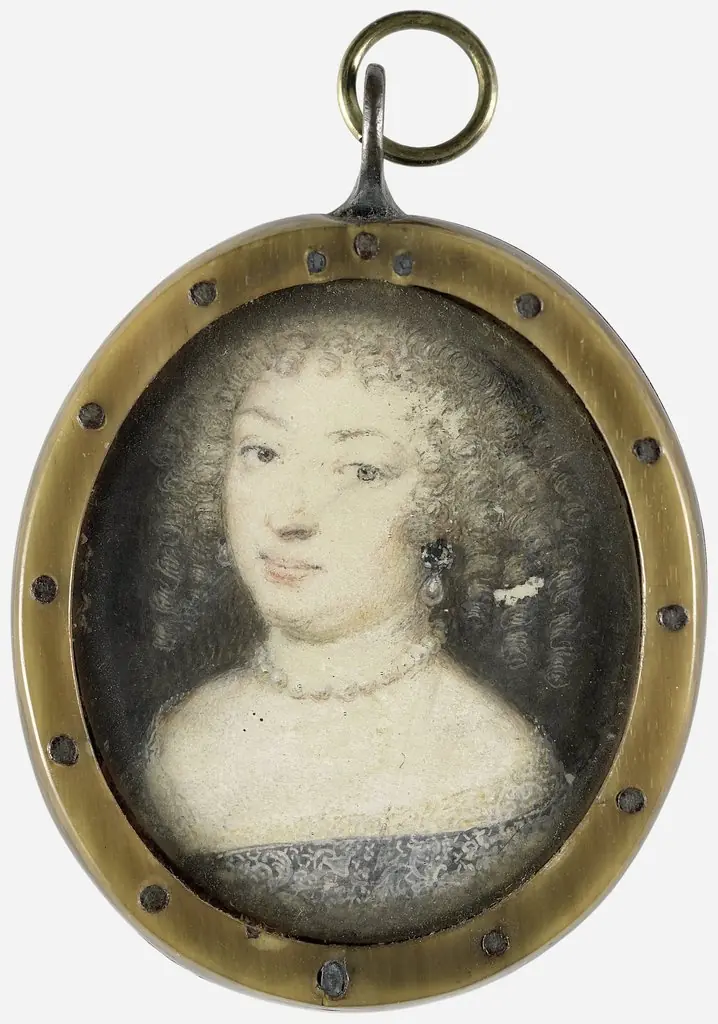 Marie, markiezin van Sévigné (1626-96)
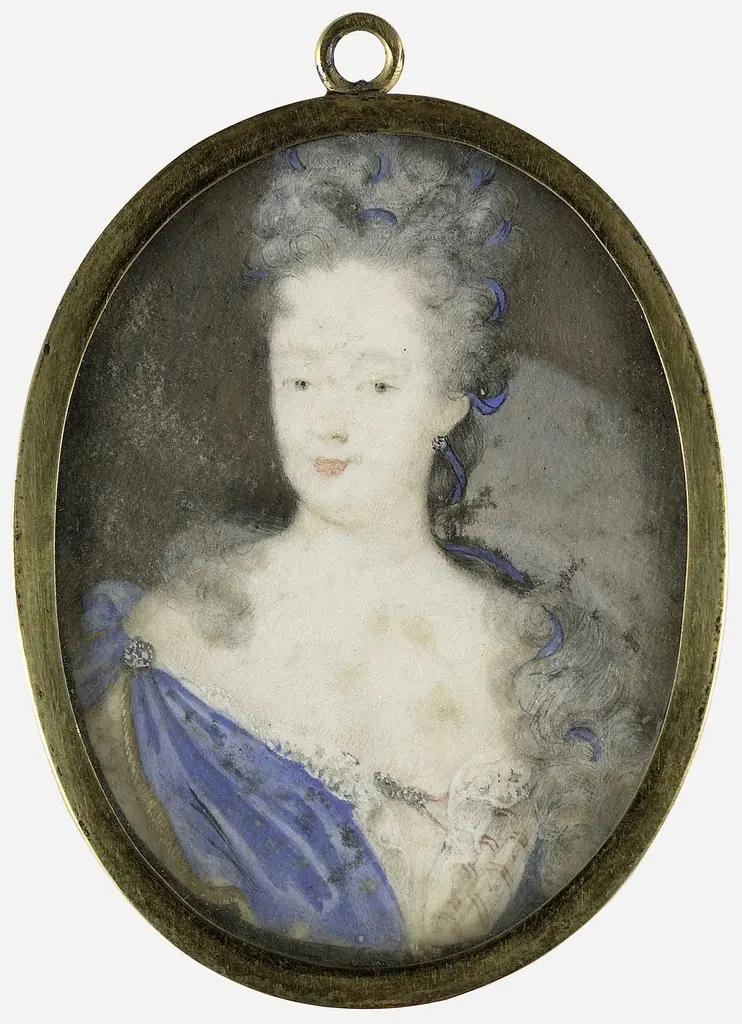 Portrait of Henriette Amalia van Anhalt-Dessau (1666-1726), wife of Hendrik Casimir II, ruler of Nassau-Dietz
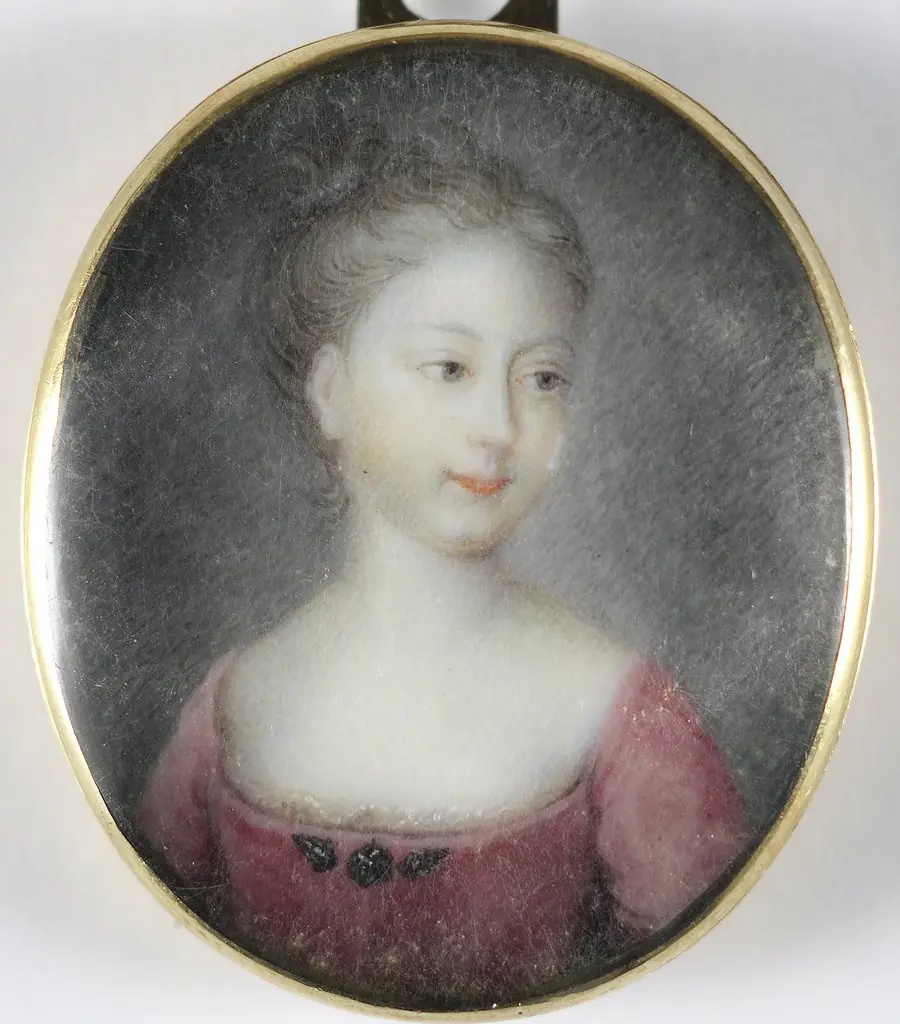 Portret van een meisje, vermoedelijk een dochter van George II, koning van Engeland
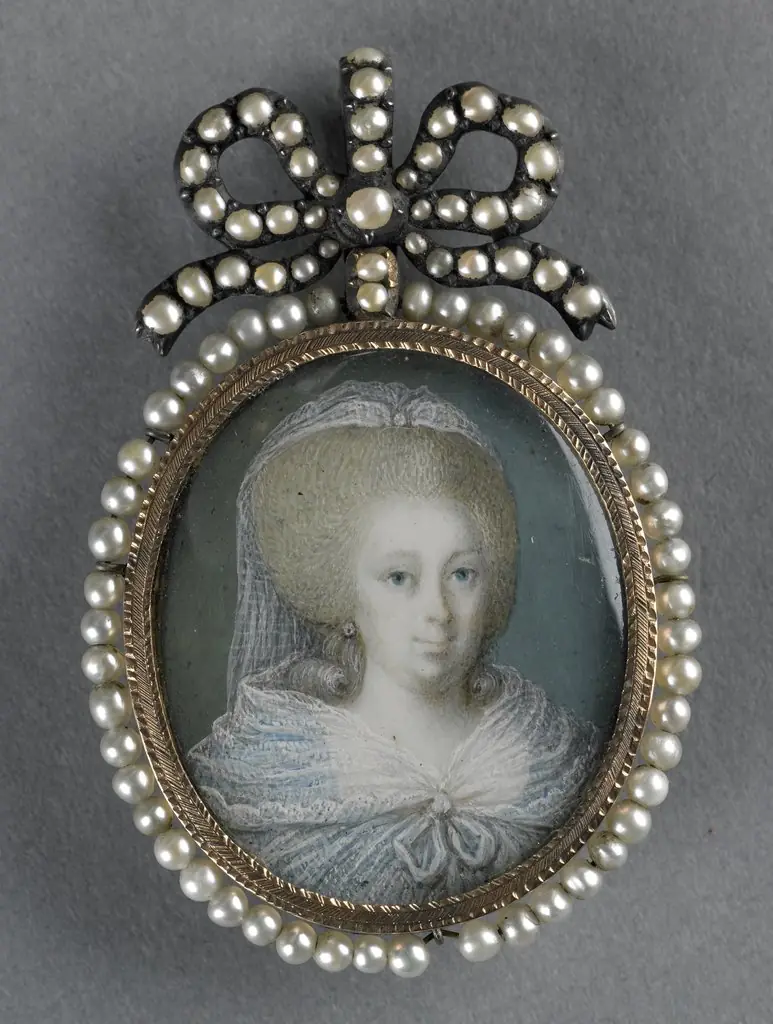 Portrait of Carolina van Oranje- Nassau (1743-1787)
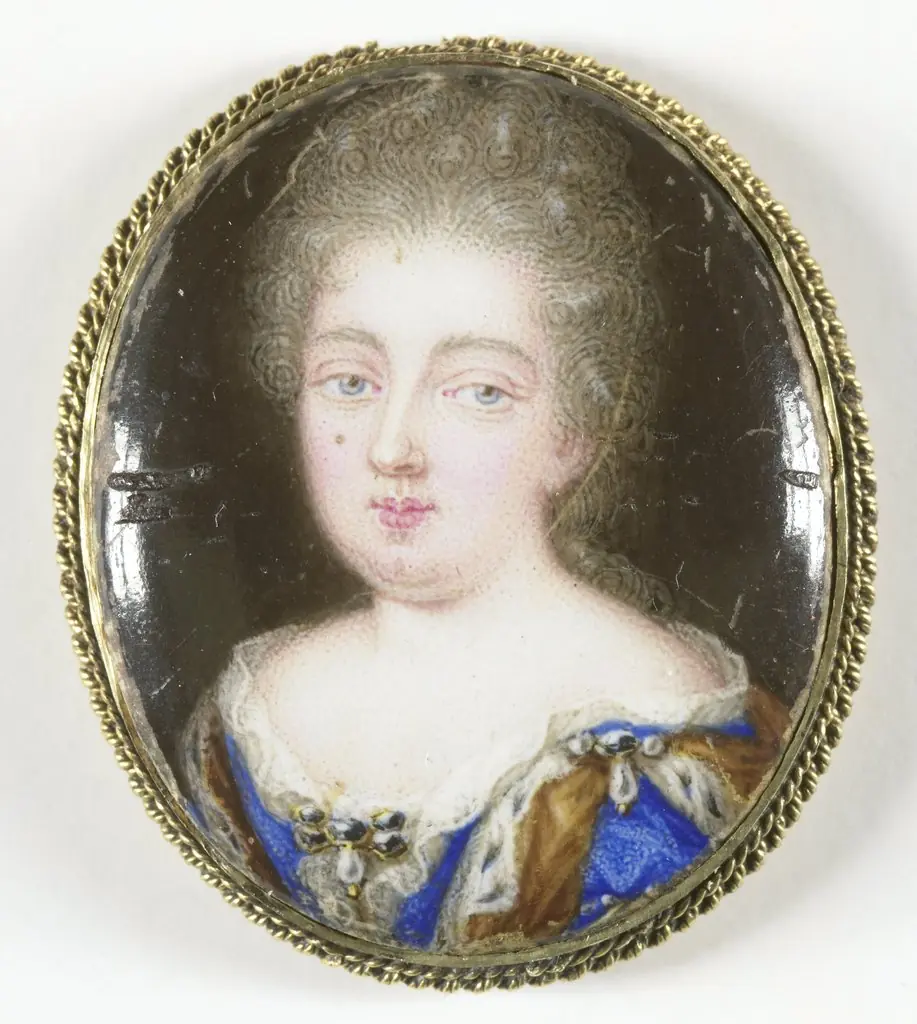 Portrait of an unknown woman
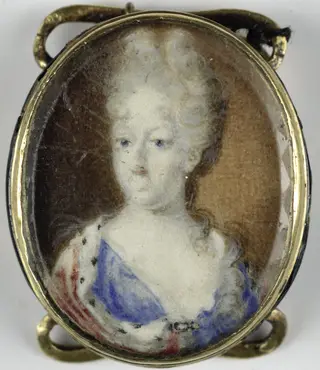 Portret van een vrouw
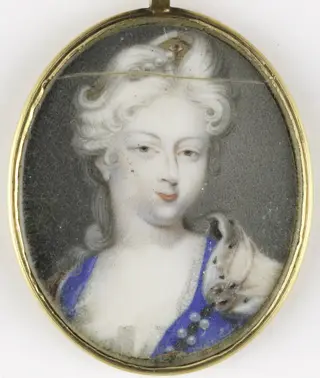 Portret van een vrouw, vermoedelijk Christiane Charlotte van Württemberg (1694-1729)
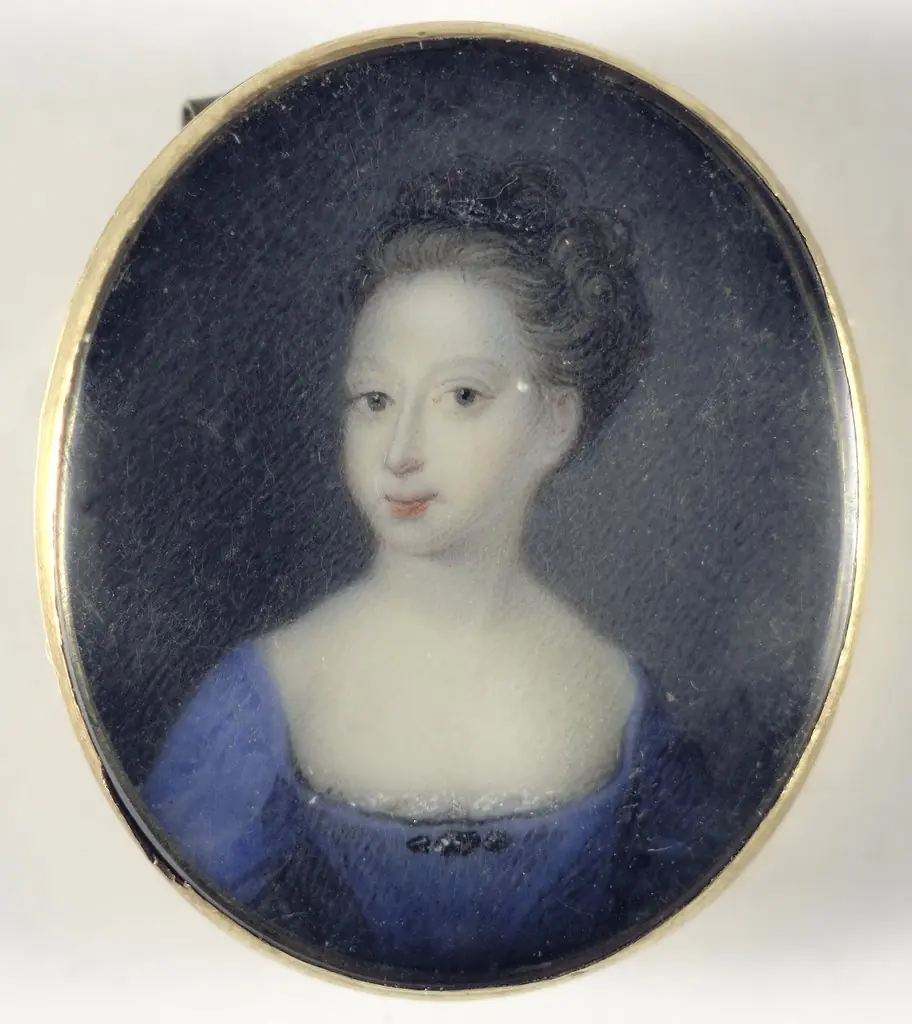 Portret van een meisje, vermoedelijk een dochter van George II, koning van Engeland
 Portrait of a woman