Artwork
Lucrezia Sommaria
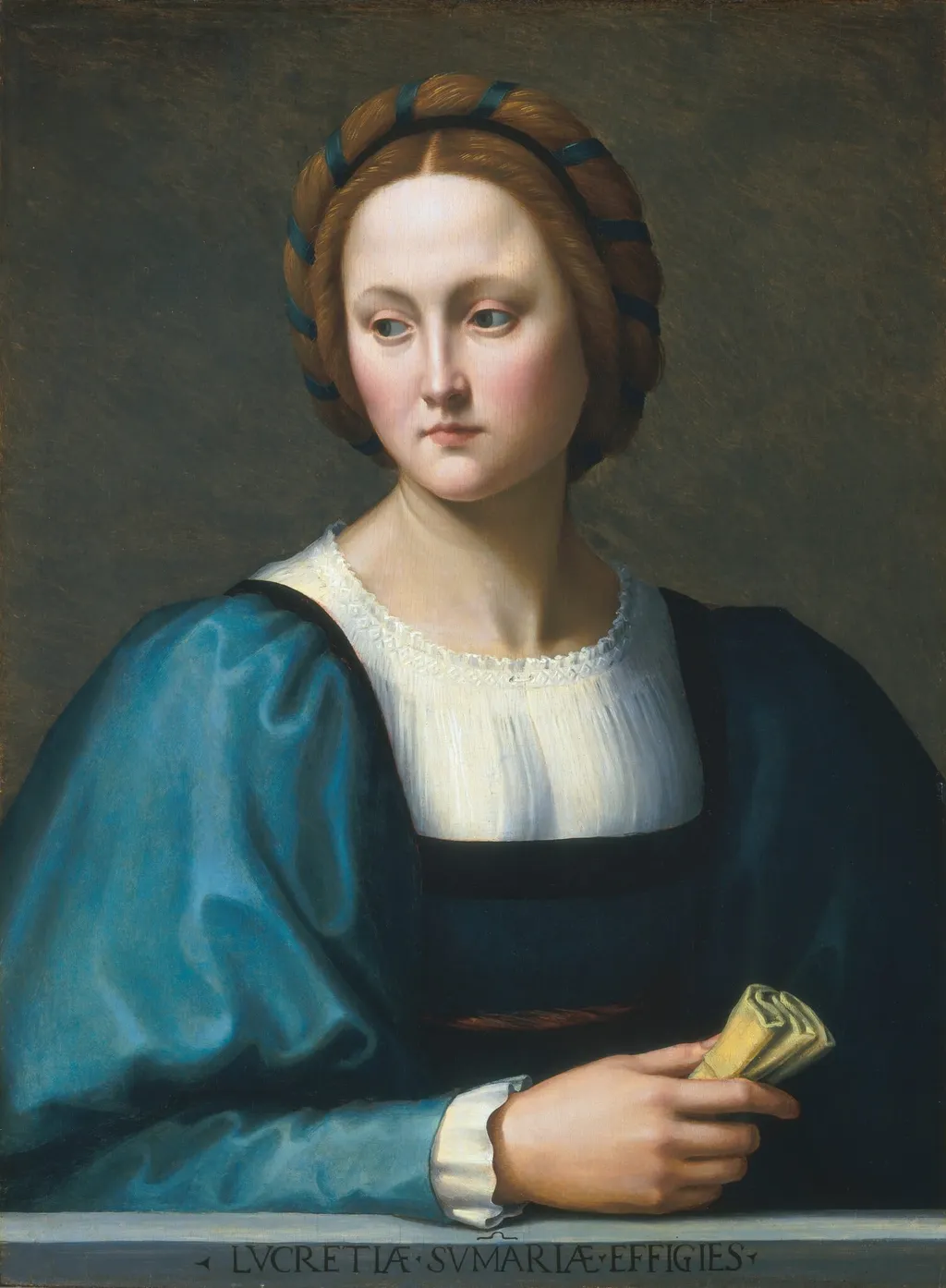
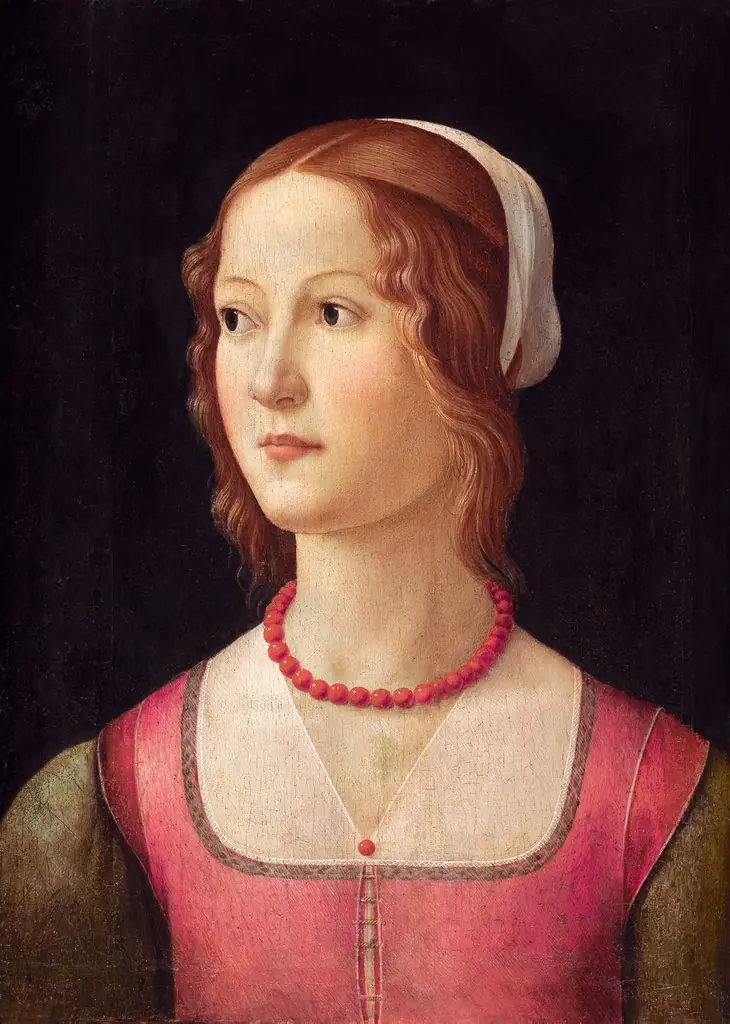
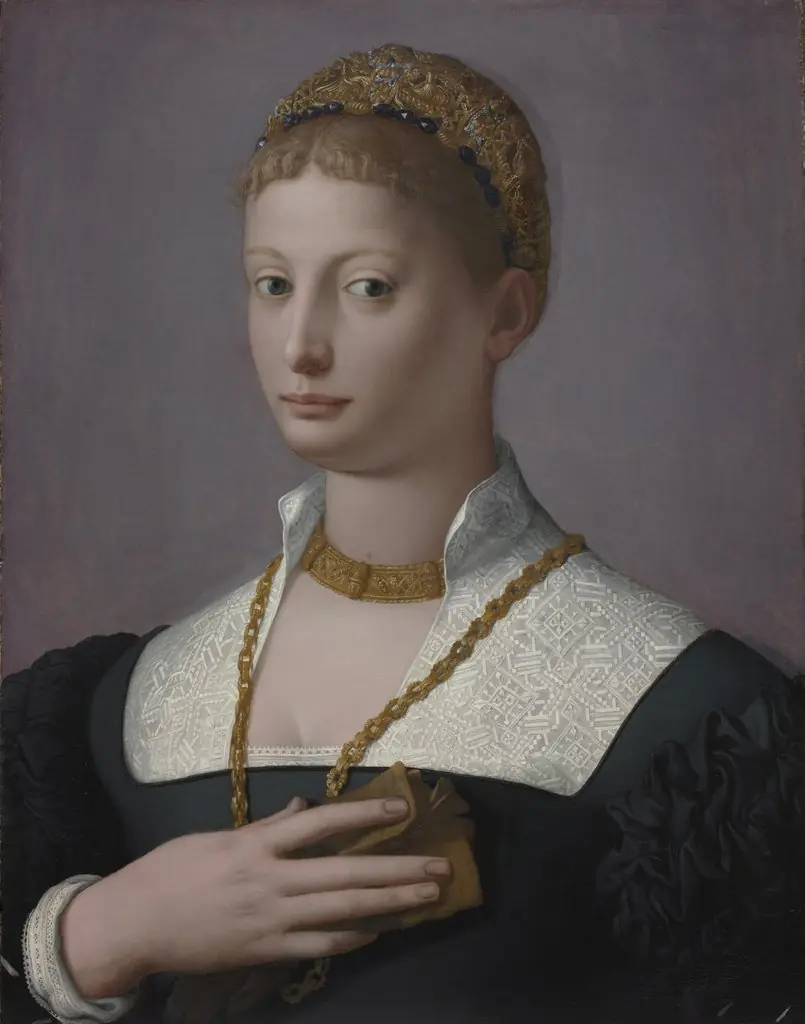
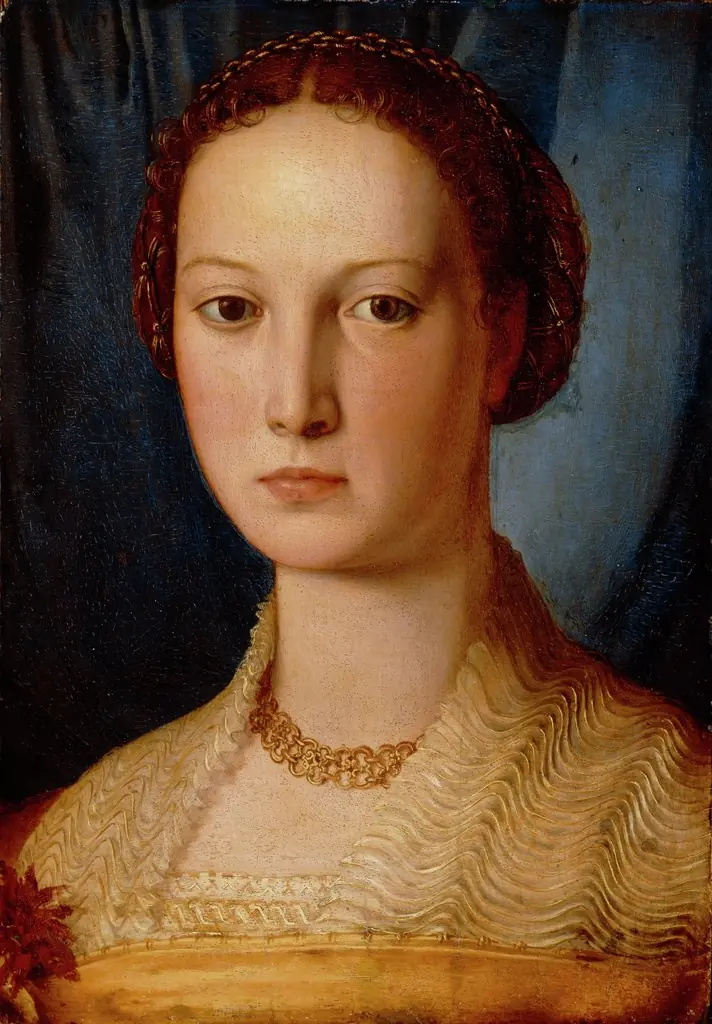
Lucrezia Sommaria is an oil painting by the Early Renaissance artist Ridolfo del Ghirlandaio. It dates from 1510 and is held in the collection of the National Gallery of Art.
- Inscription
- Inscribed:lower center on parapet: .LVCRETIAE.SVMARIAE.EFFIGIES.
About this work
Subject & Meaning
The composition depicts the sitter in attire that signals aristocratic status, reflecting contemporary ideals of female virtue and social distinction.
The subject of the work is a portrait identified as Lucrezia Sommaria, a young woman from a distinguished Florentine family. Painted in oil on panel around 1510, the image belongs to the Renaissance portrait genre and is housed in the National Gallery of Art, Washington, D.C. The composition depicts the sitter in attire that signals aristocratic status, reflecting contemporary ideals of female virtue and social distinction. As such, the painting serves both as a record of the sitter's lineage and as a visual expression of the cultural values associated with elite womanhood in early sixteenth‑century Italy.
Technique & Style
Lucrezia Sommaria is executed in oil on panel, a traditional support choice consistent with Ridolfo Ghirlandaio's portrait practice of the period. The work measures 62.9 by 45.7 centimetres, a modest, intimate scale suited to private portraiture.
Stylistically, the painting belongs to the portrait tradition of early sixteenth-century Florence, where Ghirlandaio worked as a successor to his father Domenico's workshop. The portrait genre and refined handling reflect the conventions of Florentine society portraiture around 1510, when idealized likenesses of courtly women were a recognized specialty.
History & Provenance
The work, an oil portrait on panel measuring about 62.9 × 45.7 cm, was painted by Ridolfo del Ghirlandaio in 1510. It entered the art market in 1899 when Haskard and Co. of Florence sold it to Thomas Agnew and Sons in London, acting on behalf of a joint account that included Charles Fairfax Murray. The painting was subsequently purchased that same year by Peter A. B. Widener, later passing by inheritance through his son Joseph E. Widener to the National Gallery of Art as a gift in 1942, where it has been part of the permanent collection since.
Overview
Ridolfo Ghirlandaio's oil on panel painting, Lucrezia Sommaria, dates to approximately 1510. This portrait depicts a woman, likely the individual named in the title, presented in a formal pose. The artwork exemplifies the Florentine tradition of portraiture during the High Renaissance, capturing a specific individual's likeness through the medium of oil paint.
Context
Ridolfo Ghirlandaio developed his artistic practice within the rich tradition of Florentine painting. He was the son and primary student of Domenico Ghirlandaio, a prominent master known for his fresco cycles and portraits. Ridolfo also gained experience in the workshop of Fra Bartolomeo.
This training grounded him in the techniques and stylistic conventions of the High Renaissance, influencing his approach to portraiture and his meticulous attention to detail and form.
Own this work as a print
Artist & collection
Artist
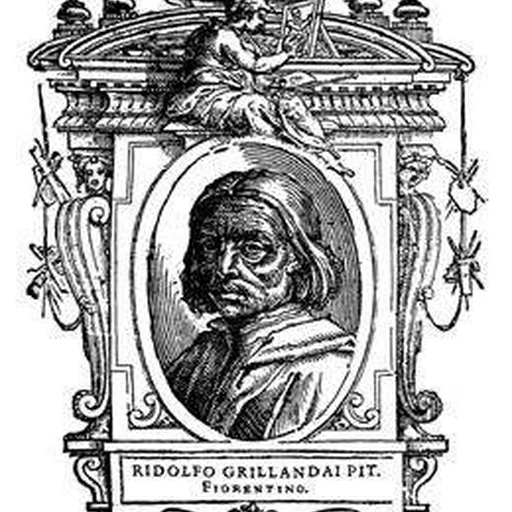
Ridolfo di Domenico Bigordi, better known as Ridolfo Ghirlandaio (14 February 1483 – 6 June 1561) was an Italian Renaissance painter active mainly in Florence. He was the son of Domenico Ghirlandaio.