Artwork
God the Father
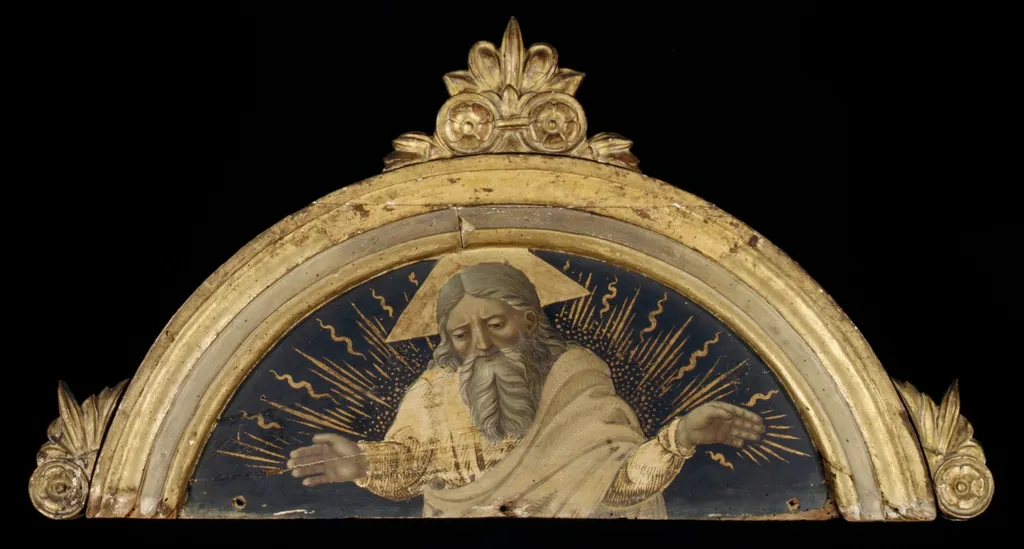
God the Father is an oil painting by the Early Renaissance artist Giovanni Ambrogio Bevilacqua. It dates from 1498 and is held in the collection of the Metropolitan Museum of Art.
About this work
Subject & Meaning
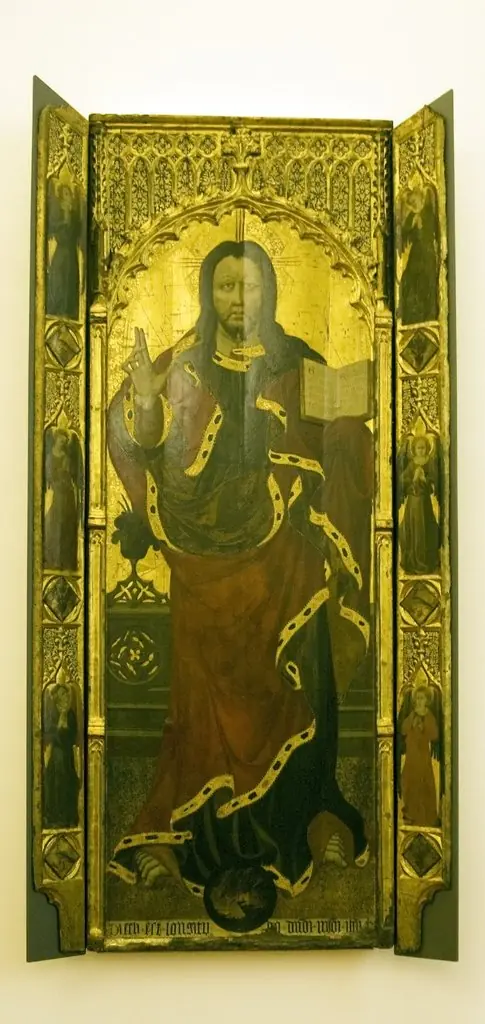
The painting depicts the biblical figure God the Father, rendered as a central, authoritative presence within a sacred context.
The painting depicts the biblical figure God the Father, rendered as a central, authoritative presence within a sacred context. As a religious work from 1496 by Giovanni Ambrogio Bevilacqua, the composition emphasizes divine authority through conventional iconography of a seated, bearded patriarch, though specific symbolic attributes are not detailed in the sources. The work is executed in oil on panel, measuring 52.1 cm in height and 97.8 cm in width, and is housed in the collection of the Metropolitan Museum of Art. Its creation reflects the late‑15th‑century Venetian emphasis on devotional imagery.
Technique & Style
The work titled God the Father, painted by Giovanni Ambrogio Bevilacqua in 1496, is an oil painting executed on a wooden panel. The support consists of a panel substrate, with the image built up using oil pigments applied in a conventional easel technique typical of late‑15th‑century Italian religious art. The composition is rectangular, measuring approximately 52.1 cm in height and 97.8 cm in width, and the surface retains the smooth finish characteristic of panel painting of the period.
The painting’s formal qualities reflect a traditional approach to figure rendering and spatial depth within the religious genre.
History & Provenance
Giovanni Ambrogio Bevilacqua created the oil painting God the Father in 1496. Executed on a panel measuring 52.1 cm in height and 97.8 cm in width, the work depicts the religious subject of God the Father. The painting is currently held in the collection of the Metropolitan Museum of Art, where it remains located.
Context
The painting God the Father by Giovanni Ambrogio Bevilacqua, executed in oil on panel in 1496, measures 52.1 cm in height and 97.8 cm in width and depicts the divine figure within a religious framework. It is part of the Metropolitan Museum of Art's collection, reflecting the museum's focus on early Italian devotional works.
Scholarly attention to the piece contributes to broader studies of Bevilacqua's oeuvre and of late‑15th‑century Italian religious painting, situating the work within the artist's broader corpus of devotional imagery.
Overview
Giovanni Ambrogio Bevilacqua, a painter active in Lombardy during the late 15th and early 16th centuries, created God the Father in 1498. This oil painting exemplifies the transition between late-medieval and early Renaissance artistic conventions. It is a religious depiction, currently housed in The Metropolitan Museum of Art, showcasing the artist's approach to sacred imagery.
Artist & collection
Artist
Giovanni Ambrogio Bevilacqua, also known as il Liberale Bevilacqua (active by 1481 to at least 1512) was an Italian painter active in Lombardy in a late-medieval or early Renaissance style. He was a pupil of Vincenzo Foppa of Milan.

 Pinnacle with Angel
 Saint Jerome in Penitence
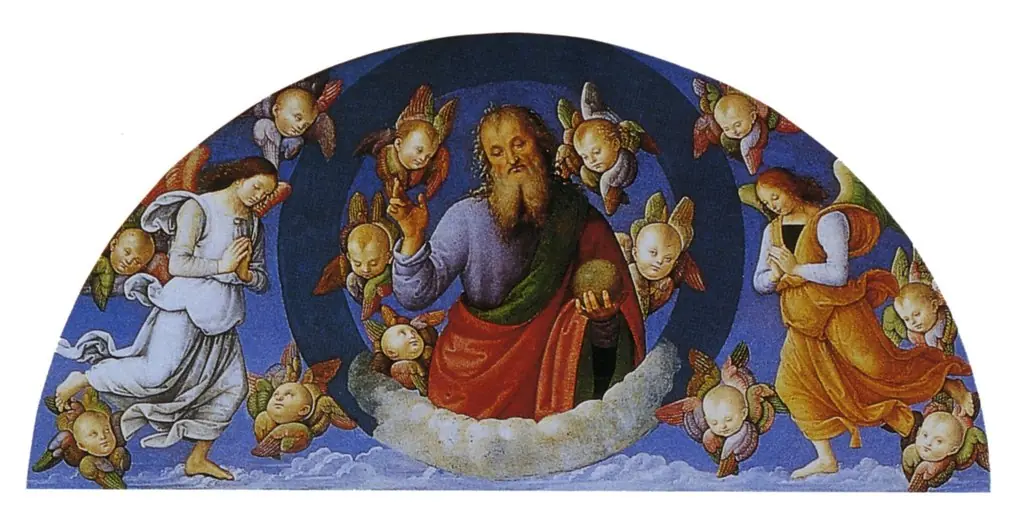 Eternal Father with cherubim and angels
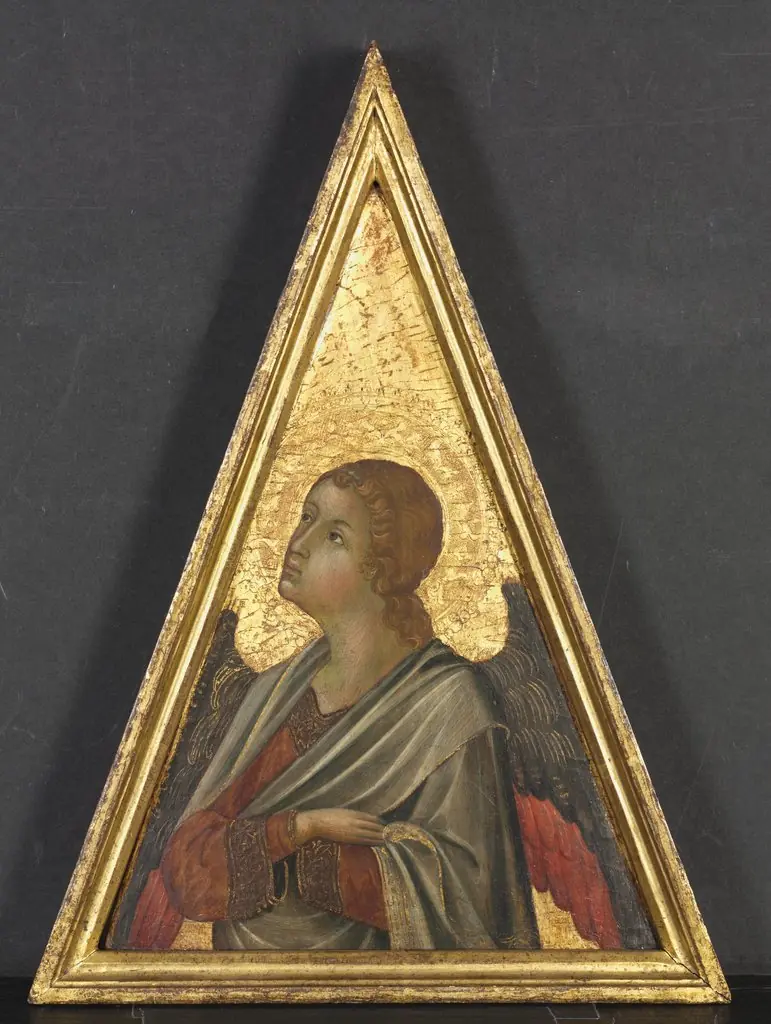 Pinnacle with Angel
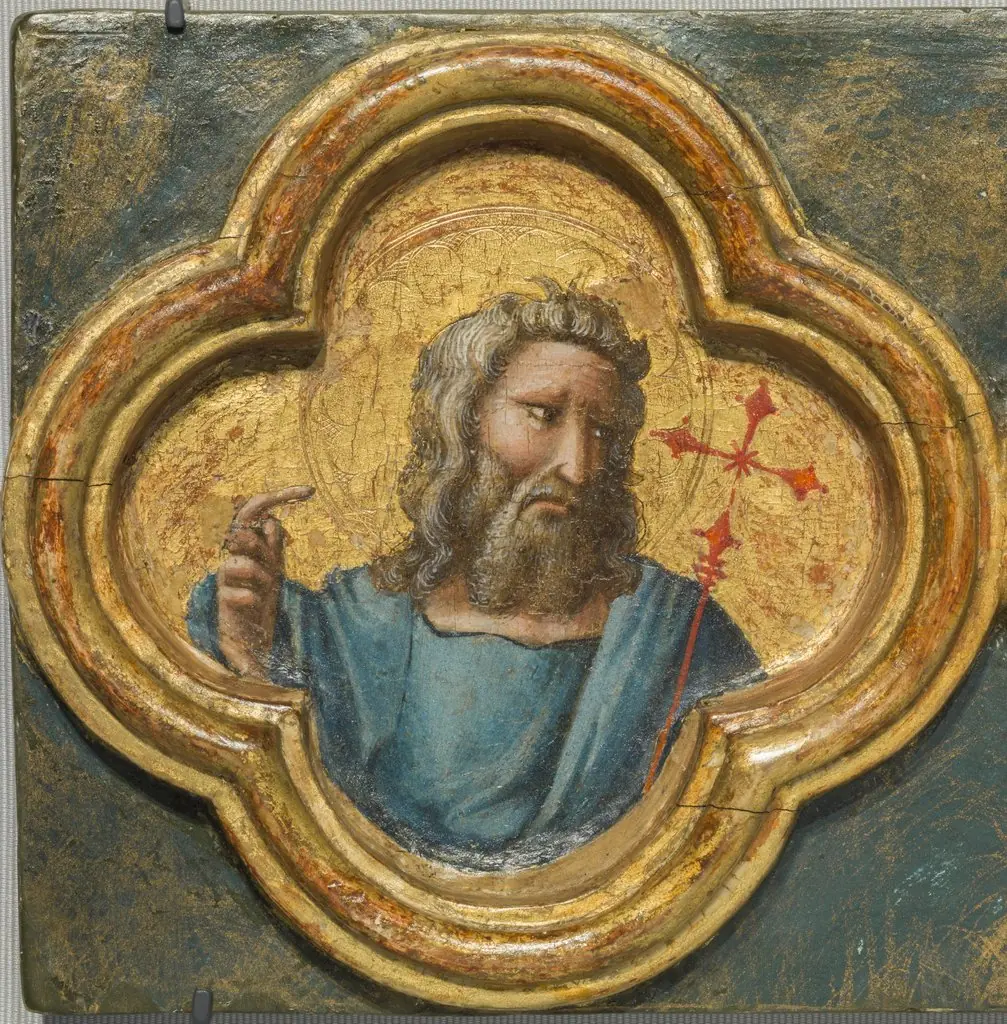 Saint John the Baptist
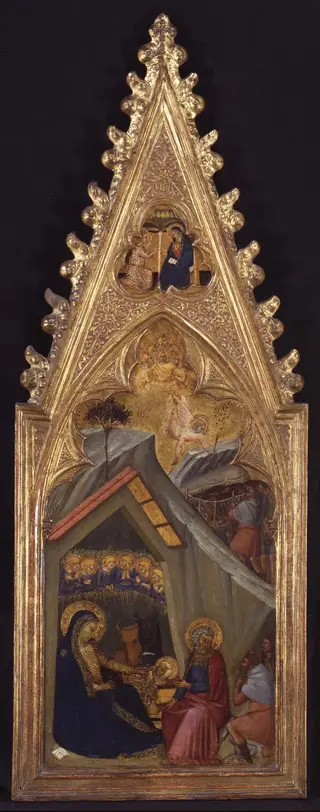 Nativity of Christ
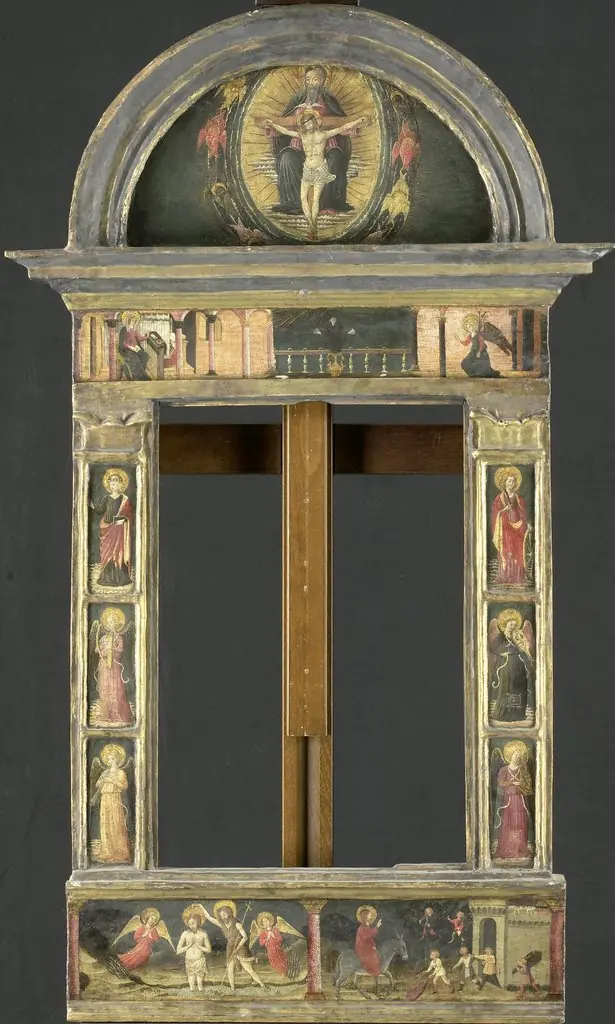 Frame painted with the annunciation, the baptism of Christ, the entry into Jerusalem, the Saints Cecilia and Catharina, and 4 angels making music
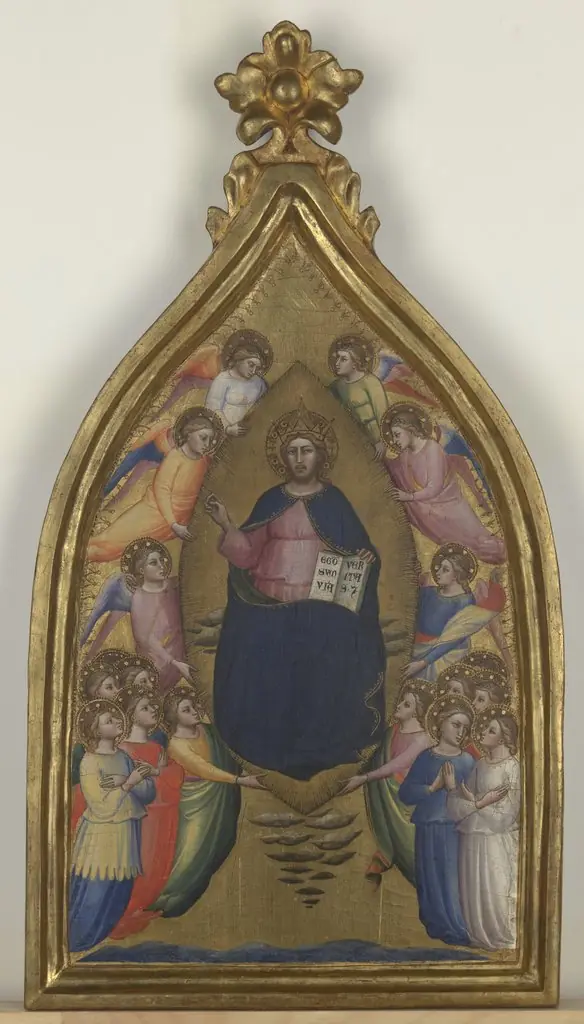 Christ Enthroned Within a Mandorla
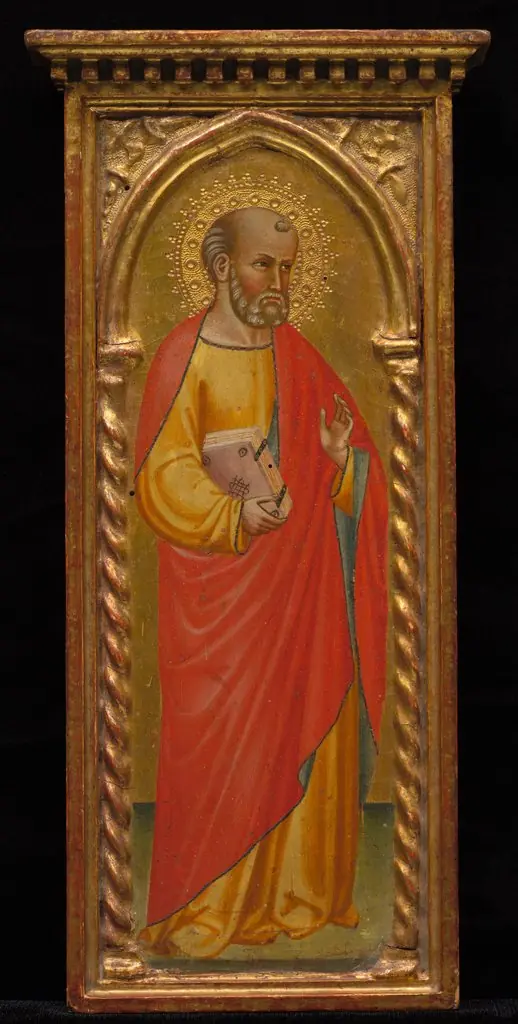 Saint in Red Cloak
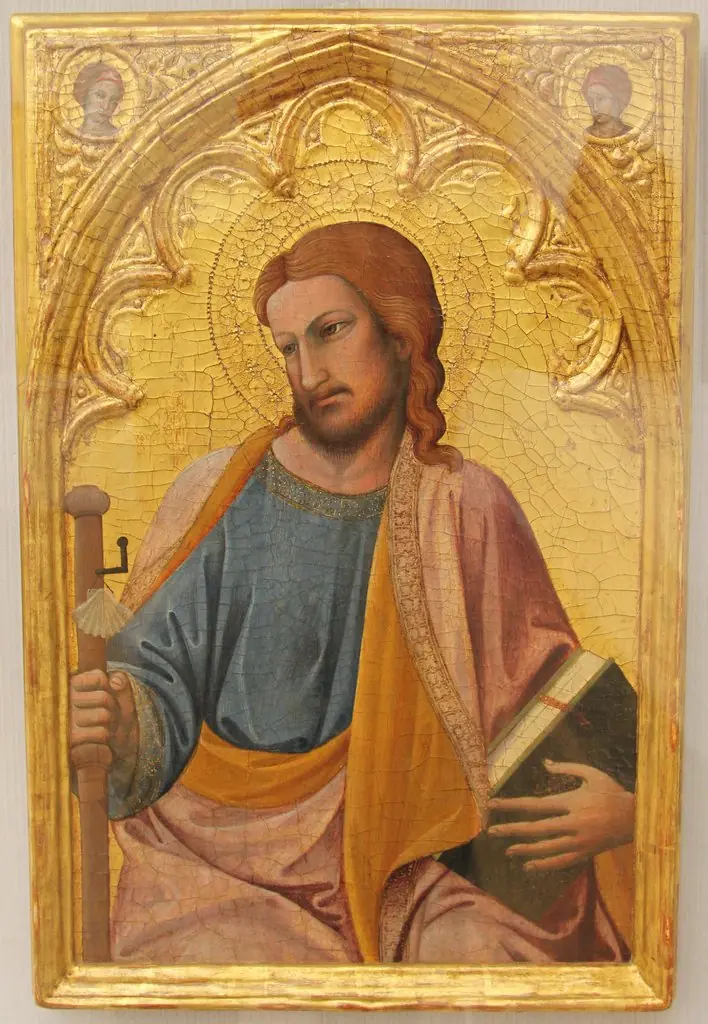 The apostle James the Great
 Der segnende Christus auf der Weltkugel (3 Tafeln)
- God the Father with His Right Hand Raised in Blessing