Artwork
Christ Enthroned Within a Mandorla
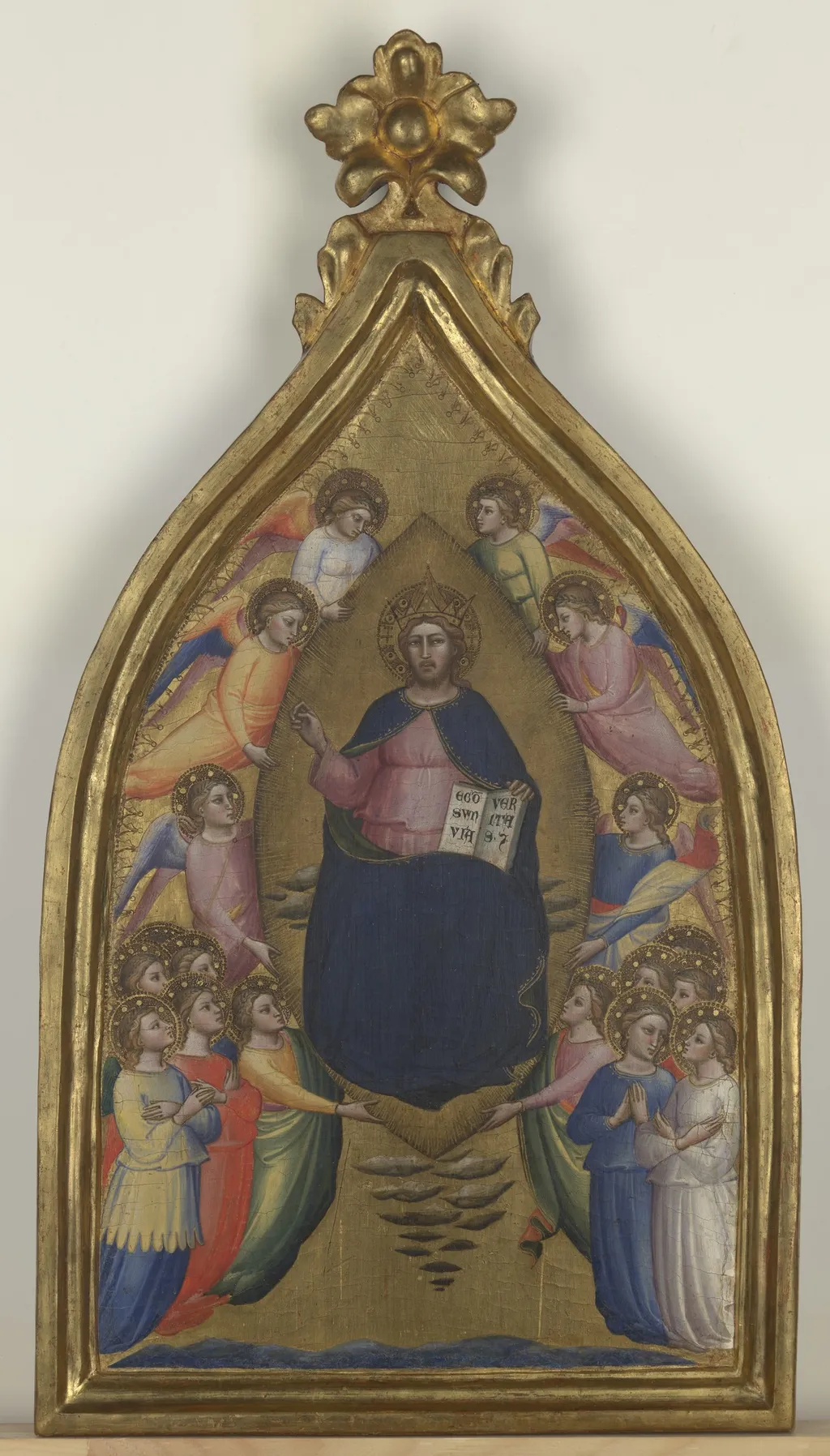
Christ Enthroned Within a Mandorla is an unspecified painting by the Italo Byzantine artist Mariotto di Nardo. It dates from 1396 and is held in the collection of the National Museum in Kraków.
About this work
Overview
Christ Enthroned Within a Mandorla is a religious panel painting created in 1396 by Mariotto di Nardo, a Florentine Gothic artist. The teardrop-shaped work features Christ seated on a throne, surrounded by figures in colorful attire, set against a gold background.
Subject & Meaning
The painting depicts Christ in a mandorla (a symbolic almond-shaped aura), emphasizing divine presence. Christ holds a book with unreadable text, likely representing sacred knowledge. Surrounding figures, some with halos, direct their attention and devotion towards Christ, conveying a scene of reverence and worship.
Technique & Style
Executed in the Italo-Byzantine style, the painting blends Byzantine iconographic traditions with Gothic influences. Characteristic of late medieval Tuscan art, the piece features intricate, colorful robes and a dominant gold background, typical of the period's religious art.
History & Provenance
Mariotto di Nardo, active in Florence from 1388 to 1424, created this work amidst his involvement in prominent projects like the Duomo and Orsanmichele. The painting is now part of the collection at the National Museum in Kraków.
Artist & collection
Artist
Mariotto di Nardo di Cione (fl. 1388–1424) was a Florentine painter in the Florentine Gothic style. He worked at the Duomo of Florence, the church of Santa Maria Maggiore, and the Orsanmichele. He created both frescoes…

 Maria mit Kind
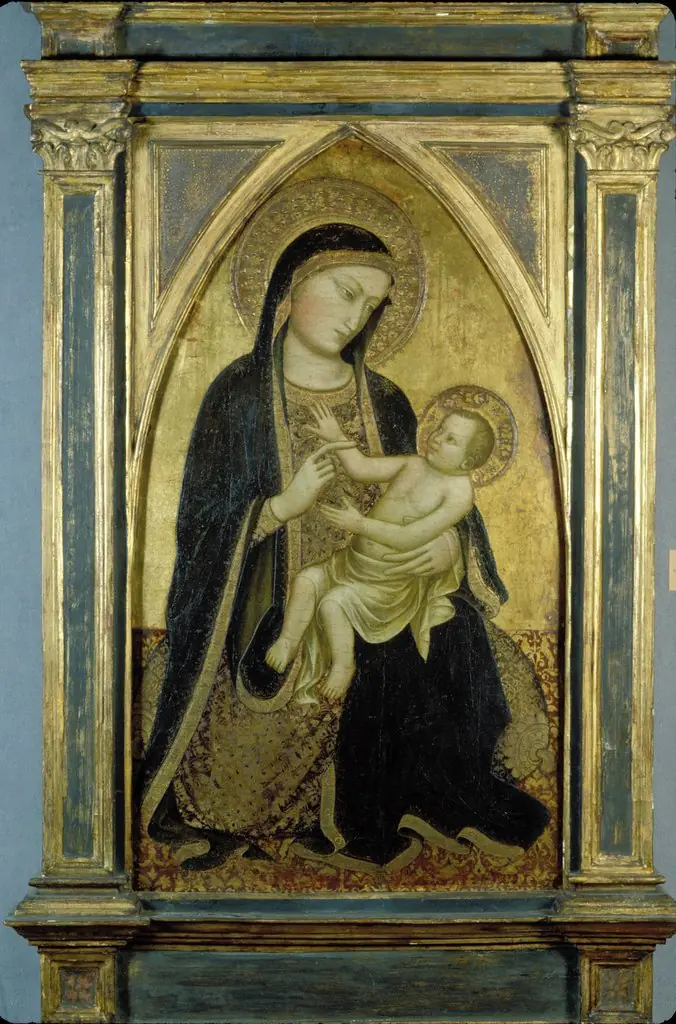 Madonna and Child
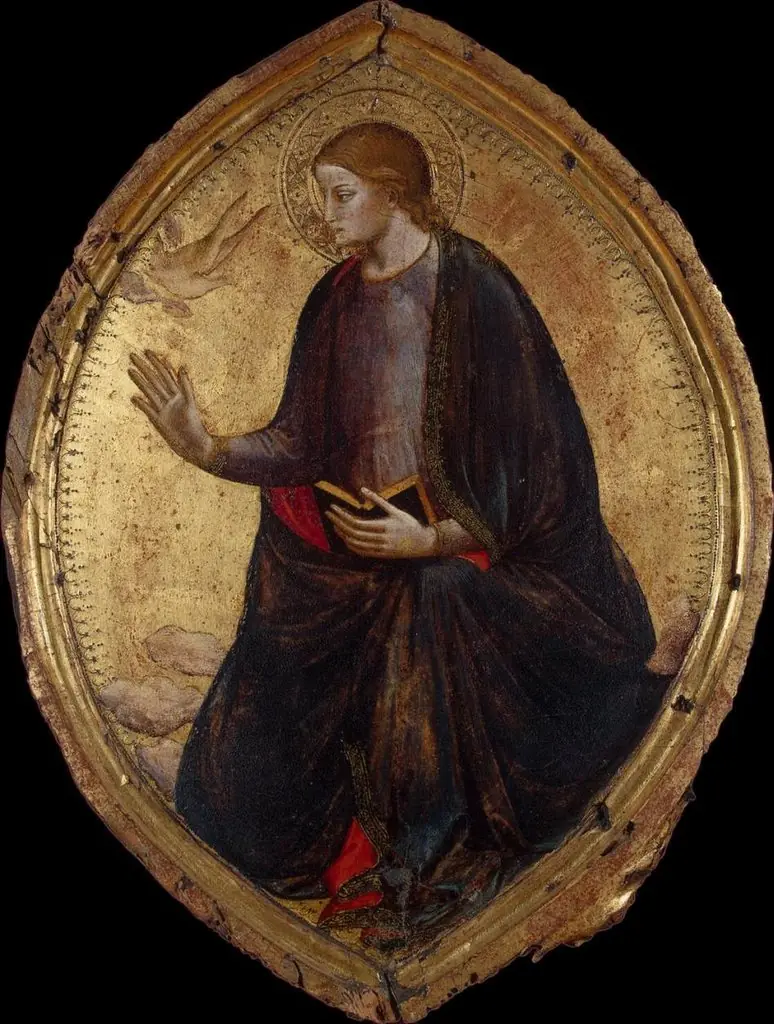 Madonna from the Annunciation Scene
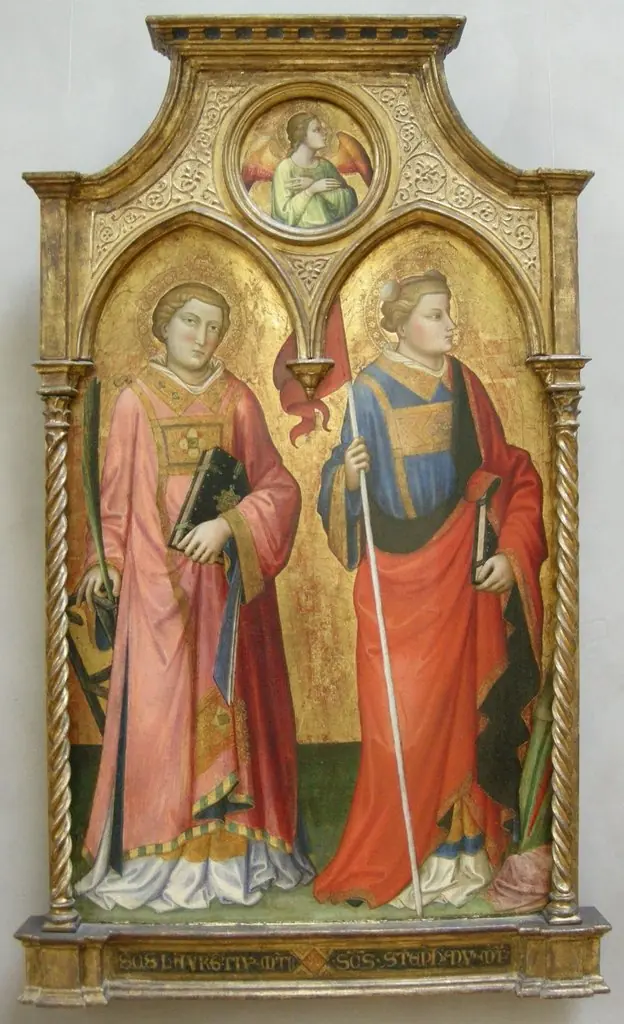 Saints Lawrence and Stephen
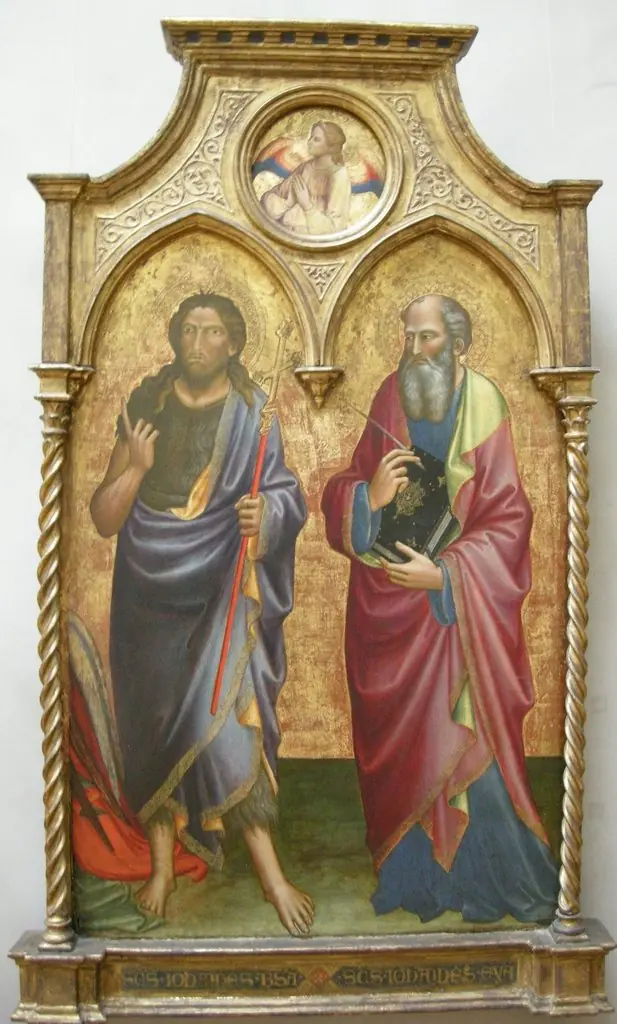 Saints John the Baptist and John the Evangelist
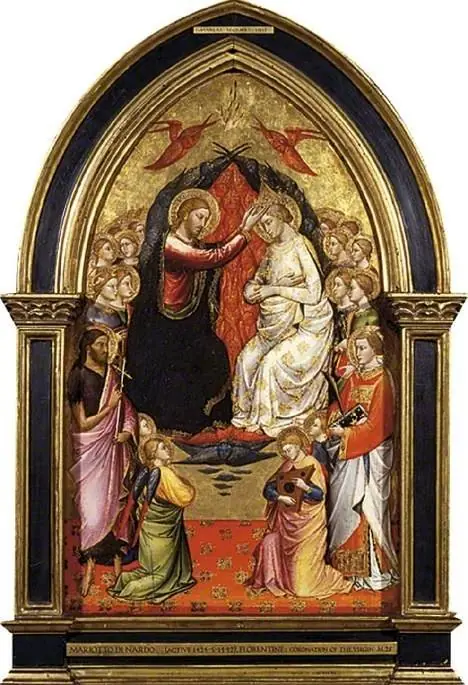 The Coronation of the Virgin
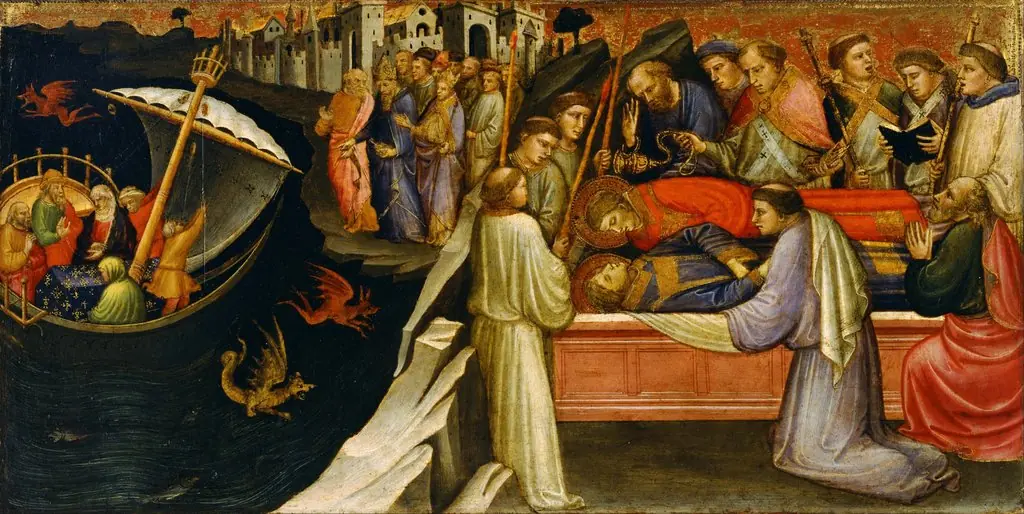 Predella Panel Representing the Legend of St. Stephen: Devils Agitating the Sea as Giuliana Transports the Body of St. Stephen from Jerusalem to Constantinople
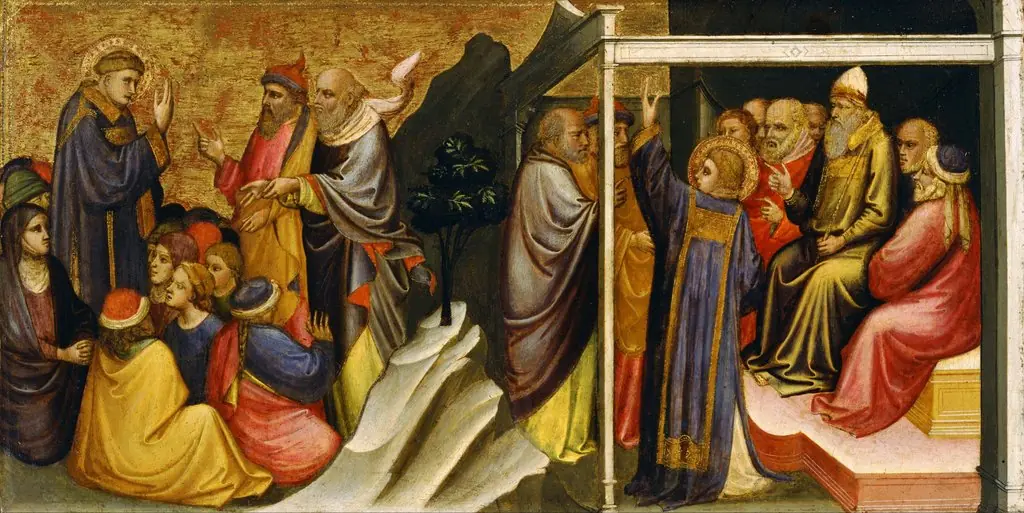 Predella Panel Representing the Legend of St. Stephen: St. Stephen Preaching
- Madonna and Child Enthroned
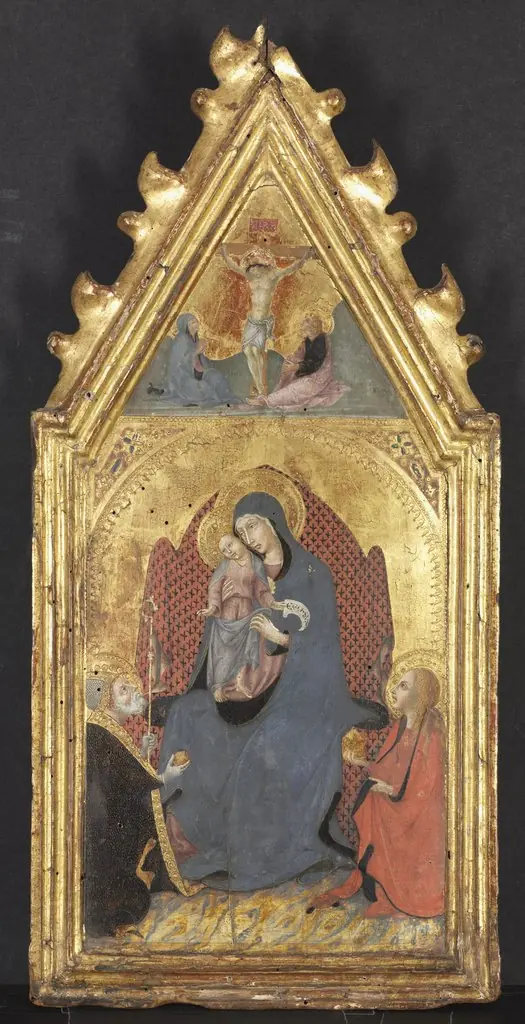 Virgin and Child Adored by Saints Mary Magdalene and Nicolas of Bari; Christ Crucified with the Virgin and Saint John the Evangelist
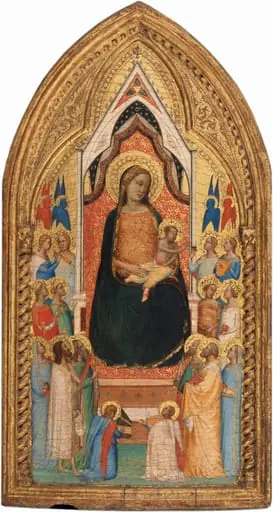 Madonna and Child with Saints and Angels
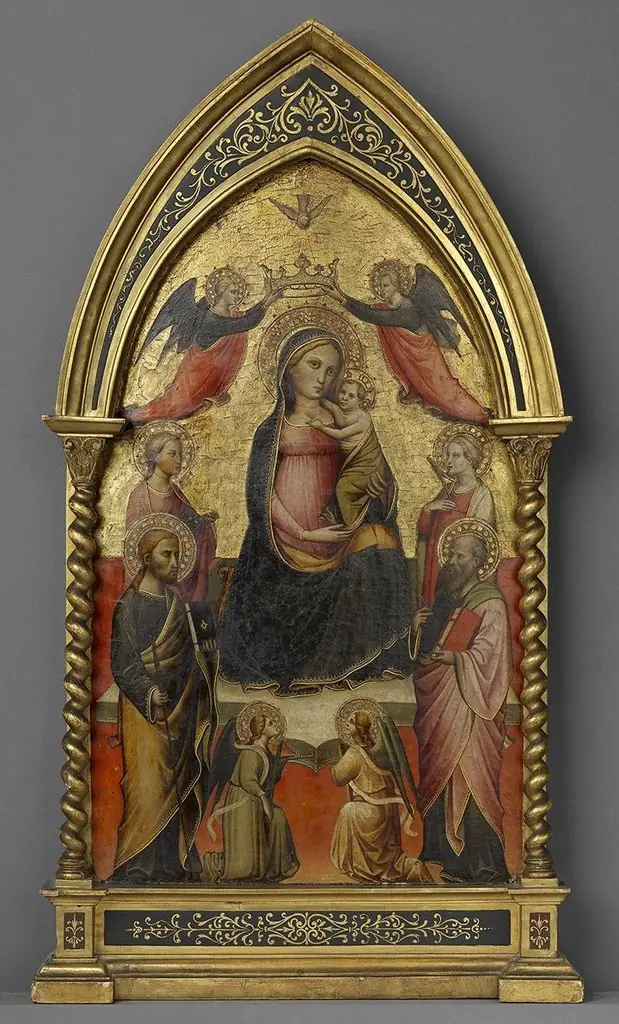 Madonna mit vier Heiligen und Engeln (?)
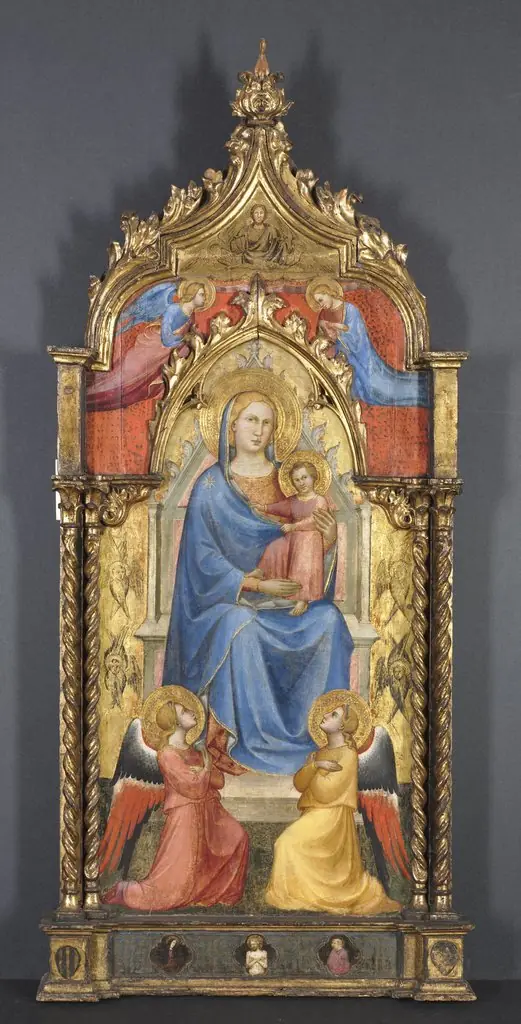 Virgin and Child with Angels
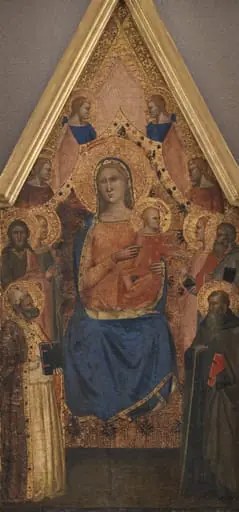 The Virgin and Child with Saints and Angels
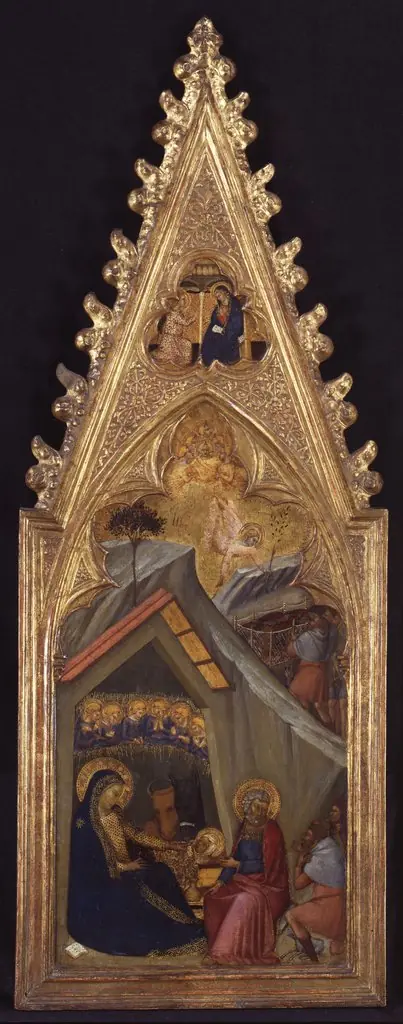 Nativity of Christ
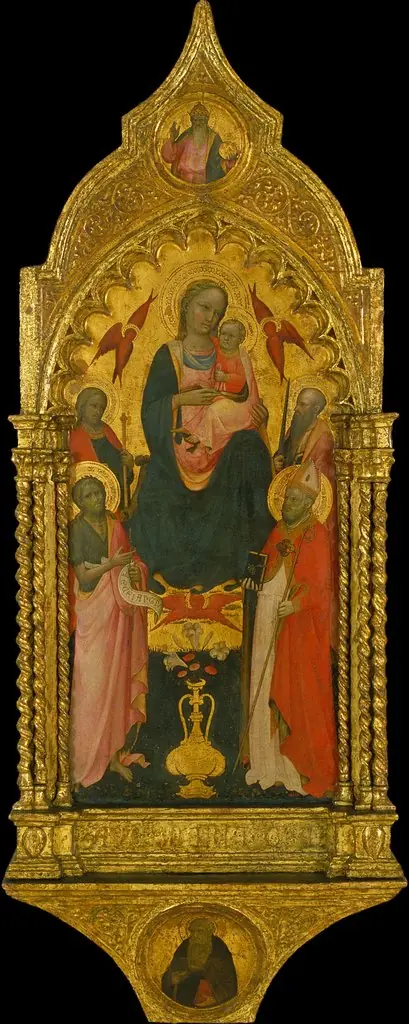 Virgin and Saints
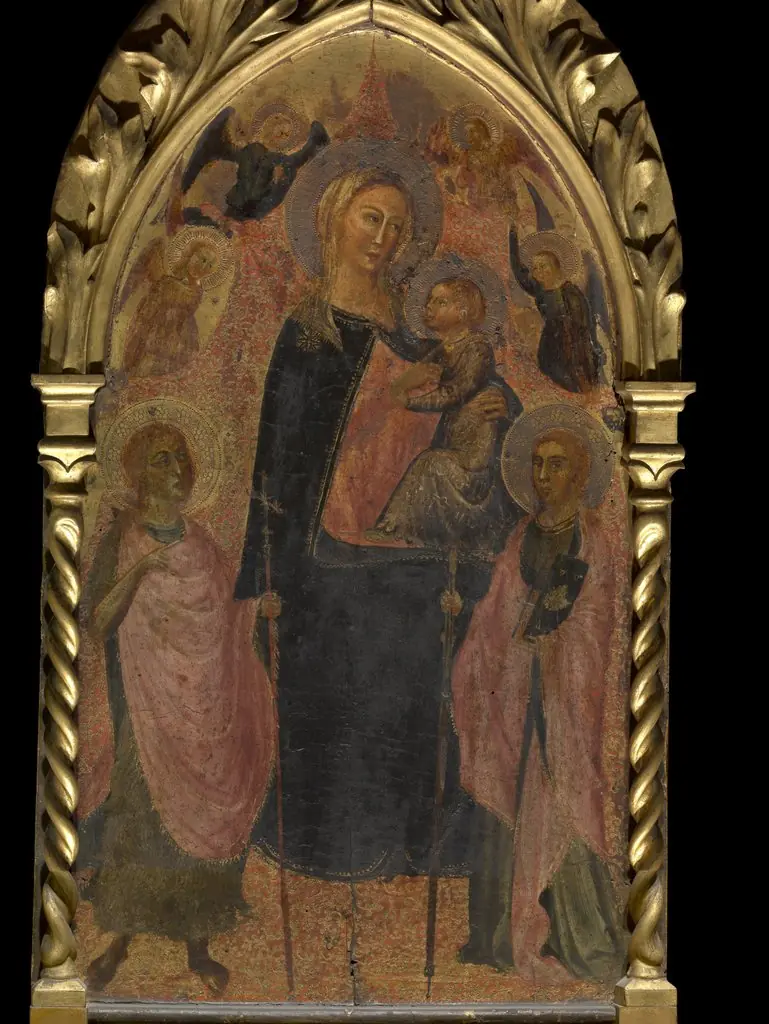 Madonna with Angels and Saints
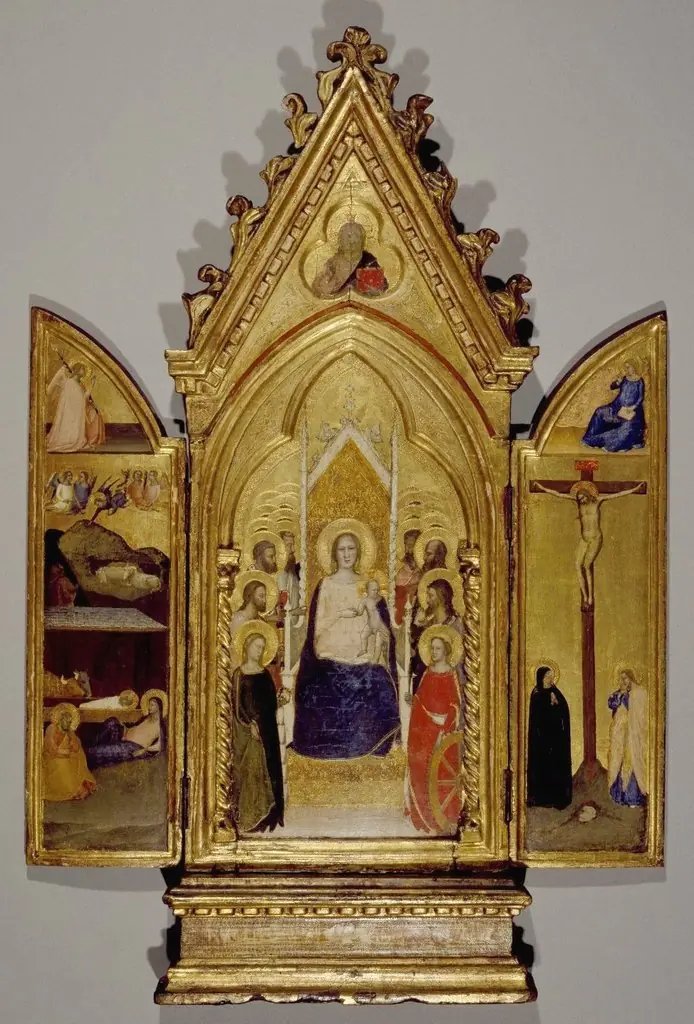 Triptych: Madonna with Saints and Christ Blessing (Center); The Nativity and the Annunciate Angel (Left Wing); Crucifixion and the Virgin Annunciate (Right Wing)
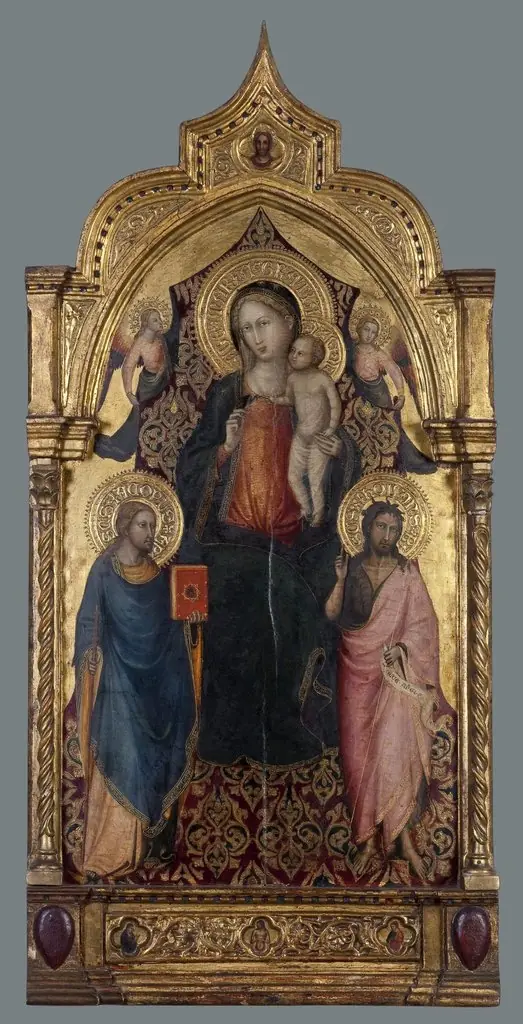 Madonna and Child, with St Jacob the Younger, St John The Baptist and Angels
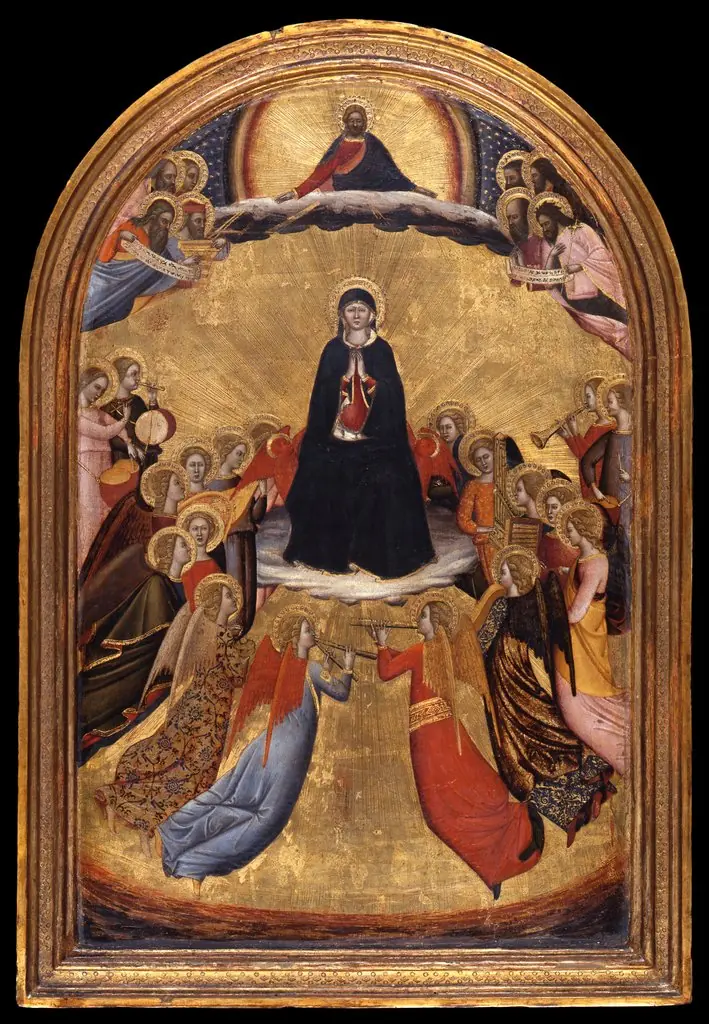 The ascension of Mary