Artwork
The Supper at Emmaus
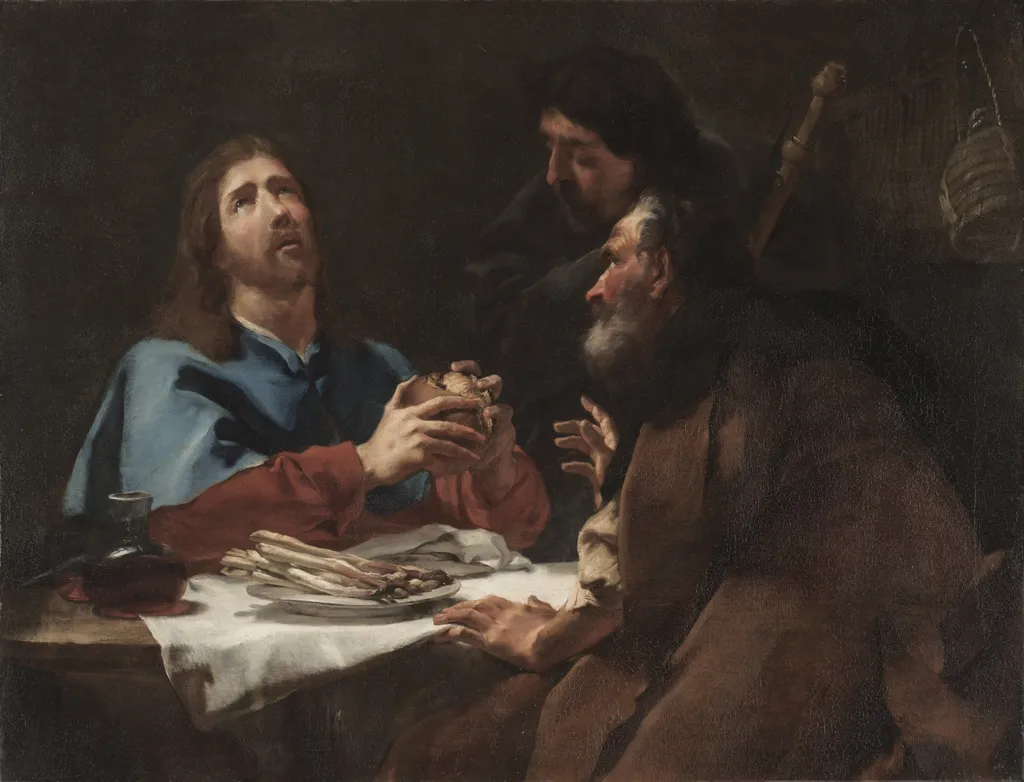
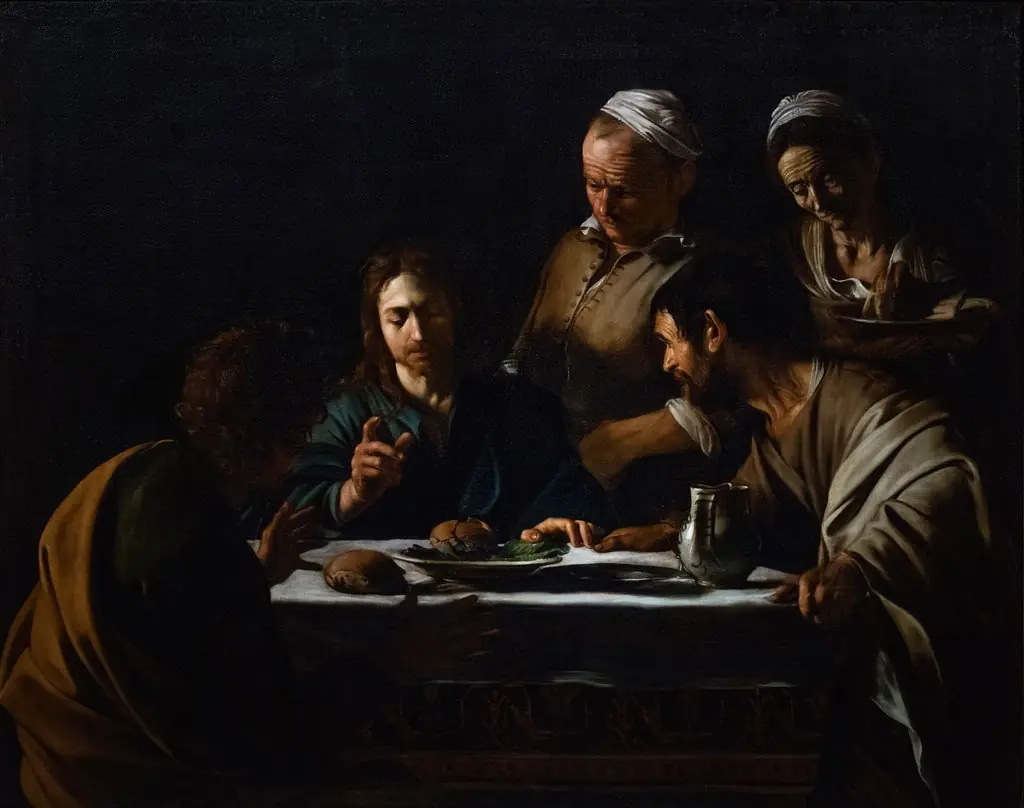
The Supper at Emmaus is an oil painting by the Rococo painting artist Giovanni Battista Piazzetta. It dates from 1720 and is held in the collection of the Cleveland Museum of Art.
About this work
Subject & Meaning
As a Counter‑Reformation subject, it reflects the theme of spiritual recognition and the presence of the divine in everyday encounters.
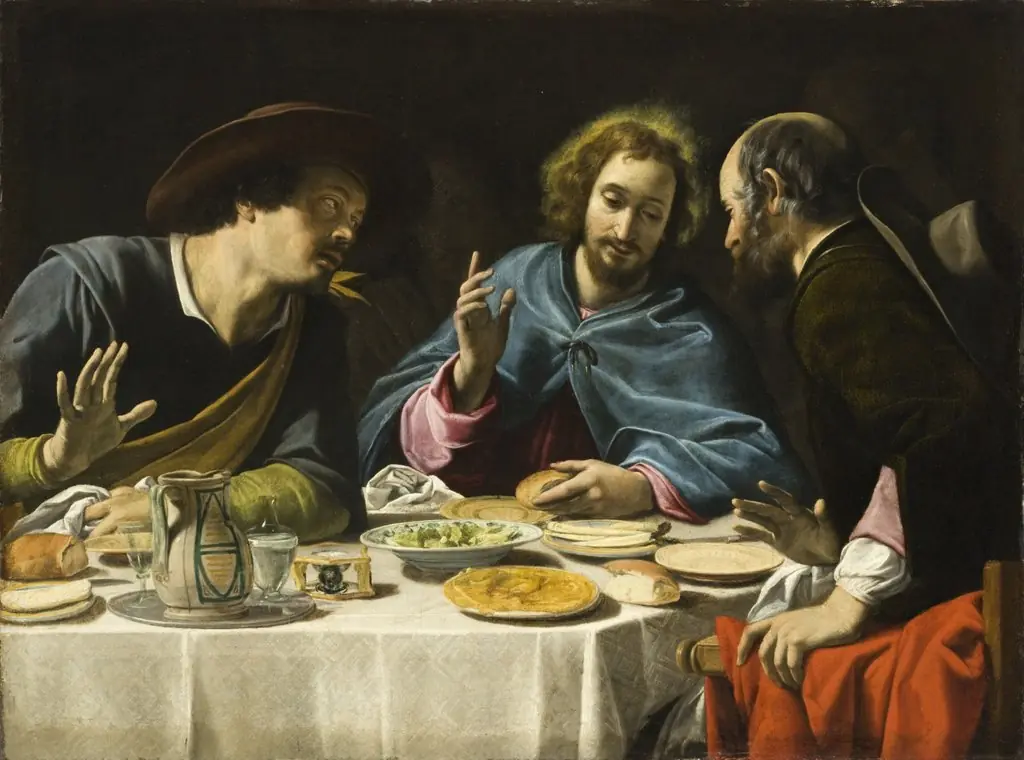
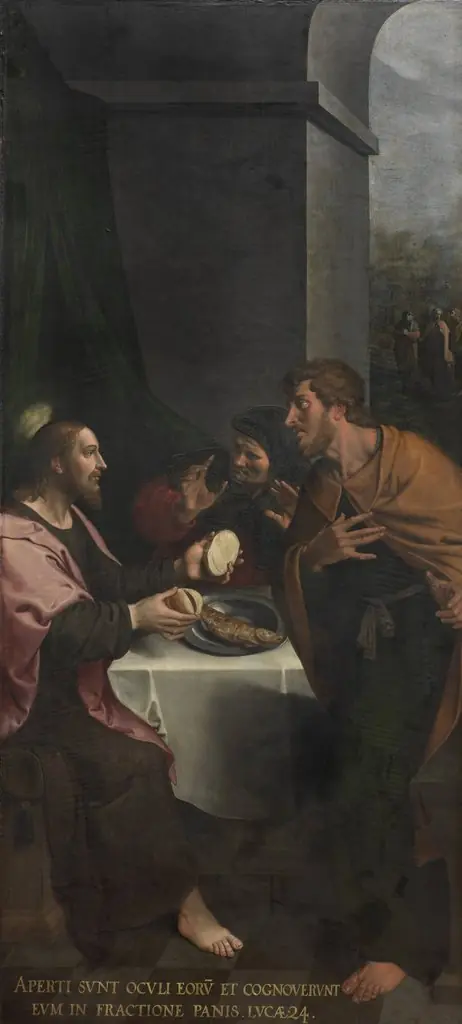
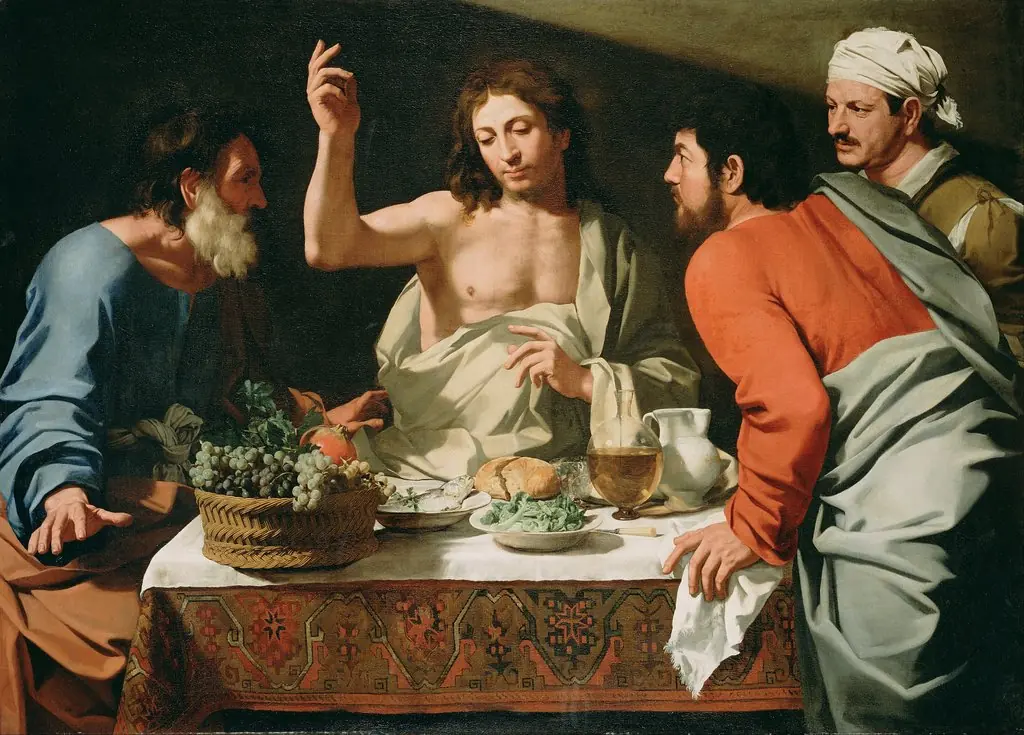
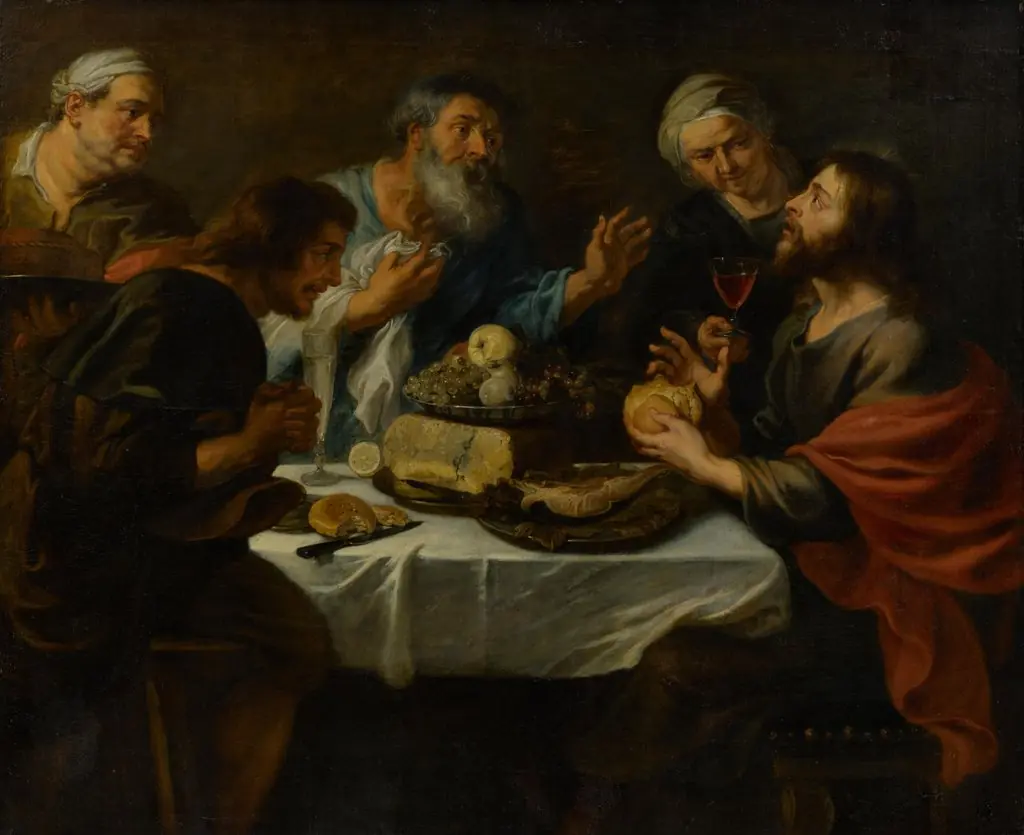
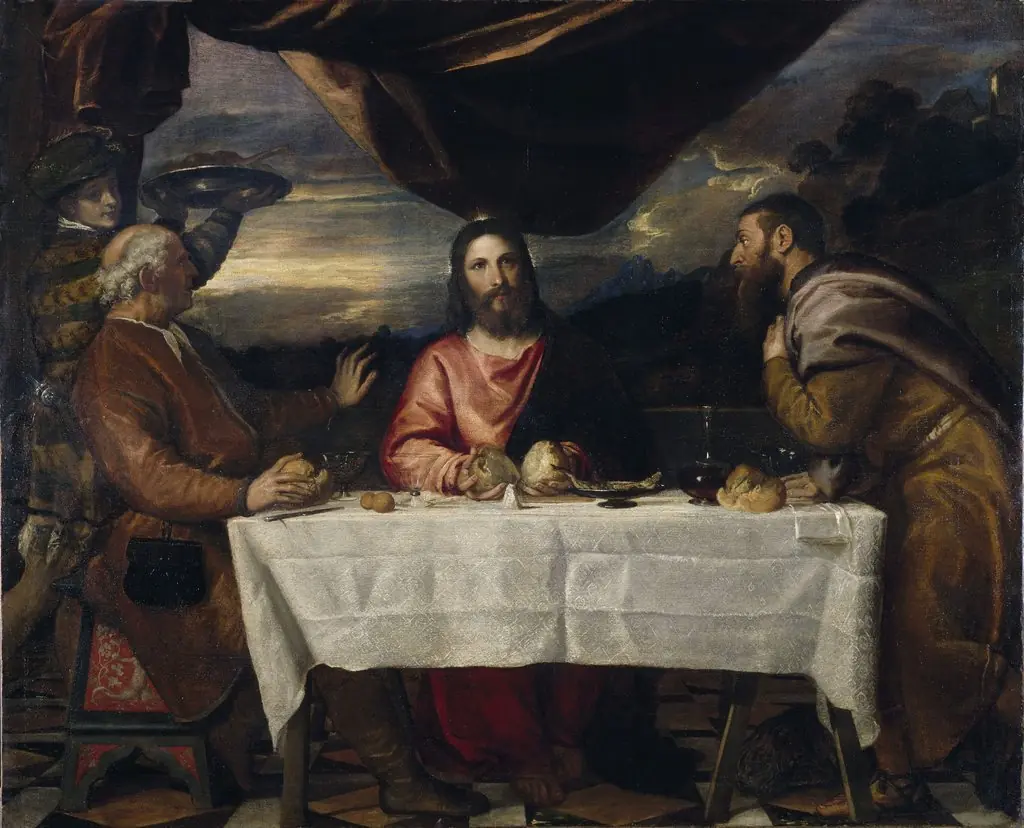
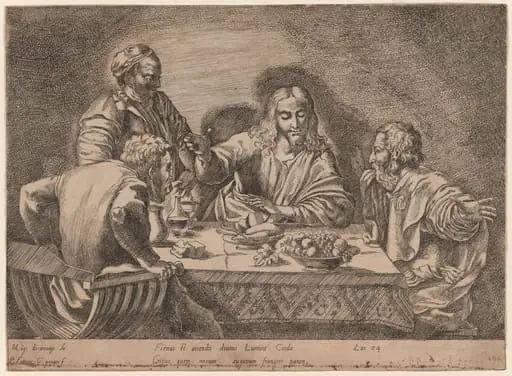
The painting portrays the biblical episode of the Supper at Emmaus, showing the risen Christ at a table with two disciples as they recognize him through the breaking of bread. Executed in oil on canvas in 1720 by Giovanni Battista Piazzetta, the work is classified as a religious painting and is part of the Cleveland Museum of Art collection. The composition emphasizes the moment of revelation, with Christ positioned centrally and the disciples reacting in surprise.
As a Counter‑Reformation subject, it reflects the theme of spiritual recognition and the presence of the divine in everyday encounters.
History & Provenance
Giovanni Battista Piazzetta's oil painting, The Supper at Emmaus, created in 1720, is currently held in the permanent collection of the Cleveland Museum of Art in Cleveland, Ohio. The work, executed on canvas with dimensions of 108.0 cm in height and 140.6 cm in width, depicts the biblical scene of the Supper at Emmaus featuring Jesus Christ. While the provided sources confirm the artwork's location within the museum and its creation date, they do not supply specific inventory or accession numbers for the piece.
Furthermore, the available documentation does not record a history of exhibitions for this specific painting, limiting the historical record to its attribution, physical characteristics, and current institutional custody.
Context
The Supper at Emmaus (1720) is an oil‑on‑canvas painting by Giovanni Battista Piazzetta that belongs to the religious genre of early 18th‑century Italian art. The work portrays the biblical moment of Christ appearing to the disciples at Emmaus, a subject that appears repeatedly in Piazzetta’s devotional oeuvre. Executed in Italy, the composition measures 108 × 140.6 cm and is now part of the Cleveland Museum of Art’s collection, illustrating the artist’s integration into contemporary museum narratives of religious painting.
Scholarship on Piazzetta often situates this canvas within his broader exploration of intimate biblical scenes, highlighting its role in the development of narrative religious art in Italy.
Overview
Giovanni Battista Piazzetta's oil painting, The Supper at Emmaus, created in 1720, depicts a pivotal moment from the New Testament. This religious work, now housed at The Cleveland Museum of Art, captures the dramatic revelation of Christ to two disciples. The artist employs a focused composition and atmospheric lighting to draw viewers into the intimate scene, emphasizing the emotional impact of the encounter.
Technique & Style
Piazzetta utilized oil paint to create a scene characterized by its dramatic use of light and shadow, a technique often referred to as chiaroscuro. The dimly lit setting, with a flickering light source, enhances the intimacy and tension of the encounter. This interplay of illumination and deep shadow emphasizes the figures and their expressions, drawing the viewer's attention to the emotional core of the narrative and contributing to the painting's powerful atmosphere.
Own this work as a print
Artist & collection
Artist
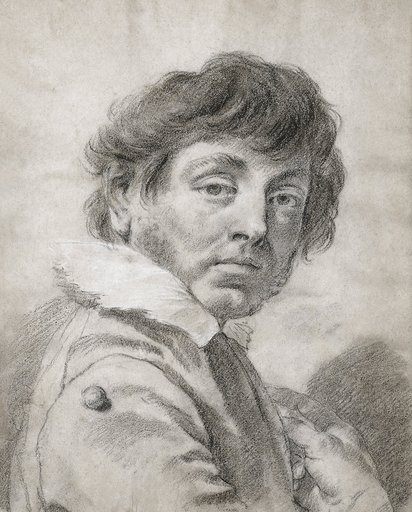
Giovanni Battista Piazzetta was an Italian Rococo painter of religious subjects and genre scenes.