Artwork
The Supper at Emmaus
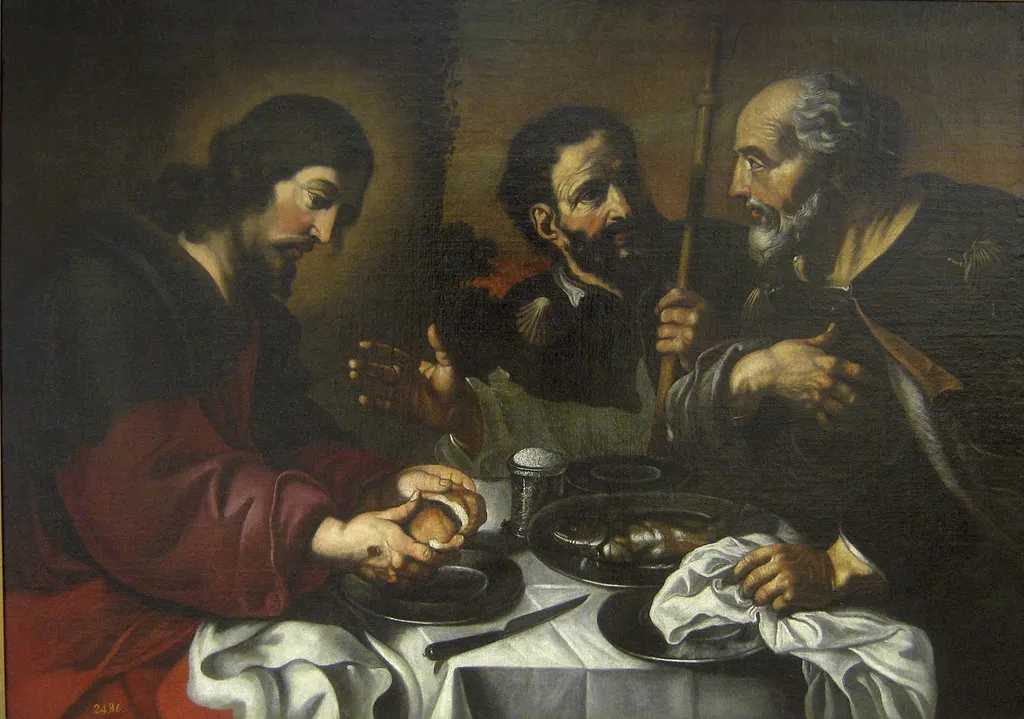
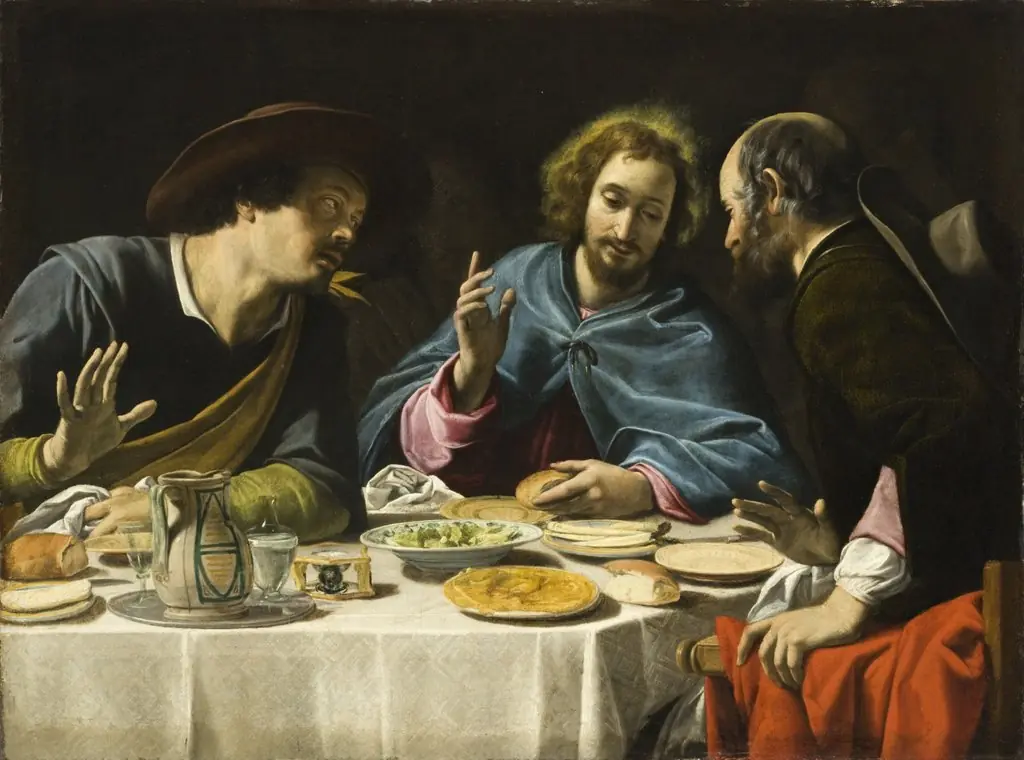
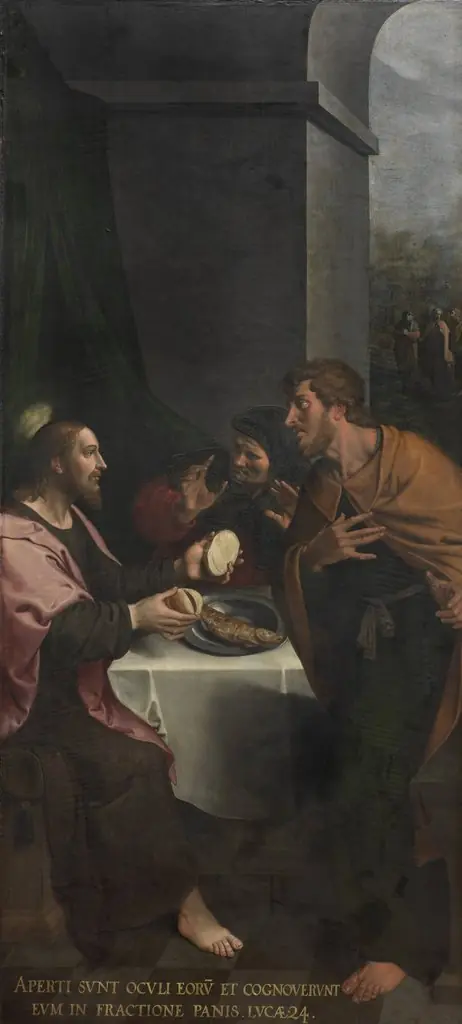
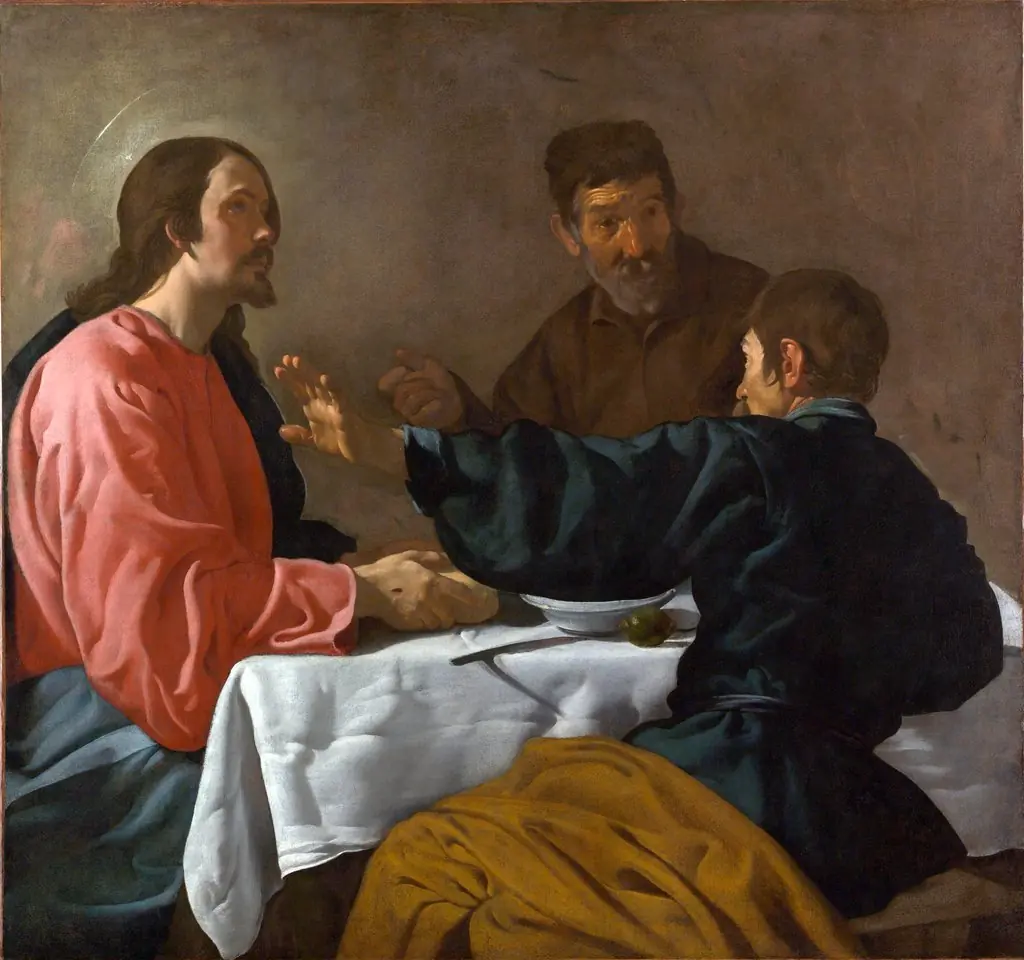
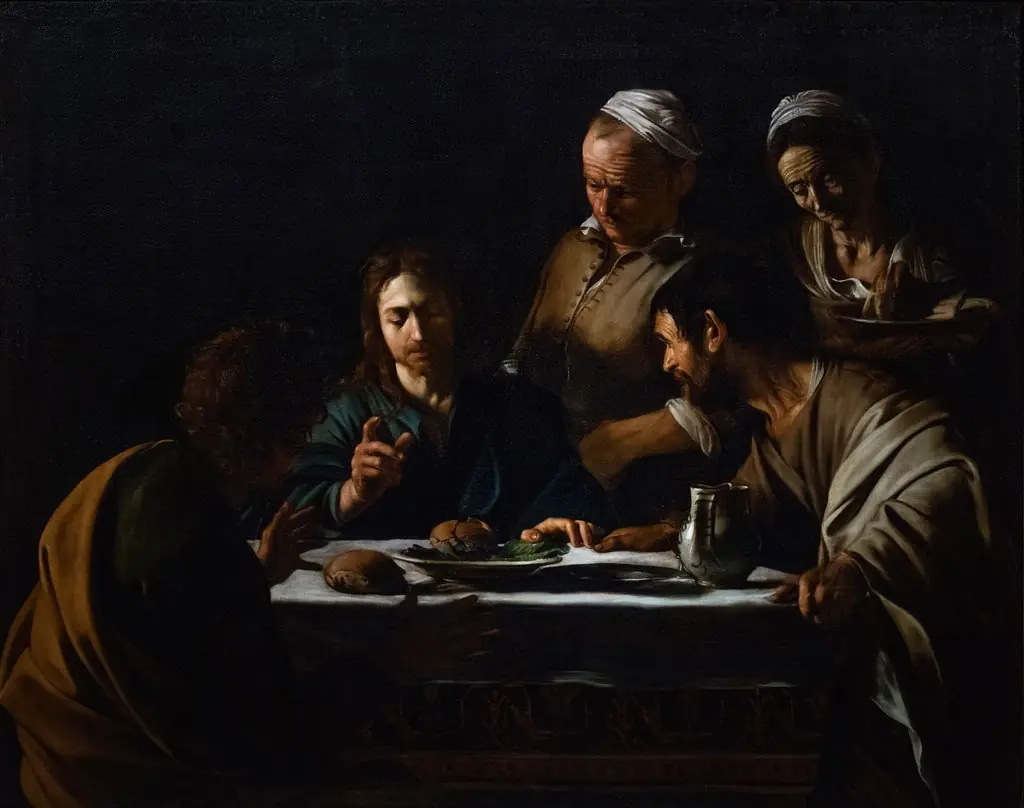
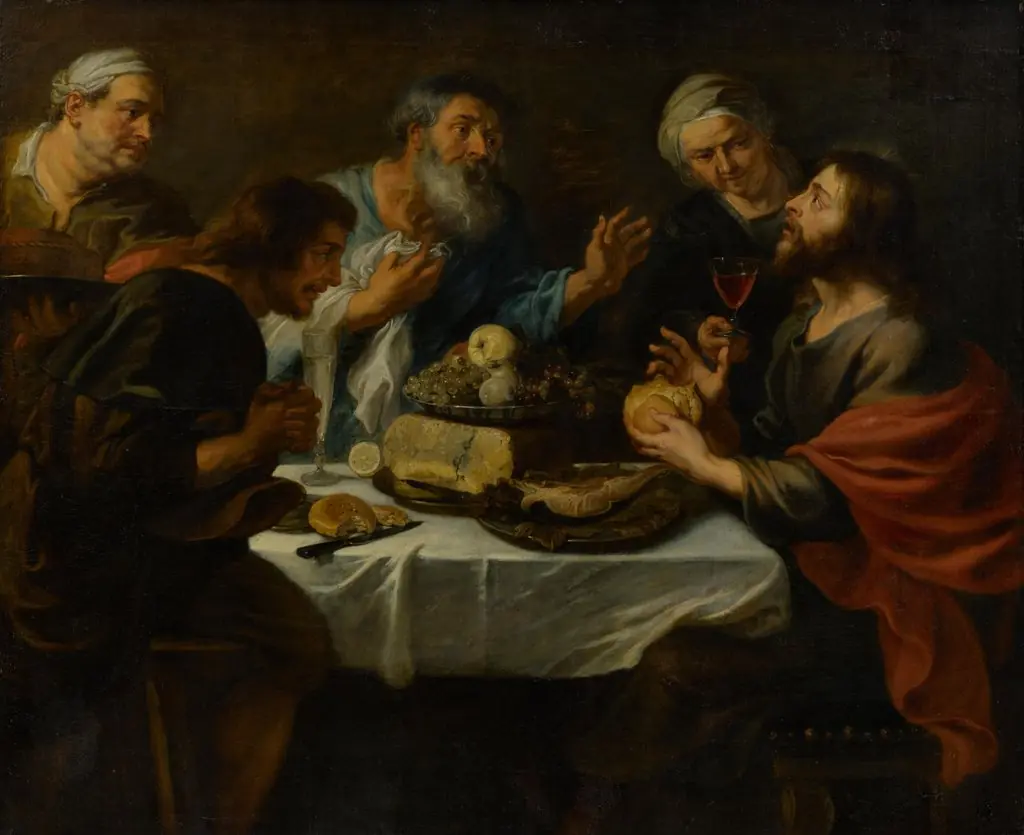
The Supper at Emmaus is an oil painting. It dates from 1601 and is held in the collection of the Museo del Prado. The work, executed in oil on canvas, depicts three male figures gathered around a modestly set table.
About this work
Subject & Meaning
These elements serve as the primary iconographic markers identifying the story within the genre of religious art.
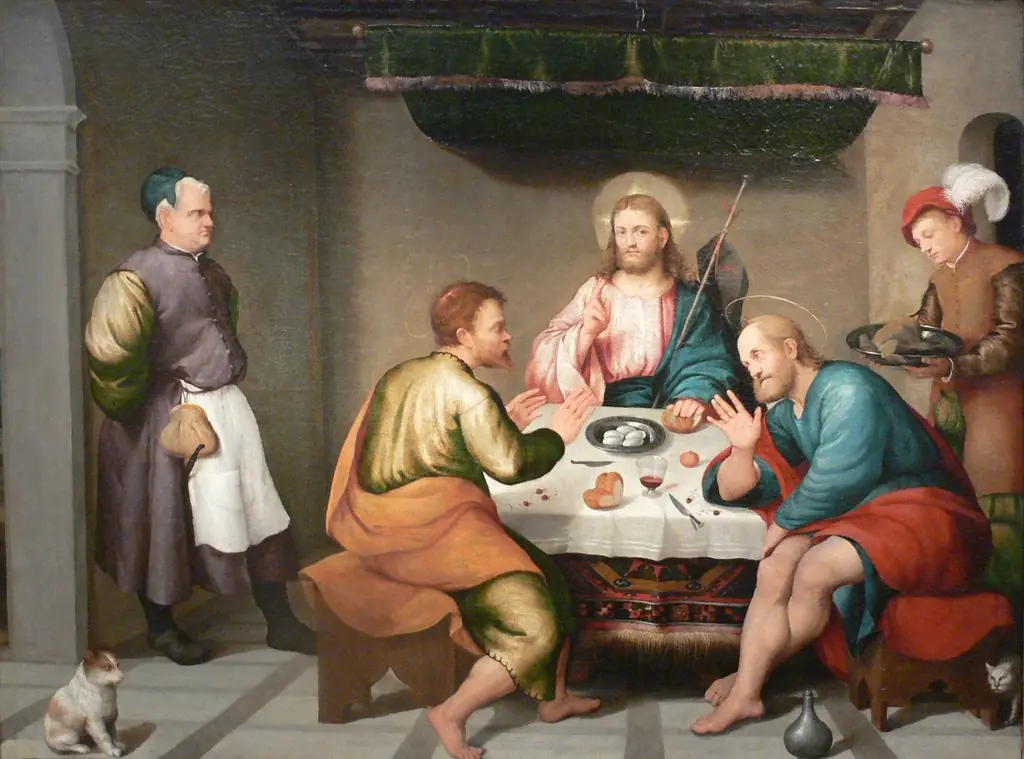
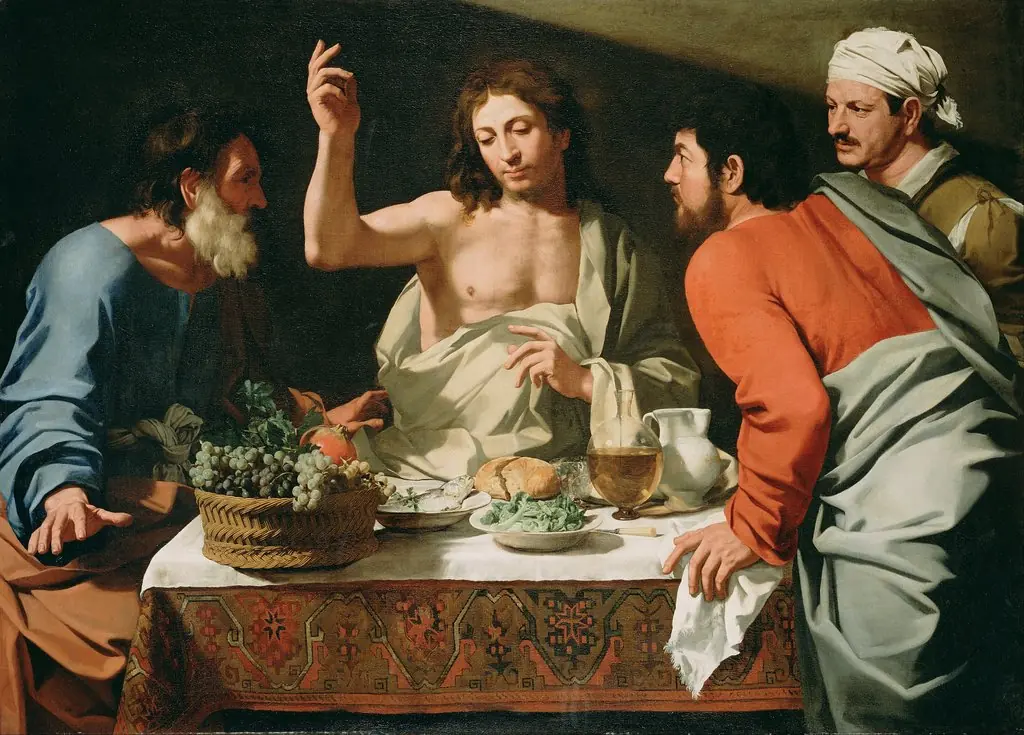
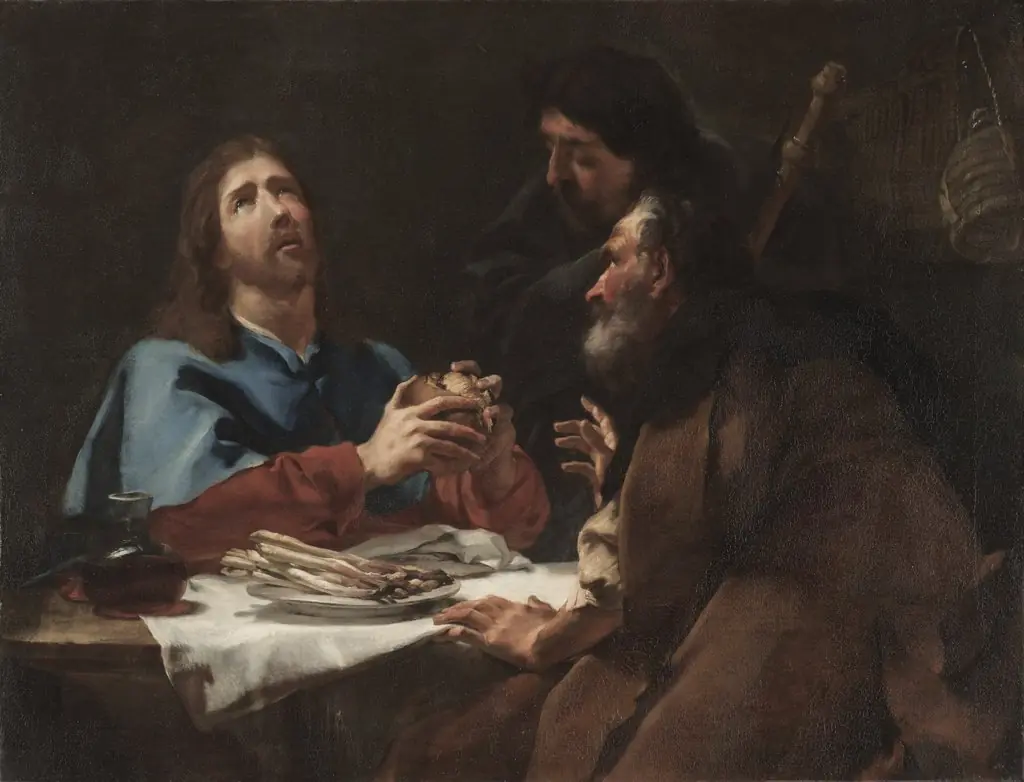
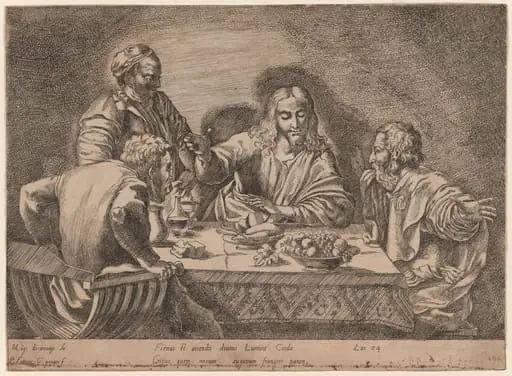
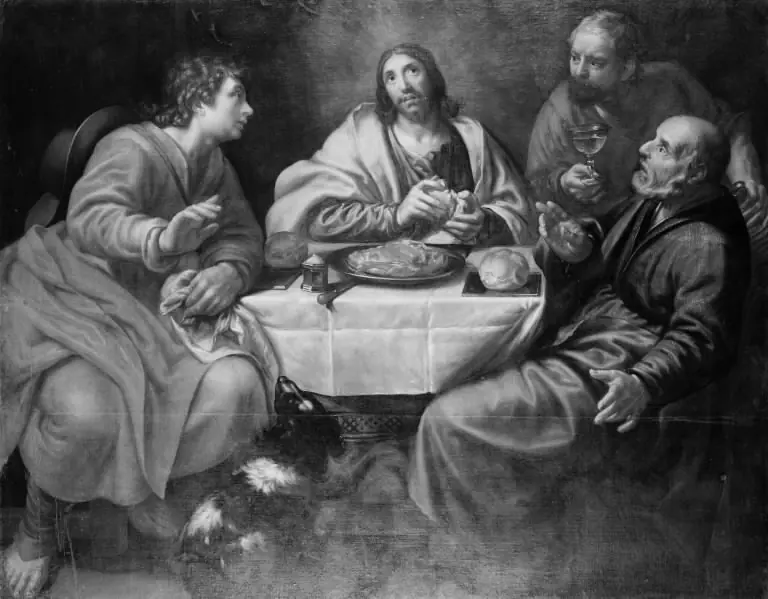
The painting depicts the biblical narrative of the Supper at Emmaus, a religious scene centered on the moment of recognition between the resurrected Jesus Christ and his followers. The composition focuses specifically on the main subject of this event, illustrating the figures of Jesus Christ alongside the bread and a knife placed upon the table. These elements serve as the primary iconographic markers identifying the story within the genre of religious art.
Created in 1601, the work visualizes the specific moment of revelation where the disciples identify the risen Lord during a meal, utilizing these tangible objects to anchor the spiritual significance of the encounter.
Technique & Style
The painting is executed in oil on canvas, measuring 104 cm in height by 144 cm in width. The work depicts a religious scene of the Supper at Emmaus, featuring bread, a knife, and the figure of Jesus Christ. It belongs to the religious art genre and is classified as a painting created in 1601.
History & Provenance
The Supper at Emmaus is dated to 1601, an inception recorded in the work's cataloguing data, and is executed in oil on canvas. The painting is attributed to an anonymous painter; no commission, patron, or original owner is documented in the available sources, leaving the early ownership chain unattested. It is presently held in the collection of the Museo del Prado in Madrid, where it is recorded as part of the museum's holdings, though the circumstances and date of its acquisition are not specified. No exhibition history is documented in the available records.
Context
The Supper at Emmaus, painted by Caravaggio around 1601, depicts the biblical moment of Christ revealing himself to his disciples after the Resurrection. Executed in oil on canvas, the work measures 144 cm by 104 cm and is classified as a religious painting within the Baroque tradition. It is housed in the collection of the Museo del Prado in Madrid, where it has been part of the permanent display since its acquisition.
The painting’s composition, characterized by dramatic chiaroscuro and naturalistic detail, reflects Caravaggio’s innovative approach to sacred subjects and his influence on subsequent artists.
Overview
The work, executed in oil on canvas, depicts three male figures gathered around a modestly set table. A white cloth drapes the surface, supporting a loaf of bread, a knife, a metal cup, and a plate bearing a fish or shellfish. One figure points toward the bread, while another rests a staff against the table, and the third watches attentively. The composition is illuminated against a darkened background, emphasizing the participants and their objects.
Artist & collection