Artwork
Alexander the Great in the Workshop of Apelles
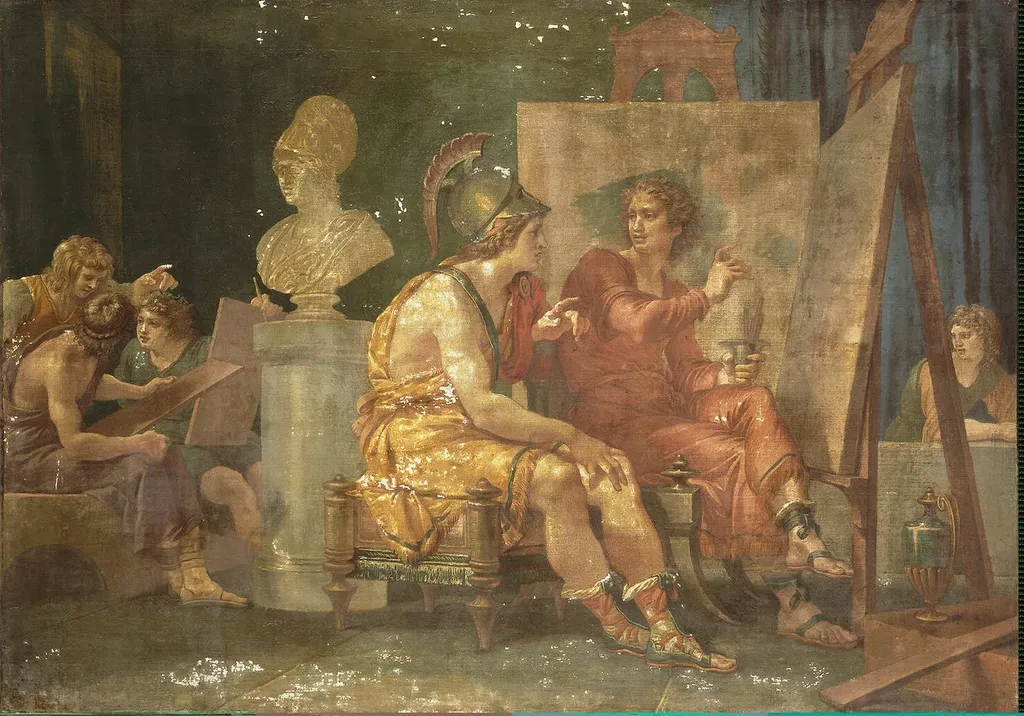
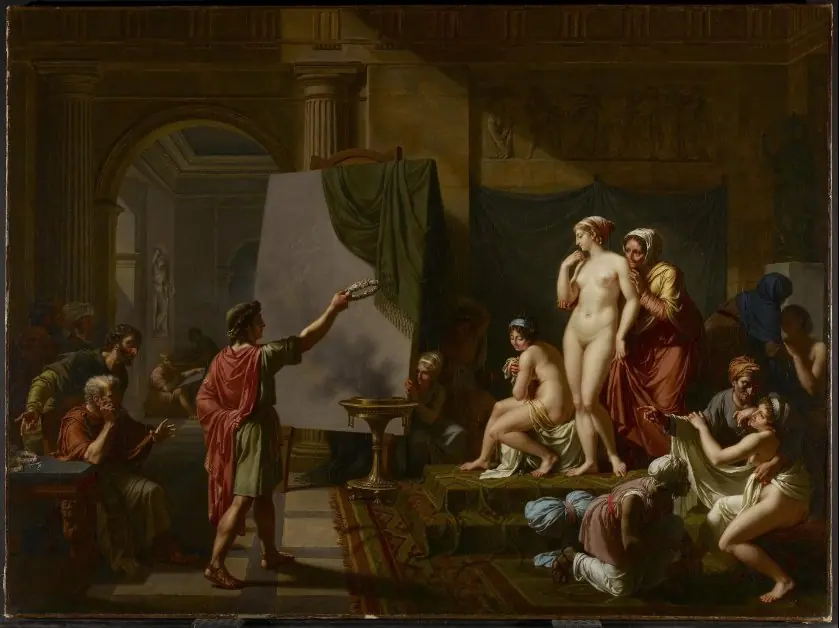
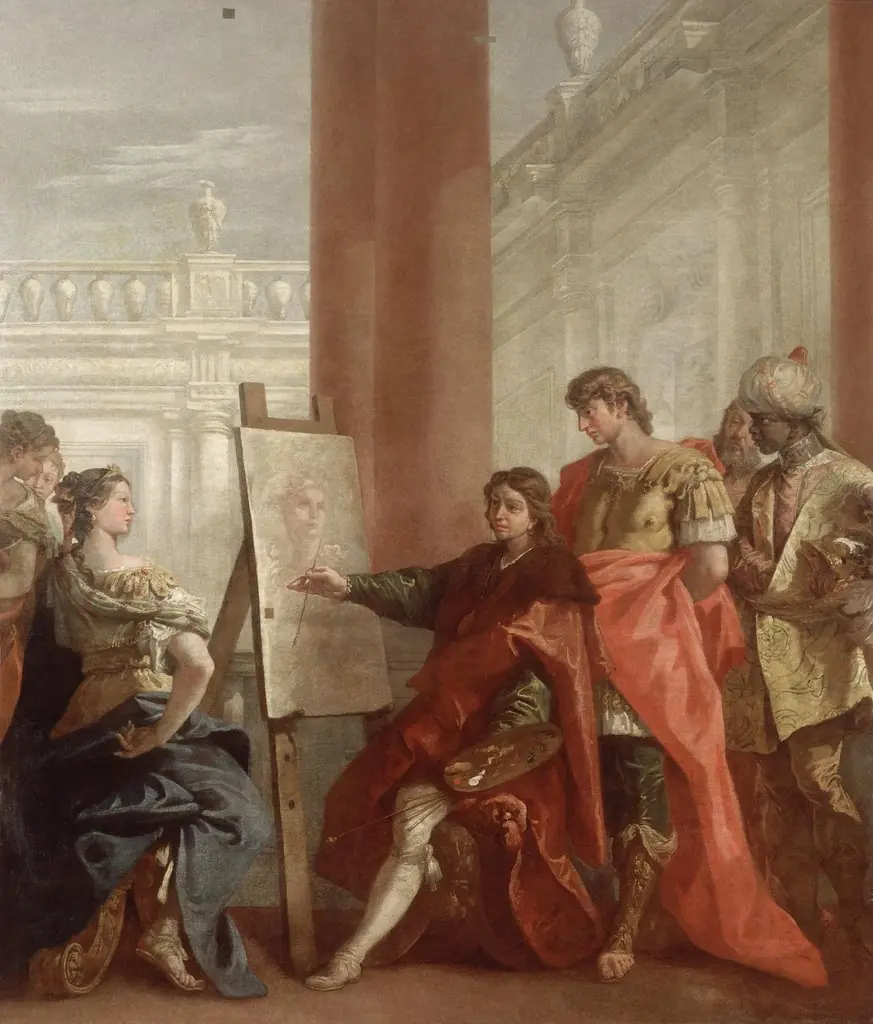
Alexander the Great in the Workshop of Apelles is an unspecified painting by the Neoclassicist artist Giuseppe Cades. It dates from 1796 and is held in the collection of the Hermitage Museum.
About this work
Subject & Meaning
The inclusion of the studio setting underscores the theme of the painter's privileged access to the ruler.
Giuseppe Cades's painting depicts the young conqueror Alexander the Great visiting the studio of Apelles, the celebrated painter of antiquity, whose legendary portrait of the Macedonian king was famed in the ancient world. The scene stages an encounter between ruler and artist, a subject drawn from classical anecdote in which Alexander sat for Apelles and reportedly granted the painter exclusive right to portray him.
By placing Alexander within the painter's workshop, Cades frames the moment as one of artistic creation and royal patronage, presenting the studio as a space where power and image-making intersect. The inclusion of the studio setting underscores the theme of the painter's privileged access to the ruler.
The work thus functions as a meditation on the relationship between sovereign authority and the artist who defines how that authority is remembered, a recurring concern in late-eighteenth-century Neoclassical painting.
Technique & Style
Giuseppe Cades executed Alexander the Great in the Workshop of Apelles in 1792 as a painting created in Italy. The work is rendered on a support measuring 80.5 cm in height and 114 cm in width. As a painting, the piece relies on traditional pictorial techniques appropriate to late 18th-century Italian academic practice, depicting a scene within an artist's studio.
The composition centers on the interaction between Alexander the Great and the ancient painter Apelles, utilizing the medium to convey narrative and formal structure. The physical dimensions and classification as a painting define its material presence within the Hermitage Museum collection.
History & Provenance
Alexander the Great in the Workshop of Apelles was painted by Giuseppe Cades in 1792 in Italy. The work is now part of the Hermitage Museum’s collection, though the sources do not record any earlier owners, a specific commission, or the date of its acquisition by the museum. Consequently, the provenance beyond its creation and current location remains undocumented in the available material.
Context
Giuseppe Cades’s Alexander the Great in the Workshop of Apelles (1792) situates the ancient painter–patron narrative within Neoclassical practice by reimagining the legendary collaboration between Apelles and Alexander. Completed in Rome and later held in the Hermitage, the painting reflects eighteenth-century antiquarian interest in reconstructing classical ateliers and the idealized fusion of artist and ruler. Its compositional focus on creative labor within a controlled studio space aligns with contemporary discussions of artistic genius and technical mastery, themes explored in treatises and salon criticism of the period.
By casting Alexander as both subject and viewer, the work implicitly elevates the artist’s social standing, a concern central to Neoclassical discourse on the autonomy of art and the artist’s elevated role in post-Revolutionary Europe.
The painting’s reception in Russian collections underscores the transnational circulation of Neoclassical motifs during the late eighteenth century, situating Cades’s vision within a broader European dialogue on antiquity and modern artistic identity.
Overview
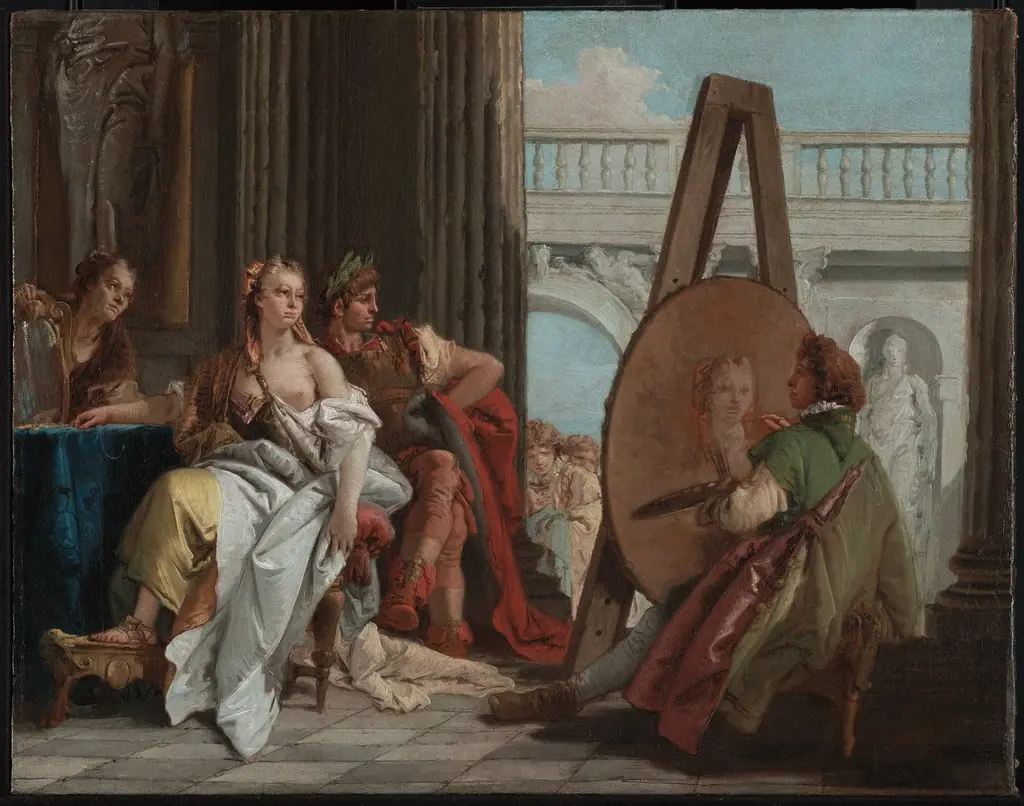
Giuseppe Cades’ 1796 oil painting titled Alexander the Great in the Workshop of Apelles presents a historic scene set within an artist’s studio. The composition brings together the famed Macedonian ruler and the celebrated ancient painter Apelles, surrounded by a group of assistants engaged in their craft. The work is part of the collection of the State Hermitage Museum in St. Petersburg.
Artist & collection

Artist
Giuseppe Cades was a neo-classicist Italian draftsman, painter, engraver and sculptor, based in Rome.

![Sacrifice [recto], by Giuseppe Cades](https://artifactworldgallery.com/img/giuseppe-cades--sacrifice-recto--e241efd578d18f6e-w320.webp)
![Designs for Vases [verso], by Giuseppe Cades](https://artifactworldgallery.com/img/giuseppe-cades--designs-for-vases-verso--e4733d1cf07d063d-w320.webp)
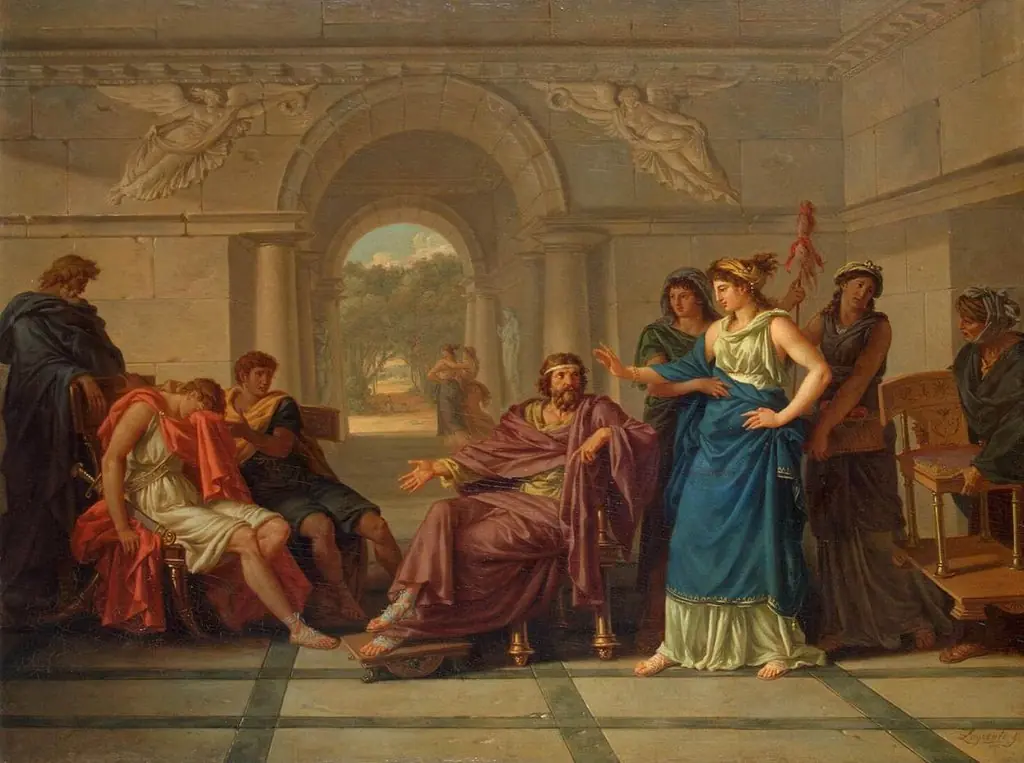 Helen Recognising Telemachus, Son of Odysseus
 Zeuxis choisissant des modèles
 Augustus building the port of Miseno
 MAN Naples 27875
 Apelles Paints Campaspa
 Achille costretto a cedere briseide a ad Agamennone
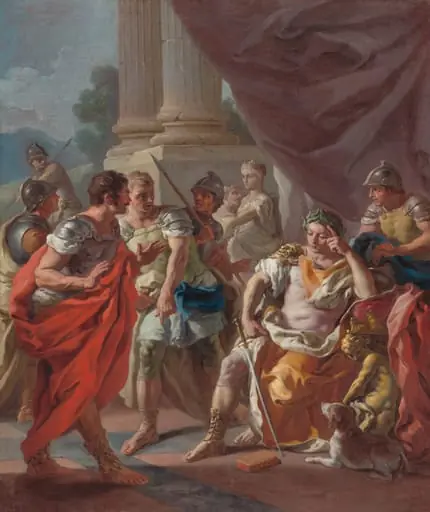 Alexander Condemning False Praise
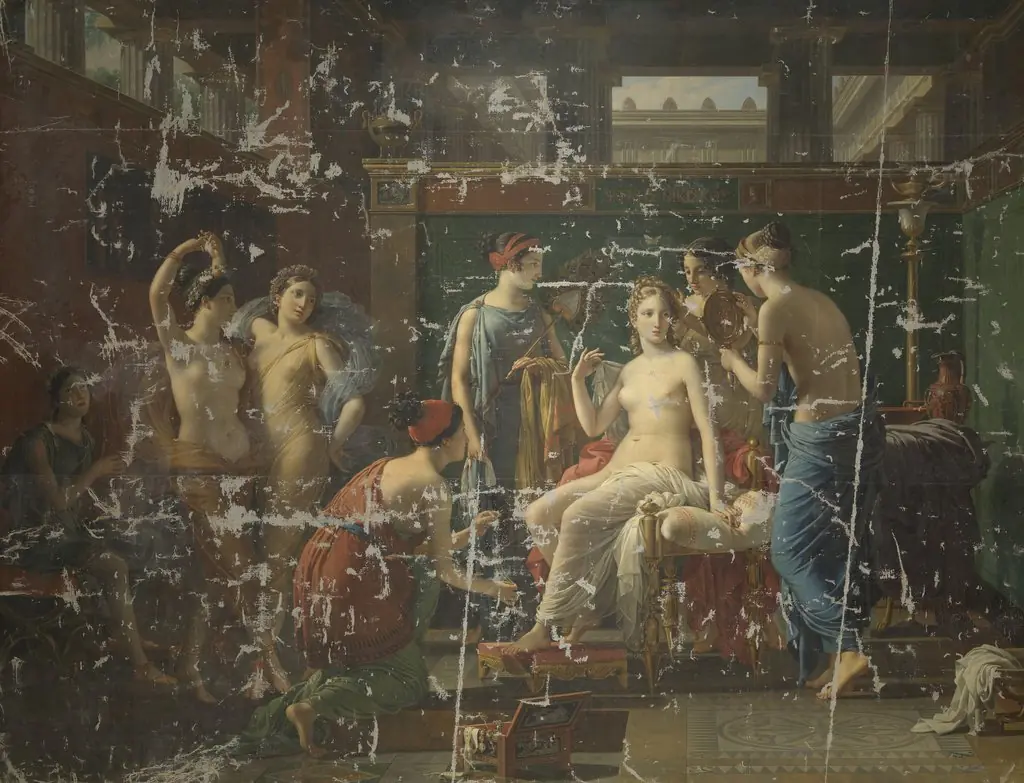 The Toilet of Psyche
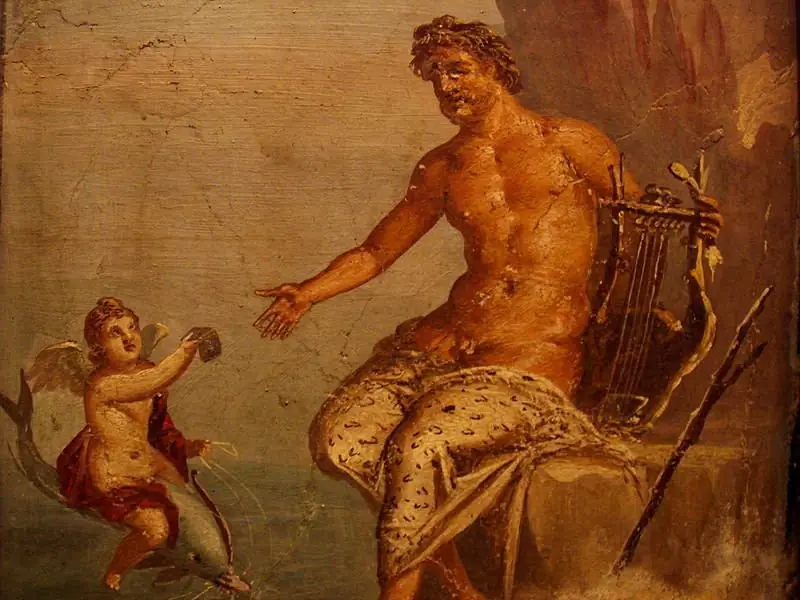 Polyphemus receives a letter from Galatea.
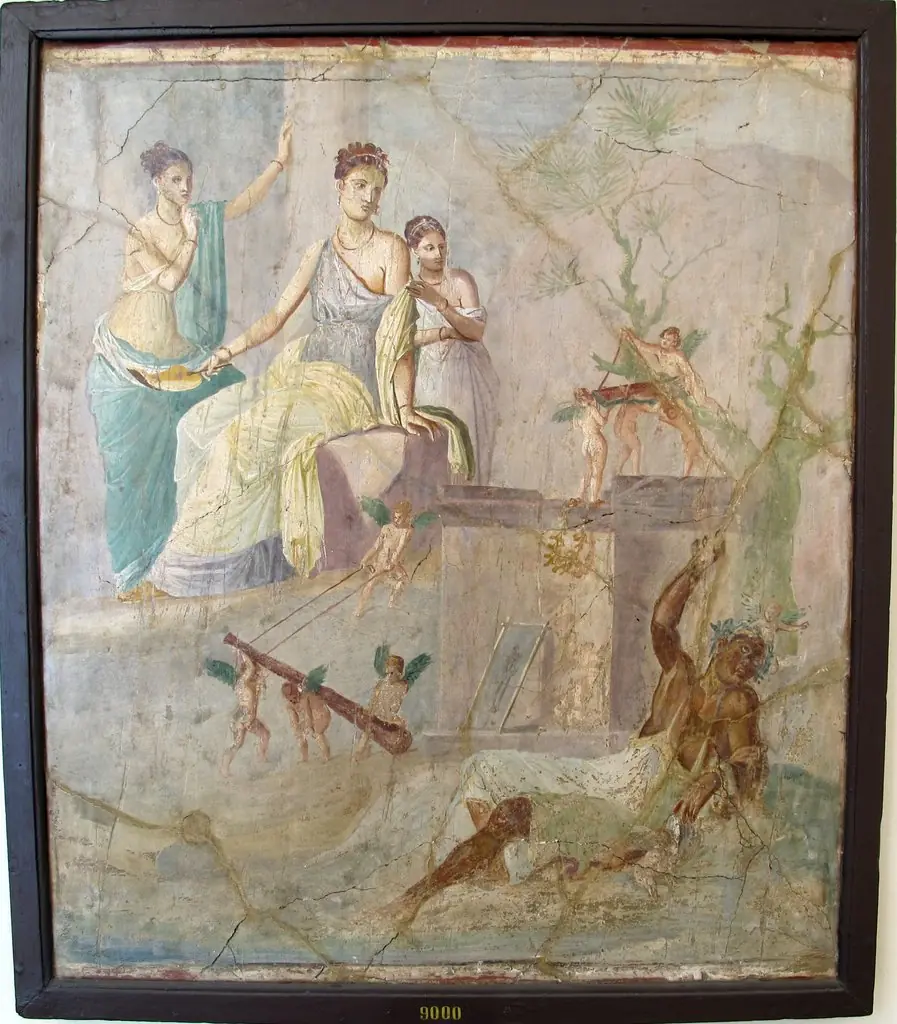 Heracles and Omphale