Artwork
Old Man holding a Pair of Spectacles
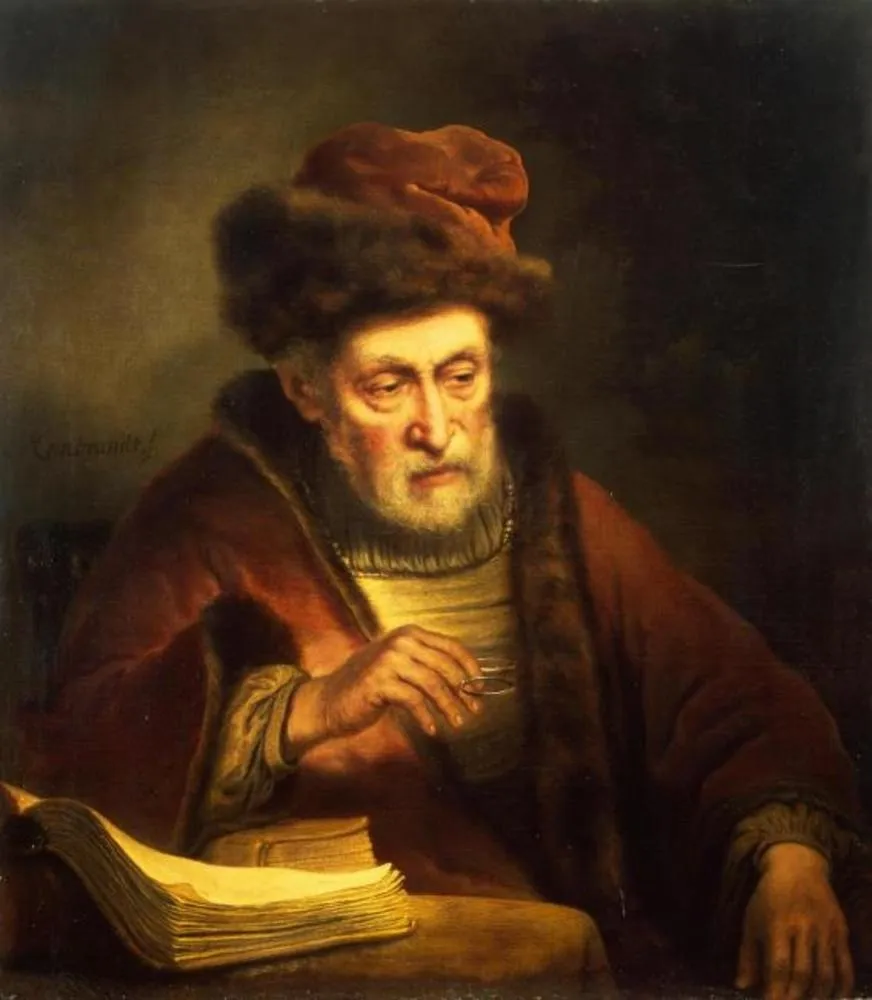
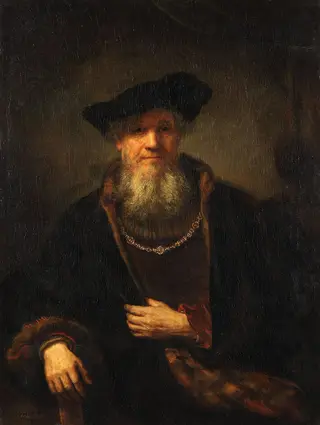
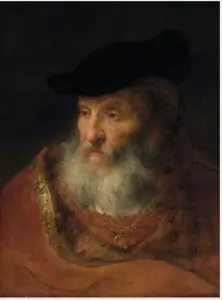
Old Man holding a Pair of Spectacles is an oil painting by the Dutch Golden Age artist Sir Godfrey Kneller. It dates from 1668 and is held in the collection of the Hermitage Museum. Created in 1668, this oil painting portrays an elderly gentleman clutching a pair of spectacles.
About this work
Overview
Old Man holding a Pair of Spectacles is an oil painting on canvas dated 1668, measuring 86.
Old Man holding a Pair of Spectacles is an oil painting on canvas dated 1668, measuring 86.5 by 76 centimeters, currently held in the Hermitage Museum in Saint Petersburg. The work occupies a contested position in art historical scholarship: it has been variously attributed to Carel van der Pluym, Ferdinand Bol, Godfrey Kneller, and Rembrandt, with the corpus source listing both Sir Godfrey Kneller and John Smibert as possible artists. Its uncertain authorship, combined with its accomplished technique and intimate subject matter, has made it a significant object of study for scholars of Dutch Golden Age painting and British portraiture alike. The painting exemplifies the scholarly, contemplative portrait type that flourished in the Netherlands during the mid-seventeenth century, while also bearing potential connections to the formative training of one of Britain's most successful portraitists.
Subject & Meaning
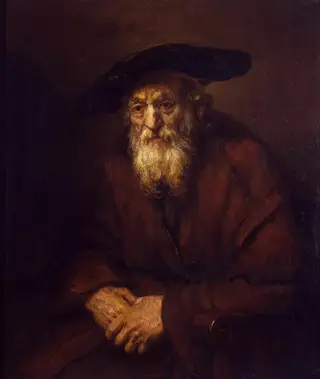
The painting depicts a bearded elderly man in three-quarter pose, facing slightly right with his gaze directed downward toward an open book resting on a surface before him. He wears a tall, soft red hat with dark fur brim and a heavy red robe with fur trim over a light-colored, pleated garment. In his right hand he holds a pair of spectacles near his chest, while his left hand rests on his thigh. The iconography of spectacles and open book strongly signals scholarly or intellectual pursuits, a common theme in Dutch Golden Age portraiture where such attributes denoted learning, wisdom, and the contemplative life. The downward gaze and the moment of suspended action, poised between reading and reflection, creates a meditation on age, knowledge, and the passage of time. The warm, muted glow behind the sitter's head isolates him from the dark, undefined background, focusing attention on the psychological interiority of the subject rather than any specific social status or professional identity.
Technique & Style
The painting is executed in oil on canvas with a polished finish and subtle transitions between light and shadow. Strong light falls from the left, illuminating the face, book, and hands, while deep shadows model the folds of clothing and the surrounding space. This chiaroscuro effect creates dramatic three-dimensionality against the dark background. The brushwork varies across the surface: smooth and blended in the flesh tones, with thicker, more textured handling in the fabrics and fur. The palette is dominated by deep browns, warm reds, and golden yellows, contributing to an intimate, somber atmosphere. A signature is visible on the left side of the background, though its reading and attribution remain disputed. The overall handling suggests training in the Amsterdam school of the 1660s, with particular affinities to the Rembrandt workshop's approach to lighting and psychological portraiture, whether or not the artist was directly connected to that milieu.
History & Provenance
The painting is dated 1668 and is currently located in the Hermitage Museum, though details of its acquisition and earlier provenance are not specified in the available sources. The attribution history is notably complex. The corpus source lists both Sir Godfrey Kneller and John Smibert as possible artists, while Wikidata records multiple attributions including Carel van der Pluym, Ferdinand Bol, Godfrey Kneller, and Rembrandt. An AI-generated description from app.fta.art initially attributed the work to Rembrandt but then corrected itself to Godfrey Kneller based on common knowledge. This attribution debate reflects broader challenges in cataloging works from the Rembrandt circle and the early training of artists who later developed independent careers. If the Kneller attribution were to be accepted, the painting would represent an exceptionally early work from his brief period in the Netherlands before his departure for Italy in the early 1670s and subsequent move to England in 1676. The painting's exhibition history is not documented in the provided sources.
Context
The multiple attributions of this painting reflect the interconnected nature of artistic training in the Dutch Republic during the 1660s. Godfrey Kneller, born Gottfried Kniller in Lübeck in 1646, was sent to the Dutch Republic to study mathematics and fortification, but turned to painting. According to various sources, he studied under Ferdinand Bol and possibly received some instruction from Rembrandt in Amsterdam around 1663. The Leiden Collection notes that while Kneller's early work shows little of Rembrandt's direct influence, Bol's impact is manifest. If Old Man holding a Pair of Spectacles is indeed by Kneller, it would document his formative engagement with Dutch tronie and scholarly portrait traditions before his transformation into Britain's leading portraitist. The alternative attributions to Ferdinand Bol or Carel van der Pluym place the work within the Rembrandt workshop orbit, where such intimate, character-studying portraits were a specialty. The confusion with John Smibert, who was born in 1688 and studied under Kneller decades later, appears to reflect a broader cataloging error rather than serious scholarly attribution.
Legacy
The painting's significance lies less in any documented later influence than in its value as a case study for attribution methodology and the circulation of artistic ideas in the seventeenth century. Its contested authorship illuminates the difficulties of distinguishing works by Rembrandt's immediate circle from those of talented young artists who passed briefly through Amsterdam before achieving fame elsewhere. For Kneller scholarship specifically, the possibility of his authorship would add a rare Dutch-period work to a corpus otherwise dominated by his prolific English output. Kneller became Principal Painter to the Crown after Sir Peter Lely's death in 1680, received a knighthood from William III in 1692, and was made a baronet by George I in 1715, the highest title ever granted to a painter at that time. The painting's residence in the Hermitage Museum ensures its continued visibility and its role in ongoing debates about Northern European portraiture of the late seventeenth century. Its AI-generated misattribution in some online contexts also illustrates contemporary challenges in maintaining accurate art historical information in digital environments.
Artist & collection
Artist
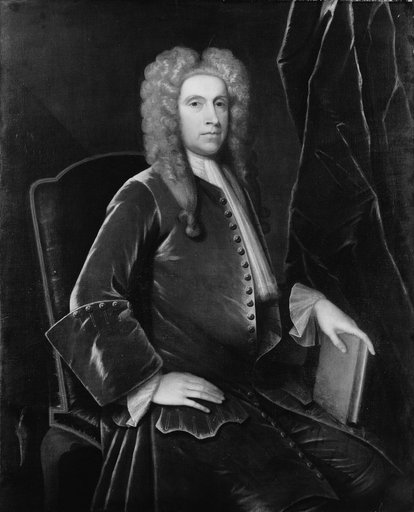
Sir Godfrey Kneller, 1st Baronet (born Gottfried Kniller; 8 August 1646 – 19 October 1723) was a German-born British painter.

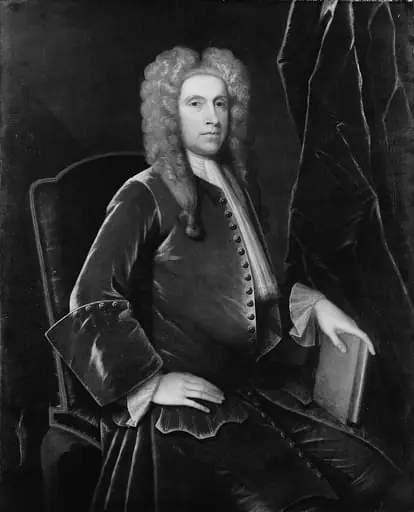 Portrait of a Man
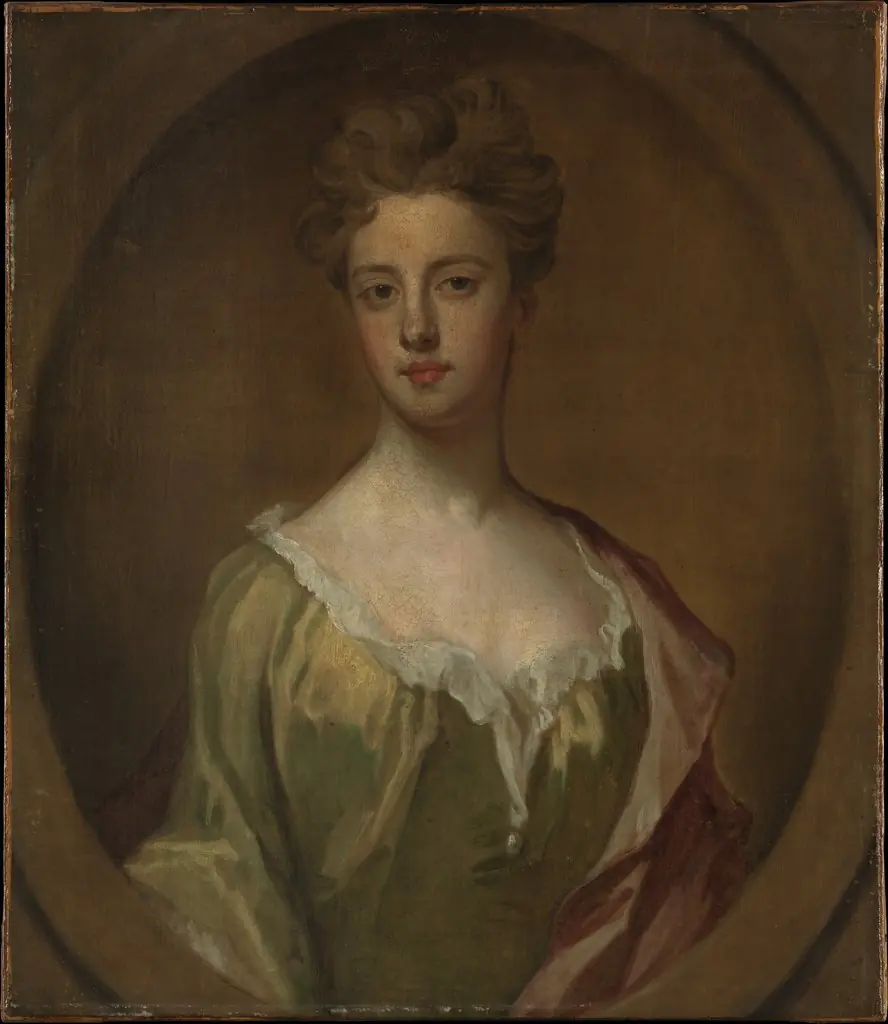 Lady Mary Berkeley, Wife of Thomas Chambers
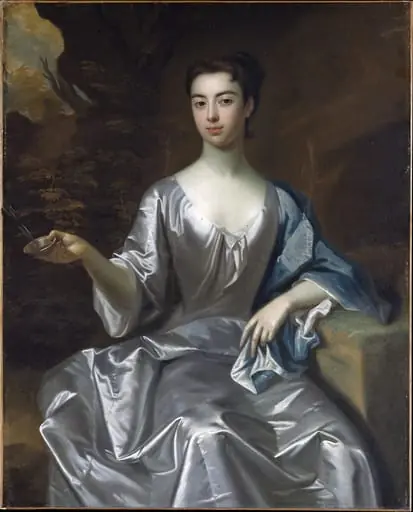 Portrait of a Woman, Called Maria Taylor Byrd
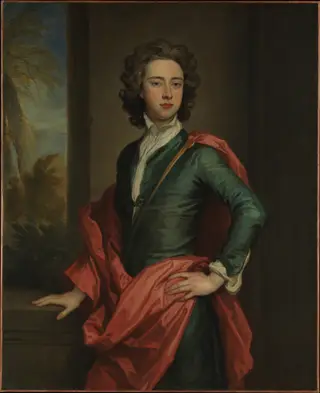 Charles Beauclerk (1670–1726), Duke of St. Albans
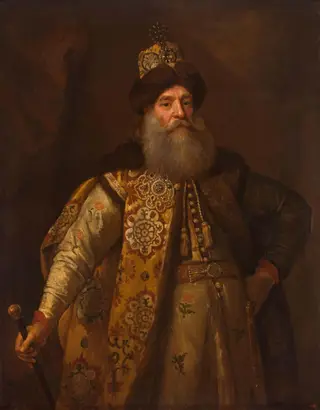 Portrait of Piotr Potyomkin (1617-1700)
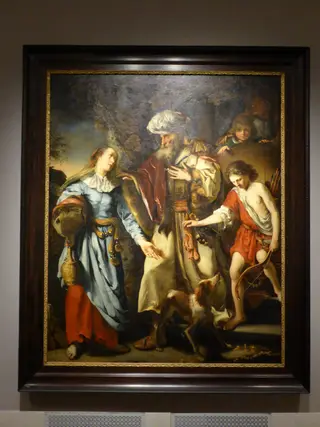 Abraham banishes Hagar and Ishmael
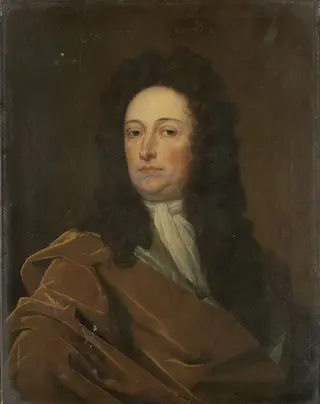 Aernout van Citters (1633-96), Ambassador of the Dutch Republic in London
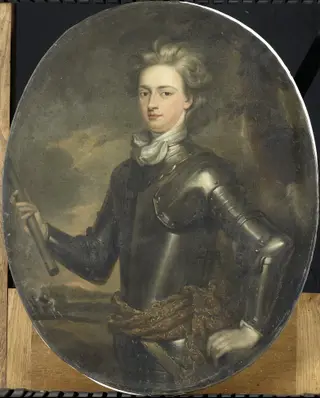 Portrait of the first Earl of Albemarle