Artwork
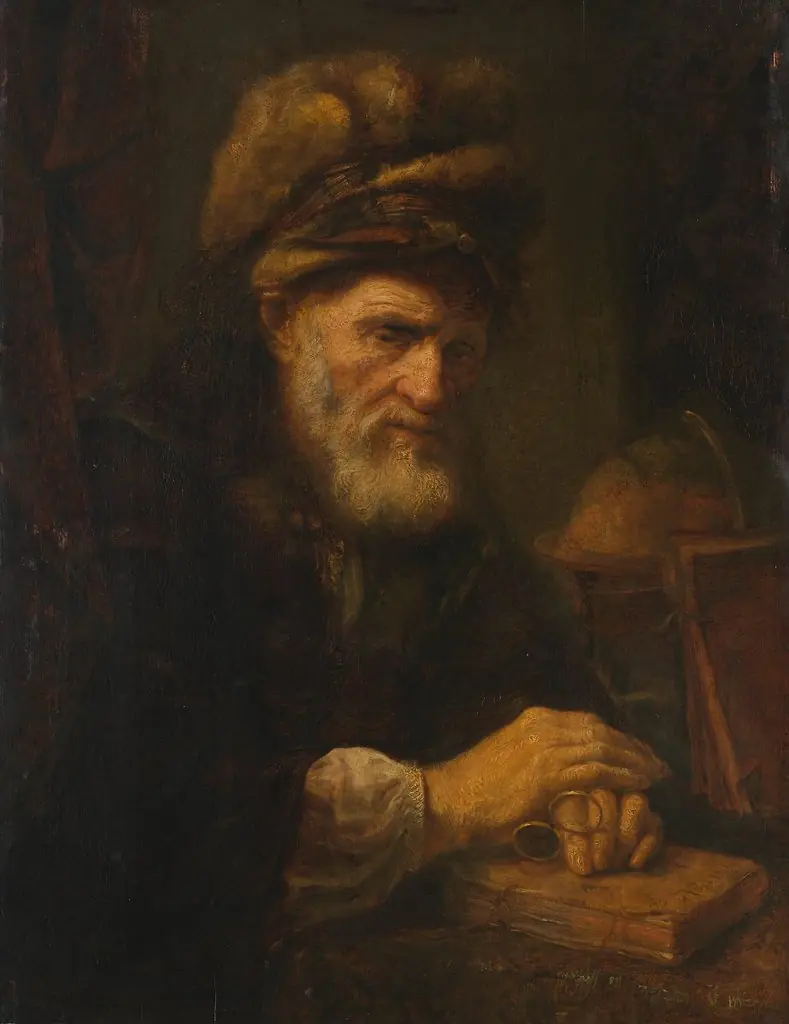
A man in oriental costume, known as ‘The Rabbi’
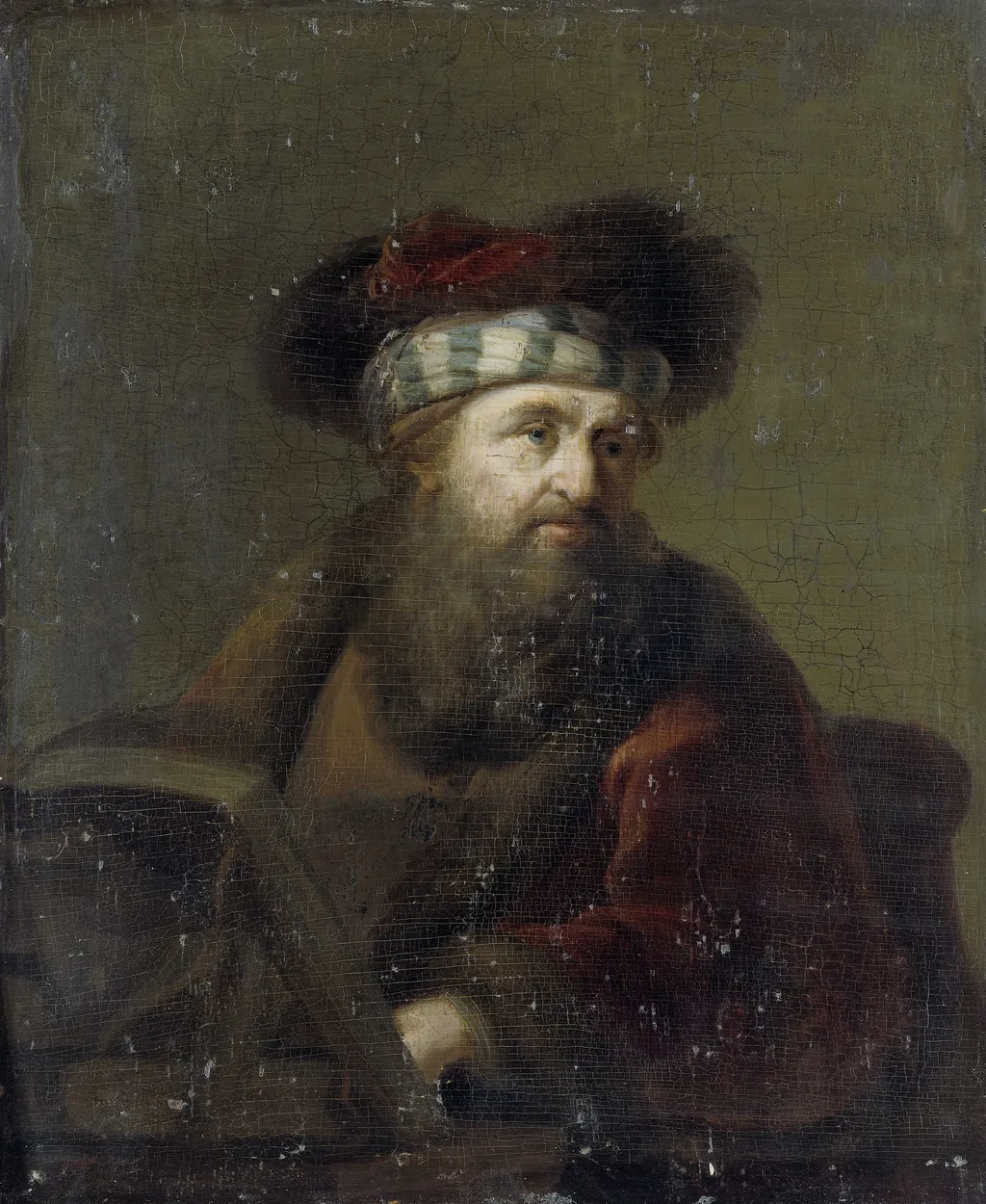
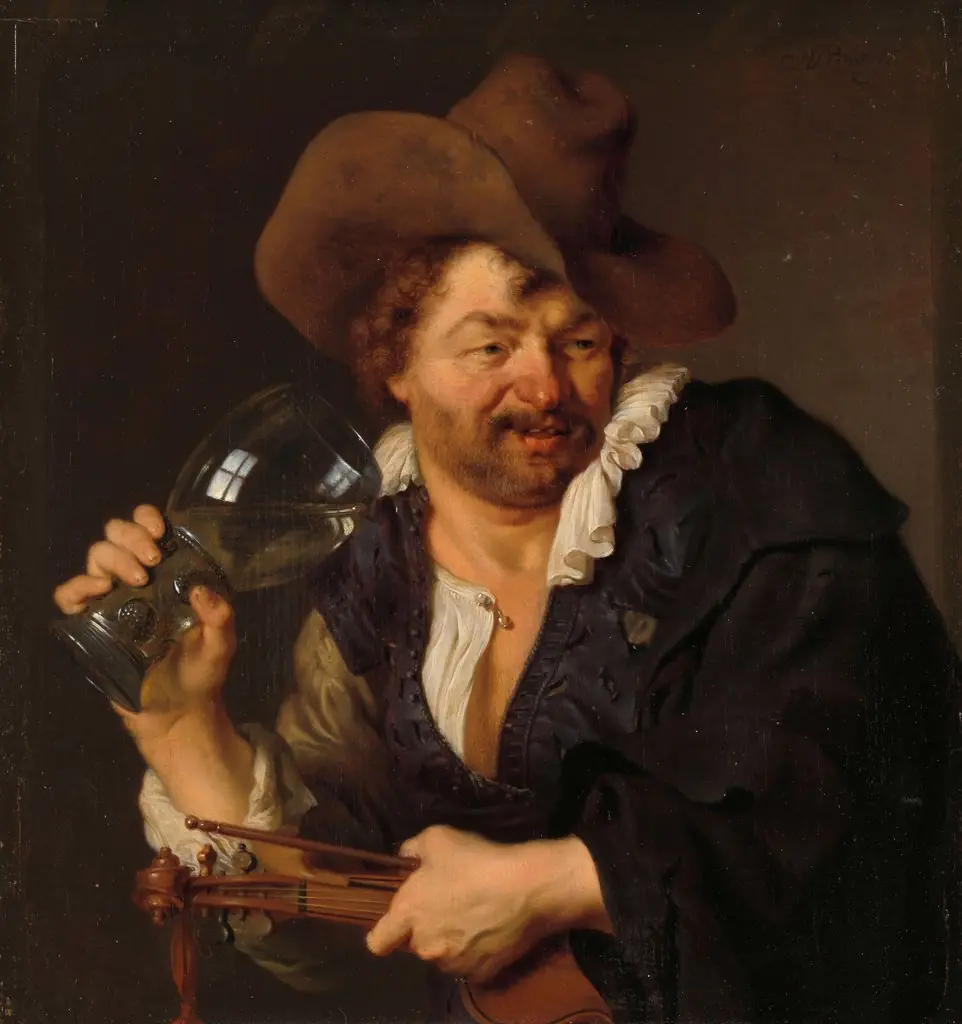
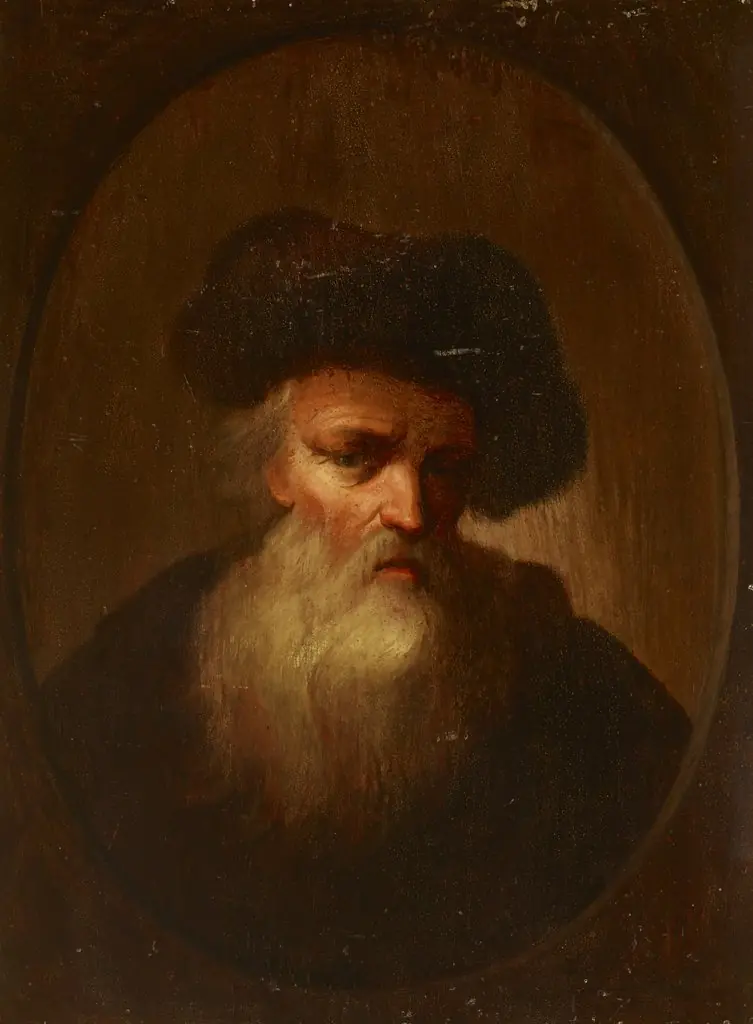
A man in oriental costume, known as ‘The Rabbi’ is an oil painting by the Dutch Golden Age artist Ary de Vois. It is held in the collection of the Rijksmuseum.
About this work
Subject & Meaning
The painting presents a straightforward representation of a male subject without further interpretive context in the available records.
The work is classified as a portrait depicting a single man. While the title identifies the figure as 'The Rabbi' and describes him as wearing oriental costume, the provided sources do not elaborate on specific iconographic details, symbolic elements, or the deeper meaning behind the attire and designation. The painting presents a straightforward representation of a male subject without further interpretive context in the available records.
Technique & Style
The work is an oil painting executed on wooden panel, reflecting early 18th-century portraiture conventions. Its dimensions measure 24 cm by 20 cm, aligning with the modest scale typical of private devotional works of the period. The brushwork demonstrates a restrained handling of light and texture, characteristic of Dutch portraiture, while the composition emphasizes the sitter’s dignified presence through careful attention to facial expression and costume detail.
These formal qualities contribute to the painting’s stylistic classification within the portrait genre, underscoring its historical significance as a representation of an individual in oriental attire during the early modern era.
History & Provenance
A man in oriental costume, known as ‘The Rabbi’ is an oil painting on panel by Ary de Vois, dated 1716. The work is held in the collection of the Rijksmuseum, where it is currently located. No information about its commission, earlier ownership, or chain of custody prior to the museum's acquisition is documented in the available sources.
The painting measures 24 cm in height by 20 cm in width and is classified as a portrait. Beyond its inception date and current institutional home, the available records do not provide details on provenance, prior owners, or the circumstances of its creation.
The painting is part of the Rijksmuseum's collection and is accessioned under the Rijksmuseum inventory number SK-A-1855. It has been displayed in the museum's exhibition on Dutch portraiture, highlighting works from the early 18th century.
The work is cataloged as inventory SK-A-1855 within the Rijksmuseum, where it remains on view as part of the institution's permanent holdings.
The painting was included in the Rijksmuseum's 2015 exhibition titled "Dutch Portraits: 1600–1800," which showcased notable examples of portraiture from the period.
The piece was also featured in the 2020 exhibition "Golden Ages: Dutch and Flemish Masters," presented at the Rijksmuseum and later traveled to the Museum Van Loon.
The painting was last exhibited in the Rijksmuseum's galleries in 2022 as part of a reinstallation of its 18th-century portrait collection.
Context
The painting A man in oriental costume, known as ‘The Rabbi’ by Ary de Vois was created in 1716 and is classified as a portrait. It depicts a man in oriental costume and was painted in oil on panel. The work is part of the Rijksmuseum collection in Amsterdam.
Scholars have examined its stylistic traits and historical context within 18th-century Dutch portraiture, noting its significance in the artist’s oeuvre and broader European genre painting traditions.
Overview
Ary de Vois’s oil portrait, dated 1716, presents a solitary figure in an oriental dress, commonly referred to as “The Rabbi.” The work is part of the Rijksmuseum’s collection and measures a modest size typical of Dutch portraiture of the early eighteenth century. Its composition centers on the sitter, whose dignified pose and attire dominate the canvas.
Own this work as a print
Artist & collection